
How to Celebrate Tet Festival as a Foreigner: The Ultimate Insider Guide
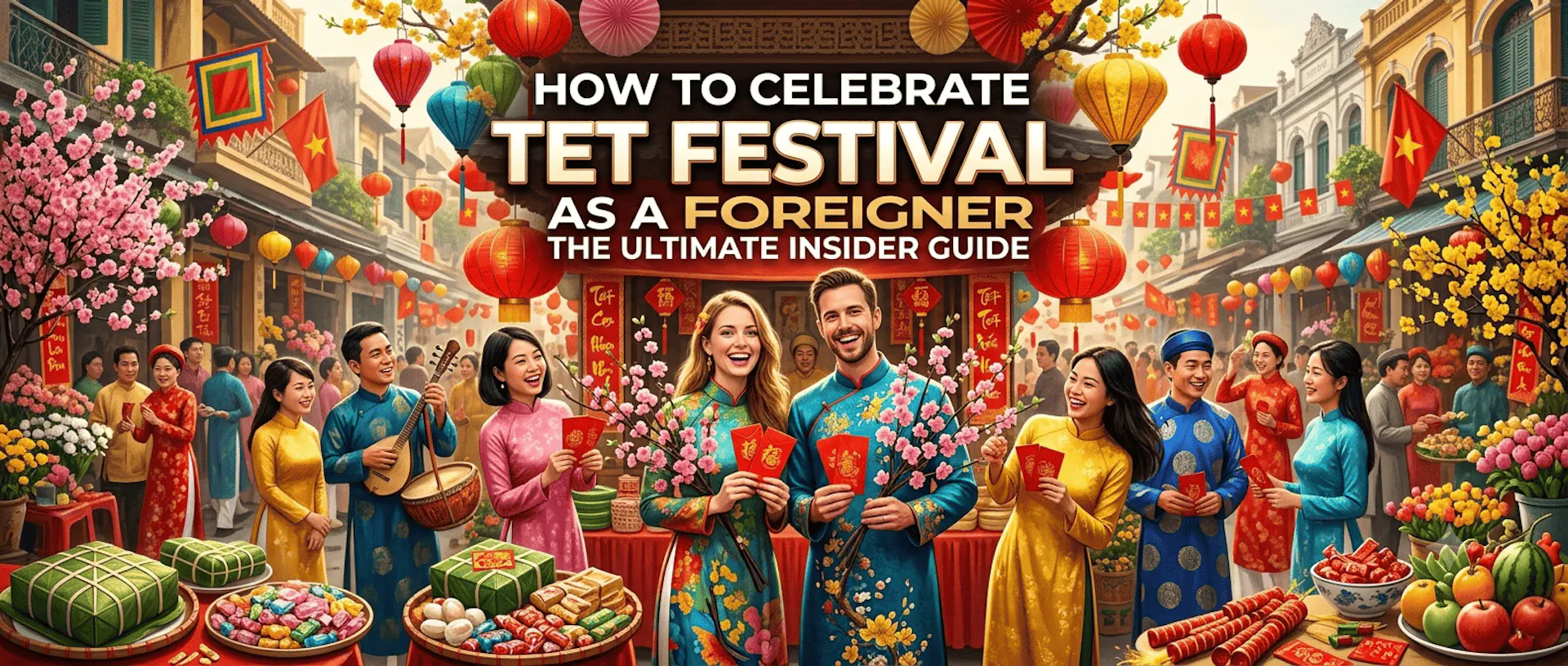
Tet, Vietnam’s Lunar New Year, is the country’s most important cultural celebration and a wonderful time for international visitors to experience local traditions. From family gatherings and temple visits to festive markets, traditional foods, and colorful decorations, Tet offers a unique glimpse into Vietnamese culture. This guide explains how foreigners can respectfully join the celebrations, what customs to expect, travel considerations, and practical etiquette tips. Go Visit Vietnam helps you enjoy an authentic and memorable Tet experience in Vietnam.
On this page
In the weeks leading up to Tết Nguyên Đán—the Vietnamese Lunar New Year—the entire nation undergoes a striking transformation. The air fills with an electric, almost dizzying energy. Sidewalks vanish beneath a sea of vibrant pink peach blossoms (Hoa Đào) in the North and bright yellow apricot blossoms (Hoa Mai) in the South. Motorbikes zip through chaotic traffic, impossibly stacked with towering orange kumquat trees or baskets of square sticky rice cakes. Streets resonate with festive music, and a collective sense of anticipation pulses through every city, town, and rural hamlet. It is arguably the most beautiful time to witness the country.
Yet, for an international traveler caught in this whirlwind, the experience can feel incredibly overwhelming. Many travelers land in Vietnam during this period completely unaware that the country’s biggest national holiday acts as a massive reset button. If you are unprepared, you might find yourself wandering through deserted streets, locked out of closed museums, and struggling to find an open restaurant.
As a long-term expat who has spent years sitting around family hearths waiting for midnight, wrapping sticky rice cakes, and learning the intricate social rules of this sacred holiday, I want to give you the honest, unfiltered blueprint. Understanding how to celebrate tet festival as a foreigner turns what could be a logistical headache into a deeply moving, immersive cultural experience. Let's break down how to navigate the shutdowns, embrace the traditions, and celebrate like a true insider.
The Ultimate Tet Survival Guide: Logistics & Closures
To truly enjoy the Lunar New Year, you must first accept a raw reality: during Tet, Vietnam’s major economic engines slow down significantly. Millions of urban workers, students, and professionals pack their bags and head home to their provinces for family reunions. This creates a massive logistical shift that you must plan around to ensure a smooth trip.
The Great Migratory Rush: Transport Gridlock
The week leading up to Tet and the days immediately following it witness one of the largest annual migrations of people in Southeast Asia. Because everyone is traveling simultaneously, seats on domestic flights, overnight trains, and regional sleeper buses are completely snatched up months in advance. Ticket prices often double or triple during this peak window.
My strongest advice for any foreigner is to pick a destination and stay planted there from the 28th day of the old lunar month until the 3rd day of the new year. Attempting to travel long distances during this golden window will exhaust you, drain your budget, and run a high risk of unexpected delays.
The Retail and Cultural Shutdown
Tet is a time dedicated strictly to family, which means commercial businesses shut their doors so employees can go home. Standard sit-down restaurants, vibrant street food stalls, local wet markets, independent boutiques, and even government-run museums or historical sites will close. This shutdown typically starts on the afternoon of New Year's Eve and lasts through at least the third day of the New Year.
Major metropolitan areas like Hanoi and Ho Chi Minh City, usually filled with bustling traffic, suddenly experience a dramatic quiet. While it is a beautiful sight to see, it presents an immediate challenge: finding a place to eat.
Street-Smart Survival Tactics
Do not panic—you will not starve, but you do need to be proactive. Use these specific steps to keep your trip running smoothly:
- Stock Your Pantry: Two days before New Year's Eve, visit a local supermarket and buy enough groceries, instant noodles, snacks, and water to last you for at least 72 hours.
- Locate Open Convenience Stores: Major international convenience store chains like Circle K, FamilyMart, and 7-Eleven remain open 24/7 throughout the entire holiday period in major cities. They are reliable lifelines for hot snacks, basic meals, and toiletries.
- Rely on Western or Major Hotels: High-end, internationally managed hotels and resorts keep their in-house dining rooms, cafes, and rooftop bars open for business. While it will cost more than a bowl of street side phở, it offers a guaranteed, high-quality dining option when the rest of the city is asleep.
Immersive Cultural Activities for Foreigners
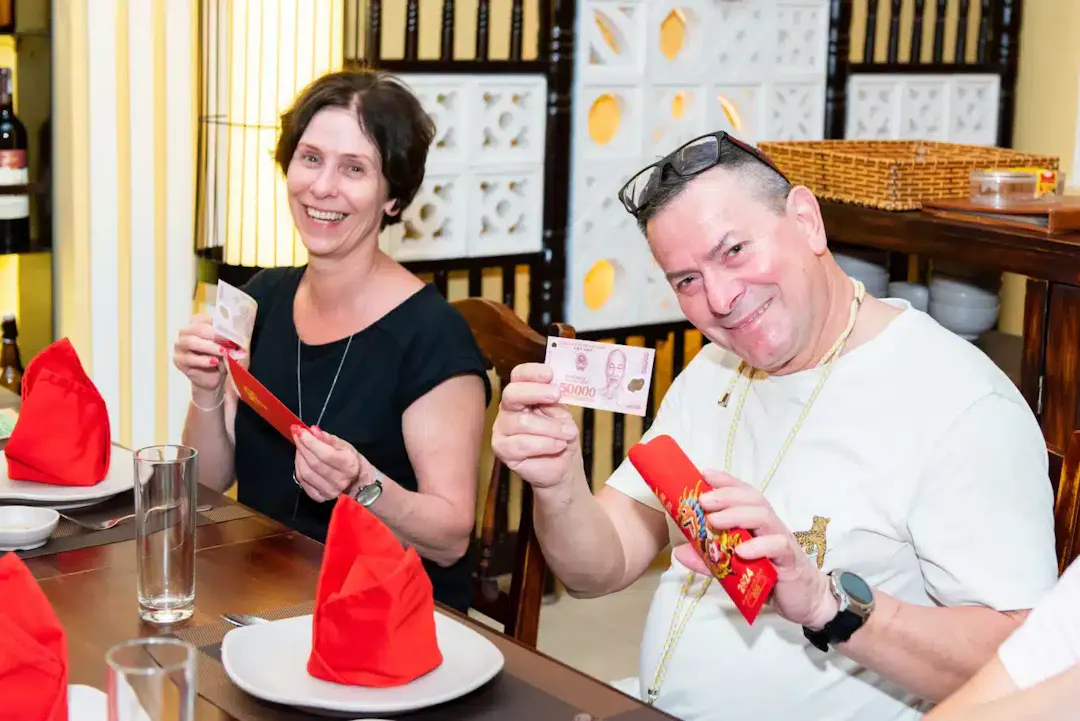
Once your logistics are locked down, you can stop worrying about closures and start leaning into the rich, ancestral beauty of the festival. Tet is a deeply sensory holiday, and there are several ways you can actively and respectfully participate in the celebrations.
Navigating the Spectacular Flower Markets
In the days leading up to New Year's Eve, visiting a local flower market is an absolute must. In Hanoi, head to the historic Quảng Bá Flower Market or the bustling streets of Hàng Lược. In Ho Chi Minh City, explore the massive displays at Nguyễn Huệ Flower Street or the riverside docks along District 8.
These markets are not just places of commerce; they are spaces of profound cultural hope. Families wander through the paths together, carefully evaluating the shape of peach branches or the brightness of yellow apricot petals. Each blossom carries a specific prayer for the upcoming year: pink symbolizes romantic renewal and peace, while yellow represents wealth, prosperity, and royal dignity. Walk slowly, take in the colors, smile at vendors, and absorb the infectious optimism of the crowd.
Embracing the Quiet Cities on Mừng Một
Mừng Một—the first day of the Lunar New Year—presents a rare visual treat. If you wake up at 6:30 AM and step out onto the streets of Hanoi’s Old Quarter or downtown Saigon, you will see something almost magical: complete, serene silence.
The usual honking, roaring motorbikes, and shouting street vendors are gone. The air is clean and crisp, and the sidewalks are dusted with the red paper remnants of firecracker celebrations from the night before. This is a dream window for urban photographers and culture lovers. Walk through the empty avenues, admire the closed wooden doors adorned with brand-new red holiday banners, and watch local elders step out in their finest traditional silks to breathe in the fresh morning air.
A Culinary Exploration of Tet
Food is the ultimate love language of Vietnamese culture, and Tet features a specific menu packed with deep symbolic meaning. If you are dining at a hotel banquet, visiting an open café, or lucky enough to be invited to a local home, you must try these traditional dishes:
- Bánh Chưng (North) and Bánh Tét (South): These are dense, heavy cakes made of premium glutinous rice, sweet mung bean paste, and fatty pork belly, all seasoned with black pepper and wrapped tightly in green lá dong or banana leaves before being boiled for twelve hours. Square Bánh Chưng represents the Earth, while cylindrical Bánh Tét honors fertility and continuity. Eating a slice signifies grounding yourself and showing gratitude to ancestral farmers.
- Thịt Kho Tàu: A comforting, deeply savory dish of pork belly and hard-boiled eggs slow-braised in a rich broth of fresh coconut water and fish sauce. The square cuts of meat paired with the round eggs symbolize harmony, balance, and the unbreakable bond of family life.
- Mứt Tết: A beautifully arranged tray of candied fruits, dried seeds, and ginger slices offered to every guest who crosses the threshold of a home, meant to bring sweetness and warmth to social relationships.
The Art of "Lì Xì" (Lucky Money) and Social Etiquette
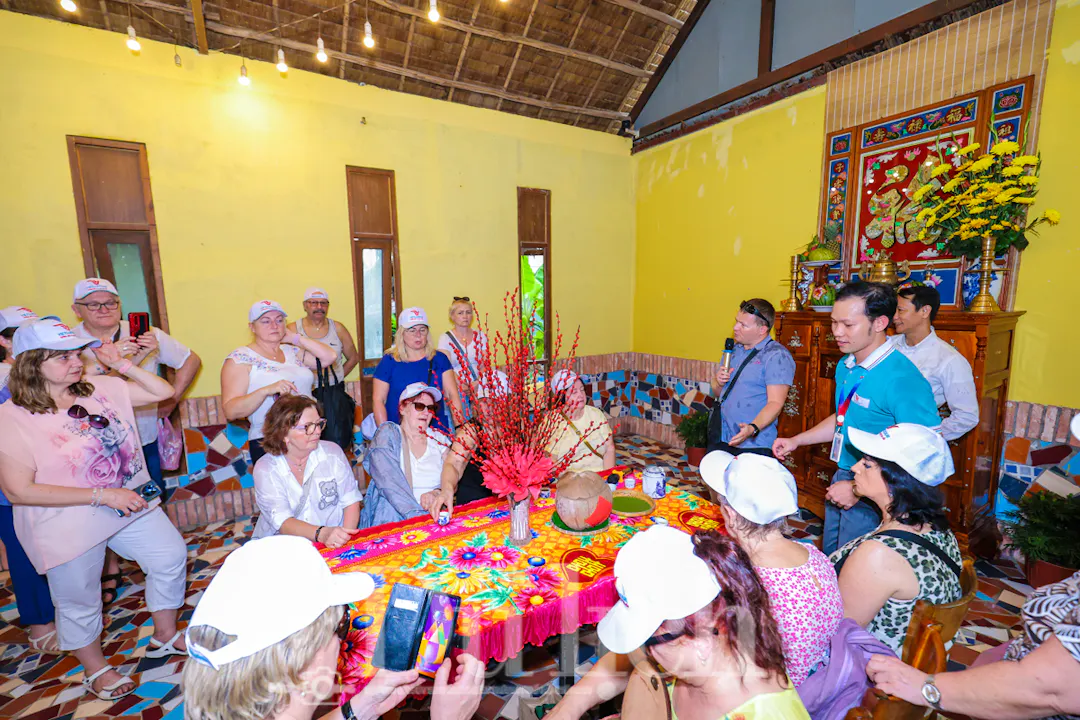
If you live in Vietnam as an expat or make close local friends during your travels, there is a good chance you will receive an invitation to visit a family home during the holidays. This is a massive honor, but it requires understanding the delicate art of Lì Xì (lucky money) and interpersonal etiquette.
The Lì Xì Protocol
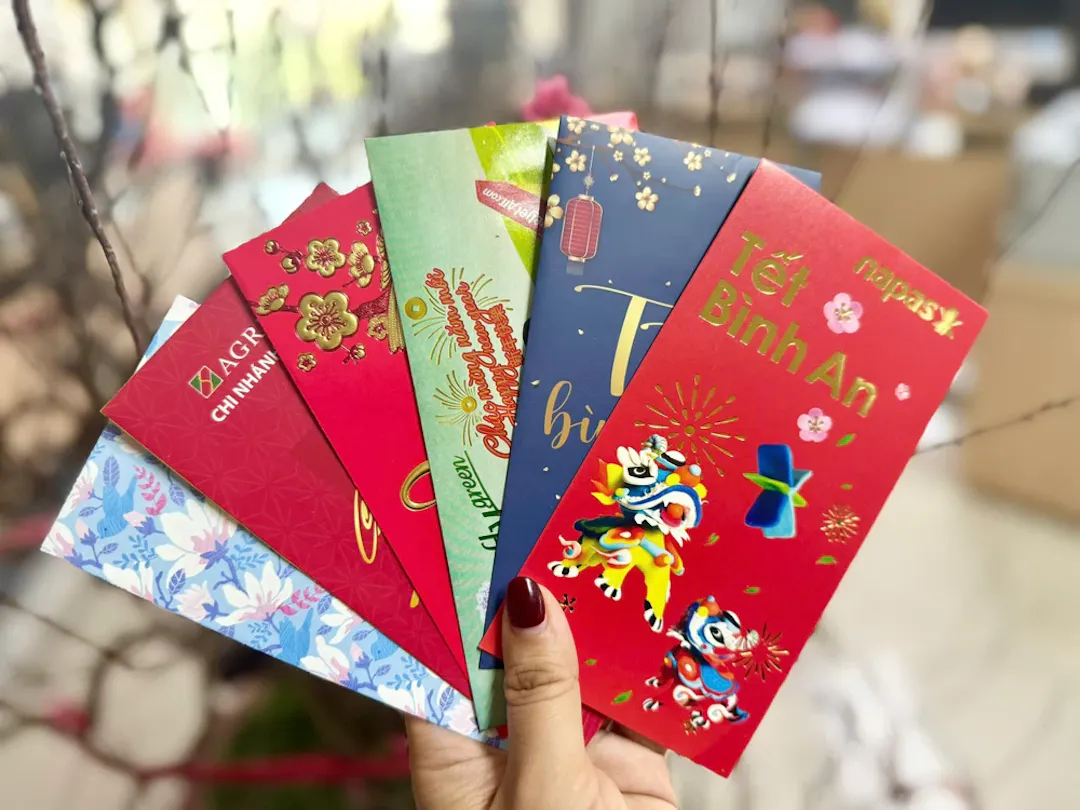
Giving lucky money wrapped in small, ornate red envelopes is a core tradition meant to pass on good wishes, health, and prosperity. As a foreigner, you are not expected to know every nuance, but mastering the basic protocol will earn you immense respect from your hosts.
- Who Receives It: You primarily give Lì Xì to young children and elderly grandparents. You generally do not give it to adults of working age unless they are close friends or employees.
- The Banknote Selection: The money inside the envelope must consist of brand-new, crisp, and uncreased bills. Handing someone a crumpled, dirty, or torn note is considered incredibly bad form, as it implies passing on old, stagnant energy. In the weeks before Tet, locals line up at banks specifically to exchange old bills for fresh ones.
- The Colors and Amounts: Lean toward the red or blue polymer bills, as these colors are highly auspicious. Giving a note of 20,000 VND, 50,000 VND, or 100,000 VND to a child is perfectly appropriate and polite. When presenting the envelope, always use both hands as a sign of respect, accompanied by a warm smile.
Master the Phonetic Holiday Greetings
When you enter a home, greet neighbors on the street, or speak with hotel staff, dropping a local holiday greeting will instantly melt hearts. The two most vital, universally appreciated phrases are:
- "Chúc Mừng Năm Mới" (Phonetically: Chook Moong Nam Moy) – This is the direct, classic translation of "Happy New Year."
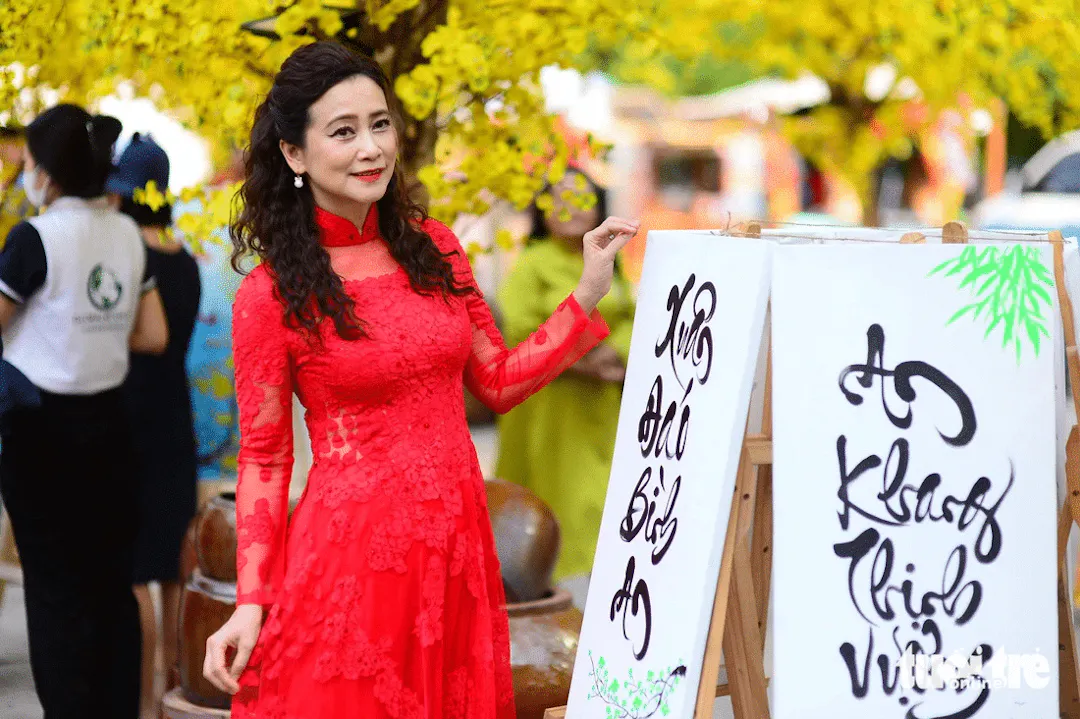
- "An Khang Thịnh Vượng" (Phonetically: An Khang Thinh Vuong) – A beautiful, auspicious wish meaning "May you enjoy security, good health, and prosperous development."
Critical Tet Taboos: What NOT to Do
To build true trust and maintain absolute cultural sensitivity during the holidays, you must understand what actions are believed to bring bad luck or ruin a family's cosmic balance for the entire upcoming year. Avoid these key taboos:
The Absolute Sacredness of Xông Đất (The First Footer)
The single most critical taboo of the entire Lunar New Year is the concept of Xông Đất, or the "First Footer." Local families firmly believe that the very first person to cross their threshold and step into their home after the stroke of midnight on New Year's Eve sets the cosmic template for the family’s luck, health, and financial fortune for the next twelve months.
Families often consult astrologers weeks in advance to choose a specific relative or friend whose zodiac animal and birth element perfectly align with the homeowner's, inviting them to arrive at precisely 12:05 AM to bring good luck.
The Golden Visitor Rule: Never, under any circumstances, walk into a Vietnamese home on the first day of Tet without an explicit, formal invitation from the homeowner. If you happen to walk in casually or unannounced, and the family experiences a streak of bad luck later in the year, your unexpected visit could be viewed as the cause of their misfortune.
No Sweeping or Trash Disposal
On the first day of the New Year, you should never sweep a floor or empty a trash bin. Worshippers believe that any cleaning action performed on Mừng Một symbolically sweeps away the fresh wealth, good luck, and positive financial energy that entered the house at midnight. If a family must clean up food scraps or wrappers, they will carefully sweep the debris inward toward the center of the room, gathering it in a small pile to be left untouched until the second or third day of the holiday.
Behavioral and Wardrobe Restrictions
Tet is a time of forced positivity and emotional discipline. Avoid any arguments, harsh criticisms, crying, or expressions of anger, as these emotional outbursts are believed to contaminate the domestic energy of the household.
Be exceptionally careful when handling plates, cups, or porcelain bowls; breaking a dish during Tet is viewed as a bad omen indicating broken relationships or financial loss in the family.
Finally, pay close attention to your wardrobe. Avoid wearing outfits that are solid white or solid black, as these colors are deeply associated with traditional funerals, grief, and mourning. Instead, opt for bright, celebratory colors like red, yellow, orange, or vibrant blues and greens to mirror the joyous renewal of the spring season.
To help you remember these key points during your travels, keep this summary in mind:
- Visiting Flower Markets
- Cultural Meaning: Buying peach or apricot blossoms to invite spring energy, luck, and renewal.
- Insider Advice: Visit 2-3 days before New Year's Eve; take photos respectfully and soak in the positive energy.
- Walking on Morning of Day 1
- Cultural Meaning: Celebrating Mừng Một, a fresh beginning filled with pure, calm energy.
- Insider Advice: Wake up at dawn; explore Hanoi's Old Quarter or downtown Saigon for rare, empty-street photography.
- Giving Red Envelopes (Lì Xì)
- Cultural Meaning: Distributing wishes of prosperity, protection, and health to children and elders.
- Insider Advice: Use brand-new, uncreased bills (20k, 50k, or 100k VND) and present them using both hands.
- Entering a Home Uninvited
- Cultural Meaning: Risking the Xông Đất rule and accidentally bringing bad luck to a family's year.
- Insider Advice: Never visit a local home on Day 1 unless you have been given an explicit, formal invitation.
- Sweeping the Floor on Day 1
- Cultural Meaning: Symbolically sweeping away fresh wealth, financial luck, and happiness.
- Insider Advice: Keep your room tidy naturally; do not sweep or dispose of trash until Day 2 or Day 3.
- Wearing All-Black or All-White
- Cultural Meaning: Attracting associations with funerals, loss, and ancestral mourning.
- Insider Advice: Wear bright, festive colors like red, pink, yellow, or gold to match the celebratory spirit.
Conclusion
Learning how to celebrate Tet Festival as a foreigner requires a thoughtful mix of logistical patience and genuine cultural curiosity. While the commercial shutdowns and transit gridlocks can initially seem like a challenge, they provide a rare, beautiful opportunity to look past the surface of modern tourist spots and see the true heart of Vietnamese life. By planning your route in advance, embracing the peaceful city mornings, trying the festive foods, and respecting local taboos, you will gain an unforgettable, authentic window into the country’s rich cultural tapestry.
Frequently Asked Questions About Celebrating Tet Festival in Vietnam
Can foreigners celebrate Tet Festival in Vietnam?
Absolutely. Foreign visitors are welcome to experience Tet by exploring flower markets, attending cultural events, visiting temples, trying traditional foods, and joining public celebrations. Respecting local customs will make the experience even more rewarding.
What should I expect during Tet in Vietnam?
During Tet, many families gather for reunions, businesses may close for several days, cities are decorated with flowers and lanterns, and traditional ceremonies take place. Transportation and accommodation are often busier than usual, so advance planning is recommended.
What traditional foods should I try during Tet?
Tet is a great time to enjoy traditional Vietnamese dishes such as banh chung, banh tet, pickled vegetables, spring rolls, candied fruits, and various festive specialties that differ by region.
Are attractions and restaurants open during Tet?
Some museums, restaurants, shops, and tourist attractions may close or operate on reduced hours during the first few days of Tet. However, many hotels, major attractions, and popular tourist areas remain open, especially in larger cities.
How can I show respect during Tet celebrations?
Dress modestly when visiting temples, greet people politely, accept invitations with appreciation, avoid negative conversations on New Year's Day, and be patient with increased travel demand. Learning a simple greeting such as "Chúc Mừng Năm Mới" (Happy New Year) is also a thoughtful way to connect with locals.
Advertising box