
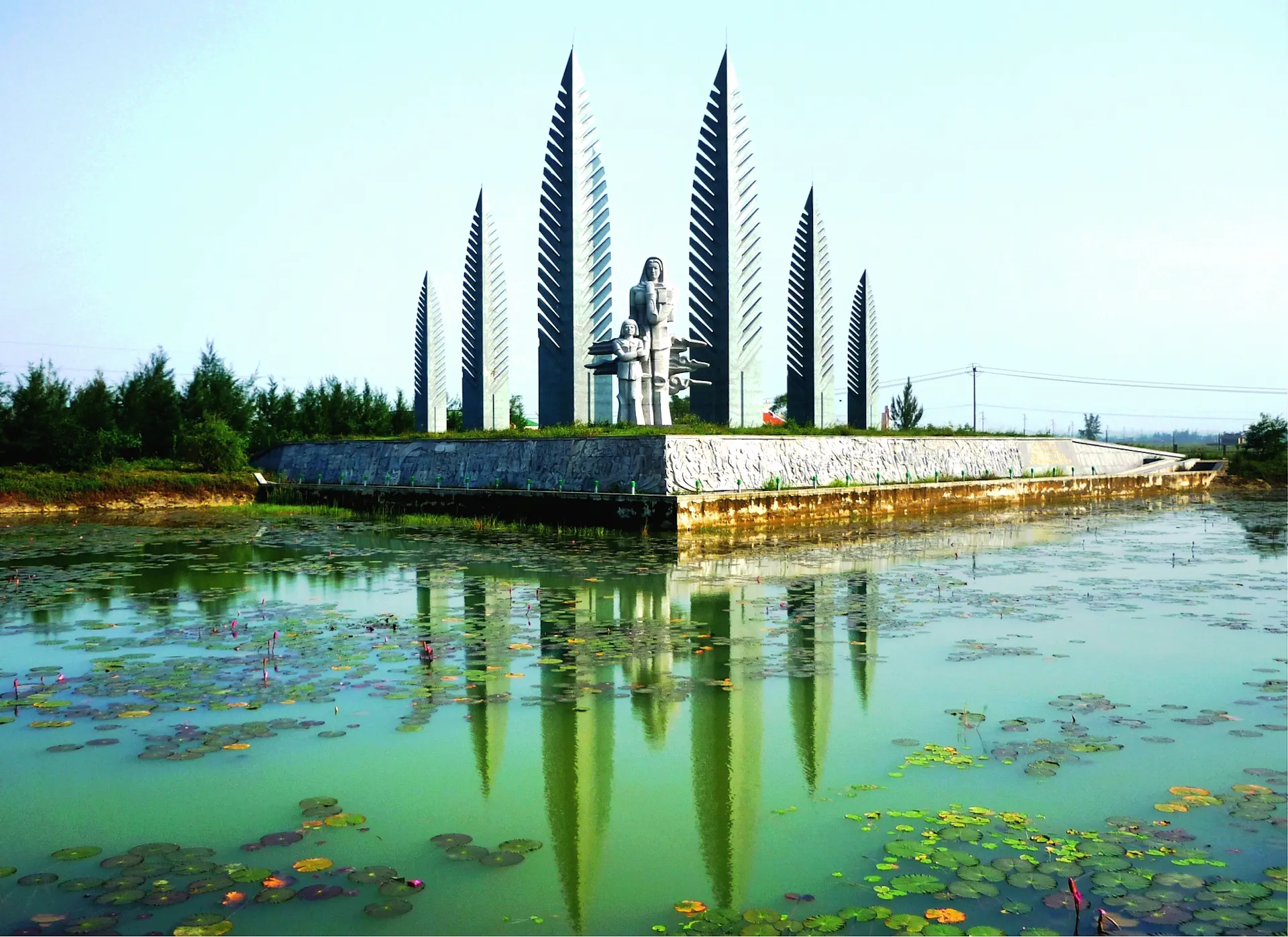
Quang Tri Travel Guide
Quang Tri is a historically rich destination in Central Vietnam, famous for its significant war relics, DMZ sites, ancient citadels, and peaceful coastal landscapes. Known for landmarks such as the Vinh Moc Tunnels, Hien Luong Bridge, and Con Co Island, Quang Tri offers a powerful journey through Vietnam’s history and resilience. Visitors can explore cultural heritage sites, enjoy quiet beaches, and experience authentic local life. With its deep historical significance and natural beauty, Quang Tri is a meaningful travel destination.
About Quang Tri
Quang Tri is a historically significant destination in Central Vietnam, known for its war history, demilitarized zone, historic landmarks, rugged coastlines, national parks, caves, and cultural heritage. Located in the North Central Coast between Quang Binh and Hue, the province offers travelers a deeper understanding of Vietnam's modern history while also providing access to mountains, rivers, beaches, and rural landscapes.
Following Vietnam's 2025 administrative reorganization, Quang Tri expanded to include the former Quang Binh province. This created a larger destination that combines Quang Tri's important Vietnam War heritage with Quang Binh's spectacular caves, karst mountains, national parks, and coastal scenery.
What Is Quang Tri Known For?
Quang Tri is best known for its Vietnam War history, the Demilitarized Zone (DMZ), Vinh Moc Tunnels, Khe Sanh, Hien Luong Bridge, and historic battlefields.
The province also offers remarkable natural attractions, particularly in the former Quang Binh region, including Phong Nha-Ke Bang National Park and some of the world's most impressive cave systems.
Quang Tri DMZ
The Demilitarized Zone is one of the most important historical areas in Vietnam.
During the Vietnam War, the region around the 17th parallel became a heavily militarized frontier between North and South Vietnam.
Today, travelers can visit former military installations, bridges, tunnels, memorials, museums, and battlefields to understand the scale and impact of the conflict.
Hien Luong Bridge
Hien Luong Bridge crosses the Ben Hai River and became a powerful symbol of the division of Vietnam during the war.
The bridge and surrounding historical area are now preserved as an important memorial site.
Visitors can learn about the political and military history of the divided country and the eventual reunification of Vietnam.
Vinh Moc Tunnels
The Vinh Moc Tunnels are among Quang Tri's most remarkable historical attractions.
The tunnel complex was constructed by local communities to shelter from bombing and military operations. Families lived underground, with spaces designed for sleeping, cooking, meetings, and other daily activities.
Walking through the tunnels provides a powerful insight into how civilians adapted to wartime conditions.
Khe Sanh
Khe Sanh is another important Vietnam War historical site.
The area was the location of a major military confrontation and remains associated with the history of the conflict.
Travelers can visit former battlefield areas, memorials, and historical displays while exploring the mountainous landscape around Khe Sanh.
La Vang Holy Land
Quang Tri is also an important destination for Catholic pilgrims.
La Vang Holy Land is one of Vietnam's most significant Catholic pilgrimage sites and attracts visitors from across the country.
The religious complex provides a different perspective on Quang Tri's cultural heritage, demonstrating the province's diverse religious traditions.
Beaches and Coastal Landscapes
Although Quang Tri is strongly associated with history, the province also has a long coastline.
Cua Tung Beach and Cua Viet Beach are among the best-known coastal destinations.
The beaches provide opportunities for swimming, relaxing, enjoying seafood, and experiencing local fishing communities.
Phong Nha-Ke Bang
The inclusion of former Quang Binh brings Phong Nha-Ke Bang National Park into the expanded Quang Tri province.
The UNESCO World Heritage Site is famous for its limestone karst mountains, underground rivers, forests, and extensive cave systems.
Phong Nha Cave, Paradise Cave, and other cave attractions provide spectacular experiences for travelers interested in geology and adventure.
Son Doong Cave
The expanded province is also home to Son Doong Cave, widely recognized as one of the world's largest known caves.
The cave contains enormous underground chambers, rivers, forests, and unique geological formations.
Access is highly regulated and requires an organized expedition, making it a specialized adventure experience rather than a conventional sightseeing attraction.
Local Food
Quang Tri's cuisine reflects the strong flavors of Central Vietnam.
Local dishes commonly feature rice, noodles, seafood, herbs, vegetables, pork, and chili-based sauces.
The former Quang Binh region adds its own specialties, creating a broader culinary experience across the expanded province.
Travelers can discover local dishes in markets, family-run restaurants, and roadside eateries.
Best Time to Visit Quang Tri
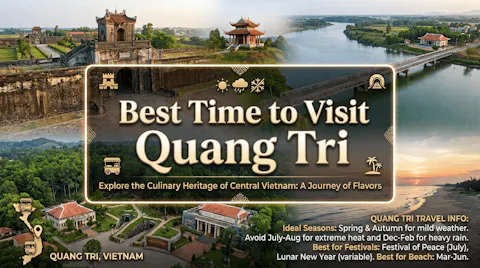
The dry season from approximately March to August is generally convenient for sightseeing, historical tours, beaches, and outdoor activities.
The Central Coast can become extremely hot during the summer months, while the later rainy season may bring heavy rainfall and storms.
Travelers planning cave excursions or trips into mountainous areas should check weather conditions before departure.
How to Get to Quang Tri
Quang Tri is connected to major cities in Central and Northern Vietnam by road and rail.
The North-South railway passes through the region, making trains a practical option for travelers.
The expanded province also has access to Dong Hoi Airport in the former Quang Binh area, providing an air gateway for visitors traveling to Phong Nha and surrounding attractions.
Why Visit Quang Tri?
Quang Tri offers an unusually powerful combination of Vietnam War history, religious heritage, beaches, caves, mountains, and natural landscapes.
Travelers can explore the DMZ, walk through the Vinh Moc Tunnels, visit Hien Luong Bridge and Khe Sanh, and reflect on Vietnam's modern history. They can then continue toward Phong Nha-Ke Bang to explore spectacular caves, karst mountains, and underground rivers.
With the addition of former Quang Binh, Quang Tri has become an even more diverse destination. For travelers interested in understanding Vietnam beyond its beaches and major cities, the province offers a meaningful journey through history, culture, geology, and the resilience of local communities.
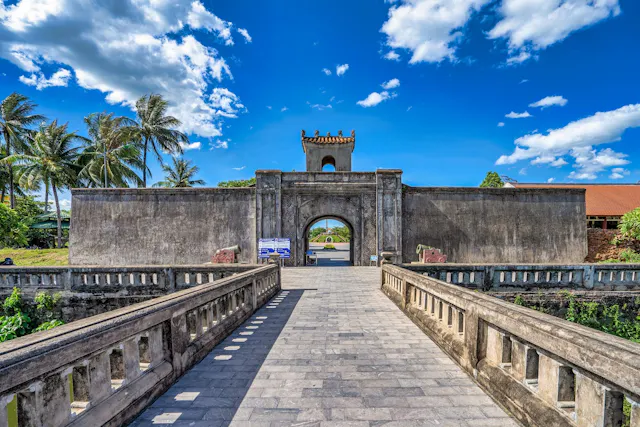
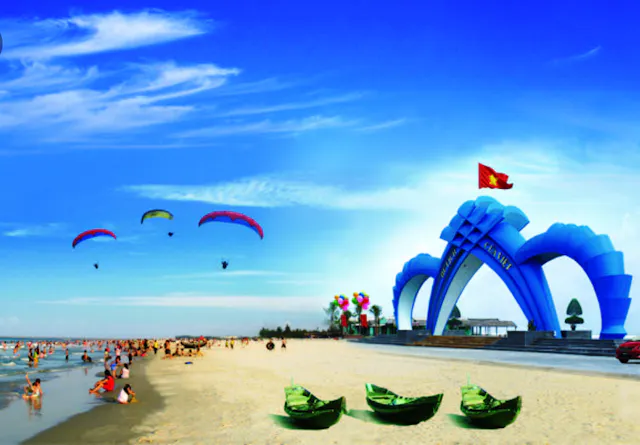
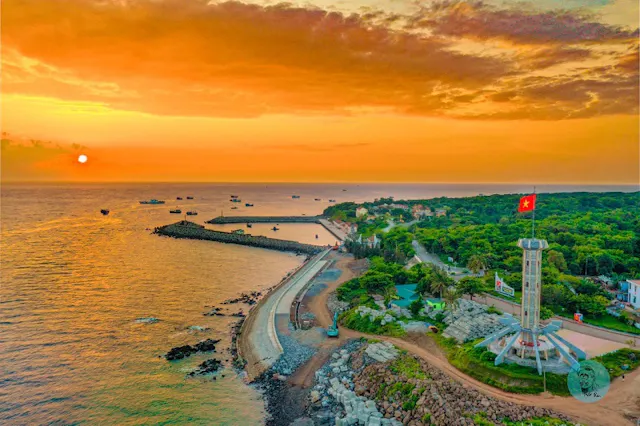
Quang Tri in Frames – History, Heritage & Coastal Landscapes
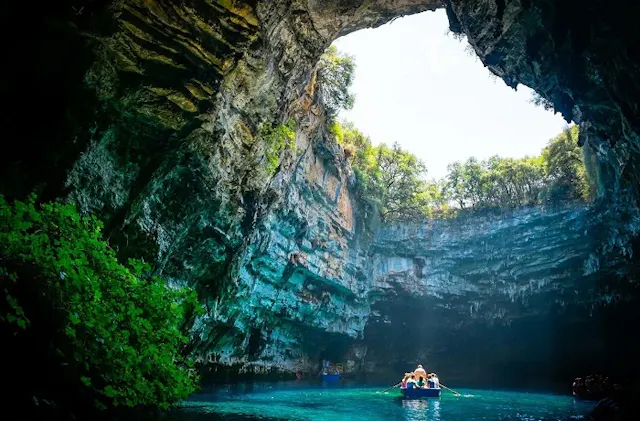
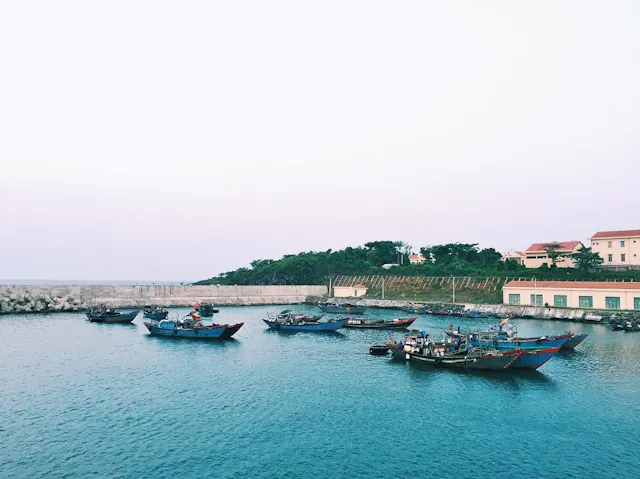
Explore Quang Tri through powerful imagery that captures its unique blend of history and nature. From the legendary DMZ sites, Vinh Moc Tunnels, and Quang Tri Citadel to peaceful beaches and rural countryside, each photo reflects the province’s deep historical significance and quiet, authentic beauty. The gallery offers a visual journey through one of Vietnam’s most meaningful and reflective destinations.
Read More About Quang Tri
Explore more of Quang Tri with our complete travel guides. Discover historic war relics, Vinh Moc Tunnels, Hien Luong Bridge, Con Co Island, peaceful beaches, local cuisine, suggested itineraries, seasonal travel tips, and practical advice to help you experience one of Central Vietnam's most meaningful and inspiring destinations.
Best Places to Visit in Quang Tri↗
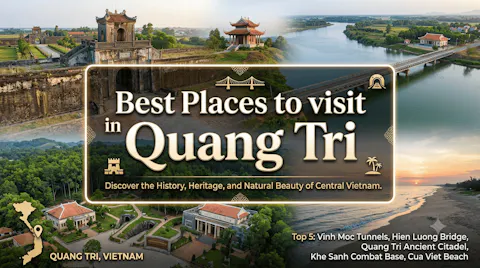
Quang Tri is a destination where history, culture, and natural beauty come together. Visitors can explore the legendary Vinh Moc Tunnels, cross the historic Hien Luong Bridge, relax on peaceful beaches, discover ancient citadels, visit spiritual landmarks, and experience authentic local life. The province also offers scenic islands, rivers, and coastal landscapes that showcase Central Vietnam's unique character. This guide highlights the best places to visit in Quang Tri for travelers interested in history, nature, cultural heritage, and meaningful travel experiences.
Best Things to Do in Quang Tri↗
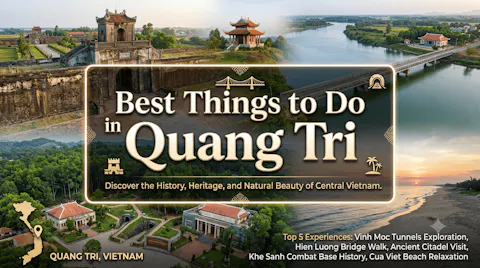
Quang Tri offers meaningful travel experiences that combine history, culture, nature, and coastal beauty. Explore the remarkable Vinh Moc Tunnels, visit historic landmarks, relax on quiet beaches, discover Con Co Island, sample local cuisine, and learn about Vietnam's fascinating past. Visitors can also enjoy scenic coastal drives, spiritual sites, traditional villages, and authentic Central Vietnamese culture. This guide highlights the best things to do in Quang Tri for travelers seeking history, outdoor adventures, cultural discovery, and unforgettable experiences in Central Vietnam.

Quang Tri Food Guide↗
Quang Tri offers a rich culinary experience shaped by Central Vietnam's traditions and abundant coastal resources. Visitors can enjoy fresh seafood, traditional noodle dishes, grilled specialties, local rice cakes, flavorful soups, and regional delicacies prepared with fresh local ingredients. From bustling markets to family-owned restaurants and seaside eateries, every meal reflects the province's culture and history. This Quang Tri Food Guide introduces the must-try dishes, authentic local flavors, and memorable dining experiences that make Quang Tri a rewarding destination for food lovers.
Best Time to Visit Quang Tri↗
Quang Tri is a fascinating destination that can be explored throughout the year, offering historic landmarks, peaceful beaches, cultural heritage, and beautiful coastal scenery. The dry season provides ideal conditions for visiting historical sites, relaxing by the sea, and exploring nearby islands, while the rainy season brings lush landscapes and fewer visitors. Travelers can also experience local festivals, traditional cuisine, and authentic Central Vietnamese culture in every season. This guide helps you choose the best time to visit Quang Tri based on weather and travel interests.
How To Get There Quang Tri
Bus and coach
Bus and coach services are one of the most common ways to reach Quang Tri from major cities such as Hanoi, Hue, Da Nang, and Ho Chi Minh City.
Daily sleeper buses and limousine coaches operate along National Highway 1A, stopping in towns such as Dong Ha and nearby areas.
Typical travel times:
- 4–5 hours from Da Nang
- 2–3 hours from Hue
- 8–10 hours from Hanoi
- 20+ hours from Ho Chi Minh City
This is a budget-friendly and widely available option for travelers.
Train
Quang Tri is served by the North–South railway line. The main station in the province is Dong Ha Railway Station, which connects to major cities across Vietnam.
Train travel offers a comfortable and scenic journey through coastal and rural landscapes, making it a popular choice for long-distance travelers.
Driving
Driving to Quang Tri is convenient via National Highway 1A and nearby expressways.
Travelers can use private cars or motorbikes to explore the central coast region at their own pace.
Estimated travel times:
- 2–3 hours from Hue
- 4–5 hours from Da Nang
- 8–10 hours from Hanoi
- 20+ hours from Ho Chi Minh City
A private vehicle also allows stops at historical sites, beaches, and scenic viewpoints along the way.
Flying
Quang Tri does not have its own airport. The nearest airports are:
- Dong Hoi Airport (Quang Binh) – about 80–100 km away
- Phu Bai International Airport (Hue) – about 100–120 km away
From either airport, travelers can continue to Quang Tri by taxi, bus, or private transfer.
Frequently Asked Questions About Quang Tri
Where is Quang Tri located?
Quang Tri is located in the North Central Coast of Vietnam, between Quang Binh and Hue. The province is known for its important historical significance, especially related to the Vietnam War DMZ area, as well as its peaceful beaches and countryside.
What are the must-visit attractions in Quang Tri?
Key attractions include the Vinh Moc Tunnels, Hien Luong Bridge and Ben Hai River (DMZ), Quang Tri Citadel, Con Co Island, and several quiet beaches and rural landscapes that reflect the province’s natural beauty and history.
What is the best time to visit Quang Tri?
The best time to visit Quang Tri is from March to August when the weather is dry and sunny, making it ideal for sightseeing, historical tours, and beach visits. April to June is especially comfortable for outdoor exploration.
How can I travel to Quang Tri?
Travelers can reach Quang Tri by bus, train, or private car via National Highway 1A. The nearest airports are Dong Hoi Airport and Phu Bai International Airport, from which visitors can continue by road to Quang Tri.
How many days should I spend in Quang Tri?
A 2–3 day trip is recommended to explore Quang Tri’s main attractions, including historical sites, DMZ landmarks, and coastal areas. Travelers interested in history may choose to stay longer for a deeper experience.
Advertising box
Nearby Destinations to Explore from Quang Tri
Expand your journey through Central Vietnam by exploring the destinations surrounding Quang Tri. Visit the imperial city of Hue, discover the spectacular caves and national parks of Quang Binh, relax on the beaches of Da Nang, or wander the charming ancient streets of Hoi An. History enthusiasts can continue exploring Vietnam’s wartime heritage, while nature lovers will find pristine coastlines, limestone mountains, and lush forests throughout the region. Together, these nearby destinations offer the perfect mix of culture, history, outdoor adventure, and authentic local cuisine to enrich your Quang Tri travel itinerary.
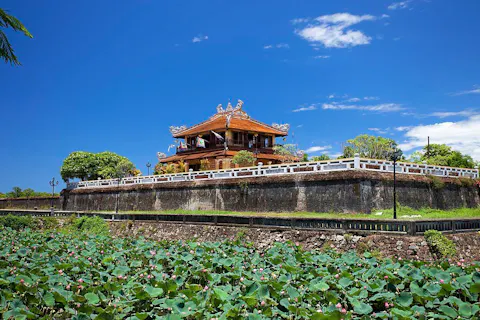
Hue Travel Guide
Hue is a historic destination in Central Vietnam, famous for its ancient imperial heritage, royal architecture, and peaceful landscapes. Once the capital of the Nguyen Dynasty, Hue offers travelers a unique journey through Vietnam’s history with the Imperial City, royal tombs, temples, and traditional culture. Visitors can explore the Perfume River, enjoy local cuisine, discover ancient villages, and experience the city’s elegant atmosphere. With its rich heritage and timeless beauty, Hue is a must-visit destination for culture and history lovers.
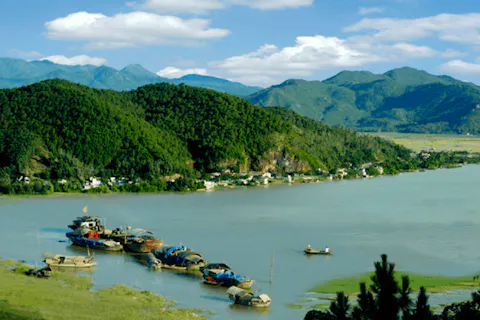
Ha Tinh Travel Guide
Ha Tinh is a serene destination in Central Vietnam, offering a perfect blend of mountains, beaches, lakes, and cultural heritage. Known for its peaceful coastline, natural landscapes, and historical significance, Ha Tinh is ideal for travelers seeking an authentic and less crowded experience. Visitors can explore Thien Cam Beach, Ke Go Lake, Dong Loc T-junction, and traditional villages while enjoying local cuisine and hospitality. With its untouched charm and quiet atmosphere, Ha Tinh is a hidden gem waiting to be discovered.

Da Nang Travel Guide
Da Nang is one of Vietnam’s most popular coastal destinations, offering a perfect combination of beautiful beaches, modern city life, natural wonders, and cultural attractions. Located in Central Vietnam, the city is famous for My Khe Beach, Marble Mountains, Ba Na Hills, and its iconic bridges. Visitors can enjoy fresh seafood, explore nearby heritage sites like Hoi An and Hue, and experience a vibrant yet relaxed atmosphere. With its stunning landscapes and convenient location, Da Nang is an ideal destination for every traveler.
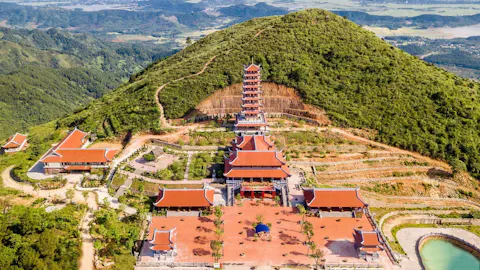
Nghe An Travel Guide
Nghe An is the largest province in Vietnam, located in the North Central region and known for its diverse landscapes, cultural heritage, and historical importance. As the homeland of President Ho Chi Minh, Nghe An offers meaningful historical sites, beautiful beaches like Cua Lo, and natural attractions such as Pu Mat National Park. Visitors can explore mountains, rivers, traditional villages, and vibrant local culture. With its combination of history and nature, Nghe An is a fascinating destination in Central Vietnam.