
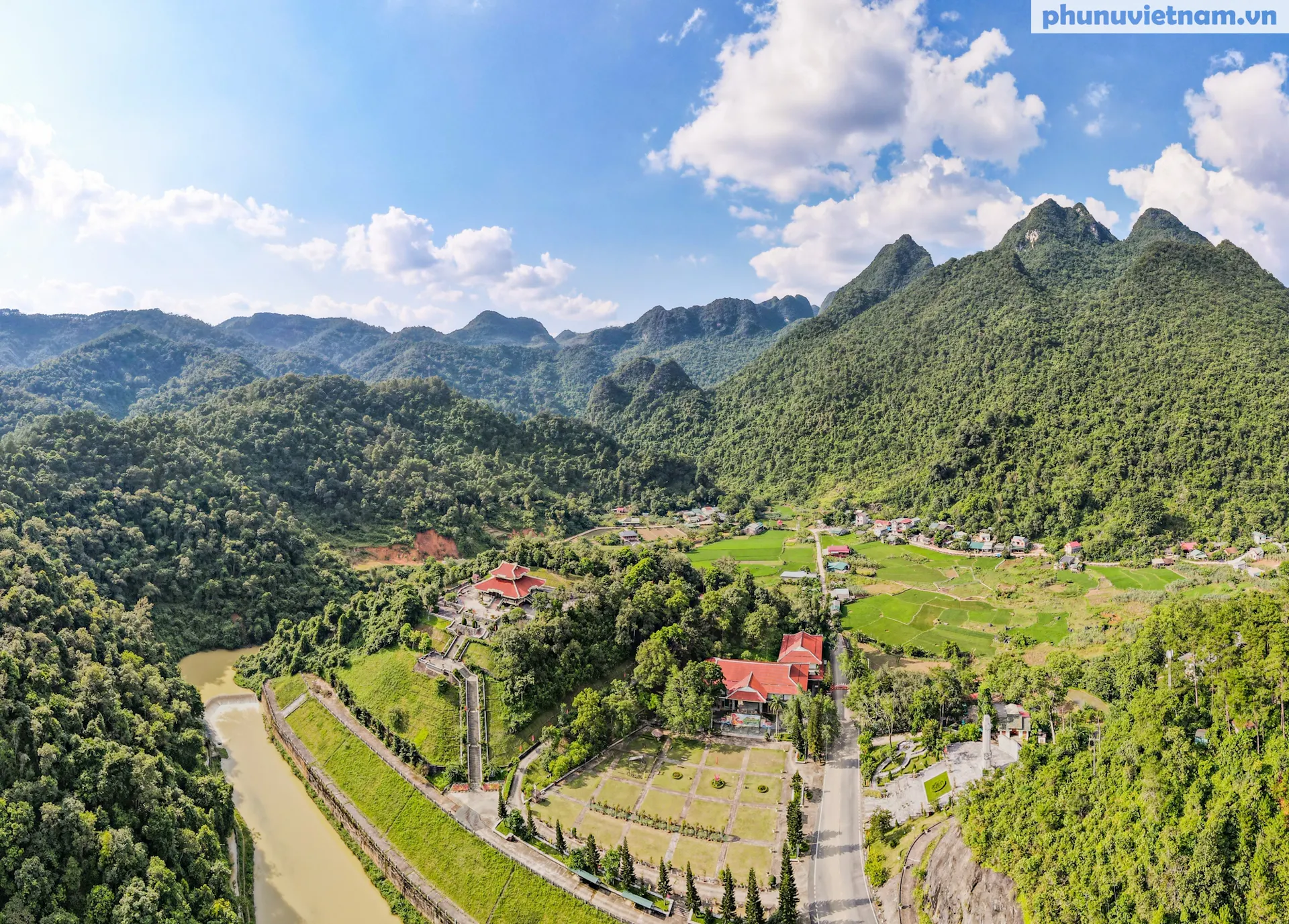
Pac Bo Historical Site
Pac Bo Historical Site in Cao Bang is an important destination connected with Ho Chi Minh's return to Vietnam in 1941 and the development of the Vietnamese revolutionary movement. Set among dramatic limestone mountains and forests, the site includes Pac Bo Cave, Lenin Stream, Karl Marx Mountain, and other historic landmarks. Visitors can explore the modest surroundings where Ho Chi Minh lived and worked while discovering the site's significance in modern Vietnamese history. Pac Bo also offers beautiful natural scenery and insight into northern Vietnam's ethnic cultures.
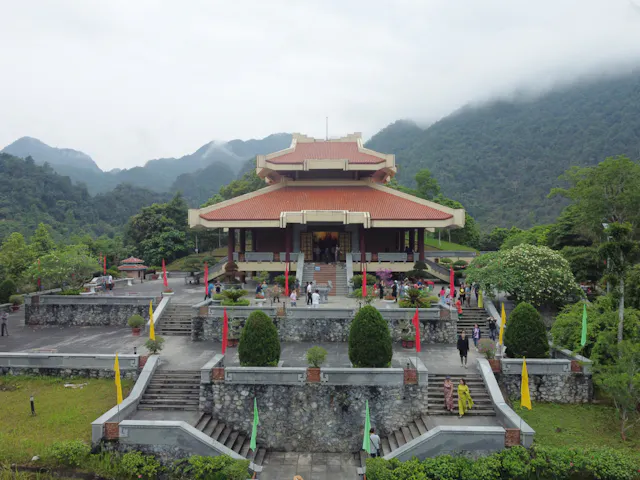
About Pac Bo Historical Site
The Pac Bo Historical Site is one of the most important revolutionary heritage destinations in northern Vietnam, located in Cao Bang Province near the country's border with China. Surrounded by dramatic limestone mountains, forests, streams, and peaceful valleys, Pac Bo is closely associated with Ho Chi Minh's return to Vietnam in 1941 and the development of the Vietnamese revolutionary movement.
For travelers interested in Vietnamese history, culture, and nature, Pac Bo offers a unique combination of historical landmarks and spectacular mountain scenery.
What Is Pac Bo Historical Site?
Pac Bo is a protected historical area containing several sites associated with Ho Chi Minh and the revolutionary movement during the early 1940s.
After many years abroad, Ho Chi Minh returned to Vietnam in 1941 and established a base in the Pac Bo area.
The surrounding mountains and caves provided a natural environment for revolutionary activities, meetings, and communications.
Today, the site preserves important historical locations while also serving as a destination for visitors exploring northern Cao Bang.
Pac Bo Cave
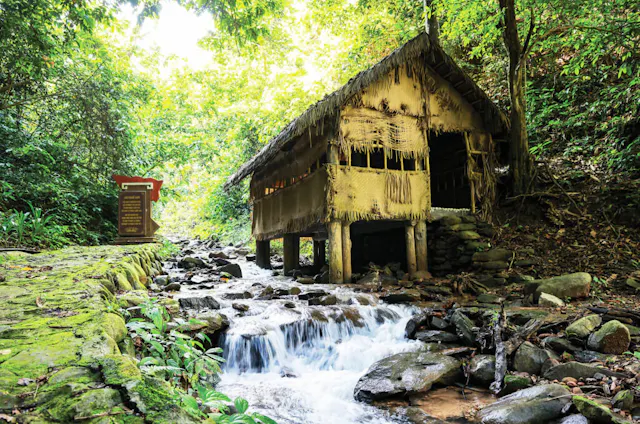
Pac Bo Cave is the central historical landmark of the site.
Ho Chi Minh lived and worked in the cave after returning to Vietnam in 1941.
The cave is relatively modest, reflecting the difficult conditions under which revolutionary activities were organized at the time.
Visitors can walk through the surrounding area and see the cave's natural setting, gaining a better understanding of the environment in which Ho Chi Minh and his colleagues worked.
Lenin Stream
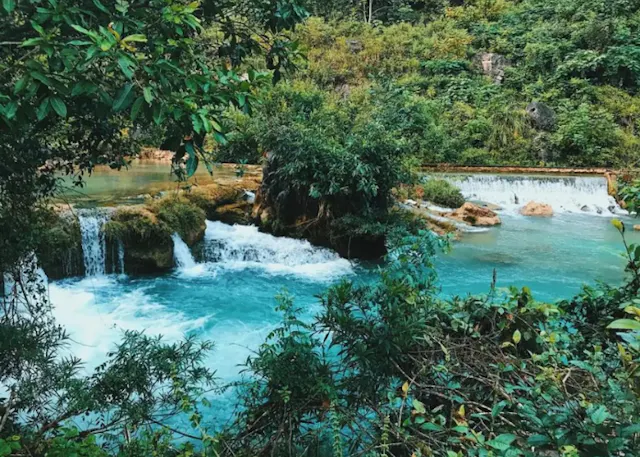
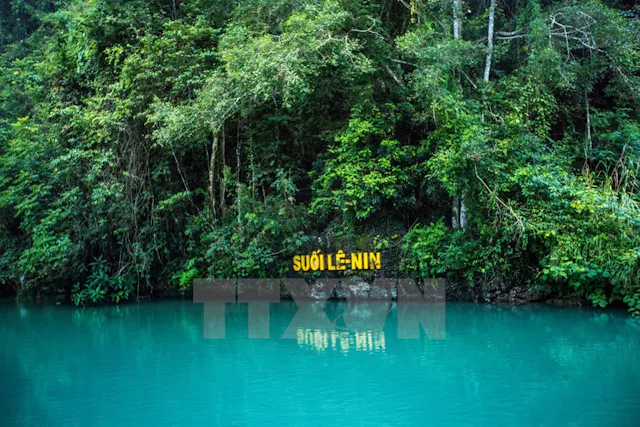
Lenin Stream is one of the most beautiful natural features at Pac Bo.
The clear turquoise-green water flows through a narrow valley surrounded by limestone mountains and vegetation.
The stream was named Lenin Stream during the revolutionary period, reflecting the political influences of the Vietnamese revolutionary movement.
Today, its peaceful scenery makes it one of the most photographed locations in the historical area.
Karl Marx Mountain
Karl Marx Mountain stands near Lenin Stream and Pac Bo Cave.
The mountain was given its name during the revolutionary period and remains an important symbolic feature of the site.
The combination of Karl Marx Mountain, Lenin Stream, and Pac Bo Cave creates a landscape strongly connected with the political history of the Vietnamese revolution.
Ho Chi Minh's Return to Vietnam
Pac Bo is particularly significant because it marks the location where Ho Chi Minh returned to Vietnam in February 1941 after decades abroad.
His return represented an important moment in the development of the Vietnamese independence movement.
From Pac Bo, he worked with revolutionary organizations and helped establish a stronger political and organizational base inside Vietnam.
Revolutionary Activities at Pac Bo
During his time at Pac Bo, Ho Chi Minh lived in difficult conditions and worked closely with local communities and revolutionary cadres.
The mountainous environment provided opportunities for concealment and communication while also presenting significant challenges.
The area became an important base for organizing political activities and preparing for the broader struggle for independence.
Coc Bo Cave
The cave where Ho Chi Minh lived is often referred to as Coc Bo Cave, meaning "headwater" in the local language.
The small cave provides a tangible connection to the period when he was organizing the revolutionary movement from the remote northern mountains.
Visitors can see the modest environment and surrounding landscape that formed part of his daily life.
Local Ethnic Communities
The Pac Bo region is home to several ethnic communities, including the Tay and Nung peoples.
These communities have long traditions of agriculture, handicrafts, music, architecture, and local cuisine.
The relationship between revolutionary history and local communities is an important part of Pac Bo's heritage.
Visitors traveling through Cao Bang can also explore traditional villages and learn more about the cultural diversity of northern Vietnam.
Natural Scenery Around Pac Bo
Pac Bo is surrounded by the distinctive karst landscape of Cao Bang.
Limestone mountains rise above forests and valleys, while streams and small waterfalls create a peaceful natural environment.
The scenery is particularly attractive for travelers who enjoy photography and nature.
The combination of historical sites and dramatic landscapes makes Pac Bo different from many urban museums and monuments.
Best Time to Visit Pac Bo
The autumn and spring months can be particularly pleasant for visiting Pac Bo because temperatures are generally comfortable and the mountain landscape can be especially scenic.
The cooler months are suitable for walking around the historical sites.
Rainy periods can make mountain roads and outdoor paths more challenging, so checking weather conditions before traveling is recommended.
How to Get to Pac Bo
Pac Bo is located in Ha Quang District, Cao Bang Province, approximately 50 kilometers from Cao Bang City.
Visitors can reach the site by private car, motorcycle, taxi, or organized tour.
Because Cao Bang is a mountainous province, travel times can be longer than the distance suggests. Travelers should allow sufficient time when planning a route through the region.
Pac Bo can also be combined with other Cao Bang attractions, including Ban Gioc Waterfall and Nguom Ngao Cave.
Why Visit Pac Bo Historical Site?
Pac Bo Historical Site offers travelers a meaningful opportunity to explore Vietnam's revolutionary history in an extraordinary natural setting.
From Pac Bo Cave and Lenin Stream to Karl Marx Mountain, each landmark connects historical events with the surrounding landscape.
For visitors interested in Vietnamese history, Ho Chi Minh's life, ethnic culture, and northern mountain scenery, Pac Bo is an important destination that provides both historical insight and a peaceful experience away from Vietnam's major cities.
Pac Bo Historical Site Photo Gallery
Browse beautiful images of Pac Bo Historical Site and explore Vietnam’s revolutionary heritage. Discover Ho Chi Minh Cave, Lenin Stream, Karl Marx Mountain, and the breathtaking landscapes of Cao Bang through a curated photo collection.

How to Get to and Around Pac Bo Historical Site
Bus and coach
Long-distance buses operate regularly from Hanoi to Cao Bang City, with a travel time of approximately 6–8 hours. From Cao Bang City, visitors can take a local bus, taxi, or private transfer to Pac Bo Historical Site, which is about 50 kilometers away.
Train
There is no direct train service to Cao Bang. Travelers can take a train from Hanoi to nearby northern provinces such as Thai Nguyen or Bac Giang, then continue by bus or car to Cao Bang City and onward to Pac Bo.
Driving
Driving from Hanoi to Pac Bo is a popular option for experienced travelers. The journey takes approximately 6–7 hours via National Highway 3 and scenic mountain roads leading to Cao Bang. Parking is available near the entrance of the historical site.
Flying
The nearest airport is Noi Bai International Airport in Hanoi. From there, visitors can either travel by road directly to Cao Bang or combine flights with ground transportation services arranged in Hanoi tours.
Frequently Asked Questions About Pac Bo Historical Site
What is Pac Bo Historical Site famous for?
Pac Bo Historical Site is famous as the place where President Ho Chi Minh returned to Vietnam in 1941 after years abroad. It served as his first revolutionary base and includes landmarks such as Pac Bo Cave, Lenin Stream, and Karl Marx Mountain.
Where is Pac Bo Historical Site located?
The site is located in Truong Ha Commune, Ha Quang District, Cao Bang Province, in northern Vietnam near the border with China. It is surrounded by beautiful limestone mountains and natural streams.
How much does it cost to visit Pac Bo Historical Site?
The entrance fee is generally low, typically around 25,000 to 45,000 VND per person. Additional costs may apply for shuttle services or guided tours within the site.
How long should I spend at Pac Bo Historical Site?
Most visitors spend about 2 to 3 hours exploring the cave, Lenin Stream, Karl Marx Mountain, and surrounding historical areas. Longer visits are recommended for those interested in history and photography.
Is Pac Bo Historical Site worth visiting?
Yes, it is one of Vietnam’s most meaningful historical sites. It offers a unique combination of revolutionary history, natural beauty, and cultural significance, making it a must-visit destination in Cao Bang.
Advertising box