
Hai Phong Travel Guide
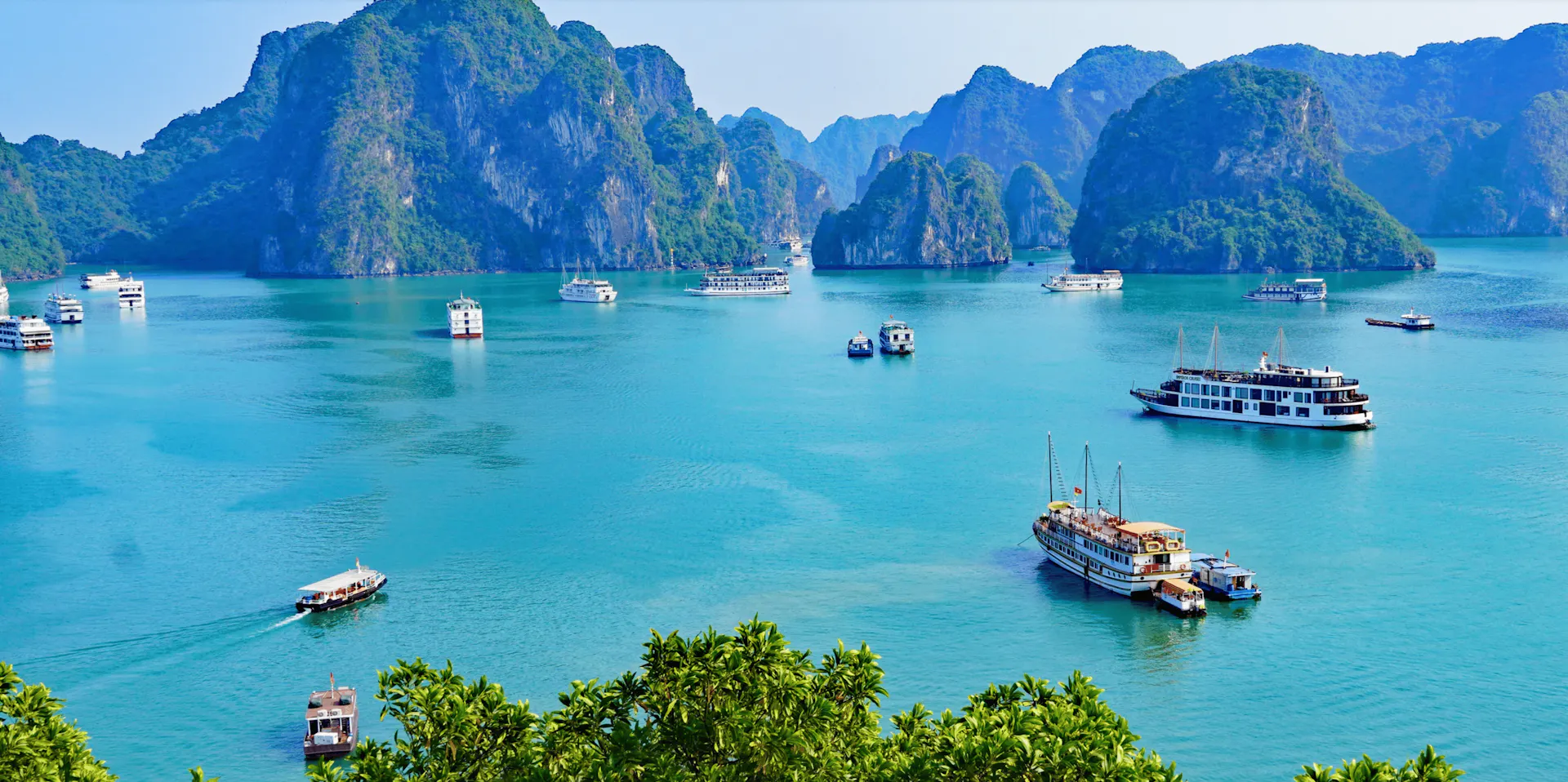
Hai Phong is a dynamic coastal city in Northern Vietnam, combining urban energy, natural beauty, and rich maritime heritage. Known as the “City of Red Flamboyant Flowers,” Hai Phong is the gateway to stunning destinations such as Cat Ba Island and Lan Ha Bay. Visitors can explore beautiful beaches, limestone islands, historic landmarks, and enjoy fresh seafood while experiencing local culture. With its unique mix of city life and coastal adventures, Hai Phong is an ideal destination for travelers exploring Northern Vietnam.
About Hai Phong
Hai Phong is a major port city in Northern Vietnam, known for its maritime heritage, lively urban culture, fresh seafood, colonial architecture, and easy access to the islands and limestone landscapes of Cat Ba and Lan Ha Bay. Since July 2025, Hai Phong has expanded administratively through the merger with Hai Duong Province, creating a much larger city that combines coastal landscapes, historic sites, rural countryside, and cultural heritage.
For travelers, Hai Phong offers a different experience from Hanoi. The city has a strong connection to the sea and shipping industry, while its surrounding areas provide opportunities for beaches, island adventures, hiking, boat trips, historical exploration, and local food. Its location also makes it an important gateway to Cat Ba and Lan Ha Bay.
What Is Hai Phong Known For?
Hai Phong is best known for its port, Cat Ba Archipelago, Lan Ha Bay, seafood, beaches, and distinctive local cuisine.
The city itself has a lively and practical character shaped by its maritime economy. Beyond the urban center, travelers can quickly reach coastal and island destinations with forests, limestone cliffs, beaches, and traditional fishing communities.
Cat Ba Island
Cat Ba Island is one of Hai Phong's most important tourism destinations.
The island combines beaches, limestone mountains, forests, caves, fishing villages, and spectacular coastal scenery. Visitors can hike through Cat Ba National Park, explore the island by motorbike, relax on the beaches, or take boat trips into the surrounding waters.
Cat Ba is also a popular base for exploring Lan Ha Bay, which offers a quieter alternative to some of the busier areas of Ha Long Bay.
Lan Ha Bay
Lan Ha Bay is famous for its hundreds of limestone islands and calm turquoise waters.
Boat cruises, kayaking, swimming, and visiting floating communities are among the most popular experiences. The landscape of forest-covered islands rising from the sea creates some of the most memorable scenery in Northern Vietnam.
Lan Ha Bay can be visited on day trips or longer cruises departing from the Cat Ba area.
Cat Ba National Park
Cat Ba National Park protects a diverse ecosystem of forests, limestone mountains, wetlands, and coastal environments.
The park is suitable for travelers interested in hiking and nature. Several trails lead through forested landscapes toward viewpoints overlooking the island.
Wildlife is another important part of the park's appeal. The Cat Ba langur is particularly notable as a rare primate found on the archipelago.
Do Son Beach
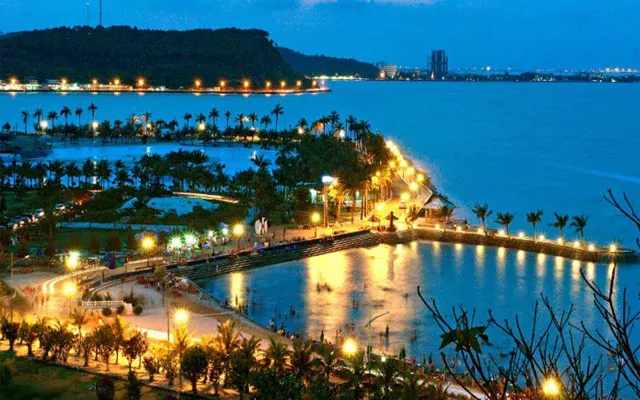
Do Son is a coastal resort area located south of central Hai Phong.
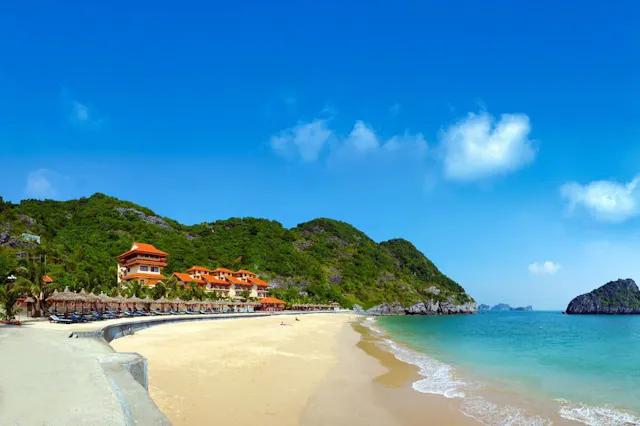
Its beaches, seafood restaurants, hotels, and waterfront atmosphere make it a popular weekend destination for visitors from Northern Vietnam.
Do Son can be combined with a city itinerary for travelers looking for a short beach escape without traveling as far as Cat Ba.
Hai Phong Food Culture
Food is one of the city's strongest attractions.
Hai Phong is particularly famous for seafood and distinctive local dishes such as Banh Da Cua, a crab noodle soup made with dark red rice noodles, crab broth, vegetables, and other toppings.
Other local specialties include spicy bread, seafood, grilled dishes, and various street foods. Local markets and small neighborhood restaurants are excellent places to experience the city's culinary identity.
Hai Phong's Maritime Heritage
The city's identity has long been connected to the sea.
Hai Phong is one of Vietnam's most important port and industrial centers, and its waterfront areas reflect this maritime character. Fishing boats, cargo ships, seafood markets, and riverside communities contribute to the city's distinctive atmosphere.
This connection to the sea also influences local cuisine and everyday life.
Historical and Cultural Attractions
Hai Phong has a rich collection of historical and religious sites.
Visitors can explore temples, communal houses, traditional pagodas, colonial-era buildings, and landmarks associated with the city's development.
The wider post-2025 Hai Phong also incorporates the cultural heritage of former Hai Duong, including important historical areas such as Con Son–Kiep Bac, giving travelers access to an even broader range of cultural attractions.
Hai Phong City Life
The city center has a lively local atmosphere with tree-lined streets, markets, cafés, restaurants, and public spaces.
Unlike some heavily tourist-oriented destinations, much of Hai Phong's everyday life remains focused on local residents. This makes it an interesting place for travelers who want to experience a working Vietnamese city rather than only traditional sightseeing destinations.
Best Time to Visit Hai Phong
Spring and autumn are generally comfortable periods for exploring Hai Phong and its surrounding attractions.
For Cat Ba and Lan Ha Bay, the warmer months are popular for swimming, kayaking, and island activities, while spring and autumn can offer more comfortable conditions for hiking and sightseeing.
Travelers should check weather conditions before planning boat trips because storms and rough seas can affect island transportation.
How to Get to Hai Phong
Hai Phong is conveniently connected to Hanoi and other Northern Vietnamese destinations by road and rail.
The city also has Cat Bi International Airport, making it accessible by domestic and selected international flights.
Travelers heading to Cat Ba can continue from Hai Phong toward the island by ferry or other available sea transportation. Cat Ba is relatively close to the city, making it possible to combine urban sightseeing with an island trip.
Why Visit Hai Phong?
Hai Phong offers an appealing combination of city life, maritime culture, seafood, beaches, islands, and dramatic coastal landscapes.
Travelers can explore local food and historic streets in the city, visit Do Son for a beach experience, then continue to Cat Ba and Lan Ha Bay for hiking, kayaking, cruises, and island scenery.
The city's 2025 administrative expansion has also created a much larger destination incorporating the heritage and landscapes of former Hai Duong. For travelers exploring Northern Vietnam, Hai Phong is therefore more than a gateway to Cat Ba—it is a destination with its own distinctive food culture, maritime identity, natural attractions, and increasingly diverse tourism experiences.
Hai Phong in Frames – Coastal Beauty, Islands & City Life
Explore the vibrant beauty of Hai Phong through a collection of images showcasing its coastal landscapes, island scenery, and cultural highlights. From the limestone islands of Cat Ba and the peaceful waters of Lan Ha Bay to historic streets, local markets, and seafood culture, the gallery captures the unique charm of Vietnam’s dynamic port city and its unforgettable seaside experiences.



Top Attractions in Hai Phong
Discover the top attractions in Hai Phong, a vibrant port city in northern Vietnam known for coastal landscapes, islands, beaches, and historic landmarks. Explore Cat Ba Island, Lan Ha Bay, Do Son Beach, and Cat Ba National Park, along with the city's temples, colonial architecture, and bustling waterfront. From island adventures and boat trips to hiking, beaches, and cultural exploration, Hai Phong offers a diverse mix of nature, history, and seaside experiences.

How To Get There Hai Phong
Bus and coach
Bus and limousine services are the most common ways to travel to Hai Phong, especially from Hanoi and nearby provinces.
Daily coaches connect Hanoi with Hai Phong City, Cat Ba Island transfers, and coastal areas.
Typical travel times:
- 1.5–2 hours from Hanoi
- 3–4 hours from Ninh Binh
- 20+ hours from Ho Chi Minh City
This option is affordable, convenient, and suitable for travelers heading to both the city and nearby islands.
Train
Hai Phong is connected to the national railway network through Hai Phong Railway Station.
Train services operate mainly between Hanoi and Hai Phong, offering a comfortable and scenic journey through the Red River Delta countryside.
Travel time:
- Around 2.5–3 hours from Hanoi
The train is a good choice for travelers who prefer a relaxed and budget-friendly journey.
Driving
Driving to Hai Phong is convenient thanks to modern expressways connecting the city with Hanoi and other northern destinations.
Travelers can use private cars or motorbikes for flexible travel.
Estimated travel times:
- 1.5–2 hours from Hanoi
- 3–4 hours from Ninh Binh
- 20+ hours from Ho Chi Minh City
Driving is ideal for travelers planning to explore Cat Ba Island, beaches, and surrounding coastal areas.
Flying
Hai Phong is served by Cat Bi International Airport (HPH), located only about 5 km from the city center.
The airport connects Hai Phong with major destinations in Vietnam and selected international routes.
From the airport, travelers can easily reach the city by:
- Taxi
- Private transfer
- Local transportation
Travel time to central Hai Phong is usually 10–20 minutes.
Frequently Asked Questions About Hai Phong
Where is Hai Phong located?
Hai Phong is located in Northern Vietnam along the Gulf of Tonkin, near Hanoi. It is an important coastal city and a gateway to famous destinations such as Cat Ba Island and Lan Ha Bay.
What are the best things to do in Hai Phong?
Visitors can explore Cat Ba Island, cruise through Lan Ha Bay, relax at Do Son Beach, discover historic city landmarks, enjoy local seafood, and experience the unique culture of Vietnam’s coastal communities.
What is the best time to visit Hai Phong?
The best time to visit Hai Phong is from October to April when the weather is cooler and comfortable for sightseeing and city exploration. May to August is ideal for beach trips and island activities.
How can I travel to Hai Phong?
Travelers can reach Hai Phong by bus, train, private car, or flight. Cat Bi International Airport provides convenient access, while Hanoi is only about 1.5–2 hours away by road or train.
How many days should I spend in Hai Phong?
A 2–3 day trip is recommended to explore Hai Phong’s highlights, including the city, Cat Ba Island, Lan Ha Bay, beaches, and local cuisine. Longer stays allow more time for island adventures and coastal experiences.
Advertising box
Nearby Destinations to Explore from Hai Phong
Discover the incredible diversity of Northern Vietnam by exploring the destinations surrounding Hai Phong. Cruise through the world-famous limestone islands of Ha Long Bay and Cat Ba Island, explore the cultural attractions of Ha Noi, admire the breathtaking landscapes of Ninh Binh, or visit the traditional villages and temples of Bac Ninh and Hung Yen. From UNESCO World Heritage sites and pristine beaches to vibrant cities, historic landmarks, and exceptional local cuisine, these nearby destinations offer unforgettable experiences that perfectly complement your Hai Phong travel itinerary.

Quang Ninh Travel Guide
Quang Ninh is one of Vietnam’s most iconic travel destinations, famous for the UNESCO World Heritage Site Ha Long Bay and its breathtaking limestone islands. Located in Northern Vietnam, the province offers spectacular coastal scenery, caves, beaches, and unique cultural experiences. Visitors can explore Ha Long Bay, Bai Tu Long Bay, local islands, and vibrant coastal cities while enjoying fresh seafood and marine adventures. With its extraordinary landscapes and rich heritage, Quang Ninh is a must-visit destination for travelers discovering Vietnam.

Bac Ninh Travel Guide
Bac Ninh is a culturally rich province in Northern Vietnam, widely known as the birthplace of Quan Ho folk singing, recognized by UNESCO as an intangible cultural heritage. Located near Hanoi, Bac Ninh is home to ancient pagodas, historical temples, and traditional villages that reflect the deep roots of Vietnamese culture. Visitors can explore spiritual sites like But Thap Pagoda and Do Temple while experiencing vibrant folk performances. With its heritage and traditions, Bac Ninh offers a unique cultural journey close to the capital.

Hung Yen Travel Guide
Hung Yen is a charming province in Northern Vietnam, located near Hanoi and known for its peaceful countryside, historic landmarks, and traditional cultural heritage. Once a major trading port, Pho Hien Ancient Town preserves the region’s rich history through temples, pagodas, and old architecture. Visitors can explore traditional craft villages, enjoy famous Hung Yen longan, and experience authentic rural life. With its cultural treasures and tranquil atmosphere, Hung Yen offers a relaxing journey into the heritage and traditions of Northern Vietnam.

Ha Noi Travel Guide
Hanoi, the capital of Vietnam, is a fascinating blend of ancient traditions and modern energy. With over a thousand years of history, the city is home to historic temples, charming colonial architecture, bustling markets, vibrant street food culture, and iconic landmarks. From wandering through the atmospheric Old Quarter to exploring cultural treasures and serene lakes, Hanoi offers an authentic introduction to Vietnam's rich heritage and contemporary life.