
Trang An Scenic Landscape Complex
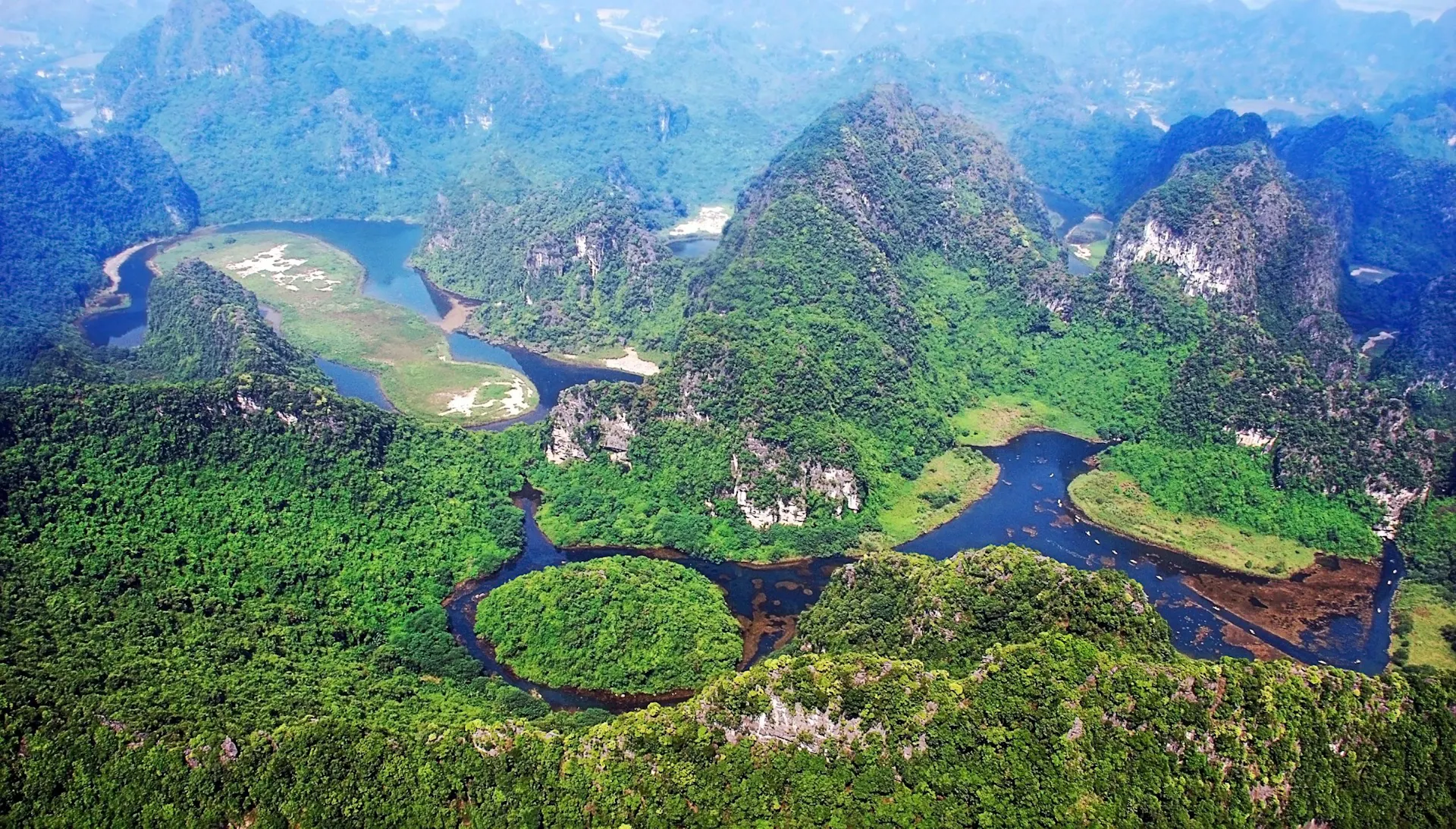
Trang An Scenic Landscape Complex is one of Vietnam's most spectacular natural and cultural treasures. Recognized as the country's first mixed UNESCO World Heritage Site in 2014, Trang An combines towering limestone mountains, winding rivers, mysterious caves, ancient temples, and archaeological sites dating back thousands of years. Located in Ninh Binh Province, this breathtaking landscape offers unforgettable boat journeys through dramatic scenery while revealing the remarkable harmony between nature, history, and Vietnamese cultural heritage.
About Trang An Scenic Landscape Complex
Trang An Scenic Landscape Complex is one of the most spectacular natural and cultural destinations in northern Vietnam, famous for its towering limestone karsts, winding rivers, caves, forests, and historic temples. Located in Ninh Binh Province, the area offers travelers an unforgettable way to experience Vietnam's dramatic karst landscape while exploring important cultural and historical sites.
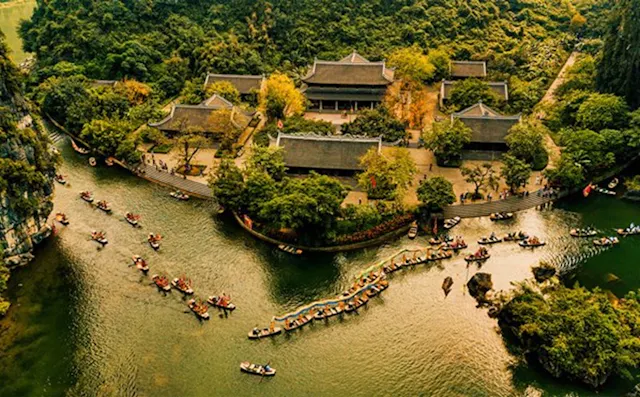
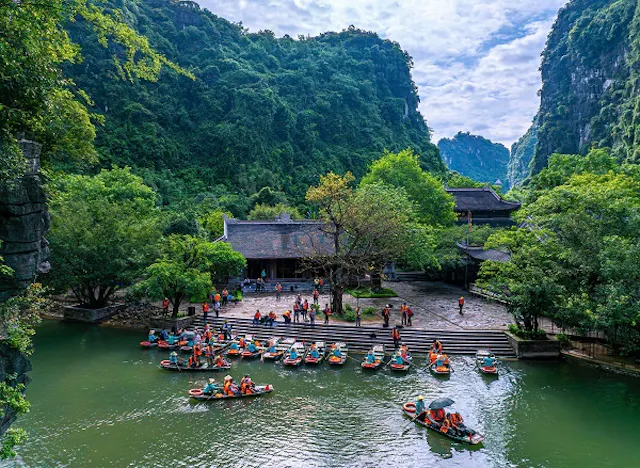
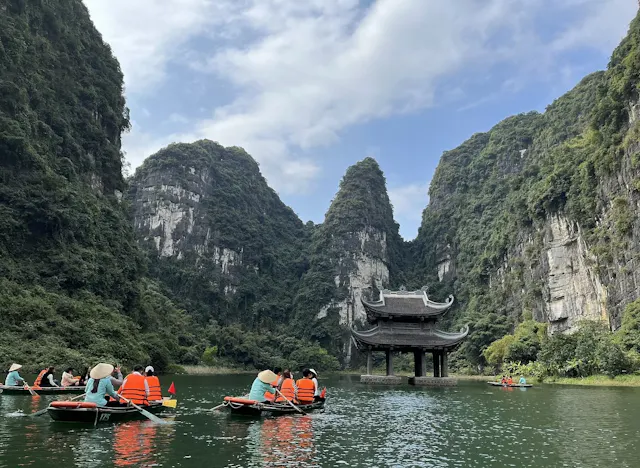
Recognized as a UNESCO World Heritage Site, Trang An is particularly famous for its traditional rowing boat tours. Visitors travel quietly along narrow waterways surrounded by limestone mountains, passing through natural caves and stopping at temples hidden among the landscape.
What Is Trang An Scenic Landscape Complex?
Trang An is a large landscape area consisting of limestone mountains, valleys, rivers, caves, forests, and cultural monuments.
The landscape was shaped over millions of years by geological processes and erosion. Rivers have gradually carved passages through the limestone mountains, creating a network of waterways and caves.
The combination of natural scenery and cultural heritage makes Trang An unusual among Vietnam's major attractions.
UNESCO World Heritage Site
Trang An was recognized by UNESCO in 2014 as a mixed cultural and natural World Heritage Site.
It is significant because it combines exceptional geological and ecological values with archaeological evidence and cultural heritage.
The surrounding landscape contains evidence of human habitation dating back thousands of years, showing how communities adapted to changing environmental conditions in the region.
Trang An Boat Tours
The best way to experience the complex is by taking a traditional rowing boat tour.
Small boats carry visitors along the river through a series of waterways, valleys, and caves. Local boat rowers navigate the route while allowing travelers to enjoy the scenery at a relaxed pace.
The exact route can vary, but tours typically last several hours and include multiple caves and cultural sites.
The peaceful movement of the boat makes Trang An particularly different from busy urban attractions.
Limestone Karst Mountains
The towering limestone karsts are the defining feature of Trang An.
Many formations rise dramatically from the surrounding water and green valleys, creating a landscape that resembles a natural stone fortress.
Vegetation covers much of the mountains, while cliffs and rock faces create dramatic views from the waterways.
The landscape changes continuously as the boat moves between open valleys and narrow passages.
Exploring the Caves
Trang An contains numerous natural caves formed by the erosion of limestone.
During a boat journey, visitors may pass through several caves, where the waterways become narrower and the surrounding environment becomes darker and quieter.
Some caves contain stalactites and other geological formations.
Boat tours are designed to pass through these caves at a relaxed pace, allowing visitors to experience the geological character of the region without a strenuous hike.
Temples and Cultural Sites
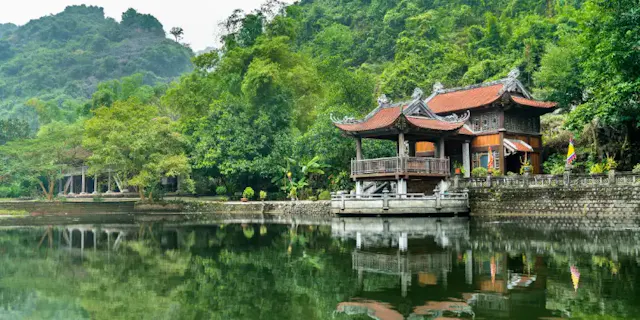
Trang An is not only a natural attraction. Several temples and historic religious sites are located along the boat routes.
Visitors may stop at small temples surrounded by mountains and forests.
These sites reflect the long religious and cultural traditions of Ninh Binh and add a cultural dimension to the boat journey.
King Kong Filming Location
Trang An and the surrounding Ninh Binh landscape became internationally recognizable after appearing in the Hollywood movie Kong: Skull Island.
The dramatic limestone mountains, rivers, and valleys provided a natural setting for several scenes.
Although the movie is not the main reason to visit Trang An, its popularity helped introduce the landscape to a wider international audience.
Trang An and Hoa Lu
Trang An is located near Hoa Lu, the ancient capital of Vietnam during the Dinh and early Le dynasties.
Hoa Lu was the political center of Vietnam during the 10th and early 11th centuries.
Visitors can easily combine a Trang An boat trip with a visit to Hoa Lu's temples and historical sites, creating an itinerary that combines natural scenery with Vietnamese history.
Mua Cave and Ninh Binh
Another popular attraction nearby is Mua Cave, known for its steep staircase leading to a panoramic viewpoint.
From the summit, visitors can see the surrounding limestone mountains, rice fields, rivers, and valleys.
Although Mua Cave is separate from the Trang An complex, it is often included in Ninh Binh itineraries alongside Trang An and Hoa Lu.
Best Time to Visit Trang An
March to May and September to November can be particularly pleasant periods for visiting Trang An.
Spring often brings comfortable temperatures and green landscapes, while autumn can offer cooler weather and scenic conditions.
Summer can be hot and humid, while the rainy season may bring higher water levels and occasional storms.
Early morning is generally a good time for a quieter and more comfortable boat experience.
How to Get to Trang An
Trang An is located near Ninh Binh City, approximately 90 kilometers south of Hanoi.
The destination can be reached by train, bus, private car, taxi, or organized tour from Hanoi.
The journey from Hanoi generally takes around two to three hours depending on transportation and traffic.
Trang An can also be combined with other Ninh Binh attractions during a day trip or multi-day stay.
Why Visit Trang An Scenic Landscape Complex?
Trang An Scenic Landscape Complex offers an extraordinary combination of limestone mountains, rivers, caves, forests, temples, and cultural heritage.
A traditional boat journey allows travelers to experience the landscape at a peaceful pace while passing through dramatic natural scenery that has developed over millions of years.
For travelers looking for a destination that combines nature, history, culture, and adventure, Trang An is one of the most rewarding places to visit in northern Vietnam and an essential experience when exploring Ninh Binh.
Trang An Scenic Landscape Complex Photo Gallery
View stunning photographs of Trang An Scenic Landscape Complex, featuring limestone mountains, river landscapes, cave tours, ancient temples, and the natural beauty of Vietnam’s UNESCO World Heritage destination.

How To Get To Trang An Scenic Landscape Complex
Bus and coach
Buses and coaches are one of the most convenient and affordable ways to reach Ninh Binh from Hanoi and other major cities. Many tourist buses operate daily routes to Ninh Binh city, from where travelers can continue to Trang An by taxi, motorbike, or local transport.
Train
Ninh Binh Railway Station connects the city with Hanoi, Hue, Da Nang, and Ho Chi Minh City. After arriving at the station, visitors can take a taxi or private transfer to Trang An, located around 7 kilometers away.
Driving
Driving to Trang An offers flexibility and the chance to enjoy the scenic countryside of northern Vietnam. Travelers can rent a car, hire a private driver, or travel by motorbike from Hanoi and nearby destinations.
Flying
The nearest major airports are Noi Bai International Airport in Hanoi and Tho Xuan Airport in Thanh Hoa. From the airport, travelers can continue by bus, taxi, or private transfer to Ninh Binh and Trang An.
Frequently Asked Questions About Trang An Scenic Landscape Complex
What is Trang An Scenic Landscape Complex famous for?
Trang An is famous for its stunning limestone karst mountains, peaceful rivers, cave systems, and cultural heritage sites. It is a UNESCO World Heritage Site and one of Vietnam’s most beautiful natural destinations.
What can I do at Trang An?
The most popular activity is the Trang An boat tour, where visitors travel through scenic waterways, limestone valleys, and caves. Travelers can also explore nearby temples, cycle through the countryside, and visit attractions such as Hoa Lu Ancient Capital.
How long does the Trang An boat tour take?
The boat journey usually takes around 2 to 3 hours depending on the chosen route. Visitors can enjoy views of mountains, rivers, caves, and natural landscapes throughout the experience.
When is the best time to visit Trang An?
The best time to visit Trang An is generally from March to May and September to November when the weather is pleasant and the scenery is especially beautiful. Early morning visits are ideal for peaceful views and fewer crowds.
How do I get to Trang An from Hanoi?
Trang An is about 90 kilometers from Hanoi. Visitors can reach Ninh Binh by bus, train, or private vehicle, then continue to Trang An by taxi, motorbike, or local transport.
Advertising box
Explore More UNESCO World Heritage Sites
Continue your journey through Vietnam's remarkable UNESCO World Heritage Sites. Discover ancient cities, breathtaking natural wonders, archaeological treasures, and cultural landmarks that showcase the country's rich history, diverse traditions, and extraordinary landscapes. Each destination offers a unique perspective on Vietnam's heritage and is well worth adding to your travel itinerary.

Ha Long Bay
Ha Long Bay is one of Vietnam's most iconic destinations and a UNESCO World Heritage Site celebrated for its thousands of limestone islands rising dramatically from emerald waters. Visitors can enjoy unforgettable cruises, kayaking adventures, hidden caves, floating fishing villages, beautiful beaches, and spectacular sunsets. Beyond its natural beauty, the bay also offers fresh seafood, luxury cruises, and authentic cultural experiences. This Ha Long Bay Travel Guide provides everything you need to plan an unforgettable journey through one of the world's most remarkable seascapes.
Complex of Hue Monuments
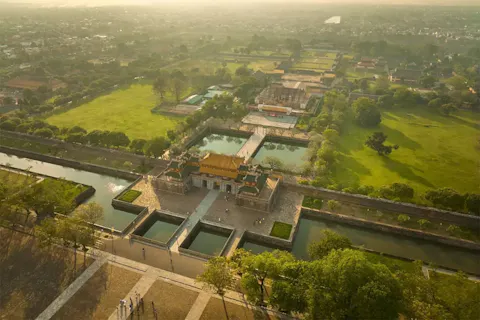
The Complex of Hue Monuments is one of Vietnam's most important historical and cultural treasures. Recognized as a UNESCO World Heritage Site in 1993, it preserves the magnificent legacy of the Nguyen Dynasty through imperial palaces, ancient temples, royal tombs, and the iconic Hue Citadel. Located along the scenic Perfume River, the complex offers visitors a fascinating journey into Vietnam's imperial past, blending remarkable architecture, royal traditions, and centuries of cultural heritage in the heart of central Vietnam.
My Son Sanctuary
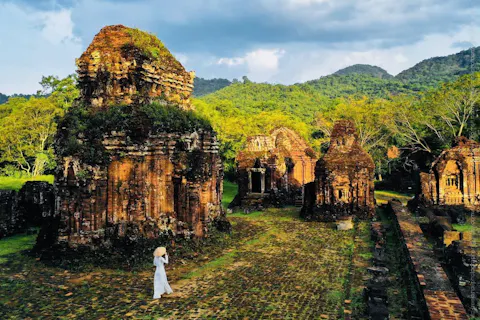
Nestled in a lush valley surrounded by mountains, My Son Sanctuary is one of Vietnam's most remarkable archaeological sites. Once the spiritual and political center of the Champa Kingdom, the sanctuary features centuries-old Hindu temple towers dedicated to the god Shiva. Recognized as a UNESCO World Heritage Site in 1999, My Son offers visitors an extraordinary opportunity to explore ancient architecture, fascinating history, and the enduring cultural legacy of one of Southeast Asia's greatest civilizations.
Hoi An Ancient Town
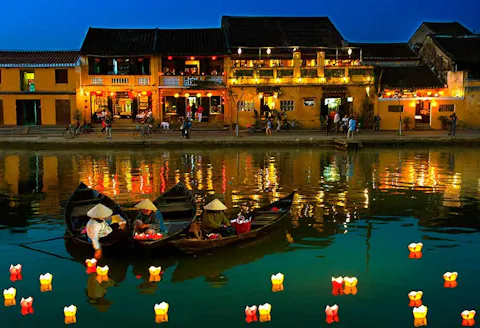
Hoi An Ancient Town is one of Vietnam's most enchanting destinations, where centuries of history blend seamlessly with vibrant local life. Once a thriving international trading port, the town is renowned for its beautifully preserved wooden houses, colorful lanterns, historic temples, riverside cafés, and lively markets. Recognized as a UNESCO World Heritage Site in 1999, Hoi An captivates visitors with its timeless atmosphere, rich multicultural heritage, outstanding cuisine, and unforgettable cultural experiences in central Vietnam.
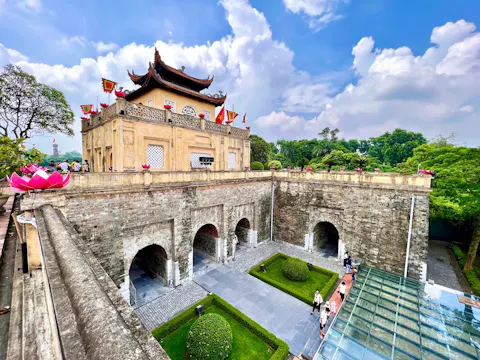
Imperial Citadel of Thang Long
The Imperial Citadel of Thang Long is one of Vietnam's most significant historical landmarks and a UNESCO World Heritage Site located in the heart of Ha Noi. Once the political center of successive Vietnamese dynasties for over thirteen centuries, the citadel preserves ancient palaces, archaeological remains, ceremonial gates, and royal architecture. Visitors can explore centuries of Vietnamese history while discovering remarkable cultural treasures that reflect the country's royal heritage. This guide covers everything you need to know before visiting the Imperial Citadel of Thang Long.
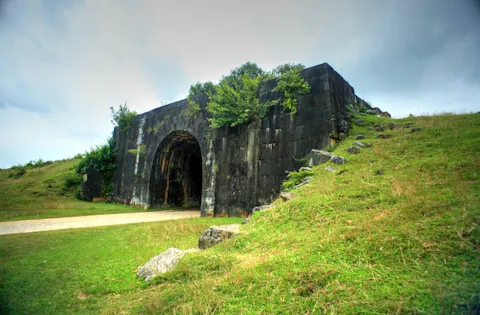
The Citadel of the Hồ Dynasty
The Citadel of the Hồ Dynasty is one of Vietnam's most extraordinary historical landmarks and a UNESCO World Heritage Site recognized in 2011. Built in 1397 using massive limestone blocks, this remarkable fortress reflects exceptional engineering, strategic planning, and the political vision of the short-lived Hồ Dynasty. Located in Thanh Hoa Province, the citadel offers visitors a fascinating glimpse into Vietnam's medieval history while showcasing one of Southeast Asia's finest examples of monumental stone architecture.

Phong Nha - Ke Bang National Park
Phong Nha - Ke Bang National Park is one of Vietnam’s most spectacular natural destinations, featuring ancient limestone mountains, world-famous caves, underground rivers, and unforgettable adventure experiences in a UNESCO World Heritage landscape.