
- Destinations
Northern Vietnam
Central Vietnam
- Attractions
Categories
World Heritage
Historical & Cultural
- Things To Do
Categories
Outdoor Adventures
- Food & Drink
Categories
Vietnamese Dishes
- Travel & Planning
Categories
- Inspiration
Categories
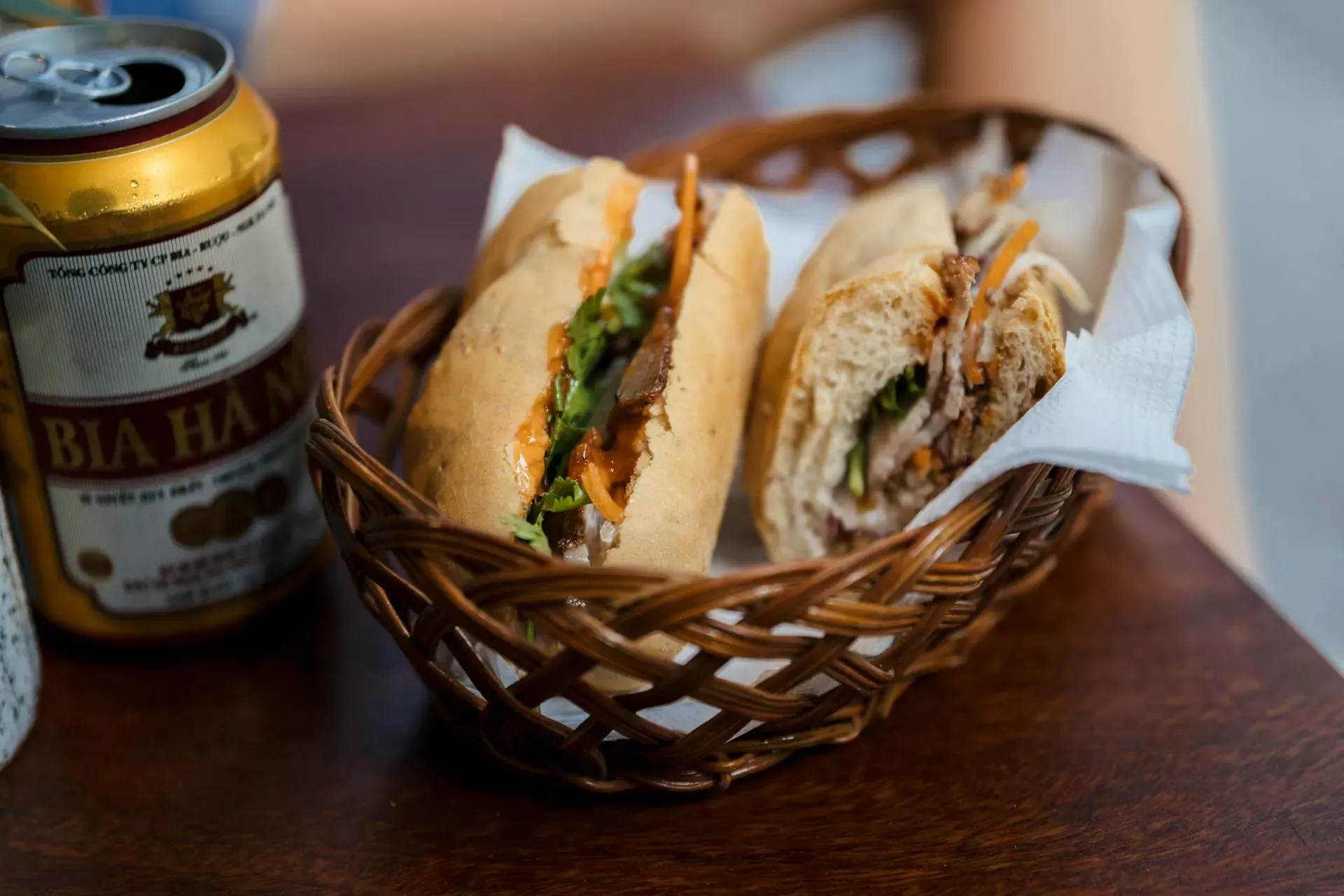
Discover unforgettable food and drink experiences in Vietnam, from tasting street food and exploring local markets to joining cooking classes, food tours, and regional culinary experiences. Learn how to experience Vietnam through its diverse flavors, traditional dining customs, fresh seafood, coffee culture, local drinks, and regional specialties. From Hanoi and Hue to Hoi An, Ho Chi Minh City, and the Mekong Delta, this guide helps travelers find meaningful culinary experiences and discover the food traditions that make Vietnam one of Asia’s most exciting destinations for food lovers.
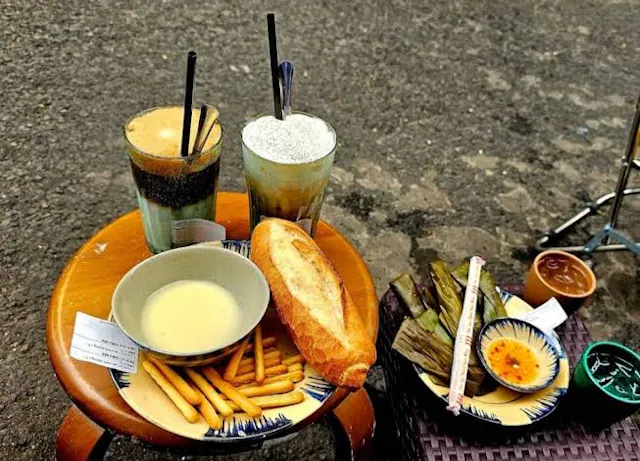
Food is one of the most rewarding ways to experience Vietnam. Vietnamese cuisine is shaped by regional ingredients, local traditions, family recipes, street-side cooking, fresh produce, and centuries of cultural influences. For travelers, a food journey is not simply about trying famous dishes. It is about discovering how people shop for ingredients, prepare meals, share food, enjoy coffee, and gather together in everyday life. From a busy morning market in Hanoi to a family-style meal in the Mekong Delta, food and drink experiences can provide a deeper connection to Vietnam.
One of the easiest ways to explore Vietnamese cuisine is through local street food. Small food stalls, neighborhood eateries, and bustling markets allow travelers to watch dishes being prepared and discover flavors that vary from one region to another. Joining a guided food tour can make this experience even easier, particularly for first-time visitors who want to understand local ingredients, ordering customs, and dining etiquette.
Cooking classes offer another hands-on way to experience Vietnamese food culture. Many classes combine a market visit with practical lessons, allowing travelers to select fresh ingredients before learning how to prepare traditional dishes. Hoi An, Hanoi, Hue, and Ho Chi Minh City are popular places for these experiences, with classes ranging from short introductory sessions to full-day culinary activities.
Vietnam’s regional diversity also means that food experiences change significantly as you travel. Northern Vietnam is known for distinctive Hanoi specialties, Central Vietnam offers complex and often spicy flavors, while Southern cuisine incorporates tropical ingredients, freshwater produce, and sweeter flavor profiles. Coastal destinations add another dimension through fresh seafood and local fishing communities.
Drinks are an essential part of the journey too. Sitting at a traditional café with a Vietnamese phin coffee, trying iced coffee, tasting local tea, or sampling fresh fruit drinks provides an opportunity to slow down and observe everyday life.
Whether you are a dedicated food lover or simply curious about local culture, Vietnam offers countless ways to experience its cuisine. The most memorable experiences often come from being willing to explore beyond familiar dishes, eat where locals eat, and approach every meal with curiosity.
Discover Vietnam through its unforgettable food and drink experiences. From iconic street food, regional specialties, seafood feasts, and traditional cooking classes to world-famous coffee, local teas, vibrant markets, and authentic cafés, explore the flavors that define Vietnam's rich culinary culture.
Some of the best food and drink experiences in Vietnam include joining a street food tour, taking a Vietnamese cooking class, exploring local food markets, enjoying regional cuisine, visiting seafood markets, experiencing Vietnamese coffee culture, and trying traditional local drinks. Each experience offers a different way to discover Vietnamese culinary traditions.
Authentic food experiences can include eating at local markets, joining a family-style cooking class, visiting neighborhood food stalls, exploring regional markets, sharing meals with local residents, and trying traditional dishes where they are commonly eaten. Guided food tours can also help visitors discover local specialties while learning about Vietnamese dining customs.
Yes. Vietnam is an excellent destination for food lovers because its cuisine varies significantly between northern, central, and southern regions. Travelers can experience street food, regional specialties, fresh seafood, local markets, cooking classes, coffee culture, and a wide variety of traditional drinks.
First-time visitors can start with a local street food tour, a Vietnamese cooking class, a traditional market visit, and a Vietnamese coffee experience. Trying regional specialties in Hanoi, Hue, Hoi An, or Ho Chi Minh City can provide a good introduction to the country's culinary diversity.
Vietnamese cooking classes are available in many major destinations, including Hanoi, Hoi An, Hue, Ho Chi Minh City, and the Mekong Delta. Many classes combine a local market visit with hands-on preparation of traditional dishes, giving travelers insight into Vietnamese ingredients and cooking techniques.
Yes. Most tourist-oriented cooking classes are designed for beginners and provide guidance throughout the preparation process. Some also offer vegetarian or other dietary options, although travelers should confirm available choices with the class provider before booking.
A Vietnam food tour may include visits to street food stalls, local restaurants, markets, cafés, or specialty food shops. Depending on the tour, travelers may walk, cycle, or travel by motorbike with a local guide while tasting several foods and learning about ingredients, preparation methods, and dining customs.
Hanoi, Ho Chi Minh City, Hue, Hoi An, Da Nang, and destinations in the Mekong Delta are popular for food experiences. Hanoi is known for traditional northern cuisine, Hue for distinctive central dishes, Hoi An for cooking experiences, Ho Chi Minh City for diverse street food, and the Mekong Delta for fresh produce and regional specialties.
In Hanoi, travelers can explore the Old Quarter's street food, visit traditional markets, enjoy Vietnamese coffee, join cooking classes, and take guided food tours. The city is particularly well known for dishes such as pho, bun cha, banh cuon, and cha ca.
Hoi An is well suited to travelers interested in cooking classes, market tours, local specialties, street food, and traditional restaurants. Many cooking experiences combine a visit to a local market with a boat trip or countryside activity before preparing regional dishes.
Advertising box