
- Destinations
Northern Vietnam
Central Vietnam
- Attractions
Categories
World Heritage
Historical & Cultural
- Things To Do
Categories
Outdoor Adventures
- Food & Drink
Categories
Vietnamese Dishes
- Travel & Planning
Categories
- Inspiration
Categories
Planning a trip to Vietnam? This practical visa and entry guide explains what international travelers need to know before departure, including Vietnam e-visas, visa exemptions, passport requirements, entry documents, international airports, border crossings, immigration procedures, and common mistakes. Whether you are visiting Vietnam for the first time or returning for another trip, use this guide to understand the entry process, prepare the right documents, and plan your arrival with greater confidence.
Planning a trip to Vietnam starts with understanding the country's visa and entry requirements before you book your flight. Depending on your nationality, travel plans, and intended length of stay, you may be eligible for visa-free entry or need to apply for a Vietnam e-visa before departure. Preparing these details in advance can help you avoid problems at the airport and make your arrival much smoother.
Vietnam's entry process is relatively straightforward for most international travelers, but requirements can vary. Before traveling, check whether your passport qualifies for a visa exemption and confirm the conditions that apply to your stay. Travelers who require a visa can generally use Vietnam's electronic visa system, while the information entered during the application should match the passport exactly. Incorrect names, passport numbers, dates, or other details can cause unnecessary complications.
Your passport is also an important part of your travel preparation. Make sure it meets the applicable validity requirements and has sufficient blank pages for immigration procedures. It is also useful to keep a digital and printed copy of important travel documents, including your passport, visa approval information, accommodation details, and travel insurance.
Vietnam has several international airports, land border crossings, and seaports used by international travelers. Your permitted entry point may depend on the type of travel authorization you hold, so check the approved entry information before departure.
After arriving in Vietnam, travelers normally proceed through immigration, collect their luggage, and complete customs procedures before continuing to their destination. Having your travel documents easily accessible can make the process more efficient.
This Vietnam Visa & Entry Guide brings together essential information about visa exemptions, e-visas, passport requirements, entry points, immigration procedures, and common application mistakes. Use the overview to understand the process, then explore our detailed guides for specific visa and entry questions. Because immigration regulations can change, always verify the latest requirements with Vietnam's official authorities before traveling.
Find everything you need to know before entering Vietnam, from e-Visa applications and visa exemptions to passport requirements, customs regulations, airport arrival procedures, and practical travel tips. Our comprehensive guides help you prepare for a smooth, hassle-free journey from the moment you arrive.

South Korean citizens can generally enter Vietnam without a visa for stays of up to 45 days, making Vietnam an easy destination for short holidays, business trips, and family visits. Travelers planning to stay longer may need a Vietnam e-visa, which can allow longer stays subject to approval. This guide explains Vietnam visa requirements for South Korean citizens, including visa-free entry, passport requirements, e-visa options, fees, processing times, entry procedures, and practical tips for a smooth trip.

Chinese citizens traveling to Vietnam need to understand the latest visa requirements before departure. This guide explains how to apply for a Vietnam e-visa, passport requirements, application information, visa fees, processing times, eligible entry points, and arrival procedures. Whether you are visiting Vietnam for tourism, business, or a longer trip, learn what Chinese passport holders need to prepare and how to avoid common application mistakes for a smoother journey.

US citizens generally need a visa to enter Vietnam. This 2026 guide explains how to apply for a Vietnam e-visa, what documents you need, current visa fees, processing times, entry requirements, and common application mistakes. Learn how to use the official Vietnam e-visa system, prepare your US passport and photo, choose single or multiple entry, and check your visa before traveling. Get practical tips to make your Vietnam visa application simple and avoid common problems before departure.

Australian citizens generally need a visa to travel to Vietnam. This practical 2026 guide explains the Vietnam e-visa process for Australian passport holders, including eligibility, passport and photo requirements, application steps, fees, processing times, entry points, and common mistakes to avoid. Learn how to apply through the official Vietnamese immigration system, check your application details, prepare for arrival, and make sure your travel documents are ready before flying from Australia to Vietnam.
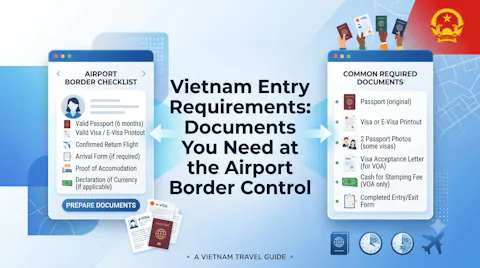
Preparing the correct travel documents before arriving in Vietnam helps ensure a smooth entry process. This guide explains Vietnam’s entry requirements, including passport validity, visa or visa exemption eligibility, immigration procedures, customs declarations, and supporting documents that may be requested at airport or land border checkpoints. Whether you are traveling for tourism or business, understanding what to prepare before departure can save time and avoid unnecessary delays. Go Visit Vietnam provides practical guidance for entering Vietnam with confidence.
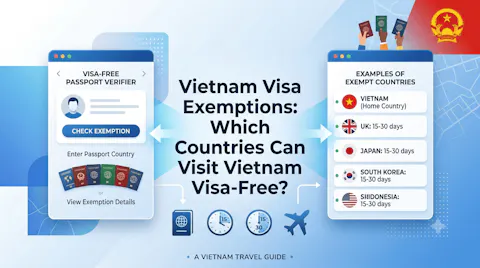
Planning a trip to Vietnam? Find out whether your country qualifies for Vietnam’s visa exemption program and learn how long you can stay without a visa. This guide explains visa-free entry policies, eligibility requirements, permitted stay durations, and important travel considerations before arriving in Vietnam. Whether you are visiting for a short holiday or planning a longer journey, understanding Vietnam’s visa exemption rules helps you prepare with confidence. Go Visit Vietnam provides practical information for international travelers planning their visit.
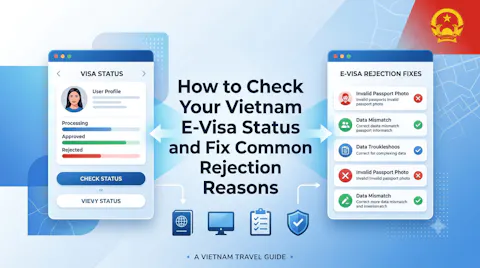
Waiting for your Vietnam E-Visa approval? This guide explains how to check your Vietnam E-Visa status online, understand the application process, and identify common reasons why an application may be delayed or rejected. Learn practical solutions for correcting passport information, photo requirements, personal details, and supporting documents before reapplying. Go Visit Vietnam provides helpful visa guidance to make your application smoother and help you prepare confidently for your upcoming trip to Vietnam.
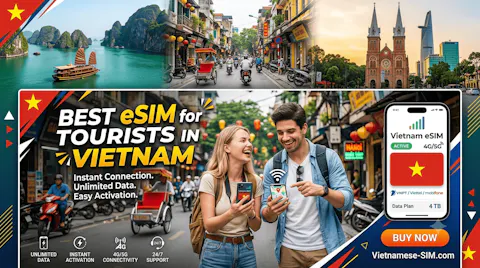
Staying connected in Vietnam is easy with a travel eSIM, offering instant mobile data without needing a physical SIM card. This guide introduces the best eSIM options for tourists in Vietnam, including top providers, data plans, pricing, coverage, and step-by-step activation instructions. Whether you are traveling across cities, beaches, or national parks, a reliable eSIM ensures smooth internet access for maps, bookings, and communication. Go Visit Vietnam helps you choose the right eSIM for a seamless travel experience in Vietnam.
It depends on your nationality. Some countries enjoy visa-free entry for a limited period, while many travelers can apply for a Vietnam e-Visa online before departure. Always check the latest regulations before traveling.
Eligible travelers can submit an online application through Vietnam's official immigration portal. You'll typically need a valid passport, a passport photo, personal information, and the required processing fee.
Your passport should generally be valid for at least six months beyond your planned arrival date. It should also have sufficient blank pages if immigration stamps are required.
Bring your passport, approved visa (if required), travel insurance, accommodation details, return or onward flight information, and copies of important documents in both digital and printed form.
Yes. Immigration policies, visa exemptions, and entry requirements may be updated periodically. It's recommended to verify the latest information through official Vietnamese government sources before booking or traveling.
Advertising box