
Vietnam Visa for Australian Citizens 2026: E-Visa Requirements and Application Guide
Australian citizens generally need a visa to travel to Vietnam. This practical 2026 guide explains the Vietnam e-visa process for Australian passport holders, including eligibility, passport and photo requirements, application steps, fees, processing times, entry points, and common mistakes to avoid. Learn how to apply through the official Vietnamese immigration system, check your application details, prepare for arrival, and make sure your travel documents are ready before flying from Australia to Vietnam.

On this page
- Do Australian Citizens Need a Visa for Vietnam?
- What Is a Vietnam E-Visa?
- Vietnam E-Visa Requirements for Australian Citizens
- How to Apply for a Vietnam E-Visa from Australia
- How Much Does a Vietnam E-Visa Cost for Australians?
- How Long Does a Vietnam E-Visa Take?
- Where Can Australian E-Visa Holders Enter Vietnam?
- What Happens When Australians Arrive in Vietnam?
- Common Vietnam E-Visa Mistakes Australians Should Avoid
- What If You Make a Mistake on Your Vietnam E-Visa Application?
- Can Australians Stay in Vietnam for 90 Days?
- Can Australians Get a Multiple-Entry Vietnam E-Visa?
- Should Australians Apply for a Vietnam Visa Before Booking Flights?
- Vietnam Visa Tips for Australian Travelers
- Official Vietnam Visa Information
- Conclusion
Planning a trip from Australia to Vietnam? Understanding the visa requirements before booking your flight can help you avoid problems at check-in or on arrival.
For most Australian passport holders traveling to Vietnam, a visa is required. The Vietnam e-visa is the main online option for eligible international travelers and can be used for tourism and other permitted purposes. Depending on the current immigration rules and your travel plans, an e-visa can allow a stay of up to 90 days and may be issued for single or multiple entry.
This guide explains the Vietnam visa process for Australian citizens, including requirements, application steps, fees, processing times, entry information, and common mistakes to avoid.
Do Australian Citizens Need a Visa for Vietnam?
Yes. Australian passport holders generally need a visa before traveling to Vietnam.
For most tourists, the Vietnam e-visa is the most convenient option because the application can be completed online before departure. There is generally no need to visit a Vietnamese embassy simply to submit a standard tourist e-visa application.
Before applying, check the latest requirements on the official Vietnamese immigration website because visa rules, fees, processing procedures, and eligible entry points can change.
Your visa should be approved before you travel. Do not assume that having a flight reservation or hotel booking gives you permission to enter Vietnam.

What Is a Vietnam E-Visa?
A Vietnam e-visa is an electronic travel authorization issued by Vietnamese immigration authorities.
Instead of obtaining a traditional visa sticker or relying on an intermediary, eligible travelers can submit their application online and receive an electronic visa document after approval.
For Australian travelers, an e-visa can be particularly convenient because it can be arranged before leaving Australia.
Depending on the current rules and the application selected, Vietnam e-visas may provide:
- Single-entry or multiple-entry travel
- A stay of up to 90 days
- Entry through eligible international airports, land borders, and seaports
- Online application and payment
Always check the information printed on your approved e-visa before traveling. Your permitted entry date, expiry date, passport information, and other details should match your travel documents.
Vietnam E-Visa Requirements for Australian Citizens
Before starting your application, prepare the required information and digital documents.
Australian Passport
You should apply using the same passport that you will use to enter Vietnam.
Check that your passport:
- Is valid for your planned trip and meets current Vietnamese immigration requirements
- Is in good physical condition
- Contains sufficient blank pages for travel
- Has accurate personal information
- Will remain valid for the required period after your intended entry date
If you are planning to renew your Australian passport soon, consider completing the renewal before applying for your Vietnam e-visa. An e-visa is associated with the passport information submitted during the application.
Passport Information
You will need to provide information from your passport, including:
- Full name
- Date of birth
- Nationality
- Passport number
- Passport issue and expiry information
- Other personal information requested by the application form
Enter the information exactly as it appears on your passport.
Even a small mistake in your name, passport number, or date of birth can create problems when your e-visa is checked.
Digital Portrait Photo
The e-visa application requires a recent digital portrait photograph.
Follow the current photo specifications shown on the official application system. The photograph should be clear, recent, and suitable for identification.
Avoid:
- Sunglasses
- Heavy shadows
- Blurry images
- Poor lighting
- Obstructions covering your face
- Backgrounds that do not meet the current application requirements
Check the official requirements before uploading the image rather than relying on specifications from an unofficial visa website.
Passport Bio-Data Page
You will also need a clear digital image or scan of your passport's personal information page.
Make sure the entire page is visible and easy to read. Avoid glare, reflections, cropping, or low-resolution images that could make your passport information difficult to verify.

How to Apply for a Vietnam E-Visa from Australia
The application process is completed online.
Step 1: Prepare Your Documents
Have your Australian passport, digital portrait photograph, passport bio-data page, travel information, accommodation details, and payment method ready.
Preparing everything before opening the application form reduces the chance of errors or interruptions.
Step 2: Use the Official Immigration Portal
Apply through the official Vietnamese government e-visa system.
Be careful when searching online because commercial visa agencies may appear alongside government websites in search results. Some agencies provide legitimate services, but they may charge additional service fees.
If you want to apply directly, verify that you are using the official Vietnamese immigration website.
Step 3: Enter Your Personal Information
Complete the application using the information shown on your Australian passport.
Check every field carefully before moving to the next stage.
Pay particular attention to:
- Name spelling
- Date of birth
- Nationality
- Passport number
- Passport expiry date
Do not copy information from memory if you have your passport available. Use the passport as your reference.
Step 4: Enter Your Travel Information
Provide the requested information about your trip.
Depending on the application form, this may include:
- Intended entry date
- Intended length of stay
- Temporary residential address in Vietnam
- Intended entry checkpoint
- Other travel information
If you already know your itinerary, use the correct information when completing the application.
Step 5: Upload Your Documents
Upload the required passport image and portrait photograph according to the current technical specifications.
Before continuing, check that the files are clear and that the correct documents have been uploaded.
Step 6: Review Your Application
This is one of the most important steps.
Carefully compare the application with your physical passport.
Check:
- Full name
- Passport number
- Date of birth
- Nationality
- Passport expiry date
- Entry date
- Entry checkpoint
- Other information that appears on the application
Correct mistakes before submitting whenever possible.
Step 7: Pay the E-Visa Fee
Pay the applicable government e-visa fee through the official application system.
The amount depends on the type of entry requested and the current government fee schedule.
Because Vietnamese immigration fees can change, check the amount displayed on the official portal before making payment.
Keep your payment confirmation and application information after submitting the application.
Step 8: Save Your Application Information
Keep your application registration or reference information somewhere secure.
You may need it to check the status of your application or retrieve your e-visa later.
Step 9: Check Your Application Status
After submitting your application, monitor its status through the official immigration system.
Do not rely solely on an email notification. Keep your application reference information so you can check the application directly.
Step 10: Download Your Approved E-Visa
If your application is approved, download and carefully review the e-visa.
Check that:
- Your name is correct
- Your passport number is correct
- The entry date is correct
- The expiry date is correct
- The permitted entry type matches your plans
- The entry checkpoint is appropriate for your itinerary
Keep a digital copy on your phone and consider carrying a printed copy during your journey.

How Much Does a Vietnam E-Visa Cost for Australians?
The Vietnam e-visa fee depends on the type of entry requested.
The commonly published government fees have included:
- Single-entry e-visa: US$25
- Multiple-entry e-visa: US$50
However, travelers should always verify the current fee on the official Vietnamese immigration portal before paying.
Government fees and application rules can change, and third-party agencies may charge additional service fees.
If you apply through an agency rather than directly through the government system, the amount you pay may therefore be higher than the official government fee.
How Long Does a Vietnam E-Visa Take?
Vietnam e-visa applications are generally processed within several working days under normal conditions, but processing can take longer.
Delays may occur because of:
- Incorrect application information
- Poor-quality documents
- Photograph problems
- Additional verification
- Weekends
- Public holidays
- High application volumes
For this reason, Australian travelers should not leave their visa application until the last minute.
Applying well before your flight gives you additional time to correct a problem if your application requires changes or takes longer than expected.
Do not treat the standard processing period as a guarantee of approval or issuance by a particular date.
Where Can Australian E-Visa Holders Enter Vietnam?
Vietnam e-visas can be used at eligible immigration checkpoints listed by Vietnamese authorities.
These include selected:
- International airports
- Land border checkpoints
- Seaports
Common international airports used by Australian travelers include airports serving Hanoi, Ho Chi Minh City, and Da Nang.
Your intended entry point should be checked against the current list of eligible checkpoints before you submit your application.
If your itinerary includes Vietnam by land or sea, pay particular attention to the approved entry checkpoint.

What Happens When Australians Arrive in Vietnam?
After arriving at an eligible Vietnamese airport or border checkpoint, proceed to immigration control.
Have your:
- Australian passport
- Approved Vietnam e-visa
- Travel information
- Other required documents
ready for inspection.
Immigration officers will verify your passport and visa before processing your entry.
Before leaving the immigration area, check the entry information in your passport and make sure your admission details are consistent with your approved travel authorization.
Common Vietnam E-Visa Mistakes Australians Should Avoid
Many visa problems are caused by simple application errors rather than complicated immigration issues.
Incorrect Passport Number
Carefully compare every letter and number with your passport.
Do not assume that similar-looking characters are interchangeable.
Name Does Not Match the Passport
Enter your name exactly as requested by the application and according to your passport information.
Avoid shortening your name or changing the order of names without understanding the form's requirements.
Incorrect Date of Birth
Check the date against your passport before submitting.
A single incorrect digit can create an inconsistency in your application.
Wrong Passport Expiry Date
Double-check the passport expiry date.
This is particularly important if you have recently renewed your passport or are traveling close to its expiry.
Incorrect Entry Information
Check your intended entry date and checkpoint carefully.
If your itinerary changes after your e-visa is issued, determine whether the approved document can still be used or whether you need to follow the current amendment or reapplication procedure.
Poor-Quality Images
Blurry passport scans and unsuitable photographs can cause processing problems.
Use clear, properly prepared digital files that meet the current application requirements.
Applying Through an Unofficial Website
Search engines can display commercial visa services alongside official government websites.
Before entering passport or payment information, verify the website and understand whether you are applying directly or paying an agency for assistance.
Applying Too Close to Your Flight
Even if standard processing is normally fast, unexpected delays can happen.
Apply early enough to give yourself time to resolve an application issue before departure.
What If You Make a Mistake on Your Vietnam E-Visa Application?
If you discover an error, do not ignore it.
Review the current instructions on the official immigration website to determine whether the application can be corrected or whether a new application is required.
If your e-visa has already been issued with incorrect information, do not assume that an immigration officer will simply correct it at the airport.
Passport number, name, date of birth, entry date, and other key information should be checked carefully before traveling.
Can Australians Stay in Vietnam for 90 Days?
Vietnam e-visas can permit eligible travelers to stay for up to 90 days, depending on the visa issued.
The exact validity and permitted stay are determined by the approved e-visa.
Do not assume that every e-visa automatically provides the same period of stay. Check the dates printed on your approved document before booking your itinerary.
If you need to remain in Vietnam beyond your permitted stay, research the current immigration procedures before your visa expires.
Can Australians Get a Multiple-Entry Vietnam E-Visa?
Yes, eligible travelers can request a multiple-entry e-visa under Vietnam's current e-visa system.
A multiple-entry visa can be useful if your itinerary involves leaving Vietnam and returning during the same trip.
For example, it may be useful for travelers combining Vietnam with neighboring Southeast Asian destinations.
Always check that the visa issued to you is actually multiple-entry before relying on it for a return trip.
Should Australians Apply for a Vietnam Visa Before Booking Flights?
Ideally, travelers should understand the visa requirements before making non-refundable travel arrangements.
If you require a Vietnam e-visa, allow enough time for the application and approval process before your planned departure.
A sensible order is:
- Check your passport.
- Confirm the current Vietnam visa requirements.
- Prepare your e-visa application.
- Submit the application through the official system.
- Wait for approval.
- Check the approved e-visa carefully.
- Finalize or confirm your travel arrangements.
This reduces the risk of discovering a visa problem shortly before departure.
Vietnam Visa Tips for Australian Travelers
A few simple precautions can make the application process easier.
Apply Directly When Possible
If you are comfortable completing the online application yourself, applying through the official government system can help you avoid unnecessary agency fees.
Check Your Passport Before Applying
Do not start the application until you have confirmed that your passport details and validity meet the current requirements.
Save Your Application Reference
Keep your application number or reference information until your visa has been approved and your trip is complete.
Keep a Copy of Your E-Visa
Store the approved document digitally and carry a printed copy as a backup.
Check the Visa Before Flying
Do not wait until you arrive at the airport to discover that your name, passport number, entry date, or other information is incorrect.
Check Official Information Before Every Trip
Visa rules can change. Even if you have traveled to Vietnam before, verify the current requirements before a new trip.
Official Vietnam Visa Information
Vietnam immigration requirements can change, so travelers should use official government information when making visa decisions.
For the latest information, verify:
- Current e-visa eligibility
- Application procedures
- Government fees
- Processing information
- Eligible entry checkpoints
- Passport requirements
- Current immigration regulations
Go Visit Vietnam provides travel information for visitors, but the Vietnamese immigration authorities remain the appropriate source for current visa rules and application decisions.
Conclusion
For Australian citizens, preparing a Vietnam visa should be one of the first steps when planning an international trip to Vietnam. For most travelers who need authorization, the Vietnam e-visa provides a convenient online application route.
Before applying, check your Australian passport, prepare a clear passport image and recent photograph, enter your information carefully, and verify the current government fee and application requirements. After approval, check every detail on your e-visa and keep both digital and printed copies for your journey.
Most importantly, apply early and use current information from the official Vietnamese immigration authorities. With the visa requirements taken care of, you can focus on planning the rest of your Vietnam trip, from exploring Hanoi and Ha Long Bay to discovering Hoi An, Ho Chi Minh City, and the beaches of Central and Southern Vietnam.

By Roy Trinh
Editor
Roy Trinh is a travel writer and destination expert at Go Visit Vietnam, dedicated to helping travelers discover the beauty, culture, and diversity of Vietnam. Through well-researched travel guides, practical itineraries, local insights, and authentic recommendations, Roy shares valuable information to inspire memorable journeys across the country. From vibrant cities and breathtaking landscapes to regional cuisine and cultural heritage, every guide is created to help visitors experience Vietnam with confidence and curiosity.
Frequently Asked Questions About Vietnam Visa for Australian Citizens
Do Australian citizens need a visa for Vietnam?
Yes. Australian passport holders generally need a visa to enter Vietnam. For most travelers, the Vietnam e-visa is a convenient option because the application can be completed online before departure. Always check the latest Vietnamese immigration requirements before traveling.
Can Australian citizens apply for a Vietnam e-visa online?
Yes. Eligible Australian passport holders can apply for a Vietnam e-visa online through the official Vietnamese immigration system. Applicants should prepare their passport information, a suitable digital portrait photograph, and a clear copy of the passport bio-data page before starting the application.
How long can Australians stay in Vietnam with an e-visa?
A Vietnam e-visa can allow an eligible traveler to stay for up to 90 days, depending on the visa issued. The exact permitted period is shown on the approved e-visa, so Australian travelers should check the entry and expiry dates before traveling.
How much is a Vietnam visa for Australian citizens?
The commonly published government e-visa fees are US$25 for a single-entry visa and US$50 for a multiple-entry visa. Fees can change, so Australians should confirm the current amount on the official Vietnamese immigration portal before submitting payment. Third-party agencies may charge additional service fees.
How long does a Vietnam e-visa take for Australian citizens?
Vietnam e-visa applications are generally processed within several working days under normal conditions. Processing may take longer because of incorrect information, document problems, public holidays, weekends, or high application volumes. Australians should apply well before their planned departure date.
What documents do Australians need for a Vietnam e-visa?
Applicants generally need a valid Australian passport, a digital portrait photograph, a clear copy of the passport bio-data page, and the personal and travel information requested on the application form. Requirements can change, so check the official application system before submitting.
Can Australians get a multiple-entry Vietnam e-visa?
Yes. Eligible travelers can request a multiple-entry Vietnam e-visa under the current Vietnamese e-visa system. This can be useful if your itinerary includes leaving Vietnam and returning during the same trip. Check the approved visa carefully to confirm that it allows multiple entry.
Can I apply for a Vietnam visa from Australia?
Yes. Australian citizens can apply for a Vietnam e-visa online before traveling to Vietnam. You do not generally need to be physically in Australia when submitting an online e-visa application, provided you meet the current eligibility and application requirements.
Can I enter Vietnam through any airport with an e-visa?
No. E-visa holders should enter Vietnam through an eligible immigration checkpoint listed by Vietnamese authorities. Eligible checkpoints include selected international airports, land borders, and seaports. Check the current official list when planning your itinerary.
Do I need to print my Vietnam e-visa?
It is strongly recommended to carry a printed copy of your approved e-visa along with a digital backup. You should also travel with the same passport used in your e-visa application.
Advertising box
Explore More Vietnam Visa & Entry Guides
Find everything you need to know before entering Vietnam, from e-Visa applications and visa exemptions to passport requirements, customs regulations, airport arrival procedures, and practical travel tips. Our comprehensive guides help you prepare for a smooth, hassle-free journey from the moment you arrive.
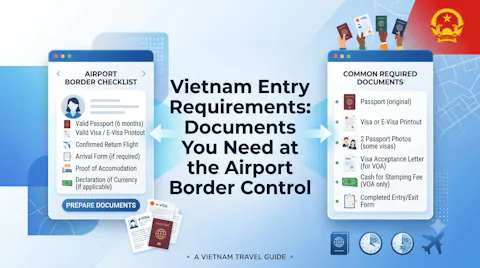
Vietnam Entry Requirements: Documents You Need at the Airport Border Control
Preparing the correct travel documents before arriving in Vietnam helps ensure a smooth entry process. This guide explains Vietnam’s entry requirements, including passport validity, visa or visa exemption eligibility, immigration procedures, customs declarations, and supporting documents that may be requested at airport or land border checkpoints. Whether you are traveling for tourism or business, understanding what to prepare before departure can save time and avoid unnecessary delays. Go Visit Vietnam provides practical guidance for entering Vietnam with confidence.
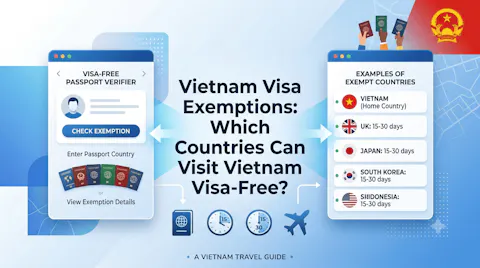
Vietnam Visa Exemptions: Which Countries Can Visit Vietnam Visa-Free?
Planning a trip to Vietnam? Find out whether your country qualifies for Vietnam’s visa exemption program and learn how long you can stay without a visa. This guide explains visa-free entry policies, eligibility requirements, permitted stay durations, and important travel considerations before arriving in Vietnam. Whether you are visiting for a short holiday or planning a longer journey, understanding Vietnam’s visa exemption rules helps you prepare with confidence. Go Visit Vietnam provides practical information for international travelers planning their visit.
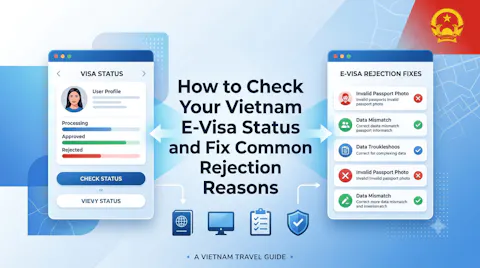
How to Check Your Vietnam E-Visa Status and Fix Common Rejection Reasons
Waiting for your Vietnam E-Visa approval? This guide explains how to check your Vietnam E-Visa status online, understand the application process, and identify common reasons why an application may be delayed or rejected. Learn practical solutions for correcting passport information, photo requirements, personal details, and supporting documents before reapplying. Go Visit Vietnam provides helpful visa guidance to make your application smoother and help you prepare confidently for your upcoming trip to Vietnam.
Best eSIM for Tourists in Vietnam: Top Providers, Plans & How to Activate
Staying connected in Vietnam is easy with a travel eSIM, offering instant mobile data without needing a physical SIM card. This guide introduces the best eSIM options for tourists in Vietnam, including top providers, data plans, pricing, coverage, and step-by-step activation instructions. Whether you are traveling across cities, beaches, or national parks, a reliable eSIM ensures smooth internet access for maps, bookings, and communication. Go Visit Vietnam helps you choose the right eSIM for a seamless travel experience in Vietnam.