
My Son Sanctuary
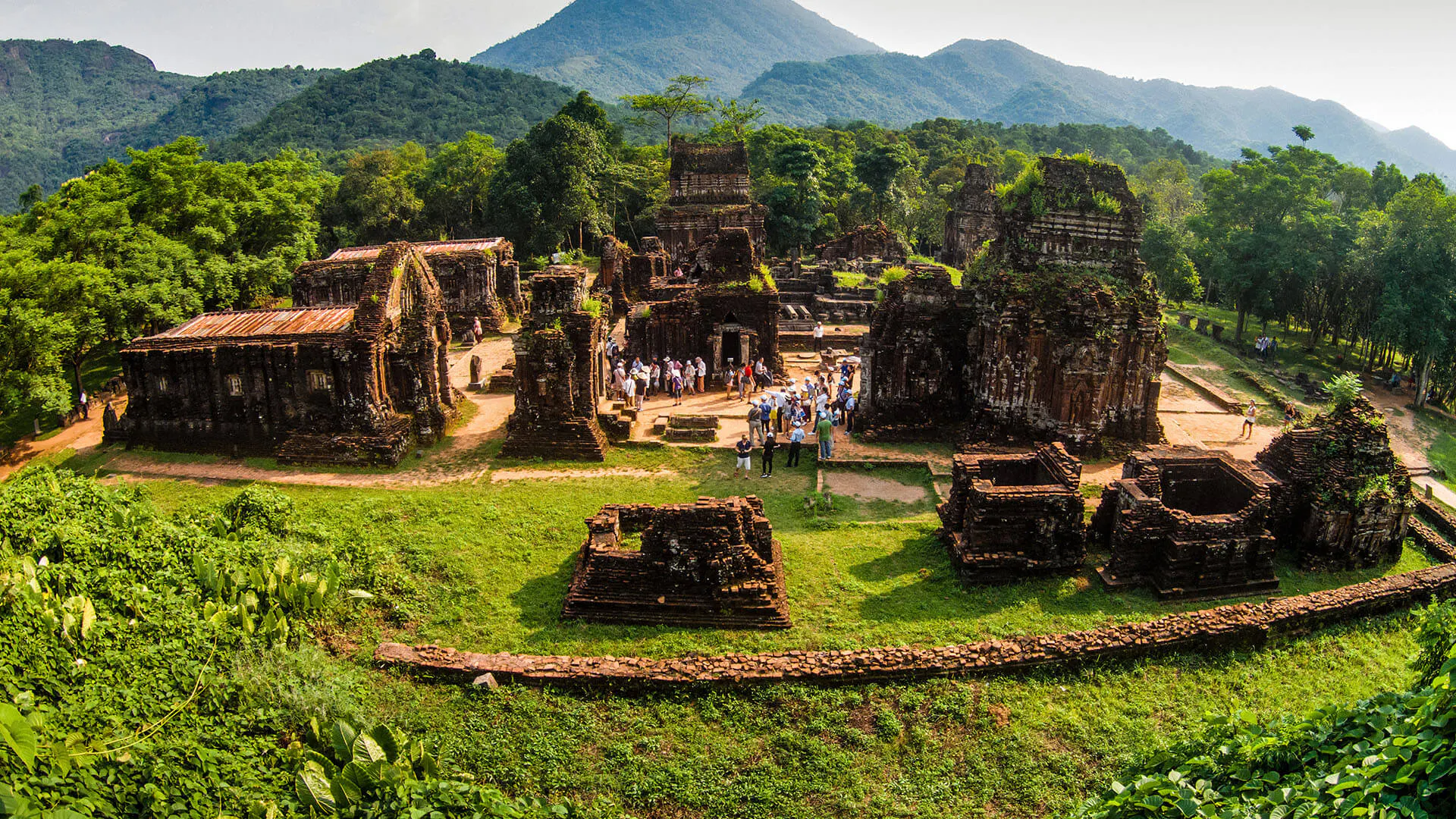
Nestled in a lush valley surrounded by mountains, My Son Sanctuary is one of Vietnam's most remarkable archaeological sites. Once the spiritual and political center of the Champa Kingdom, the sanctuary features centuries-old Hindu temple towers dedicated to the god Shiva. Recognized as a UNESCO World Heritage Site in 1999, My Son offers visitors an extraordinary opportunity to explore ancient architecture, fascinating history, and the enduring cultural legacy of one of Southeast Asia's greatest civilizations.
About My Son Sanctuary
My Son Sanctuary is one of the most important ancient cultural and archaeological sites in Vietnam, known for its remarkable brick temples and connection to the historic Champa civilization. Located in a lush valley surrounded by mountains in Quang Nam Province, near Hoi An, the sanctuary offers travelers an opportunity to explore the religious and architectural heritage of Central Vietnam.
Built over several centuries, My Son was an important Hindu religious center of the Champa Kingdom. Today, its remaining temple towers provide a fascinating glimpse into a civilization that once flourished along the central coast of Vietnam.
What Is My Son Sanctuary?
My Son Sanctuary is a collection of ancient Hindu temple structures built by the Champa civilization between approximately the 4th and 13th centuries.
The temples were primarily dedicated to Shiva, one of the principal deities in Hinduism, who was worshipped by Cham rulers under various forms and names.
The sanctuary was both a religious center and a place connected to the political power of the Champa Kingdom.
UNESCO World Heritage Site
My Son Sanctuary was designated a UNESCO World Heritage Site in 1999.
Its importance comes from the architectural, cultural, and historical evidence it provides about the Champa civilization and its connections with wider Southeast Asian cultures.
The site demonstrates distinctive Cham architectural techniques and religious traditions that developed over many centuries.
Cham Temple Architecture
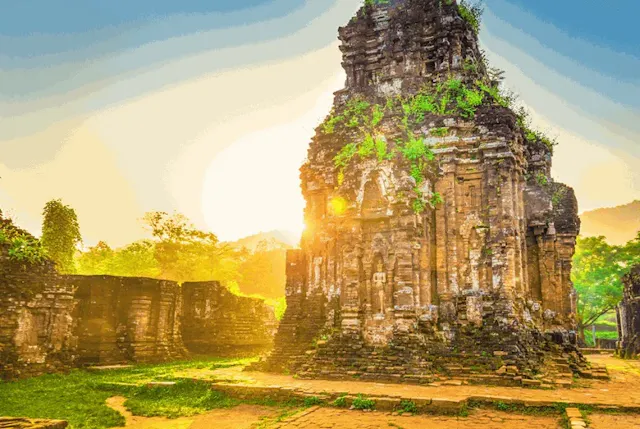
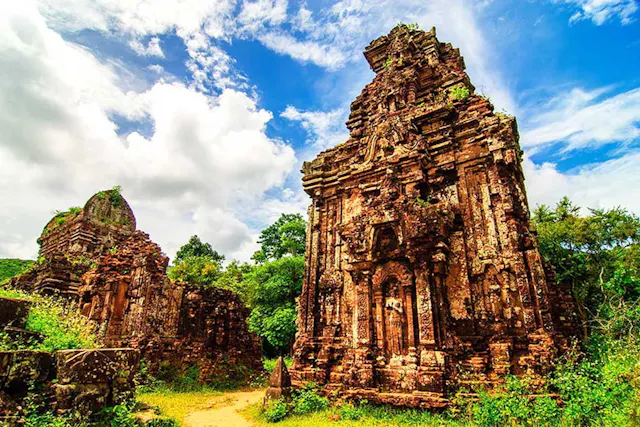
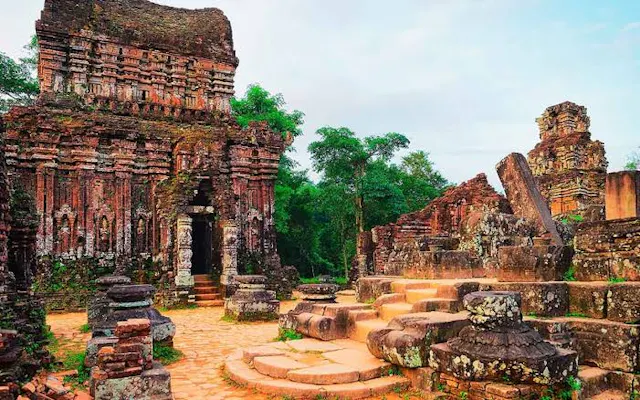
The temple towers at My Son are particularly famous for their red-brick construction.
Cham builders developed sophisticated techniques for creating brick structures with carefully fitted joints and intricate decorative details.
Many towers feature carvings depicting Hindu deities, mythical creatures, dancers, priests, and floral motifs.
Although some structures have been damaged over time, the surviving towers remain impressive examples of ancient Southeast Asian architecture.
The Champa Civilization
The Champa civilization developed along the central and southern coast of present-day Vietnam and maintained important connections with India, Southeast Asia, and maritime trade networks.
Cham culture was influenced by Indian religious traditions, particularly Hinduism and later Islam and Buddhism in some communities.
My Son provides important evidence of the Hindu traditions that were central to the religious life of Cham rulers.
The Temple Groups
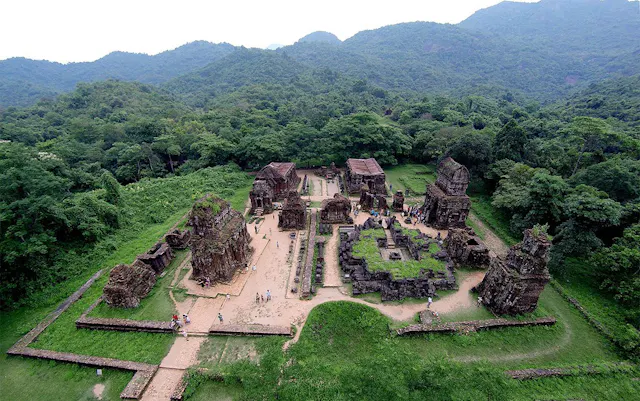
The sanctuary contains several groups of temples and towers spread across the valley.
Different structures were constructed during different periods, reflecting changes in Cham architecture and religious practices.
The main temple groups are connected by paths through the surrounding forest, allowing visitors to explore the ruins while appreciating the natural setting.
My Son and Hoi An
My Son Sanctuary is often visited as a day trip from Hoi An, which lies roughly an hour away by road depending on traffic.
Combining the two destinations allows travelers to experience two very different aspects of Central Vietnam.
Hoi An represents a historic trading town influenced by international commerce, while My Son provides insight into the much older Champa civilization.
The Natural Setting
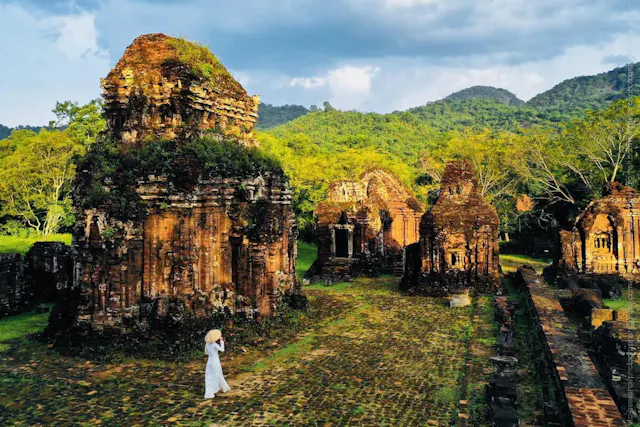
The sanctuary sits in a green valley surrounded by forested hills.
This setting contributes to the atmosphere of the site, particularly in the early morning when temperatures are cooler and the surrounding landscape is relatively quiet.
The combination of ancient brick towers and tropical vegetation creates a distinctive environment that differs from Vietnam's other major historical attractions.
Historical Damage and Preservation
My Son has suffered significant damage from warfare, natural deterioration, and the passage of time.
Several structures have been partially destroyed, while others have undergone conservation and stabilization.
Archaeologists and conservation specialists continue to study the site and work to preserve the remaining structures and artifacts.
Visitors are encouraged to stay on designated paths and avoid touching or climbing on the ancient ruins.
Cham Cultural Heritage
Although the ancient Champa Kingdom no longer exists as a political entity, Cham communities remain an important part of Vietnam's cultural diversity.
Cham traditions can still be found in parts of Central and Southern Vietnam, including distinctive religious practices, textiles, music, dance, and handicrafts.
Learning about Cham culture can provide additional context for understanding the history represented at My Son.
Best Time to Visit My Son
The best time to explore My Son is generally early in the morning, when temperatures are cooler and the site is often quieter.
The dry season can provide more comfortable conditions for walking between the temple groups.
Central Vietnam can experience heavy rain during parts of the year, so checking the weather forecast is useful before planning an outdoor visit.
How to Get to My Son Sanctuary
My Son can be reached by car, taxi, motorcycle, or organized tour.
Most international travelers visit from Hoi An, while some tours operate from Da Nang.
The journey passes through rural landscapes, villages, rice fields, and agricultural areas, providing an opportunity to see the countryside around Central Vietnam.
Why Visit My Son Sanctuary?
My Son Sanctuary is an essential destination for travelers interested in Vietnamese history, Champa culture, Hindu architecture, archaeology, and ancient civilizations.
Walking among the centuries-old brick temples offers a rare opportunity to see the architectural legacy of the Champa Kingdom in its original landscape.
Combined with a visit to Hoi An or other Central Vietnamese destinations, My Son provides a deeper understanding of the region's complex cultural history and the civilizations that shaped Vietnam long before the modern country emerged.
My Son Sanctuary Photo Gallery
Explore a breathtaking collection of images showcasing My Son Sanctuary, one of Vietnam's most important UNESCO World Heritage Sites. Discover ancient Cham temple towers, intricate stone carvings, sacred ruins, lush mountain landscapes, and the architectural masterpieces that have preserved the legacy of the Champa Kingdom for centuries.
How to Get to and Around My Son Sanctuary
Bus and coach
Tourist buses and shuttle services regularly operate between Hoi An, Da Nang, and My Son Sanctuary. Many travel companies offer half-day and full-day tours that include transportation, making this one of the most convenient ways to visit the site.
Train
Visitors arriving by train can travel to Da Nang Railway Station, the nearest major rail hub. From there, taxis, private transfers, shuttle buses, or organized tours can take visitors directly to My Son Sanctuary.
Driving
Driving is a popular option for travelers staying in Hoi An or Da Nang. Well-maintained roads connect the sanctuary with nearby cities, and the journey offers scenic views of rural landscapes, villages, and countryside surroundings.
Flying
The nearest airport is Da Nang International Airport. After arriving, visitors can reach My Son Sanctuary in approximately 1.5 to 2 hours by taxi, private car, shuttle service, or guided tour.
Frequently Asked Questions About My Son Sanctuary
What is My Son Sanctuary famous for?
My Son Sanctuary is famous for its ancient Cham temple complex, which served as the religious and cultural center of the Champa Kingdom for centuries. It is one of Southeast Asia's most important archaeological sites and a UNESCO World Heritage Site.
Why is My Son Sanctuary a UNESCO World Heritage Site?
My Son Sanctuary was recognized by UNESCO in 1999 for its outstanding cultural value and its exceptional collection of Hindu temple architecture built by the Champa civilization between the 4th and 13th centuries.
What can visitors see at My Son Sanctuary?
Visitors can explore ancient temple towers, ceremonial structures, intricate stone carvings, archaeological remains, museum exhibits, and beautiful natural surroundings that showcase the artistic and religious heritage of the Champa Kingdom.
How much time should I spend at My Son Sanctuary?
Most visitors spend between two and four hours exploring the sanctuary. Guided tours and cultural performances can extend the visit and provide deeper insights into the site's history and significance.
Is My Son Sanctuary worth visiting?
Absolutely. My Son Sanctuary offers a unique opportunity to discover the history of the Champa Kingdom, admire centuries-old temple architecture, and experience one of Vietnam's most significant UNESCO World Heritage Sites in a stunning natural setting.
Advertising box
Explore More UNESCO World Heritage Sites
Continue your journey through Vietnam's remarkable UNESCO World Heritage Sites. Discover ancient cities, breathtaking natural wonders, archaeological treasures, and cultural landmarks that showcase the country's rich history, diverse traditions, and extraordinary landscapes. Each destination offers a unique perspective on Vietnam's heritage and is well worth adding to your travel itinerary.
Ha Long Bay
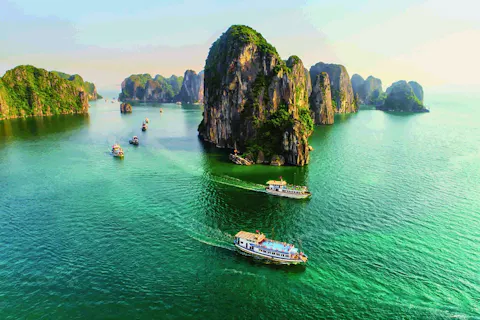
Ha Long Bay is one of Vietnam's most iconic destinations and a UNESCO World Heritage Site celebrated for its thousands of limestone islands rising dramatically from emerald waters. Visitors can enjoy unforgettable cruises, kayaking adventures, hidden caves, floating fishing villages, beautiful beaches, and spectacular sunsets. Beyond its natural beauty, the bay also offers fresh seafood, luxury cruises, and authentic cultural experiences. This Ha Long Bay Travel Guide provides everything you need to plan an unforgettable journey through one of the world's most remarkable seascapes.
Complex of Hue Monuments
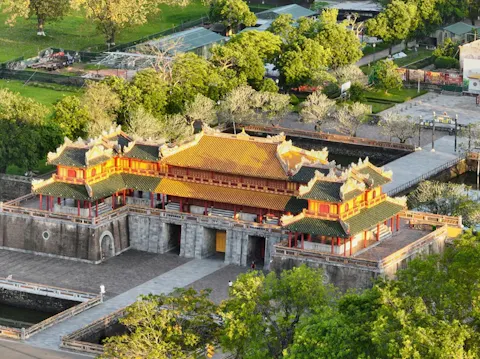
The Complex of Hue Monuments is one of Vietnam's most important historical and cultural treasures. Recognized as a UNESCO World Heritage Site in 1993, it preserves the magnificent legacy of the Nguyen Dynasty through imperial palaces, ancient temples, royal tombs, and the iconic Hue Citadel. Located along the scenic Perfume River, the complex offers visitors a fascinating journey into Vietnam's imperial past, blending remarkable architecture, royal traditions, and centuries of cultural heritage in the heart of central Vietnam.
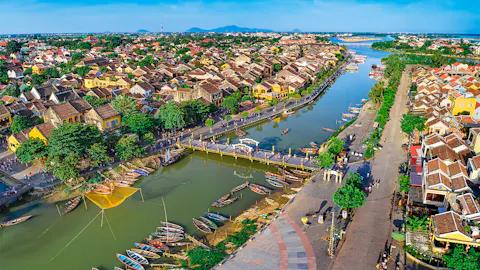
Hoi An Ancient Town
Discover Hoi An Ancient Town, one of Vietnam's most charming UNESCO World Heritage Sites. Wander through lantern-lined streets, explore centuries-old architecture, experience rich cultural traditions, and uncover the history of one of Southeast Asia's most important trading ports.
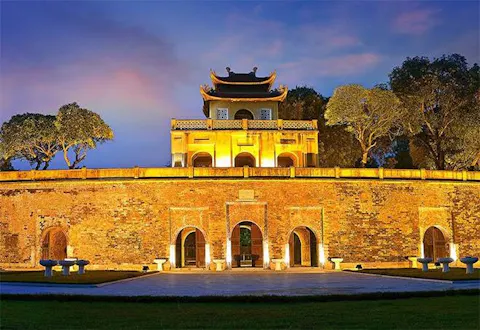
Imperial Citadel of Thang Long
The Imperial Citadel of Thang Long is one of Vietnam's most significant historical landmarks and a UNESCO World Heritage Site located in the heart of Ha Noi. Once the political center of successive Vietnamese dynasties for over thirteen centuries, the citadel preserves ancient palaces, archaeological remains, ceremonial gates, and royal architecture. Visitors can explore centuries of Vietnamese history while discovering remarkable cultural treasures that reflect the country's royal heritage. This guide covers everything you need to know before visiting the Imperial Citadel of Thang Long.
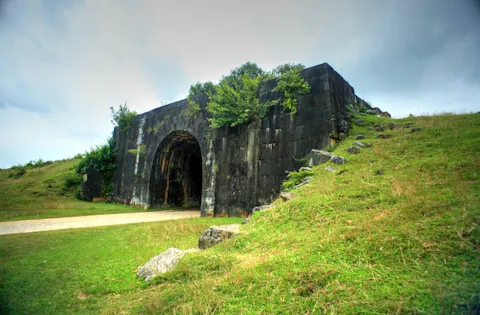
The Citadel of the Hồ Dynasty
Discover the Citadel of the Hồ Dynasty, one of Vietnam’s most remarkable UNESCO World Heritage Sites. Built in the late 14th century, this extraordinary stone fortress showcases innovative engineering, unique architecture, and the historical legacy of the short-lived but influential Hồ Dynasty.
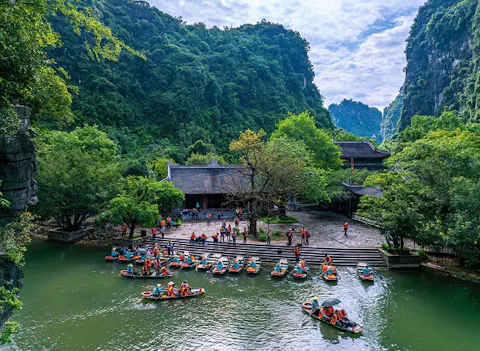
Trang An Scenic Landscape Complex
Trang An Scenic Landscape Complex is one of Vietnam’s most spectacular destinations, featuring dramatic limestone mountains, peaceful rivers, mysterious caves, and cultural landmarks surrounded by the natural beauty of Ninh Binh.
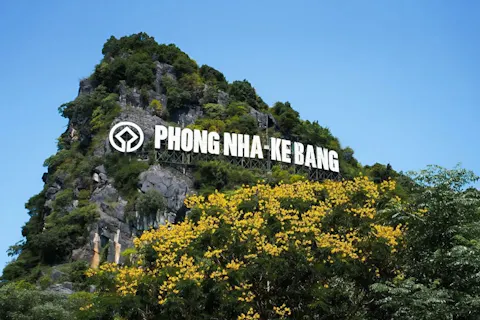
Phong Nha - Ke Bang National Park
Phong Nha - Ke Bang National Park is one of Vietnam’s most spectacular natural destinations, featuring ancient limestone mountains, world-famous caves, underground rivers, and unforgettable adventure experiences in a UNESCO World Heritage landscape.