
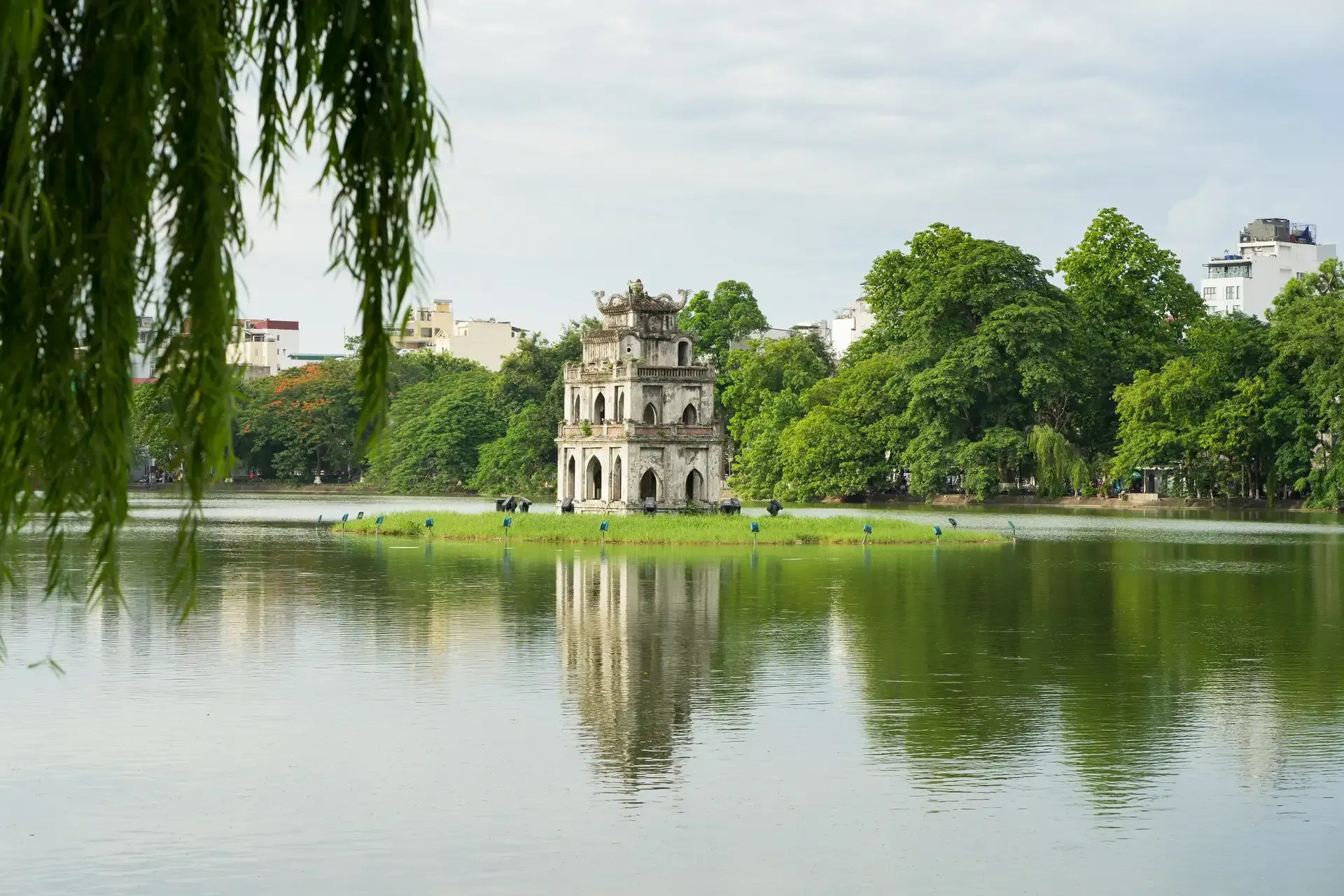
Ha Noi Travel Guide
Ha Noi, Vietnam's thousand-year-old capital, blends rich history, vibrant street life, and timeless traditions with modern energy. Wander through the charming Old Quarter, visit ancient temples, admire French colonial architecture, and experience the city's famous street food culture. From peaceful lakes and fascinating museums to bustling markets and cultural performances, Ha Noi offers unforgettable experiences for every traveler. This Ha Noi Travel Guide provides everything you need to plan your visit, including top attractions, local cuisine, practical travel tips, and suggested itineraries.
About Hanoi
Hanoi is the capital of Vietnam and one of the country's most fascinating destinations, combining centuries of history, distinctive architecture, vibrant street life, and a celebrated food culture. Located in Northern Vietnam along the Red River, Hanoi offers travelers a unique contrast between historic neighborhoods, peaceful lakes, traditional temples, French colonial buildings, modern developments, and lively local markets.
For many visitors, Hanoi is the ideal starting point for exploring Northern Vietnam. The city provides easy access to destinations such as Ha Long Bay, Ninh Binh, Sapa, and Ha Giang while offering enough cultural and culinary experiences to justify several days of exploration.
What Is Hanoi Known For?
Hanoi is known for its historic Old Quarter, Hoan Kiem Lake, traditional Vietnamese architecture, museums, temples, and street food.
The city has a long history dating back more than a thousand years and has served as an important political and cultural center of Vietnam. Its streets reflect different periods of Vietnamese history, from ancient traditions to French colonial influence and modern urban development.
Hanoi Old Quarter
The Old Quarter is one of Hanoi's most recognizable areas.
Its narrow streets are filled with traditional shop houses, restaurants, cafés, street vendors, souvenir stores, and small businesses. Many streets historically specialized in particular trades, giving the neighborhood its distinctive commercial character.
Walking through the Old Quarter is one of the best ways to experience Hanoi's everyday atmosphere. The area becomes especially lively in the evening when restaurants and street food stalls fill the sidewalks.
Hoan Kiem Lake
Hoan Kiem Lake is located at the heart of central Hanoi.
The lake provides a peaceful contrast to the surrounding busy streets and is a popular gathering place for locals. Visitors can walk around the lake, visit Ngoc Son Temple, and observe residents exercising, socializing, or practicing traditional activities.
Early morning is particularly atmospheric, when the area is quieter and locals gather for exercise.
Hanoi's Historic Sites
Hanoi is home to numerous important historical and cultural attractions.
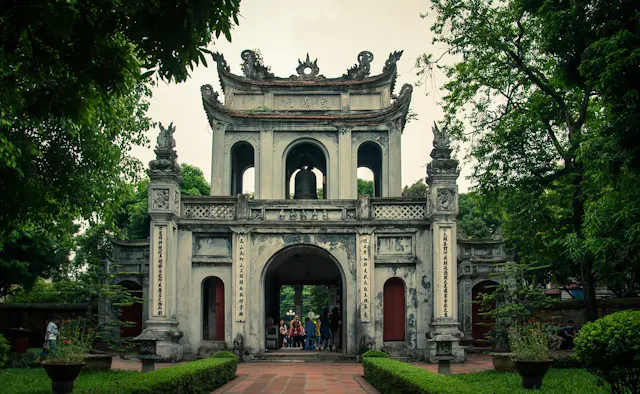
The Temple of Literature is one of the city's most famous landmarks and is closely associated with Vietnam's traditional education and Confucian heritage. The Imperial Citadel of Thang Long provides insight into the city's long political history and former royal center.
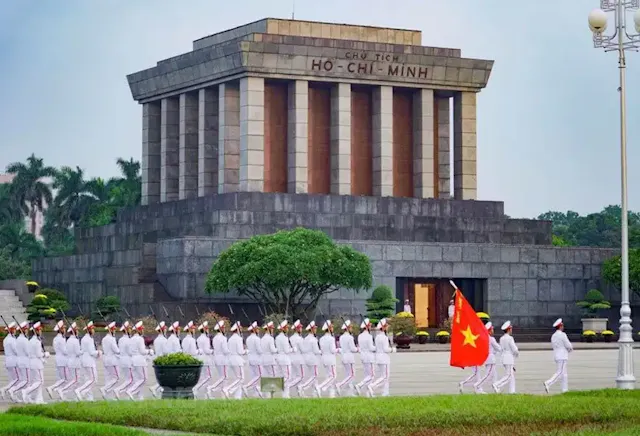
Other notable places include the Ho Chi Minh Mausoleum complex, One Pillar Pagoda, and several historic temples.
Hanoi's Food Culture
Food is one of the main reasons travelers visit Hanoi.
The city is particularly famous for dishes such as Pho, Bun Cha, Banh Cuon, Bun Thang, Cha Ca, and Bun Rieu. Many of these dishes originated in or became strongly associated with Northern Vietnamese cuisine.
Street food is an essential part of the experience. Small restaurants and vendors often specialize in one particular dish, allowing travelers to explore different flavors throughout the city.
Coffee Culture
Hanoi also has a distinctive coffee culture.
Traditional Vietnamese coffee is often brewed using a metal phin filter and served strong and aromatic. Egg coffee, or Ca Phe Trung, is one of Hanoi's best-known specialties, combining strong coffee with a creamy whipped egg topping.
The city is also home to modern cafés, hidden courtyard coffee shops, and small establishments overlooking busy streets.
French Colonial Architecture
French colonial influence can be seen throughout central Hanoi.
Buildings with yellow facades, balconies, shutters, and European architectural details stand alongside traditional Vietnamese structures. The French Quarter around Hoan Kiem Lake contains some of the city's most impressive colonial-era buildings.
This architectural contrast contributes to Hanoi's distinctive visual identity.
Museums and Cultural Experiences
Hanoi has a wide selection of museums covering Vietnamese history, art, military history, and ethnic cultures.
The Vietnam Museum of Ethnology is particularly useful for travelers interested in the country's diverse ethnic communities. Visitors can learn about traditional houses, clothing, crafts, customs, and everyday life across Vietnam.
Water puppet performances are another cultural experience closely associated with Hanoi.
Best Time to Visit Hanoi
Hanoi can be visited throughout the year, but the cooler months from October to April are generally comfortable for sightseeing.
Autumn is particularly pleasant, with cooler temperatures and relatively comfortable conditions for walking around the Old Quarter and exploring outdoor attractions.
Summer can be hot and humid, with periods of heavy rain, but the city remains active and enjoyable with appropriate planning.
How to Get Around Hanoi
Hanoi is relatively easy to explore, particularly around the Old Quarter and central districts.
Walking is one of the best ways to discover historic neighborhoods, while taxis and ride-hailing services are convenient for longer journeys. Public buses and the city's developing urban rail network provide additional transportation options.
Traffic can be busy, so travelers should allow extra time when moving between different parts of the city.
Why Visit Hanoi?
Hanoi offers an unusually rich combination of history, culture, food, architecture, and everyday Vietnamese life.
Travelers can explore ancient temples in the morning, eat street food in the Old Quarter for lunch, enjoy Vietnamese coffee in the afternoon, and discover local restaurants or cultural performances in the evening.
As both Vietnam's capital and a gateway to Northern Vietnam, Hanoi is much more than a stopover. It is a destination where traditional culture and modern city life exist side by side, making it an essential part of any Vietnam itinerary.
Ha Noi in Frames – Timeless Heritage, Culture & City Life
Explore the timeless beauty of Ha Noi through a collection of images showcasing its historic landmarks, vibrant streets, traditional culture, and everyday life. From the ancient charm of the Old Quarter and Hoan Kiem Lake to colonial architecture, local markets, temples, and peaceful city corners, the gallery captures the unique character of Vietnam’s capital — a city where history, tradition, and modern life exist together.
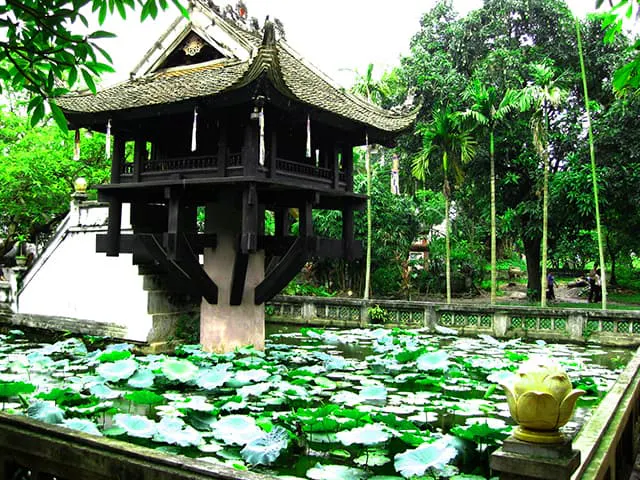
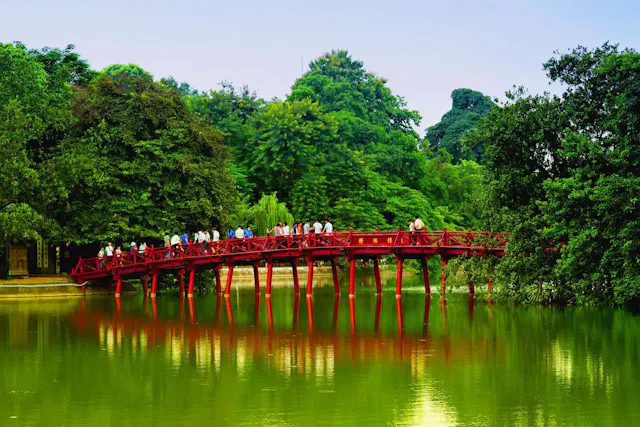
Must-Visit Attractions in Hanoi
Explore the best attractions in Hanoi, from historic landmarks and cultural sites to beautiful lakes, ancient temples, and vibrant local neighborhoods that define the spirit of Vietnam's capital.
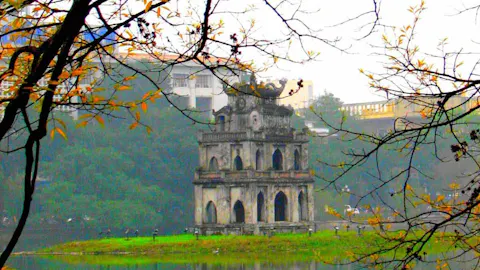
Hoan Kiem Lake↗
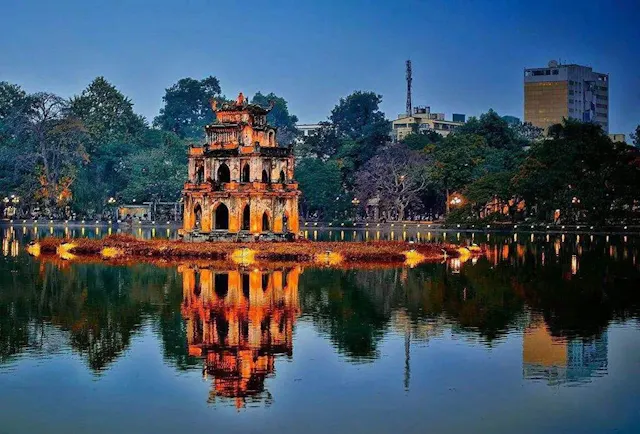
Discover Hoan Kiem Lake, the cultural and historical heart of Hanoi. Explore the legendary Lake of the Returned Sword, visit Ngoc Son Temple, admire Turtle Tower, and experience one of Vietnam's most iconic urban landmarks.
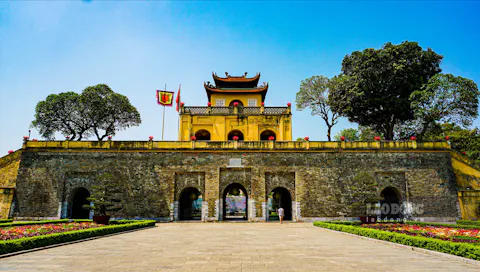
Imperial Citadel of Thang Long↗
Explore the Imperial Citadel of Thang Long, a UNESCO World Heritage Site and one of Vietnam's most important historical landmarks. Discover centuries of royal history, archaeological treasures, and the cultural legacy of Hanoi's ancient imperial capital.
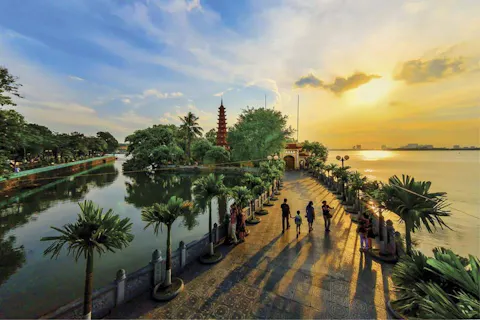
Tran Quoc Pagoda↗
Located on a small island along the shores of West Lake, Tran Quoc Pagoda is the oldest Buddhist temple in Hanoi, with a history spanning more than 1,500 years. Renowned for its elegant red stupa, peaceful gardens, and beautiful lakeside setting, the pagoda is one of Vietnam's most important spiritual landmarks. Visitors come to admire its historic architecture, learn about Vietnamese Buddhism, enjoy tranquil surroundings, and experience one of Hanoi's most iconic cultural attractions.
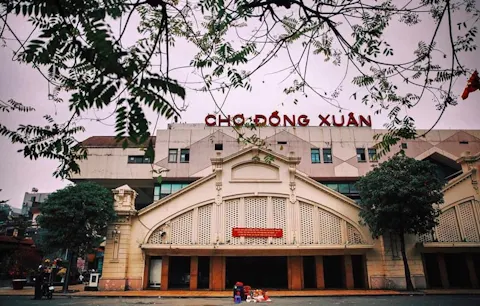
Dong Xuan Market↗
Located at the northern edge of Hanoi's Old Quarter, Dong Xuan Market is the capital's largest traditional market and one of its busiest commercial centers. Housed in a historic French-era building, the market offers everything from textiles and household goods to local specialties and delicious street food. Whether you're searching for authentic Vietnamese products, exploring Hanoi's vibrant trading culture, or enjoying the nearby night market, Dong Xuan Market provides an unforgettable glimpse into the city's daily life and rich heritage.
How to Get to and Around Hanoi
Bus and coach
Hanoi is connected to major cities across Vietnam through an extensive network of long-distance buses and sleeper coaches. Travelers can easily reach the capital from destinations such as Sapa, Ninh Binh, Ha Giang, Da Nang, and Ho Chi Minh City.
Train
Hanoi Railway Station serves as a major hub on Vietnam's North–South Railway. Regular train services connect Hanoi with cities throughout the country, providing a comfortable and scenic travel experience for visitors exploring Vietnam.
Driving
Travelers can reach Hanoi via modern highways connecting the capital to neighboring provinces and popular destinations in Northern Vietnam. Private cars and rental vehicles offer flexibility for those planning regional road trips.
Flying
Noi Bai International Airport is the primary gateway to Hanoi, handling both domestic and international flights. Located approximately 30 kilometers from the city center, the airport offers convenient access via taxis, shuttle buses, and ride-hailing services.
Have Questions About Hanoi?
What is Hanoi famous for?
Hanoi is famous for its thousand-year history, the charming Old Quarter, Hoan Kiem Lake, traditional street food, French colonial architecture, and rich cultural heritage. As Vietnam's capital, it offers a unique blend of ancient traditions and modern city life.
What are the best places to visit in Hanoi?
Some of the most popular attractions in Hanoi include Hoan Kiem Lake, the Temple of Literature, Ho Chi Minh Mausoleum, the Old Quarter, West Lake, Tran Quoc Pagoda, the Vietnam Museum of Ethnology, and the Imperial Citadel of Thang Long.
How many days should I spend in Hanoi?
Most travelers spend 2 to 4 days in Hanoi. This allows enough time to explore the city's main attractions, experience local cuisine, visit museums and cultural sites, and enjoy day trips to nearby destinations.
When is the best time to visit Hanoi?
The best time to visit Hanoi is during spring (March to April) and autumn (September to November), when temperatures are mild, humidity is lower, and the weather is generally pleasant for sightseeing.
Is Hanoi safe for tourists?
Yes, Hanoi is generally considered a safe destination for international travelers. Visitors should still take common precautions, such as keeping an eye on personal belongings in crowded areas and following local traffic rules when crossing streets.
What food should I try in Hanoi?
Hanoi is known for iconic dishes such as Pho, Bun Cha, Cha Ca, Banh Cuon, Egg Coffee, and various street food specialties that reflect the city's unique culinary traditions.
How can I get around Hanoi?
Travelers can get around Hanoi by taxi, ride-hailing apps, public buses, electric vehicles around tourist areas, or by walking in the Old Quarter and around Hoan Kiem Lake.
Is Hanoi worth visiting?
Absolutely. Hanoi is one of Southeast Asia's most fascinating capitals, offering a rich combination of history, culture, architecture, cuisine, and authentic local experiences that attract millions of visitors every year.
Can I visit Hanoi as part of a larger Vietnam itinerary?
Yes. Hanoi is often the starting point for exploring Northern Vietnam, including popular destinations such as Ha Long Bay, Ninh Binh, Sapa, Ha Giang, and Cat Ba Island.
What makes Hanoi different from other Vietnamese cities?
Hanoi stands out for its deep historical roots, traditional culture, ancient architecture, tranquil lakes, and distinctive northern Vietnamese cuisine. The city preserves much of Vietnam's cultural identity while continuing to develop as a modern capital.
Advertising box
Nearby Destinations to Explore from Hanoi
Make the most of your stay in Hanoi by exploring the remarkable destinations just beyond Vietnam’s capital. Cruise through the emerald waters of Ha Long Bay, wander among the limestone karsts of Ninh Binh, relax on the beaches and islands of Hai Phong and Cay Ba, or discover the rich cultural heritage of Bac Ninh and Hung Yen. Whether you're seeking UNESCO World Heritage sites, breathtaking natural scenery, traditional villages, historic landmarks, or authentic Northern Vietnamese cuisine, these nearby destinations offer unforgettable experiences and make perfect day trips or multi-day adventures from Hanoi.
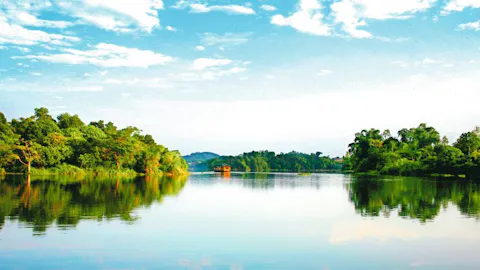
Phu Tho Travel Guide
Phu Tho is a culturally significant destination in Northern Vietnam, known as the ancestral land of the Vietnamese people and home to the Hung Kings Temple. Located near Hanoi, the province offers a rich blend of history, traditional festivals, peaceful landscapes, and local culture. Visitors can explore historic landmarks, experience unique customs, and discover scenic rivers and countryside areas. With its deep cultural roots and authentic experiences, Phu Tho is an ideal destination for travelers seeking Vietnam’s heritage and traditions.
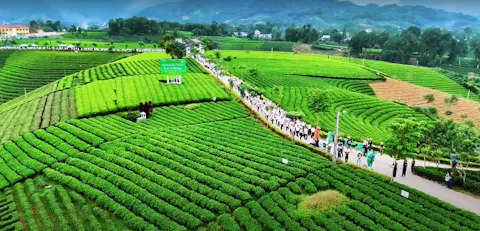
Thai Nguyen Travel Guide
Thai Nguyen is a beautiful province in Northern Vietnam, famous for its vast green tea hills, ethnic diversity, and peaceful natural landscapes. Located near Hanoi, it is home to famous tea regions like Tan Cuong and scenic attractions such as Nui Coc Lake. Visitors can explore local villages, experience traditional tea culture, and enjoy relaxing countryside views. With its fresh air and authentic cultural experiences, Thai Nguyen is an ideal destination for travelers seeking nature, relaxation, and Vietnamese tea heritage.
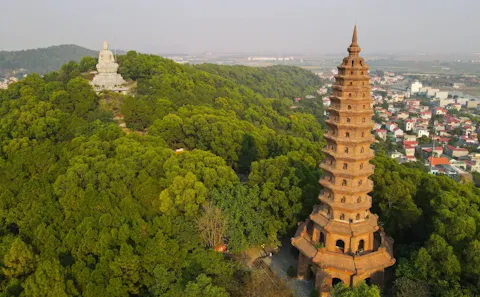
Bac Ninh Travel Guide
Bac Ninh is a culturally rich province in Northern Vietnam, widely known as the birthplace of Quan Ho folk singing, recognized by UNESCO as an intangible cultural heritage. Located near Hanoi, Bac Ninh is home to ancient pagodas, historical temples, and traditional villages that reflect the deep roots of Vietnamese culture. Visitors can explore spiritual sites like But Thap Pagoda and Do Temple while experiencing vibrant folk performances. With its heritage and traditions, Bac Ninh offers a unique cultural journey close to the capital.
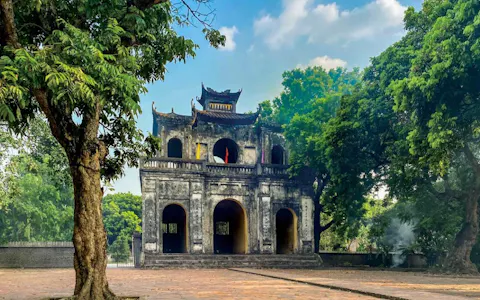
Hung Yen Travel Guide
Hung Yen is a charming province in Northern Vietnam, located near Hanoi and known for its peaceful countryside, historic landmarks, and traditional cultural heritage. Once a major trading port, Pho Hien Ancient Town preserves the region’s rich history through temples, pagodas, and old architecture. Visitors can explore traditional craft villages, enjoy famous Hung Yen longan, and experience authentic rural life. With its cultural treasures and tranquil atmosphere, Hung Yen offers a relaxing journey into the heritage and traditions of Northern Vietnam.
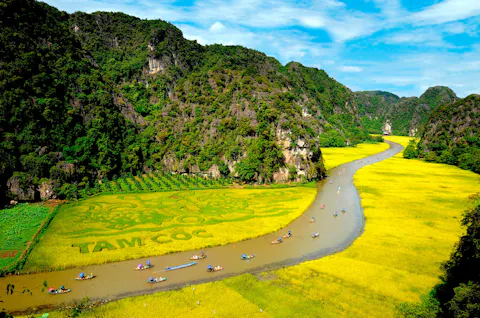
Ninh Binh Travel Guide
Ninh Binh is a breathtaking destination in Northern Vietnam, often called “Ha Long Bay on land” for its dramatic limestone mountains and winding rivers. Famous for Trang An Landscape Complex, Tam Coc, and ancient temples, Ninh Binh offers a perfect blend of natural beauty and cultural heritage. Visitors can enjoy boat rides through scenic caves, explore historic pagodas, and cycle through peaceful countryside. With its stunning landscapes and rich history, Ninh Binh is a must-visit destination for nature lovers.