
Best Time to Visit Vietnam: Best Months, Weather & Travel Seasons
Discover the best time to visit Vietnam with a practical month-by-month weather guide covering northern, central, and southern Vietnam. Learn which months offer the best conditions for beaches, trekking, sightseeing, cultural experiences, and a north-to-south itinerary. Find out when Vietnam’s rainy and dry seasons occur, how weather varies by region, and which months are best for different types of travelers. Use this guide to choose the right travel season and plan a more comfortable Vietnam trip.

On this page
- What Is the Best Month to Visit Vietnam?
- Vietnam Weather at a Glance
- Best Time to Visit Northern Vietnam
- Best Time to Visit Central Vietnam
- Best Time to Visit Southern Vietnam
- Vietnam Weather by Month
- Best Months to Visit Vietnam by Region
- Best Time to Visit Vietnam for Different Types of Trips
- Vietnam Dry Season vs. Rainy Season
- Is Vietnam Worth Visiting During the Rainy Season?
- Vietnam Travel Seasons
- How to Choose the Best Month to Visit Vietnam
- What to Pack for Vietnam's Weather
- Practical Vietnam Weather Tips
- Final Takeaway
Vietnam is a year-round destination, but the best time to visit depends on where you want to go and what you want to experience. The country stretches from the mountains of northern Vietnam to the tropical Mekong Delta in the south, creating significant differences in temperature, rainfall, and seasons.
For a first-time trip covering several regions, March and April are generally among the best months to visit Vietnam. These months often provide a good balance of comfortable weather in the north, favorable conditions in central Vietnam, and relatively dry weather in the south.
However, there is no single best month for every destination. September and October can be excellent for northern mountains and rice terraces, while November to April is generally a favorable period for southern Vietnam. Central Vietnam often has its best beach and sightseeing conditions from February through August, although weather varies by destination.
This guide explains the best time to visit Vietnam, the best months for different regions and activities, and what to expect from Vietnam weather throughout the year.
What Is the Best Month to Visit Vietnam?
March and April are among the best months to visit Vietnam for travelers planning a multi-region itinerary.
During this period, northern Vietnam is generally becoming warmer and more comfortable for sightseeing, central Vietnam is moving into a favorable travel period, and southern Vietnam is usually still within its drier season.
If your trip focuses on one region, however, another month may be better.
For example, travelers interested in the rice terraces of northern Vietnam may prefer September or October. Those planning a beach holiday in southern Vietnam may find November through April more suitable, while central coastal destinations can be particularly appealing from February through August.
The right month therefore depends less on finding a single "perfect" time and more on matching your itinerary to regional weather patterns.
Vietnam Weather at a Glance
Vietnam has three broad climate regions: northern, central, and southern Vietnam.
Northern Vietnam experiences the most noticeable seasonal changes. Winters can be cool, particularly in the mountains, while summers are hot, humid, and wetter.
Central Vietnam has a different weather pattern. Many coastal destinations experience a relatively dry and sunny period during the first and middle parts of the year, followed by a wetter period toward the end of the year.
Southern Vietnam is tropical and warm throughout the year. It generally has a drier season from around November to April and a wetter season from May to October.
Because of these differences, you should always consider your destinations rather than choosing a travel month based on Vietnam as a whole.
Best Time to Visit Northern Vietnam
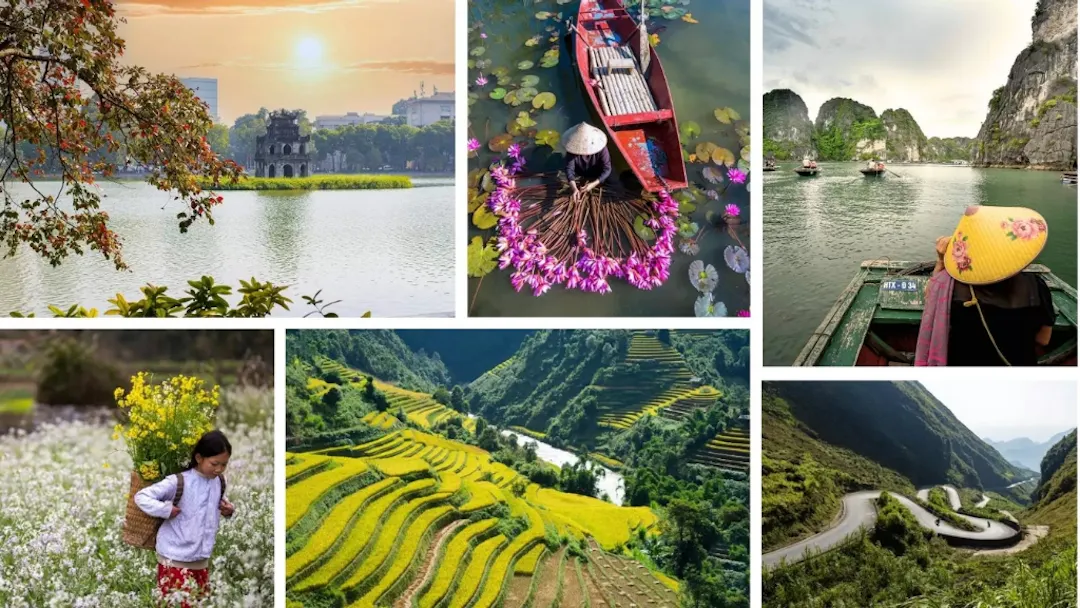
Northern Vietnam is home to Hanoi, Ha Long Bay, Ninh Binh, Sapa, Ha Giang, and some of the country's most dramatic mountain landscapes.
The best time to visit northern Vietnam depends on whether you prefer cooler weather, spring landscapes, or mountain scenery.
March to April in Northern Vietnam
March and April are among the most comfortable periods for exploring northern Vietnam.
Temperatures generally become warmer after the cooler winter months, while humidity and rainfall are often more manageable than during the summer.
This is a good period for:
- Exploring Hanoi
- Visiting Ninh Binh
- Cruising Ha Long Bay
- Trekking in northern mountains
- Exploring Ha Giang
- Taking scenic road trips
For travelers combining northern Vietnam with central and southern destinations, March and April are especially convenient.
October to November in Northern Vietnam
October and November can also be excellent months for northern Vietnam.
The weather becomes cooler and more comfortable after the summer heat, making this period attractive for sightseeing and outdoor activities.
Northern mountain destinations can be particularly rewarding during this period, especially for travelers interested in scenic landscapes and trekking.
December to February in Northern Vietnam
Winter affects northern Vietnam more than other parts of the country.
Hanoi can become cool, while Sapa, Ha Giang, and other high-altitude areas can be significantly colder.
Fog and cloudy conditions are possible in mountainous areas.
If you visit northern Vietnam during winter, pack layers rather than relying only on lightweight tropical clothing.
May to September in Northern Vietnam
Summer is generally hot, humid, and wetter in northern Vietnam.
Rainfall can be heavy at times, but the countryside becomes exceptionally green.
For travelers who do not mind heat and rain, this period can still be rewarding, particularly for photography and rural landscapes.
Best Time to Visit Central Vietnam
Central Vietnam includes Hue, Da Nang, Hoi An, Quy Nhon, Nha Trang, and several popular beach destinations.
Weather varies within the region, but the central coast generally becomes increasingly attractive for beach holidays from late winter through summer.
February to April in Central Vietnam
February through April can be an excellent period for visiting central Vietnam.
Temperatures are generally comfortable, making it easier to combine cultural sightseeing with outdoor activities.
This period works well for:
- Hoi An
- Da Nang
- Hue
- Quy Nhon
- Cultural sightseeing
- Beach trips
May to August in Central Vietnam
May through August is generally hotter, but it can be an excellent period for travelers focused on beaches.
Expect strong sunshine, high temperatures, and humidity.
Beach destinations such as Da Nang, Quy Nhon, and Nha Trang can be particularly attractive during the summer months.
Travelers should plan outdoor sightseeing around the heat and stay hydrated.
September to January in Central Vietnam
Rain becomes increasingly important in many parts of central Vietnam from September onward.
Some destinations can experience heavy rainfall, tropical storms, and occasional flooding.
Hoi An and Hue can be particularly sensitive to heavy rain during the wetter months.
If you are traveling during this period, monitor local weather forecasts and keep some flexibility in your itinerary.

Best Time to Visit Southern Vietnam
Southern Vietnam includes Ho Chi Minh City, the Mekong Delta, Can Tho, and Phu Quoc.
The region is warm throughout the year, but rainfall changes significantly between the dry and wet seasons.
November to April in Southern Vietnam
November through April is generally the best time to visit southern Vietnam for drier weather.
These months are particularly suitable for:
- Ho Chi Minh City sightseeing
- Mekong Delta tours
- Can Tho
- Outdoor activities
- Beach trips
- Phu Quoc
The combination of warm temperatures and lower rainfall makes this a popular travel period.
May to October in Southern Vietnam
The rainy season generally affects southern Vietnam from May through October.
Rain can be frequent, but it does not necessarily mean that every day will be wet from morning to night.
Tropical showers are often intense but relatively short.
The countryside can also become very green during the wet season, making this an interesting period for travelers who enjoy lush landscapes and fewer crowds.

Vietnam Weather by Month
Understanding Vietnam weather by month is one of the easiest ways to choose the right time for your trip.
January
January is generally cool in northern Vietnam and warm in central and southern Vietnam.
Northern mountain destinations can be cold, while southern destinations often provide warmer conditions.
January is a good option if you want to focus on southern Vietnam, Ho Chi Minh City, the Mekong Delta, or Phu Quoc.
February
February is one of the more versatile months for Vietnam travel.
Central and southern destinations can offer favorable conditions, while northern Vietnam gradually becomes warmer.
It can be a good month for travelers combining cultural sightseeing, beaches, and city exploration.
March
March is one of the best months to visit Vietnam.
Weather is often comfortable across several regions, making it a strong choice for first-time visitors.
It is particularly suitable for sightseeing, trekking, road trips, food tours, and multi-region itineraries.
April
April is another excellent month for visiting Vietnam.
Northern Vietnam is generally warm and comfortable, central Vietnam is becoming increasingly attractive, and southern Vietnam is usually still relatively dry.
For travelers who want to visit multiple regions, April offers one of the better overall compromises.
May
May marks the beginning of hotter and more humid conditions across much of Vietnam.
Central Vietnam can be particularly appealing for beach holidays, while northern and southern destinations become increasingly hot and humid.
June
June is hot and humid in many areas.
Central coastal destinations can still be excellent for beach trips, while northern and southern Vietnam experience increasing rainfall.
Plan outdoor sightseeing early in the morning or later in the afternoon when possible.
July
July is one of the hottest months in many parts of Vietnam.
Central Vietnam can still be attractive for beach holidays, although temperatures can be high.
Northern and southern Vietnam can experience frequent rain.
August
August remains hot and humid across much of the country.
Central Vietnam may still offer good beach conditions, while northern and southern destinations can experience more rainfall.
This month can work well for travelers prioritizing summer beach destinations.
September
September is a seasonal transition month.
Northern Vietnam becomes particularly interesting for travelers interested in mountains, rice terraces, and rural scenery.
Rainfall remains possible, so outdoor plans should include some flexibility.
October
October can be an excellent month for northern Vietnam.
Temperatures become more comfortable and mountain landscapes can be spectacular.
However, central Vietnam may enter a wetter period, so travelers planning a country-wide itinerary should consider regional differences.
November
November is a strong month for southern Vietnam.
The dry season begins to establish itself, making Ho Chi Minh City, the Mekong Delta, and Phu Quoc attractive options.
Northern Vietnam can also offer comfortable sightseeing conditions.
December
December brings cooler conditions to northern Vietnam and warm tropical weather to southern Vietnam.
Phu Quoc and other southern beach destinations can be particularly appealing.
Northern mountain destinations can be cold, especially at higher elevations.
Best Months to Visit Vietnam by Region
If you already know where you want to travel, choose your month according to the region.
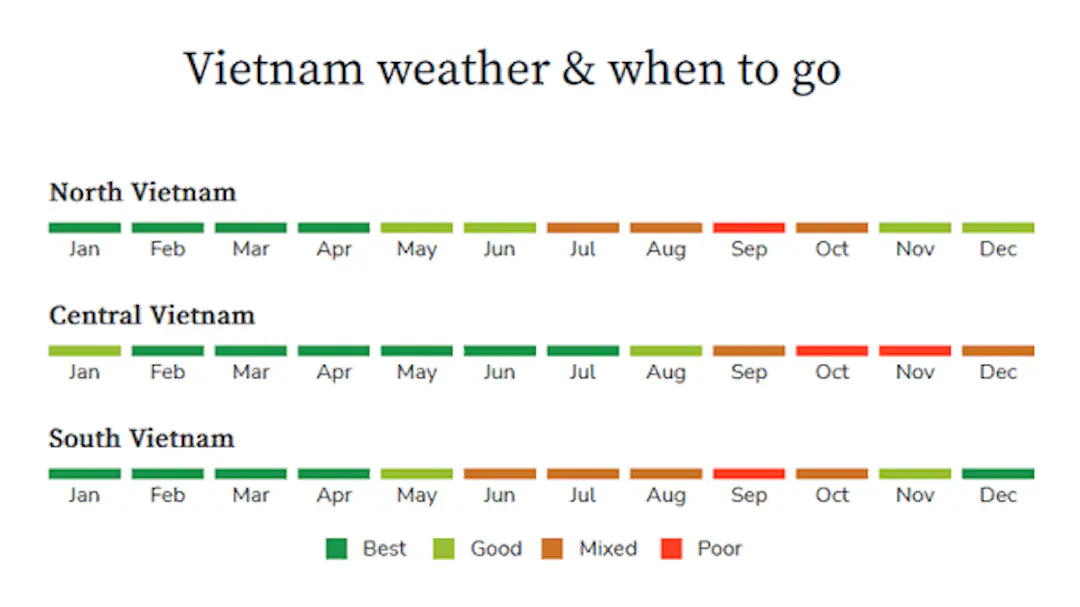
For Northern Vietnam, March to April and October to November are among the most attractive periods for comfortable sightseeing and outdoor activities.
For Central Vietnam, February to August is generally a useful period to consider, especially if beaches are a major part of your itinerary.
For Southern Vietnam, November to April is generally the drier period and is particularly suitable for city trips, the Mekong Delta, and southern beaches.
Remember that these are broad seasonal patterns. Weather can change from year to year and can vary between destinations within the same region.
Best Time to Visit Vietnam for Different Types of Trips
The best time to visit Vietnam also depends on what you want to do.
Best Time for a North-to-South Vietnam Trip
If you are visiting Hanoi, central Vietnam, and Ho Chi Minh City on the same trip, March and April are among the best choices.
These months provide a useful balance between the different regional climates.
No month guarantees perfect weather everywhere, but March and April can reduce the chance of encountering the most extreme seasonal conditions across multiple regions.
Best Time for Vietnam Beaches
For central Vietnam beaches, February through August can offer favorable conditions in many destinations.
For southern islands such as Phu Quoc, November through April is generally a better period for drier weather.
Your destination matters more than the country-wide season.
Best Time for Trekking in Vietnam
For trekking in northern Vietnam, March through May and September through November can be attractive periods.
Mountain weather can change quickly, particularly at higher elevations.
Always check local conditions before starting a long trek.
Best Time to See Rice Terraces
September and October can be particularly rewarding for travelers interested in the rice terraces of northern Vietnam.
The agricultural landscape changes throughout the year, but the harvest period can provide some of the most striking scenery.
Sapa and Ha Giang are among the destinations travelers often consider for mountain landscapes and rice terraces.
Best Time to Visit the Mekong Delta
The Mekong Delta can be visited throughout the year.
November through April is generally preferable if you want drier conditions.
The wet season can also be interesting because rivers, canals, and vegetation become especially lush.
Best Time for Cultural Travel
Vietnam's temples, pagodas, museums, historic buildings, and cultural attractions can be visited throughout the year.
For comfortable outdoor sightseeing, March through April and October through November can be particularly appealing.
Vietnam Dry Season vs. Rainy Season
Vietnam does not have one nationwide dry season or rainy season.
The pattern changes significantly between regions.
In northern Vietnam, winter is cooler while summer is hotter, more humid, and wetter.
In central Vietnam, many destinations have a wetter period toward the end of the year, while earlier months can offer more favorable conditions for sightseeing and beaches.
In southern Vietnam, the dry season generally runs from around November to April, followed by a wetter period from May to October.
These patterns are useful for planning, but they should not be treated as exact guarantees.
Is Vietnam Worth Visiting During the Rainy Season?
Yes. Vietnam can be an excellent destination during the rainy season.
Rain does not necessarily mean continuous rainfall throughout the day. In many tropical areas, showers can be heavy but relatively short.
Traveling during wetter months can also offer several advantages.
You may encounter fewer tourists at some attractions, greener landscapes, and potentially lower accommodation prices.
The key is to choose destinations according to their regional weather patterns.
If one region is experiencing heavy rain, another part of the country may have better conditions.
Vietnam Travel Seasons
Vietnam's travel seasons are best understood through a combination of weather, crowds, and your preferred activities.
Peak Travel Periods
Popular destinations can become significantly busier during favorable weather periods and major holidays.
Hotels, flights, trains, and popular tours may have higher demand.
Book important parts of your itinerary in advance if you are traveling during a busy period.
Shoulder Season
Shoulder periods can offer a useful balance between weather, prices, and crowds.
March–April and October–November can be particularly attractive depending on the destination.
Rainy Season
Rainy periods can bring higher humidity and short heavy showers.
However, they can also produce lush landscapes and fewer tourists.
Travelers should prepare with lightweight rain protection and flexible outdoor plans.
Dry Season
Dry weather generally makes sightseeing and outdoor activities easier.
However, popular destinations can become busier during favorable periods.
The best strategy is to compare weather conditions with expected crowds and your own travel priorities.
How to Choose the Best Month to Visit Vietnam
If you are still unsure when to travel, start with your itinerary.
Choose March or April if this is your first Vietnam trip and you want to travel across several regions.
Choose September or October if northern mountains, rice terraces, trekking, and scenic road trips are your priorities.
Choose November through April if you want to focus on southern Vietnam, the Mekong Delta, or Phu Quoc.
Choose February through August if central Vietnam's beaches and coastal destinations are the main focus of your trip.
There is no universally perfect month. The best choice is the month that matches your destinations and activities.
What to Pack for Vietnam's Weather
Your packing list should reflect both the season and the regions you plan to visit.
For most trips, bring lightweight and breathable clothing, comfortable walking shoes, sun protection, insect repellent, and a lightweight rain jacket.
If you are visiting northern Vietnam between December and February, pack additional warm layers, particularly if you plan to travel to Sapa or other mountain destinations.
For rainy-season travel, quick-drying clothing and waterproof protection can make your trip more comfortable.
If you plan to visit temples and pagodas, include modest clothing that covers your shoulders and knees.
Practical Vietnam Weather Tips
Weather forecasts are useful, but a forecast for Hanoi does not represent conditions in Da Nang or Ho Chi Minh City.
Before traveling, check the forecast for each destination on your itinerary.
If you are planning trekking, boat trips, or other weather-sensitive activities, check local conditions shortly before departure.
It is also worth leaving some flexibility in your itinerary during the rainy season.
Vietnam's regional climate means that changing your route by a few days or choosing another destination can sometimes make a significant difference to your travel experience.
Final Takeaway
The best time to visit Vietnam depends on your destination, but March and April are among the best months for a first-time trip covering multiple regions.
For northern Vietnam, consider March–April or October–November. For central Vietnam, February–August can be favorable for many coastal and cultural destinations. For southern Vietnam, November–April is generally the drier period.
If you want the best possible experience, do not plan your Vietnam trip around one nationwide weather forecast. Choose your travel month based on the regions and activities that matter most to you.
Vietnam's diverse climate means that there is always a destination worth exploring somewhere in the country.

By Roy Trinh
Editor
Roy Trinh is a travel writer and destination expert at Go Visit Vietnam, dedicated to helping travelers discover the beauty, culture, and diversity of Vietnam. Through well-researched travel guides, practical itineraries, local insights, and authentic recommendations, Roy shares valuable information to inspire memorable journeys across the country. From vibrant cities and breathtaking landscapes to regional cuisine and cultural heritage, every guide is created to help visitors experience Vietnam with confidence and curiosity.
Frequently Asked Questions About the Best Time to Visit Vietnam
What is the best month to visit Vietnam?
March and April are among the best months for a first-time trip covering several regions of Vietnam. These months often provide a good balance of weather across northern, central, and southern destinations.
What are the best months to visit Vietnam?
The best months depend on your itinerary. March and April are strong choices for multi-region trips, October and November can be excellent for northern Vietnam, and November through April is generally favorable for southern Vietnam.
What is the best time to go to Vietnam?
For many travelers, March and April offer a good combination of weather across different parts of the country. However, travelers focusing on one region may find another season more suitable.
What is the best time to visit Vietnam for good weather?
There is no single month with perfect weather across the entire country. March and April are among the better compromises for travelers visiting multiple regions.
What are the hottest months in Vietnam?
June, July, and August are among the hottest months in many parts of Vietnam. Temperatures and humidity vary considerably between northern, central, and southern regions.
When is the rainy season in Vietnam?
Rainy seasons vary by region. Southern Vietnam generally experiences more rain from May to October, while parts of central Vietnam become wetter from September through January. Northern Vietnam generally has a wetter summer period.
Is March a good month to visit Vietnam?
Yes. March is one of the most attractive months for many Vietnam itineraries, especially for travelers who want to combine several regions.
Is April a good month to visit Vietnam?
Yes. April is another strong month for a multi-region trip, although temperatures begin increasing toward summer.
Is Vietnam good to visit in December?
Yes. December can be particularly good for southern Vietnam and destinations such as Phu Quoc. Northern Vietnam can be cool, while central Vietnam may experience more rain.
Is Vietnam good to visit in summer?
Yes, but expect hot and humid conditions in many areas. Central Vietnam can be a good option for beach holidays, while northern and southern regions may experience more rainfall.
Advertising box
Seasonal Travel Guides for Vietnam
Discover the best places to visit in Vietnam throughout the year with expert seasonal travel guides. Explore weather insights, regional highlights, festivals, packing tips, and recommended activities for every season, helping you choose the perfect time to experience Vietnam at its very best.

Vietnam in July and August: How to Beat the Summer Heat and Monsoon Tips
July and August bring Vietnam's warmest temperatures, vibrant green landscapes, and occasional tropical showers. While some regions experience monsoon rains, others enjoy sunny beaches and spectacular natural scenery. This guide explains regional weather patterns, highlights the best destinations to visit during summer, and provides practical advice on avoiding heavy rain, staying comfortable in the heat, and planning flexible itineraries. With the right preparation, Vietnam's summer can be an exciting season filled with unique travel experiences.

Visiting Vietnam in February: Weather, Tet Holiday Impact & Best Routes
February is one of the most exciting months to visit Vietnam, combining pleasant weather with the vibrant atmosphere of the Lunar New Year season. Depending on the year, Tet celebrations may influence transportation, opening hours, and accommodation availability, making advance planning essential. This guide explains Vietnam's February weather by region, how Tet affects travel, the best destinations to visit, and recommended routes so you can enjoy cultural festivals, stunning landscapes, delicious food, and unforgettable experiences throughout the country.
Traveling to Vietnam During Tet Holiday: What to Expect and Useful Tips
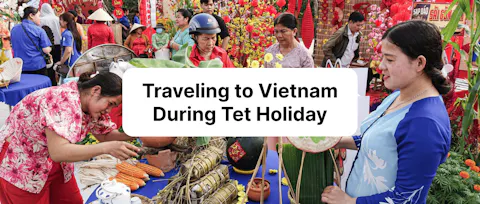
Tet, Vietnam's Lunar New Year, is the country's most important holiday and one of its most fascinating cultural experiences. While colorful festivals, family traditions, flower markets, and festive decorations create a unique atmosphere, travelers should also prepare for business closures, busy transportation, and limited services. This guide explains what to expect during Tet, how to plan ahead, where to experience the celebrations, and practical tips to help you enjoy Vietnam's biggest annual festival with confidence.

Is 10 Days Enough for Vietnam? A Realistic Itinerary for First-Timers
Ten days is enough to experience many of Vietnam's highlights—if you plan your itinerary wisely. This practical guide helps first-time visitors choose the best route, balance travel time with sightseeing, and discover the country's most rewarding destinations. Whether you're interested in culture, nature, beaches, or food, you'll find realistic itinerary ideas, transportation advice, budgeting tips, and essential travel recommendations to help you enjoy an unforgettable 10-day adventure across Vietnam without feeling rushed.