
Hủ Tiếu Gõ: Saigon’s Traditional Vietnamese Street Noodle
Hủ Tiếu Gõ is a traditional Vietnamese street-food experience closely associated with Saigon, where vendors traditionally move through residential neighborhoods selling bowls of warm noodle soup from mobile carts. The dish typically combines rice noodles with a savory broth, pork, seafood, herbs, and simple seasonings. Learn why it is called Hủ Tiếu Gõ, how it differs from other types of hủ tiếu, what it tastes like, when locals enjoy it, and where travelers can experience this distinctive part of Ho Chi Minh City’s food culture.
About Hủ Tiếu Gõ
Hủ Tiếu Gõ is a traditional street-food experience closely associated with Ho Chi Minh City, where simple noodle dishes have long been part of everyday urban life. The name literally refers to the distinctive “gõ,” or knocking sound, traditionally used by mobile noodle vendors to announce their arrival as they moved through residential neighborhoods and narrow alleys. For generations, this familiar sound has been associated with an affordable, comforting bowl of noodles served close to home.
Unlike restaurant-style hủ tiếu, Hủ Tiếu Gõ is closely connected to the atmosphere of the street. Vendors traditionally operate from compact carts equipped with the ingredients and cooking equipment needed to prepare individual bowls. Customers may sit on small plastic stools or simple chairs beside the cart, creating an informal dining experience that is very different from eating in a conventional restaurant.
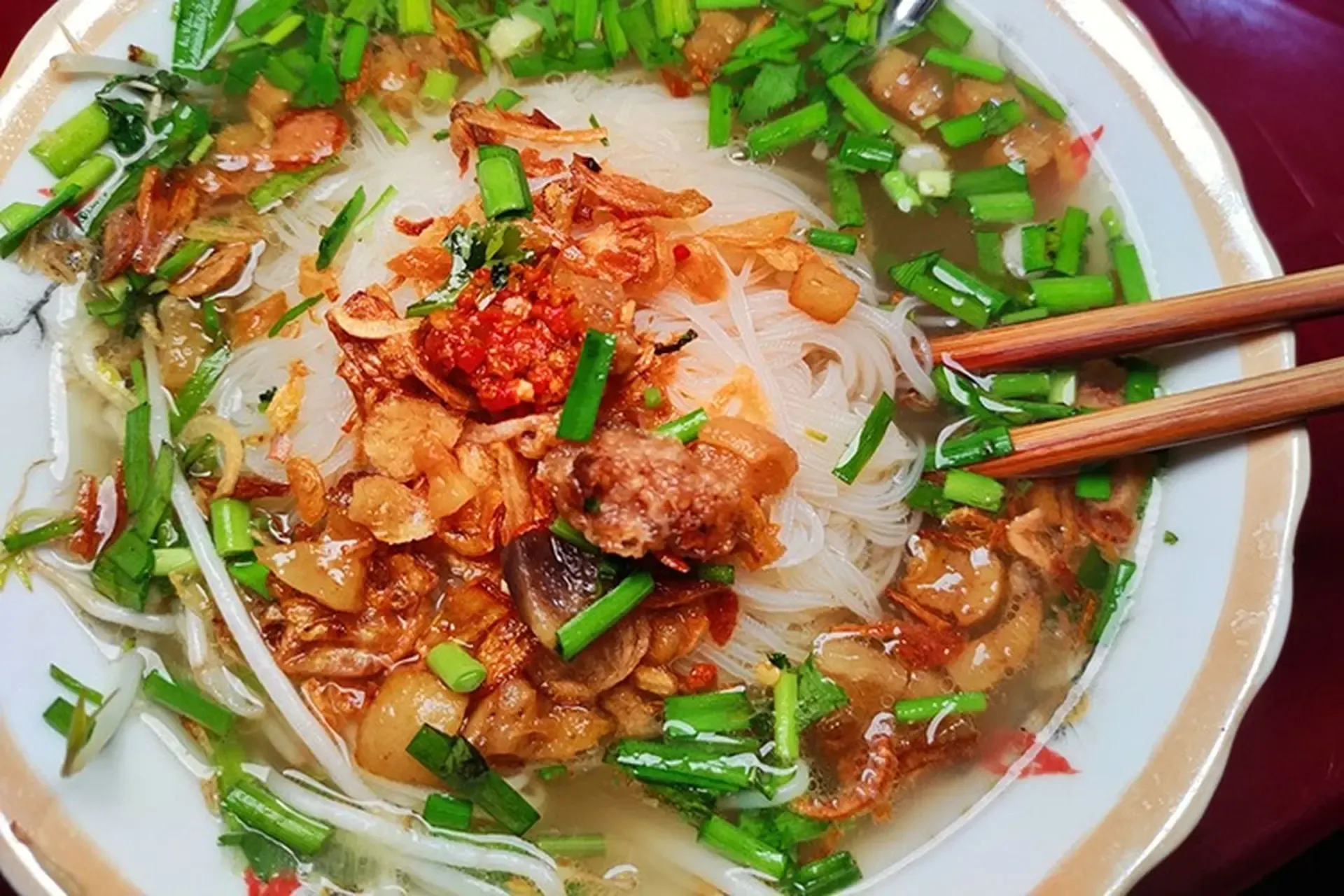
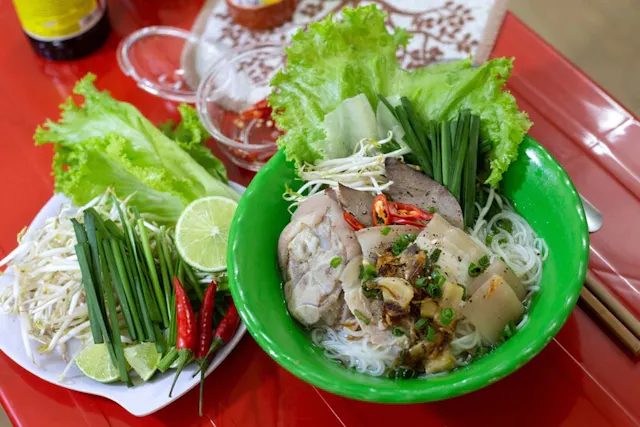
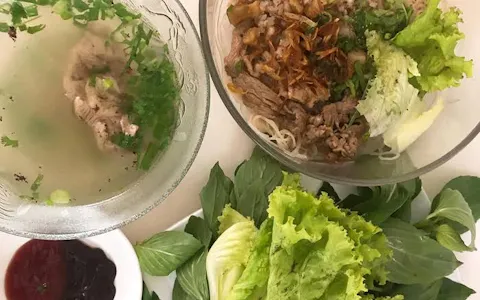
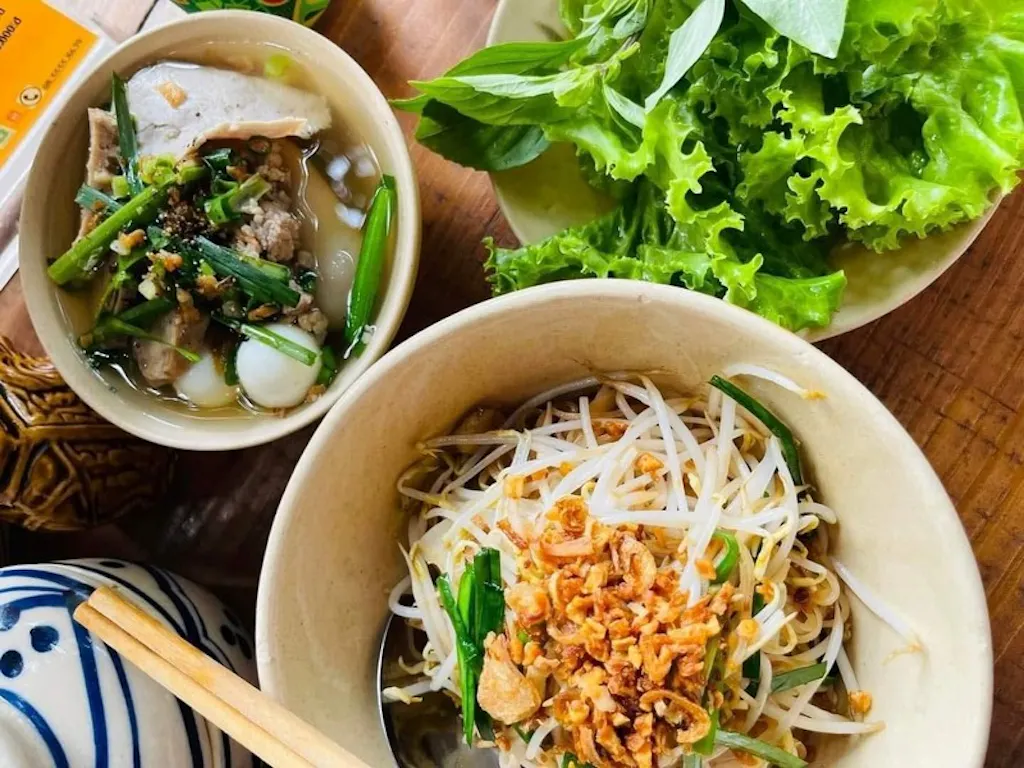
A typical bowl features rice noodles in a clear, savory broth, accompanied by ingredients such as sliced pork, shrimp, pork offal, fish balls, or other locally available toppings. Fresh bean sprouts, chives, fried garlic, herbs, lime, and chili can be added to provide contrasting textures and flavors. Recipes vary from one vendor to another, so there is no single standardized version of Hủ Tiếu Gõ.
The dish is particularly associated with evening and late-night eating. In the past, the sound of vendors moving through neighborhoods made it easy for residents to recognize when a hot meal was available nearby. Although modern restaurants and food-delivery services have changed the way people eat in Ho Chi Minh City, Hủ Tiếu Gõ remains an interesting example of the city's traditional street-food culture.
For travelers, trying Hủ Tiếu Gõ is not simply about tasting a bowl of noodles. It offers a glimpse into the everyday food traditions of Saigon, where inexpensive meals, neighborhood life, and informal street dining have long been closely connected.
Essential Ingredients of Hủ Tiếu Gõ
Hủ Tiếu Gõ is loved for its light yet flavorful broth and simple, high-quality ingredients. Each component adds its own texture and taste, creating the comforting noodle soup that has become a late-night favorite throughout southern Vietnam.
Rice Noodles (Hủ Tiếu)↗
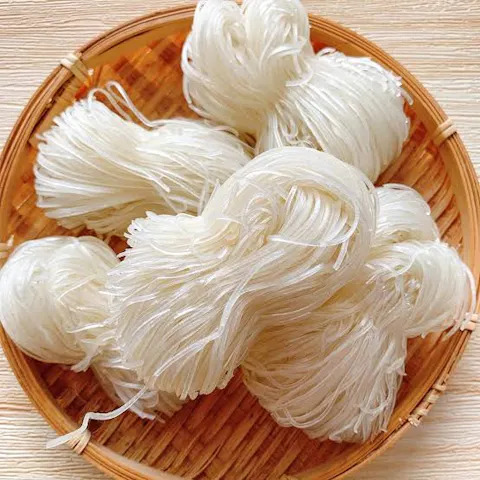
The foundation of the dish is soft, silky rice noodles made from rice flour. Their smooth texture absorbs the savory broth while remaining light, making them ideal for both soup and dry-style (hủ tiếu khô) versions.
Pork, Shrimp & Wontons↗
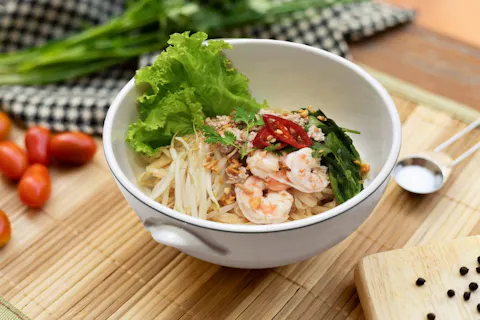
Traditional Hủ Tiếu Gõ is topped with a combination of sliced pork, minced pork, shrimp, fish cakes, meatballs, or wontons. The variety of proteins adds richness and makes every bowl satisfying without being heavy.
Clear Broth & Fresh Garnishes↗
A slow-simmered pork bone broth provides a naturally sweet and aromatic base. Fresh bean sprouts, chopped chives, spring onions, crispy fried garlic, lime, chili, and pickled garlic complete the dish, allowing diners to customize each bowl to their preferred balance of freshness, spice, and acidity.
Explore More About Hủ Tiếu Gõ
Dive deeper into the story of Hủ Tiếu Gõ, one of Vietnam's most iconic street food dishes, with our collection of in-depth guides and related articles. Discover its history, regional variations, traditional ingredients, cooking techniques, cultural significance, and the best places to enjoy an authentic bowl. Whether you're a curious foodie or planning a culinary adventure in Vietnam, these detailed guides will help you explore everything you need to know about Hủ Tiếu Gõ and the rich street food culture that surrounds it.
What Is Hu Tieu? Vietnam's Southern Noodle Soup Explained↗
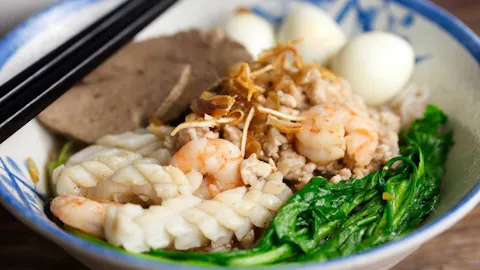
Hu Tieu (Hủ Tiếu) is a beloved noodle dish from southern Vietnam, especially popular in Ho Chi Minh City and the Mekong Delta. It combines thin, chewy rice or tapioca noodles with a clear, savory-sweet broth and toppings such as pork, shrimp, quail eggs, herbs, and vegetables. Influenced by the region’s diverse culinary traditions, Hu Tieu comes in several styles, including Hu Tieu My Tho, Hu Tieu Nam Vang, and dry Hu Tieu. Discover its ingredients, flavors, history, and traditions.
The History of Hu Tieu: From Migrant Roots to Southern Vietnam's Culinary Crown↗
Traced through centuries of cross-border trade and migration, the history of Hu Tieu is a fascinating story of cultural synthesis. Originating from Teochew and Hokkien merchant traditions, the dish evolved through Cambodian influences around Phnom Penh before flourishing across the Mekong Delta. Today, this iconic noodle soup stands as a legendary staple of Saigon’s street food culture, blending rich bone broths, delicate rice noodles, and diverse regional flavors into an unforgettable symbol of Southern Vietnamese culinary heritage.
How to Order and Eat Hu Tieu Like a Local in Vietnam↗
Navigating Vietnam’s vibrant street food scene requires more than just pointing at a menu. This comprehensive gastronomic guide unlocks the unspoken rituals of ordering and enjoying Hu Tieu like a true local. From choosing between classic soup (nước) and rich dry-tossed (khô) variants to selecting noodle starches, customizing proteins, and mastering tabletop condiments, discover how to approach street stalls with complete confidence and savor every layer of Southern Vietnam's iconic noodle soup.
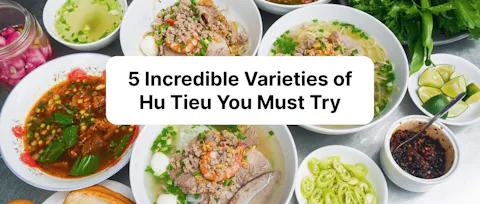
5 Incredible Varieties of Hu Tieu You Must Try↗
Far from being a uniform street food, Southern Vietnam’s iconic noodle soup changes its character across every provincial border. This master gastronomic guide explores five incredible regional expressions of Hu Tieu—from the sun-dried, snappy noodles of My Tho and the soft tapioca strands of Sa Dec to the cross-border richness of Nam Vang, coastal Go Cong, and Saigon’s addictive dry-tossed style. Embark on a delicious journey through regional starches, heritage bone broths, and unique culinary identities.
Frequently Asked Questions About Hủ Tiếu Gõ
Why is it called Hủ Tiếu Gõ?
The name comes from the Vietnamese word "gõ", meaning "to knock." In the past, street vendors carried mobile noodle carts and tapped wooden sticks together to announce their arrival. The unique sound became closely associated with this popular late-night noodle soup.
What is the difference between Hủ Tiếu Gõ and regular Hủ Tiếu?
Hủ Tiếu Gõ is typically a simpler, more affordable street food version of Hủ Tiếu. It features a light broth, fewer toppings, and is commonly sold from roadside carts, while restaurant versions often offer premium ingredients and more elaborate presentations.
Can I order Hủ Tiếu Gõ dry instead of in soup?
Yes. Many vendors serve both Hủ Tiếu Nước (with broth) and Hủ Tiếu Khô (dry noodles tossed in savory sauce with a separate bowl of soup). Both versions are popular and equally delicious.
When is the best time to eat Hủ Tiếu Gõ?
Although available throughout the day in some areas, Hủ Tiếu Gõ is most famous as a late-night meal. Many street vendors begin serving in the evening and continue until midnight or even later, making it a favorite choice for supper in Ho Chi Minh City.
Where can I find authentic Hủ Tiếu Gõ in Vietnam?
The best Hủ Tiếu Gõ is commonly found in Ho Chi Minh City, where countless roadside vendors operate in residential neighborhoods and busy streets. Local recommendations, night markets, and popular street food areas are excellent places to experience this authentic southern Vietnamese specialty.
Advertising box
Related Street Food in Vietnam
Discover more of Vietnam's vibrant street food culture through iconic local dishes, from savory noodle bowls and crispy snacks to fresh rolls and regional specialties. Explore the flavors, ingredients, cooking traditions, and stories behind popular Vietnamese street foods, and find new dishes to try as you travel across the country.
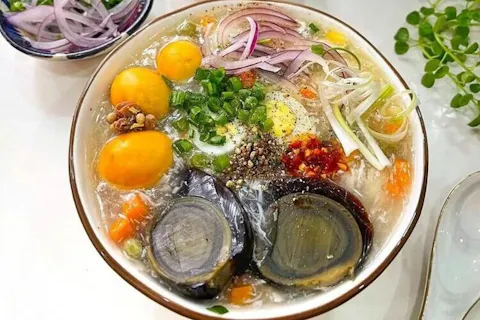
Súp Cua: Vietnam's Vietnamese Crab Soup
Súp Cua is a popular Vietnamese crab soup known for its thick, silky texture and savory combination of crab meat, eggs, mushrooms, corn, and flavorful broth. Often finished with black pepper, cilantro, and other Vietnamese seasonings, the soup offers a comforting balance of delicate seafood flavor and rich umami. Commonly served as a quick snack, appetizer, or light meal, Súp Cua is especially popular at street food stalls and casual eateries in southern Vietnam. Discover its ingredients, flavors, preparation, and place in Vietnamese food culture.
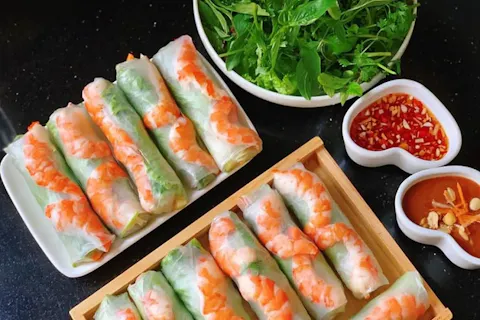
Gỏi Cuốn: Vietnam's Fresh Spring Rolls
Gỏi Cuốn is a popular Vietnamese dish made by wrapping fresh shrimp, pork, rice vermicelli, herbs, and vegetables in soft rice paper. Unlike fried spring rolls, these fresh rolls are served without deep-frying, allowing the natural flavors and textures of the ingredients to stand out. They are commonly paired with hoisin-peanut sauce or a savory Vietnamese dipping sauce. Light, fresh, and easy to eat, Gỏi Cuốn is enjoyed throughout Vietnam and is a popular introduction to Vietnamese cuisine for travelers seeking a refreshing local dish.
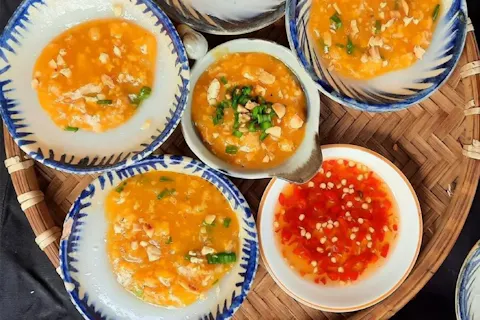
Bánh Bèo: Vietnam's Savory Steamed Rice Cakes
Bánh Bèo is a traditional Vietnamese dish made from small, delicate steamed rice cakes topped with savory ingredients such as dried shrimp, scallions, crispy pork skin, and fried shallots. Served with a flavorful Vietnamese fish sauce, these bite-sized cakes combine soft rice texture with crunchy, savory toppings and a balanced sweet-salty flavor. Especially popular in Central Vietnam, Bánh Bèo is closely associated with Hue and is commonly enjoyed as a snack, appetizer, or light meal. Discover its ingredients, history, regional variations, and traditional ways to enjoy it.
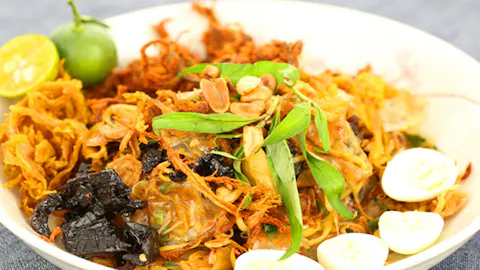
Bánh Tráng Trộn: Vietnam's Rice Paper Salad
Bánh Tráng Trộn is a popular Vietnamese street food made with strips of soft rice paper mixed with dried shrimp, shredded green mango, quail eggs, Vietnamese herbs, chili, peanuts, and savory seasonings. Often finished with kumquat juice and chili oil, the snack combines chewy, crunchy, sour, spicy, salty, and savory flavors in every bite. Especially popular among young people and street food lovers, Bánh Tráng Trộn is commonly sold at roadside stalls and casual snack shops throughout Vietnam, particularly in Ho Chi Minh City.