
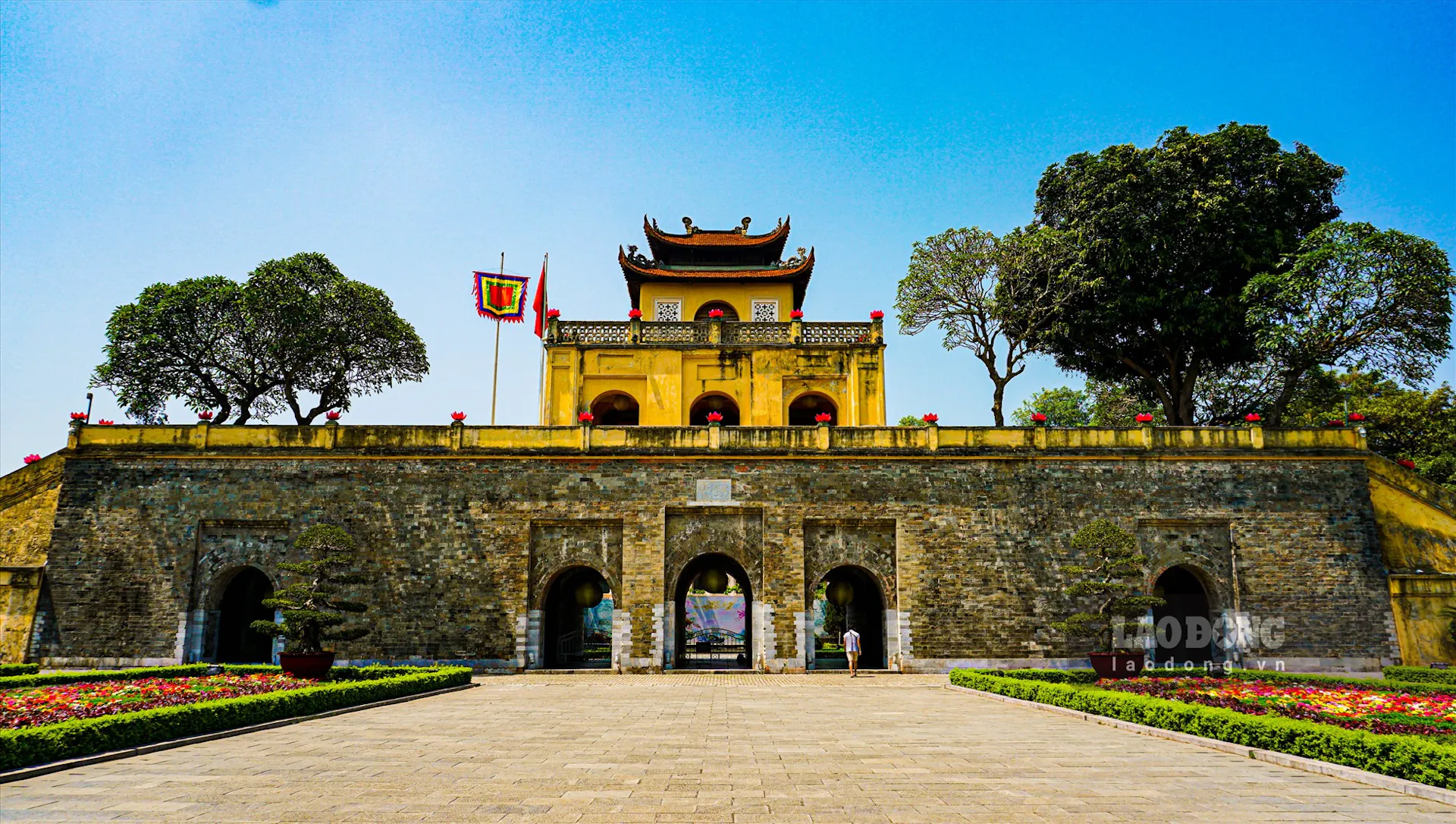
Imperial Citadel of Thang Long
The Imperial Citadel of Thang Long is one of Vietnam's most significant historical landmarks and a UNESCO World Heritage Site located in the heart of Ha Noi. Once the political center of successive Vietnamese dynasties for over thirteen centuries, the citadel preserves ancient palaces, archaeological remains, ceremonial gates, and royal architecture. Visitors can explore centuries of Vietnamese history while discovering remarkable cultural treasures that reflect the country's royal heritage. This guide covers everything you need to know before visiting the Imperial Citadel of Thang Long.
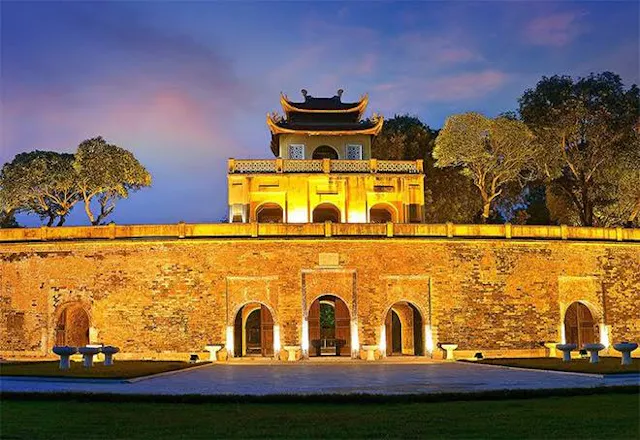
About the Imperial Citadel of Thang Long
The Imperial Citadel of Thang Long is one of the most important historical landmarks in Hanoi, Vietnam, offering visitors a remarkable glimpse into more than a thousand years of Vietnamese political, cultural, and architectural history. Located in the heart of the capital, the citadel was once the center of royal power and remained an important political and military site through several Vietnamese dynasties.
Recognized as a UNESCO World Heritage Site in 2010, the Imperial Citadel preserves archaeological remains, ancient gates, palaces, foundations, wells, and underground military structures. Today, it is one of the best places in Hanoi to understand the long history of Vietnam's capital.
What Is the Imperial Citadel of Thang Long?
The Imperial Citadel of Thang Long was a fortified royal complex established in the area of present-day Hanoi.
Its history is closely connected to the relocation of the Vietnamese capital to Thang Long in 1010 under Emperor Ly Thai To, founder of the Ly Dynasty. The royal center subsequently developed under successive dynasties, including the Ly, Tran, Le, Mac, and Nguyen periods.
Although much of the original royal architecture has disappeared, archaeological excavations have revealed extensive remains beneath and around the modern site.
UNESCO World Heritage Site
The Imperial Citadel was inscribed on the UNESCO World Heritage List in 2010 because of its outstanding historical and archaeological importance.
The site demonstrates the continuity of political power in the region over many centuries and contains archaeological evidence from different periods of Vietnamese history.
Its layers of architectural remains provide valuable information about how the royal center evolved over time.
Doan Mon Gate
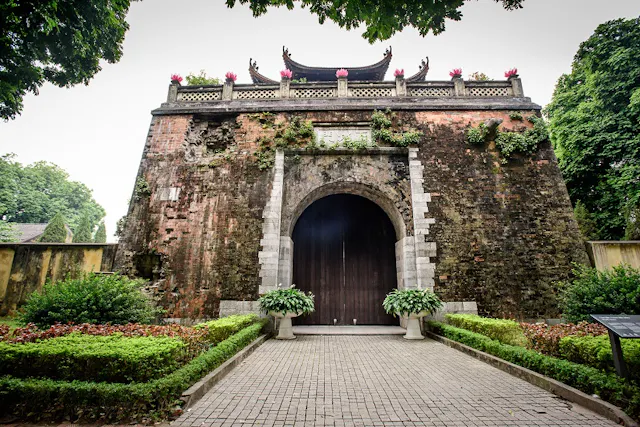
Doan Mon Gate is one of the most recognizable structures within the Imperial Citadel.
The gate served as an important entrance to the central royal area and was historically associated with access to the imperial palace complex.
Its imposing brick architecture provides visitors with a sense of the scale and importance of the former royal center.
Today, Doan Mon is one of the most photographed landmarks at the site.
Hanoi Flag Tower
The Hanoi Flag Tower stands near the southern section of the citadel complex and is one of Hanoi's most recognizable historic structures.
Built during the Nguyen Dynasty in the early 19th century, the tower consists of a tall brick structure with observation levels and a flagpole at the top.
The Vietnamese national flag flying above the tower has made it an important symbol of Hanoi.
Kinh Thien Palace Foundations
The remains associated with Kinh Thien Palace provide evidence of the former royal center.
Although the original palace structure no longer survives, archaeological remains and stone architectural elements help visitors understand the grandeur of the imperial complex.
The palace area was an important ceremonial and political space during the Le Dynasty.
Archaeological Site at 18 Hoang Dieu
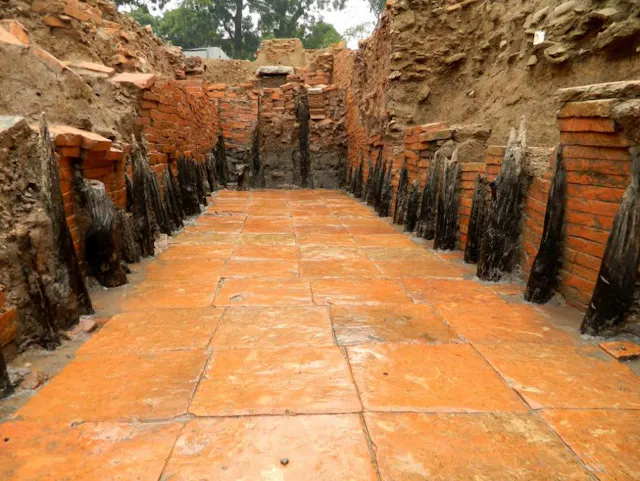
One of the most significant archaeological areas connected with the citadel is the site at 18 Hoang Dieu.
Excavations uncovered foundations, drainage systems, wells, decorative ceramics, bricks, tiles, and other artifacts from different historical periods.
The layers reveal how the royal center changed and expanded over centuries.
For visitors interested in archaeology, this section provides some of the clearest evidence of the ancient Thang Long capital.
D67 Building and Underground Tunnels
The citadel also contains important sites connected with Vietnam's modern military history.
The D67 building and its underground command bunker were constructed during the Vietnam War and served as an important military headquarters.
The bunker includes reinforced underground spaces, communication areas, and other facilities that illustrate how the citadel continued to play a strategic role long after the imperial period ended.
A Thousand Years of History
One of the most fascinating aspects of the Imperial Citadel is the continuity of the site.
Different dynasties used and modified the area, leaving behind multiple layers of architecture and artifacts.
This makes the citadel more than a single monument. It is an archaeological record of Hanoi's development from an imperial capital to a modern political center.
What Can You See?
Visitors can explore historic gates, archaeological excavations, gardens, palace foundations, military structures, exhibitions, and architectural artifacts.
Informational displays provide context about the different dynasties and historical periods represented at the site.
The combination of outdoor ruins and indoor exhibitions makes the citadel suitable for both history enthusiasts and travelers looking for a cultural attraction in central Hanoi.
Best Time to Visit
The Imperial Citadel can be visited throughout the year.
October to April is generally more comfortable for walking around Hanoi, particularly during the cooler months.
Morning visits can be especially pleasant because temperatures are usually lower and the site may feel less crowded.
Visitors should allow at least one to two hours to explore the main areas, although history enthusiasts may want longer.
How to Get There
The Imperial Citadel is centrally located in Hanoi and can be reached easily by taxi, ride-hailing service, private car, or on foot from nearby attractions.
It is close to other major landmarks such as Ba Dinh Square, Ho Chi Minh Mausoleum, the Temple of Literature, and the Vietnam Military History Museum.
Because of its central location, the citadel is easy to include in a Hanoi historical sightseeing itinerary.
Why Visit the Imperial Citadel of Thang Long?
The Imperial Citadel of Thang Long offers travelers an opportunity to explore more than a thousand years of Vietnamese history in one location.
From ancient royal foundations and Doan Mon Gate to the Hanoi Flag Tower and modern military bunkers, the site demonstrates how the area evolved through dramatically different periods.
For travelers interested in history, archaeology, architecture, and Vietnamese culture, the Imperial Citadel is one of Hanoi's essential attractions and an important place to understand the historical foundations of Vietnam's capital.
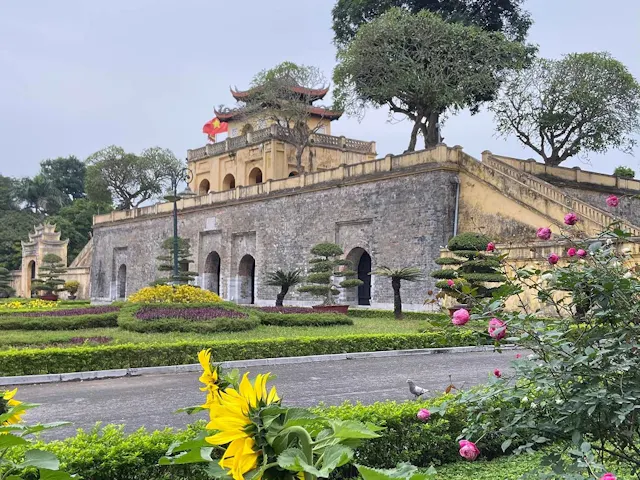
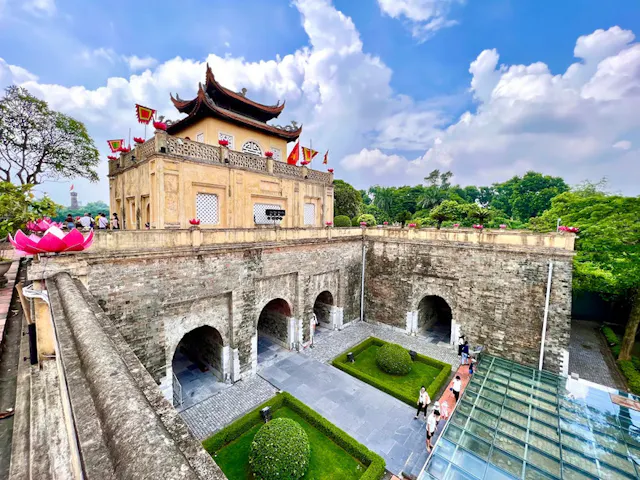
Imperial Citadel of Thang Long Photo Gallery
Explore a remarkable collection of images showcasing the Imperial Citadel of Thang Long, a UNESCO World Heritage Site and one of Vietnam's most important historical landmarks. Discover ancient gates, royal foundations, archaeological treasures, historic architecture, and cultural heritage that reflect more than 1,000 years of Vietnamese history in the heart of Hanoi.
How to Get to and Around the Imperial Citadel of Thang Long
Bus and coach
Numerous public bus routes connect the Imperial Citadel of Thang Long with different parts of Hanoi. Several bus stops are located within walking distance of the site, providing an affordable and convenient travel option.
Train
Visitors arriving at Hanoi Railway Station can reach the citadel in approximately 10 to 15 minutes by taxi, ride-hailing service, or public bus. The attraction is located close to the city's historic center and major cultural landmarks.
Driving
The citadel is easily accessible by car via central Hanoi's main roads. Parking facilities are available near the site, although traffic can be busy during peak hours and holiday periods.
Flying
Travelers arriving at Noi Bai International Airport can reach the Imperial Citadel of Thang Long in approximately 40 to 50 minutes by taxi, airport shuttle, or private transfer, depending on traffic conditions.
Frequently Asked Questions About the Imperial Citadel of Thang Long
Why is the Imperial Citadel of Thang Long important?
The Imperial Citadel of Thang Long was the political and cultural center of Vietnam for more than 1,000 years. It served as the seat of power for several Vietnamese dynasties and is considered one of the country's most significant historical and cultural landmarks.
Is the Imperial Citadel of Thang Long a UNESCO World Heritage Site?
Yes. The Imperial Citadel of Thang Long was inscribed as a UNESCO World Heritage Site in 2010 in recognition of its outstanding historical, cultural, and archaeological value, as well as its continuous role in Vietnamese history for over a millennium.
What can visitors see at the Imperial Citadel of Thang Long?
Visitors can explore historic structures such as Doan Mon Gate, the Flag Tower of Hanoi, Kinh Thien Palace foundations, Hau Lau, archaeological excavation areas, museums, and exhibitions showcasing artifacts from various Vietnamese dynasties.
How much time should I spend at the Imperial Citadel of Thang Long?
Most visitors spend between two and three hours exploring the site. History enthusiasts and those interested in archaeology may wish to spend longer discovering the extensive exhibits and historical remains.
Is the Imperial Citadel of Thang Long worth visiting?
Absolutely. The citadel offers a unique opportunity to explore more than a thousand years of Vietnamese history in one location. Its UNESCO status, fascinating archaeological discoveries, and historical significance make it one of Hanoi's must-visit cultural attractions.
Advertising box
Explore More UNESCO World Heritage Sites
Continue your journey through Vietnam's remarkable UNESCO World Heritage Sites. Discover ancient cities, breathtaking natural wonders, archaeological treasures, and cultural landmarks that showcase the country's rich history, diverse traditions, and extraordinary landscapes. Each destination offers a unique perspective on Vietnam's heritage and is well worth adding to your travel itinerary.
Ha Long Bay
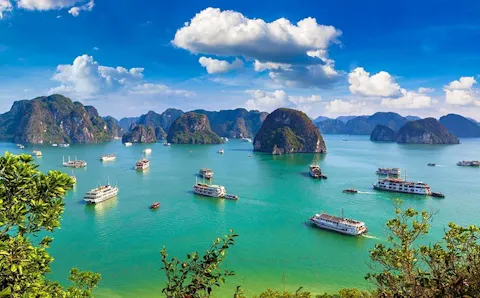
Ha Long Bay is one of Vietnam's most iconic destinations and a UNESCO World Heritage Site celebrated for its thousands of limestone islands rising dramatically from emerald waters. Visitors can enjoy unforgettable cruises, kayaking adventures, hidden caves, floating fishing villages, beautiful beaches, and spectacular sunsets. Beyond its natural beauty, the bay also offers fresh seafood, luxury cruises, and authentic cultural experiences. This Ha Long Bay Travel Guide provides everything you need to plan an unforgettable journey through one of the world's most remarkable seascapes.
Complex of Hue Monuments
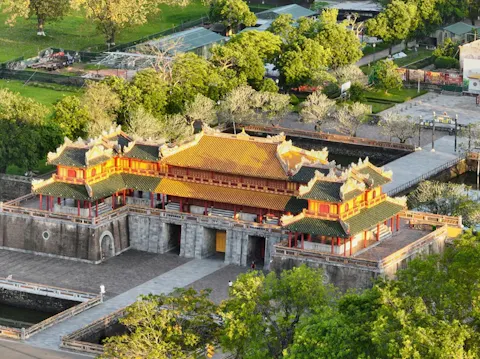
The Complex of Hue Monuments is one of Vietnam's most important historical and cultural treasures. Recognized as a UNESCO World Heritage Site in 1993, it preserves the magnificent legacy of the Nguyen Dynasty through imperial palaces, ancient temples, royal tombs, and the iconic Hue Citadel. Located along the scenic Perfume River, the complex offers visitors a fascinating journey into Vietnam's imperial past, blending remarkable architecture, royal traditions, and centuries of cultural heritage in the heart of central Vietnam.
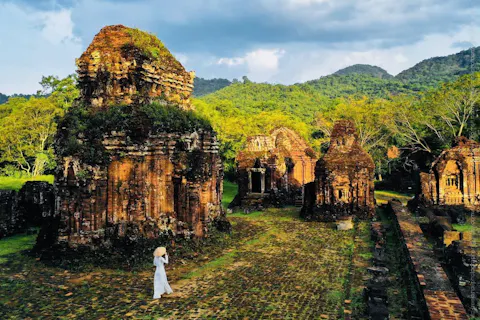
My Son Sanctuary
Nestled in a lush valley surrounded by mountains, My Son Sanctuary is one of Vietnam's most remarkable archaeological sites. Once the spiritual and political center of the Champa Kingdom, the sanctuary features centuries-old Hindu temple towers dedicated to the god Shiva. Recognized as a UNESCO World Heritage Site in 1999, My Son offers visitors an extraordinary opportunity to explore ancient architecture, fascinating history, and the enduring cultural legacy of one of Southeast Asia's greatest civilizations.
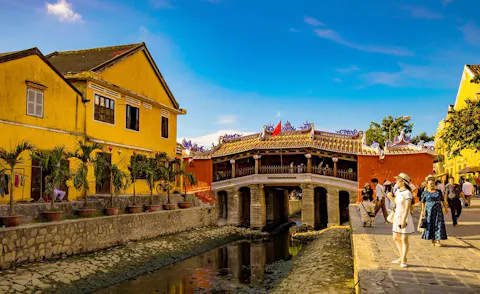
Hoi An Ancient Town
Hoi An Ancient Town is one of Vietnam's most enchanting destinations, where centuries of history blend seamlessly with vibrant local life. Once a thriving international trading port, the town is renowned for its beautifully preserved wooden houses, colorful lanterns, historic temples, riverside cafés, and lively markets. Recognized as a UNESCO World Heritage Site in 1999, Hoi An captivates visitors with its timeless atmosphere, rich multicultural heritage, outstanding cuisine, and unforgettable cultural experiences in central Vietnam.
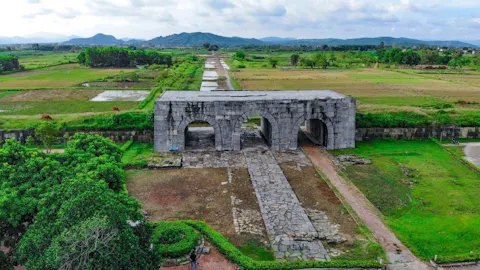
The Citadel of the Hồ Dynasty
Discover the Citadel of the Hồ Dynasty, one of Vietnam’s most remarkable UNESCO World Heritage Sites. Built in the late 14th century, this extraordinary stone fortress showcases innovative engineering, unique architecture, and the historical legacy of the short-lived but influential Hồ Dynasty.

Trang An Scenic Landscape Complex
Trang An Scenic Landscape Complex is one of Vietnam’s most spectacular destinations, featuring dramatic limestone mountains, peaceful rivers, mysterious caves, and cultural landmarks surrounded by the natural beauty of Ninh Binh.

Phong Nha - Ke Bang National Park
Phong Nha - Ke Bang National Park is one of Vietnam’s most spectacular natural destinations, featuring ancient limestone mountains, world-famous caves, underground rivers, and unforgettable adventure experiences in a UNESCO World Heritage landscape.