
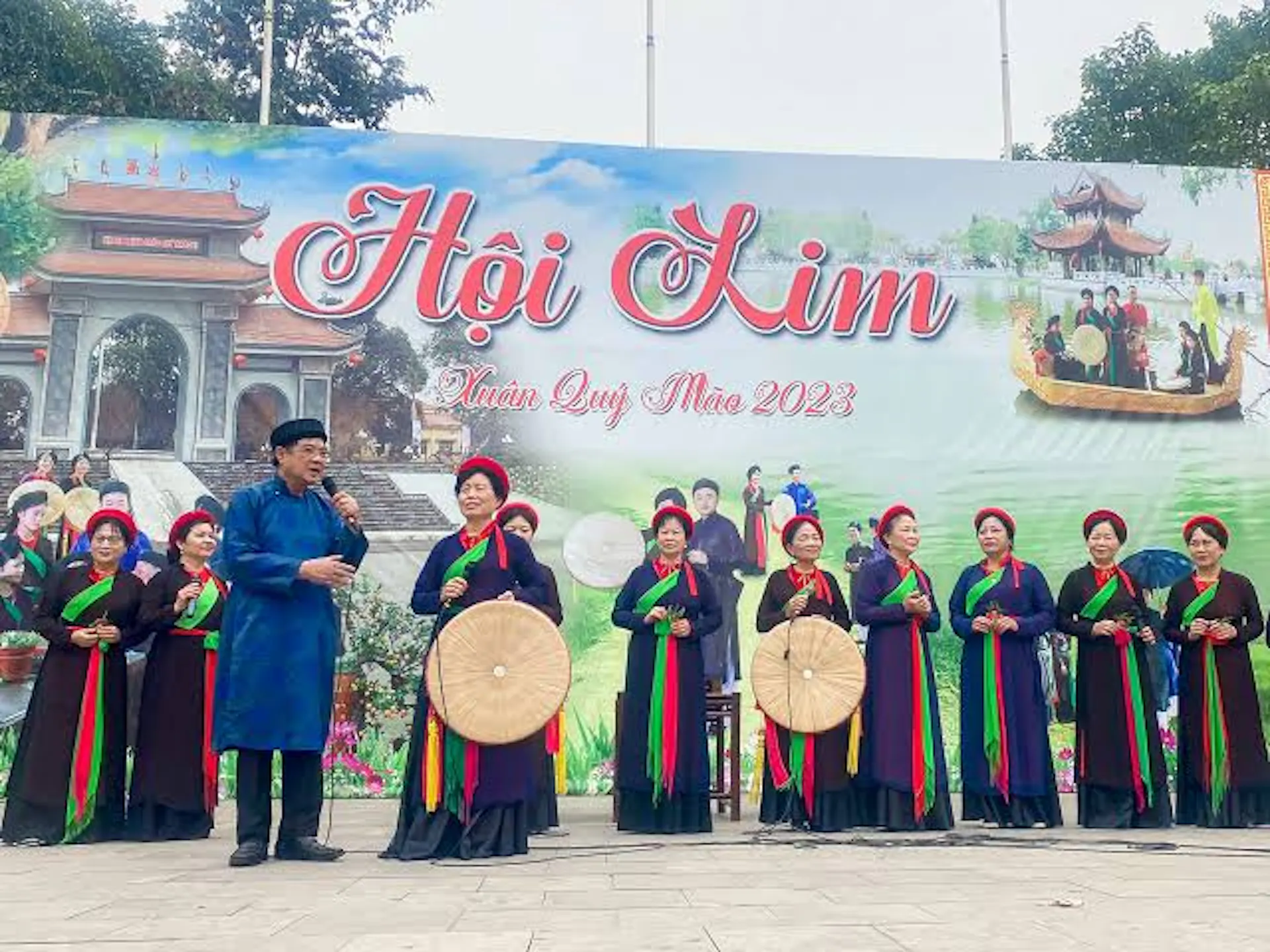
Lim Festival Vietnam: Experience Quan Ho Folk Singing in Bac Ninh
Discover Lim Festival Vietnam, one of northern Vietnam’s most distinctive cultural celebrations. Held in Bac Ninh during the first lunar month, the festival brings Quan Ho folk singing, traditional costumes, temple ceremonies, dragon boat performances, folk games, and local traditions together. Learn about the history of Lim Festival, the meaning of Quan Ho, where to experience the celebrations, what to expect as a traveler, and practical tips for visiting Bac Ninh during this colorful Vietnamese cultural festival.
On this page
- What Is the Lim Festival?
- When Is the Lim Festival?
- The History and Cultural Origins of Lim Festival
- Why Is Quan Ho Singing Important?
- Liền Anh and Liền Chị: The Traditional Singers
- Traditional Quan Ho Singing at Lim Festival
- Dragon Boat Singing
- Traditional Costumes at Lim Festival
- Folk Games at Lim Festival
- Temples and Sacred Spaces Around Lim Hill
- How to Experience Lim Festival Respectfully
- Best Time to Visit Lim Festival
- How to Get to Lim Festival from Hanoi
- What to Eat in Bac Ninh
- Lim Festival as a Day Trip from Hanoi
- Lim Festival vs. Other Vietnamese Festivals
- Tips for Visiting Lim Festival
- Why Visit Lim Festival?
- Conclusion
The Lim Festival Vietnam is one of northern Vietnam’s most distinctive cultural celebrations, bringing together traditional music, village customs, temple rituals, folk games, and the warm hospitality of the Kinh Bắc region. Held each year in Bac Ninh during the first lunar month, the festival is best known for Quan Ho folk singing, an elegant form of Vietnamese antiphonal singing performed by male and female singers in traditional dress.
During the festival, Lim Hill and surrounding villages come alive with colorful costumes, temple ceremonies, dragon boat performances, traditional games, and spontaneous-looking musical exchanges. For travelers, Lim Festival offers a chance to experience a living tradition rather than simply visit a cultural attraction.
Whether you are interested in Vietnamese music, history, photography, or local festivals, Lim Festival in Bac Ninh makes an excellent cultural day trip from Hanoi.
What Is the Lim Festival?
The Lim Festival, known locally as Hội Lim, is a traditional spring festival associated with the cultural heritage of the Kinh Bắc region. The main celebrations take place around Lim Hill in Tien Du District, Bac Ninh Province, northeast of Hanoi.
The festival combines religious ceremonies with community entertainment. Visitors can see incense-offering rituals at local temples, listen to Quan Ho singers, watch traditional performances, and take part in or observe folk games.
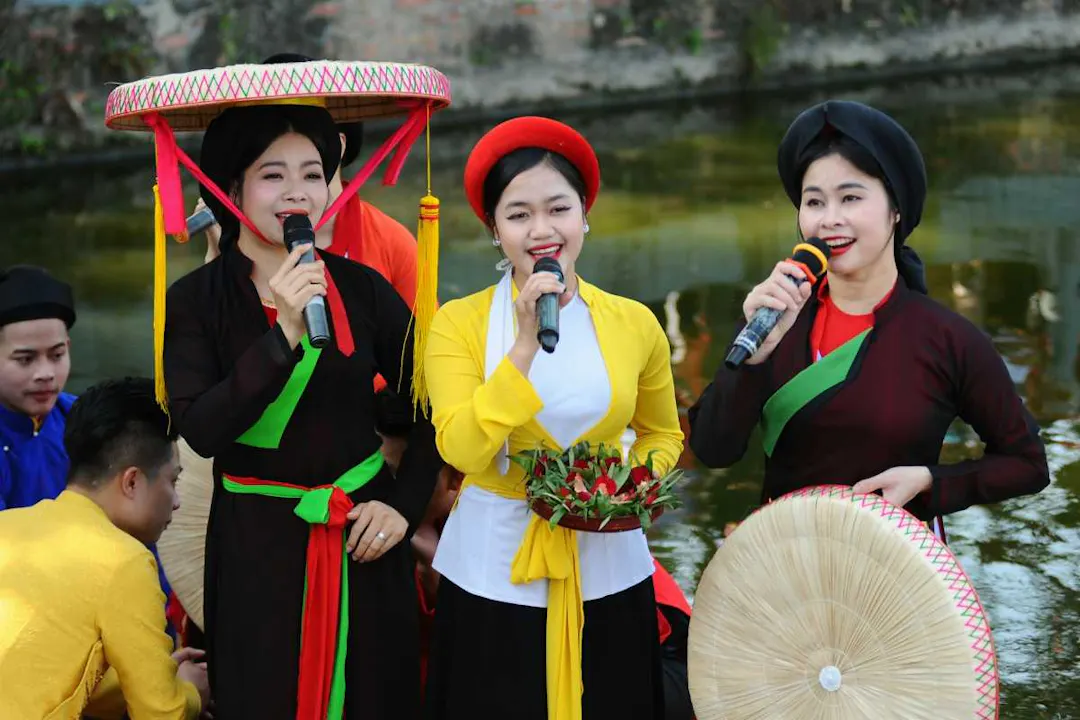
The most famous part of the celebration is undoubtedly Quan Ho singing. Male singers, known as liền anh, and female singers, known as liền chị, exchange carefully structured verses about love, friendship, nature, and everyday life.
Unlike a conventional concert, Quan Ho is fundamentally a social form of musical interaction. The singers respond to one another through melody and poetry, creating a gentle conversation in song.
When Is the Lim Festival?
The Lim Festival traditionally takes place on the 12th and 13th days of the first lunar month, with the 13th day generally considered the main festival day.
Because the festival follows the Vietnamese lunar calendar, the corresponding date on the Gregorian calendar changes every year.
The main celebration is centered around Lim Hill, but activities also take place in surrounding villages and communal houses. Arriving early is recommended, particularly if you want to see the opening ceremonies and traditional performances before the largest crowds arrive.
For travelers planning a visit, it is important to check the official festival schedule for the year of travel because performance locations and event programs can vary.
The History and Cultural Origins of Lim Festival
The history of Lim Festival is closely connected with the villages and religious traditions of Kinh Bắc, a historic cultural region of northern Vietnam.
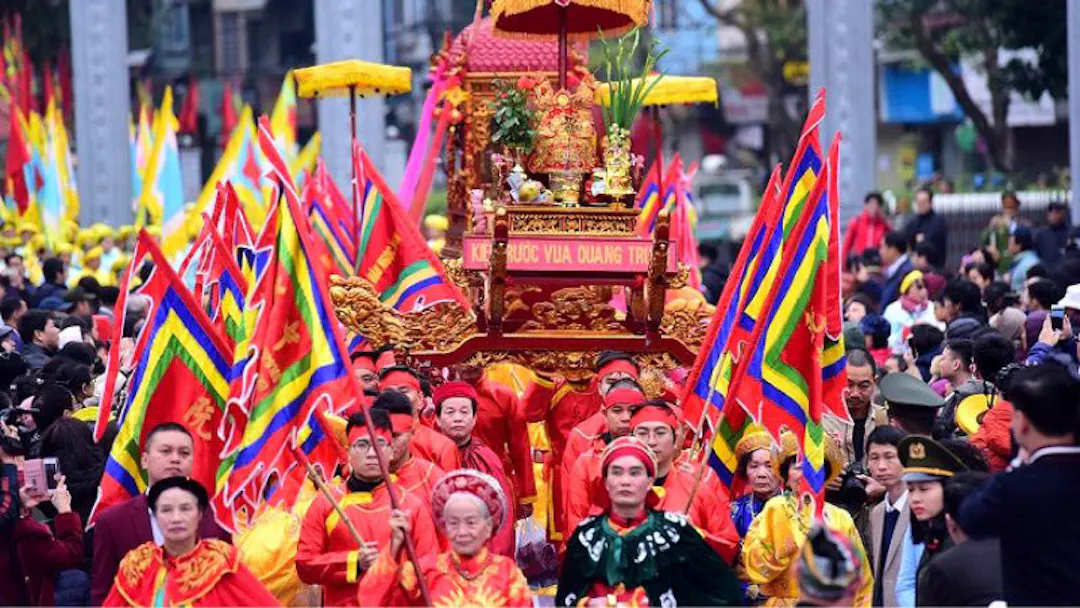
Like many Vietnamese traditional festivals, Hội Lim developed from a combination of community worship, agricultural traditions, village gatherings, and local cultural practices. The festival provided an opportunity for communities to honor local deities while celebrating the arrival of spring.
One important figure associated with the development of the modern festival is General Đỗ Nguyên Tài, who is traditionally connected with the expansion and organization of celebrations around Lim Hill.
Over time, the festival became increasingly associated with Quan Ho. Music transformed the event from a local religious gathering into an important social occasion where villagers could meet, exchange poetry, enjoy traditional entertainment, and strengthen relationships between neighboring communities.
This combination of spirituality and community remains central to the festival today.
Why Is Quan Ho Singing Important?
The defining cultural feature of Lim Festival is Quan Ho folk singing.
Quan Ho is a traditional Vietnamese vocal art from Bac Ninh and neighboring areas. It is performed primarily through exchanges between groups of male and female singers.
The singers do not simply perform a fixed song in isolation. Instead, they respond to each other through carefully selected melodies and poetic verses.
A typical exchange may begin with one group singing a verse before the other group responds with another verse. The lyrics can express affection, admiration, friendship, longing, or appreciation of nature.
The musical style is generally gentle and highly expressive. Singers rely on vocal control, phrasing, ornamentation, and subtle changes in pitch rather than instrumental accompaniment.
This creates an intimate atmosphere that can feel very different from modern Vietnamese stage performances.
UNESCO and Quan Ho Heritage
Quan Ho folk singing was inscribed by UNESCO on the Representative List of the Intangible Cultural Heritage of Humanity in 2009.
The recognition highlights not only the music itself but also the community traditions, relationships, rituals, and oral transmission systems that have allowed Quan Ho to survive across generations.
At Lim Festival, travelers can see how this heritage remains connected to everyday community life.
Liền Anh and Liền Chị: The Traditional Singers
Quan Ho performances traditionally involve two groups of singers.
Liền anh refers to male Quan Ho singers, while liền chị refers to female singers.
Their appearance is an important part of the cultural experience.
Female singers may wear traditional áo tứ thân, a four-panel dress associated with northern Vietnamese culture. They often complete the outfit with a nón quai thao, a large flat palm hat decorated with fabric ribbons.
Male singers traditionally wear dark-colored clothing, often accompanied by a folded headscarf known as a khăn xếp.
The clothing is not simply decorative. It contributes to the visual identity of Quan Ho and helps connect modern performances with the region's traditional village culture.
Traditional Quan Ho Singing at Lim Festival
One of the best experiences at Lim Festival is watching singers perform in informal settings rather than only on large stages.
Quan Ho can be performed in:
- Village communal houses
- Festival courtyards
- Temporary performance areas
- Traditional homes
- Dragon boats
- Community gathering spaces
These settings help preserve the social character of the music.
Some performances can feel almost conversational. A singer begins with a verse, another responds, and the exchange continues through several songs.
For international visitors, even without understanding Vietnamese, the rhythm, vocal harmonies, costumes, gestures, and atmosphere make the performance highly accessible.
Dragon Boat Singing
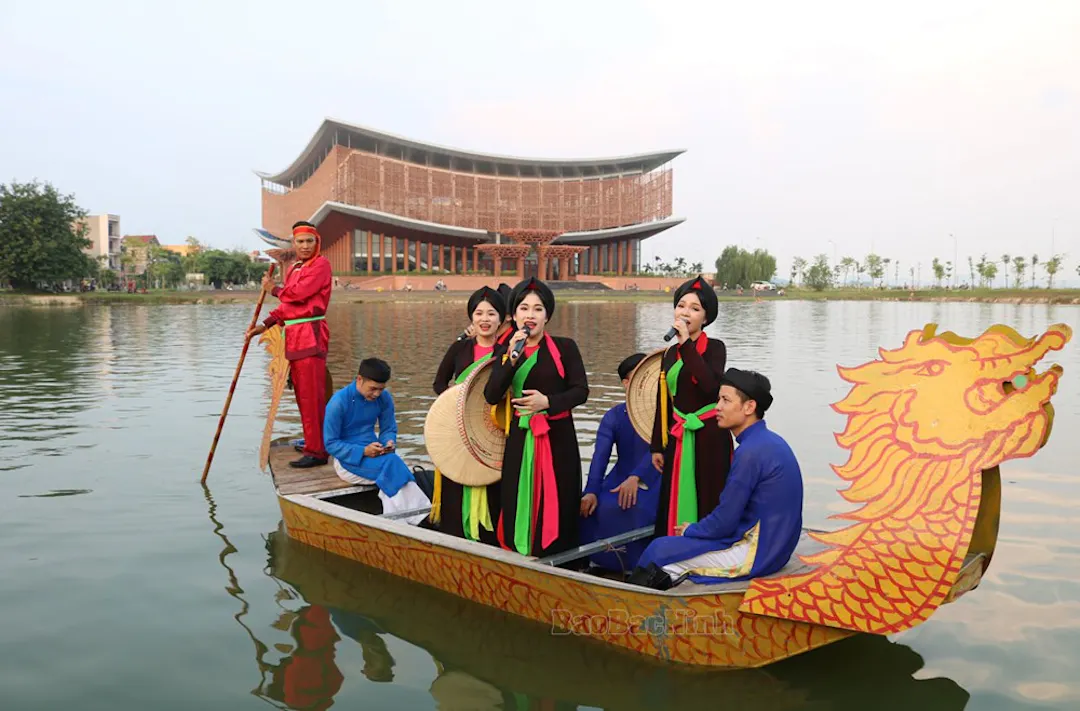
One of the most memorable traditions associated with Lim Festival is Quan Ho singing on dragon boats.
Singers dressed in traditional clothing perform from boats moving across the water while audiences gather along the shore.
The combination of music, traditional costumes, water, and the surrounding spring landscape creates one of the festival's most distinctive scenes.
Dragon boat performances also demonstrate how Quan Ho is closely connected with the landscape of Bac Ninh rather than being simply a theatrical art form.
Traditional Costumes at Lim Festival
The colorful costumes worn during the festival provide some of the best photographic opportunities.
Female Quan Ho performers are particularly recognizable for their layered traditional clothing and large palm hats.
The nón quai thao has become one of the visual symbols associated with Quan Ho. Its broad circular shape and decorative ribbons create an elegant silhouette when performers stand together.
Men's traditional clothing is generally more restrained, emphasizing dark colors and formal silhouettes.
Together, the costumes create a visual contrast that complements the musical exchanges between liền anh and liền chị.
Folk Games at Lim Festival
Lim Festival is not only about music.
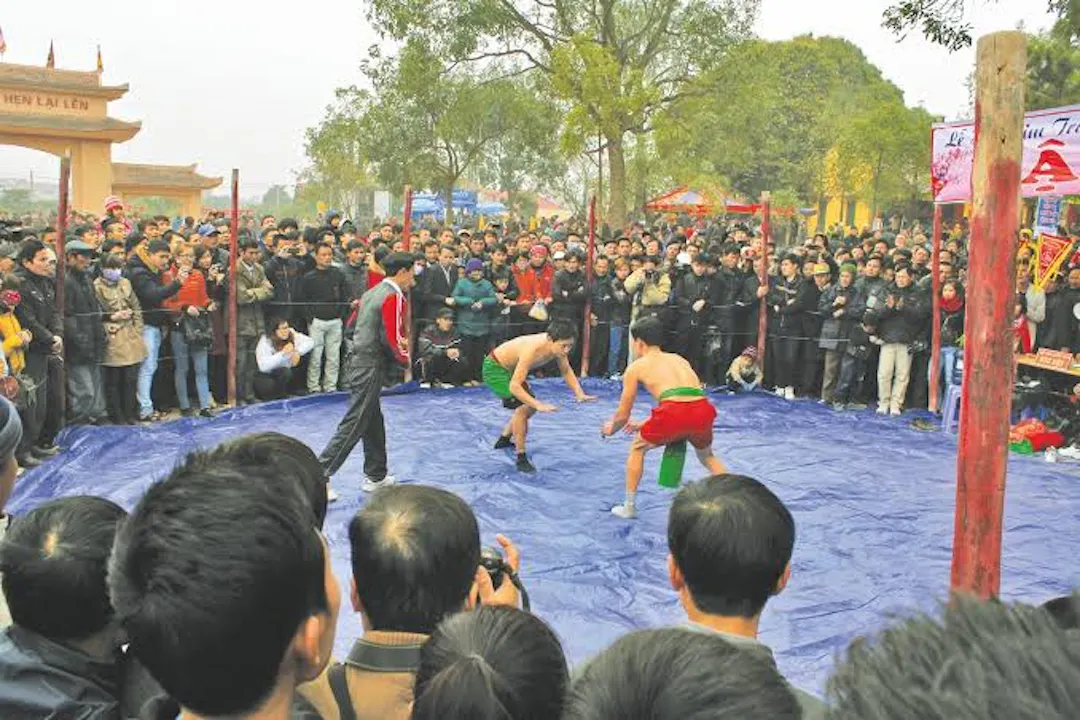
Traditional folk games are an important part of the wider festival atmosphere. Depending on the year's program, visitors may encounter activities such as:
- Cờ người, or human chess
- Đánh đu, traditional bamboo swinging
- Đập niêu, a blindfolded clay-pot smashing game
- Traditional wrestling and village competitions
- Boat-related activities
- Local demonstrations and performances
These activities give visitors an opportunity to experience the festival as a community celebration rather than simply a cultural performance.
For families traveling with children, the folk games can be particularly entertaining.
Temples and Sacred Spaces Around Lim Hill
The festival also has an important spiritual dimension.
Ceremonial activities take place at local temples and communal spaces around Lim Hill. Visitors may see incense offerings, traditional ceremonies, and local residents paying their respects.
When entering a temple or participating in a religious ceremony, travelers should remember that these are active places of worship rather than tourist attractions.
Dress modestly, avoid loud conversations, and follow local instructions.
Photography may be acceptable in outdoor areas but can be restricted inside certain worship spaces.
How to Experience Lim Festival Respectfully
A respectful approach will make your visit more enjoyable and help preserve the atmosphere of the festival.
When watching Quan Ho performances, avoid talking loudly or interrupting the singers.
If you want to photograph performers, particularly during intimate village performances, it is better to ask permission first.
You may also encounter traditional hospitality such as trầu cau, or betel and areca preparations, which have long been associated with Vietnamese social and ceremonial traditions.
If someone offers you something as part of a traditional exchange, accepting it politely with both hands is an appropriate gesture of respect.
At temples, dress conservatively and follow the behavior of local worshippers.
Best Time to Visit Lim Festival
The best time to experience the festival atmosphere is generally around the main celebration days, especially the 13th day of the first lunar month.
However, the busiest day is not necessarily the best option for every traveler.
If you prefer photography and a slightly more relaxed experience, arriving early in the morning can help you explore the festival grounds before the largest crowds develop.
The festival takes place during spring, when northern Vietnam can be relatively cool and occasionally misty. Comfortable walking shoes are recommended because you may spend several hours moving between Lim Hill, temple areas, performance spaces, and surrounding villages.
How to Get to Lim Festival from Hanoi
One of the advantages of Lim Festival is its proximity to Hanoi.
Lim Hill is roughly 25 kilometers from central Hanoi, making the festival suitable for a day trip.
The simplest options include:
Private car or taxi:
This is the most convenient choice for travelers who want flexibility, particularly when traveling with several people.
Ride-hailing services:
App-based transportation can be useful for reaching Bac Ninh, although availability and prices may change during the festival because of increased demand.
Motorbike:
Experienced riders can travel independently from Hanoi, but festival traffic and parking can make the final part of the journey more complicated.
Public transportation:
Buses and other public transport options can connect Hanoi with Bac Ninh, after which you may need additional local transportation to reach Lim Hill.
On the main festival day, allow additional travel time because roads around the festival area can become congested.
What to Eat in Bac Ninh
A trip to Lim Festival is also an opportunity to explore the food of northern Vietnam.
Visitors can look for local specialties and everyday Vietnamese dishes around Bac Ninh, including rice-based foods, noodles, grilled meats, and traditional snacks.
You may also encounter festival vendors selling drinks and simple street food around the event area.
For a deeper culinary experience, consider combining your Lim Festival visit with a broader exploration of Bac Ninh food and traditional cuisine.
Lim Festival as a Day Trip from Hanoi
For international travelers staying in Hanoi, Lim Festival can easily fit into a one-day itinerary.
A practical schedule could look like this:
- 7:00 AM: Leave Hanoi.
- 8:00 AM: Arrive around Lim Hill and explore the festival area.
- 9:00 AM: Visit temple areas and observe traditional ceremonies.
- 10:00 AM: Watch Quan Ho performances and explore the festival grounds.
- 12:30 PM: Have lunch and sample local Bac Ninh dishes.
- 2:00 PM: Explore village performance areas and traditional games.
- 4:00 PM: Begin the journey back to Hanoi.
- 5:00–6:00 PM: Return to Hanoi, depending on traffic.
The exact schedule should remain flexible because festival performances and crowds can change throughout the day.
Lim Festival vs. Other Vietnamese Festivals
What makes Lim Festival particularly interesting is its focus on living musical heritage.
Some Vietnamese festivals are best known for spectacular processions, religious ceremonies, food, or historical reenactments. Lim Festival stands out because music is at the center of the experience.
Quan Ho connects the festival to the communities of Bac Ninh and gives visitors a direct way to experience northern Vietnamese oral traditions.
For travelers interested in culture rather than conventional sightseeing, this makes Lim Festival an especially worthwhile addition to a Vietnam itinerary.
Tips for Visiting Lim Festival
A few simple preparations can make the experience much easier.
- Arrive early. The main festival day can become extremely crowded.
- Wear comfortable shoes. You may walk extensively between performance and temple areas.
- Bring cash. Small vendors and local stalls may not accept cards.
- Protect your belongings. Large crowds require normal precautions against lost or stolen valuables.
- Respect performers. Ask before taking close-up portraits.
- Dress appropriately. Modest clothing is particularly important when visiting temples.
- Stay hydrated. Even during the cooler spring season, walking for several hours can be tiring.
- Be flexible. Festival schedules can change, and some performances may happen spontaneously.
Why Visit Lim Festival?
The Lim Festival offers something that many conventional tourist attractions cannot provide: direct contact with a living cultural tradition.
Here, music is not simply performed for an audience. It remains connected to community identity, village relationships, traditional clothing, local hospitality, and seasonal celebrations.
From the gentle melodies of Quan Ho singers to the colorful costumes, dragon boat performances, temple ceremonies, and lively folk games, the festival creates a vivid picture of northern Vietnam's cultural heritage.
For travelers based in Hanoi, it is also one of the easiest ways to explore the cultural landscape beyond the capital.
Conclusion
Lim Festival Vietnam is a remarkable celebration of music, community, tradition, and the cultural heritage of Bac Ninh. Its greatest attraction is Quan Ho folk singing, where liền anh and liền chị exchange poetic melodies that have been passed between generations.
But the festival offers much more than music. Visitors can explore Lim Hill, observe traditional ceremonies, see performers in elegant northern costumes, watch dragon boat singing, experience folk games, and discover the welcoming village culture of Kinh Bắc.
For anyone interested in Vietnamese traditional festivals, Lim Festival provides an authentic cultural experience close to Hanoi. Plan your visit around the first lunar month, arrive early, respect local customs, and take time to listen to the voices of Quan Ho—the sound that gives Lim Festival its unique identity.

By Roy Trinh
Editor
Roy Trinh is a travel writer and destination expert at Go Visit Vietnam, dedicated to helping travelers discover the beauty, culture, and diversity of Vietnam. Through well-researched travel guides, practical itineraries, local insights, and authentic recommendations, Roy shares valuable information to inspire memorable journeys across the country. From vibrant cities and breathtaking landscapes to regional cuisine and cultural heritage, every guide is created to help visitors experience Vietnam with confidence and curiosity.
Frequently Asked Questions About Lim Festival Vietnam
When is Lim Festival in Vietnam?
Lim Festival is traditionally held on the 12th and 13th days of the first lunar month, with the 13th day generally considered the main celebration. Because it follows the lunar calendar, the exact Gregorian date changes every year.
Where is Lim Festival held?
Lim Festival is held around Lim Hill in Tien Du District, Bac Ninh Province, approximately 25 km northeast of Hanoi. Cultural activities also take place in nearby villages and communal houses.
What is Lim Festival famous for?
Lim Festival is best known for Quan Ho folk singing, a traditional Vietnamese vocal art performed through musical exchanges between male singers (liền anh) and female singers (liền chị). The festival also features traditional costumes, folk games, temple ceremonies, and dragon boat performances.
What is Quan Ho folk singing?
Quan Ho is a traditional form of Vietnamese antiphonal singing from Bac Ninh and neighboring areas. Male and female singing groups exchange poetic verses, often expressing friendship, affection, longing, and appreciation of nature. Quan Ho was recognized by UNESCO as Intangible Cultural Heritage in 2009.
Can tourists attend Lim Festival?
Yes. International travelers are welcome to attend Lim Festival and watch cultural performances, explore the festival grounds, visit temples, and experience traditional folk activities. Visitors should respect local religious customs and avoid disrupting performances.
How do I get to Lim Festival from Hanoi?
Lim Hill is relatively close to Hanoi and can be reached by private car, taxi, ride-hailing service, motorbike, or public transportation. The journey usually takes around 45 minutes under normal traffic conditions, but travel time can increase considerably during the festival.
Is Lim Festival suitable for international travelers?
Yes. Lim Festival is particularly suitable for travelers interested in Vietnamese culture, traditional music, history, photography, and local festivals. Its location near Hanoi also makes it convenient for a cultural day trip.
What should I wear to Lim Festival?
Wear comfortable and modest clothing, especially if you plan to visit temples or other religious sites. Comfortable walking shoes are recommended because the festival involves walking between Lim Hill, performance areas, temples, and surrounding villages.
Advertising box
Related Events in Vietnam
Discover more of Vietnam's traditional festivals, cultural celebrations, religious events, and seasonal experiences. Explore major events across the country to learn about local traditions, history, food, music, and the unique cultural heritage of each destination.
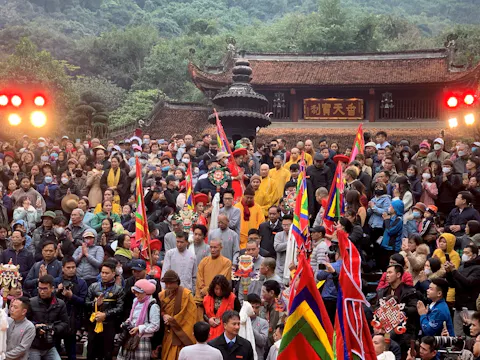
Huong Pagoda Festival Vietnam: Dates, Traditions & Travel Guide
The Huong Pagoda Festival is one of Vietnam’s most important Buddhist pilgrimages, attracting visitors to the scenic Huong Son mountains southwest of Hanoi each spring. Also known as the Perfume Pagoda Festival, it combines Buddhist ceremonies, traditional worship, boat rides along the Yen Stream, mountain temples, and the sacred Huong Tich Cave. This guide covers the festival’s history, traditions, 2026 dates, main attractions, cultural etiquette, transportation, and practical travel tips to help international visitors experience this unique Vietnamese cultural celebration.
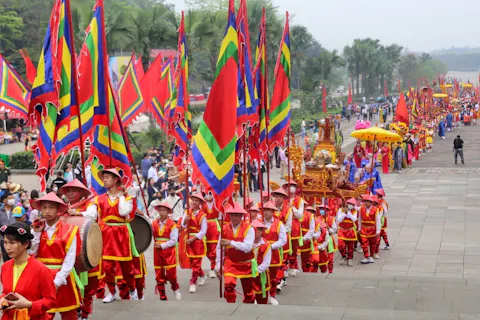
Hung Kings Festival in Vietnam: History, Traditions & Travel Guide
The Hung Kings Festival, or Giỗ Tổ Hùng Vương, is one of Vietnam’s most important cultural celebrations, honoring the legendary Hung Kings and the country’s ancestral heritage. Held annually on the 10th day of the third lunar month, the main ceremonies take place at Hung Kings Temple in Phu Tho. Discover the festival’s history, traditional rituals, bánh chưng and bánh giầy offerings, Hát Xoan performances, and practical travel tips for visiting this sacred cultural site from Hanoi and beyond.
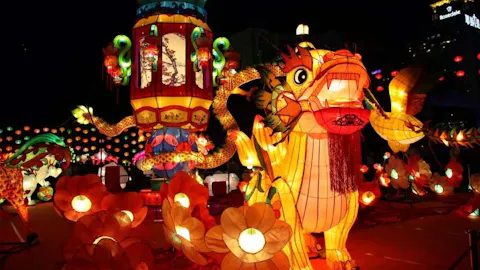
Mid-Autumn Festival in Vietnam: Tet Trung Thu Traditions & Travel Guide
The Mid-Autumn Festival in Vietnam, known as Tet Trung Thu, is a colorful celebration of family, children, lanterns, mooncakes, and lion dances. Held on the 15th day of the eighth lunar month, the festival brings streets and neighborhoods to life with traditional performances and festive activities. Discover the history and customs of Trung Thu, learn about Vietnamese mooncakes and lanterns, and find the best places to experience the festival in Hanoi, Hoi An, and Ho Chi Minh City as a traveler.
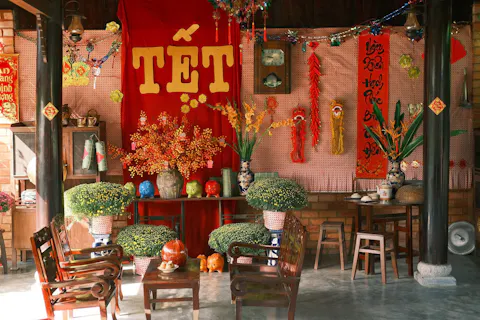
Tet in Vietnam: Vietnamese Lunar New Year Traditions, Food & Travel Guide
Tet, or Tết Nguyên Đán, is Vietnam’s most important annual celebration and marks the beginning of the Vietnamese Lunar New Year. From colorful flower markets and family reunions to ancestral rituals, lucky money, traditional foods, and lively temple visits, Tet offers travelers a unique look at Vietnamese culture. This guide explains when Tet takes place, its most important traditions and foods, what happens across Vietnam, and what travelers should know about transportation, business closures, etiquette, and visiting Vietnam during the holiday.