
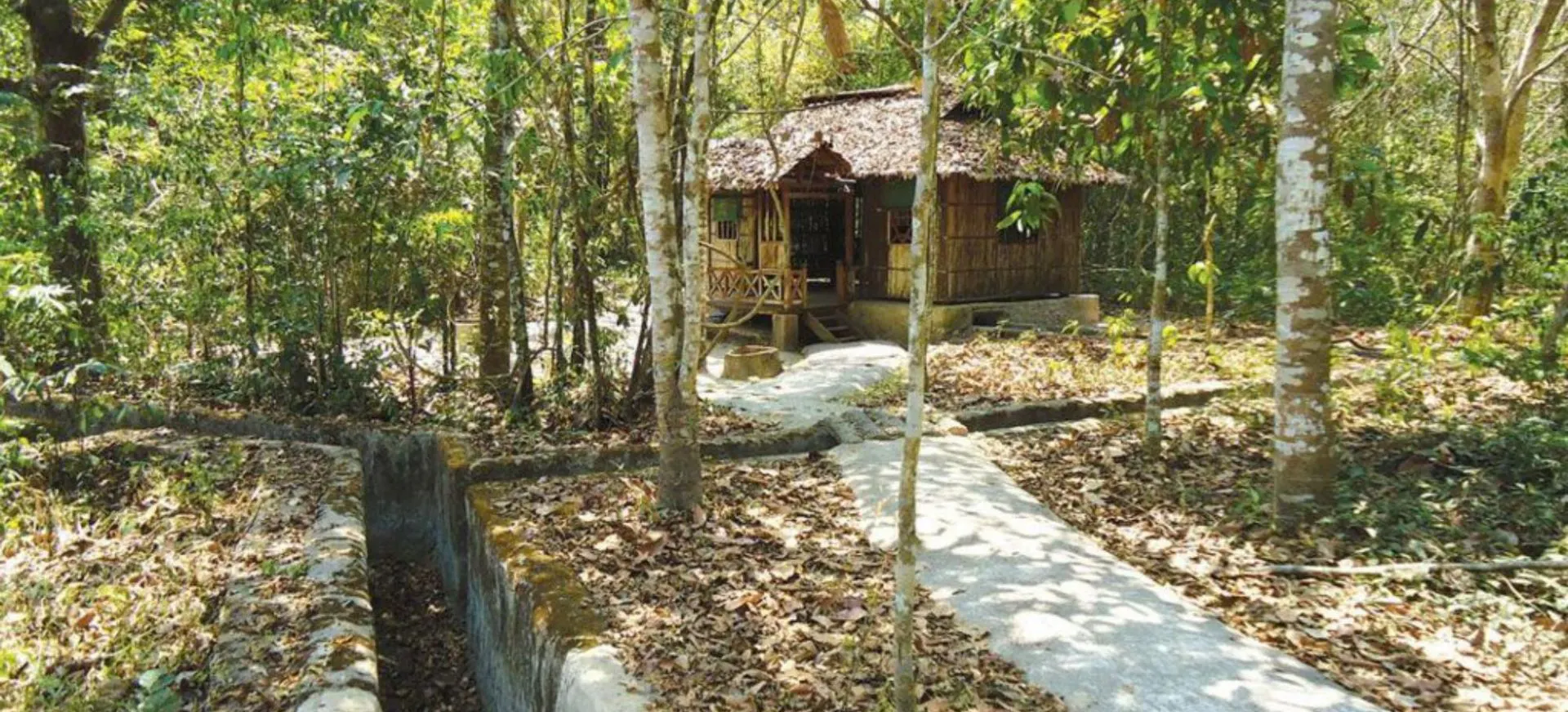
Cu Chi Tunnels
The Cu Chi Tunnels are an extensive underground network near Ho Chi Minh City that played an important role during the Vietnam War. Built and expanded over decades, the tunnels included living areas, storage spaces, meeting rooms, medical facilities, and concealed entrances. Today, the Cu Chi Tunnels are one of Vietnam's most visited historical attractions, offering travelers a glimpse into the difficult conditions faced by people who lived and operated underground. Discover the tunnels' history, layout, major attractions, and what to expect when visiting.
About Cu Chi Tunnels
The Cu Chi Tunnels are one of the most remarkable historical attractions near Ho Chi Minh City, offering visitors a glimpse into the underground networks used during the Vietnam War. Located in Cu Chi District, the tunnel system was developed and expanded over several decades and became an important base for Viet Cong forces and local communities.
Today, the Cu Chi Tunnels are preserved as a historical site where travelers can explore reconstructed sections of the underground network, learn about wartime life, and understand how the tunnels were integrated into the surrounding countryside.
What Are the Cu Chi Tunnels?
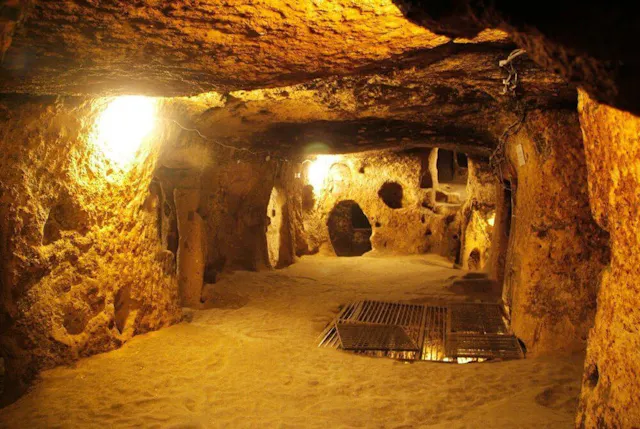
The Cu Chi Tunnels are an extensive network of underground passages, chambers, storage areas, kitchens, meeting spaces, and other facilities.
The tunnels were constructed by hand and gradually expanded as the conflict developed.
Different sections were connected at multiple levels, allowing people to move through the underground system while remaining hidden from forces operating above ground.
The tunnels became an important part of the military and civilian infrastructure in the Cu Chi area.
History of the Cu Chi Tunnels
The tunnel system began developing during the period of conflict between Vietnamese revolutionary forces and French colonial authorities and was later expanded significantly during the Vietnam War.
By the 1960s, the network had become highly developed and was used for communication, transportation, shelter, storage, and military operations.
The tunnels allowed people to remain underground for extended periods while continuing to organize activities and support the surrounding communities.
How the Tunnel Network Worked
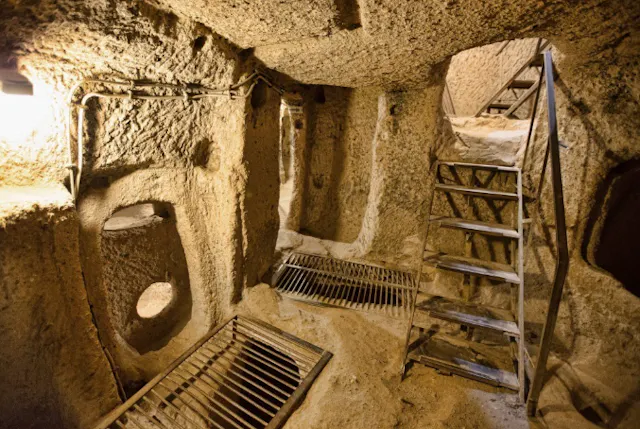
The Cu Chi system consisted of multiple levels and interconnected passages.
Some areas were designed for movement and communication, while others served specific functions such as kitchens, storage rooms, meeting spaces, and medical facilities.
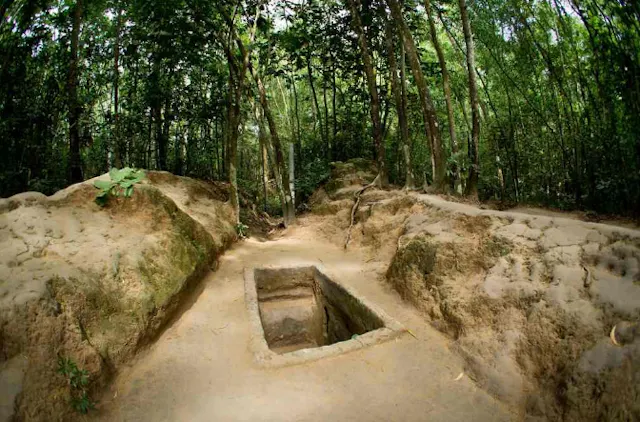
The entrances were often concealed within the surrounding vegetation, making them difficult to identify from above.
Ventilation shafts were also incorporated into the network to allow air to circulate through underground spaces.
Underground Living Conditions
Life inside the tunnels was extremely difficult.
People had to cope with limited space, darkness, heat, humidity, insects, disease, and shortages of food and clean water.
Families and military personnel could spend long periods underground, particularly during periods of intense fighting.
The tunnel system therefore represents not only a military strategy but also the extraordinary challenges faced by people living in a war zone.
Hidden Entrances
One of the most recognizable features of the Cu Chi Tunnels is the network of concealed entrances.
Some entrances were designed to blend into the surrounding forest floor and vegetation.
During guided visits, travelers can see demonstrations of how these entrances were concealed.
Visitors should remember that the original tunnel system was much narrower than the larger passages prepared for modern tourism.
Booby Traps and Defensive Systems
The historical site also contains demonstrations of defensive devices and traps that were used during the conflict.
These exhibits help explain how the tunnel network was protected from people attempting to enter or destroy it.
Many of the displays have been reconstructed for educational and tourism purposes, providing context about the military conditions of the period.
Ben Duoc and Ben Dinh Sites
The Cu Chi area includes two major visitor sites: Ben Dinh and Ben Duoc.
Ben Dinh is commonly visited as part of organized tours from Ho Chi Minh City and features reconstructed tunnel sections and demonstrations.
Ben Duoc is associated with another part of the original tunnel system and includes additional historical and memorial sites.
Both locations provide opportunities to learn about the tunnels, although the visitor experience can differ.
Exploring the Tunnels
Visitors can enter selected sections of the tunnels during a guided tour.
The modern tourist sections have generally been enlarged compared with the original passages to make them more accessible.
Even so, the tunnels can feel narrow, dark, and physically demanding.
Travelers who are uncomfortable in enclosed spaces may prefer to explore the above-ground exhibits instead.
Cu Chi Tunnels and the Surrounding Countryside
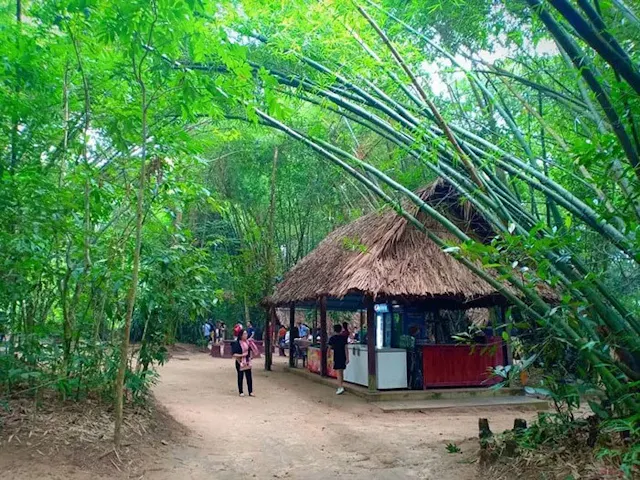
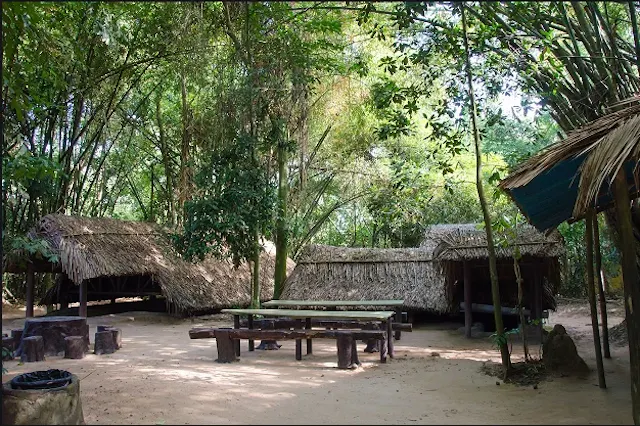
The tunnels are surrounded by a landscape of forests, farmland, waterways, and rural communities.
This setting helps visitors understand why the underground network could remain concealed for so long.
The area today is much more peaceful than during the war, and travelers can see how the former battlefield has become part of the everyday landscape around Ho Chi Minh City.
Best Time to Visit
The Cu Chi Tunnels can be visited throughout the year.
The dry season from December to April is generally convenient for outdoor sightseeing, although temperatures can be hot.
Morning visits are often more comfortable because temperatures are lower.
During the rainy season, trails can become muddy, but the surrounding vegetation is particularly green.
How to Get to the Cu Chi Tunnels
The Cu Chi Tunnels are located roughly 50 to 70 kilometers from central Ho Chi Minh City, depending on which visitor site you choose.
Travelers can reach the tunnels by organized tour, private car, taxi, or motorcycle.
Some tours combine the tunnels with other attractions around Ho Chi Minh City or offer river transportation for part of the journey.
The journey can take several hours depending on traffic.
Why Visit the Cu Chi Tunnels?
The Cu Chi Tunnels provide an opportunity to explore an important chapter of Vietnam's modern history and understand how an extensive underground network was constructed and used during wartime.
Walking through the preserved tunnels, seeing concealed entrances, and exploring historical exhibits offers a very different experience from visiting conventional museums.
For travelers interested in history, military heritage, and the Vietnam War, the Cu Chi Tunnels are one of the most significant historical attractions to visit near Ho Chi Minh City.
Cu Chi Tunnels Photo Gallery
Browse compelling images of the Cu Chi Tunnels and explore Vietnam’s famous underground wartime network. From hidden tunnel entrances and military exhibits to preserved historical sites, discover the stories and engineering behind one of the country’s most iconic landmarks.
How to Get to and Around Cu Chi Tunnels
Bus and coach
Public buses operate between Ho Chi Minh City and Cu Chi District, offering an affordable way to reach the tunnels. Many travelers also choose organized coach tours, which typically include round-trip transportation, entrance tickets, and guided commentary.
Train
There is currently no direct train service to the Cu Chi Tunnels. Travelers arriving by train at Ho Chi Minh City Railway Station can continue their journey by taxi, tour bus, private transfer, or rental vehicle to reach the site.
Driving
Driving is one of the most convenient ways to visit the Cu Chi Tunnels. The journey from central Ho Chi Minh City usually takes between 1.5 and 2 hours depending on traffic conditions. Private cars, rental vehicles, and motorbikes are popular options.
Flying
The nearest airport is Tan Son Nhat International Airport in Ho Chi Minh City. After arriving, visitors can travel to the Cu Chi Tunnels by taxi, private transfer, tour vehicle, or bus.
Frequently Asked Questions About Cu Chi Tunnels
What are the Cu Chi Tunnels?
The Cu Chi Tunnels are a vast underground network located in Cu Chi District near Ho Chi Minh City. Originally developed during periods of conflict and expanded during the Vietnam War, the tunnels served as living quarters, supply routes, hospitals, communication centers, and defensive structures.
Can visitors go inside the tunnels?
Yes. Selected sections of the tunnel system have been enlarged and made accessible for visitors. Guests can crawl through certain tunnel passages to experience the conditions faced by those who used them during wartime.
How much does it cost to visit the Cu Chi Tunnels?
Entrance fees vary depending on the site and visitor category, but international visitors typically pay around 125,000 VND. Additional activities, such as the shooting range and guided tours, may require separate fees.
How long should I spend at the Cu Chi Tunnels?
Most visitors spend between 2 and 4 hours exploring the tunnels, exhibitions, historical displays, and surrounding grounds. Half-day and full-day tours from Ho Chi Minh City are also popular options.
Are the Cu Chi Tunnels worth visiting?
Absolutely. The Cu Chi Tunnels offer a unique and educational look into Vietnam’s history, showcasing remarkable engineering, survival strategies, and the resilience of the Vietnamese people. They are considered one of the most important historical attractions near Ho Chi Minh City.
Advertising box