
Phong Nha - Ke Bang National Park
Phong Nha – Ke Bang National Park is one of the world's greatest cave destinations and a UNESCO World Heritage Site celebrated for its extraordinary geology and biodiversity. Home to spectacular underground rivers, ancient limestone mountains, and world-famous caves such as Son Doong and Paradise Cave, the park offers unforgettable adventures for nature lovers and explorers. Located in Quang Binh Province, it is a must-visit destination for anyone seeking Vietnam's most breathtaking natural wonders and outdoor experiences.
About Phong Nha - Ke Bang National Park
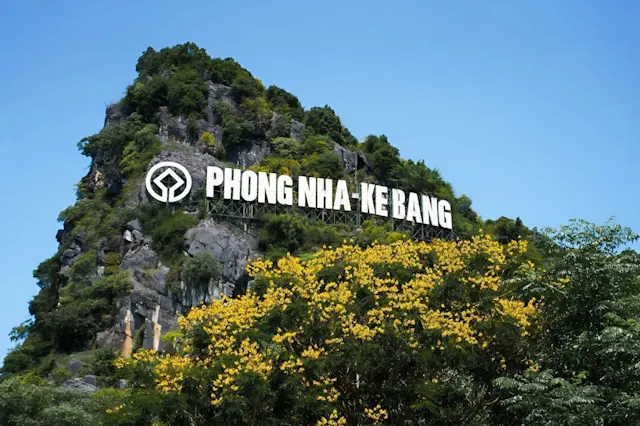
Phong Nha - Ke Bang National Park is one of Vietnam's most spectacular natural destinations, famous for its enormous cave systems, limestone mountains, underground rivers, tropical forests, and extraordinary geological landscapes. Located in Quang Binh Province in Central Vietnam, the national park is a major destination for travelers interested in nature, adventure, hiking, and cave exploration.
The park is part of a larger karst landscape that extends across the Vietnam-Laos border. Its combination of ancient limestone formations, dense forests, and extensive underground cave systems makes Phong Nha - Ke Bang one of the most remarkable natural areas in Southeast Asia.
UNESCO World Heritage Site
Phong Nha - Ke Bang National Park is recognized as a UNESCO World Heritage Site because of its exceptional geological and geomorphological value.
The landscape has developed over hundreds of millions of years, creating a complex network of limestone formations, cliffs, underground rivers, and caves. The park's geology provides important evidence of the long-term evolution of the Earth's surface.
The UNESCO-listed area has also been expanded over time to better represent the region's outstanding natural values.
Phong Nha Cave
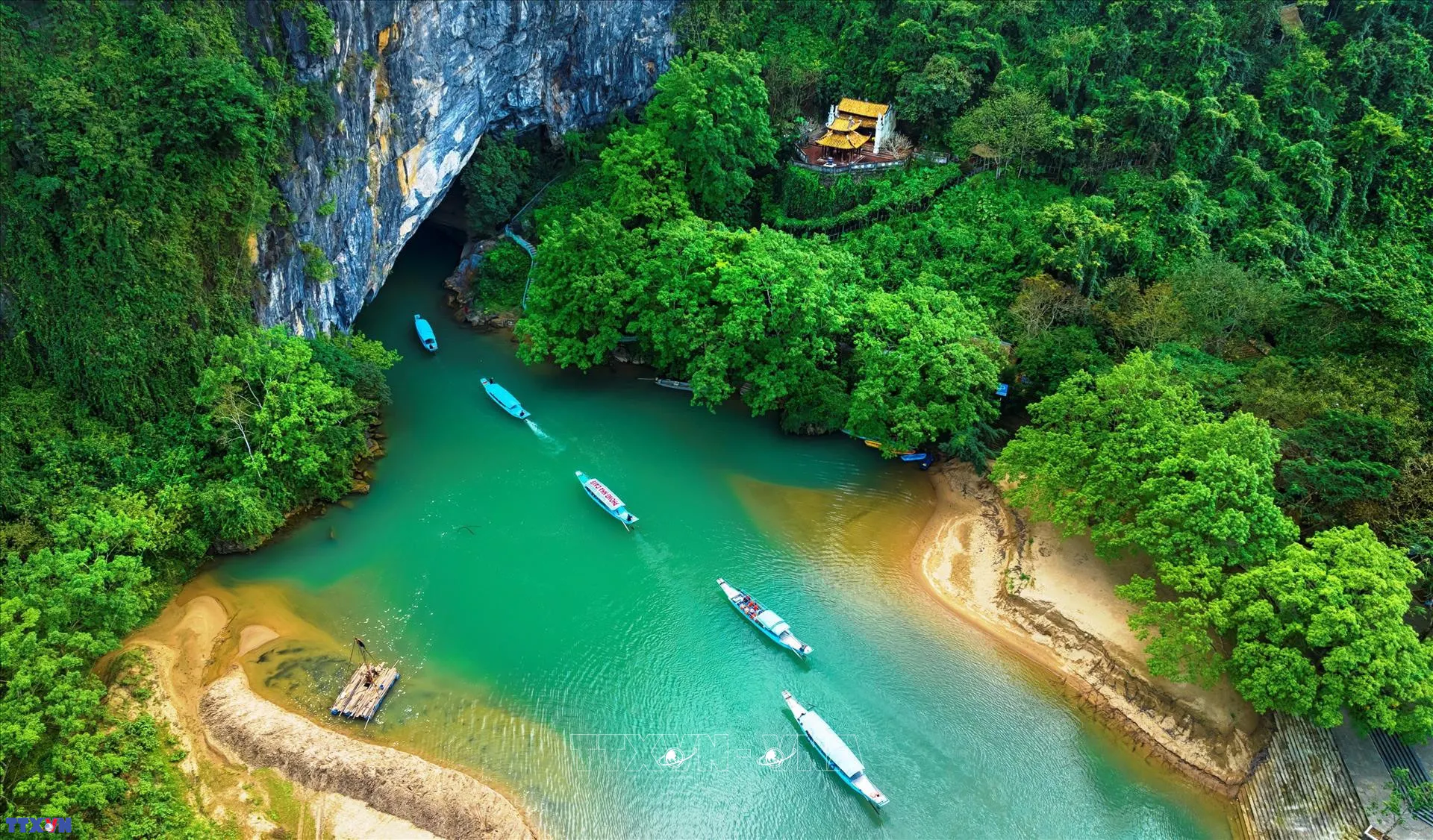
Phong Nha Cave is one of the park's most accessible and famous attractions.
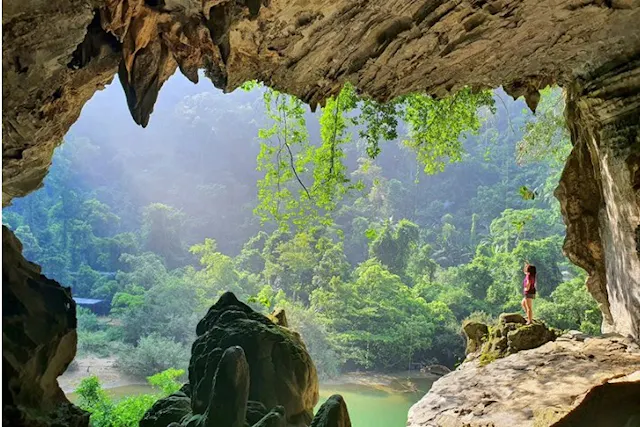
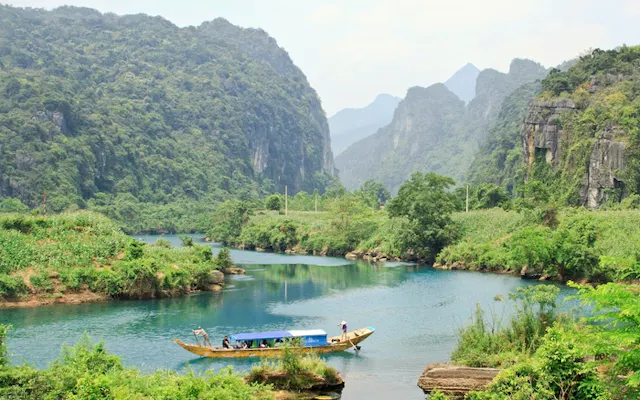
Visitors typically reach the cave by boat along the Son River before entering the underground passage. Inside, large chambers, stalactites, stalagmites, and unusual rock formations create an impressive subterranean landscape.
The combination of a river journey and cave exploration makes Phong Nha Cave a popular introduction to the national park.
Son Doong Cave
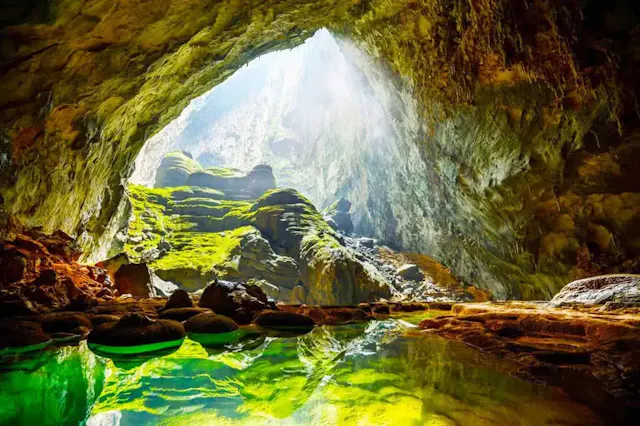
Son Doong Cave is the world's largest known cave passage by volume and one of Vietnam's most extraordinary natural attractions.
Located deep within the national park, Son Doong contains enormous chambers, underground rivers, forests, and its own weather system.
Access is highly controlled, and visiting requires a specialized multi-day expedition with an authorized operator. The challenging trek makes Son Doong more suitable for experienced adventure travelers than casual sightseeing.
Paradise Cave
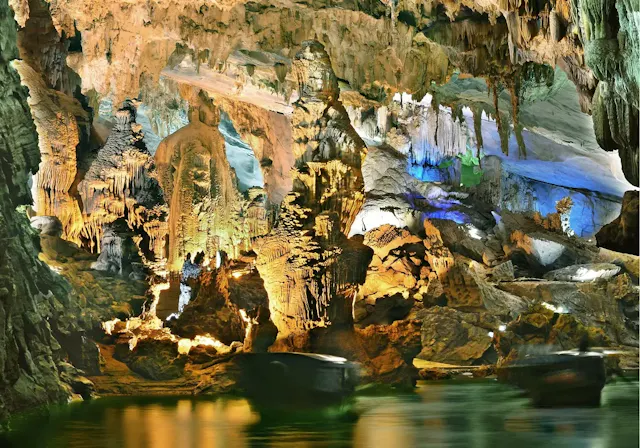
Paradise Cave is another spectacular cave in the Phong Nha area.
The cave extends for many kilometers underground and contains impressive formations of stalactites and stalagmites. A wooden walkway allows visitors to explore part of the cave without undertaking a technical caving expedition.
Its dramatic chambers and intricate rock formations make Paradise Cave one of the most accessible major cave experiences in the region.
Dark Cave
Dark Cave offers a more adventurous experience.
Visitors can combine activities such as ziplining, swimming, kayaking, and exploring the cave with headlamps.
Unlike some of the more developed caves, Dark Cave provides a more active experience and is particularly popular with travelers looking for outdoor adventure.
Tu Lan Cave System
The Tu Lan Cave System lies outside the main park area but is part of the wider cave landscape of Quang Binh.
Multi-day expeditions can involve trekking through forests, crossing streams, swimming through cave passages, and camping in the jungle.
The experience is physically demanding and generally requires joining an organized expedition with professional guides.
Biodiversity and Wildlife
Phong Nha - Ke Bang is not only famous for caves. The park also protects extensive areas of tropical forest and supports diverse plant and animal species.
The landscape provides habitats for numerous mammals, birds, reptiles, amphibians, and insects.
Some species are rare or threatened, making conservation an important part of managing the national park.
Visitors should avoid disturbing wildlife, leaving rubbish, or removing plants and rocks from the park.
Hiking and Outdoor Adventures
The national park offers opportunities for hiking, trekking, cycling, kayaking, and cave exploration.
Shorter excursions are suitable for travelers who want to experience the landscape without a demanding expedition, while longer guided treks provide access to more remote caves and forest areas.
The combination of jungle trails, limestone cliffs, rivers, and caves makes Phong Nha particularly appealing to outdoor enthusiasts.
Phong Nha Village
The small town and surrounding communities near the park provide a convenient base for exploring the region.
Travelers can find accommodation ranging from guesthouses and homestays to hotels and resorts.
Local restaurants serve Vietnamese dishes and regional specialties, while riverside cafés offer a relaxed place to rest after a day of exploration.
Best Time to Visit
The dry season from roughly March to August can be a good period for outdoor activities and cave exploration, although conditions can vary.
During the rainy season, heavy rainfall can raise river levels and affect access to some caves and adventure routes.
Because cave tours and trekking activities are weather-dependent, travelers should check local conditions and tour availability before visiting.
How to Get to Phong Nha
Phong Nha is accessible from several major destinations in Central Vietnam.
The nearest major airport is Dong Hoi Airport, which provides connections to other Vietnamese cities. From Dong Hoi, travelers can continue to Phong Nha by taxi, private transfer, bus, or other local transportation.
Phong Nha can also be incorporated into a longer Central Vietnam itinerary connecting destinations such as Hue, Da Nang, Hoi An, and Ninh Binh.
Why Visit Phong Nha - Ke Bang?
Phong Nha - Ke Bang National Park offers an extraordinary combination of ancient limestone landscapes, enormous caves, underground rivers, tropical forests, and outdoor adventures.
Whether you take a boat into Phong Nha Cave, walk through Paradise Cave, explore Dark Cave, or join a multi-day expedition into remote cave systems, the region offers experiences for different levels of adventure.
For travelers looking beyond Vietnam's cities and beaches, Phong Nha - Ke Bang is one of the country's most impressive natural destinations and an essential stop for anyone interested in caves, geology, wildlife, and adventure travel.
Phong Nha - Ke Bang National Park Photo Gallery
View stunning photographs of Phong Nha - Ke Bang National Park, featuring world-famous caves, limestone mountains, underground rivers, tropical forests, and unforgettable adventure experiences in Vietnam.
How To Get To Phong Nha - Ke Bang National Park
Bus and coach
Long-distance buses are a popular and affordable way to reach Phong Nha from cities such as Hanoi, Hue, Da Nang, and Ninh Binh. Many sleeper buses operate direct routes to Phong Nha town, making it convenient for budget travelers and backpackers.
Train
The nearest major railway station is Dong Hoi Railway Station, located about 45 kilometers from Phong Nha. Trains from Hanoi, Hue, Da Nang, and Ho Chi Minh City connect to Dong Hoi, where travelers can continue by taxi, bus, or private transfer to the national park.
Driving
Driving to Phong Nha offers flexibility and the chance to enjoy scenic routes through central Vietnam. Visitors can rent a car with a driver, join a private transfer, or travel by motorbike from nearby destinations such as Hue or Da Nang.
Flying
The closest airport is Dong Hoi Airport, which has domestic flights connecting with major Vietnamese cities. From the airport, travelers can reach Phong Nha by taxi, private vehicle, or shuttle service in around 40–60 minutes.
Frequently Asked Questions About Phong Nha - Ke Bang National Park
What is Phong Nha - Ke Bang National Park famous for?
Phong Nha - Ke Bang National Park is famous for its impressive cave systems, ancient limestone mountains, underground rivers, and unique biodiversity. It is a UNESCO World Heritage Site and home to some of the world’s most remarkable caves, including Son Doong Cave.
What are the best caves to visit in Phong Nha?
Popular caves include Phong Nha Cave, Paradise Cave, Dark Cave, and Son Doong Cave. Each offers a different experience, from scenic boat journeys and stunning formations to challenging adventure expeditions.
When is the best time to visit Phong Nha - Ke Bang National Park?
The best time to visit is generally from March to August when the weather is warmer and suitable for cave exploration and outdoor activities. The rainy season from September to November may affect some tours due to water levels.
How many days should I spend in Phong Nha?
Most travelers spend 2 to 3 days exploring Phong Nha. This allows enough time to visit famous caves, enjoy adventure activities, explore nature, and experience the local area.
Is Phong Nha - Ke Bang suitable for adventure travelers?
Yes. Phong Nha is one of Vietnam’s top adventure destinations, offering activities such as cave exploration, trekking, kayaking, jungle hiking, ziplining, and multi-day expeditions.
Advertising box
Explore More UNESCO World Heritage Sites
Continue your journey through Vietnam's remarkable UNESCO World Heritage Sites. Discover ancient cities, breathtaking natural wonders, archaeological treasures, and cultural landmarks that showcase the country's rich history, diverse traditions, and extraordinary landscapes. Each destination offers a unique perspective on Vietnam's heritage and is well worth adding to your travel itinerary.
Ha Long Bay
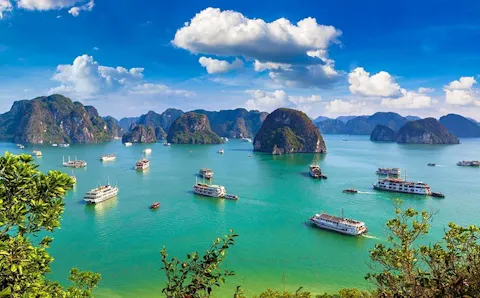
Ha Long Bay is one of Vietnam's most iconic destinations and a UNESCO World Heritage Site celebrated for its thousands of limestone islands rising dramatically from emerald waters. Visitors can enjoy unforgettable cruises, kayaking adventures, hidden caves, floating fishing villages, beautiful beaches, and spectacular sunsets. Beyond its natural beauty, the bay also offers fresh seafood, luxury cruises, and authentic cultural experiences. This Ha Long Bay Travel Guide provides everything you need to plan an unforgettable journey through one of the world's most remarkable seascapes.
Complex of Hue Monuments
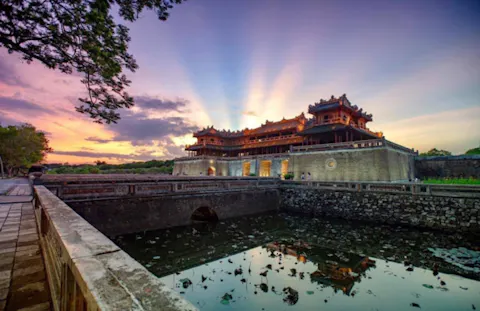
The Complex of Hue Monuments is one of Vietnam's most important historical and cultural treasures. Recognized as a UNESCO World Heritage Site in 1993, it preserves the magnificent legacy of the Nguyen Dynasty through imperial palaces, ancient temples, royal tombs, and the iconic Hue Citadel. Located along the scenic Perfume River, the complex offers visitors a fascinating journey into Vietnam's imperial past, blending remarkable architecture, royal traditions, and centuries of cultural heritage in the heart of central Vietnam.
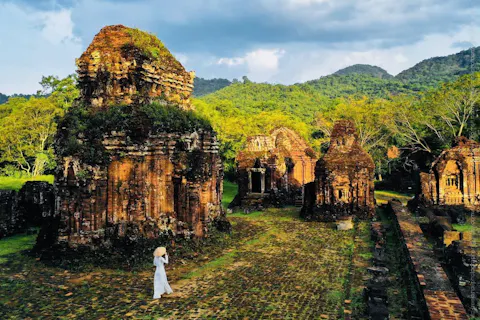
My Son Sanctuary
Nestled in a lush valley surrounded by mountains, My Son Sanctuary is one of Vietnam's most remarkable archaeological sites. Once the spiritual and political center of the Champa Kingdom, the sanctuary features centuries-old Hindu temple towers dedicated to the god Shiva. Recognized as a UNESCO World Heritage Site in 1999, My Son offers visitors an extraordinary opportunity to explore ancient architecture, fascinating history, and the enduring cultural legacy of one of Southeast Asia's greatest civilizations.
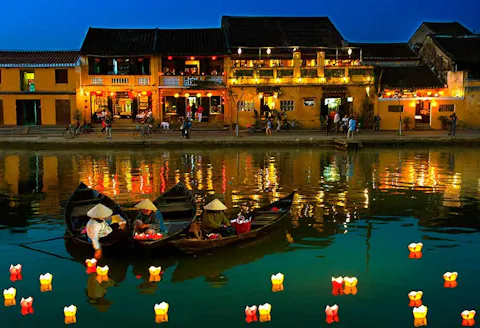
Hoi An Ancient Town
Hoi An Ancient Town is one of Vietnam's most enchanting destinations, where centuries of history blend seamlessly with vibrant local life. Once a thriving international trading port, the town is renowned for its beautifully preserved wooden houses, colorful lanterns, historic temples, riverside cafés, and lively markets. Recognized as a UNESCO World Heritage Site in 1999, Hoi An captivates visitors with its timeless atmosphere, rich multicultural heritage, outstanding cuisine, and unforgettable cultural experiences in central Vietnam.
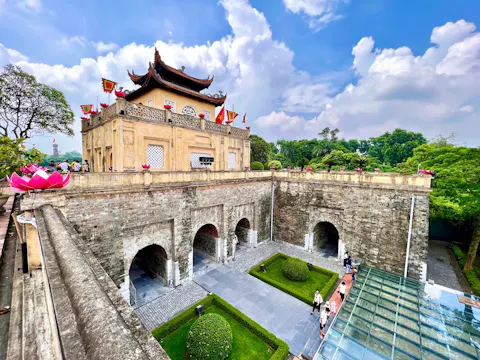
Imperial Citadel of Thang Long
The Imperial Citadel of Thang Long is one of Vietnam's most significant historical landmarks and a UNESCO World Heritage Site located in the heart of Ha Noi. Once the political center of successive Vietnamese dynasties for over thirteen centuries, the citadel preserves ancient palaces, archaeological remains, ceremonial gates, and royal architecture. Visitors can explore centuries of Vietnamese history while discovering remarkable cultural treasures that reflect the country's royal heritage. This guide covers everything you need to know before visiting the Imperial Citadel of Thang Long.
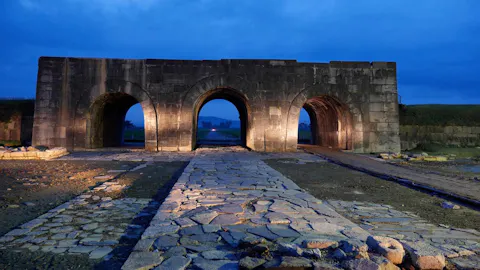
The Citadel of the Hồ Dynasty
The Citadel of the Hồ Dynasty is one of Vietnam's most extraordinary historical landmarks and a UNESCO World Heritage Site recognized in 2011. Built in 1397 using massive limestone blocks, this remarkable fortress reflects exceptional engineering, strategic planning, and the political vision of the short-lived Hồ Dynasty. Located in Thanh Hoa Province, the citadel offers visitors a fascinating glimpse into Vietnam's medieval history while showcasing one of Southeast Asia's finest examples of monumental stone architecture.
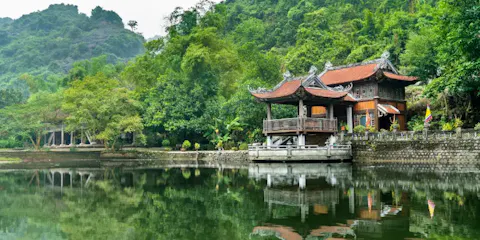
Trang An Scenic Landscape Complex
Trang An Scenic Landscape Complex is one of Vietnam's most spectacular natural and cultural treasures. Recognized as the country's first mixed UNESCO World Heritage Site in 2014, Trang An combines towering limestone mountains, winding rivers, mysterious caves, ancient temples, and archaeological sites dating back thousands of years. Located in Ninh Binh Province, this breathtaking landscape offers unforgettable boat journeys through dramatic scenery while revealing the remarkable harmony between nature, history, and Vietnamese cultural heritage.