
- Destinations
Northern Vietnam
Central Vietnam
- Attractions
Categories
World Heritage
Historical & Cultural
- Things To Do
Categories
Outdoor Adventures
- Food & Drink
Categories
Vietnamese Dishes
- Travel & Planning
Categories
- Inspiration
Categories

Getting around Vietnam is easy with the right transportation plan. From domestic flights and scenic trains to sleeper buses, taxis, ride-hailing apps, ferries, and motorbikes, travelers have many options for exploring the country. This Vietnam transportation guide explains how to choose the best way to travel based on distance, budget, comfort, and time. Discover practical advice for traveling between major cities, navigating local transportation, arranging airport transfers, and planning a smoother journey across Northern, Central, and Southern Vietnam.

Getting around Vietnam is an important part of planning your trip, especially because the country stretches more than 1,600 kilometers from north to south. Travelers can choose from domestic flights, trains, sleeper buses, private cars, taxis, ride-hailing services, motorbikes, ferries, and local public transportation. Each option offers different advantages depending on your destination, budget, travel time, and preferred level of comfort.
Domestic flights are often the most convenient choice for long-distance journeys, such as traveling between Hanoi, Da Nang, and Ho Chi Minh City. Trains provide a slower but more scenic way to experience the country, particularly along the North–South railway. Sleeper buses and limousine vans can be practical for popular tourist routes and shorter regional journeys, while private cars offer greater flexibility for families, groups, and destinations that are less accessible by public transport.
Within Vietnamese cities, taxis and ride-hailing apps such as Grab and Xanh SM make getting around convenient. City buses and metro systems are also becoming increasingly useful in major urban centers. For travelers exploring rural areas, islands, mountain regions, or scenic routes, motorbikes and ferries can provide additional flexibility, although travelers should understand local traffic conditions, licensing requirements, and safety considerations before riding.
Choosing the right transportation can significantly improve your Vietnam itinerary. A domestic flight may save several hours on a long journey, while a train or sleeper bus can reduce accommodation costs by allowing you to travel overnight. For shorter distances, walking, taxis, ride-hailing services, or local buses may be more practical.
This Vietnam Transportation Guide brings together practical information about the country's major transportation options. Learn how to travel between regions, compare different ways of getting around, understand typical travel times, and choose transportation that fits your itinerary. Whether you are planning a first visit, a multi-city adventure, a family vacation, or a longer journey across Vietnam, understanding the transportation network will help you travel more efficiently and make the most of your time in the country.
Learn how to travel around Vietnam with confidence through expert transportation guides. Explore practical advice on domestic flights, trains, buses, ferries, taxis, ride-hailing apps, motorbike rentals, and airport transfers to help you choose the safest, fastest, and most convenient ways to reach every destination across Vietnam.

Planning a trip to Tuyen Quang? This practical transportation guide explains how to get to Tuyen Quang from Hanoi and other destinations by bus, limousine van, car, or motorbike. Discover typical travel times, the main roads and departure points, what to expect on mountain routes, and tips for getting around after you arrive. Whether you are visiting Tân Trào, Na Hang, Mỹ Lâm, or exploring northern Vietnam by road, learn how to choose the best transport option for your itinerary, budget, and travel style.

Planning a trip to Nghe An? This transportation guide explains how to reach the province by flight, train, bus, or car. Learn about Vinh International Airport, Vinh Railway Station, major routes from Hanoi and Ho Chi Minh City, typical travel times, transportation options, and practical booking tips. Whether you want the fastest journey, the most affordable option, or a scenic road or rail experience, discover the best way to get to Nghe An and start exploring its beaches, mountains, cultural sites, and historic destinations.

Wondering how to get to Da Nang? This guide covers the best ways to reach Da Nang, Vietnam, by plane, train, bus, or private car. Learn about flights to Da Nang International Airport, scenic train journeys through Hai Van Pass, affordable buses from nearby cities, and convenient private transfers. We also compare typical travel times, routes, comfort, and convenience from Hanoi, Ho Chi Minh City, Hue, Hoi An, and other popular destinations to help you choose the best way to reach Da Nang.
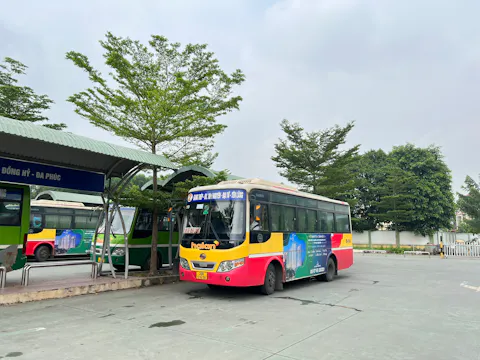
Master your travel logistics from Hanoi and Noi Bai International Airport to Vietnam's famed green tea capital with this ultimate transportation guide. Discover seamless transit options across the Hanoi–Thai Nguyen corridor, including high-frequency public coaches from My Dinh Bus Station, luxurious door-to-door limousine vans, scenic state railway trains, private car rentals with drivers, and adventurous motorbike routes. Learn exact travel times, ticketing protocols, terminal navigation, and essential local city transport strategies for an effortless journey.
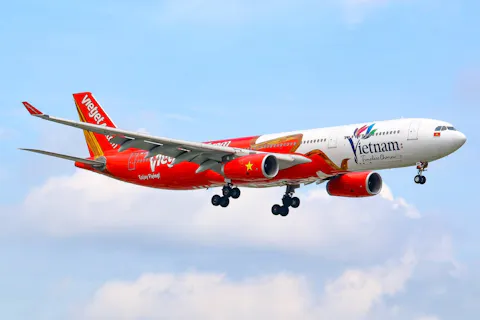
Choosing the right airline can make a significant difference when traveling around Vietnam. From full-service carriers and budget airlines to regional flight options, Vietnam offers several airlines that cater to different budgets, travel styles, and itineraries. This guide compares the country's leading airlines, including their routes, service quality, baggage policies, pricing, and overall travel experience, helping you select the best airline for your Vietnam adventure and travel needs.
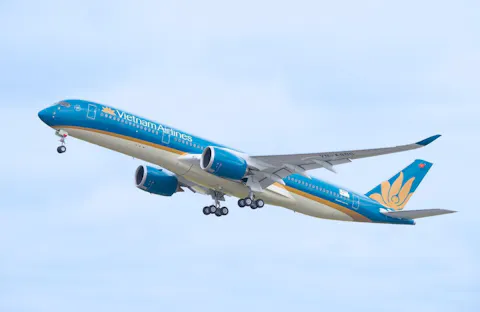
Domestic flights are the fastest and most convenient way to travel across Vietnam, connecting major cities, coastal destinations, mountain regions, and tropical islands in just a few hours. Whether you're flying between Hanoi, Da Nang, Ho Chi Minh City, Phu Quoc, Hue, or Nha Trang, understanding Vietnam's airline network helps you save time and plan a more efficient itinerary. This guide covers airlines, popular routes, airport information, booking advice, baggage tips, and practical travel recommendations.
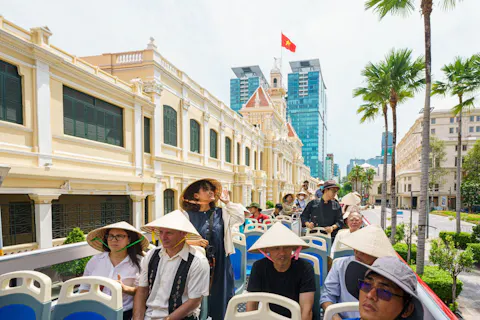
A well-prepared transportation plan can make your Vietnam journey smoother, safer, and more enjoyable. Before traveling, it's helpful to understand how to book flights, trains, buses, ferries, taxis, and other transportation services while preparing essential travel documents, payment methods, luggage, and local navigation tools. This practical checklist helps first-time visitors organize every aspect of transportation in Vietnam so they can travel confidently, avoid common mistakes, and enjoy a hassle-free adventure across the country.
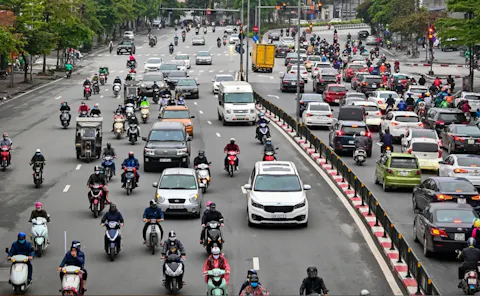
Vietnam is a safe and welcoming destination, but understanding local transportation practices can make your journey even smoother. Whether you're taking domestic flights, riding trains, using sleeper buses, booking taxis, catching ferries, or renting a motorbike, a few simple precautions can help you travel with confidence. This guide shares practical transportation safety advice, common travel tips, and useful recommendations so first-time visitors can explore Vietnam comfortably, responsibly, and safely throughout their trip.
The best way depends on your route, budget, and available time. Domestic flights are convenient for long distances, trains are ideal for scenic journeys, sleeper buses can be economical, while taxis and ride-hailing apps are useful for getting around cities. A combination of different transportation options usually works best for a multi-city trip.
Yes. Vietnam has an extensive transportation network connecting major cities and tourist destinations. Travelers can use domestic flights, trains, buses, private transfers, taxis, ride-hailing services, and ferries. Planning travel times carefully is important because Vietnam is geographically long and some journeys can take many hours.
For long-distance journeys, domestic flights are generally the fastest option. They are particularly useful when traveling between Northern, Central, and Southern Vietnam. Trains and sleeper buses take longer but can be more convenient when traveling to destinations along established overland routes.
Yes. Vietnam's railway network is useful for travelers who want a slower, scenic journey. Trains connect destinations along the North–South railway and can be especially appealing for overnight travel. Different seating and sleeping options are available depending on the route and train.
Sleeper buses are widely used by both local and international travelers. Safety and comfort vary between operators, so travelers should research the company, route, vehicle type, departure location, and recent reviews before booking. For longer journeys, reputable operators and well-reviewed services are generally preferable.
Yes. Grab is widely used in major Vietnamese cities and tourist destinations. Travelers can use the app to request cars and motorbike taxis, check fares before confirming a trip, and follow the route using GPS. Availability can vary by city and service type.
Traditional taxis can be relatively affordable compared with many international destinations, although fares vary by distance and location. Using reputable taxi companies or ride-hailing applications can make pricing more transparent and reduce the risk of misunderstandings.
Motorbike rental is available in many tourist destinations, but travelers should understand Vietnamese licensing requirements, local traffic laws, insurance conditions, and road safety risks before riding. A rental should not be treated as a substitute for having the appropriate legal authorization to operate a motorcycle.
Yes. Major cities offer various forms of public transportation, including buses and, in some cities, metro services. Public transportation can be an inexpensive way to travel, while taxis and ride-hailing services may be more convenient when visiting multiple attractions in a short period.
Airport transportation varies by destination. Travelers can use airport buses, public transportation, taxis, ride-hailing services, or pre-arranged private transfers. Ride-hailing availability and airport pickup procedures can differ, so check the instructions in the relevant app before leaving the terminal.
Advertising box