
Vietnam Transport Travel Checklist
A well-prepared transportation plan can make your Vietnam journey smoother, safer, and more enjoyable. Before traveling, it's helpful to understand how to book flights, trains, buses, ferries, taxis, and other transportation services while preparing essential travel documents, payment methods, luggage, and local navigation tools. This practical checklist helps first-time visitors organize every aspect of transportation in Vietnam so they can travel confidently, avoid common mistakes, and enjoy a hassle-free adventure across the country.

On this page
- Digital Infrastructure and App Integration Checklist for Your Vietnam Transport Travel Checklist
- Financial Preparedness and Ticket Booking Timelines in the Vietnam Transport Travel Checklist
- Luggage Optimization and Physical Transit Gear
- Safety Documentation, Insurance, and Emergency Protocols
- Final Pre-Departure Verification and Execution
- Conclusion
Preparing to traverse the dramatically elongated, sixteen-hundred-kilometer expanse of the Indochinese Peninsula is one of the most thrilling undertakings in global travel. From the mist-shrouded karst frontiers of the far north down to the sun-drenched, emerald channels of the southern delta, moving through this dynamic nation offers an extraordinary multi-modal adventure. However, the sheer variety of transit options—ranging from sleek domestic jets and historic coastal railways to sleeper coaches and nimble urban ride-hailing services—demands a rigorous, highly organized approach to pre-departure planning. Executing a comprehensive Vietnam transport travel checklist is the single most effective way to eliminate logistical friction, prevent costly travel disruptions, and ensure complete peace of mind. By systematically auditing your digital setup, ticketing windows, financial reserves, luggage parameters, and safety documentation long before stepping onto your first transit leg, you transform a potentially overwhelming international journey into an empowering, seamless exploration of Non nước Việt Nam. This definitive preparation framework outlines every critical item required to ensure flawless mobility across the nation's transportation network.
Digital Infrastructure and App Integration Checklist for Your Vietnam Transport Travel Checklist
Securing Instant Connectivity with Local eSIM Data
The foundational layer of any modern Vietnam trip preparation checklist is establishing continuous, high-speed mobile internet connectivity the moment your aircraft touches down on the tarmac. In a rapidly modernizing society where transportation management is heavily integrated with digital networks, relying on spotty public Wi-Fi or expensive international roaming packages is a significant logistical misstep. Securing a local eSIM package or reserving a physical SIM card from a top-tier national telecommunications provider before departure guarantees uninterrupted access to essential navigation tools. Having an active local data connection enables real-time GPS tracking across dense urban grids, provides instant access to online translation tools when communicating with non-English-speaking drivers, and allows you to receive crucial SMS schedule updates from domestic airlines and rail operators. Instant connectivity empowers you to independently verify route trajectories, manage unexpected travel delays, and navigate unfamiliar transit terminals with complete authority and ease.
Essential Mobility Apps and Offline Navigation Setup
Beyond mobile data, populating your smartphone with the correct digital travel apps for Vietnam forms an indispensable component of your pre-departure checklist. The most critical application to install and configure prior to arrival is Grab, the dominant ride-hailing service across major metropolises like Hanoi, Ho Chi Minh City, and Da Nang. Linking a valid credit card to your account while still in your home country prevents authentication issues abroad, enabling cash-free transactions, transparent upfront pricing, and verified driver tracking. Additionally, downloading secondary mobility applications like Be or the electric-vehicle platform Xanh SM provides valuable backup options during peak-hour commuter surges. To complement ride-hailing services, download local municipal transit apps like BusMap for urban navigation, along with offline map layers through platforms like Maps.me or Google Maps. Downloading offline region maps ensures that even when passing through remote mountain passes or deep rail tunnels where cellular coverage drops, your real-time GPS location remains fully visible, completely eliminating route uncertainty.

Financial Preparedness and Ticket Booking Timelines in the Vietnam Transport Travel Checklist
Mapping Out Advance Booking Windows for Trains and Flights
Understanding what to prepare for Vietnam transport requires mastering exact ticket procurement timelines, particularly when planning cross-country journeys during peak travel seasons. For long-distance travel, booking transport in advance Vietnam is mandatory if you wish to secure preferred seats and avoid disrupted itineraries. Domestic flights connecting major regional hubs should ideally be reserved three to six weeks prior to departure to secure economical fares and manage checked luggage add-ons on low-cost carriers. Similarly, securing soft sleeper berths on the state-run railway (tàu hỏa), specifically along visually spectacular coastal segments like the Hai Van Pass, requires booking through official state portals at least two to four weeks in advance due to limited cabin inventory. If your travel dates intersect with national holidays, particularly Tết Nguyên Đán (the Lunar New Year), booking windows must expand to two or three months in advance, as domestic transport networks experience massive migration waves that cause popular rail, flight, and sleeper bus routes to sell out completely.
Cash Management and Payment Security Protocols
A comprehensive essential travel checklist Vietnam transit framework must address the economic reality of managing the national currency, the Vietnamese đồng (VND), across both digital and physical payment channels. While digital card payments are universally accepted for online flight bookings, hotel reservations, and app-based ride-hailing, physical cash remains the undisputed lifeblood of local regional transit. Paying for inter-provincial roadside bus stops, purchasing commuter ferry tokens, tipping porters, or hiring private drivers in rural provinces requires maintaining a dedicated reserve of physical currency. Before departing, notify your home banking institutions of your travel dates to prevent automated fraud freezes on your debit and credit cards during international ATM withdrawals. Upon arrival, withdraw cash in larger single transactions at major banking terminals to minimize recurring foreign transaction fees, and immediately organize your wallet to keep smaller banknote denominations—such as 10,000, 20,000, and 50,000 VND notes—easily accessible for swift, stress-free transactions during daily travel transitions.

Luggage Optimization and Physical Transit Gear
The Strategy of Minimalist Packing for Multi-Modal Travel
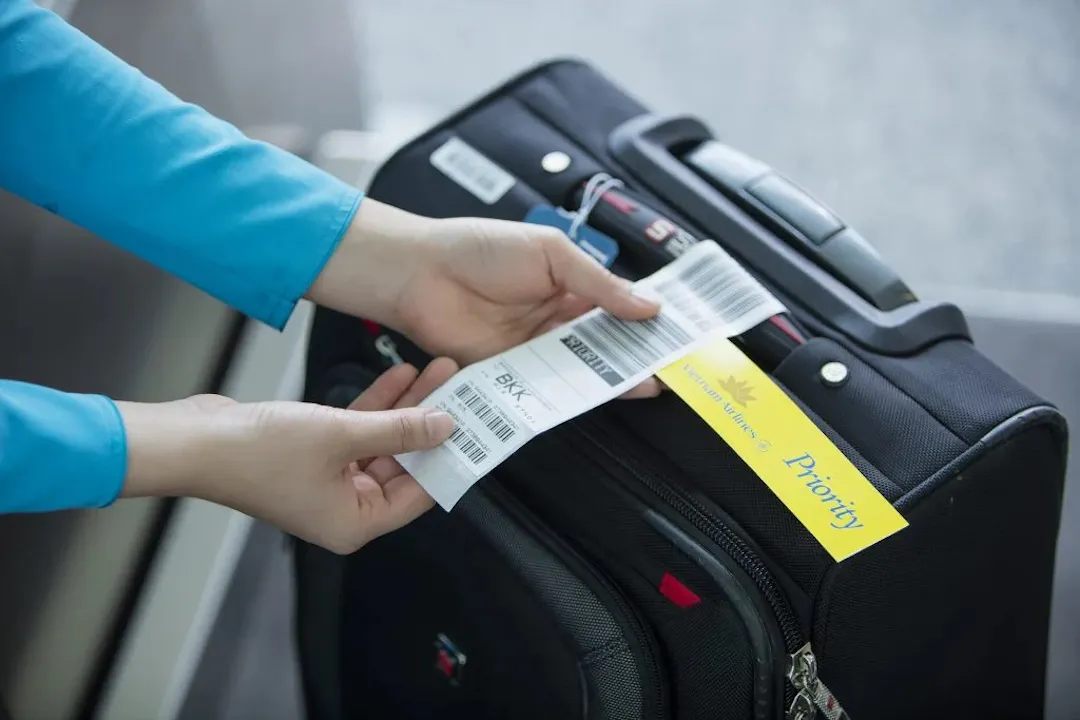
Physical gear optimization represents a critical, often overlooked section of the Vietnam transport travel checklist. Navigating a multi-modal transport network featuring narrow railway carriage corridors, high-stepped sleeper bus aisles (xe giường nằm), and small regional ferry piers demands a disciplined, minimalist packing strategy. Traveling with oversized, rigid suitcases introduces immense physical strain and friction during quick transit transfers. Elite travel strategists advocate for utilizing modular, ergonomic travel backpacks or compact, soft-sided rolling luggage that can be easily maneuvered through crowded station terminals and stowed in overhead racks. Adhering to strict weight parameters—ideally keeping primary luggage under fifteen to twenty kilograms—not only simplifies physical handling on ground transport but also ensures seamless compliance with domestic airline baggage weight limits, shielding you from costly last-minute excess baggage penalties at check-in counters.
Weather-Resilient Gear and Protective Accessories
In addition to luggage selection, equipping yourself with weather-resilient protective accessories guarantees that sudden tropical downpours or regional microclimate shifts never compromise your personal belongings. The primary physical protection item on your transit checklist is a heavy-duty, waterproof rain cover for your main backpack, paired with dry-bag pouches for sensitive electronics, passports, and travel documentation. During the summer monsoon season, sudden afternoon cloudbursts can quickly inundate urban streets or coastal docks, making waterproof protection essential. Furthermore, pack a compact, accessible daypack containing essential travel items—such as warm layers to combat freezing cabin air conditioning on long-distance sleeper buses, a noise-canceling headset, a high-capacity portable power bank to keep mobile devices charged during multi-hour train journeys, and appropriate quick-drying footwear suitable for slick, wet surfaces. Curating your physical gear with multi-modal resilience ensures absolute comfort across every climate zone.
Safety Documentation, Insurance, and Emergency Protocols
Securing Comprehensive International Travel Insurance
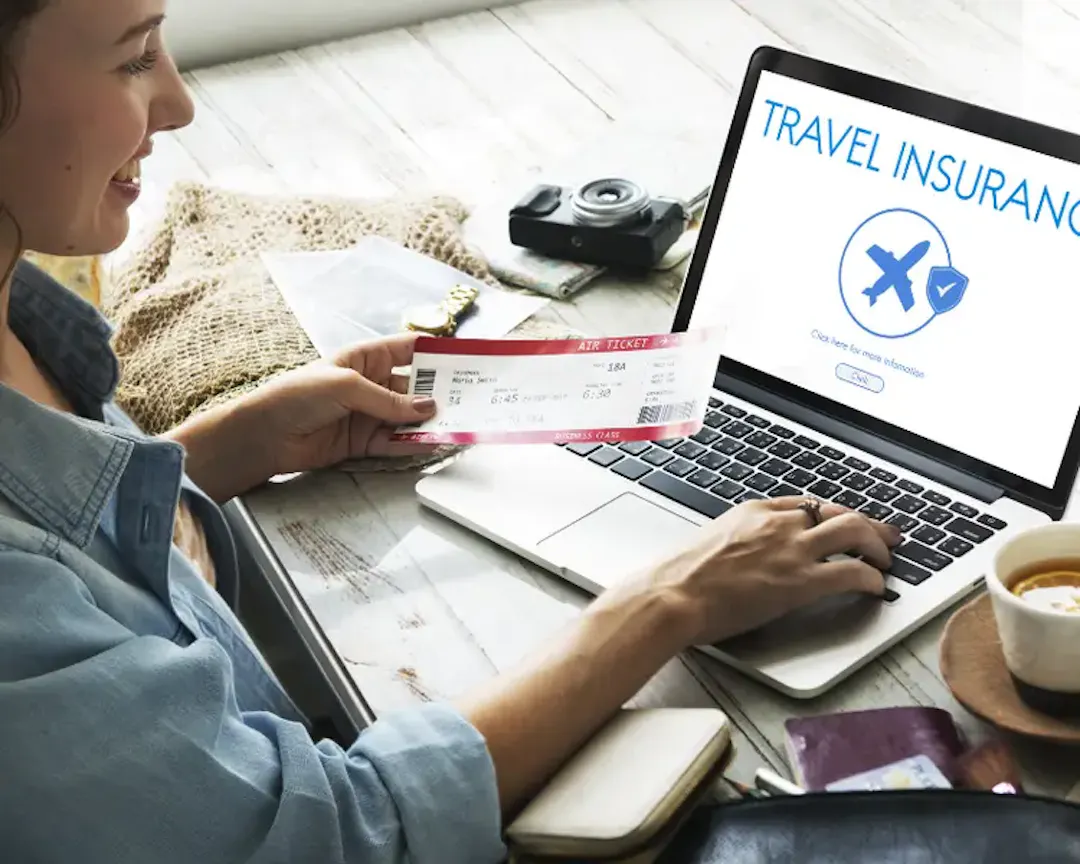
The single most important safety item on your pre-departure checklist is verifying that your international travel insurance policy provides robust, unvarnished coverage tailored to Southeast Asian transit realities. Never assume a standard travel policy covers all transportation activities automatically. You must thoroughly review policy terms to ensure explicit coverage for multi-modal transit disruptions, domestic flight delays, missed connections, lost luggage, and emergency medical treatment. Crucially, if your itinerary includes riding a scooter or motorbike as a passenger or driver, your policy must explicitly cover two-wheeled vehicle transport, which frequently requires possessing a valid International Driving Permit (IDP) alongside a valid motorcycle license from your home country. Securing comprehensive insurance backed by 24/7 emergency medical evacuation coverage establishes a vital safety net, protecting your health and financial security against unexpected transit mishaps.
Digital Document Backup and Emergency Contacts
Completely auditing your document security protocols before departure eliminates acute anxiety in the event of lost physical paperwork or stolen electronic devices. Create a centralized, secure cloud-based digital folder containing high-resolution scans of your passport bio-page, valid Vietnamese visa documentation, international driving permits, travel insurance policies, emergency medical contacts, and all confirmed transport booking vouchers. Ensure this digital folder is available for offline viewing on your primary mobile device, and share access permissions with a trusted family member or emergency contact back home. Additionally, maintain a physical, laminated paper card tucked into a secure compartment of your daypack listing essential local emergency numbers, your home country's embassy and consulate contact details in Hanoi and Ho Chi Minh City, and your hotel addresses written clearly in Vietnamese script. This redundant documentation protocol guarantees instant recovery and seamless communication during any administrative or transit emergency.
Final Pre-Departure Verification and Execution
The Final 48-Hour Readiness Review
Executing the final phase of your Vietnam transport travel checklist occurs during the crucial forty-eight-hour window prior to embarking on your journey. Perform a methodical final audit of all digital assets, ensuring all transport booking applications are fully updated, credit card integration is functional, and offline map layers are fully downloaded onto your primary mobile device. Fully charge all electronic equipment, including primary smartphones, secondary backup devices, and portable power banks. Confirm that physical passports possess at least six months of remaining validity beyond your planned departure date, and print physical backup hard copies of your visa approval letters and domestic transport QR-code tickets. Double-check your daily transit schedule to account for airport transfer times and terminal check-in buffers. Performing this methodical review instills absolute operational confidence, setting the stage for a flawless, stress-free departure.
Conclusion
Ultimately, meticulously completing this Vietnam transport travel checklist is the definitive strategy that transforms an ambitious cross-country itinerary into an effortless, deeply rewarding travel achievement. By systematically securing mobile data connectivity, pre-configuring essential ride-hailing apps, respecting advance ticket booking windows, mastering cash logistics, packing with minimalist discipline, and backing up vital safety documentation, you completely eliminate transit friction. Navigating Vietnam’s dynamic transportation grid becomes a captivating, empowering element of your broader cultural journey. Review your preparation steps, verify your digital tools, and step forward today into an extraordinary, flawlessly planned adventure across Vietnam.
Frequently Asked Questions About the Vietnam Transport Travel Checklist
What should I prepare before traveling around Vietnam?
Before your trip, confirm your transportation bookings, carry your passport and travel documents, download offline maps, prepare some Vietnamese Dong for small expenses, and keep digital copies of important reservations and identification.
Should I book transportation before arriving in Vietnam?
For domestic flights, trains, and long-distance buses, booking in advance is highly recommended, especially during public holidays and peak travel seasons. Local transportation such as taxis and ride-hailing services can usually be arranged when needed.
What apps are useful for transportation in Vietnam?
Navigation apps, ride-hailing services, airline apps, and online train or bus booking platforms can make traveling much easier. Offline maps are also useful when internet access is limited.
How much cash should I carry for transportation?
Although many transportation providers accept digital payments or bank cards, it's a good idea to carry a reasonable amount of Vietnamese Dong for local buses, small ferry services, parking fees, and transportation in rural areas.
What is the most important transportation tip for first-time visitors?
Plan your routes in advance, allow extra travel time between destinations, use reputable transportation providers, and keep your booking confirmations easily accessible. A little preparation helps ensure a smoother and more enjoyable journey throughout Vietnam.
Advertising box
Read More Vietnam Transportation Guides
Explore more expert guides on getting around Vietnam, including flights, trains, buses, ferries, taxis, ride-hailing services, travel costs, transportation safety, route planning, and practical travel tips. Discover everything you need to navigate Vietnam efficiently, comfortably, and confidently from your arrival to your final destination.
Vietnam Transport Safety Guide
Vietnam is a safe and welcoming destination, but understanding local transportation practices can make your journey even smoother. Whether you're taking domestic flights, riding trains, using sleeper buses, booking taxis, catching ferries, or renting a motorbike, a few simple precautions can help you travel with confidence. This guide shares practical transportation safety advice, common travel tips, and useful recommendations so first-time visitors can explore Vietnam comfortably, responsibly, and safely throughout their trip.
Vietnam Transportation for First-Time Visitors
Traveling around Vietnam for the first time is easier than you might think. With affordable domestic flights, scenic train routes, comfortable sleeper buses, reliable taxis, ride-hailing apps, ferries, and growing public transportation networks, visitors have plenty of convenient options. This beginner-friendly guide explains how transportation works in Vietnam, what to expect, how to choose the right travel method, and practical tips to help first-time travelers move confidently between cities, beaches, mountains, and islands.
Vietnam Transport Costs: Budget Guide for Getting Around Vietnam
Understanding transportation costs helps travelers plan a realistic budget for exploring Vietnam. Whether you're taking domestic flights, scenic train journeys, sleeper buses, ferries, taxis, ride-hailing services, or renting a motorbike, travel expenses can vary depending on distance, season, and destination. This guide explains typical transportation costs across Vietnam, compares different travel options, and shares practical tips for saving money while traveling comfortably throughout the country.
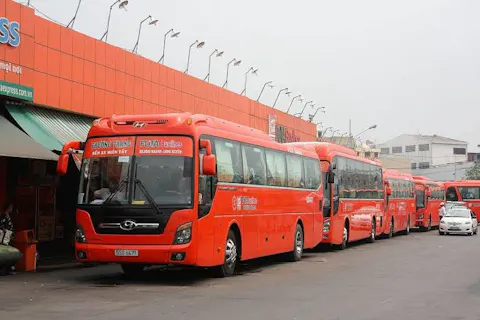
Vietnam Travel Transportation Tips: Smart Ways to Get Around Vietnam
Traveling around Vietnam is simple once you understand the country's transportation options. From choosing the fastest domestic flights and scenic train routes to using ride-hailing apps, sleeper buses, ferries, and motorbike rentals, smart planning can save both time and money. This guide shares practical transportation tips, safety advice, booking recommendations, and local travel insights to help every visitor move confidently between Vietnam's cities, beaches, mountains, islands, and cultural destinations.