
Vietnam Transport Costs: Budget Guide for Getting Around Vietnam
Understanding transportation costs helps travelers plan a realistic budget for exploring Vietnam. Whether you're taking domestic flights, scenic train journeys, sleeper buses, ferries, taxis, ride-hailing services, or renting a motorbike, travel expenses can vary depending on distance, season, and destination. This guide explains typical transportation costs across Vietnam, compares different travel options, and shares practical tips for saving money while traveling comfortably throughout the country.
On this page
- Decoding the Dong – Currency Management and Financial Realities
- Urban Transit Economics – Ride-Hailing Apps and Fair Taxis
- Long-Distance Road Travel – Buses, Limousines, and Private Cars
- Iron Rails and Regional Skies – Trains and Domestic Flights
- Strategic Budgeting and Financial Planning for Travelers
- Conclusion
Navigating the elongated topography of Southeast Asia’s most dynamic coastal nation presents a fascinating, multi-layered financial matrix. Stretching over sixteen hundred kilometers from the mist-veiled northern borders down to the tropical expanses of the southern delta, traversing this country offers an extraordinarily broad spectrum of expenditure options. Evaluating real-world Vietnam transport costs reveals a destination where physical mobility can scale seamlessly from ultra-budget, localized road options to high-end private transfers. However, the deceptive simplicity of baseline pricing often obscures a complex web of seasonal surges, digital platform service charges, luggage surcharges, and cash-versus-card exchange mechanics. For the international traveler, understanding how much to spend requires looking beyond surface-level ticket quotes and analyzing the holistic fiscal framework of every available transit mode. Constructing a precise, highly optimized travel budget demands an authoritative understanding of regional price stratification across domestic aviation networks, national railways, long-distance sleeper buses, urban ride-hailing applications, and private charters. By mastering these economic realities, you can construct a flawless cross-country itinerary that eliminates tourist markups, preserves hard-earned capital, and optimizes every dollar spent across Non nước Việt Nam.
Decoding the Dong – Currency Management and Financial Realities
Navigating Large Numbers and Cash-Based Logistics
Developing a rigorous financial strategy for managing transportation expenses in Vietnam begins with a clear, functional understanding of the local currency, the Vietnamese đồng (VND). Because the exchange rate yields massive numerical figures—where one hundred United States dollars converts to roughly 2.5 million đồng—first-time visitors frequently experience cognitive friction when processing cash transactions. A critical skill in local currency management is rapidly distinguishing between banknotes that share similar color palettes, such as the 20,000 VND and 500,000 VND notes. While digital payments and contactless card terminals have swept through primary urban hubs, cash remains the absolute lifeblood of regional transit logistics. Paying for inter-provincial roadside bus stops, purchasing commuter ferry tokens, tipping local porters, or paying private drivers in rural provinces requires maintaining a healthy supply of physical bills, ideally in smaller denominations like 10,000, 20,000, and 50,000 VND.
Avoiding Exchange Surprises and ATM Fees
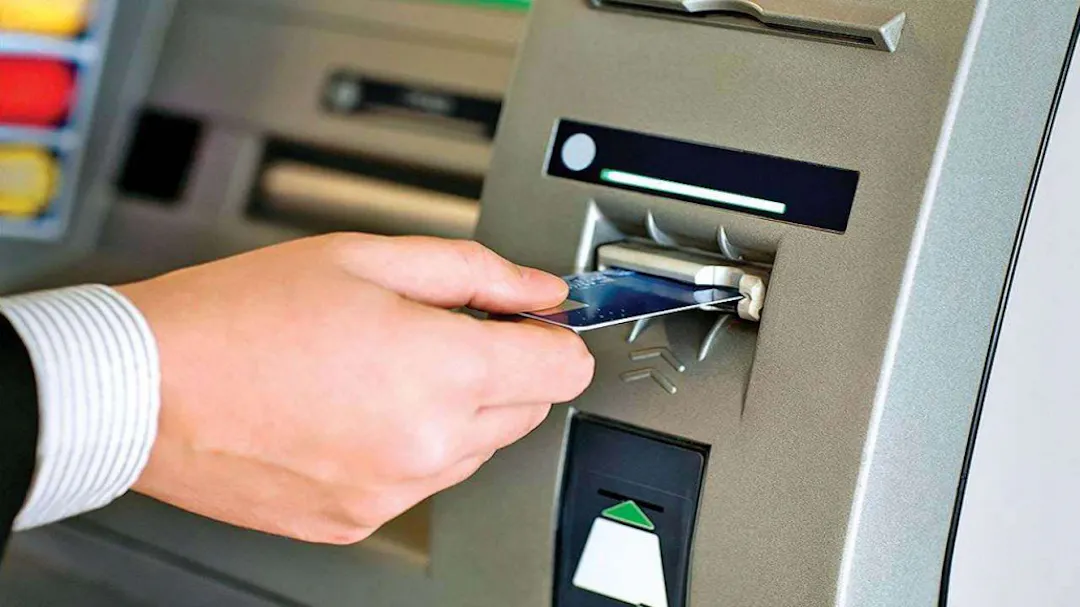
Securing local currency for transit expenses without incurring substantial losses requires strategic financial planning regarding international banking networks. Traditional airport currency exchange desks frequently apply inflated spreads, making authorized municipal banks or licensed gold shops in city centers the preferred locations for physical cash conversion. When utilizing automated teller machines (ATMs) to withdraw local currency, international travelers face a dual-fee structure: a fixed foreign transaction fee levied by their home bank alongside a local terminal usage fee, which typically ranges from 30,000 to 100,000 VND per transaction depending on the local banking operator. To minimize these recurring transactional erosions, travelers should execute larger, less frequent cash withdrawals at international banking terminals like HSBC or Citibank, or utilize local banks like VPBank and TPBank, which traditionally offer higher single-withdrawal limits. Furthermore, when paying for transit tickets or ride-hailing fares via credit card online, always select the option to be charged in the local currency (VND) rather than accepting Dynamic Currency Conversion (DCC), which enforces unfavorable exchange rates.
Urban Transit Economics – Ride-Hailing Apps and Fair Taxis
The Cost Efficiency of Digital Ride-Hailing Platforms
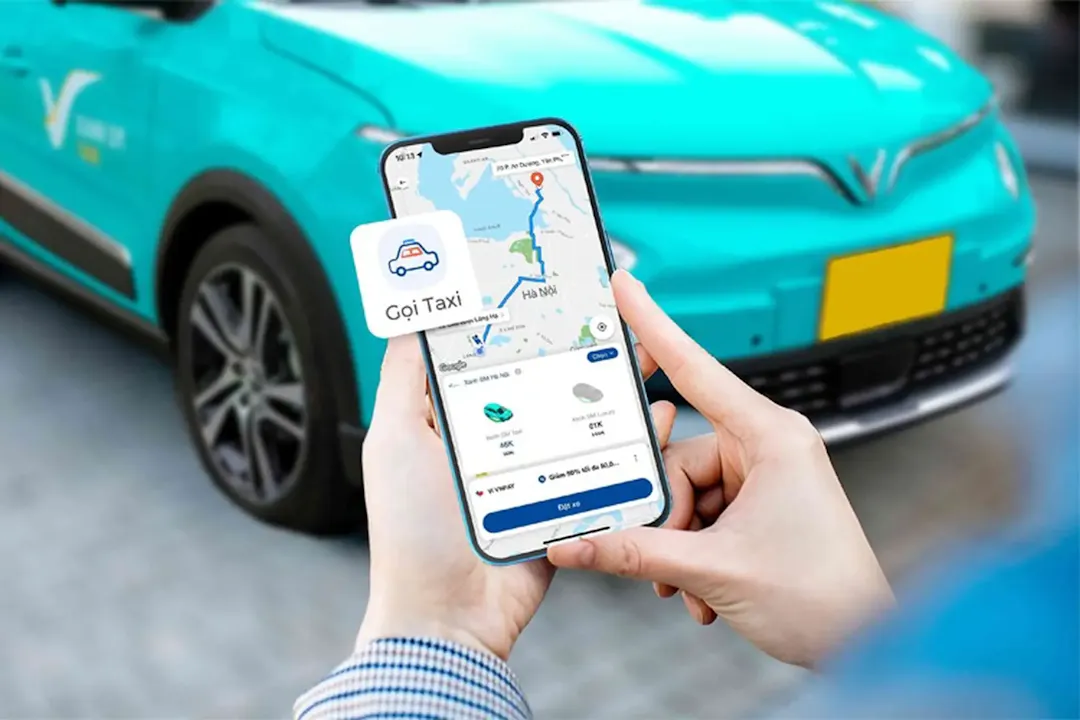
Urban mobility across major metropolitan centers like Hanoi, Ho Chi Minh City, and Da Nang has been completely democratized by app-based ride-hailing services, predominantly Grab, Be, and the electric vehicle provider Green SM. Analyzing budget travel transport Vietnam strategies reveals that digital platforms offer incredible cost transparency, completely eliminating the historic friction of verbal price haggling. Base fares for two-wheeled motorbike rides (GrabBike) start as low as 12,000 to 15,000 VND ($0.50–$0.60 USD) for the initial two kilometers, scaling up by roughly 4,300 to 5,000 VND per subsequent kilometer, making them ideal for solo urban exploration. Four-wheeled sedan rides (GrabCar) initiate base rates around 25,000 to 30,000 VND ($1.00–$1.20 USD), costing roughly 12,000 to 15,000 VND per additional kilometer. However, travelers must account for dynamic surge pricing, which activates automatically during severe tropical downpours or peak morning and evening commuting hours, occasionally inflating baseline fares by 50% to 150%.
Traditional Taxis, Airport Surcharges, and Scam Prevention
While digital ride-hailing dominates daily urban transit, traditional metered taxis remain a reliable fallback, provided travelers select established, highly reputable corporate fleets. In the southern and central provinces, Vinasun Taxi and Mai Linh Taxi represent the benchmark for fair, metered pricing, while G7 Taxi dominates the northern capital. Standard taxi meters initiate base flag-drop charges around 10,000 to 15,000 VND for the first kilometer, stepping down to roughly 15,000 VND per kilometer for short distances and dropping to 11,000 VND per kilometer after thirty kilometers. When taking taxis or ride-hailing cars from major airports like Noi Bai (Hanoi) or Tan Son Nhat (Ho Chi Minh City), travelers must factor in mandatory airport toll fees—typically 10,000 to 15,000 VND—which are legally added to the final meter or app total. To insulate yourself against fare manipulation, never accept unsolicited rides from unbranded drivers soliciting inside arrival halls; always utilize designated taxi queues or official app pickup zones.
Long-Distance Road Travel – Buses, Limousines, and Private Cars
The Budget Economy of Multi-Tier Sleeper Buses
When evaluating long-distance overland transit options, comparing train vs bus prices Vietnam reveals that long-distance sleeper buses (xe giường nằm) offer the absolute lowest baseline cost per kilometer across the country. The long-distance coach industry operates on a tiered pricing structure based on cabin luxury and berth space. A standard open-plan sleeper berth on a popular six-to-seven-hour route, such as Hanoi to Sapa or Ho Chi Minh City to Dalat, typically costs between 200,000 and 380,000 VND ($8.00–$15.00 USD). Upgrading to a VIP private cabin coach—featuring single-occupancy enclosed berths equipped with massage functions and personal entertainment systems—increases the ticket cost to roughly 400,000 to 720,000 VND ($16.00–$29.00 USD) on the same routes. Opting for an overnight sleeper bus yields a dual financial advantage: it covers massive geographical distances while simultaneously eliminating the expense of a hotel room for the night. However, travelers should note that sleeper bus fares during peak national holidays, specifically Tet (Lunar New Year), routinely double or triple due to high domestic demand.
Luxury Limousine Vans and Private Charter Economics
For small groups, families, or travelers prioritizing comfort and schedule flexibility over absolute budget savings, modern VIP limousine vans and private car charters represent a mid-tier financial compromise. Shared 9-seat to 11-seat luxury Ford Transit limousine vans operating on popular tourist corridors—such as Hanoi to Ninh Binh or Da Nang to Hoi An—typically charge between 200,000 and 400,000 VND ($8.00–$16.00 USD) per seat. Hiring an entire private car with a dedicated driver for a full-day regional excursion generally costs between 1,000,000 and 2,000,000 VND ($40.00–$80.00 USD), depending on total mileage and regional terrain. While private charters represent a higher absolute expenditure than public buses, splitting the total vehicle cost among three or four passengers often brings the per-person expense close to luxury bus fares while granting total control over departure schedules, roadside stops, and direct hotel drop-offs.

Iron Rails and Regional Skies – Trains and Domestic Flights
State Railway Pricing: Soft Sleepers Versus Hard Seats
The state-run railway network, operated by Vietnam Railways (tàu hỏa), provides an extensive, highly reliable, and visually spectacular public transit alternative whose pricing reflects carriage comfort and spatial allocation. On the flagship North-South Reunification Express line connecting Hanoi to Ho Chi Minh City, ticket prices vary wildly depending on seat class. Wooden hard seats or cushioned soft seats on short regional hops (e.g., Hue to Da Nang) cost as little as 100,000 to 200,000 VND ($4.00–$8.00 USD). For long-haul overnight journeys, four-berth air-conditioned soft sleeper cabins represent the premier tier, with an end-to-end ticket spanning the entire nation costing between 1,200,000 and 1,800,000 VND ($48.00–$72.00 USD). To avoid third-party agency markups that can artificially inflate railway tickets by 20% to 40%, travelers should purchase official tickets directly through the state railway portal (dsvn.vn) or transparent aggregators like Baolau and 12Go Asia.
Domestic Aviation Budgeting: LCCs and Baggage Realities
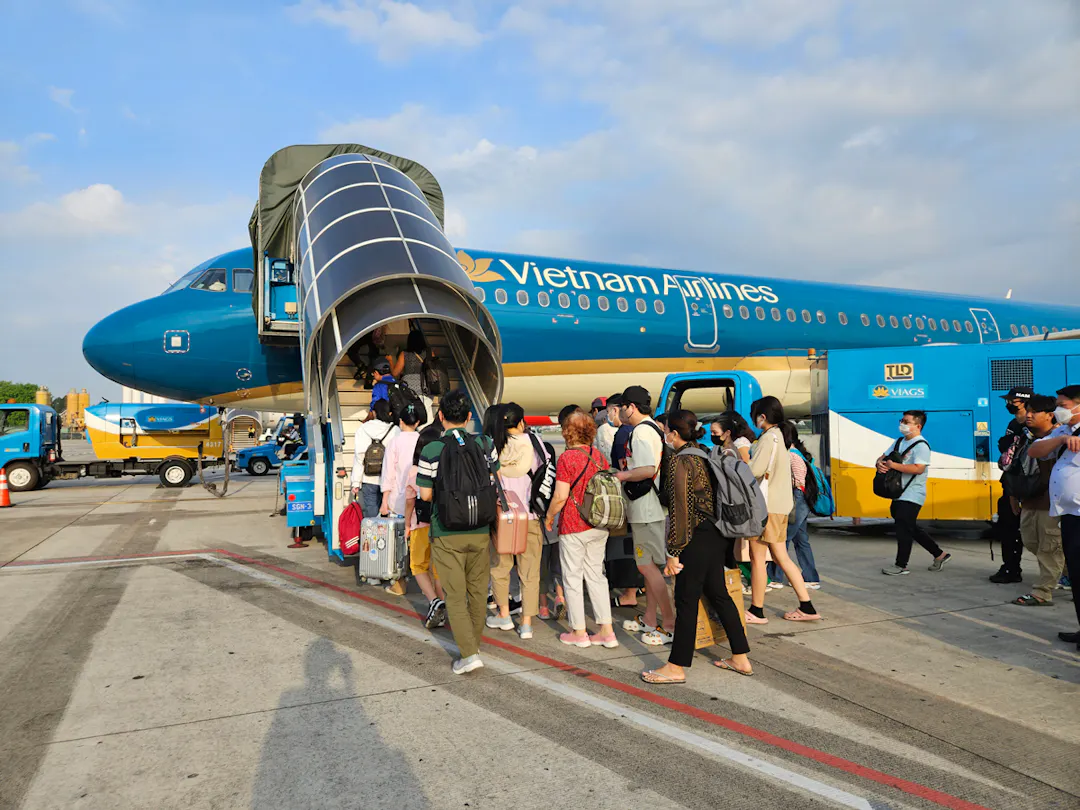
Analyzing domestic flight costs Vietnam reveals an aggressively competitive aviation market where low-cost carriers (LCCs) like Vietjet Air compete directly with full-service operators like Vietnam Airlines and Bamboo Airways. Baseline base fares for high-volume trunk routes—such as Hanoi to Ho Chi Minh City or Da Nang to Saigon—frequently advertise initial quotes between 500,000 and 900,000 VND ($20.00–$36.00 USD). However, international travelers must account for mandatory taxes, airport service fees, and fuel surcharges, which typically add 300,000 to 500,000 VND ($12.00–$20.00 USD) to the final ticket price. Furthermore, low-cost carriers strictly enforce 7-kilogram carry-on limits; purchasing a 20-kilogram checked bag at the time of online booking adds roughly 150,000 to 300,000 VND ($6.00–$12.00 USD), whereas purchasing baggage at the airport check-in counter incurs severe financial penalties. Full-service carriers like Vietnam Airlines often present a superior overall value proposition once checked luggage (23kg), advance seat selection, and scheduling reliability are factored into the final total.
Strategic Budgeting and Financial Planning for Travelers
Crafting a Balanced Transport Budget
Achieving total economic optimization when planning your travel expenses requires constructing a hybrid, multi-modal financial strategy. A realistic, comfortable mid-range daily transportation budget averages roughly $10 to $25 USD per person for urban exploration and short regional hops. For long-distance inter-city travel, allocating funds toward one or two strategic domestic flights for major latitudinal leaps (such as Hanoi to Da Nang), while utilizing overnight sleeper buses or trains for mid-length regional transitions, balances time efficiency against financial expenditure. Reserving private car transfers exclusively for group day trips or remote mountain explorations ensures your financial resources are deployed where they deliver the highest experiential return on investment.
Conclusion
Ultimately, acquiring a comprehensive, authoritative grasp of Vietnam transport costs ensures a transparent, highly efficient, and financially empowering journey across Southeast Asia. By understanding the nuances of local currency management, leveraging digital ride-hailing applications, booking state railway tickets through official channels, and anticipating airline baggage fees, you eliminate unnecessary financial waste. This fiscal clarity allows you to deploy your travel capital intentionally, unlocking extraordinary cultural experiences, breathtaking geographical vistas, and seamless multi-modal transit. Apply these regional economic strategies, calibrate your travel budget with precision, and embark on an extraordinary, perfectly planned adventure today.
Frequently Asked Questions About Vietnam Transport Costs
Is transportation in Vietnam expensive?
No. Vietnam is generally considered an affordable destination for transportation. Local buses, trains, and ride-hailing services are reasonably priced, while domestic flights often offer competitive fares when booked in advance.
Which transportation option is the cheapest?
Local buses are usually the most economical choice for short distances, while sleeper buses are often the cheapest option for long-distance travel between cities. Train tickets also provide good value, especially for overnight journeys.
How can I save money on transportation in Vietnam?
Book flights and train tickets early, travel during off-peak periods, compare prices across booking platforms, use public buses when practical, and choose ride-hailing services with transparent pricing instead of negotiating fares.
Are taxis more expensive than ride-hailing apps?
Ride-hailing services often provide fixed prices before the trip begins, making them a popular and predictable option for tourists. Licensed taxis are also reliable, but fares may vary depending on traffic and the taxi company's pricing structure.
Should I include transportation in my Vietnam travel budget?
Yes. Transportation is an important part of any travel budget, particularly for multi-destination trips. Planning ahead helps you estimate costs more accurately and choose the transportation options that best balance comfort, travel time, and affordability.
Advertising box
Read More Vietnam Transportation Guides
Explore more expert guides on getting around Vietnam, including flights, trains, buses, ferries, taxis, ride-hailing services, travel costs, transportation safety, route planning, and practical travel tips. Discover everything you need to navigate Vietnam efficiently, comfortably, and confidently from your arrival to your final destination.
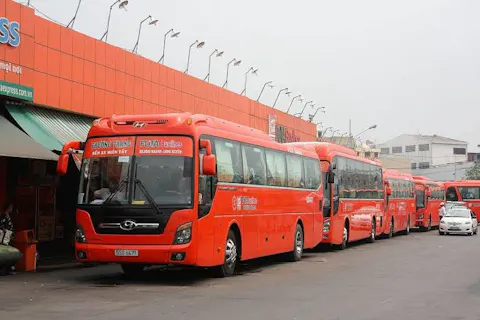
Vietnam Travel Transportation Tips: Smart Ways to Get Around Vietnam
Traveling around Vietnam is simple once you understand the country's transportation options. From choosing the fastest domestic flights and scenic train routes to using ride-hailing apps, sleeper buses, ferries, and motorbike rentals, smart planning can save both time and money. This guide shares practical transportation tips, safety advice, booking recommendations, and local travel insights to help every visitor move confidently between Vietnam's cities, beaches, mountains, islands, and cultural destinations.
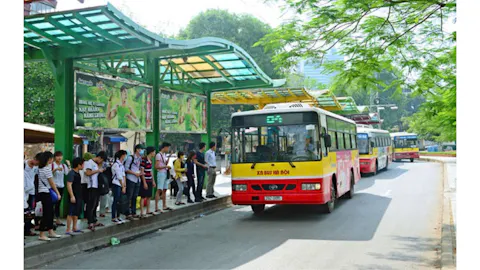
Vietnam Public Transport Guide: Buses, Trains, Metro & Local Travel
Vietnam's public transportation network provides affordable and practical ways to explore the country's cities and regions. From long-distance trains and intercity buses to urban buses, metro systems, ferries, and local transport, visitors have numerous options for traveling efficiently. Whether you're navigating Hanoi, Ho Chi Minh City, or planning cross-country adventures, this guide explains how Vietnam's public transport works, compares different services, and offers practical tips to help tourists travel safely, comfortably, and economically.

Transportation in Vietnam for Tourists
Vietnam offers a wide range of transportation options that make traveling across the country convenient, affordable, and enjoyable. From domestic flights and scenic train journeys to sleeper buses, ferries, taxis, ride-hailing services, and motorbike rentals, visitors can easily reach every major destination. This guide explains how tourists can navigate Vietnam efficiently, compare transportation choices, understand local travel customs, and select the best option for every itinerary, budget, and travel style.
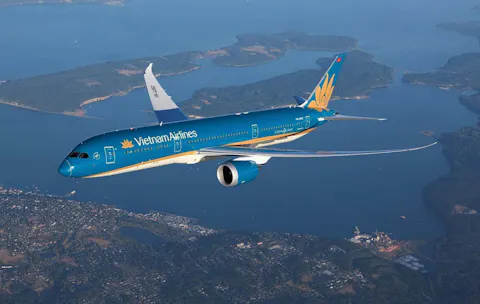
Best Ways to Travel Around Vietnam
Traveling around Vietnam is convenient thanks to its diverse transportation network connecting major cities, remote mountain regions, coastal destinations, and tropical islands. Whether you're planning a budget backpacking adventure or a comfortable family holiday, understanding the advantages of flights, trains, buses, ferries, ride-hailing services, and private transport helps you travel more efficiently. This guide compares Vietnam's transportation options, travel times, costs, and practical advice to help you choose the best way to explore the country.