
Best Ways to Travel Around Vietnam
Traveling around Vietnam is convenient thanks to its diverse transportation network connecting major cities, remote mountain regions, coastal destinations, and tropical islands. Whether you're planning a budget backpacking adventure or a comfortable family holiday, understanding the advantages of flights, trains, buses, ferries, ride-hailing services, and private transport helps you travel more efficiently. This guide compares Vietnam's transportation options, travel times, costs, and practical advice to help you choose the best way to explore the country.
On this page
- Soaring Above the Geography – Domestic Aviation and the Best Ways to Travel Around Vietnam
- Iron Rails and Scenic Vistas – Railway Networks in the Best Ways to Travel Around Vietnam
- Highways and Night Journeys – Sleeper Buses as the Best Ways to Travel Around Vietnam
- The Ultimate Two-Wheel Odyssey – Motorcycle and Scooter Travel
- Crafting Your Multi-Modal Strategy
- Conclusion
Stretching over sixteen hundred kilometers along the eastern edge of the Indochinese Peninsula, Vietnam is a ribbon-like nation pulsing with a raw, undeniable kinetic energy. To move through this dramatically elongated topography is to witness a breathtaking geographical transition—from the mist-veiled, jagged karst peaks of the northern highlands down to the vast, emerald-green expanses of the southern tropical deltas. Yet, for the uninitiated international traveler, determining the absolute best ways to travel around Vietnam often presents a formidable logistical puzzle. Because the country spans such a vast distance, the transportation networks have evolved into a highly complex, multi-modal transit ecosystem. Every single mode of transport—whether it is slicing through the clouds on a domestic flight, listening to the rhythmic clatter of an overnight train, resting horizontally in a sleeper coach, or gripping the handlebars of a rented motorbike—offers a completely different window into the soul of the country. Navigating Vietnam successfully requires far more than simply purchasing a ticket from point A to point B; it demands matching your unique travel style, budget, and timeline to the optimal transit mode. By mastering this comprehensive Vietnam transport guide for travelers, you transform what could otherwise be a chaotic administrative headache into an unforgettable, deeply romantic component of the journey itself across Non nước Việt Nam.
Soaring Above the Geography – Domestic Aviation and the Best Ways to Travel Around Vietnam
The Efficiency of Regional Airline Networks
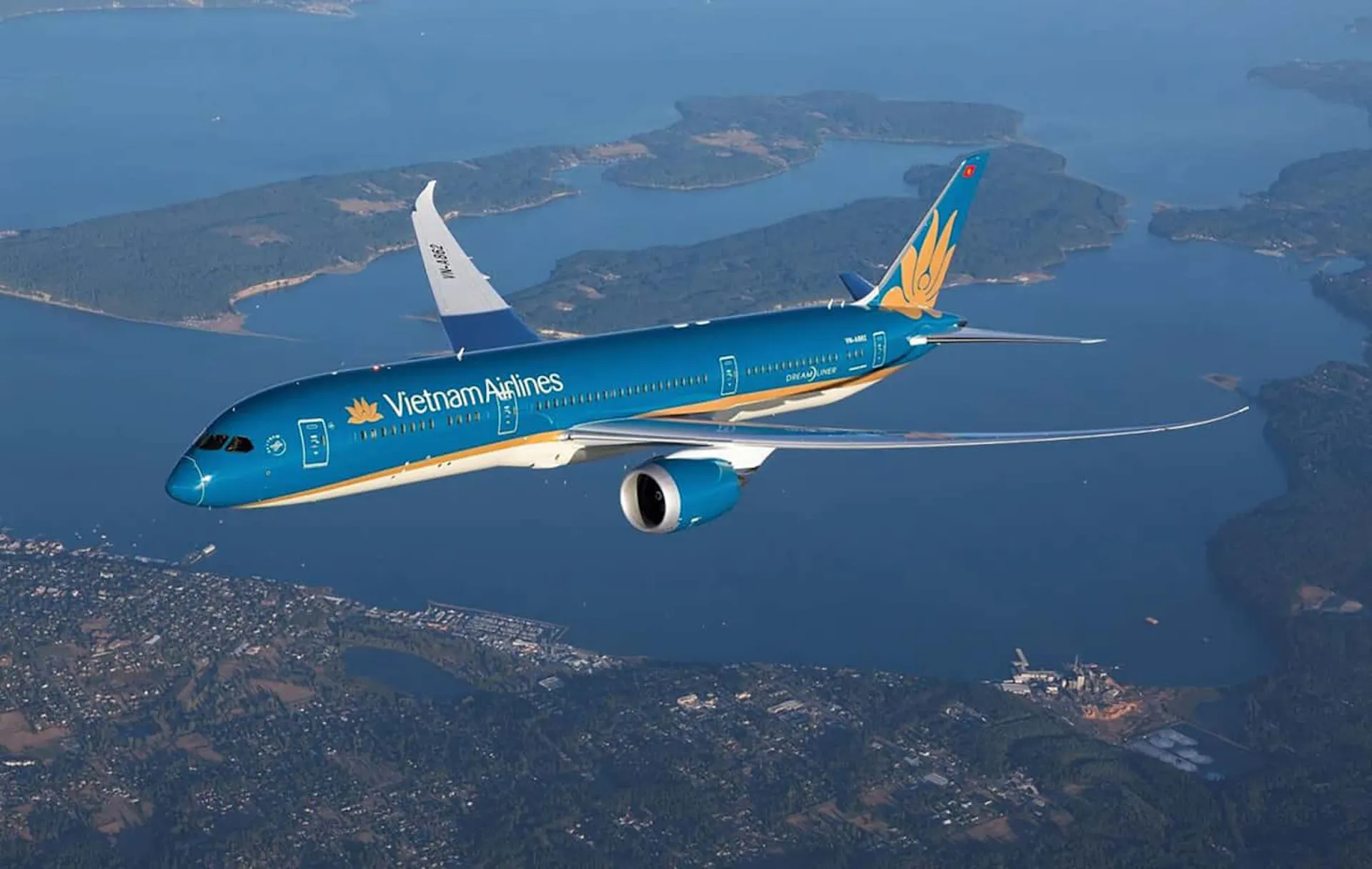
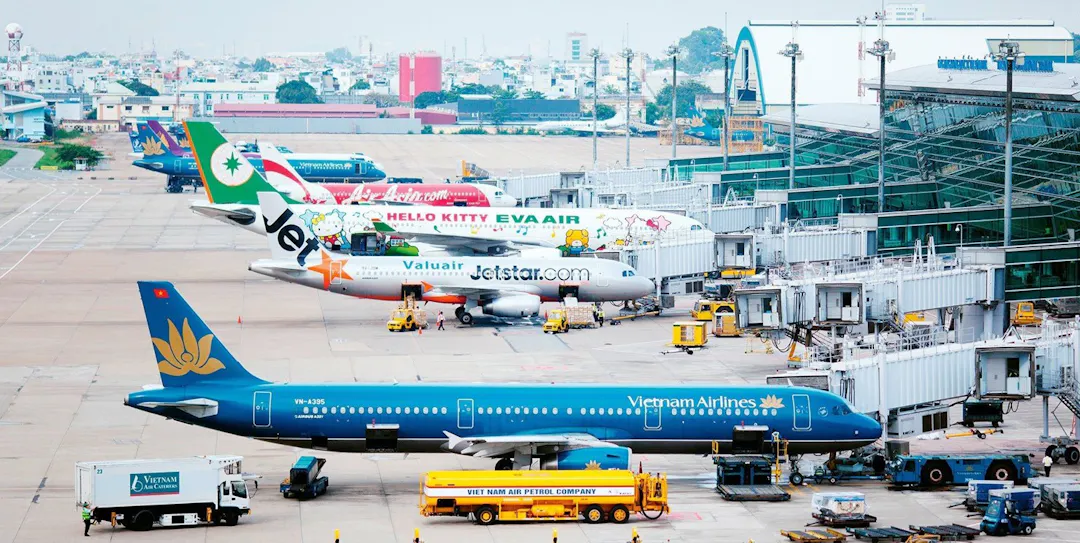
For travelers operating under strict chronological constraints, domestic flights in Vietnam stand as the undisputed champion of logistical efficiency. Vietnam boasts a highly developed, intensely competitive domestic aviation sector that seamlessly connects the extreme polarities of the nation. The market is primarily dominated by the state-owned flag carrier Vietnam Airlines, alongside aggressive low-cost competitors such as Vietjet Air and Bamboo Airways. These carriers operate high-frequency trunk routes connecting the primary aviation hubs: Noi Bai International Airport in Hanoi, Da Nang International Airport in the central corridor, and Tan Son Nhat International Airport in Ho Chi Minh City. By leveraging these trunk routes, an overland journey that would traditionally consume an agonizing thirty-plus hours by road or rail is miraculously compressed into a brief, two-hour flight. Furthermore, the regional airline network extends deeply into secondary tourist destinations. Travelers can easily secure direct flights into the emerging coastal resorts of Nha Trang and Phu Quoc, or the central highland plateau of Dalat, utilizing modern aircraft that service regional runways. Securing domestic tickets is generally straightforward and highly economical if booked several weeks in advance, though seasoned logistics experts sternly warn against attempting last-minute bookings during peak national holidays, specifically during the massive domestic migration surrounding the Lunar New Year.
Strategic Time-Saving vs. Missing the Landscape
Despite the undeniable allure of crossing vast latitudinal stretches in a matter of hours, relying exclusively on aerial transit fundamentally alters your perception of the country's geographical progression. The primary critique of air travel is the total loss of geographical continuity; you board a sealed aluminum tube in the chilly, overcast winter of Hanoi and step out ninety minutes later into the sweltering, sun-drenched tropical humidity of Saigon. This rapid teleportation effectively severs your connection to the shifting topography and cultural nuances that define the rural provinces between the major cities. You miss the gradual softening of the mountains into rolling coastal plains, and the subtle architectural shifts in the countryside temples. Therefore, when evaluating how to get around Vietnam efficiently, domestic flights should be utilized strictly as a strategic, time-saving tool for major leaps—such as bypassing the repetitive central coastline if your timeline is compressed to ten days—rather than serving as the default mode of transportation for every single leg of your itinerary. Reserving air travel for the longest hops preserves your precious vacation hours while intentionally forcing you to engage with slower, more terrestrial transit modes for regional, localized exploration.
Iron Rails and Scenic Vistas – Railway Networks in the Best Ways to Travel Around Vietnam
The Romantic Heritage of the Reunification Express
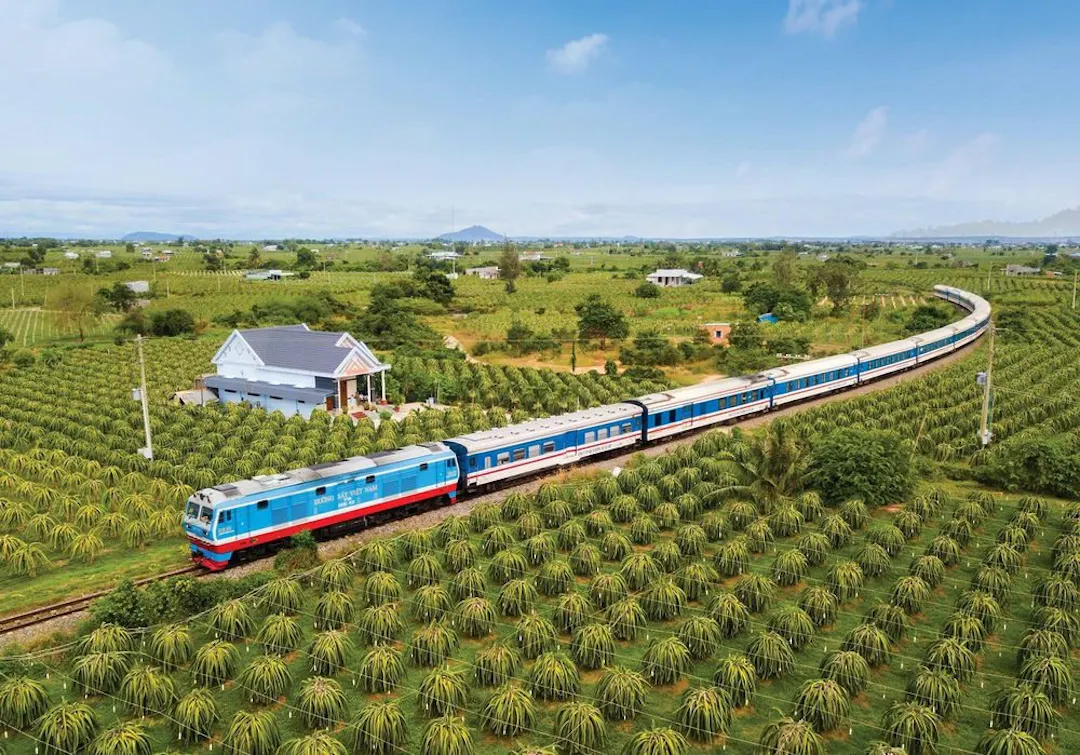
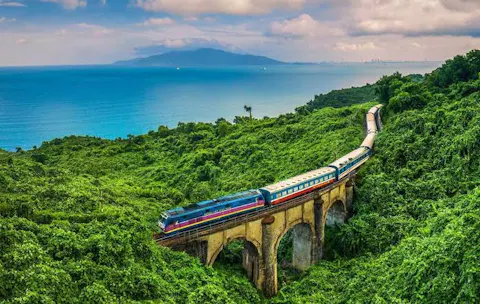
For those who subscribe to the philosophy that the journey is equally as important as the destination, the Vietnamese railway network offers an incredibly evocative, historically resonant method of geographical navigation. The undisputed crown jewel of this system is the legendary Reunification Express, a network of traditional tàu hỏa that continuously trace the single-gauge track running parallel to the coastline from Hanoi all the way to Ho Chi Minh City. Boarding these steel behemoths is an exercise in nostalgia, transporting you back to an era of slow, deliberate travel. The carriages are divided into various classes, with the soft sleeper cabins—featuring four cushioned berths, air conditioning, and a lockable door—representing the pinnacle of long-distance comfort for international travelers. The absolute zenith of this iron rail experience occurs along the central coastline, specifically on the winding, perilous stretch between the imperial city of Hue and the coastal metropolis of Da Nang. Here, the train painstakingly ascends the legendary Hai Van Pass, clinging precariously to the edge of the Annamite Mountains. From the large observation windows, passengers are treated to staggering, panoramic vistas of the sparkling ocean crashing against deserted, crescent-shaped beaches far below, while lush jungle foliage scrapes directly against the side of the train cars. This specific three-hour rail segment is widely considered one of the most breathtaking transit experiences in Southeast Asia, firmly establishing the train as an essential component for slow-travel enthusiasts.
Booking Logistics and Railway Etiquette
Executing a successful rail journey requires a solid grasp of domestic booking logistics and an appreciation for the unique rhythm of train travel. Foreign visitors should purchase official tickets directly through the state-run Vietnam Railways portal or via highly reputable third-party booking agencies to ensure they secure their preferred berth, particularly for the highly coveted lower bunks in the soft sleeper compartments. When packing for an overnight journey, it is wise to prepare a small, accessible bag containing warm layers—as the carriage air conditioning can often be aggressively cold—along with noise-canceling headphones to drown out the rhythmic, metallic clatter of the tracks. While the trains operate small dining cars selling instant noodles, strong Vietnamese coffee, and basic snacks, seasoned travelers always provision themselves with fresh bakery items, tropical fruits, and hot bowls of phở purchased at major station stops prior to boarding. Embracing the gentle swaying of the carriage and the communal atmosphere of the train corridors transforms this transit mode into a deeply relaxing, highly authentic cultural immersion.
Highways and Night Journeys – Sleeper Buses as the Best Ways to Travel Around Vietnam
Navigating Sleeper Buses and VIP Limousine Vans
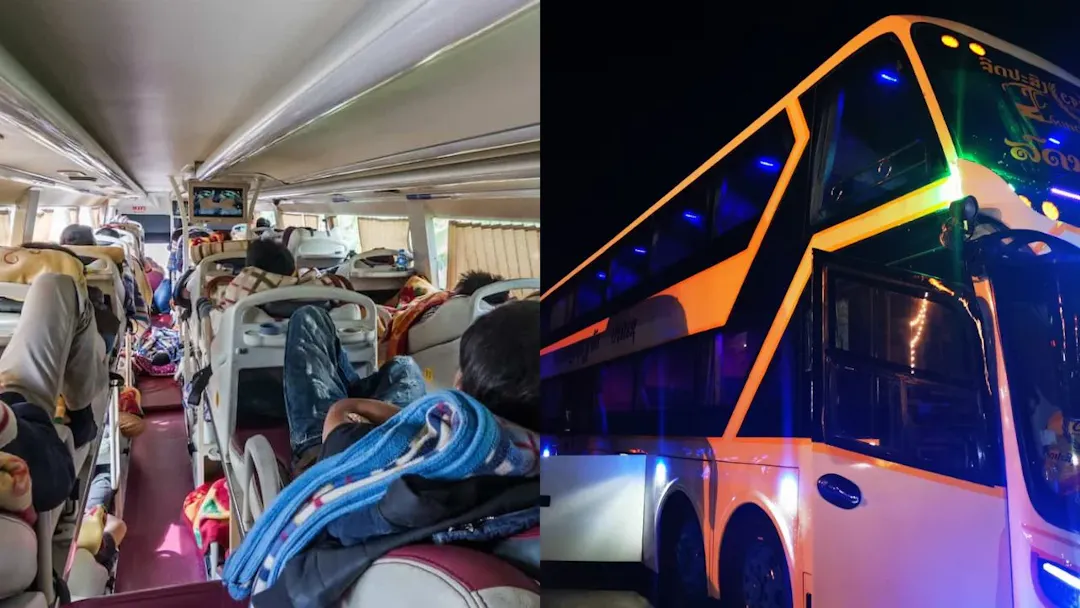
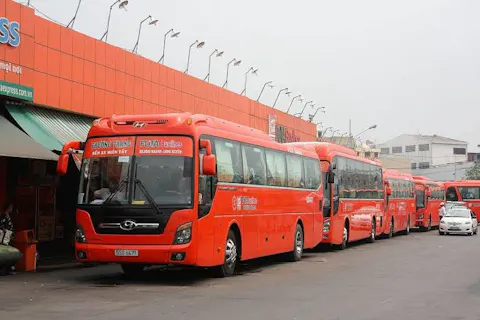
The backbone of domestic mobility for the vast majority of the local population rests upon the sprawling, incredibly intricate network of long-distance buses that traverse the national highway system. The most iconic and uniquely Southeast Asian iteration of this transport is the xe giường nằm, a specialized sleeper coach designed to transport passengers completely horizontally across massive distances. These vehicles feature three rows of stacked, neon-lit bunk beds that stretch the entire length of the cabin. When conducting a debate regarding train vs bus in Vietnam travel, sleeper buses frequently win on price and route flexibility, as they service remote mountain towns like Sapa and coastal enclaves like Mui Ne where railway tracks do not reach. For taller international travelers, traditional sleeper buses can occasionally feel cramped, which has fueled the rapid rise of the modern "VIP Limousine" vans and luxury cabin coaches. These upgraded vehicles, which service highly trafficked tourist corridors, offer a vastly superior level of infrastructural comfort. VIP cabins typically feature private, curtained compartments equipped with wide leather seats that recline fully, personal entertainment screens, USB charging ports, and dedicated air-conditioning vents. Opting for a late-night departure on one of these luxury coaches is a highly strategic maneuver for budget-conscious explorers; it effectively covers vast geographical distances while simultaneously eliminating the financial cost of a hotel room for the night, maximizing both your travel budget and your daylight sightseeing hours.
Safety, Pacing, and Road Condition Realities
While the affordability and omnipresence of the bus network are undeniable, international travelers must confront the unvarnished reality of road conditions and highway safety. The national artery, Highway 1A, is a heavily congested corridor dominated by massive agricultural transport trucks, erratic motorbike traffic, and unpredictable rural crossings. Long-distance bus drivers operate on grueling, high-pressure schedules, which can occasionally lead to aggressive passing maneuvers and heavy reliance on blaring air horns throughout the night. For those who prioritize personal space, psychological peace of mind, and the ability to dictate their own pacing, hiring a private car or limousine van with a dedicated local driver represents the ultimate overland luxury. This premium option allows you to pause the journey at roadside fruit stands, capture photographs of hidden coastal coves, and bypass the chaotic, stressful environment of the major inter-provincial bus terminals, ensuring that your transition between destinations remains as serene as the landscapes you are traversing.
The Ultimate Two-Wheel Odyssey – Motorcycle and Scooter Travel
Conquering Legendary Mountain Passes
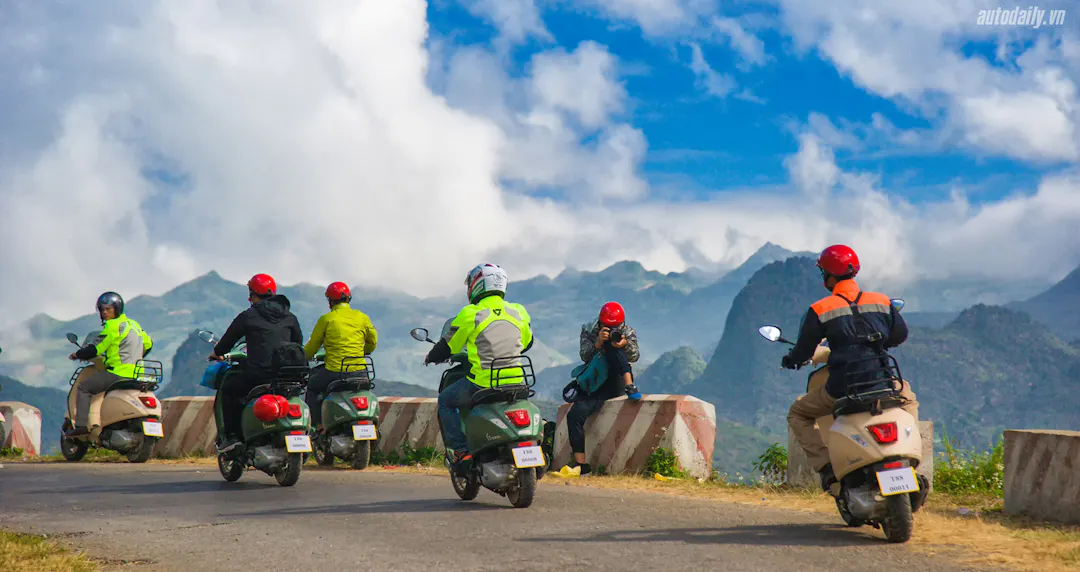
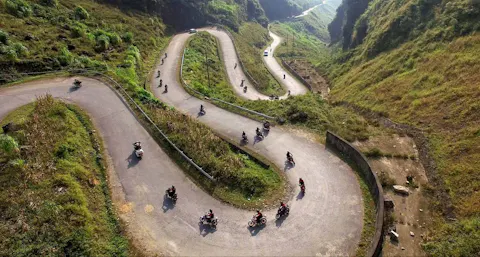
For the true adrenaline seeker and the rugged overland adventurer, there is simply no debate regarding the ultimate freedom offered by exploring motorcycle travel Vietnam routes. Gripping the handlebars of a xe máy removes the physical barrier of a glass window and plunges you entirely into the sensory environment of the country. The absolute pinnacle of this two-wheeled exploration is the legendary Ha Giang Loop, situated in the extreme northern borderlands. Navigating these winding mountain passes places riders face-to-face with sheer limestone cliffs, plunging canyons, and remote ethnic minority villages. Attempting these high-altitude circuits demands physical stamina, mechanical readiness, and a profound respect for the topography, rewarding riders with an unvarnished sense of absolute adventure.
Safety Protocols and Risk Mitigation
However, this immense freedom must be counterbalanced by rigorous, uncompromising safety protocols and honest risk mitigation. The traffic density in metropolitan hubs operates on a fluid set of rules that can instantly overwhelm inexperienced foreign riders. Attempting to learn how to operate a manual motorcycle on busy highways is a dangerous proposition. Furthermore, international travelers must ensure they possess a valid International Driving Permit properly endorsed for motorcycles to guarantee their travel insurance remains valid in the event of an accident. Wearing a certified full-face helmet, donning protective clothing, and acknowledging your physical limitations are non-negotiable requirements for surviving a two-wheeled journey.
Crafting Your Multi-Modal Strategy
Combining Modes for Maximum Efficiency
The true hallmark of an elite international travel planner is the refusal to rely on a single, monolithic mode of transportation. To orchestrate a flawless, high-efficiency expedition across the nation, you must synthesize these distinct transit networks into a cohesive, multi-modal strategy. The most sophisticated itineraries blend the sheer chronological efficiency of domestic aviation for the longest latitudinal hops, utilize the romantic, scenic pacing of the railway network for visually spectacular coastal transitions, and deploy private cars or rented motorbikes for deep, granular exploration of remote rural provinces. This strategic, layered approach completely eliminates transit burnout, ensuring that your journey constantly adapts to serve the overarching goal of profound cultural and geographical discovery.
Conclusion
Ultimately, the decisions you make regarding how you traverse this magnificent, elongated country will fundamentally define your entire travel experience. Whether you choose to slice through the tropical clouds on a regional jet, embrace the rhythmic clatter of the iron rails, sleep horizontally as the highway miles roll by, or boldly navigate the towering karst mountains on two wheels, choosing the best ways to travel around Vietnam elevates your adventure from a standard vacation into a seamless exploration of culture and landscape. I strongly encourage you to evaluate your physical endurance, respect your timeline, select your preferred modes of transport, and begin mapping out your extraordinary multi-modal journey across Vietnam today.
Frequently Asked Questions About Traveling Around Vietnam
What is the fastest way to travel around Vietnam?
Domestic flights are the quickest option for covering long distances between major destinations such as Hanoi, Da Nang, Ho Chi Minh City, Phu Quoc, Hue, and Nha Trang. They save significant travel time, especially on north-to-south itineraries.
Are trains a good way to explore Vietnam?
Yes. Vietnam's North–South Railway is a comfortable and scenic way to travel between many major cities. Sleeper trains are popular for overnight journeys, allowing travelers to save time while enjoying beautiful coastal and countryside views.
Is traveling by bus affordable in Vietnam?
Absolutely. Long-distance sleeper buses are one of the most budget-friendly transportation options and connect almost every region of the country. They are widely used by backpackers and domestic travelers alike.
Can I use ride-hailing apps in Vietnam?
Yes. Ride-hailing services are available in most major cities and are a convenient way to travel short distances. They typically provide transparent pricing and are often more convenient than hailing a taxi on the street.
Should I rent a motorbike to travel around Vietnam?
Renting a motorbike is a great option for experienced riders exploring scenic regions such as Ha Giang, Da Lat, or the Hai Van Pass. However, for long-distance travel between cities, flights, trains, or buses are generally safer, faster, and more comfortable.
Advertising box
Read More Vietnam Transportation Guides
Explore more expert guides on getting around Vietnam, including flights, trains, buses, ferries, taxis, ride-hailing services, travel costs, transportation safety, route planning, and practical travel tips. Discover everything you need to navigate Vietnam efficiently, comfortably, and confidently from your arrival to your final destination.
How to Travel Around Vietnam: Trains, Sleeper Buses, and Domestic Flights
Discover the best ways to travel around Vietnam with this complete transportation guide. From moving between major cities and regions to exploring local destinations, learn about flights, trains, buses, taxis, motorbikes, and private transfers. Vietnam offers flexible travel options for every type of traveler, whether you prefer budget-friendly journeys, scenic routes, or convenient transportation. Go Visit Vietnam provides practical tips to help you plan your routes, choose the right transport, and explore the country comfortably from North to South.
Transportation in Vietnam for Tourists
Vietnam offers a wide range of transportation options that make traveling across the country convenient, affordable, and enjoyable. From domestic flights and scenic train journeys to sleeper buses, ferries, taxis, ride-hailing services, and motorbike rentals, visitors can easily reach every major destination. This guide explains how tourists can navigate Vietnam efficiently, compare transportation choices, understand local travel customs, and select the best option for every itinerary, budget, and travel style.
Vietnam Public Transport Guide: Buses, Trains, Metro & Local Travel
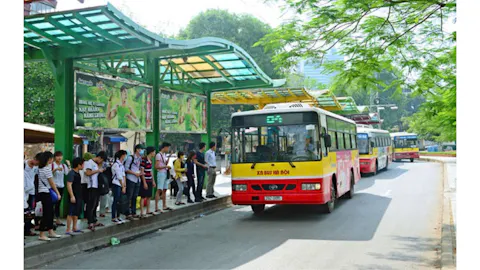
Vietnam's public transportation network provides affordable and practical ways to explore the country's cities and regions. From long-distance trains and intercity buses to urban buses, metro systems, ferries, and local transport, visitors have numerous options for traveling efficiently. Whether you're navigating Hanoi, Ho Chi Minh City, or planning cross-country adventures, this guide explains how Vietnam's public transport works, compares different services, and offers practical tips to help tourists travel safely, comfortably, and economically.
Vietnam Travel Transportation Tips: Smart Ways to Get Around Vietnam
Traveling around Vietnam is simple once you understand the country's transportation options. From choosing the fastest domestic flights and scenic train routes to using ride-hailing apps, sleeper buses, ferries, and motorbike rentals, smart planning can save both time and money. This guide shares practical transportation tips, safety advice, booking recommendations, and local travel insights to help every visitor move confidently between Vietnam's cities, beaches, mountains, islands, and cultural destinations.