
Transportation in Vietnam for Tourists
Vietnam offers a wide range of transportation options that make traveling across the country convenient, affordable, and enjoyable. From domestic flights and scenic train journeys to sleeper buses, ferries, taxis, ride-hailing services, and motorbike rentals, visitors can easily reach every major destination. This guide explains how tourists can navigate Vietnam efficiently, compare transportation choices, understand local travel customs, and select the best option for every itinerary, budget, and travel style.
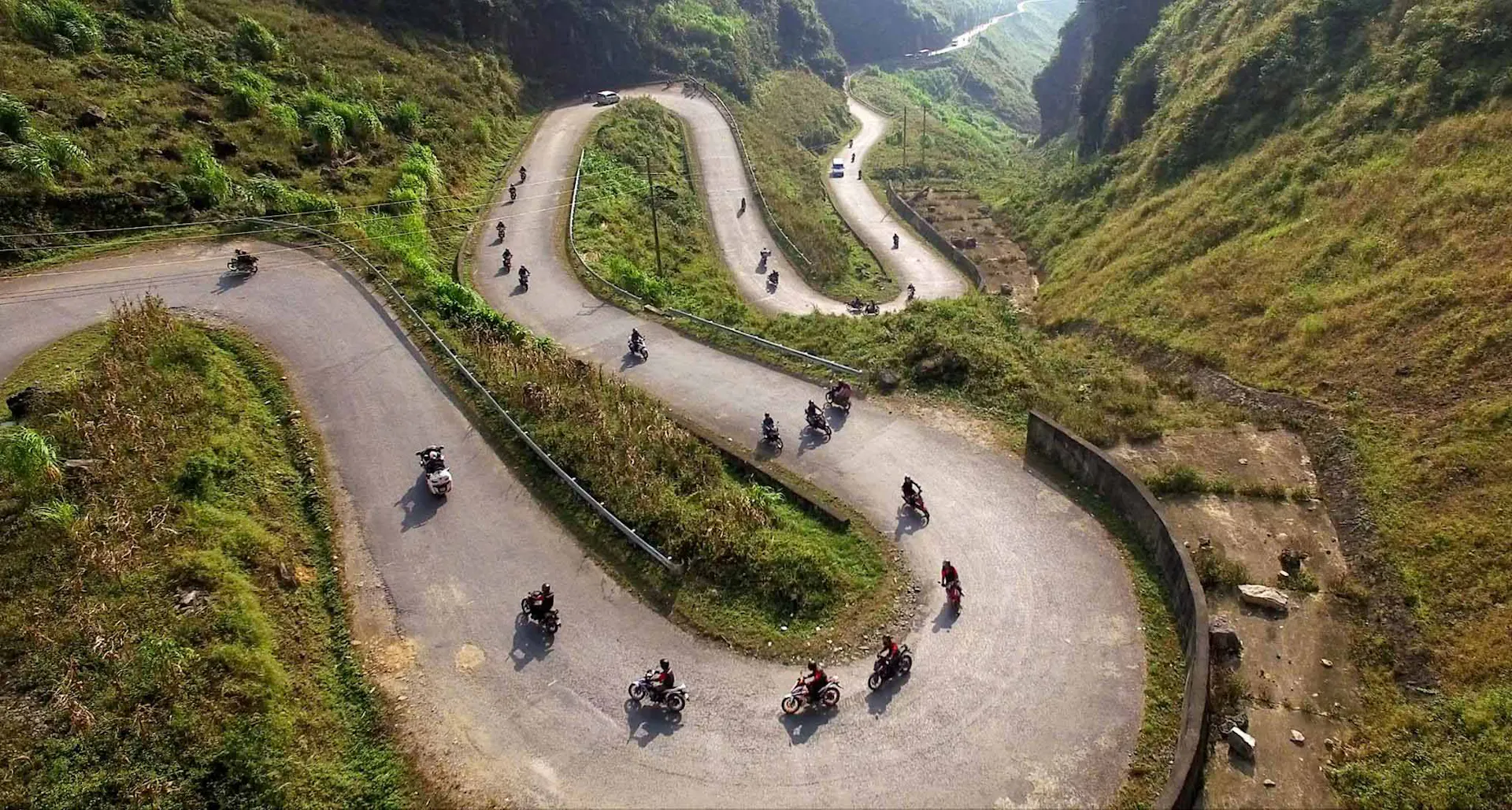
On this page
- Mastering Urban Mobility and Transportation in Vietnam for Tourists
- Regional Aviation in Transportation in Vietnam for Tourists
- National Railways and Transportation in Vietnam for Tourists
- Highways, Sleeper Buses, and Regional Transit
- Essential Safety and Practical Travel Logistics
- Conclusion: Navigating Transportation in Vietnam for Tourists
Stepping onto the bustling, vibrant streets of Vietnam for the first time is an immediate, full-body introduction to a nation defined by relentless movement and kinetic energy. From the sleek concourses of hyper-modern international airport terminals in Hanoi and Saigon to the clattering, narrow-gauge tracks of historic coastal railways and the hypnotic rivers of buzzing motorbikes flowing through ancient alleyways, navigating this elongated Southeast Asian nation presents a dynamic sensory tapestry. For international visitors, understanding the full scope of transportation in Vietnam for tourists is far more than an administrative necessity; it is the fundamental key that unlocks the rich cultural, geographical, and historical depths of the country across Non nước Việt Nam. Learning how to get around Vietnam as a tourist requires moving past initial travel anxieties and gaining an intimate appreciation for the distinct operational rhythms, digital ecosystems, and infrastructural capabilities governing each transit mode. When approached with strategic clarity, navigating Vietnam's comprehensive transit network transforms into an empowering, deeply rewarding, and seamless component of your entire journey.
Mastering Urban Mobility and Transportation in Vietnam for Tourists
The Digital Revolution of Urban Transport
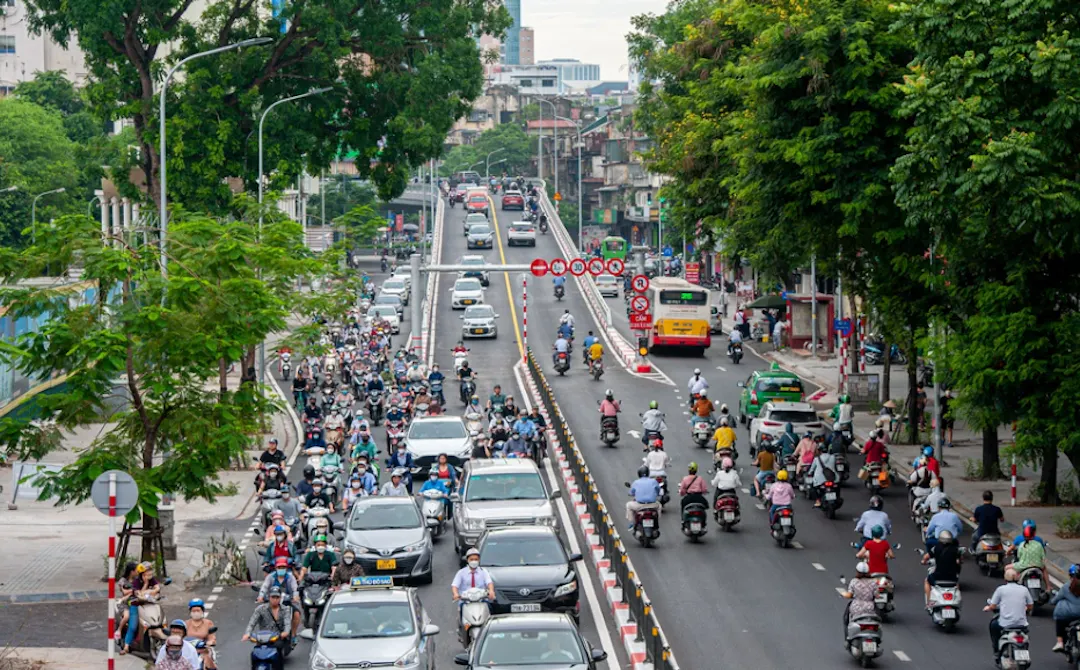
Navigating the dense, energetic urban grids of major Vietnamese metropolises like Hanoi, Ho Chi Minh City, and Da Nang has been completely transformed by a sophisticated digital ecosystem. For international visitors, urban transportation in Vietnam for tourists was historically characterized by complex language barriers, intense price haggling, and anxiety surrounding unmetered fare disputes. Today, mobile technology has fundamentally revolutionized this landscape through dominant ride-hailing applications like Grab, Be, and the electric-fleet provider Green SM. Downloading these essential applications onto your smartphone completely streamlines city transit, allowing you to input your exact destination, view fixed upfront fares in local currency, track real-time GPS trajectories, and execute seamless digital or cash payments. Whether you request an air-conditioned car for family excursions or opt for a nimble motorbike taxi to slice through peak-hour congestion, these digital platforms offer unmatched transparency, safety, and operational efficiency that form the backbone of modern Vietnam travel logistics and apps.
Beyond sheer convenience, utilizing ride-hailing technology provides an indispensable layer of safety and accountability for solo travelers and first-time visitors exploring unfamiliar neighborhood alleyways. The driver's identification, license plate number, vehicle model, and user ratings are permanently logged within the application prior to your departure, drastically mitigating security risks. Furthermore, in bustling metropolises where street names can be confusing, the built-in translation features within platforms like Grab allow you to communicate directly with your driver via text message without friction. This digital integration ensures that short urban journeys remain stress-free, predictable, and remarkably affordable, allowing you to focus your attention on absorbing the rich cultural atmosphere of the city around you.
Traditional Taxis, Cyclos, and Ethical Navigation
While ride-hailing applications dominate daily urban transit, traditional metered taxis remain a highly visible, readily available component of the city streetscape outside major airport arrival terminals, train stations, and luxury hotels. Navigating traditional taxi transport safely requires recognizing established corporate fleets that strictly adhere to metered pricing and professional driver standards. In the southern and central regions, the green vehicles of Mai Linh Taxi and the white-and-red fleet of Vinasun Taxi represent the gold standard of reliability. In Hanoi and northern provinces, G7 Taxi provides dependable, metered urban transport. Foreign travelers should firmly reject unbranded, independent vehicles or unsolicited drivers offering flat-rate rides in entertainment districts, as these unverified operations are frequently associated with manipulated meters or aggressive fare demands. Inspecting the driver's official identity badge on the dashboard and ensuring the meter is actively engaged before pulling away guarantees a fair, transparent journey.
For a slower, deeply romantic encounter with urban heritage, the three-wheeled pedicab, known universally as the cyclo, offers an iconic window into the colonial past. While cyclos are no longer a practical mode for rapid point-to-point transit across sprawling avenues, taking a leisurely cyclo ride through the narrow guild streets of Hanoi's Old Quarter or along the leafy boulevards of Hue provides an open-air perspective on daily life. To avoid financial misunderstandings at the conclusion of your tour, always negotiate and firmly agree upon the exact total price before stepping onto the footrest. Combining modern digital ride-hailing apps for efficient daily commuting with verified corporate metered taxis and occasional historic cyclo rides creates a versatile, highly ethical urban transit strategy across the country.
Regional Aviation in Transportation in Vietnam for Tourists
The Operational Backbone of Long-Distance Travel
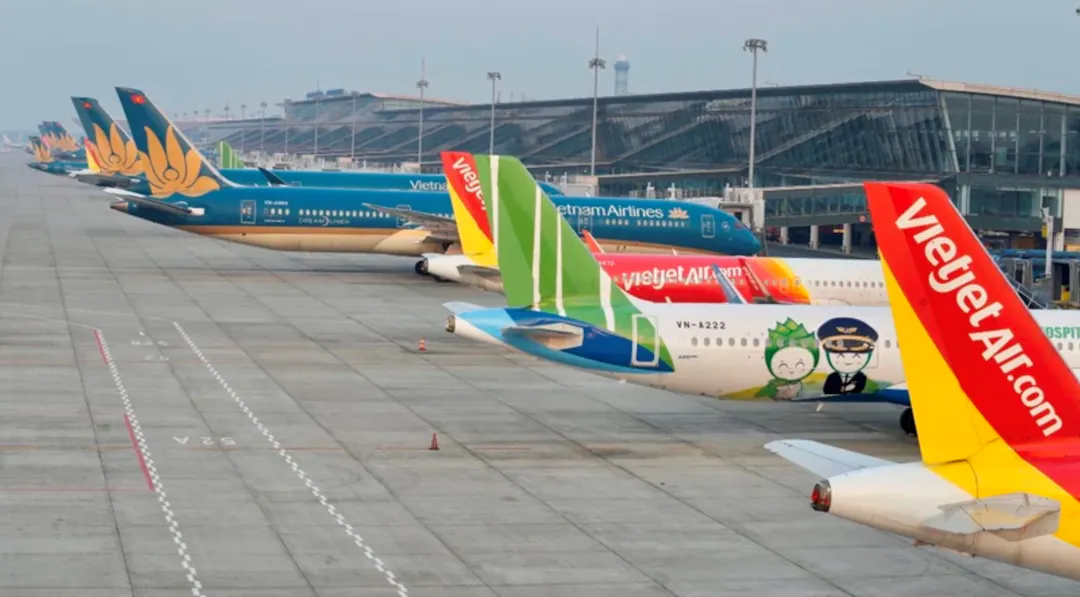
When navigating Vietnam's dramatic latitudinal expanse—stretching over sixteen hundred kilometers from northern mountain borders down to southern tropical deltas—domestic air travel functions as the indispensable operational backbone for time-sensitive itineraries. For international travelers operating on tight vacation schedules, traversing vast distances between primary cultural hubs via land transport can swallow up precious days. The domestic aviation ecosystem is anchored by the full-service national carrier, Vietnam Airlines, alongside modern mid-range and low-cost operators such as Bamboo Airways and Vietjet Air. These airlines operate high-frequency flight corridors connecting Noi Bai International Airport in Hanoi, Da Nang International Airport in the central heritage zone, and Tan Son Nhat International Airport in Ho Chi Minh City. By utilizing these high-volume aerial highways, a grueling thirty-hour overland journey is compressed into a swift, seventy-five-minute domestic flight.
Beyond connecting primary metropolitan centers, regional airline networks extend directly into secondary coastal resorts and highland plateaus, expanding accessibility for international tourists. Direct short-haul routes link major cities to coastal gateways like Cam Ranh Airport in Nha Trang, Phu Quoc International Airport in the Gulf of Thailand, and Lien Khuong Airport serving Dalat. For travelers seeking to maximize geographical coverage without experiencing transit exhaustion, combining short-haul domestic flights for long-distance leaps with regional ground transport creates an efficient multi-modal itinerary structure. This strategic aerial connectivity allows you to seamlessly experience chilly northern mountains, sunny central beaches, and the vibrant southern delta within a single travel schedule.
Booking Strategies, Baggage Realities, and Airport Transit
Executing a air travel strategy within Vietnam requires an understanding of domestic booking mechanics, low-cost carrier fare structures, and luggage regulations. While baseline ticket prices across low-cost carriers like Vietjet Air appear exceptionally cheap, international travelers must pay close attention to restrictive checked baggage allowances during checkout. Purchasing add-on checked luggage allowances online in advance prevents unexpected fees at check-in counters. Furthermore, because domestic flights along the busy Hanoi–Da Nang–Saigon corridor experience heavy passenger volumes, booking tickets several weeks in advance through official airline portals ensures optimal departure times and shields you from fare inflation during regional travel rushes.
Navigating airport transfers efficiently is the final crucial step in mastering regional aviation. Major international terminals are equipped with transport zones where verified ride-hailing pick-up bays and official airport taxi desks operate. Pre-booking airport transfers through your accommodation or utilizing ride-hailing apps like Grab directly upon landing eliminates the risk of encountering unverified drivers soliciting rides outside arrival halls. Additionally, budget-conscious travelers landing in Hanoi or Ho Chi Minh City can take advantage of express airport shuttle buses that operate frequent, air-conditioned routes directly into city center districts at a fraction of the cost of a private taxi. Preparing for security checks by keeping passports, digital boarding passes, and liquid containers easily accessible guarantees a smooth passage through regional air terminals.
National Railways and Transportation in Vietnam for Tourists
The Romantic Journey of the Reunification Express
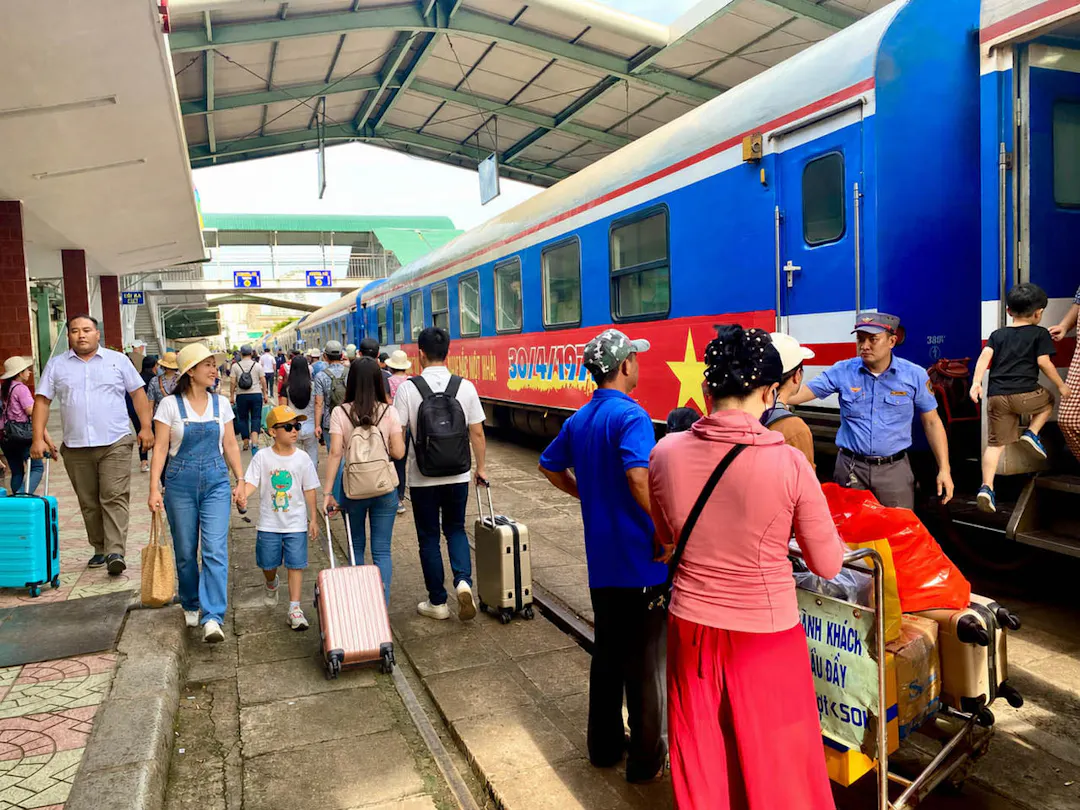
For travelers who believe that the journey itself is just as meaningful as the destination, the national railway network offers a nostalgic and visually spectacular perspective on the countryside. The single-gauge steel artery known historically as the Reunification Express runs continuously from Hanoi down to Ho Chi Minh City, tracing the contours of the coastline and mountain ranges. Operating under state-run Vietnam Railways (tàu hỏa), train travel provides a relaxed, rhythmic alternative to the frantic pace of air travel, serving as a cornerstone of any comprehensive Vietnam public transport guide. Carriages are organized into distinct service classes, ranging from hard wooden seats favored by local commuters to air-conditioned soft seat cars and four-berth soft sleeper cabins equipped with comfortable bunks, clean bedding, and private locking doors ideal for long-distance overnight travel.
The visual highlight of the rail network occurs along the central coastline between imperial Hue and coastal Da Nang. Here, the train winds around the sheer cliffs of the Hai Van Pass, clinging precariously to the mountain edge overlooking the ocean. From observation windows, passengers are treated to views of deserted coves, crashing surf, and tropical rainforest foliage. This specific three-hour coastal segment is globally celebrated as one of the most stunning rail journeys in Asia, offering an unforgettable sensory experience that high-altitude aerial travel simply cannot replicate.
Official Ticketing Platforms and Onboard Etiquette
Mastering the mechanics of booking trains and buses in Vietnam requires prioritizing authorized purchasing channels to avoid inflated reseller markups or invalid vouchers. Foreign travelers should purchase official railway tickets directly through the official Vietnam Railways e-ticketing portal (dsvn.vn) or utilize trusted aggregators like Baolau and 12Go Asia. These platforms allow you to view interactive seat maps, select specific berth locations—such as lower bunks for easier access or upper bunks for privacy—and receive digital electronic tickets containing scannable QR codes sent directly to your smartphone, eliminating the need to visit physical station windows.
Onboard train etiquette and personal preparation heavily influence the comfort of your rail expedition. While modern trains feature dining cars selling hot tea, instant noodles, and simple rice meals, seasoned travelers provision themselves with fresh fruits, bakery goods, and bottled water before departure. Cabins are equipped with shared electrical outlets for charging mobile devices, but packing a portable power bank ensures your electronics remain powered. Additionally, because carriage air-conditioning can run aggressively cold, keeping a lightweight fleece sweater, cozy socks, and noise-canceling headphones in your daypack guarantees a restful sleep as the train sways along the coastal tracks.
Highways, Sleeper Buses, and Regional Transit
Navigating Sleeper Buses and VIP Limousine Vans
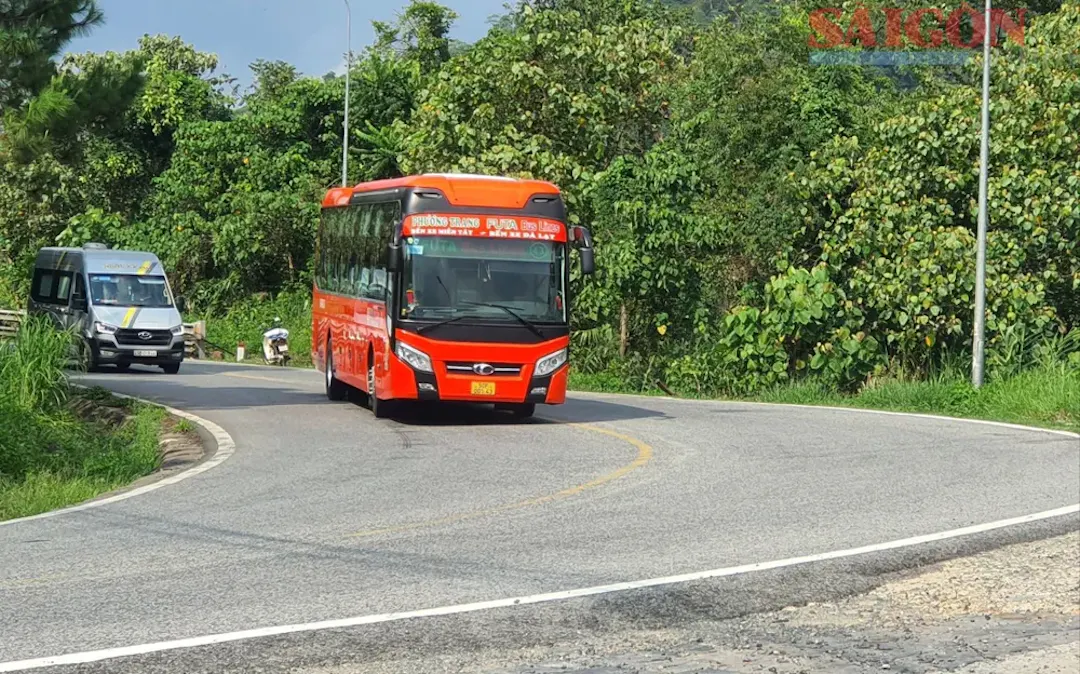
The backbone of regional ground mobility rests upon the extensive long-distance bus network. For budget-conscious explorers, the iconic xe giường nằm (sleeper bus) represents an ubiquitous mode of transport. These coaches feature reclining bunk beds, allowing passengers to lie down horizontally while traveling overnight between major tourist centers. Additionally, modern VIP limousine vans offer plush leather captain's chairs, private cabin controls, and hotel drop-off services for shorter regional routes.
Road Infrastructure Realities and Operator Selection
Navigating highways safely demands choosing professional, established transport operators with proven safety records. Major bus companies like Futa Buslines, Sao Viet, and Kumho Samco maintain modern, well-serviced fleets and enforce strict driver rotation protocols. Foreign travelers should avoid unverified sleeper buses, as lower-tier operators may overbook seats or make frequent unscheduled roadside stops. Booking tickets in advance through verified review-based platforms like Vexere ensures safe, reliable transport.
Essential Safety and Practical Travel Logistics
Managing Connectivity and Digital Tools
Ensuring absolute safe travel in Vietnam transport begins with establishing mobile internet connectivity upon arrival. Securing a local SIM card or digital eSIM with high-speed data enables real-time GPS tracking on BusMap or Google Maps, confirms online bookings, and allows direct communication with drivers via messaging apps.
In addition, personal safety protocols should be strictly observed. When riding as a passenger on scooters (xe máy), always wear a buckled helmet and keep loose belongings inside a backpack. On overnight trains and long-distance buses, keep your primary electronics and personal items in a daypack inside your berth.
Conclusion: Navigating Transportation in Vietnam for Tourists
Ultimately, mastering the rich multi-modal tapestry of transportation in Vietnam for tourists empowers you to explore this breathtaking nation with complete independence, safety, and confidence. Whether soaring over mountain ranges on a short-haul flight, watching coastal scenery unfold from a scenic train, resting inside a VIP sleeper bus, or navigating urban streets utilizing ride-hailing apps, each transit mode offers a perspective on local culture and geography. By planning routes thoughtfully and booking through authorized digital platforms, you transform travel logistics into an unforgettable part of your adventure. Map out your strategy and embrace the journey ahead.
Frequently Asked Questions About Transportation in Vietnam for Tourists
What types of transportation are available for tourists in Vietnam?
Tourists can choose from domestic flights, trains, sleeper buses, local buses, ferries, taxis, ride-hailing services, private transfers, bicycles, and motorbike rentals. The best option depends on your destination, budget, and travel style.
Is public transportation in Vietnam easy for international visitors?
Yes. While local buses may require some planning, trains, domestic flights, taxis, and ride-hailing services are generally straightforward and widely used by international travelers. Many booking platforms also offer English-language support.
Should I book transportation in advance?
It is recommended to book flights, trains, and long-distance buses in advance during weekends, public holidays, and peak travel seasons such as Tet or summer. For taxis and ride-hailing services, advance booking is usually unnecessary.
Can tourists use cashless payment for transportation in Vietnam?
Many airlines, train operators, and online booking platforms accept international credit cards. Ride-hailing apps also support digital payments in many cases, although carrying some Vietnamese Dong is still useful for smaller operators and local buses.
What is the best transportation option for first-time visitors?
For most first-time travelers, combining domestic flights for long distances with trains, taxis, and ride-hailing services for local transportation provides the most comfortable and efficient way to explore Vietnam.
Advertising box
Read More Vietnam Transportation Guides
Explore more expert guides on getting around Vietnam, including flights, trains, buses, ferries, taxis, ride-hailing services, travel costs, transportation safety, route planning, and practical travel tips. Discover everything you need to navigate Vietnam efficiently, comfortably, and confidently from your arrival to your final destination.

Best Ways to Travel Around Vietnam
Traveling around Vietnam is convenient thanks to its diverse transportation network connecting major cities, remote mountain regions, coastal destinations, and tropical islands. Whether you're planning a budget backpacking adventure or a comfortable family holiday, understanding the advantages of flights, trains, buses, ferries, ride-hailing services, and private transport helps you travel more efficiently. This guide compares Vietnam's transportation options, travel times, costs, and practical advice to help you choose the best way to explore the country.

How to Travel Around Vietnam: Trains, Sleeper Buses, and Domestic Flights
Discover the best ways to travel around Vietnam with this complete transportation guide. From moving between major cities and regions to exploring local destinations, learn about flights, trains, buses, taxis, motorbikes, and private transfers. Vietnam offers flexible travel options for every type of traveler, whether you prefer budget-friendly journeys, scenic routes, or convenient transportation. Go Visit Vietnam provides practical tips to help you plan your routes, choose the right transport, and explore the country comfortably from North to South.
Vietnam Public Transport Guide: Buses, Trains, Metro & Local Travel
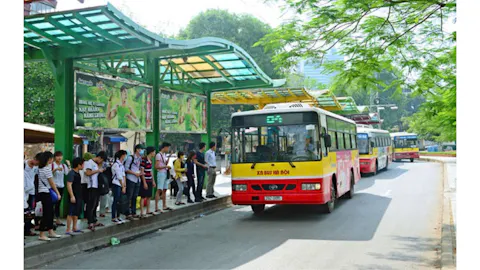
Vietnam's public transportation network provides affordable and practical ways to explore the country's cities and regions. From long-distance trains and intercity buses to urban buses, metro systems, ferries, and local transport, visitors have numerous options for traveling efficiently. Whether you're navigating Hanoi, Ho Chi Minh City, or planning cross-country adventures, this guide explains how Vietnam's public transport works, compares different services, and offers practical tips to help tourists travel safely, comfortably, and economically.
Vietnam Travel Transportation Tips: Smart Ways to Get Around Vietnam
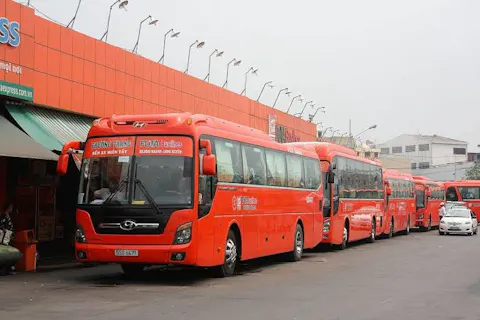
Traveling around Vietnam is simple once you understand the country's transportation options. From choosing the fastest domestic flights and scenic train routes to using ride-hailing apps, sleeper buses, ferries, and motorbike rentals, smart planning can save both time and money. This guide shares practical transportation tips, safety advice, booking recommendations, and local travel insights to help every visitor move confidently between Vietnam's cities, beaches, mountains, islands, and cultural destinations.