
Vietnam Travel Transportation Tips: Smart Ways to Get Around Vietnam
Traveling around Vietnam is simple once you understand the country's transportation options. From choosing the fastest domestic flights and scenic train routes to using ride-hailing apps, sleeper buses, ferries, and motorbike rentals, smart planning can save both time and money. This guide shares practical transportation tips, safety advice, booking recommendations, and local travel insights to help every visitor move confidently between Vietnam's cities, beaches, mountains, islands, and cultural destinations.
On this page
- Urban Mobility Mastery – Digital Apps, Fair-Price Taxis, and Vietnam Travel Transportation Tips
- Long-Distance Road Travel – Sleeper Buses, Limousines, and Vietnam Travel Transportation Tips
- Iron Rails and Scenic Vistas – The National Railway Network
- Maximizing Air Travel and Domestic Flight Logistics
- Essential Safety Protocols and Vietnam Travel Transportation Tips
- Conclusion
Stepping into Southeast Asia introduces travelers to the exhilarating kinetic energy of moving through a rapidly developing nation. This dynamic country, stretching over sixteen hundred kilometers along the Indochinese peninsula, presents a geographical canvas where transit options range from modern digital ride-hailing services to historic narrow-gauge railways and bustling provincial highways. Understanding the intricacies of this vast infrastructural network is critical. For international visitors aiming to conquer this elongated topography, integrating expert Vietnam travel transportation tips into your itinerary forms the definitive baseline for success. Whether you are navigating the chaotic, motorbike-filled arteries of the capital or plotting a multi-day journey down the central coastline, transit logistics dictate the rhythm of your experience. The core thesis is clear: mastering transportation logistics in Vietnam is the single most important factor in transforming an intimidating travel puzzle into a seamless, empowering adventure. By learning the operational nuances of the local multi-modal transit ecosystem, you shift from being a passive passenger to an elite navigator, ready to unlock the absolute best of Non nước Việt Nam with refined strategic precision.
Urban Mobility Mastery – Digital Apps, Fair-Price Taxis, and Vietnam Travel Transportation Tips
Eliminating Negotiation Friction with Ride-Hailing Apps
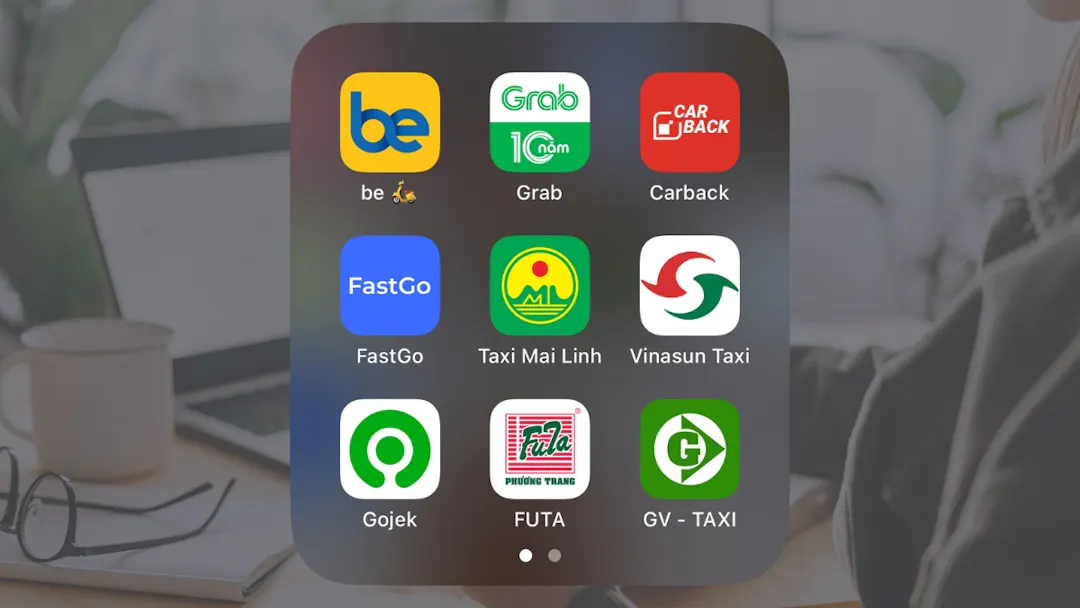
The modern landscape of urban mobility across metropolitan hubs like Hanoi, Ho Chi Minh City, and Da Nang has undergone a profound digital revolution, rendering outdated street-hailing methods obsolete. For international visitors wondering how to get around Vietnam safely, downloading dedicated ride-hailing platforms such as Grab or Be is an operational imperative. These applications eliminate the historic friction of language barriers and intense fare negotiations, providing transparent pricing directly on your smartphone screen. Whether summoning a four-door sedan from the airport or strapping on a helmet to ride on a nimble xe máy through peak-hour traffic, digital platforms offer unparalleled connectivity. The GPS tracking integrated into these systems provides a formidable layer of security, meticulously logging driver identities, vehicle registration plates, and exact route trajectories. This digital integration guarantees that your financial transaction is settled securely via credit card or exact cash, allowing you to bypass the stress of haggling and focus entirely on absorbing the vibrant atmosphere of the city.
Navigating Traditional Taxis and Avoiding Urban Scams
Despite the dominance of ride-hailing technology, traditional metered taxis remain a highly visible component of the urban transit matrix, particularly around designated airport arrival curbs and major railway terminals. However, relying on these conventional vehicles requires implementing rigorous Vietnam transport booking advice to ensure personal security and financial transparency. To effectively master avoiding transport scams in Vietnam, you must strictly confine your patronage to universally recognized, reputable corporate fleets. In the southern and central provinces, Mai Linh Taxi and Vinasun Taxi represent the gold standard for ethical meter operation and driver professionalism. Conversely, engaging with unbranded, independent vehicles or aggressive touts soliciting rides directly outside airport sliding doors dramatically increases the risk of encountering manipulated meters or extortionate flat-rate demands. Elite travel logistics dictate that you must always verify the driver's official corporate ID badge displayed on the dashboard and explicitly confirm that the electronic meter is actively engaged before the vehicle pulls away from the curb. Adhering to this strict operational protocol neutralizes the threat of opportunistic transit fraud, securing a smooth passage through the dense urban grid.
Long-Distance Road Travel – Sleeper Buses, Limousines, and Vietnam Travel Transportation Tips
The Operational Reality of Multi-Tier Sleeper Buses
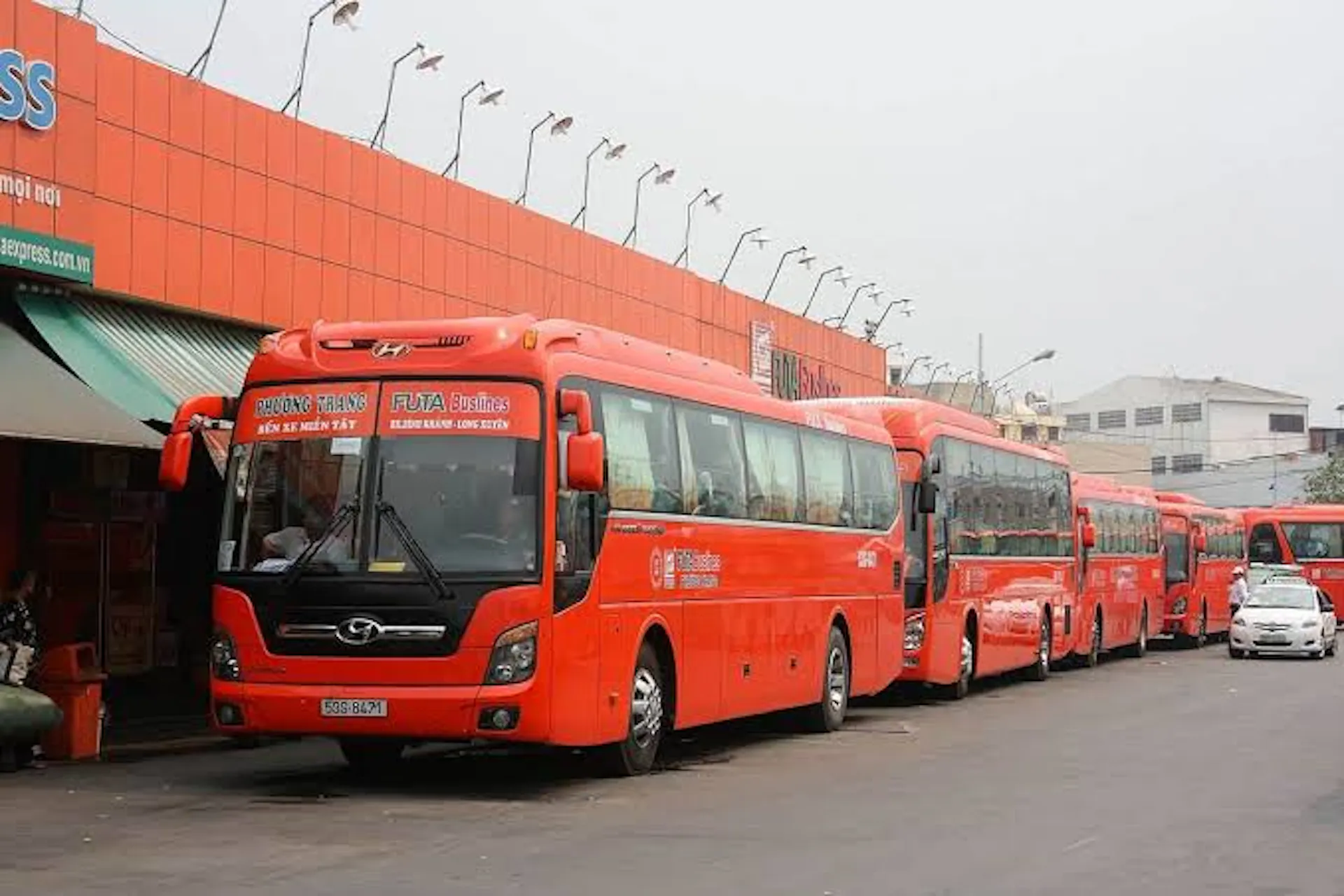
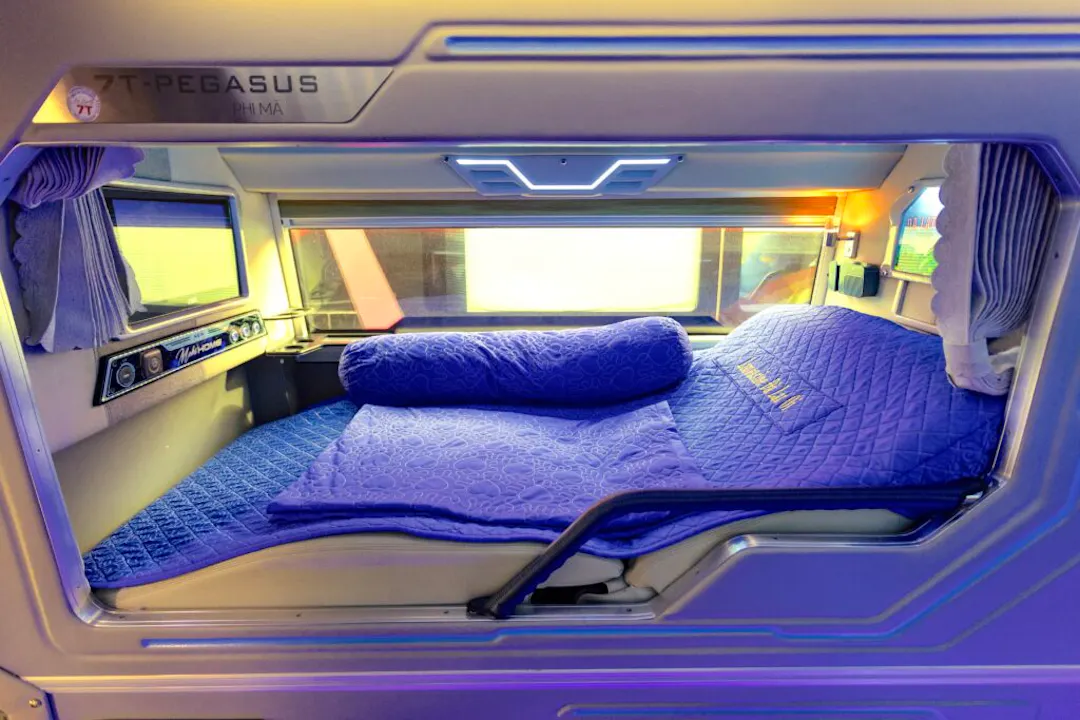
The backbone of inter-provincial mobility for both the local populace and intrepid backpackers rests upon an extensive network of long-distance motor coaches. The most iconic, uniquely Southeast Asian iteration of this transport mode is the xe giường nằm, a specialized vehicle explicitly engineered to transport passengers completely horizontally across massive geographical distances. These towering coaches feature three rows of stacked, narrow bunk beds stretching the entire length of the cabin, allowing travelers to sleep through the night while conquering lengthy highway corridors. When researching the best transit tips for Vietnam travelers, securing the correct bunk assignment on these vehicles becomes a critical logistical objective. Elite strategists universally recommend booking lower-level berths positioned near the center of the bus; this specific placement minimizes the intense lateral sway experienced during winding mountain ascents and distances you from the harsh glare of oncoming headlights and the driver's aggressive use of the air horn. Furthermore, travelers must remain acutely aware of strict luggage storage limits. Your primary suitcase will be securely locked within the lower cargo hold, meaning you must pack a small, accessible daypack containing essential valuables, warm layers to combat freezing cabin air conditioning, and noise-canceling headphones to insulate yourself from nocturnal highway traffic.
Luxury Limousine Vans and Private Car Charters
As Vietnam’s tourism infrastructure has matured, the traditional sleeper bus has faced fierce competition from the rapid proliferation of luxury VIP limousine vans. Operating predominantly along highly trafficked tourist corridors—such as the winding ascent from Hanoi to the mist-shrouded peaks of Sapa, or the coastal route from Ho Chi Minh City to Mui Ne—these heavily modified transit vans represent a monumental leap in overland comfort. Outfitted with plush, oversized leather captain's chairs that recline deeply, dedicated USB charging arrays, and sophisticated air suspension systems, these vehicles provide an exceptionally smooth ride across uneven asphalt. For flexible budgets, chartering a private car or luxury van with a dedicated local driver represents the absolute zenith of logistical optimization. This elite strategy grants you total authority over your travel pacing, allowing you to pause for impromptu photography sessions at roadside fruit stands, divert toward hidden coastal temples, and dictate specific departure hours. Embracing private overland transit transforms a grueling point-to-point transfer into a deeply personalized, highly flexible exploration of the lush, shifting landscapes that define the national countryside.
Iron Rails and Scenic Vistas – The National Railway Network
Booking Strategy for the Reunification Express
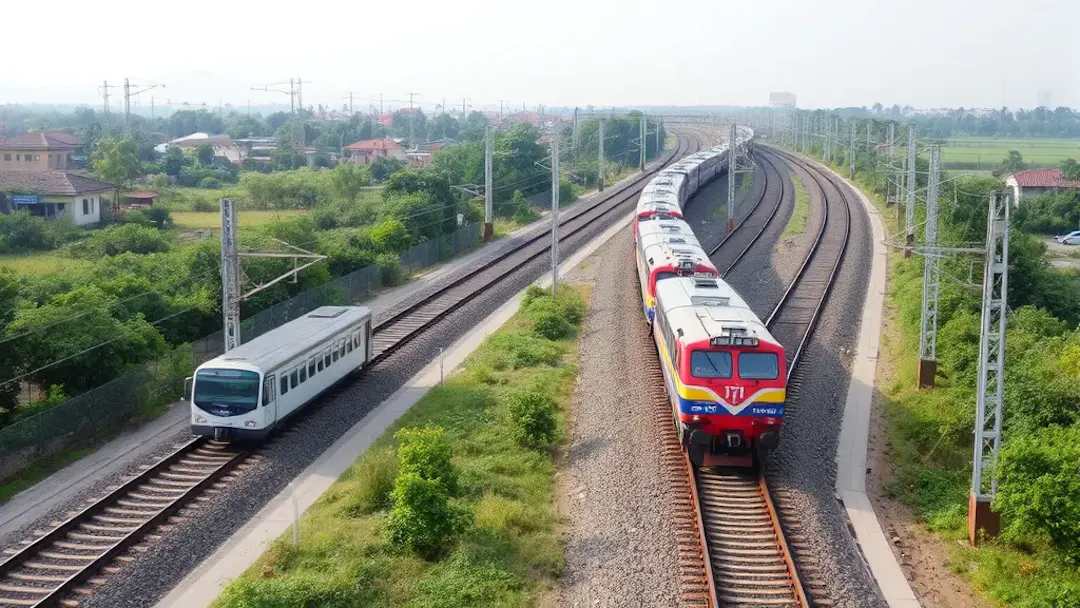
For international explorers who recognize that the journey itself holds as much intrinsic value as the final destination, Vietnam's state-owned railway network offers a profoundly evocative, historically resonant method of navigating the country. The legendary single-gauge steel artery, affectionately known as the Reunification Express, operates a continuous fleet of traditional tàu hỏa tracing the coastline from Hanoi to Ho Chi Minh City. Mastering this system requires adopting a precise navigating Vietnam transport logistics methodology, particularly regarding ticket acquisition and class selection. The carriages are rigorously stratified into distinct comfort tiers. The pinnacle of railway comfort for long-haul overnight transit is the four-berth soft sleeper cabin, featuring climate control, comfortable bedding, and a secure lockable door. Because these premium cabins represent a finite inventory, advance booking through the official state railway portal or authorized digital transport aggregators is an absolute necessity. Successfully navigating the station terminal logistics requires arriving at least forty-five minutes before departure, possessing your digital QR-code ticket on your smartphone, and carrying sufficient onboard provisions—such as fresh fruit and bottled water—to supplement the basic dining car offerings of instant noodles and strong traditional coffee.
Capitalizing on Legendary Scenic Rail Routes
The true majesty of the national railway network is unlocked when the tracks intersect with the country's most dramatic topographical features. The absolute crown jewel of this iron rail experience occurs along the central coastline, specifically during the perilous, winding ascent between the imperial city of Hue and the coastal metropolis of Da Nang. Here, the heavy steel carriages slowly grind their way up the legendary Hai Van Pass, clinging precariously to the jagged edge of the Annamite Mountain Range. From the expansive observation windows, passengers are treated to staggering, panoramic vistas of the sparkling South China Sea crashing against deserted, crescent-shaped beaches hundreds of feet below, while lush, emerald-green jungle foliage scrapes directly against the exterior of the train cars. Utilizing the railway for these specific coastal segments provides a slower, deeply contemplative window into the rural topography that is completely inaccessible from the high-speed national motorways. By strategically integrating these scenic daytime rail journeys into your broader itinerary, you elevate standard travel logistics into an immersive, visually spectacular encounter with the raw natural beauty of the Indochinese peninsula.
Maximizing Air Travel and Domestic Flight Logistics
Navigating the Domestic Airline Landscape
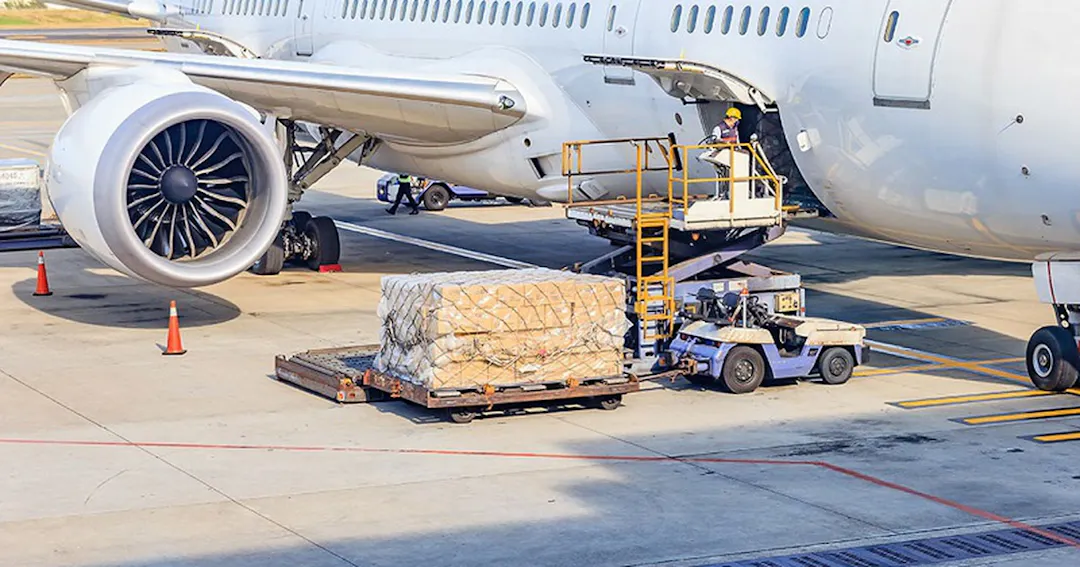
When your travel itinerary spans the massive latitudinal length of the country, leveraging domestic aviation becomes an indispensable component of successful multi-modal transit. Vietnam features an aggressively competitive, highly efficient domestic airline ecosystem dominated by the full-service national flag carrier, Vietnam Airlines, alongside low-cost heavyweights like Vietjet Air and Bamboo Airways. These airlines operate dense, high-frequency flight corridors connecting the primary commercial hubs of Hanoi, Da Nang, and Ho Chi Minh City, while simultaneously offering direct regional routes into coastal paradises like Phu Quoc and mountain gateways like Dalat. However, engaging with this aerial network requires strict adherence to operational protocols, particularly concerning budget carrier luggage policies. The baseline fares advertised by low-cost airlines routinely exclude checked baggage; travelers must proactively purchase necessary weight allowances during the initial online booking phase to avoid exorbitant penalty fees at the departure counter. Furthermore, minimizing airport transfer delays requires pre-booking your ground transport upon arrival, ensuring a frictionless transition from the terminal directly into the vibrant heart of the city.
Balancing Time Efficiency with Landscape Immersion
While the sheer chronological efficiency of crossing a thousand kilometers in under two hours is undeniably seductive, elite travel strategists caution against the overutilization of aerial transit. Relying exclusively on domestic flights fundamentally fragments the geographical narrative of your journey. You board an aircraft in the chilly, overcast winter of the northern capital and disembark ninety minutes later into the sweltering, sun-drenched humidity of the southern delta, completely bypassing the gradual, mesmerizing transition of the coastal plains and central highlands. Therefore, intelligent itinerary architecture demands balancing time efficiency with landscape immersion. Strategic flight planning dictates using aviation strictly for the longest, most exhaustive latitudinal leaps—saving vital days on cross-country itineraries—while deliberately relying on trains, sleeper buses, or private cars for regional exploration. This highly calibrated approach guarantees that you preserve your precious vacation hours without prematurely sacrificing the rich, continuous cultural transitions that define the authentic rural countryside.
Essential Safety Protocols and Vietnam Travel Transportation Tips
Digital Connectivity and Real-Time Navigation
The ultimate foundation for executing flawless Vietnam travel transportation tips rests upon maintaining uninterrupted digital connectivity from the moment your aircraft touches the tarmac. In a rapidly modernizing nation where digital integration dictates civic mobility, attempting to navigate the complex transit ecosystem without an active cellular data connection is a profound strategic error. Securing a local eSIM data package or a physical SIM card from a reputable telecommunications provider ensures you possess the continuous bandwidth required for real-time map tracking on Google Maps, instant access to critical ride-hailing applications, and the ability to utilize digital translation tools when communicating with non-English speaking drivers or station attendants. This persistent digital tether empowers you to independently verify taxi routes, track bus schedules, and cross-reference transit terminal locations, establishing a profound sense of personal security and logistical control. By combining deep infrastructural knowledge with seamless digital connectivity, you eliminate the uncertainty of foreign transit, transforming every bus ride, train journey, and airport transfer into a highly secure, expertly managed operation. Furthermore, maintaining this connectivity allows you to monitor unexpected weather disruptions or schedule alterations, granting you the agility to pivot your travel plans instantaneously. It is this exact intersection of technological preparedness and ground-level awareness that defines the masterful international traveler.
Conclusion
Ultimately, implementing these expert Vietnam travel transportation tips guarantees that you navigate this breathtakingly diverse nation with the supreme confidence of an elite travel strategist. By understanding the operational realities of ride-hailing apps, sleeper buses, scenic railways, and domestic flights, you completely neutralize the stress of international transit logistics. This mastery allows you to focus your energy entirely on the magnificent cultural landscapes unfolding before you. Please study these multi-modal transit strategies, secure your digital connectivity, and map out your extraordinary Vietnamese adventure today.
Frequently Asked Questions About Vietnam Travel Transportation Tips
What is the best way to travel long distances in Vietnam?
For long journeys, domestic flights are the fastest option, while trains provide a scenic and comfortable experience. Sleeper buses are a popular budget-friendly alternative, especially for overnight travel between major cities.
Should I book transportation before arriving in Vietnam?
It is recommended to book flights, trains, and long-distance buses in advance, particularly during holidays, weekends, and peak tourist seasons. Local transportation such as taxis and ride-hailing services can usually be arranged on demand.
Are taxis and ride-hailing apps reliable in Vietnam?
Yes. Licensed taxis and ride-hailing apps are widely available in major cities and are generally considered safe and convenient. They also provide transparent pricing, making them a popular choice for tourists.
Is it safe for tourists to rent a motorbike in Vietnam?
Motorbike rentals are common, but they are best suited for experienced riders who are familiar with local traffic conditions. Always wear a helmet, carry the appropriate driving documents, and ensure your travel insurance covers motorbike use if applicable.
What transportation tips can help first-time visitors?
Plan travel times in advance, allow extra time for long-distance journeys, use reputable transportation providers, keep small amounts of cash for local transport, download offline maps, and combine different transportation methods to make your trip more efficient and enjoyable.
Advertising box
Read More Vietnam Transportation Guides
Explore more expert guides on getting around Vietnam, including flights, trains, buses, ferries, taxis, ride-hailing services, travel costs, transportation safety, route planning, and practical travel tips. Discover everything you need to navigate Vietnam efficiently, comfortably, and confidently from your arrival to your final destination.
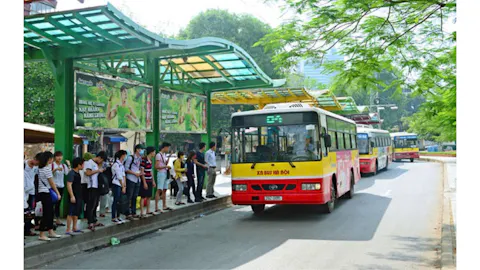
Vietnam Public Transport Guide: Buses, Trains, Metro & Local Travel
Vietnam's public transportation network provides affordable and practical ways to explore the country's cities and regions. From long-distance trains and intercity buses to urban buses, metro systems, ferries, and local transport, visitors have numerous options for traveling efficiently. Whether you're navigating Hanoi, Ho Chi Minh City, or planning cross-country adventures, this guide explains how Vietnam's public transport works, compares different services, and offers practical tips to help tourists travel safely, comfortably, and economically.
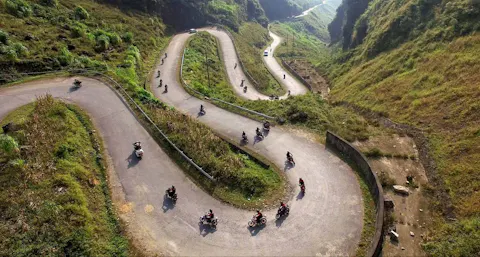
Transportation in Vietnam for Tourists
Vietnam offers a wide range of transportation options that make traveling across the country convenient, affordable, and enjoyable. From domestic flights and scenic train journeys to sleeper buses, ferries, taxis, ride-hailing services, and motorbike rentals, visitors can easily reach every major destination. This guide explains how tourists can navigate Vietnam efficiently, compare transportation choices, understand local travel customs, and select the best option for every itinerary, budget, and travel style.
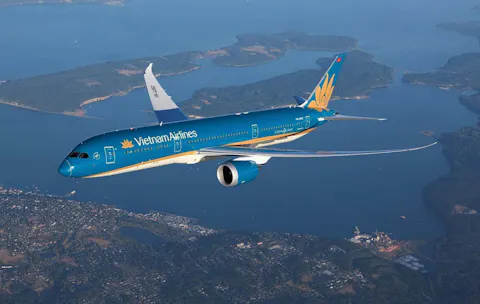
Best Ways to Travel Around Vietnam
Traveling around Vietnam is convenient thanks to its diverse transportation network connecting major cities, remote mountain regions, coastal destinations, and tropical islands. Whether you're planning a budget backpacking adventure or a comfortable family holiday, understanding the advantages of flights, trains, buses, ferries, ride-hailing services, and private transport helps you travel more efficiently. This guide compares Vietnam's transportation options, travel times, costs, and practical advice to help you choose the best way to explore the country.
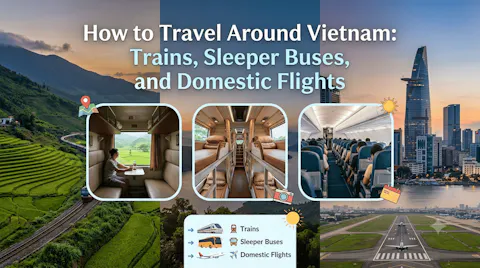
How to Travel Around Vietnam: Trains, Sleeper Buses, and Domestic Flights
Discover the best ways to travel around Vietnam with this complete transportation guide. From moving between major cities and regions to exploring local destinations, learn about flights, trains, buses, taxis, motorbikes, and private transfers. Vietnam offers flexible travel options for every type of traveler, whether you prefer budget-friendly journeys, scenic routes, or convenient transportation. Go Visit Vietnam provides practical tips to help you plan your routes, choose the right transport, and explore the country comfortably from North to South.