
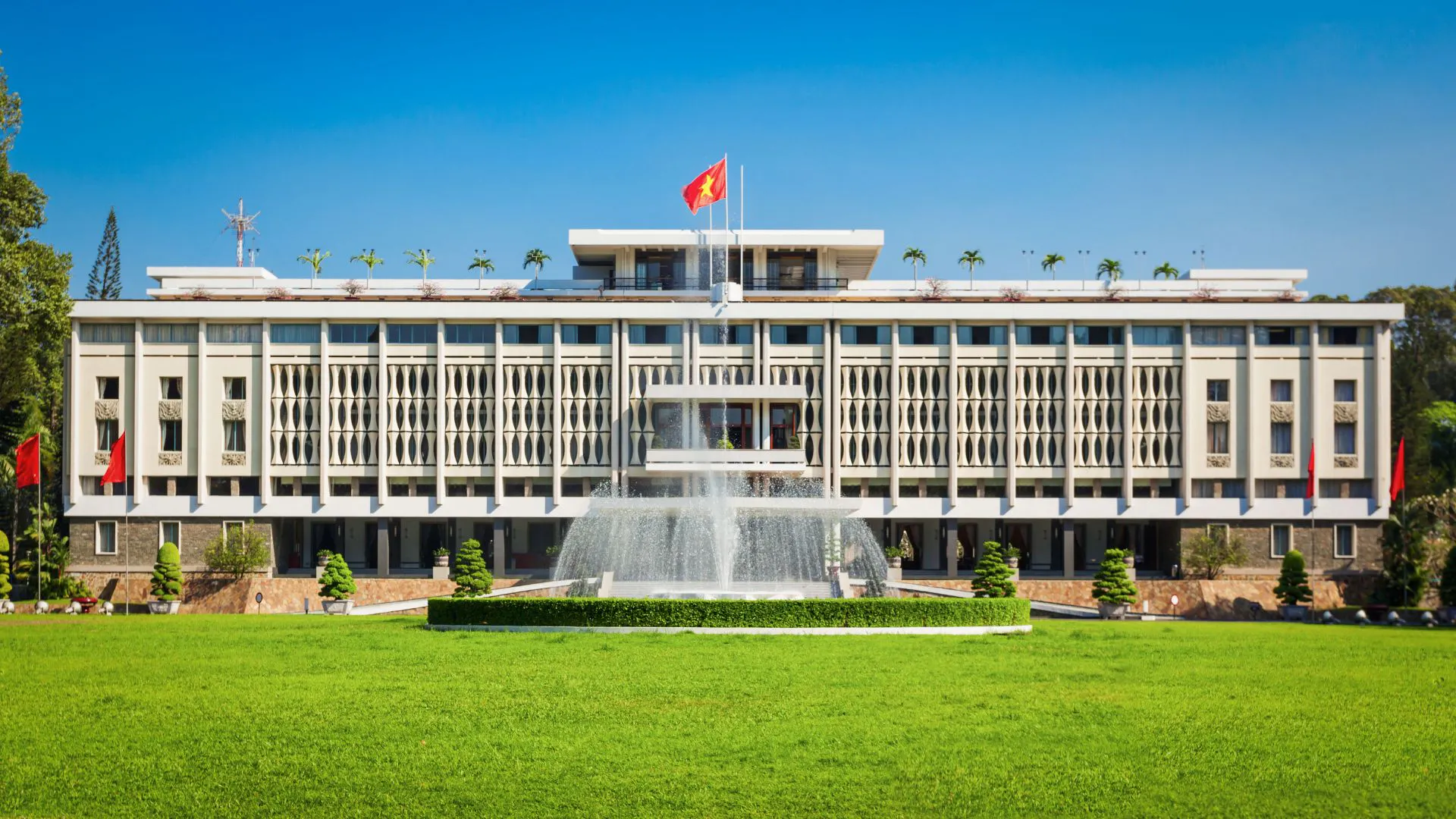
Independence Palace
Independence Palace, also known as Reunification Palace, is one of the most important historical landmarks in Ho Chi Minh City. Located in the heart of the city, the palace is closely associated with Vietnam's modern history and the events of April 30, 1975. Visitors can explore its distinctive 1960s architecture, ceremonial rooms, presidential offices, underground command center, and historic military exhibits. Discover the story behind Independence Palace and why this iconic Ho Chi Minh City attraction remains an important place to understand Vietnam's history.
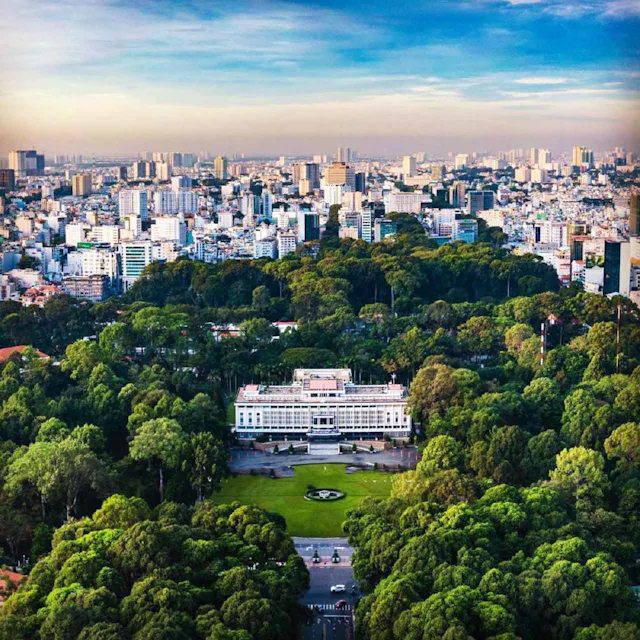
About Independence Palace
Independence Palace, also known as Reunification Palace, is one of the most important historical landmarks in Ho Chi Minh City. Located in the heart of the city, the palace is closely connected with some of the most significant events in Vietnam's modern history, particularly the end of the Vietnam War in 1975.
Today, Independence Palace is both a preserved historic building and a popular cultural attraction. Visitors can explore its distinctive 1960s architecture, ceremonial halls, presidential offices, underground command rooms, and military exhibits while learning about the political history of Vietnam.
What Is Independence Palace?
Independence Palace was once the official residence and workplace of the President of South Vietnam.
The current building was constructed in the 1960s on the site of an earlier colonial-era structure known as Norodom Palace. The modern palace was designed by Vietnamese architect Ngo Viet Thu, who incorporated modernist architecture with traditional Vietnamese design principles.
The building's large open spaces, geometric forms, decorative details, and carefully planned layout make it one of the most distinctive architectural landmarks in Ho Chi Minh City.
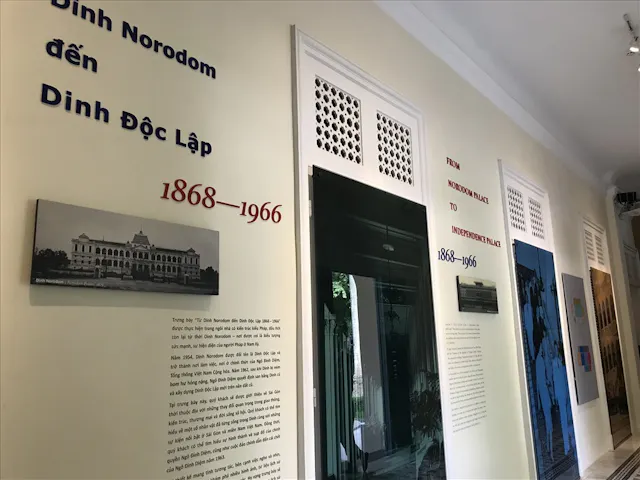
From Norodom Palace to Independence Palace
The site has a long history dating back to the French colonial period.
The original Norodom Palace was built in the 19th century and served as an important administrative and governmental building.
After the French departure from Vietnam, the site became associated with the government of South Vietnam.
The original structure was badly damaged in an air attack in 1962 and was subsequently demolished. Construction of the present palace began in 1962 and was completed in 1966.
Reunification Palace
The building was known as Independence Palace during the period of South Vietnamese government.
After the events of April 30, 1975, it became associated with the reunification of Vietnam and was later commonly known as Reunification Palace.
Both names remain widely used today, although "Independence Palace" is the official English name commonly used by the site.
April 30, 1975
Independence Palace is particularly famous because of its connection with the events of April 30, 1975.
On that day, North Vietnamese forces entered the palace grounds, marking the fall of the South Vietnamese government and the end of the Vietnam War.
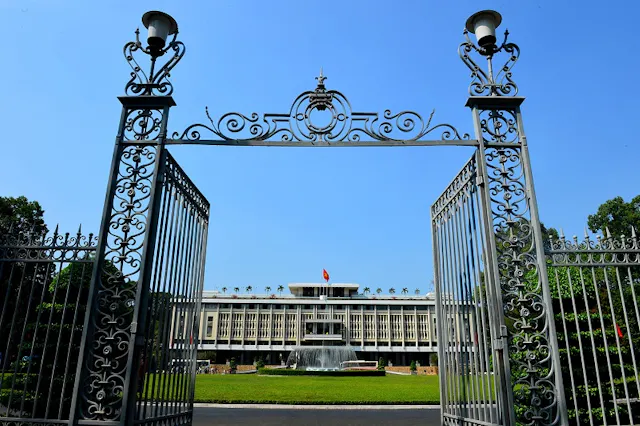
Images of tanks entering the palace gates became some of the most recognizable photographs associated with the end of the conflict.
For this reason, the palace has become an important symbol in Vietnam's modern history.
Architecture of Independence Palace
The palace's architecture combines modernist design with traditional Vietnamese concepts.
The building features large horizontal lines, open courtyards, broad windows, and carefully balanced geometric forms.
Traditional decorative elements can be seen throughout the interior, including motifs inspired by Vietnamese culture.
The architectural design also reflects ideas about harmony, symbolism, and spatial organization.
Ceremonial Rooms
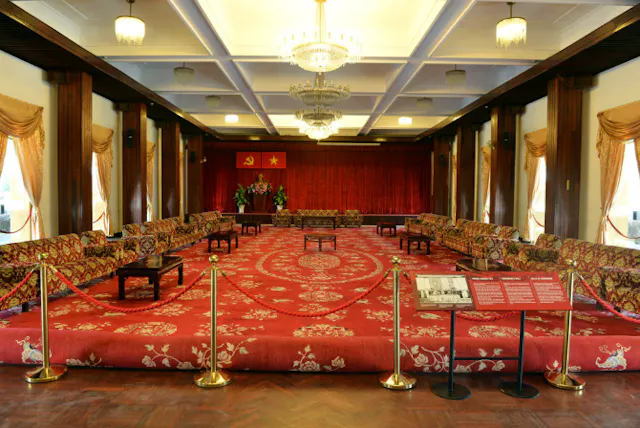
Visitors can explore several formal rooms used for government meetings, diplomatic events, receptions, and official ceremonies.
The rooms contain period furniture, decorative artwork, carpets, maps, and other objects that help recreate the atmosphere of the building during the 1960s and 1970s.
The Banquet Hall and other reception spaces demonstrate the formal character of the former presidential complex.
Presidential Offices
The palace contains offices and private areas associated with the former South Vietnamese leadership.
These rooms provide insight into how the building functioned as both a political headquarters and a residence.
Visitors can see period furnishings, communication equipment, desks, meeting rooms, and personal spaces preserved as part of the historical exhibition.
Underground Command Center
One of the most fascinating parts of Independence Palace is its underground command center.
The basement contains communication rooms, operational areas, maps, radio equipment, and other facilities used during wartime.
The underground complex demonstrates how the palace functioned as a military and political command center during periods of conflict.
Rooftop Helicopter Area
The palace's rooftop includes a historic helicopter display.
During the Vietnam War, the rooftop was used as a landing area for helicopters serving the presidential complex.
The rooftop also provides an interesting perspective over central Ho Chi Minh City and the surrounding streets.
Palace Grounds and Gardens
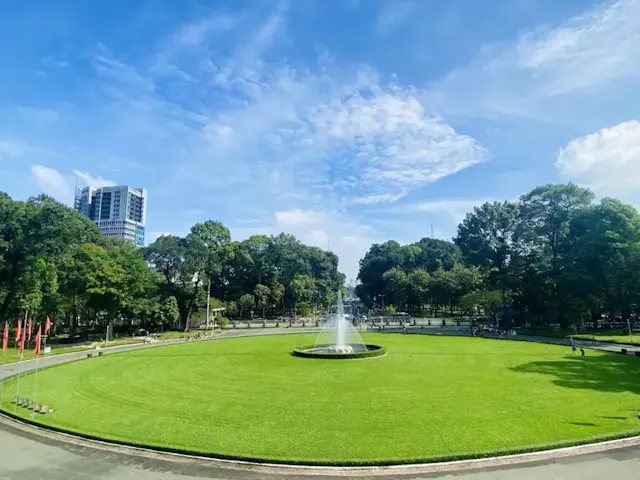
Independence Palace is surrounded by spacious gardens and lawns that provide a contrast to the busy streets of central Ho Chi Minh City.
Visitors can walk around the grounds, view historic vehicles and military equipment, and photograph the distinctive palace exterior.
The combination of architecture, greenery, and preserved historical objects makes the complex particularly interesting for photography.
Best Time to Visit
Independence Palace can be visited throughout the year.
The dry season from December to April is generally convenient for exploring Ho Chi Minh City, although the palace itself can be visited regardless of weather.
Morning visits are often comfortable for walking around the outdoor grounds before temperatures become hotter.
Visitors should allow around one to two hours to explore the main building, exhibitions, and surrounding grounds.
How to Get to Independence Palace
Independence Palace is centrally located in District 1, Ho Chi Minh City, making it easy to reach from many parts of the city.
Travelers can walk from nearby attractions, take a taxi or ride-hailing service, or use local buses.
The palace is close to other major attractions such as Notre-Dame Cathedral Basilica of Saigon, Saigon Central Post Office, Ben Thanh Market, and the War Remnants Museum, making it easy to include in a walking or sightseeing itinerary.
Why Visit Independence Palace?
Independence Palace offers travelers an opportunity to explore one of the most important places in Vietnam's modern history.
Its distinctive architecture, preserved interiors, underground command center, historic vehicles, and connection with April 30, 1975 make it much more than an ordinary tourist attraction.
For travelers interested in history, architecture, politics, and the Vietnam War, Independence Palace provides valuable context for understanding Ho Chi Minh City's transformation and Vietnam's journey through one of the most significant periods of its modern history.
Independence Palace Photo Gallery
Explore a collection of captivating images showcasing Independence Palace, one of Vietnam's most significant historical landmarks. From its striking modernist architecture and grand reception halls to preserved state rooms, underground command bunker, and beautifully landscaped grounds, these photos offer a glimpse into the history, culture, and legacy of this iconic Ho Chi Minh City attraction.
How to Get to and Around Independence Palace
Bus and coach
Several public bus routes serve the District 1 area, with stops located within walking distance of Independence Palace. Buses provide an affordable way to reach the attraction from different parts of Ho Chi Minh City.
Train
Visitors arriving at Saigon Railway Station can reach Independence Palace in approximately 10 to 15 minutes by taxi, ride-hailing service, or public transportation. The palace is located a short distance from the city's main train station.
Driving
The palace is easily accessible by car via major roads in central Ho Chi Minh City. Parking facilities are available nearby, although traffic in District 1 can be busy during peak hours.
Flying
Travelers arriving at Tan Son Nhat International Airport can reach Independence Palace in around 20 to 30 minutes by taxi or private transfer, depending on traffic conditions. The palace is one of the closest major tourist attractions to the airport.
Frequently Asked Questions About Independence Palace
What is Independence Palace famous for?
Independence Palace is famous for its role in modern Vietnamese history, particularly the events of April 30, 1975, which marked the end of the Vietnam War and the reunification of Vietnam. Today, it stands as one of the country's most significant historical landmarks.
Is Independence Palace the same as Reunification Palace?
Yes. Independence Palace and Reunification Palace refer to the same landmark. The building was originally known as Independence Palace and later became widely known as Reunification Palace following Vietnam's reunification in 1975.
What can visitors see inside Independence Palace?
Visitors can explore preserved reception halls, conference rooms, presidential offices, private living quarters, ceremonial spaces, and the underground command bunker. Many rooms remain largely unchanged, offering a fascinating glimpse into Vietnam's political history.
How much time should I spend at Independence Palace?
Most visitors spend between one and two hours exploring the palace grounds, exhibition areas, historic rooms, and underground facilities. History enthusiasts may choose to spend longer learning about the site's significance.
Is Independence Palace worth visiting?
Absolutely. Independence Palace is one of Ho Chi Minh City's most important attractions, combining historical significance, unique architecture, and well-preserved interiors. It offers valuable insights into Vietnam's modern history and is a must-visit destination for culture and history lovers.
Advertising box