
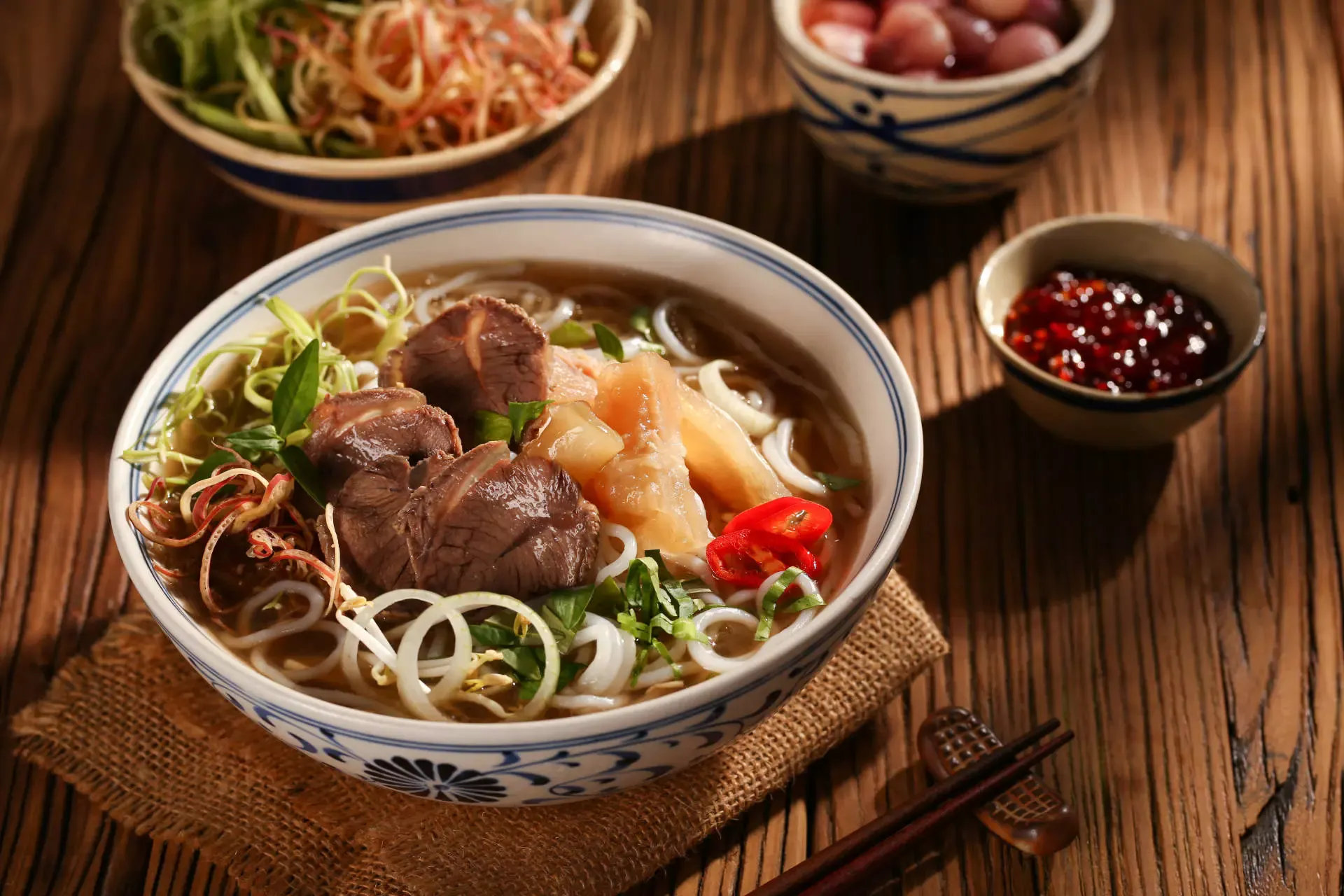
Bún Bò Huế: Vietnam's Spicy Beef Noodle Soup
Bún Bò Huế is a famous Vietnamese noodle soup from Hue, known for its aromatic lemongrass broth, thick rice noodles, tender beef, pork, shrimp paste, fresh herbs, and chili. Richer and spicier than many Vietnamese noodle soups, it combines savory, spicy, salty, and slightly sweet flavors in a deeply fragrant broth. Closely associated with Hue's culinary heritage, Bún Bò Huế is enjoyed throughout Vietnam and is a must-try dish for travelers exploring Central Vietnamese cuisine and the historic city of Hue.
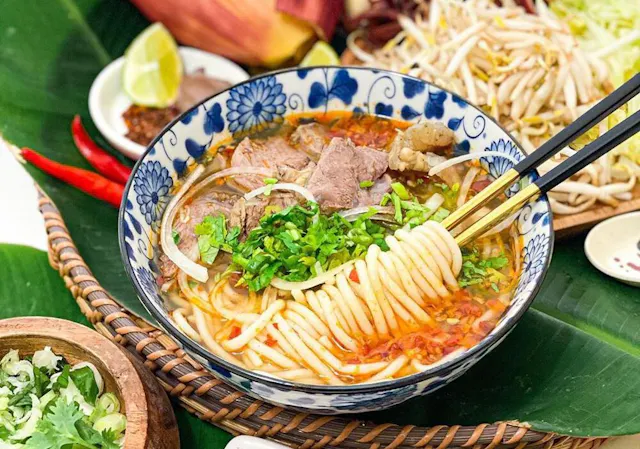
About Bun Bo Hue
Bun Bo Hue is a famous Vietnamese noodle soup from Hue, Central Vietnam, known for its rich beef broth, thick round rice noodles, tender beef, pork, fresh herbs, and distinctive spicy aroma. Often simply called Bún Bò in Hue, this dish is one of the most celebrated specialties of Central Vietnamese cuisine.
Compared with Pho, Bun Bo Hue has a stronger and more complex flavor. Its broth combines beef, lemongrass, chili, fermented shrimp paste, and other seasonings to create a savory, aromatic, and slightly spicy taste. For travelers exploring Hue, enjoying a bowl of authentic Bun Bo Hue is an essential food experience.
What Is Bun Bo Hue?
Bun Bo Hue is a Vietnamese noodle soup traditionally made with thick rice vermicelli, beef, pork, herbs, and a flavorful broth.
The dish originated in Hue and reflects the city's distinctive culinary traditions. Although recipes vary between restaurants and regions, the combination of beef, lemongrass, chili, and thick noodles remains central to its identity.
Thick Rice Noodles
One of the defining characteristics of Bun Bo Hue is its thick, round rice noodles.
The noodles are wider and chewier than the flat rice noodles used in Pho. Their firm texture allows them to hold up well in the rich broth and provides a satisfying contrast with tender meat and fresh vegetables.
Beef
Beef provides much of the dish's savory flavor.
Depending on the recipe, a bowl may include thinly sliced beef, beef shank, tendon, or other cuts. The meat is simmered or cooked until tender before being sliced and served with the noodles.
Different combinations of beef allow restaurants to offer bowls ranging from simple everyday versions to more elaborate preparations.
Pork and Pork Sausage
Bun Bo Hue can also include pork ingredients, particularly cha lua Hue, a Vietnamese pork sausage.
Pork hock is another popular addition. It is slowly cooked until tender, giving the broth extra richness while providing a substantial piece of meat in the bowl.
The combination of beef and pork is one reason the dish has such a rich and satisfying character.
Lemongrass
Lemongrass is an important aromatic ingredient in Bun Bo Hue.
It gives the broth a fresh citrus-like fragrance that helps distinguish the soup from other Vietnamese noodle dishes. Lemongrass is commonly simmered with the broth along with beef and other aromatics.
Its bright aroma balances the richness of the meat and adds complexity to every spoonful.
Fermented Shrimp Paste
Fermented shrimp paste, known as mam ruoc Hue, is traditionally used to give Bun Bo Hue its distinctive depth of flavor.
Only a small amount may be needed because the paste has a strong aroma and concentrated umami character. It contributes a savory complexity that is particularly characteristic of Hue cuisine.
Chili and Spicy Flavor
Bun Bo Hue is known for its spicy character, although the level of heat varies between recipes.
Chili oil or chili paste is often added to the broth, giving it a reddish color and warming spice. Diners can usually adjust the heat with fresh chili or additional chili sauce.
The combination of spicy chili and fragrant lemongrass gives the soup its lively personality.
What Does Bun Bo Hue Taste Like?
Bun Bo Hue has a rich, savory, aromatic, and slightly spicy flavor.
The beef and pork create depth, while lemongrass provides a fresh citrus aroma. Fermented shrimp paste adds umami, and chili contributes warmth and spice.
Fresh herbs and vegetables add brightness, creating a balanced contrast with the rich broth.
Bun Bo Hue in Hue
Bun Bo Hue is deeply connected to the culinary identity of Hue.
The city is famous for its refined cuisine and historic imperial heritage, but Bun Bo Hue represents a more everyday side of local food culture. Small restaurants, family-run eateries, and street food stalls serve the soup throughout the city.
For visitors, trying Bun Bo Hue in Hue provides an opportunity to experience the flavors of Central Vietnam at their source.
Fresh Herbs and Vegetables
Bun Bo Hue is commonly served with fresh herbs and vegetables such as banana blossom, bean sprouts, Vietnamese mint, lettuce, and other local greens.
These ingredients provide freshness and crunch while balancing the rich broth and meat. Diners can add them gradually as they eat, adjusting the texture and flavor of each bite.
Where to Try Bun Bo Hue
Hue is the ideal destination for trying traditional Bun Bo Hue.
Local markets, street food stalls, family-run restaurants, and noodle shops serve different versions throughout the city. The dish is also widely available in Hanoi, Ho Chi Minh City, Da Nang, and other Vietnamese cities, although recipes may be adapted to local preferences.
How to Eat Bun Bo Hue
Bun Bo Hue is served hot, with thick noodles, meat, and broth in a large bowl.
Fresh herbs and vegetables are usually served separately so diners can add them according to preference. Lime, chili, and other seasonings can also be added to adjust the balance of acidity and spice.
The soup is best enjoyed while hot, when the aromas of lemongrass, beef, and chili are most pronounced.
Discover Bun Bo Hue
Bun Bo Hue is one of Vietnam's most distinctive noodle soups, combining thick rice noodles, tender beef and pork, fragrant lemongrass, fermented shrimp paste, chili, and fresh herbs.
Its rich and spicy broth offers a completely different experience from lighter Vietnamese noodle soups such as Pho. For travelers visiting Hue, tasting an authentic bowl of Bun Bo Hue is an essential way to discover the bold flavors and culinary traditions of Central Vietnam.
Featured Ingredients of Bun Bo Hue – The Flavors Behind Hue’s Famous Noodle Soup
Bun Bo Hue is created from carefully selected ingredients that build its signature rich aroma, spicy taste, and satisfying texture. Each element, from the slow-cooked broth to the fresh toppings, plays an important role in creating the authentic flavor of this Central Vietnamese specialty.
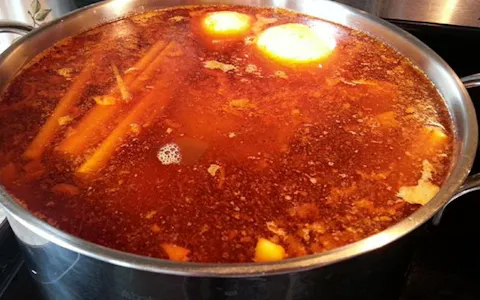
Lemongrass & Spiced Beef Broth↗
The soul of Bun Bo Hue is its aromatic broth, slowly simmered with beef bones, pork bones, lemongrass, chili, and traditional spices. This creates a deep, flavorful base with a unique balance of richness, fragrance, and gentle heat.
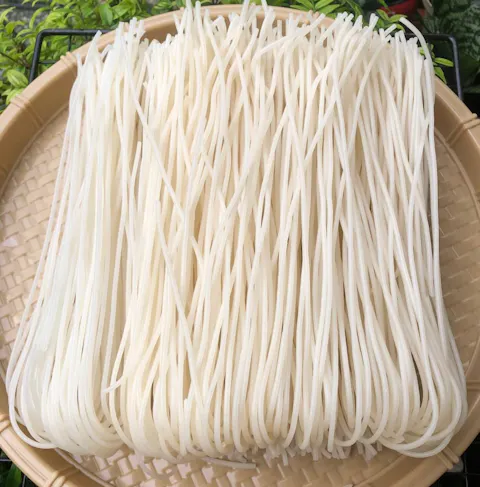
Thick Rice Noodles & Tender Meat↗
Bun Bo Hue uses thick round rice noodles that provide a soft yet chewy texture. The noodles are served with slices of tender beef, pork, Vietnamese sausage, and sometimes beef tendon, creating a hearty and satisfying bowl.
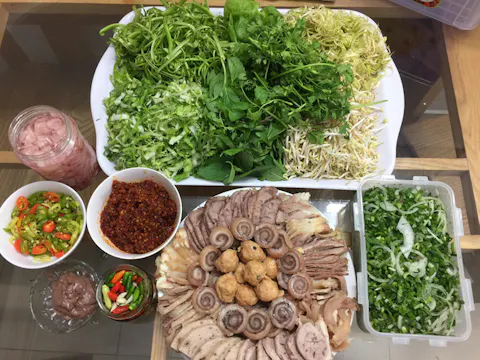
Fresh Herbs & Traditional Toppings↗
Fresh herbs, onions, chili, and vegetables add freshness and balance to the rich broth. These toppings enhance the flavors and represent the Vietnamese tradition of combining bold flavors with fresh local ingredients.
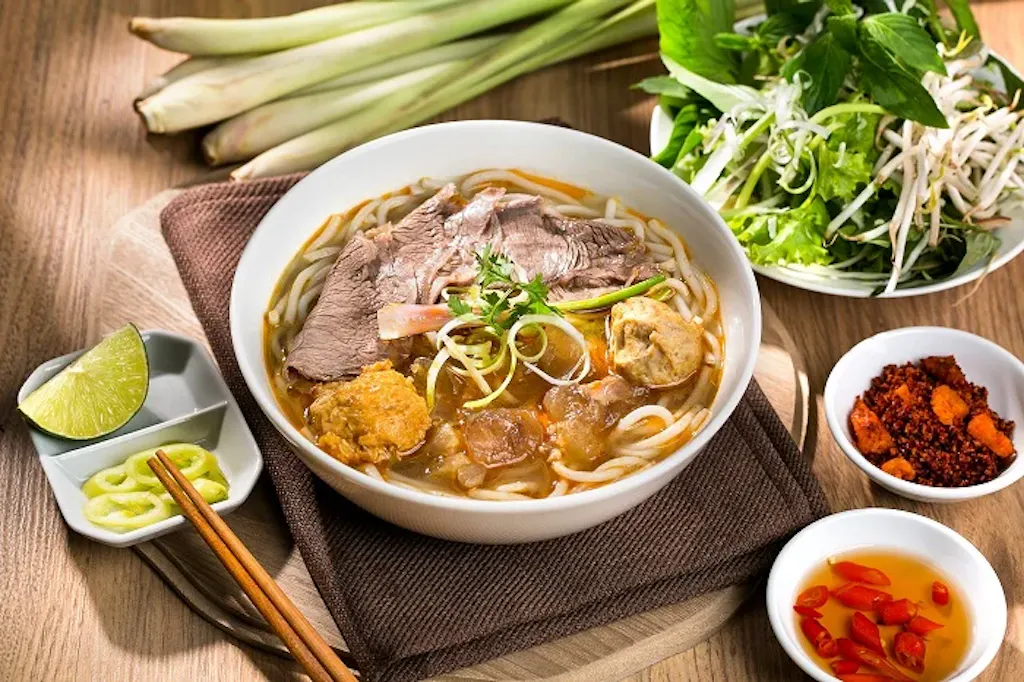
Related Bun Bo Hue Articles
Discover more about Bun Bo Hue, one of Vietnam's most distinctive and flavorful noodle soups. Explore related guides covering the origins and history of this Hue specialty, its signature ingredients, rich and spicy broth, traditional preparation, regional variations, and the best places to try it in Vietnam. Whether you're learning about Vietnamese cuisine or planning a food journey through Hue and Central Vietnam, these articles offer useful insights into the flavors, traditions, and cultural heritage behind Bun Bo Hue.
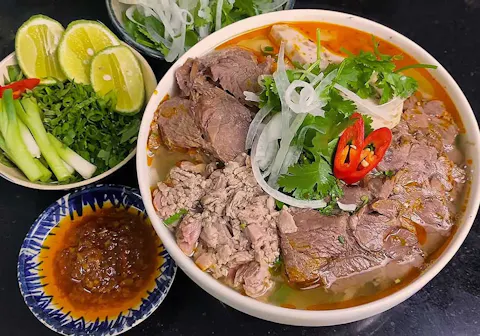
What Is Bún Bò Huế? A Guide to Vietnam's Spicy Noodle Soup↗
Bún Bò Huế is a spicy Vietnamese noodle soup associated with Huế, the former imperial capital of Vietnam. Made with thick round rice noodles, beef and pork, lemongrass, chili, and fermented shrimp paste, it is known for its rich broth and bold Central Vietnamese flavors. Common toppings include beef shank, pork hock, Vietnamese sausage, fresh herbs, banana blossom, and bean sprouts. Discover the history, ingredients, flavors, regional variations, and traditions behind one of Vietnam's most distinctive noodle soups.

Bun Rieu vs Bun Bo Hue: What Is the Difference?↗
Bun Rieu and Bun Bo Hue are two of Vietnam's most beloved noodle soups, but they offer completely different flavors and dining experiences. Bun Rieu features a light tomato and crab-based broth with freshwater crab paste, while Bun Bo Hue is famous for its rich, spicy beef broth infused with lemongrass and chili. This guide compares their ingredients, taste, regional origins, toppings, and cooking styles to help you understand what makes each dish unique and decide which one to try first.
Frequently Asked Questions About Bun Bo Hue
What is Bun Bo Hue?
Bun Bo Hue is a traditional Vietnamese noodle soup from Hue, Central Vietnam. It is known for its rich beef broth, thick rice noodles, lemongrass aroma, spicy flavor, and toppings such as beef, pork, and fresh herbs.
Why is Bun Bo Hue different from Pho?
While both are famous Vietnamese noodle soups, Bun Bo Hue has a stronger and spicier flavor with a richer broth made from beef bones, lemongrass, and chili. It also uses thicker round rice noodles compared to Pho’s flat noodles.
What ingredients are used in Bun Bo Hue?
A traditional bowl of Bun Bo Hue includes thick rice noodles, beef, pork, Vietnamese sausage, lemongrass, chili, shrimp paste, fresh herbs, onions, and a slow-cooked broth full of aromatic spices.
Where is the best place to eat Bun Bo Hue?
The best place to enjoy authentic Bun Bo Hue is in Hue City, where the dish originated. Many local restaurants and street food stalls serve traditional recipes that preserve the original flavors of Central Vietnam.
Is Bun Bo Hue spicy?
Bun Bo Hue usually has a mild to moderate spicy flavor from chili and spices, but the level of heat can vary. Many restaurants allow customers to adjust the spice by adding extra chili or sauces.
Advertising box
Related Vietnamese Dishes
Explore more of Vietnam's rich culinary heritage with these delicious regional specialties. From comforting noodle soups and fresh seafood dishes to iconic street food favorites, discover authentic flavors that perfectly complement your journey beyond.
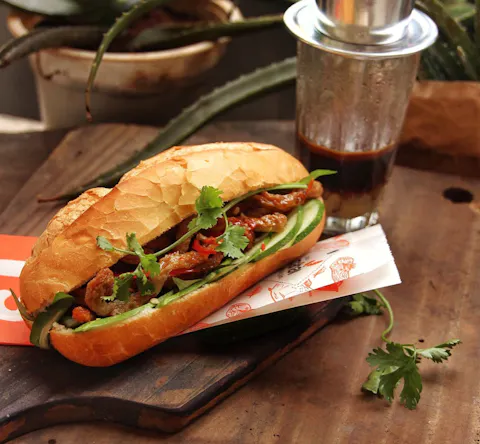
Banh Mi Vietnam
Banh Mi is one of Vietnam’s most iconic street foods, combining a crispy baguette with flavorful fillings, fresh herbs, and unique Vietnamese ingredients. Inspired by French culinary influences and transformed with local flavors, Banh Mi represents the creativity and diversity of Vietnamese cuisine. Discover the history, regional styles, popular fillings, and cultural stories behind this beloved sandwich. From busy street stalls to local bakeries, Go Visit Vietnam helps you explore the authentic taste and experience of Vietnam’s famous Banh Mi.
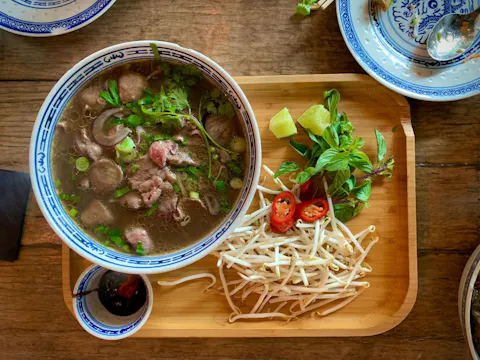
Pho Vietnam
Pho is one of Vietnam’s most famous dishes, representing the country’s rich culinary heritage and traditional flavors. This beloved noodle soup combines aromatic broth, rice noodles, fresh herbs, and carefully prepared ingredients to create a simple yet unforgettable experience. Discover the origins of Pho, explore regional variations from Northern to Southern Vietnam, and learn why this dish has become a symbol of Vietnamese cuisine around the world. Go Visit Vietnam brings you closer to the stories, flavors, and culture behind authentic Vietnamese Pho.
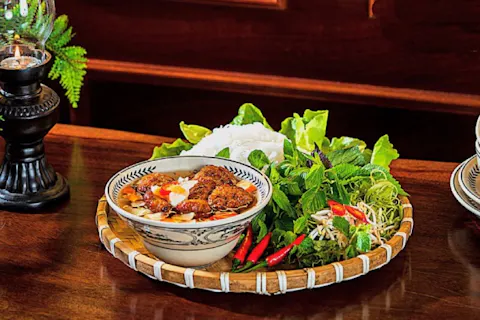
Bun Cha Vietnam
Bun Cha is one of Vietnam’s most beloved dishes, especially famous in Hanoi for its smoky grilled pork, fresh rice noodles, herbs, and sweet-savory dipping sauce. This traditional dish represents the balance and simplicity of Vietnamese cuisine, combining fresh ingredients with rich flavors. Discover the origins of Bun Cha, its preparation methods, regional variations, and the best way to enjoy this authentic Vietnamese specialty. Go Visit Vietnam brings you closer to the culture, flavors, and stories behind Hanoi’s iconic street food.
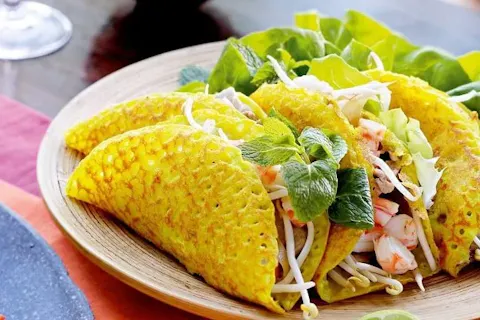
Banh Xeo
Banh Xeo is one of Vietnam’s most popular traditional dishes, known for its crispy golden shell, flavorful fillings, and fresh herbs served with dipping sauce. This Vietnamese savory pancake is made from rice flour batter and commonly filled with shrimp, pork, bean sprouts, and vegetables. Each region offers its own unique version, from the large crispy pancakes of Southern Vietnam to smaller styles in Central Vietnam. Discover the flavors, traditions, and local experiences behind this iconic Vietnamese street food.
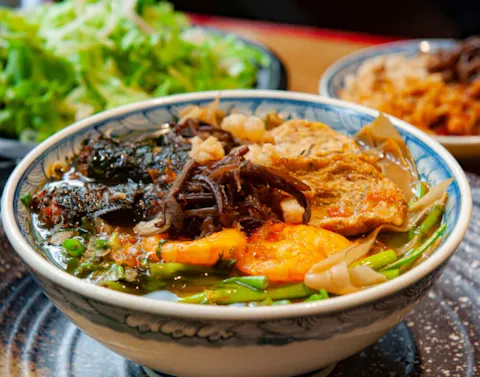
Banh Da Cua
Banh Da Cua is one of the most iconic dishes from Hai Phong, Northern Vietnam, loved for its unique red rice noodles, sweet crab broth, and fresh local ingredients. This traditional Vietnamese noodle soup combines flavors from the sea and countryside, creating a distinctive taste that represents the coastal city’s culinary identity. Visitors can enjoy Banh Da Cua with crab, shrimp, fish cakes, herbs, and vegetables while discovering one of Vietnam’s most memorable regional specialties.
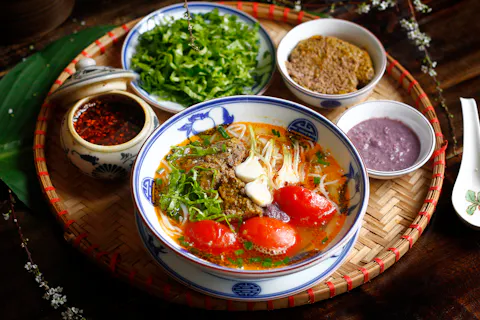
Bun Rieu
Bun Rieu is a beloved Vietnamese noodle soup famous for its flavorful crab-based broth, tomato richness, and refreshing combination of herbs and toppings. Originating from Northern Vietnam, this traditional dish features soft rice vermicelli, crab paste, tofu, pork, and fresh vegetables. With its unique balance of sweet, savory, and slightly tangy flavors, Bun Rieu represents the diversity and creativity of Vietnamese cuisine. Discover the ingredients, traditions, and local experiences behind one of Vietnam’s most iconic comfort foods.
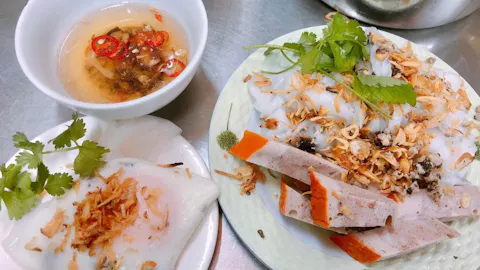
Banh Cuon
Banh Cuon is a popular Vietnamese dish known for its delicate steamed rice sheets, savory fillings, and light yet flavorful taste. Originating from Northern Vietnam, this traditional specialty is made by steaming thin rice batter and filling it with minced pork, mushrooms, and herbs. Served with Vietnamese fish sauce, fried shallots, and fresh herbs, Banh Cuon offers a perfect balance of softness, aroma, and freshness. Discover the story, ingredients, and cultural charm behind one of Vietnam’s favorite breakfast dishes.