
Jungle Trekking in Vietnam: Best Rainforest Treks & National Parks
Step beneath ancient tropical canopies and discover the untouched wilderness of Southeast Asia with this ultimate rainforest expedition guide. From the vast subterranean cave networks and limestone karst valleys of Phong Nha-Kẻ Bàng to the thousand-year-old botanical archives of Cúc Phương, misty cloud forests of Bạch Mã, and coastal island reserves of Cát Bà, explore Vietnam’s premier national parks. Learn essential gear recommendations, survival strategies, microclimate navigation, and eco-conservation protocols for an unforgettable deep-jungle adventure.
On this page
Stepping beneath the dense, multi-layered canopy of an ancient tropical rainforest in Vietnam is an immediate, intoxicating immersion into the primal heart of Southeast Asia. High above the forest floor, giant emergent trees like Terminalia calamansanai pierce the swirling mountain mists, while a deafening, rhythmic symphony of cicadas, gibbons, and endemic hornbills echoes across the humid air. Across the elongated geography of Non nước Việt Nam, these protected forest reserves preserve some of the most ecologically diverse and geologically ancient biomes on earth. For wilderness enthusiasts, field naturalists, and outdoor adventurers, engaging in Jungle Trekking in Vietnam: Best Rainforest Treks & National Parks offers an unparalleled opportunity to experience raw nature away from paved highways and commercial tourist hubs. Mastering Vietnam jungle trekking requires navigating slippery limestone karst terrain, crossing rushing mountain rivers, and understanding complex microclimates. Whether you are exploring underground cave systems or traversing coastal island reserves, embarking on a deep jungle expedition Vietnam exposes you to a wild, untamed world that represents the true ecological soul of the Indochinese Peninsula.
The Subterranean Kingdom – Phong Nha-Kẻ Bàng National Park
Navigating Karst Jungles and River Valleys
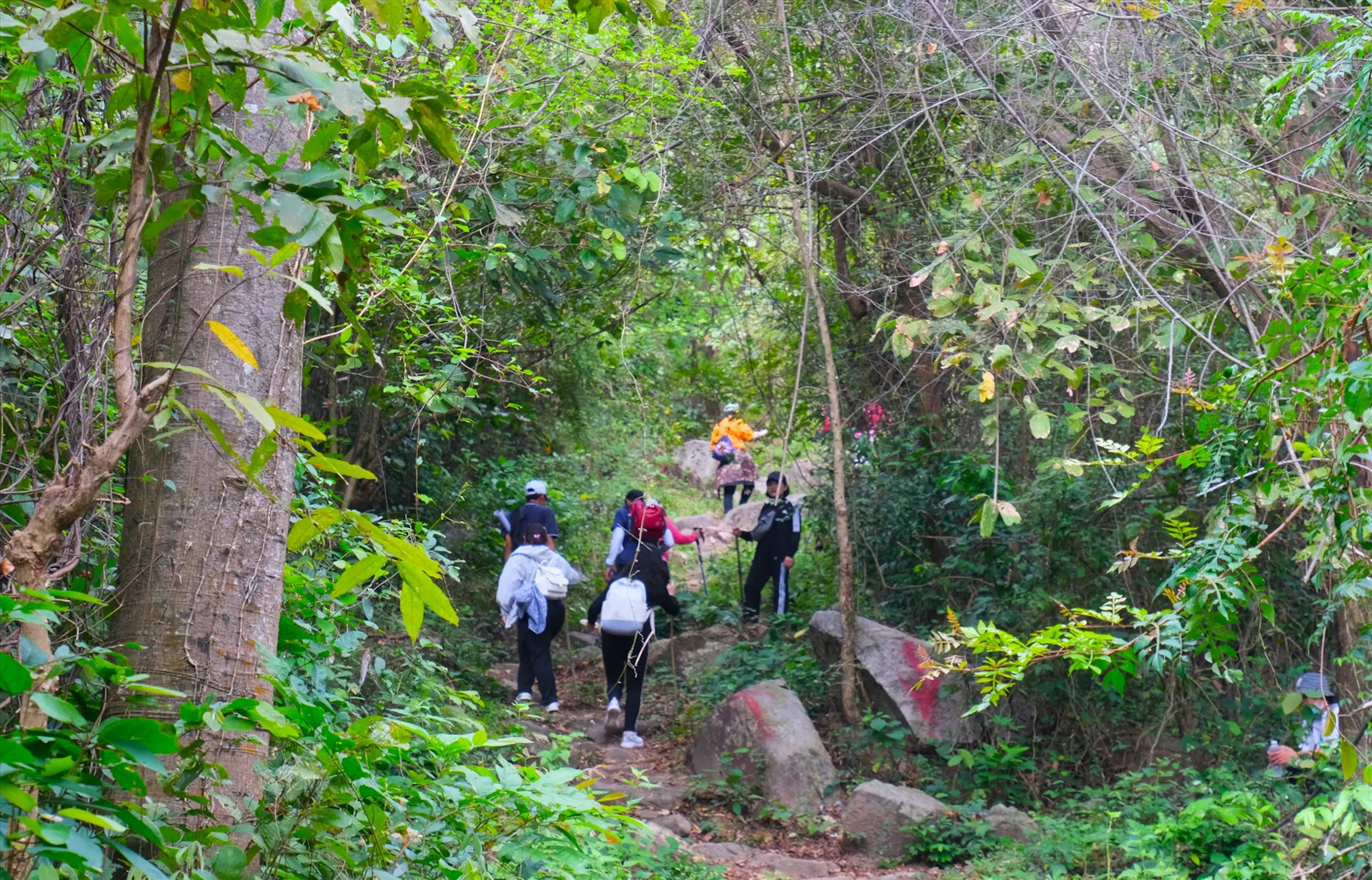
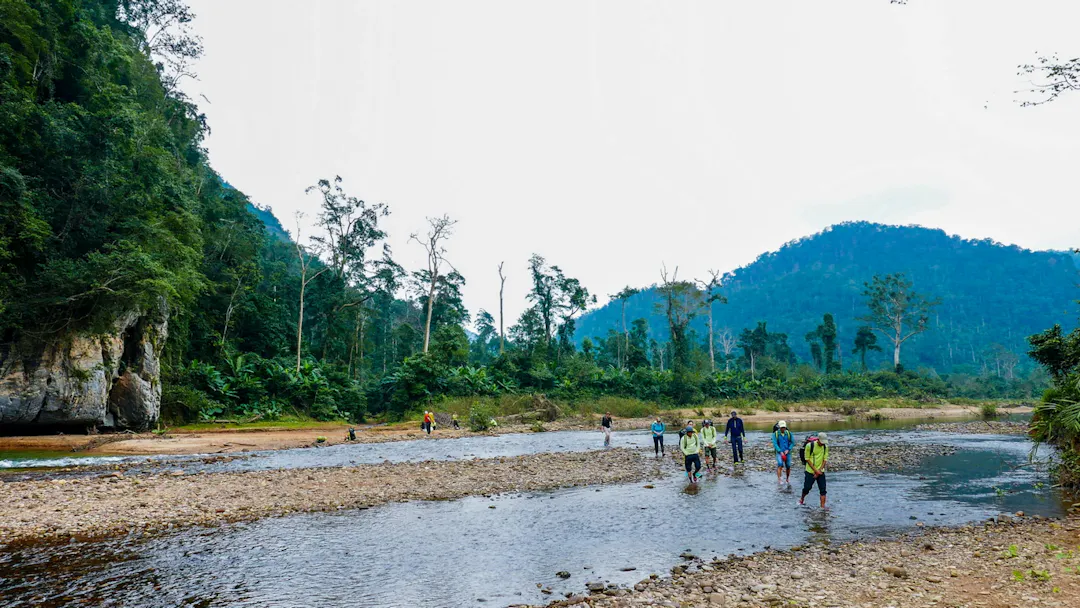
In the central province of Quảng Bình, the UNESCO World Heritage site of Phong Nha-Kẻ Bàng National Park preserves one of the oldest and largest karst ecosystems in Asia, dating back over four hundred million years. Executing a Phong Nha Ke Bang jungle trek requires negotiating an extraordinary, highly complex landscape where razor-sharp limestone towers rise abruptly out of dense, evergreen broadleaf rainforests. Hikers traversing these remote jungle trails Vietnam must contend with intense humidity, steep limestone ravines, and slippery clay tracks coated in wet leaf litter. The physical exertion demanded by this terrain is considerable, as footpaths frequently disappear into thick undergrowth dominated by climbing rattans, wild banana stands, and massive buttress root systems. Navigating these jagged karst valleys forces expedition teams to maintain constant focus, using sure footing and protective gloves to negotiate razor-edged rock outcrops while following ancient river beds that carve through the protected core zone of the national park.
Deep Expeditions and Cave Conservation
What distinguishes the rainforests of Phong Nha-Kẻ Bàng from all other tropical forest environments is its subterranean integration. The lush jungle floor is punctuated by massive sinkholes (dolines) and colossal cave entrances (hang động), including world-renowned subterranean spaces like Son Doong, Hang Én, and the Tu Lan cave system. Undertaking a multi-day deep jungle expedition Vietnam in this region involves transitioning seamlessly between sunlit tropical canopies and pitch-black underground river caverns. To preserve these delicate underground environments and fragile karst formations, all expeditions operate under strict ecological mandates overseen by national park authorities and expert cave research teams. Expeditions rely on professional indigenous porters and local guides who manage heavy camp gear, prepare meals, and enforce leave-no-trace protocols. These conservation ethics ensure that human impact remains minimal, safeguarding pristine cave formations, rare subterranean adapted species, and pristine forest floors for future scientific research and ecological preservation.
Read more: Phong Nha - Ke Bang National Park
Ancient Botany and Wildlife – Cúc Phương National Park
Traversing Vietnam’s Oldest Rainforest Archive
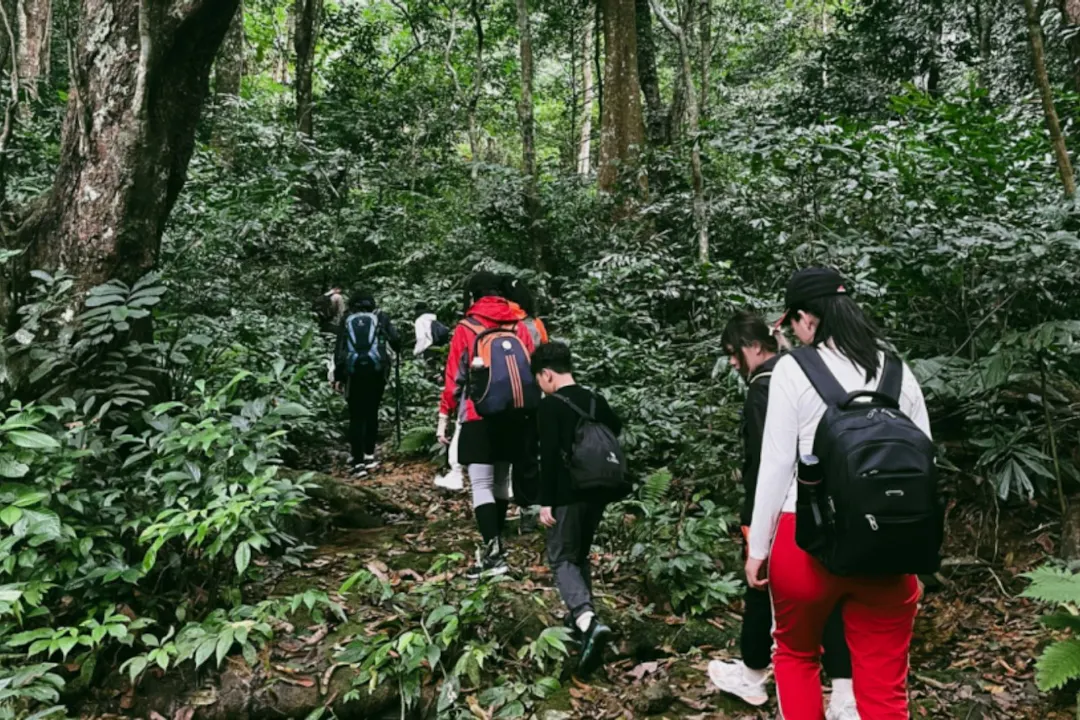
Located in Ninh Bình province, Cúc Phương National Park holds a revered place in national environmental history as the country's oldest protected nature reserve, officially established in 1962. Engaging in Cuc Phuong National Park trekking offers an extraordinary journey through an ancient botanical archive characterized by multi-layered, lowland tropical rainforest set within a sunken limestone valley. The primary hiking paths (đường mòn) wind through a dense forest dominated by ancient thousand-year-old trees, including the famous Cay Cho Chi (Parashorea chinensis), whose massive buttress roots extend meters above the forest floor. Participating in eco trekking national parks like Cúc Phương directly supports critical wildlife conservation initiatives, including the Endangered Primate Rescue Center and the Turtle Conservation Center located at the park entrance. These facilities rescue, rehabilitate, and breed endangered species such as the Delacour's langur before reintroducing them into protected wilderness zones, highlighting the vital link between forest preservation and species survival.
Fauna Identification and Night Trekking Protocols
The incredible biodiversity in Vietnam rainforests becomes especially vibrant after sunset, making night walks a highlight of guided jungle tours Vietnam in Cúc Phương. As daylight fades, the forest transforms into a bustling nocturnal ecosystem, offering wildlife enthusiasts a rare opportunity to observe species that remain hidden during the day. Accompanied by expert naturalists equipped with specialized headlamps, night trekkers quietly navigate established forest paths to spot rare civets, slow lorises, flying squirrels, colorful amphibians, and fascinating insect life, including giant stick insects and glowing fungi. Professional naturalists enforce strict wildlife observation protocols, utilizing low-intensity red light filters to avoid blinding or disturbing nocturnal animals. This cautious approach ensures travelers can experience authentic wildlife trekking Vietnam while maintaining absolute respect for animal behavior and habitat equilibrium.
Read more: Cuc Phuong National Park
Misty Ridges and Imperial Biomes – Bạch Mã National Park
The Bach Ma National Park Hike Experience
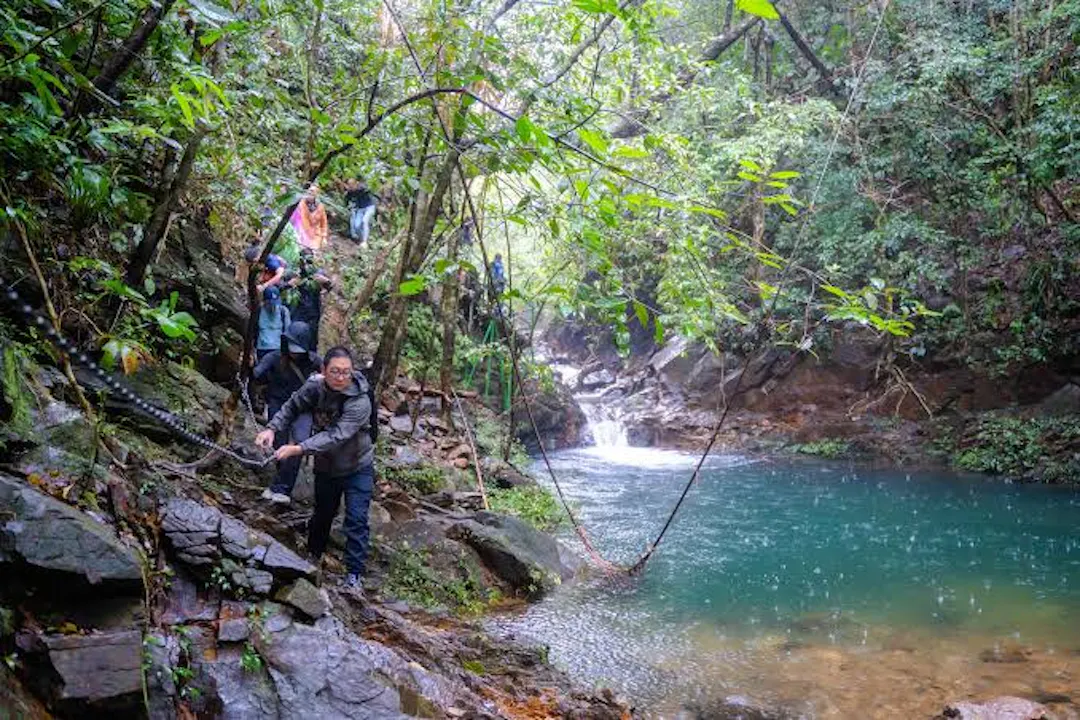
Rising dramatically from the coastal plains of Thừa Thiên Huế province to a peak elevation of 1,450 meters above sea level, Bạch Mã National Park represents a critical ecological transition zone where northern and southern Indochinese flora and fauna converge. Executing a Bach Ma national park hike involves traversing a steep elevation gradient that transitions rapidly from humid lowland tropical forest to cool, mist-veiled subtropical cloud forest. The primary trekking routes follow historical paths originally laid out during the French colonial era, winding past ruined stone villas, cascading waterfalls, and deep mountain pools known as the Five Lakes (Nghũ Hồ). The microclimatic conditions along these tropical forest trekking routes are notoriously volatile, featuring rapid temperature drops, sudden mountain mists, and heavy localized rainfall. Hikers must prepare for slick stone steps and damp earth paths, using sturdy waterproof footwear with aggressive rubber lugs to maintain traction.
Flora, Fauna, and Canopy Layer Dynamics
The steep altitudinal range of Bạch Mã fosters extraordinary flora and fauna Vietnam jungles, creating distinct canopy layers that support specialized ecological niches. The lower elevations are dominated by dense dipterocarp forests, wild orchids, and giant tree ferns, while the high ridges shelter rare dwarf rhododendron forests and ancient conifers. This rich botanical variety supports a wide array of wildlife, including the rare Edward's pheasant, crested argus, and various endemic amphibian species. Studying canopy layer dynamics during a hike reveals how epiphytic ferns, mosses, and lianas cling to host trees, absorbing moisture directly from swirling mountain clouds. Staying on designated trails and utilizing established viewing platforms prevents soil erosion and protects delicate root systems, ensuring these pristine cloud forest biomes remain resilient against environmental stress.
Read more: Bach Ma National Park
Coastal Rainforests – Cát Bà National Park
The Cat Ba Jungle Trekking Tours Reality
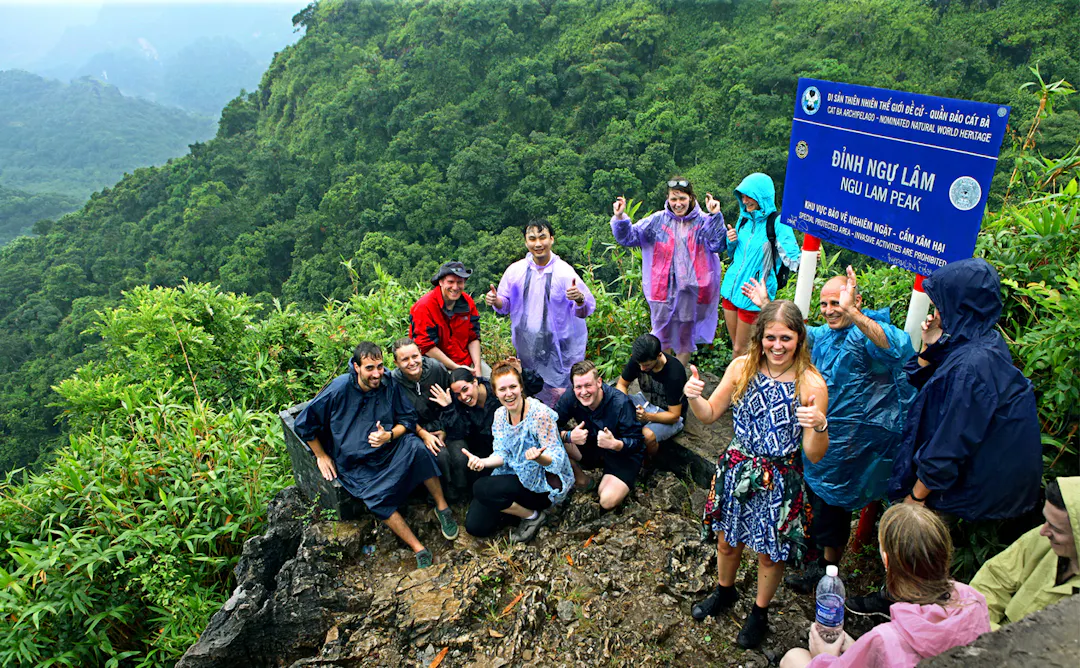
Situated on Cat Ba Island in the Gulf of Tonkin, Cát Bà National Park preserves a rare, highly specialized island ecosystem where rugged tropical rainforest meets dramatic karst coastal geology. Participating in Cat Ba jungle trekking tours exposes outdoor enthusiasts to a physically demanding wilderness experience that contrasts sharp limestone peak ascents with humid, jungle-covered valley floors. The primary cross-island trail covers approximately fourteen kilometers of challenging terrain, leading hikers through the protected core zone from park headquarters toward the remote coastal hamlet of Việt Hải. The trail requires scrambling over jagged limestone pinnacles (đèo), navigating dense bamboo thickets, and managing footing on loose, weathered rock. The intense coastal humidity and steep vertical sections require good cardiovascular endurance, making proper hydration and physical preparation essential for a safe trek.
Island Biodiversity and Langur Conservation
Despite its island setting, Cát Bà National Park boasts impressive biodiversity, serving as the sole natural habitat for the world's most endangered primate: the Cát Bà langur (Trachypithecus poliocephalus). With fewer than one hundred individuals surviving in the wild, these golden-headed primates live along inaccessible limestone cliffs, feeding on endemic forest foliage. Trekking through the park's protected forests offers a deep appreciation for the complex island food web, where golden orb-weaver spiders, macaques, giant squirrels, and migratory birds thrive within the canopy. National Park hiking Vietnam on Cát Bà Island emphasizes strictly enforced eco-tourism guidelines; visitors must remain on marked paths, avoid leaving food waste that could attract invasive species, and support certified local guides whose fees contribute directly to ranger patrols and langur habitat protection programs.
Read more: Cat Ba National Park
Essential Operational Logistics and Survival Mastery
Tropical Jungle Survival and Gear Optimization
Executing a multi-day rainforest expedition safely requires specialized gear and a clear understanding of tropical jungle survival Vietnam. High humidity, frequent downpours, and wet terrain mean that gear selection directly impacts safety and comfort. Investing in the best jungle hiking gear begins with proper footwear: fast-drying, non-waterproof jungle boots with aggressive rubber lugs are preferred over waterproof membrane boots, as water will inevitably enter from the top during river crossings and needs to drain quickly. Wearing breathable, moisture-wicking long trousers and long-sleeved shirts protects against sharp foliage, insects, and thorny vines. To counter terrestrial leeches, high-cut anti-leech gaiters treated with insect repellent are essential. Additionally, every trekker should carry a reliable headlamp, dry bags to seal electronics, water purification tablets or a squeeze filter, and a comprehensive wilderness first-aid kit. For multi-day trips, participating in jungle camping tours Vietnam led by licensed expedition operators ensures proper camp setups, lightweight hammocks with integrated mosquito nets, and secure water sourcing in remote wilderness environments.
Ultimately, engaging in Jungle Trekking in Vietnam: Best Rainforest Treks & National Parks offers an unforgettable encounter with some of the planet's most ancient, resilient, and beautiful wilderness environments. From the vast subterranean cave rivers of Phong Nha-Kẻ Bàng and the ancient botanical archives of Cúc Phương to the misty cloud forest ridges of Bạch Mã and the rugged coastal karst paths of Cát Bà, these national parks showcase the magnificent natural diversity of Southern and Central Indochina. Successfully navigating these deep tropical forests demands thorough physical preparation, specialized technical gear, and a deep respect for conservation ethics. By partnering with certified local guides, honoring national park regulations, and practicing leave-no-trace wilderness ethics, you help protect these vital ecosystems for generations to come. Choose your destination, assemble your gear, and step into the extraordinary rainforests of Vietnam today.

By Roy Trinh
Editor
Roy Trinh is a travel writer and destination expert at Go Visit Vietnam, dedicated to helping travelers discover the beauty, culture, and diversity of Vietnam. Through well-researched travel guides, practical itineraries, local insights, and authentic recommendations, Roy shares valuable information to inspire memorable journeys across the country. From vibrant cities and breathtaking landscapes to regional cuisine and cultural heritage, every guide is created to help visitors experience Vietnam with confidence and curiosity.
Frequently Asked Questions Jungle Trekking in Vietnam
How do I protect myself from leeches during deep jungle treks in Vietnam?
Terrestrial leeches are common in humid, damp rainforests like Phong Nha, Cúc Phương, and Bạch Mã. To prevent bites, wear high-cut, dedicated anti-leech gaiters over lightweight long trousers, pull your socks over your pant cuffs, and apply a high-concentration DEET insect repellent to your footwear and ankles. Avoid resting directly on damp leaf litter or sitting on decaying logs.
Are waterproof boots recommended for tropical rainforest trekking?
Counterintuitively, heavy waterproof boots (such as Gore-Tex) are often discouraged for deep jungle trekking. Once water enters over the top during river crossings or heavy tropical downpours, waterproof membranes trap moisture inside, causing painful blisters and trench foot. Instead, experienced expedition leaders recommend lightweight, fast-draining jungle boots paired with synthetic, moisture-wicking socks that dry rapidly while walking.
Do I need a certified guide for national park hiking in Vietnam?
Yes. For core wilderness zones—especially protected karst caves in Phong Nha-Kẻ Bàng, sensitive conservation trails in Cúc Phương, and remote border reserves—local guides or park ranger escorts are legally required. Even where optional, hiring experienced local guides is essential for navigating unmapped trail forks, managing emergency first aid, and ensuring compliance with leave-no-trace conservation rules.
When is the best time of year for jungle trekking in Vietnam?
The optimal season varies by region. Northern and North-Central parks (Cúc Phương, Phong Nha) are best explored during the dry window from February to May when temperatures are mild and rainfall is minimal. Central cloud forests like Bạch Mã are ideal from March to September, while coastal reserves like Cát Bà offer dry, clear trail conditions from October to April.
What should I do if I encounter wildlife during a jungle expedition?
Maintain a safe, respectful distance and never attempt to approach, feed, or touch wild animals—especially primates, snakes, or nesting birds. Keep your group quiet, avoid sudden movements, and use low-intensity red light filters if observing nocturnal wildlife during evening walks to avoid disorienting or distressing native fauna.
Advertising box
Explore More Outdoor Adventures in Vietnam
Vietnam is an outdoor paradise, offering far more than hiking and trekking. From kayaking through emerald bays and cycling scenic countryside roads to caving in world-famous national parks, canyoning down waterfalls, rock climbing on limestone cliffs, and wildlife watching in protected reserves, there are adventures for every type of traveler. Explore our collection of expert travel guides to discover Vietnam's best outdoor experiences, find inspiration for your next adventure, and plan unforgettable journeys across the country's mountains, forests, rivers, coastlines, and national parks.
Mountain Hiking in Vietnam: Best Peaks, Trails & Hiking Guide
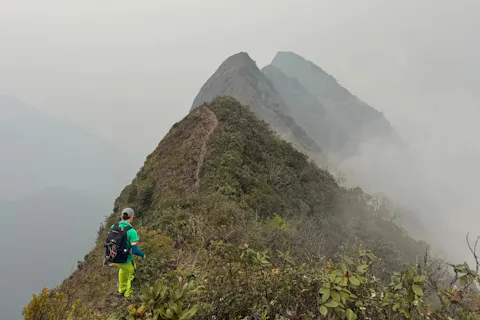
Journey to the rugged northern frontier of Vietnam and conquer Southeast Asia's most majestic alpine peaks. This definitive high-altitude guide explores legendary summit trails across the Hoang Lien Son range, including Mount Fansipan, Ngu Chi Son, Ky Quan San, Lao Than, and the remote border wilderness of Pu Si Lung. Discover expert insights on vertical elevation profiles, technical scramble grades, seasonal weather windows, high-altitude gear requirements, and essential acclimatization protocols for an extraordinary mountain expedition.
Easy Hikes in Vietnam for Beginners: Top Scenic & Family Trails
Exploring Vietnam’s stunning natural landscapes doesn't require technical climbing skills or grueling multi-day survival treks. This soft adventure travel guide highlights the country’s most accessible, beginner-friendly trails designed for novice walkers, active families, and leisure travelers. Discover gentle valley walks in Sapa and Mai Chau, pine-scented highland paths in Da Lat, coastal island boardwalks in Cat Ba, and misty cloud-forest loops in Bach Ma National Park, all offering breathtaking scenery with minimal physical strain.
Best Trekking Routes in Vietnam: Top Multi-Day Treks & Adventures
Embark on an epic journey across Southeast Asia's most dramatic landscapes with this comprehensive guide to multi-day trekking in Vietnam. From the misty terraced valleys of Sapa and the steep granite peak of Mount Fansipan to the rugged karst pinnacles of Ha Giang, primeval jungle caverns of Phong Nha, and sweeping pine ridgelines of Ta Nang-Phan Dung, discover top wilderness itineraries, essential gear requirements, seasonal timing, and expert guidance for an unforgettable outdoor expedition.
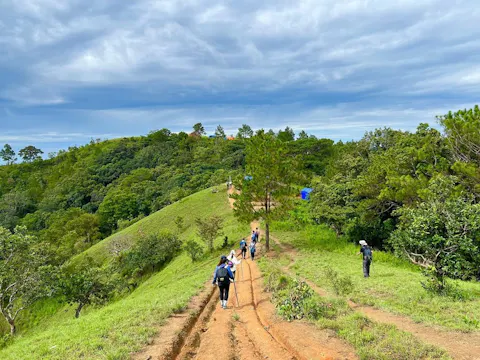
Best Hiking Trails in Vietnam: The Ultimate Wilderness Trekking Guide
From misty mountain valleys to deep subterranean caves, Vietnam offers some of Southeast Asia's most spectacular trekking routes. This definitive wilderness guide explores the best hiking trails across the nation, including the terraced paths of Sapa, the steep vertical ascent of Mount Fansipan, the primeval jungle caves of Phong Nha, the rugged karst limestone peaks of Ha Giang, and the sweeping ridgelines of Ta Nang Phan Dung. Discover essential expedition logistics, seasonal insights, and cultural etiquette for your next mountain adventure.
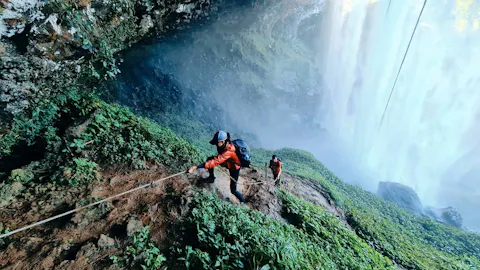
Hiking & Trekking in Vietnam: Best Trails, Routes & Travel Guide
Discover hiking and trekking in Vietnam through spectacular mountain trails, rice terraces, tropical forests, limestone karsts, national parks, and remote rural landscapes. From the famous Sapa and Fansipan trails to the rugged mountains of Ha Giang, jungle adventures in Phong Nha, and the scenic Ta Nang Phan Dung trek, Vietnam offers routes for different experience levels. Explore the best hiking destinations, trekking routes, seasons, difficulty levels, multi-day adventures, guided tours, safety advice, essential gear, and practical tips for planning your journey.
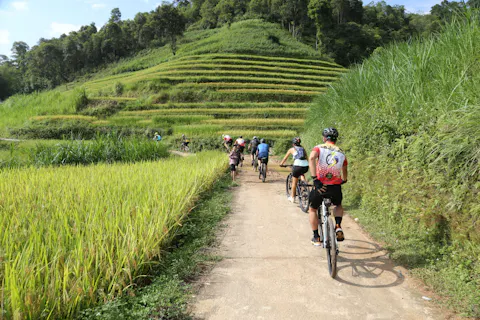
Cycling in Vietnam: Best Routes, Bike Tours & Travel Guide
Discover cycling in Vietnam through scenic mountain roads, peaceful countryside lanes, coastal routes, and vibrant river landscapes. From the challenging Ha Giang Loop and Hai Van Pass to the relaxed countryside of Ninh Binh, Hoi An, and the Mekong Delta, Vietnam offers cycling experiences for different fitness levels and travel styles. Explore the best cycling routes, recommended seasons, itineraries, bike tours, essential gear, safety advice, and practical tips for planning an unforgettable cycling adventure across Vietnam.