
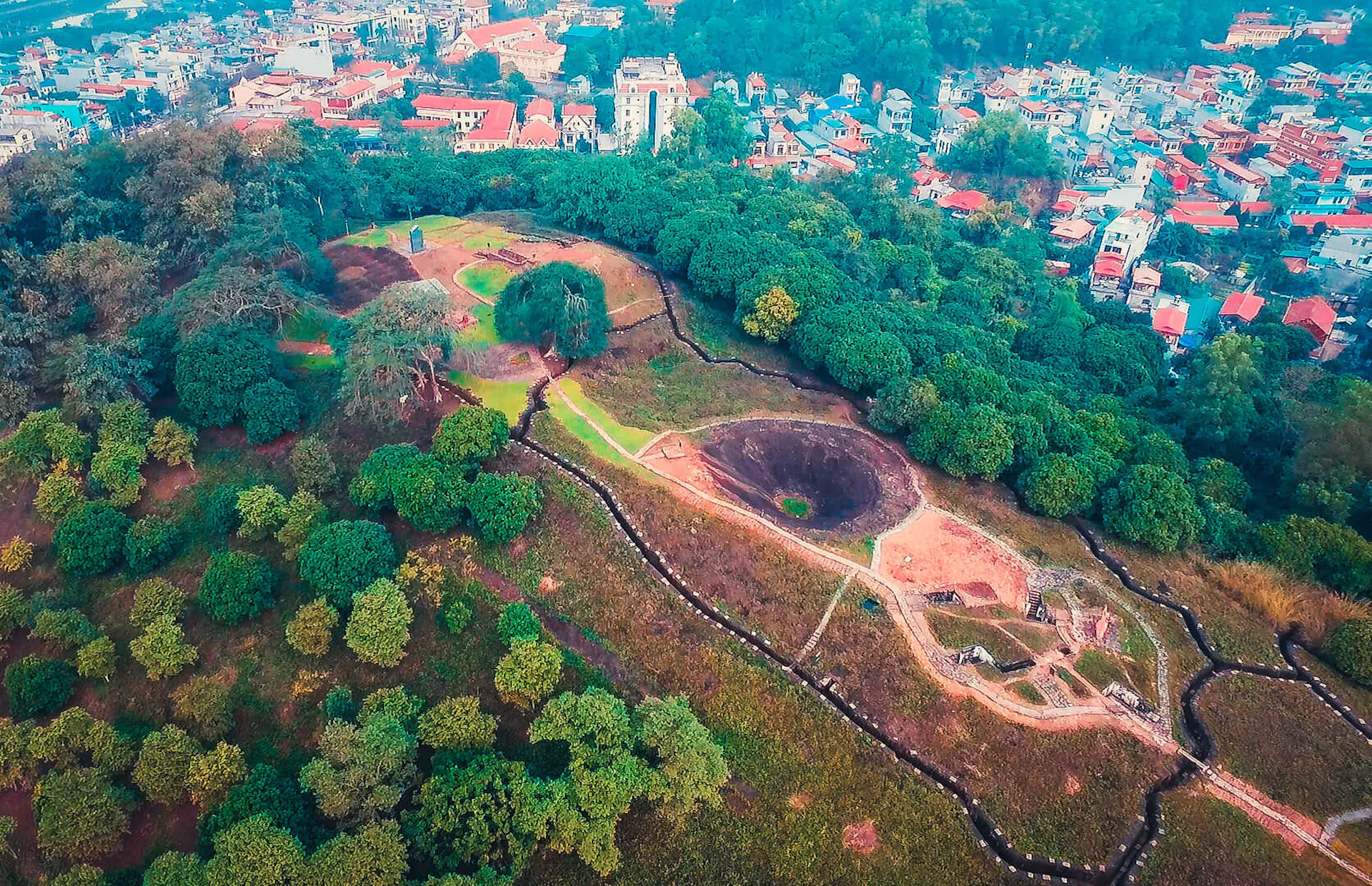
Dien Bien Phu Victory Relic Area
The Dien Bien Phu Victory Relic Area in northwest Vietnam preserves the sites and monuments associated with the historic Battle of Dien Bien Phu in 1954. Visitors can explore A1 Hill, the Dien Bien Phu Victory Museum, De Castries' bunker, Him Lam Hill, and the Victory Monument while learning about one of the defining events of modern Vietnamese history. Set within a scenic mountain valley, Dien Bien Phu offers travelers a meaningful combination of history, culture, and northwestern Vietnamese landscapes.
About the Dien Bien Phu Victory Relic Area
The Dien Bien Phu Victory Relic Area is one of the most important historical destinations in northern Vietnam, commemorating the Battle of Dien Bien Phu in 1954 and its significance in Vietnamese history. Located in Dien Bien Phu City, Dien Bien Province, the site includes former battlefields, military positions, bunkers, monuments, museums, and other landmarks connected with the historic campaign.
For travelers interested in Vietnam's history, the relic area provides an opportunity to understand the scale and significance of the battle while exploring the mountain landscape of northwestern Vietnam.
What Is the Dien Bien Phu Victory Relic Area?
The Dien Bien Phu Victory Relic Area is a collection of historical sites associated with the Battle of Dien Bien Phu.
The battle took place from March to May 1954 during the First Indochina War. Vietnamese forces defeated the French Union garrison at Dien Bien Phu after a prolonged campaign.
Today, the former battlefield has been preserved through a network of monuments, military remains, museums, and memorial sites.
Dien Bien Phu Battlefield
Dien Bien Phu lies in a broad valley surrounded by mountains.
During the battle, the French established a fortified defensive position in the valley, while Vietnamese forces positioned artillery and troops around the surrounding hills.
The geography of the valley played an important role in the military campaign.
Walking through the area today allows visitors to see how the terrain influenced the development of the battle.
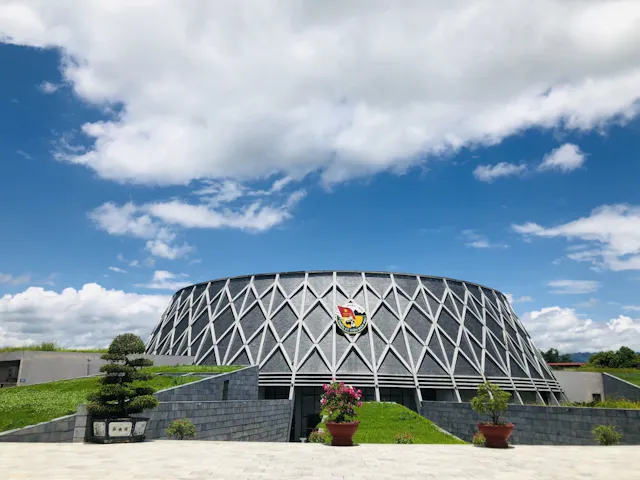
Dien Bien Phu Victory Museum
The Dien Bien Phu Victory Museum is one of the best places to begin exploring the historical site.
The museum presents photographs, maps, military equipment, artifacts, and other materials explaining the campaign.
A large panoramic artwork depicts important scenes from the Battle of Dien Bien Phu, helping visitors understand the sequence and scale of the events.
A1 Hill
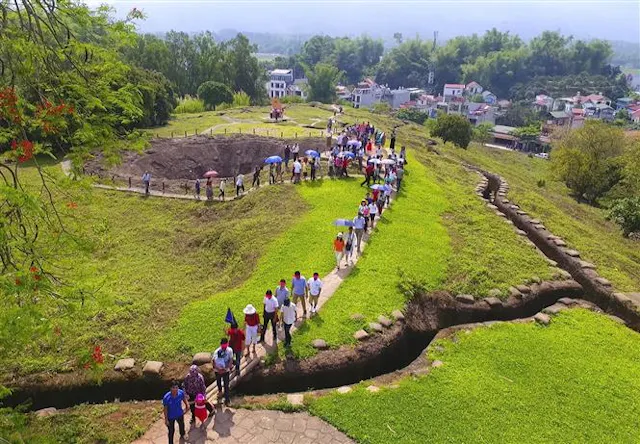
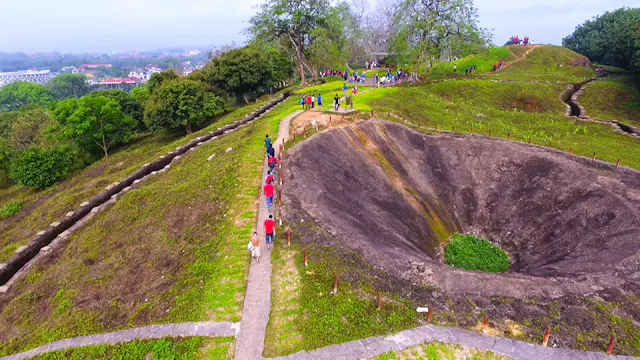
A1 Hill is one of the most significant battlefield sites.
The hill was a strategically important defensive position during the battle and became the location of intense fighting.
Visitors can see preserved trenches, bunkers, fortifications, and other battlefield remains.
The site provides a particularly tangible connection to the events of 1954.
De Castries' Bunker
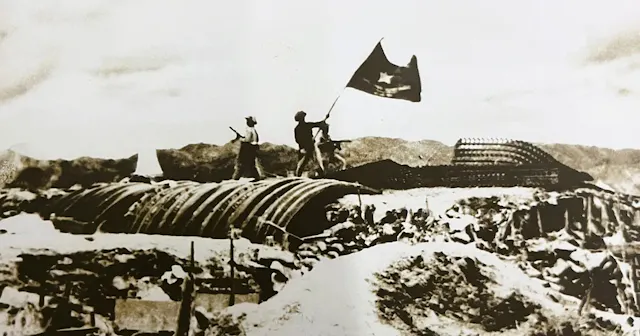
The former command bunker associated with General Christian de Castries, commander of the French garrison, is another important landmark.
The bunker was part of the French command center during the battle.
Its underground and reinforced construction illustrates the defensive character of the military base.
Today, the preserved structure helps visitors visualize how the French command operated during the campaign.
Him Lam Hill
Him Lam Hill was another strategically important position during the opening stages of the battle.
The area formed part of the French defensive system surrounding Dien Bien Phu.
Today, the site includes a memorial area commemorating the Vietnamese soldiers who fought during the campaign.
Victory Monument
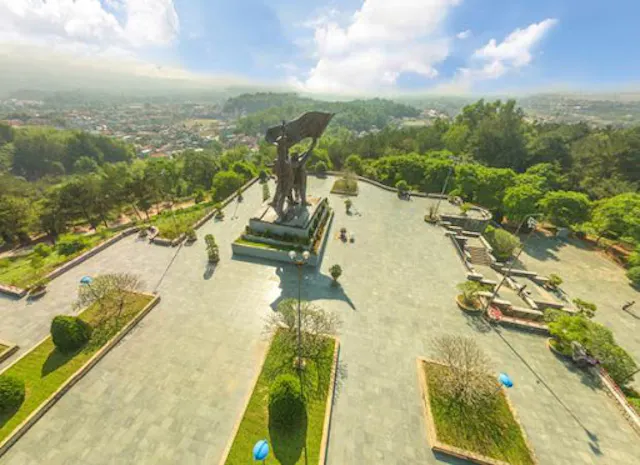
The Dien Bien Phu Victory Monument stands on a hill overlooking the city and battlefield.
The monument commemorates the Vietnamese victory and has become one of the city's most recognizable landmarks.
From the surrounding area, visitors can also appreciate the geography of the Dien Bien Phu valley.
Dien Bien Phu and Vietnamese History
The Battle of Dien Bien Phu is widely regarded as a major turning point in the First Indochina War.
The defeat of the French garrison contributed to negotiations that led to the Geneva Accords in 1954 and the end of French colonial rule in Indochina.
For Vietnam, the victory became an important symbol of national independence and military achievement.
Ethnic Culture in Dien Bien
Dien Bien is also home to diverse ethnic communities, including the Thai, Hmong, Dao, and other groups.
Travelers visiting the historical sites can combine their trip with opportunities to experience local traditions, architecture, food, textiles, music, and rural life.
The surrounding valleys and mountains provide a different perspective on northwestern Vietnam beyond its wartime history.
Best Time to Visit
The best time to explore Dien Bien Phu is generally during the dry and cooler months from October to April.
The weather is usually more comfortable for walking between historical sites during this period.
The annual anniversary of the Dien Bien Phu victory in May can bring additional cultural and commemorative activities, although the city may be busier at this time.
How to Get to Dien Bien Phu
Dien Bien Phu is accessible by air and road.
Dien Bien Phu Airport provides domestic connections, making flying one of the most convenient options for travelers coming from Hanoi.
The city can also be reached by long-distance bus or private vehicle from other destinations in northwestern Vietnam.
Once in the city, many of the main relic sites are relatively close together and can be explored by taxi, motorcycle, bicycle, or organized tour.
Why Visit the Dien Bien Phu Victory Relic Area?
The Dien Bien Phu Victory Relic Area offers travelers an opportunity to explore one of the defining chapters of modern Vietnamese history.
From A1 Hill and De Castries' bunker to the Victory Museum and panoramic monument, the preserved sites reveal how the battlefield developed and why the 1954 victory became so historically significant.
Combined with the region's spectacular mountain scenery and diverse ethnic cultures, a visit to Dien Bien Phu provides a deeper understanding of both Vietnam's history and the cultural character of the country's northwest.
Dien Bien Phu Victory Relic Area Photo Gallery
Discover images of the Dien Bien Phu Victory Relic Area, including A1 Hill, De Castries Bunker, and historic battlefield sites. Experience Vietnam’s 1954 victory through a curated photo collection.
How to Get to and Around Dien Bien Phu Victory Relic Area
Bus and coach
Long-distance buses operate from Hanoi to Dien Bien Phu City, with a travel time of approximately 10–12 hours. This is the most common and budget-friendly option. From the city center, visitors can take a taxi or motorbike to reach key relic sites such as A1 Hill, De Castries Bunker, and the Dien Bien Phu Museum.
Train
There is no direct train line to Dien Bien Phu. Travelers can take a train from Hanoi to Lao Cai or other northern stations, then continue the journey by bus or private car through mountainous routes to Dien Bien Phu City.
Driving
Driving from Hanoi to Dien Bien Phu takes around 10–11 hours via National Highway 6. The route passes through scenic mountain passes and rural landscapes, offering a memorable road trip experience. Parking is available near major relic sites.
Flying
The fastest option is flying from Hanoi (Noi Bai International Airport) to Dien Bien Phu Airport. The flight takes about 1 hour. From the airport, visitors can take a taxi or shuttle service to reach the relic area within 10–15 minutes.
Frequently Asked Questions About Dien Bien Phu Victory Relic Area
What is Dien Bien Phu Victory Relic Area famous for?
The site is famous for the historic Dien Bien Phu Campaign of 1954, where Vietnamese forces achieved a decisive victory over French colonial forces. It includes important landmarks such as A1 Hill, De Castries Bunker, and the Dien Bien Phu Museum.
Where is Dien Bien Phu Victory Relic Area located?
It is located in Dien Bien Phu City, Dien Bien Province, in northwestern Vietnam. The area is surrounded by the scenic Muong Thanh Valley and nearby mountain ranges.
How much does it cost to visit the Dien Bien Phu Victory Relic Area?
The entrance fee is generally affordable, ranging from 20,000 to 50,000 VND per person depending on the specific site within the complex. Some areas may be free or included in bundled tickets.
How long does it take to explore the site?
Most visitors spend about 3 to 5 hours exploring key attractions such as A1 Hill, the De Castries Bunker, the museum, and surrounding battlefields. A full day is recommended for a complete experience.
What are the main attractions inside the relic area?
The main attractions include A1 Hill battlefield, Dien Bien Phu Museum, De Castries Command Bunker, Him Lam Hill, Doc Lap Hill, and various preserved trenches and memorials.
Advertising box