
Vietnam Travel Guide
Plan your perfect Vietnam adventure with a complete travel guide covering destinations, transportation, culture, food, activities, and essential travel tips. Discover the best places to visit from Northern, Central, and Southern Vietnam, learn how to travel around the country, and explore authentic local experiences. Whether you are planning your first visit or looking for hidden gems, Go Visit Vietnam provides practical information and inspiration to help you experience Vietnam’s landscapes, traditions, cuisine, and unforgettable journeys with confidence.
Vietnam Travel Guides – Essential Information for Every Journey
Explore Vietnam with practical travel guides covering everything you need to plan a smooth and memorable trip. Discover visa information, transportation tips, seasonal advice, local customs, food and drink guides, and helpful travel insights for every destination. From first-time visitors to experienced travelers, Go Visit Vietnam provides useful guides to help you understand the country, prepare your journey, and make the most of every experience across Vietnam.
About Vietnam Travel Guide
Planning a trip to Vietnam is an opportunity to experience a country with diverse landscapes, fascinating history, vibrant cities, traditional villages, tropical beaches, and some of Asia's most distinctive food cultures. A good Vietnam travel guide can help travelers choose destinations, understand transportation, plan activities, discover local food, and make the most of their time.
From the mountains of northern Vietnam to the beaches and islands of the south, each region offers a different travel experience. Understanding the country's geography and travel seasons can make it easier to create an itinerary that matches your interests.
Planning a Trip to Vietnam
Vietnam is a long, geographically diverse country, so travelers should consider how much time they have before choosing destinations.
A short trip may focus on one region, such as Hanoi and northern Vietnam, central Vietnam around Hoi An and Da Nang, or Ho Chi Minh City and the Mekong Delta.
Travelers with more time can create a north-to-south itinerary connecting several major destinations.
It is generally better to explore fewer places at a comfortable pace than to spend most of a trip traveling between cities.
Best Places to Visit in Vietnam
Vietnam offers destinations for almost every type of traveler.
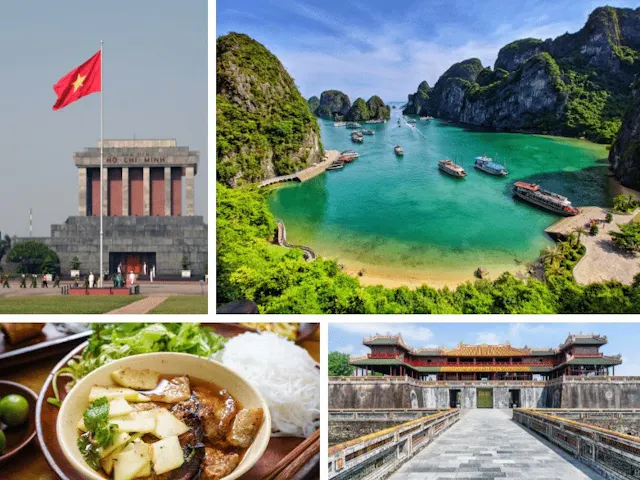
Hanoi is ideal for history, culture, architecture, and food.
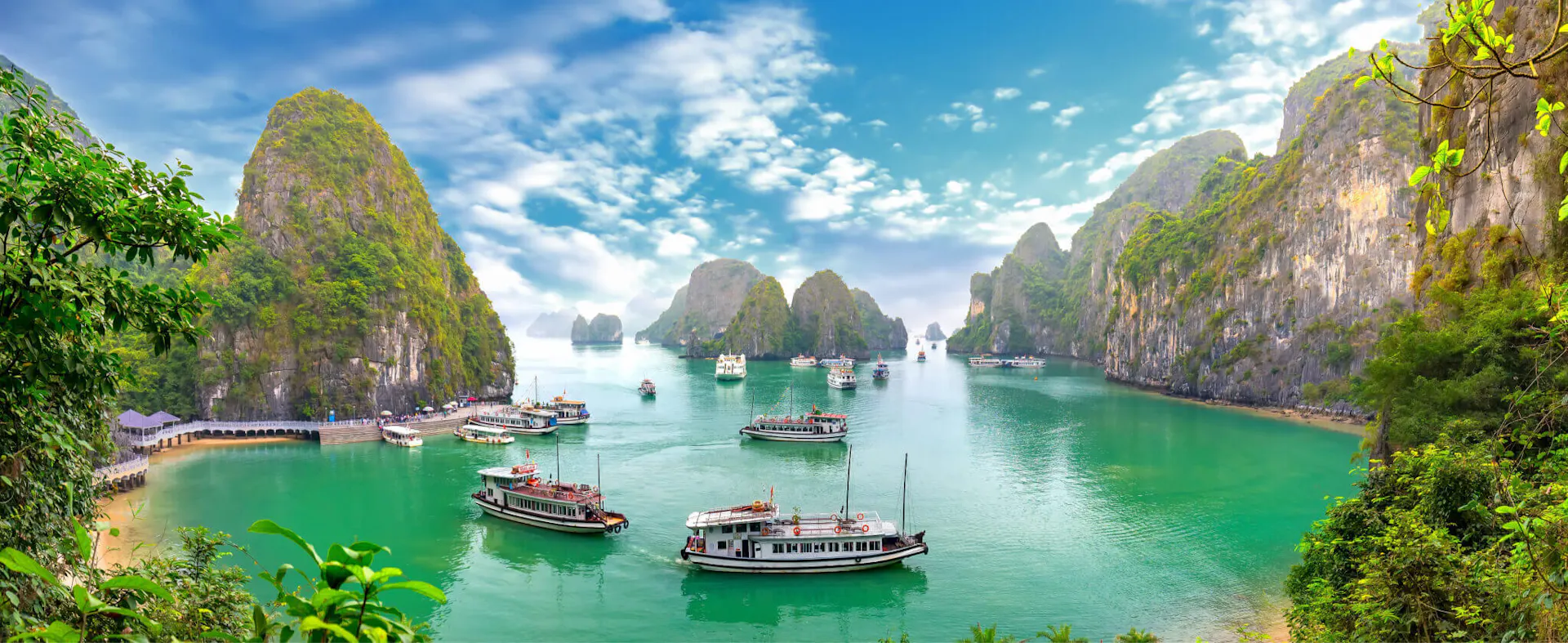
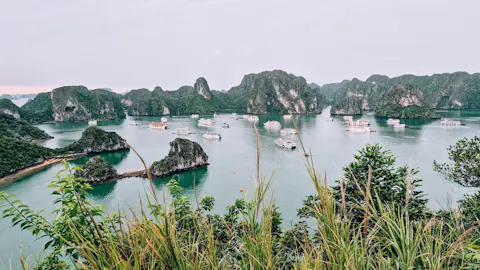
Ha Long Bay and Cat Ba are known for limestone islands and coastal scenery.
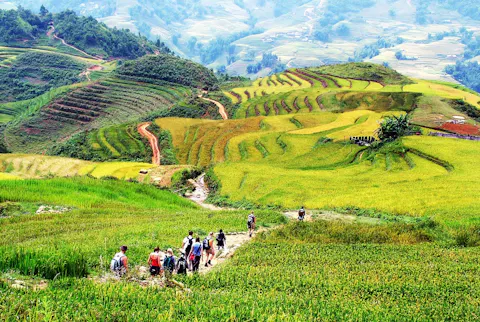
Sapa and Ha Giang offer mountain landscapes, trekking, and cultural experiences.
Ninh Binh combines limestone mountains with rivers, rice fields, and historic sites.
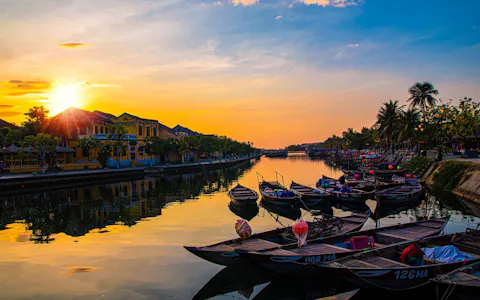
In central Vietnam, Hue, Da Nang, Hoi An, and Phong Nha offer history, beaches, food, and natural attractions.
Southern destinations such as Ho Chi Minh City, the Mekong Delta, Phu Quoc, and Con Dao provide a different combination of urban life, rivers, beaches, and tropical landscapes.
When to Visit Vietnam
Vietnam's climate varies significantly between regions.
Northern Vietnam experiences cooler winters and warm, humid summers.
Central Vietnam has its own rainy and dry seasons, while southern Vietnam generally remains warm throughout the year.
Because weather differs by region, there is no single perfect month for the entire country.
Travelers should consider the specific destinations and activities they plan to visit before choosing travel dates.
Getting Around Vietnam
Vietnam has a wide range of transportation options.
Domestic flights are useful for covering long distances between Hanoi, central Vietnam, and Ho Chi Minh City.
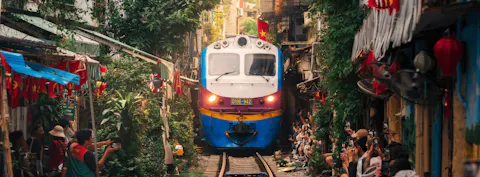
Trains provide a slower but scenic alternative, particularly for routes along the coast.
Long-distance buses and sleeper buses are widely available and can be convenient for budget travelers.
Within cities, taxis, ride-hailing services, bicycles, motorcycles, and walking are common ways to get around.
Vietnam's Food and Drinks
Food is one of the highlights of traveling through Vietnam.
Popular dishes include pho, banh mi, bun cha, bun bo Hue, cao lau, mi quang, com tam, and banh xeo.
Each region has its own specialties, so travelers should try local dishes rather than relying only on familiar Vietnamese foods.
Vietnamese coffee, tea, fresh fruit, sugarcane juice, and pennywort juice are also popular drinks worth experiencing.
Local markets and street food stalls are often among the best places to discover regional flavors.
Things to Do in Vietnam
Vietnam offers activities ranging from cultural sightseeing to outdoor adventures.
Travelers can explore ancient temples and historic cities, cruise through Ha Long Bay, trek in Sapa, ride the Ha Giang Loop, explore caves in Phong Nha, cycle through rural villages, or relax on tropical beaches.
National parks provide opportunities for hiking and wildlife experiences, while Vietnam's coastline offers snorkeling, diving, kayaking, and other water activities.
Accommodation in Vietnam
Vietnam offers accommodation for different budgets and travel styles.
Budget travelers can choose hostels, guesthouses, and simple local hotels.
Mid-range travelers can find comfortable hotels, boutique properties, and homestays.
Luxury travelers have access to high-end resorts, beachfront properties, and international hotels in major destinations.
Homestays can be particularly rewarding in rural and mountain areas because they provide opportunities to experience local hospitality and everyday life.
Vietnam Travel Costs
Vietnam can be an accessible destination for travelers with different budgets.
Street food, local restaurants, public transportation, and budget accommodation can help keep costs low.
At the same time, major tourist destinations offer luxury hotels, private tours, fine dining, and premium transportation for travelers seeking a more comfortable experience.
Prices vary considerably between destinations and seasons, so travelers should research current costs when preparing a budget.
Cultural Etiquette
Understanding local customs can make travel experiences more enjoyable.
Visitors should dress respectfully when entering temples, pagodas, and religious sites.
Shoes may need to be removed in certain places.
When visiting local communities, ask permission before photographing people and avoid entering private homes or agricultural areas without invitation.
Learning a few simple Vietnamese phrases can also be appreciated by local residents.
Responsible Travel in Vietnam
Responsible tourism helps protect Vietnam's natural and cultural heritage.
Travelers should reduce plastic waste, avoid littering, respect wildlife, and follow regulations in national parks and protected areas.
Supporting locally owned restaurants, homestays, guides, shops, and tour operators can help tourism provide direct benefits to local communities.
Visitors should also avoid purchasing products made from protected wildlife or illegally collected natural materials.
Safety and Practical Travel Tips
Travelers should take normal precautions when visiting busy cities and tourist areas.
Keep valuables secure in crowded markets and transportation hubs, use reputable transportation services, and pay attention when crossing busy roads.
For outdoor activities, check weather conditions and choose qualified guides and authorized tour operators.
Travel insurance is recommended, particularly for trips involving trekking, motorbike travel, diving, or other adventure activities.
Why Use a Vietnam Travel Guide?
A Vietnam travel guide helps travelers make informed decisions about destinations, transportation, accommodation, food, activities, weather, and local culture.
With careful planning, visitors can create an itinerary that balances famous attractions with authentic local experiences.
Whether you are planning your first visit or returning to discover more of the country, Vietnam offers countless opportunities for cultural exploration, outdoor adventure, culinary discovery, and relaxation.
A well-planned journey can turn a trip across Vietnam into a deeper experience of the country's landscapes, traditions, people, and everyday life.