
Vietnam Entry Requirements: Documents You Need at the Airport Border Control
Preparing the correct travel documents before arriving in Vietnam helps ensure a smooth entry process. This guide explains Vietnam’s entry requirements, including passport validity, visa or visa exemption eligibility, immigration procedures, customs declarations, and supporting documents that may be requested at airport or land border checkpoints. Whether you are traveling for tourism or business, understanding what to prepare before departure can save time and avoid unnecessary delays. Go Visit Vietnam provides practical guidance for entering Vietnam with confidence.
On this page
Stepping off a long-haul flight into the humid, bustling air of a major Vietnamese international airport—whether it is Noi Bai in Hanoi, Tan Son Nhat in Ho Chi Minh City, or Da Nang International—can be an overwhelming experience. As you make your way toward the immigration queues, a familiar wave of anxiety often sets in: Will your paperwork clear? Have you overlooked a critical regulation? Are your bags compliant with local customs? These are the exact questions millions of international tourists, business travelers, and expats ask themselves every year.
From my extensive firsthand experience managing immigration counters and advising on regional travel compliance in Southeast Asia, I can assure you that the key to a seamless entry lies entirely in meticulous preparation. Vietnamese border authorities operate under strict legislative frameworks. Understanding the precise nuances of the vietnam entry requirements will transform your arrival from a stressful ordeal into a routine, professional transaction. This comprehensive master guide outlines everything you must know, clarifying exactly what do i need to enter vietnam and providing an exhaustive breakdown of the mandatory vietnam customs declaration protocols to ensure you pass through the border control gates without incident.
"From my experience at immigration counters across Southeast Asia, over 90% of airport entry delays are entirely preventable. They stem not from bad intentions, but from simple administrative omissions—such as an unprinted document, an invalid passport expiration date, or an undeclared commercial asset. Treat the immigration desk as a formal compliance audit, and you will pass through in minutes."
1. The Essential Hardcopy Checklist Before You Fly
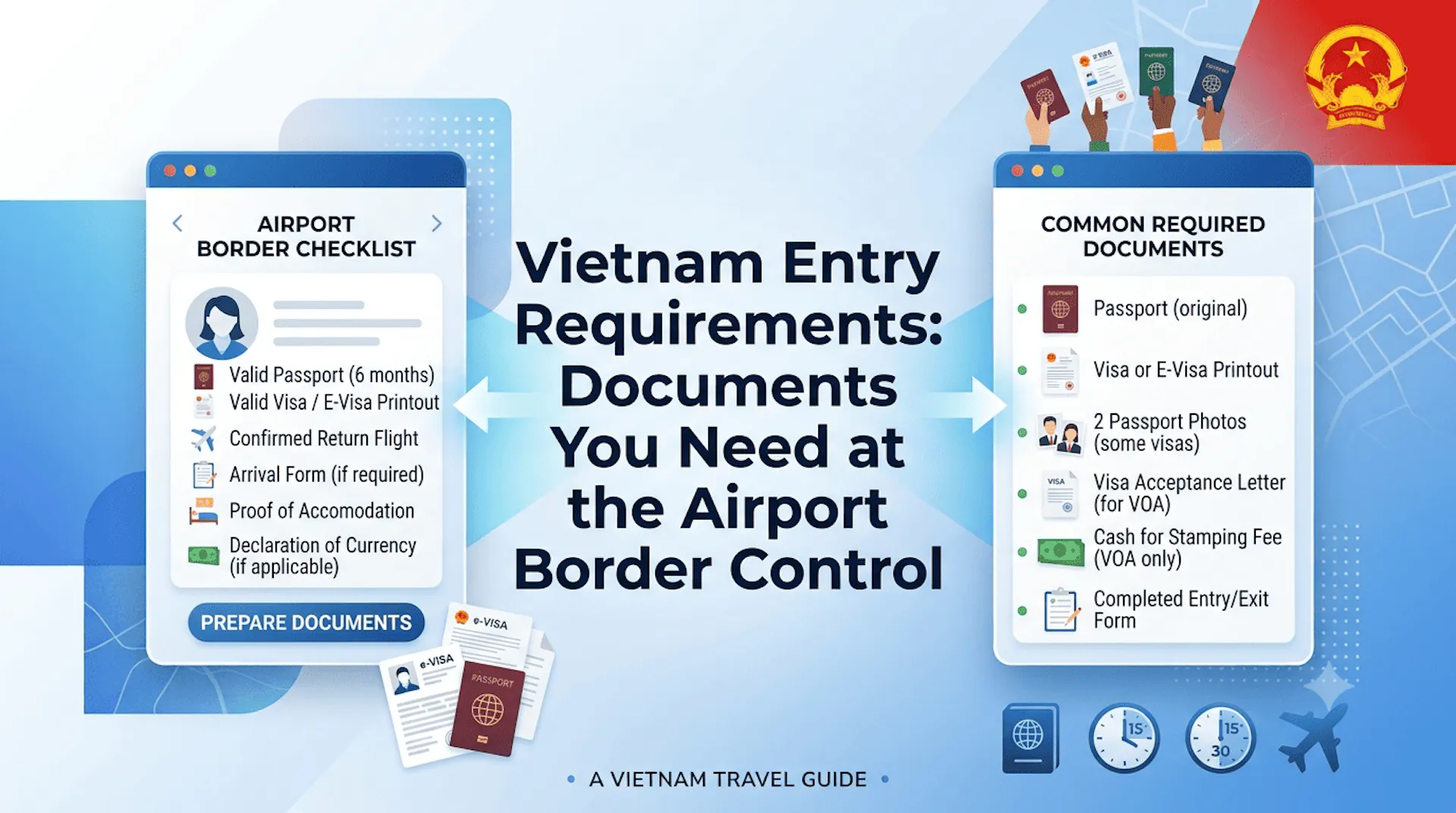
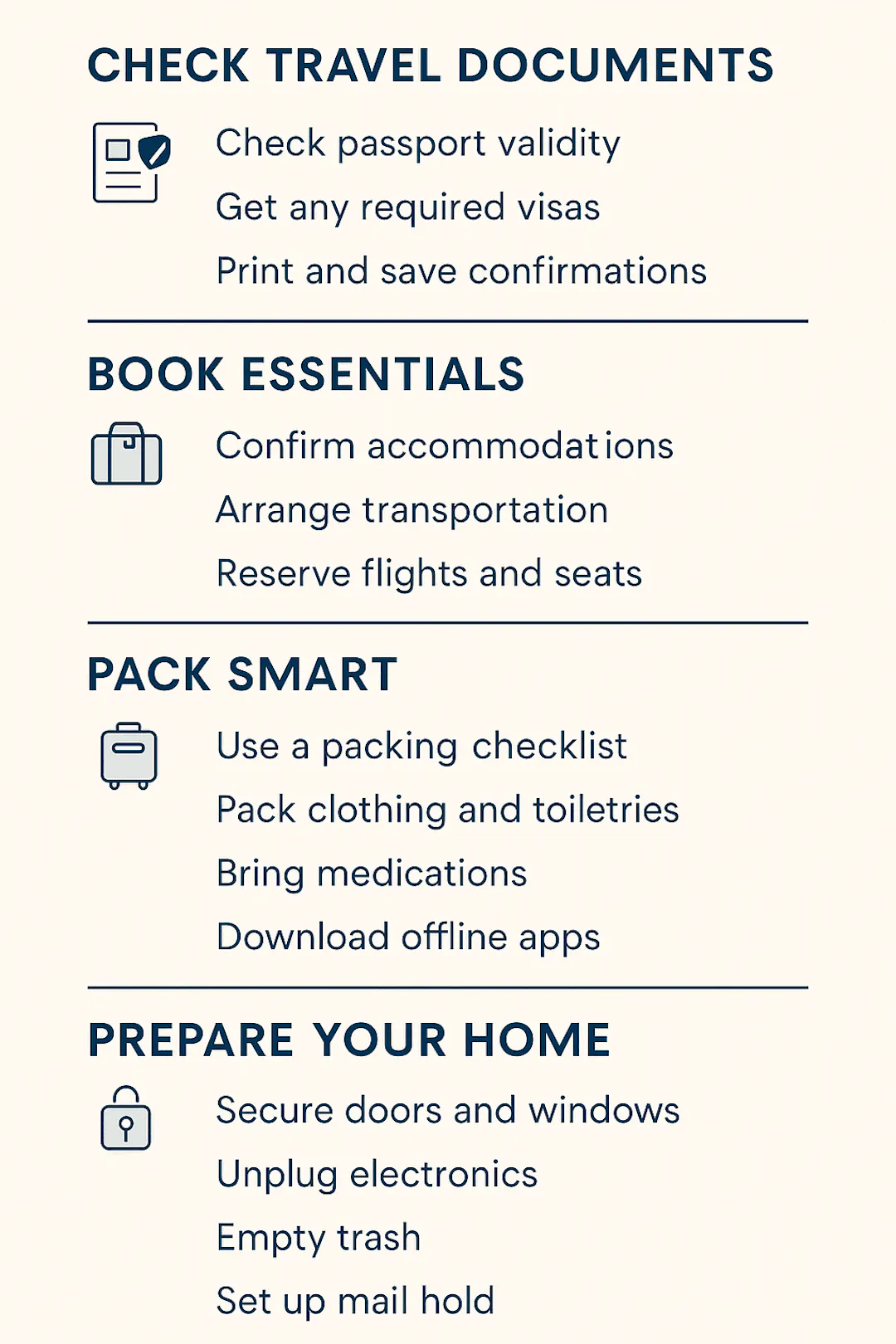
When preparing your carry-on luggage, you must operate under a foundational rule of international transit: never rely exclusively on digital storage. While Vietnam has rapidly modernized its administrative infrastructure, the physical border control counter remains a paper-driven environment. If you find yourself wondering, "what do i need to enter vietnam?", the absolute baseline consists of three immutable physical components. Failing to present any of these items in the requested format can lead to boarding denials at your departure gate or immediate detention and turning around upon arrival.
A. The Vietnam E-Visa Printed Copy
The transition to a universal electronic visa system has immensely simplified travel logistics, yet it creates a dangerous trap for the unprepared. A common mistake made by modern travelers is arriving at the immigration checkpoint and attempting to display their approved visa PDF on a smartphone or tablet. From my time observing operations at the border, this is a guaranteed way to cause severe friction.
You must carry a physical, high-quality vietnam e-visa printed copy. This document should be printed on a standard sheet of clean, white A4 paper. Ensure that the print quality is crisp, with no ink smudges or fading, as the immigration officer must manually verify the visa number, your full legal name, passport details, and your permitted entry/exit dates. Furthermore, airline check-in agents are strictly bound by international carrier liabilities; many airlines will flatly refuse to board you if you cannot produce a physical paper printout of your e-visa at the departure gate. Print at least two copies: one to hand to the officer at the vietnam airport border control, and a backup copy kept securely in your secondary luggage.
B. The Six-Month Passport Validity Rule
International statutory law regarding passport validity is strictly enforced by the Immigration Department of Vietnam. Your passport must possess a minimum validity of six months extending beyond your formal date of entry into the country. If your passport expires even one day short of this six-month threshold, border control computers will flag the document, and you will be denied entry.
Additionally, look closely at the interior pages of your document. Your passport must contain at least two completely blank consecutive pages. These pages are legally required to accommodate the physical ink entry and exit stamps affixed by the border control officers. Pages reserved for "Amendments and Endorsements" at the back of certain national passports cannot be used for immigration control stamps. If your passport is nearing its expiration date or is visually damaged—such as having frayed edges, water stains, or loose pages—renew it immediately before booking your flight.
C. Definitive Proof of Onward Travel
To satisfy the legal criteria of a temporary non-immigrant stay, you must demonstrate to both your airline and the border control officers that you have a confirmed plan to exit the country. This requires presenting a confirmed, fully paid onward or return ticket to a third destination, showing an exit date that falls strictly within the authorized window granted by your visa.
Airlines bear heavy financial penalties and are legally obligated to repatriate any passenger rejected at the border. Consequently, check-in staff will scrutinize your return itinerary thoroughly. If you are a digital nomad or long-term traveler entering on a flexible itinerary, utilizing a fully verifiable "onward ticket" service or booking a fully refundable flight out of Vietnam prior to departure is mandatory to clear this specific operational hurdle.
2. Vietnam Customs Declaration Rules: What You Must Declare
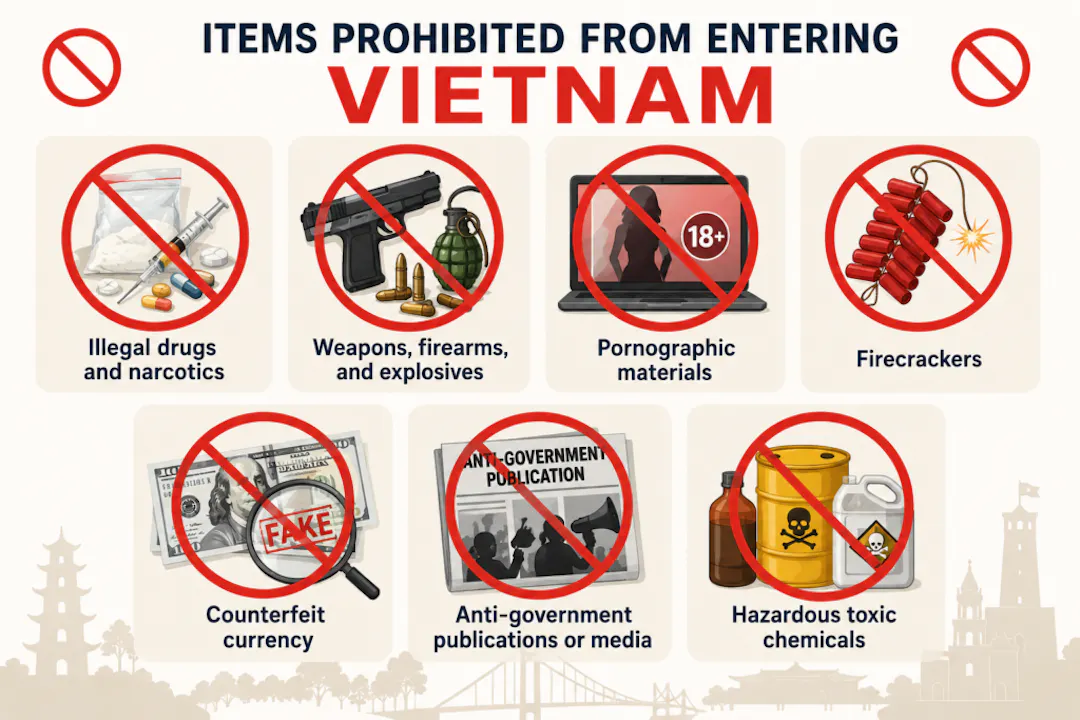
Once you successfully clear the immigration booth and retrieve your luggage, you face the final administrative barrier: the General Department of Vietnam Customs. This checkpoint is divided into two distinct pathways: the Green Channel (Nothing to Declare) and the Red Channel (Goods to Declare). Navigating this area requires an exact understanding of the legal thresholds enforced under a formal vietnam customs declaration.
A. Strict Currency and Cash Limits
Vietnam operates under strict capital flight and anti-money laundering regulations. Travelers are fully permitted to bring foreign currency into the country, but any amount exceeding specific legal ceilings must be proactively declared to customs officers using the official declaration form.
- Foreign Cash Currency Threshold: The statutory threshold for foreign currency is capped at $5,000 USD (five thousand United States Dollars) or its exact equivalent in any other foreign denomination. Exceeding this amount without a written declaration constitutes a serious customs violation, potentially leading to heavy administrative fines, asset seizure, or legal prosecution.
- Local Cash Currency Threshold: For the local currency, the maximum undeclared limit is 15,000,000 VND (fifteen million Vietnamese Dong). Exceeding this baseline requires a formal declaration and evidence of financial origin.
This rule applies strictly to physical paper cash, traveler’s checks, or precious metals carried on your person or within your personal baggage. It does not apply to the funds accessible via your international debit or credit cards. If your travel plans necessitate carrying cash above these legal limits, you must approach the Red Channel, request the declaration form, and present verified documentation detailing the legitimate source and destination of the funds.
B. Alcohol, Tobacco, and Personal Duty-Free Allowances
Importing commercial quantities of consumer goods under the guise of personal luggage is heavily restricted. Vietnam provides specific, clear-cut duty-free allowances for inbound international travelers aged 18 and older. Any quantities exceeding the limits detailed below are subject to standard import tariffs, luxury taxes, or immediate impoundment:
- Spirits and Hard Liquor (Alcoholic Strength $\ge$ 20% ABV): Maximum of 1.5 liters.
- Wine, Fortified Liquors, and Aperitifs (Alcoholic Strength < 20% ABV): Maximum of 2.0 liters.
- Beer and Malt Beverages: Maximum of 3.0 liters.
- Cigarettes: Maximum of 200 individual cigarettes.
- Cigars: Maximum of 20 individual cigars.
- Loose Tobacco Leaf: Maximum of 250 grams.
- General High-Value Gifts: Maximum value of 10,000,000 VND (~$400 USD). Any excess value is subject to a 10% import duty plus applicable domestic VAT.
Please note that if you are carrying an opened bottle of alcohol or a broken carton of cigarettes within your personal baggage, these items are still factored into your aggregate volume metrics. Keep all store receipts from your airport duty-free purchases readily accessible inside your carry-on to prove value and compliance if requested by a customs officer.
C. High-Value Electronics and Drones (Flycams)
Personal consumer electronics such as your primary smartphone, a personal laptop, a tablet, and a standard digital camera move through customs without issues under standard personal-use allowances. However, specialized, high-value, or commercial-grade electronic assets face intense scrutiny due to strict national security laws and domestic market protections.
The most common complication for modern content creators involves bringing drone to vietnam. In local administrative terms, drones are categorized as "flycams" and are regulated under civil aviation and national defense legislation.
If you are transporting a compact, ultra-lightweight drone weighing under 250 grams (such as a DJI Mini series) strictly for non-commercial, personal recreational use, it will generally pass through customs inspection undetected, provided it is packed securely in your carry-on luggage with its lithium-ion batteries safely housed in dedicated fireproof protection sleeves.
However, if you are transporting a larger drone weighing over 250 grams, multiple professional camera bodies, heavy telephoto lenses, or commercial cinematic stabilization rigs, you cross into a challenging regulatory territory. Technically, the legal import of any unmanned aerial vehicle (UAV) into Vietnam requires an advance import permit issued by the Ministry of National Defense. If customs officers scan your luggage and detect an unpermitted drone or an excessive array of commercial video gear without prior defense authorization, they will impound the equipment at the airport customs warehouse. You will then be forced to pay daily storage fees, and the equipment will only be returned to you upon your final departure from the country.
3. Protecting Your Trip: Why Travel Medical Insurance is Non-Negotiable
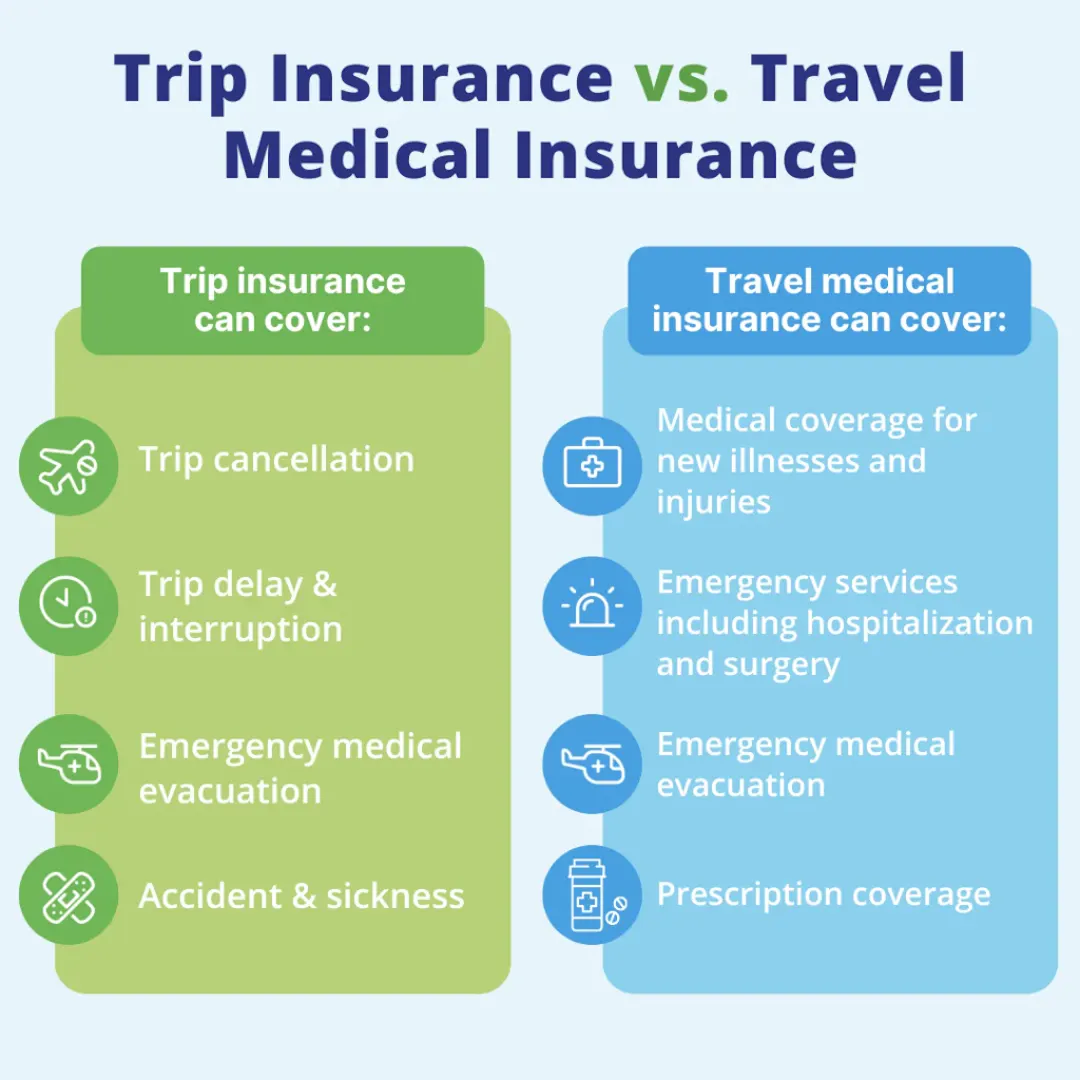
As a seasoned travel compliance expert who has managed complex emergency logistics across Southeast Asia, I must stress that preparing for border control involves more than just passing through physical gates. It requires safeguarding your financial stability against the realities of local travel conditions. While the government of Vietnam officially removed the mandatory requirement for COVID-19 medical insurance coverage for entry, entering the country without a robust, internationally backed travel medical insurance policy is an extraordinary financial gamble.
The operational environment in Vietnam presents unique, severe risks to foreign travelers. The country’s urban traffic systems are legendary for their chaotic complexity. Motorbike accidents represent the single highest cause of emergency medical evacuations for foreigners in Vietnam. Navigating the streets of Hanoi or Ho Chi Minh City as a pedestrian or a rider exposes you to daily physical hazards. Furthermore, the stark transition in regional cuisine routinely causes severe acute food poisoning cases among international arrivals, often leading to rapid, dangerous dehydration.
While public healthcare facilities exist, any complex or urgent medical condition will necessitate treatment at premium, international private clinics or hospitals (such as Family Medical Practice or FV Hospital). These premium facilities operate strictly on a fee-for-service model; they demand upfront financial guarantees or immediate cash payments that can quickly scale into tens of thousands of dollars before treatment even begins. To mitigate these critical liabilities, selecting a trusted international medical insurance provider prior to your departure flight is a fundamental pillar of professional trip preparation.
Recommendation 1: Insubuy — Premium Comprehensive Global Protection
For corporate business travelers, long-term expatriates, family groups, and individuals who demand absolute administrative security, Insubuy stands as the industry-standard benchmark. Insubuy is a highly sophisticated, comprehensive travel insurance marketplace that allows you to compare, analyze, and purchase top-tier policies with immediate electronic underwriting. Their specialized plans offer massive policy maximums, comprehensive emergency medical evacuation coverage, and seamless direct-billing networks with international private hospitals worldwide. If you require zero-deductible coverage and an elite, 24/7 claims support infrastructure that handles direct hospital payments without out-of-pocket stress, this is your optimal choice. Protect your journey instantly and get a comprehensive insurance quote on Insubuy now.
Recommendation 2: Ekta Traveling — Agile, Budget-Friendly Digital Nomad Coverage
If you are an independent adventurer, a flexible digital nomad, or a budget-conscious tourist seeking straightforward, completely transparent medical coverage without expensive add-ons, Ekta Traveling provides an exceptional solution. Ekta Traveling stripped away the traditional bureaucratic complexity of insurance by offering direct, affordable, and instant online policy generation. Their policies offer robust, localized coverage featuring zero hidden deductibles, explicit medical coverage for common tourist activities, and a user-friendly digital claims platform optimized for travelers already on the move. It delivers complete legal and medical peace of mind for the price of a daily coffee. Secure your immediate budget-friendly medical coverage on Ekta Traveling today.
Conclusion
Entering Vietnam does not have to be a source of anxiety. By executing this administrative blueprint—ensuring your vietnam e-visa printed copy is secured in A4 size, confirming your passport fulfills the rigid six-month validity directive, maintaining explicit proof of your onward travel itinerary, and strictly respecting the cash and currency ceilings of the vietnam customs declaration—you align perfectly with local border regulations. Combining this documentation layout with a trusted travel medical insurance plan guarantees that you are fully insulated against any operational or medical disruption. Safe travels, and welcome to Vietnam.
If you have specific questions about upcoming travel plans or complex customs scenarios, please leave your inquiries in the comments below!
Frequently Asked Questions About Vietnam Entry Requirements
What documents do I need to enter Vietnam?
Most travelers need a valid passport, an approved visa or proof of visa exemption (if applicable), and supporting travel documents. Depending on current regulations, immigration officers may also request additional information related to your trip.
How long should my passport be valid for travel to Vietnam?
Your passport should meet Vietnam’s passport validity requirements before arrival. Travelers are advised to ensure their passport remains valid for an adequate period beyond their planned stay to avoid entry issues.
Do I need to complete a customs declaration when arriving in Vietnam?
Customs declaration requirements depend on what you are bringing into Vietnam and current customs regulations. Travelers carrying restricted or high-value items should follow official customs procedures upon arrival.
What happens at Vietnam airport immigration?
Upon arrival, travelers present their passport, visa or visa exemption documents, and any required supporting information to immigration officers. After passport inspection and approval, visitors proceed to baggage claim and customs clearance.
How can I avoid delays at Vietnam border control?
Prepare all required travel documents before departure, ensure your passport information matches your visa or travel records, complete any required forms accurately, and keep your accommodation and onward travel details easily accessible if requested by immigration officers.
Advertising box
Explore More Vietnam Visa & Entry Guides
Find everything you need to know before entering Vietnam, from e-Visa applications and visa exemptions to passport requirements, customs regulations, airport arrival procedures, and practical travel tips. Our comprehensive guides help you prepare for a smooth, hassle-free journey from the moment you arrive.
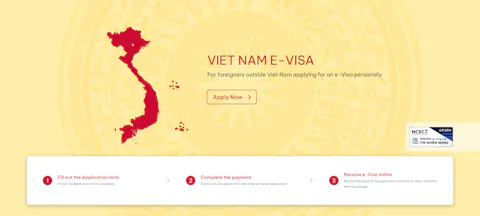
How to Apply for a Vietnam E-Visa – Complete Step-by-Step Guide
Applying for a Vietnam E-Visa is a simple online process that allows eligible travelers to enter Vietnam for tourism and other approved purposes. This guide explains everything you need to know, including required documents, application steps, visa fees, processing time, and important travel tips. Whether you are planning to explore Vietnam’s cities, beaches, nature, or cultural destinations, understanding the E-Visa process helps make your journey smoother. Go Visit Vietnam provides a clear guide to prepare your Vietnam trip with confidence.
Best eSIM for Tourists in Vietnam: Top Providers, Plans & How to Activate
Staying connected in Vietnam is easy with a travel eSIM, offering instant mobile data without needing a physical SIM card. This guide introduces the best eSIM options for tourists in Vietnam, including top providers, data plans, pricing, coverage, and step-by-step activation instructions. Whether you are traveling across cities, beaches, or national parks, a reliable eSIM ensures smooth internet access for maps, bookings, and communication. Go Visit Vietnam helps you choose the right eSIM for a seamless travel experience in Vietnam.
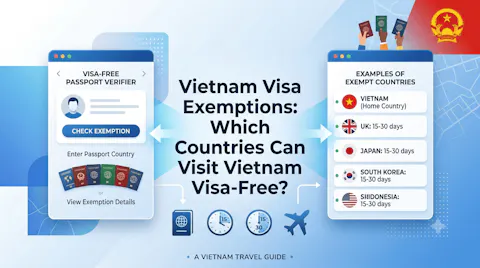
Vietnam Visa Exemptions: Which Countries Can Visit Vietnam Visa-Free?
Planning a trip to Vietnam? Find out whether your country qualifies for Vietnam’s visa exemption program and learn how long you can stay without a visa. This guide explains visa-free entry policies, eligibility requirements, permitted stay durations, and important travel considerations before arriving in Vietnam. Whether you are visiting for a short holiday or planning a longer journey, understanding Vietnam’s visa exemption rules helps you prepare with confidence. Go Visit Vietnam provides practical information for international travelers planning their visit.
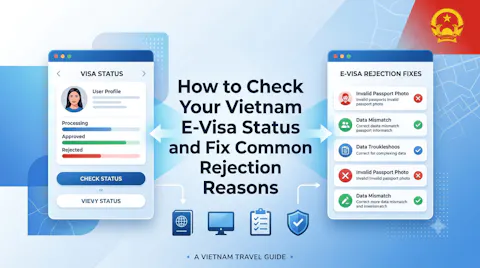
How to Check Your Vietnam E-Visa Status and Fix Common Rejection Reasons
Waiting for your Vietnam E-Visa approval? This guide explains how to check your Vietnam E-Visa status online, understand the application process, and identify common reasons why an application may be delayed or rejected. Learn practical solutions for correcting passport information, photo requirements, personal details, and supporting documents before reapplying. Go Visit Vietnam provides helpful visa guidance to make your application smoother and help you prepare confidently for your upcoming trip to Vietnam.