
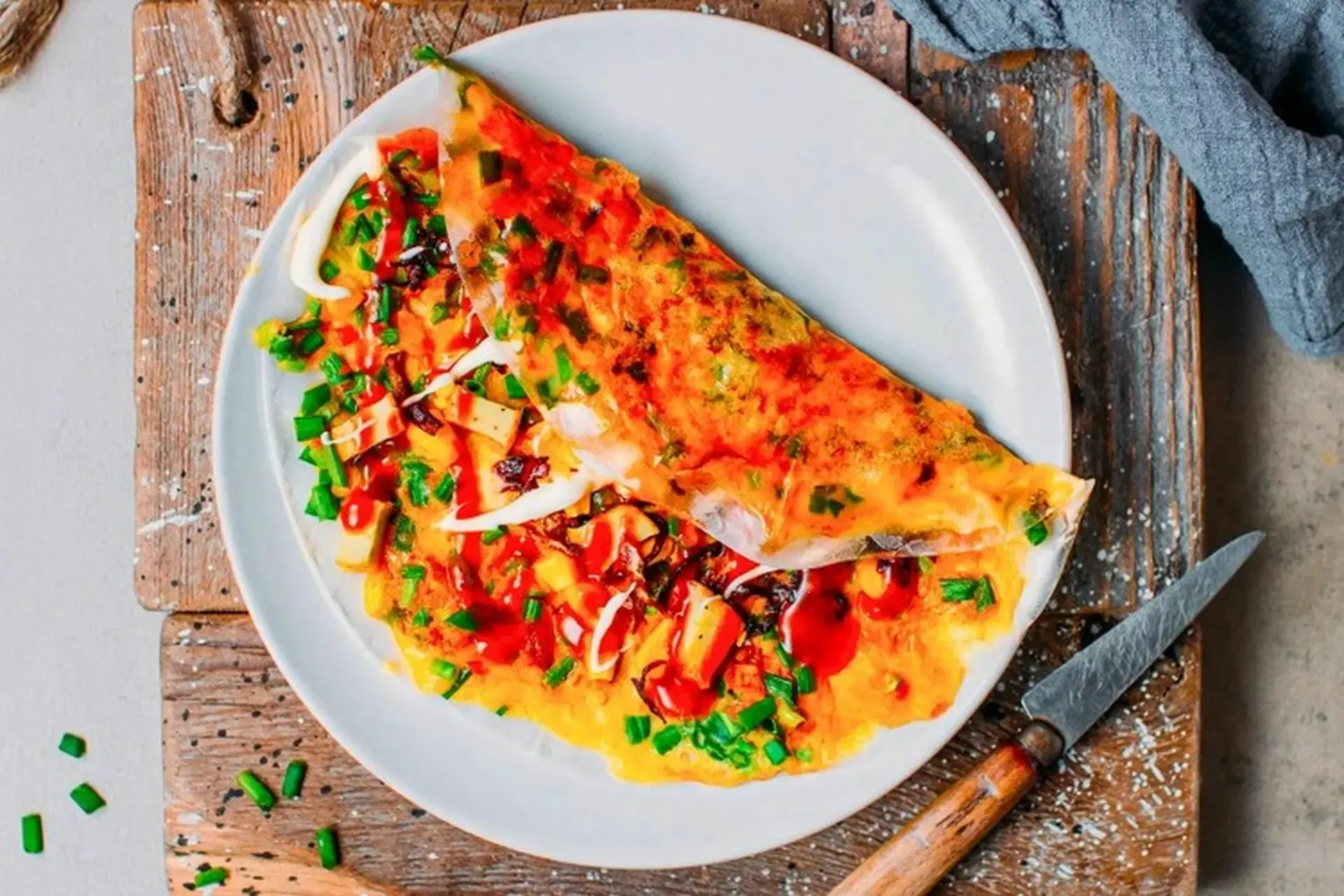
Bánh Tráng Nướng: Vietnam's Grilled Rice Paper
Bánh Tráng Nướng is a popular Vietnamese street food made by grilling thin rice paper over charcoal or heat until crisp, then adding toppings such as egg, scallions, dried shrimp, Vietnamese sausage, and savory sauces. Often nicknamed “Vietnamese pizza” because of its round shape and layered toppings, it combines a crispy base with rich, savory, and aromatic flavors. Particularly popular in Da Lat and other Vietnamese cities, Bánh Tráng Nướng is an affordable street snack and a must-try for travelers exploring Vietnam's vibrant food culture.
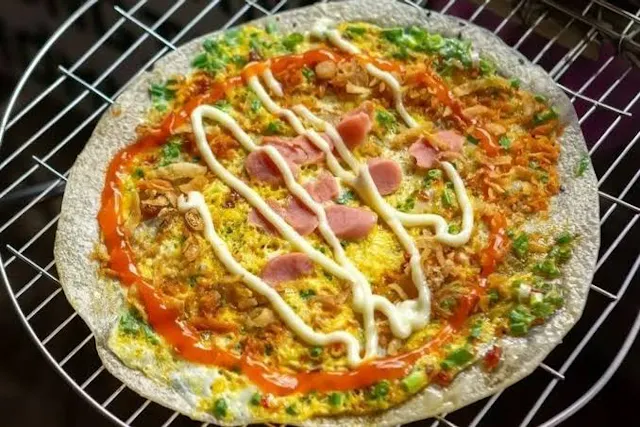
About Banh Trang Nuong
Banh Trang Nuong, known as Bánh Tráng Nướng in Vietnamese, is a popular Vietnamese street food made by grilling a thin sheet of rice paper over charcoal and covering it with savory toppings. Often called Vietnamese pizza by international visitors because of its round shape and colorful toppings, Banh Trang Nuong is a crispy, smoky, and flavorful snack commonly enjoyed at night markets and street food stalls.
The dish is particularly popular in Da Lat, where the cool evening climate makes hot grilled snacks especially appealing. Today, Banh Trang Nuong can be found throughout Vietnam, with different vendors creating their own combinations of toppings and seasonings.
What Is Banh Trang Nuong?
Banh Trang Nuong literally means grilled rice paper.
A thin sheet of rice paper is placed directly over charcoal or a hot grill. While it cooks, toppings are added to the surface and spread across the rice paper.
The rice paper gradually becomes crisp, while the toppings cook and combine with the smoky aroma from the grill. Once ready, it is served hot and crispy, often folded or cut into smaller pieces.
Rice Paper
Rice paper, or banh trang, forms the crispy base of the dish.
The thin sheet is light and relatively neutral in flavor, making it suitable for a variety of savory toppings. As it is grilled, the rice paper loses moisture and becomes thin, brittle, and crunchy.
The cooking process requires attention because the rice paper can burn quickly if exposed to excessive heat.
Egg
Egg is one of the most common toppings for Banh Trang Nuong.
A quail egg or chicken egg may be cracked directly onto the rice paper and spread across the surface while the base cooks.
The egg helps bind the toppings together and adds richness to the crispy rice paper. When cooked properly, it creates a slightly creamy contrast with the crunchy base.
Dried Shrimp and Meat
Dried shrimp, shredded pork, and other savory ingredients are frequently added to Banh Trang Nuong.
Dried shrimp contributes a concentrated seafood flavor and umami, while shredded pork or Vietnamese sausage can provide additional savory richness.
The toppings vary significantly between vendors, so travelers may encounter many different versions.
Scallion Oil
Scallion oil, known as mo hanh, is another classic ingredient.
Made by gently cooking chopped green onions in oil, it adds fragrance, color, and richness to the grilled rice paper.
The fresh aroma of scallions complements the smoky flavor of charcoal grilling and works particularly well with egg and dried shrimp.
Chili Sauce and Mayonnaise
Modern versions of Banh Trang Nuong may include chili sauce and mayonnaise.
Chili sauce adds sweetness and heat, while mayonnaise contributes creaminess and richness. Together, they create a more indulgent flavor profile.
Some vendors also use other sauces depending on their own recipes and customer preferences.
What Does Banh Trang Nuong Taste Like?
Banh Trang Nuong is crispy, smoky, savory, slightly sweet, and sometimes spicy.
The grilled rice paper provides the crunchy base, while egg adds richness and dried shrimp or meat contributes umami. Scallion oil brings fragrance, and chili sauce can add heat and sweetness.
The combination of crunchy and creamy textures makes the snack particularly satisfying.
Banh Trang Nuong in Da Lat
Da Lat is strongly associated with Banh Trang Nuong.
The city's evening street food scene is famous for vendors grilling the snack over charcoal in busy markets and outdoor food areas.
The cool mountain climate makes a freshly grilled, hot, crispy snack particularly enjoyable. Da Lat-style Banh Trang Nuong has also become popular in other Vietnamese cities.
Banh Trang Nuong as Street Food
Banh Trang Nuong is designed for casual eating.
Vendors usually prepare it directly in front of customers, making the grilling process part of the experience. The smell of toasted rice paper, egg, scallion oil, and smoky charcoal can be especially tempting in busy evening food areas.
It is inexpensive, portable, and easy to share, making it a popular choice for students, families, and travelers.
Where to Try Banh Trang Nuong
Banh Trang Nuong can be found throughout Vietnam at night markets, street food stalls, pedestrian areas, and local food streets.
Da Lat is one of the most famous destinations for trying it, but travelers can also find versions in Ho Chi Minh City, Hanoi, Da Nang, Nha Trang, and many other cities.
For the freshest experience, choose a busy stall where the rice paper is grilled to order.
How to Eat Banh Trang Nuong
The snack is usually served immediately after grilling while the rice paper is still hot and crispy.
It may be folded, rolled, or cut into pieces depending on the vendor. Eat it while warm to enjoy the contrast between the crunchy rice paper and soft toppings.
Because the base is thin and crispy, it is best eaten soon after serving.
Discover Banh Trang Nuong
Banh Trang Nuong is a great example of Vietnam's creative street food culture.
A simple sheet of rice paper becomes a flavorful snack through charcoal grilling and the addition of egg, dried shrimp, meat, scallion oil, sauces, and other toppings.
For travelers exploring Vietnam's night markets, trying Banh Trang Nuong is an easy way to experience the country's casual food culture. Whether enjoyed in Da Lat's cool evening streets or at a busy market elsewhere in Vietnam, this crispy grilled rice paper snack is both affordable and memorable.
Signature Ingredients of Vietnamese Grilled Rice Paper (Bánh Tráng Nướng)
The irresistible flavor of Bánh Tráng Nướng comes from its crispy rice paper base and a variety of savory toppings. Each ingredient contributes a unique texture and taste, creating the perfect balance that has made this Da Lat specialty one of Vietnam’s most popular street foods.
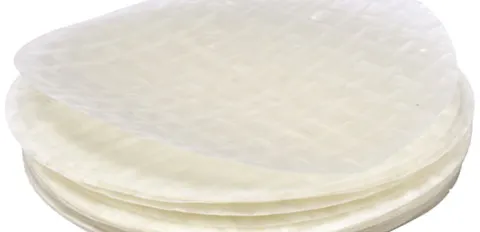
Crispy Rice Paper (Bánh Tráng)↗
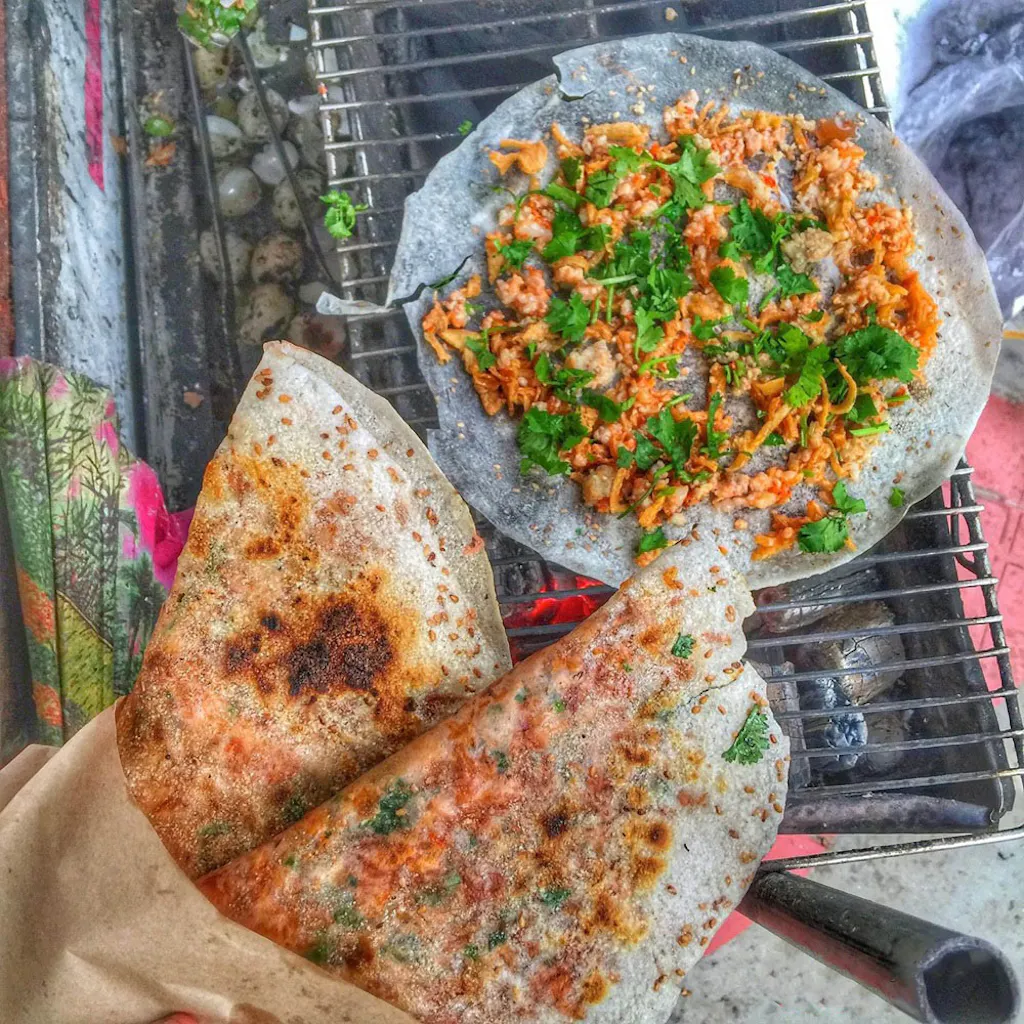
A thin sheet of Vietnamese rice paper is grilled directly over hot charcoal until it becomes crisp and lightly smoky. This crunchy base provides the signature texture that makes Bánh Tráng Nướng so distinctive.
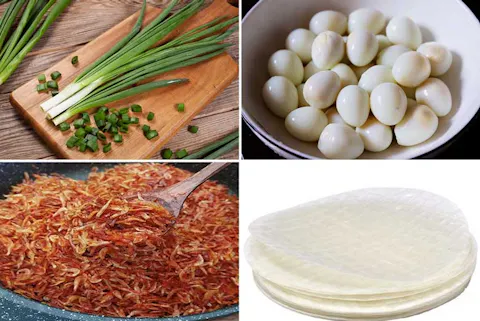
Egg, Spring Onion & Savory Toppings↗
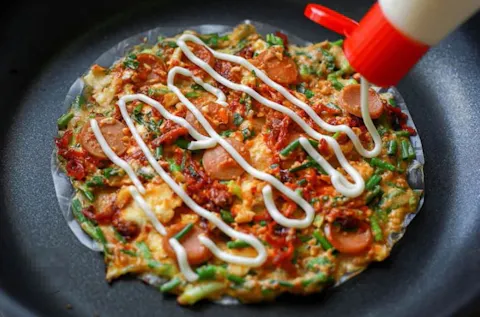
Beaten egg, chopped spring onions, dried shrimp, minced pork, sausage, or shredded chicken are spread over the rice paper while it grills. These ingredients create a rich, flavorful topping that blends perfectly with the crispy base.
Sauces & Crispy Garnishes↗
Mayonnaise, chili sauce, fried shallots, cheese, and optional herbs add layers of creaminess, spice, sweetness, and crunch. Every vendor has their own combination, making each serving of Bánh Tráng Nướng a unique street food experience.
Frequently Asked Questions About Vietnamese Grilled Rice Paper (Bánh Tráng Nướng)
What is Bánh Tráng Nướng?
Bánh Tráng Nướng is a popular Vietnamese street food made by grilling a sheet of rice paper over charcoal and topping it with ingredients such as egg, spring onions, dried shrimp, sausage, cheese, and sauces. It is crispy, flavorful, and often compared to a pizza because of its appearance.
Why is Bánh Tráng Nướng called the "Vietnamese pizza"?
The nickname comes from its crispy round shape and the variety of toppings added before grilling. While it resembles pizza visually, Bánh Tráng Nướng has a completely unique Vietnamese flavor, texture, and cooking method.
Where did Bánh Tráng Nướng originate?
The dish became famous in Da Lat, where it remains one of the city's signature street foods. Today, it is widely available throughout Vietnam, especially in night markets and popular street food districts.
Is Bánh Tráng Nướng spicy?
The spice level depends on the amount of chili sauce or fresh chili added. Most vendors can prepare a milder version upon request, making it suitable for a wide range of tastes.
Can I order a vegetarian version of Bánh Tráng Nướng?
Yes. Many vendors offer vegetarian options using egg, cheese, mushrooms, tofu, vegetables, and plant-based sauces instead of meat or seafood. If you follow a vegetarian diet, simply ask for a meat-free version when ordering.
Advertising box
Related Street Food in Vietnam
Discover more of Vietnam's vibrant street food culture through iconic local dishes, from savory noodle bowls and crispy snacks to fresh rolls and regional specialties. Explore the flavors, ingredients, cooking traditions, and stories behind popular Vietnamese street foods, and find new dishes to try as you travel across the country.
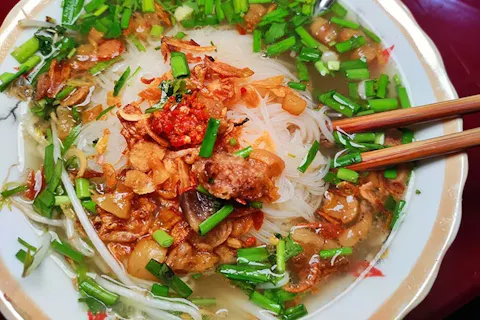
Hủ Tiếu: Vietnam's Southern Noodle Soup
Hủ Tiếu is a popular noodle dish from southern Vietnam, known for its light yet flavorful broth, chewy noodles, fresh herbs, vegetables, pork, shrimp, and seafood. Depending on the region and preparation, Hủ Tiếu can be served as a comforting noodle soup or as dry noodles tossed with savory sauce. Popular varieties include Hủ Tiếu Nam Vang and Hủ Tiếu Mỹ Tho, each with distinctive ingredients and flavors. Discover the history, ingredients, regional variations, and traditional ways to enjoy this beloved Southern Vietnamese specialty.
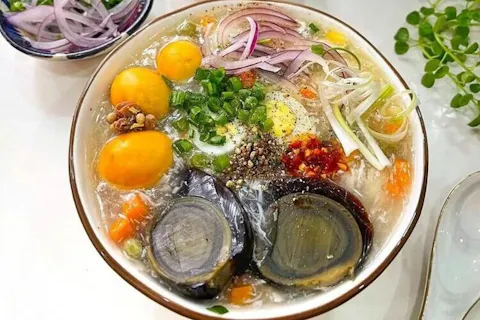
Súp Cua: Vietnam's Vietnamese Crab Soup
Súp Cua is a popular Vietnamese crab soup known for its thick, silky texture and savory combination of crab meat, eggs, mushrooms, corn, and flavorful broth. Often finished with black pepper, cilantro, and other Vietnamese seasonings, the soup offers a comforting balance of delicate seafood flavor and rich umami. Commonly served as a quick snack, appetizer, or light meal, Súp Cua is especially popular at street food stalls and casual eateries in southern Vietnam. Discover its ingredients, flavors, preparation, and place in Vietnamese food culture.
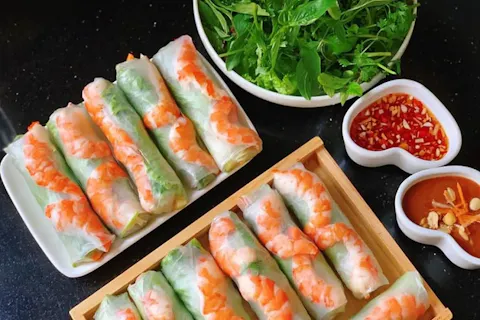
Gỏi Cuốn: Vietnam's Fresh Spring Rolls
Gỏi Cuốn is a popular Vietnamese dish made by wrapping fresh shrimp, pork, rice vermicelli, herbs, and vegetables in soft rice paper. Unlike fried spring rolls, these fresh rolls are served without deep-frying, allowing the natural flavors and textures of the ingredients to stand out. They are commonly paired with hoisin-peanut sauce or a savory Vietnamese dipping sauce. Light, fresh, and easy to eat, Gỏi Cuốn is enjoyed throughout Vietnam and is a popular introduction to Vietnamese cuisine for travelers seeking a refreshing local dish.
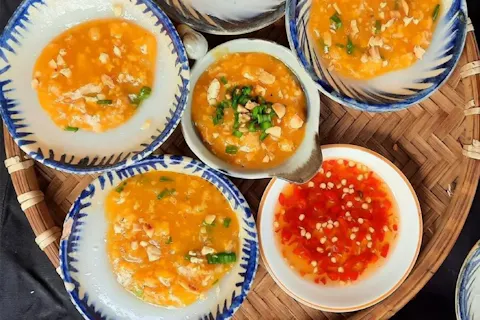
Bánh Bèo: Vietnam's Savory Steamed Rice Cakes
Bánh Bèo is a traditional Vietnamese dish made from small, delicate steamed rice cakes topped with savory ingredients such as dried shrimp, scallions, crispy pork skin, and fried shallots. Served with a flavorful Vietnamese fish sauce, these bite-sized cakes combine soft rice texture with crunchy, savory toppings and a balanced sweet-salty flavor. Especially popular in Central Vietnam, Bánh Bèo is closely associated with Hue and is commonly enjoyed as a snack, appetizer, or light meal. Discover its ingredients, history, regional variations, and traditional ways to enjoy it.