
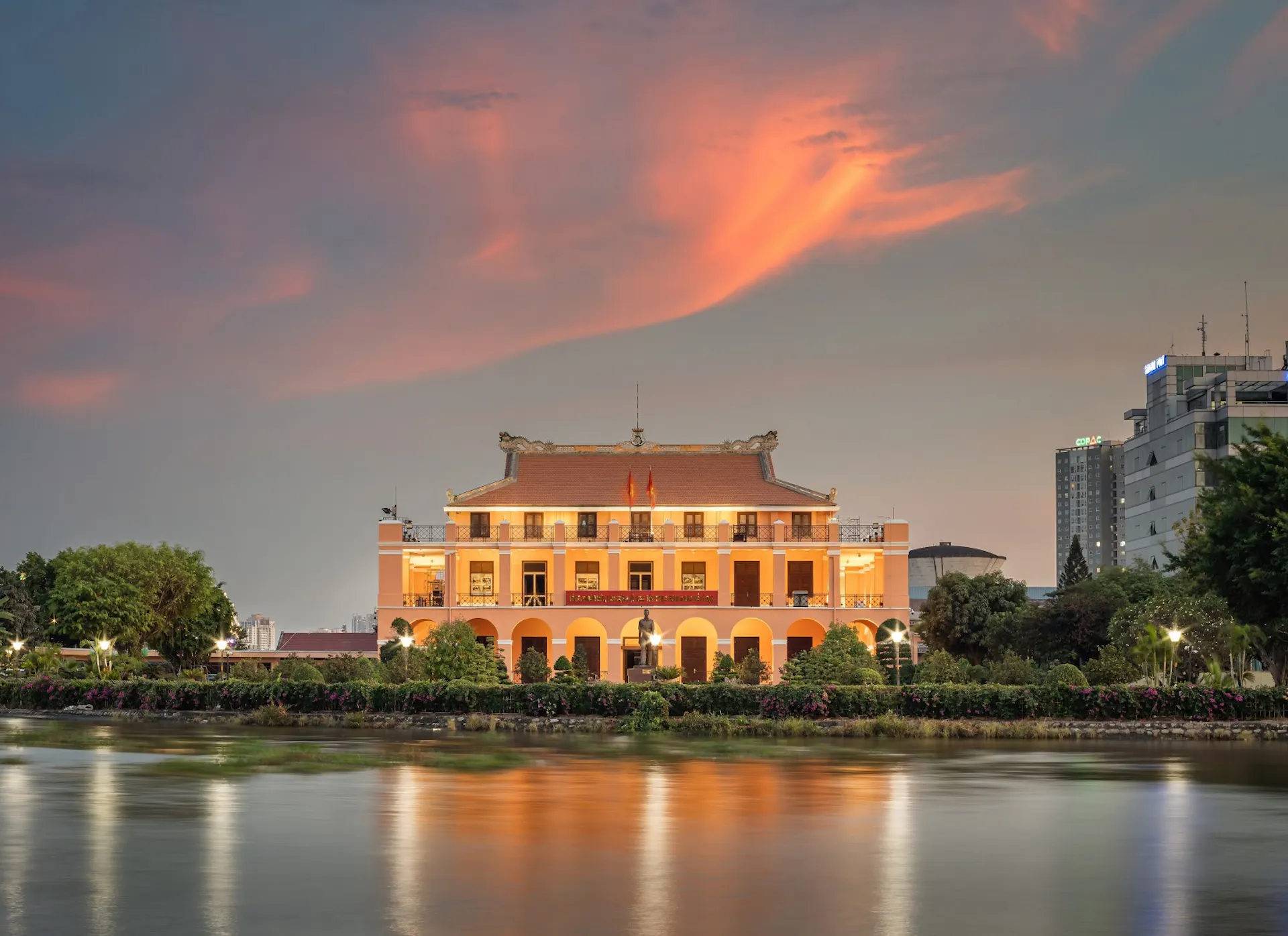
Nha Rong Wharf
Nha Rong Wharf is one of Ho Chi Minh City's most significant historical landmarks, located along the Saigon River in District 4. Originally built in 1863 as a port facility, the site is closely associated with Ho Chi Minh, who departed from this area in 1911 to begin his journey abroad. Today, Nha Rong Wharf houses the Ho Chi Minh Museum and offers visitors an opportunity to explore historical exhibits, learn about his life and journey, and enjoy views of the Saigon River.
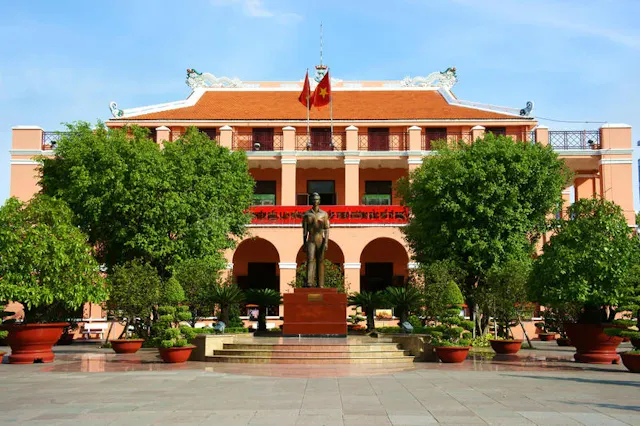
About Nha Rong Wharf
Nha Rong Wharf, also known as Dragon Wharf, is one of the most significant historical landmarks in Ho Chi Minh City. Located along the Saigon River in District 4, the site combines colonial-era architecture, Vietnamese history, and riverside scenery. It is particularly famous for its connection with Ho Chi Minh, who is traditionally associated with departing from this port in 1911 on a journey that took him abroad.
Today, Nha Rong Wharf is home to the Ho Chi Minh Museum, making it an important destination for travelers interested in Vietnam's modern history and the life of one of the country's most influential historical figures.
What Is Nha Rong Wharf?
Nha Rong Wharf was originally constructed in 1863 during the French colonial period as a maritime and commercial facility.
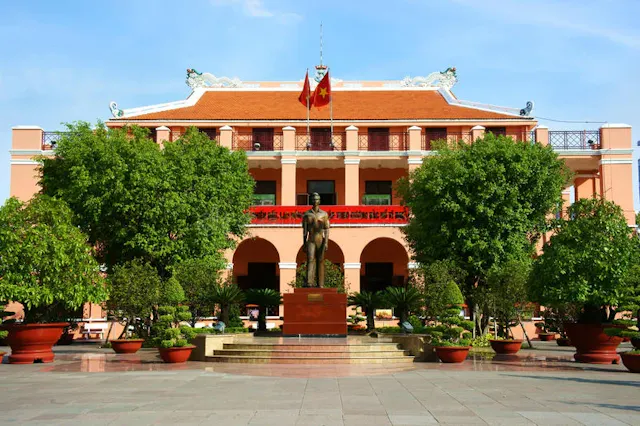
The building was designed with European architectural influences and distinctive decorative elements. Its most recognizable feature is the pair of dragon ornaments on the roof, which gave the building its popular Vietnamese name, "Nha Rong," meaning "Dragon House."
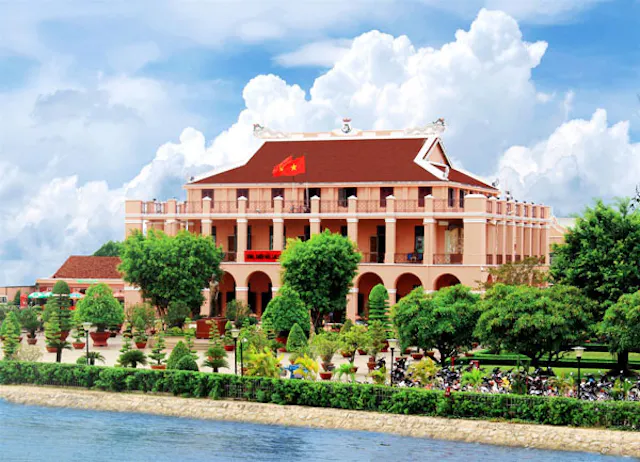
The building's location beside the Saigon River also reflects the importance of the river to the development of Saigon as a major commercial port.
Nha Rong Wharf and Ho Chi Minh
The site is most closely associated with Ho Chi Minh's departure from Vietnam in 1911.
According to historical accounts, the young Nguyen Tat Thanh worked aboard a French ship and left Saigon from this area in June 1911.
He traveled abroad and spent many years living and working in different countries before returning to Vietnam.
His journey became an important part of the story of his political development and his later role in the Vietnamese independence movement.
Ho Chi Minh Museum
Today, Nha Rong Wharf houses the Ho Chi Minh Museum – Ho Chi Minh City Branch.
The museum contains exhibits related to Ho Chi Minh's life, travels, revolutionary activities, and connection with Vietnam's modern history.
Displays may include photographs, documents, personal objects, maps, and historical materials.
The museum provides visitors with additional context about the historical events associated with Nha Rong Wharf and Ho Chi Minh's journey abroad.
Colonial Architecture
The architecture of Nha Rong Wharf is one of its most distinctive features.
The original building combines European colonial construction with decorative elements that give it a unique appearance.
The two dragon decorations on the roof are particularly recognizable and have become an important symbol of the site.
The building has been preserved and adapted for museum use while retaining much of its historical character.
Saigon River
Nha Rong Wharf occupies an attractive position along the Saigon River.
Visitors can walk around the waterfront and enjoy views of the river, passing boats, and the rapidly developing skyline of Ho Chi Minh City.
The riverside setting provides an interesting contrast between the historic building and the modern urban landscape surrounding it.
The area can be particularly pleasant in the late afternoon when temperatures become more comfortable.
Nha Rong Wharf and Saigon's Development
The history of Nha Rong Wharf is closely connected with the development of Saigon as a major commercial and transportation center.
During the colonial period, the city's river ports played an important role in trade and the movement of people and goods.
The Saigon River continues to be an important part of Ho Chi Minh City's economic and geographic identity.
Visiting Nha Rong Wharf therefore provides insight not only into Ho Chi Minh's history but also into the development of the city itself.
What Can Visitors See?
Visitors can explore the historic building, museum exhibitions, outdoor areas, and riverside surroundings.
Inside the museum, historical displays explain different periods of Ho Chi Minh's life and his international journey.
Outside, the distinctive architecture and river views provide opportunities for photography.
The site is relatively compact, making it easy to include in a broader Ho Chi Minh City sightseeing itinerary.
Nearby Attractions
Nha Rong Wharf is located within easy reach of several attractions in central Ho Chi Minh City.
Visitors can combine it with places such as Ben Thanh Market, the War Remnants Museum, Independence Palace, Saigon Central Post Office, and Nguyen Hue Walking Street.
Travelers interested in architecture and history can create a full-day itinerary exploring the city's colonial buildings, museums, markets, and riverside landmarks.
Best Time to Visit
Nha Rong Wharf can be visited throughout the year.
The dry season from December to April is generally convenient for exploring Ho Chi Minh City and walking along the riverfront.
Morning visits are comfortable for sightseeing, while late afternoon can be particularly enjoyable for photography and riverside views.
Visitors should check the museum's current opening hours before traveling because schedules may change.
How to Get to Nha Rong Wharf
Nha Rong Wharf is located in District 4, just across the river from District 1.
It can be reached easily by taxi, ride-hailing services, motorcycle, or private car.
The site is only a short distance from many central Ho Chi Minh City attractions, making it convenient to include in a city sightseeing route.
Why Visit Nha Rong Wharf?
Nha Rong Wharf offers travelers a fascinating combination of history, architecture, culture, and riverside scenery.
Its connection with Ho Chi Minh's 1911 departure makes it an important location in the story of modern Vietnam, while its colonial architecture provides a glimpse into Saigon's development as a major port city.
For travelers interested in Vietnamese history, the life of Ho Chi Minh, colonial architecture, and Ho Chi Minh City's transformation, Nha Rong Wharf is a worthwhile historical stop and an excellent complement to the city's museums and heritage attractions.
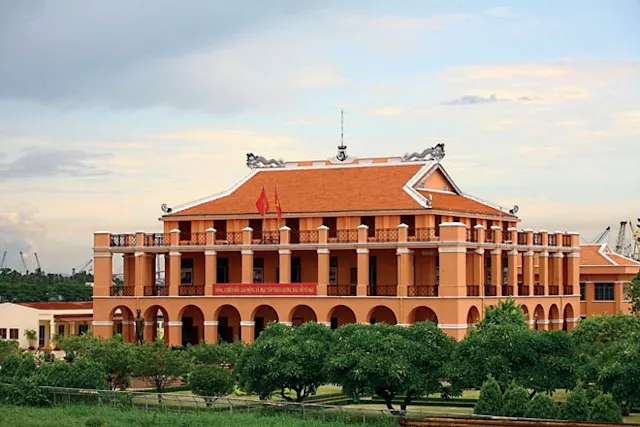
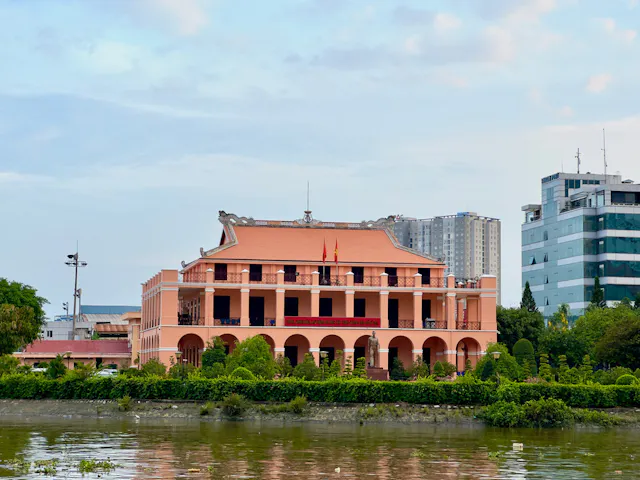
Nha Rong Wharf Photo Gallery
Explore a captivating collection of images showcasing Nha Rong Wharf, one of Ho Chi Minh City's most important historical landmarks. Discover the iconic Dragon House architecture, riverside setting along the Saigon River, museum exhibits, colonial-era design, and cultural heritage that commemorate a pivotal chapter in Vietnam's history.
How to Get to and Around Nha Rong Wharf
Bus and coach
Several public bus routes connect Nha Rong Wharf with different districts across Ho Chi Minh City. Nearby bus stops provide convenient access within a short walking distance of the museum and waterfront area.
Train
Visitors arriving at Saigon Railway Station can reach Nha Rong Wharf in approximately 15 to 20 minutes by taxi, ride-hailing service, or public transportation. The landmark is located near the city center and major tourist attractions.
Driving
Nha Rong Wharf is accessible by car via major roads connecting District 1 and District 4. Parking facilities are available nearby, although traffic can be busy during rush hours and weekends.
Flying
Travelers arriving at Tan Son Nhat International Airport can reach Nha Rong Wharf in approximately 25 to 40 minutes by taxi, airport transfer, or private vehicle, depending on traffic conditions.