
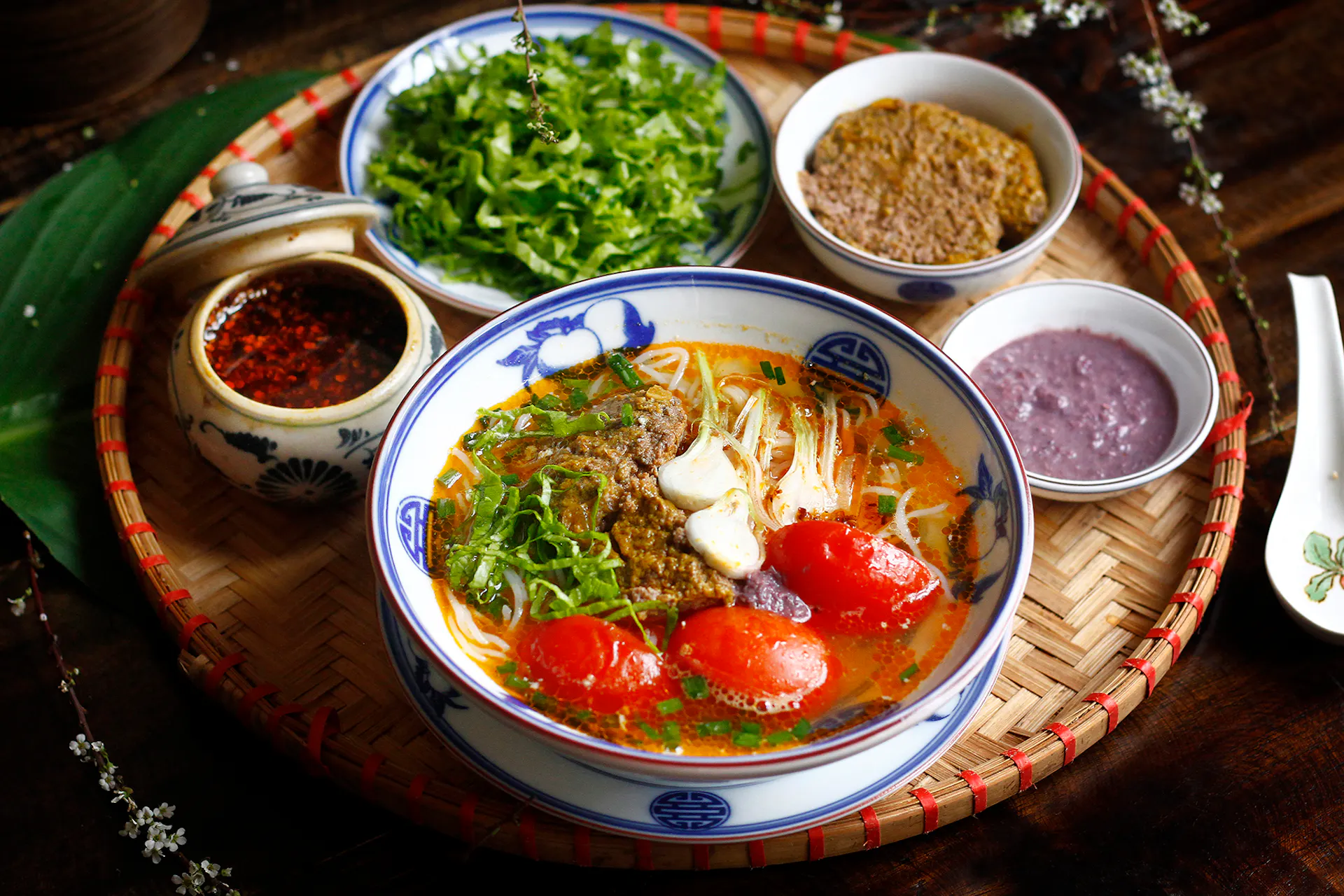
Bún Riêu: Vietnam's Flavorful Crab Noodle Soup
Bun Rieu is a beloved Vietnamese noodle soup famous for its flavorful crab-based broth, tomato richness, and refreshing combination of herbs and toppings. Originating from Northern Vietnam, this traditional dish features soft rice vermicelli, crab paste, tofu, pork, and fresh vegetables. With its unique balance of sweet, savory, and slightly tangy flavors, Bun Rieu represents the diversity and creativity of Vietnamese cuisine. Discover the ingredients, traditions, and local experiences behind one of Vietnam’s most iconic comfort foods.
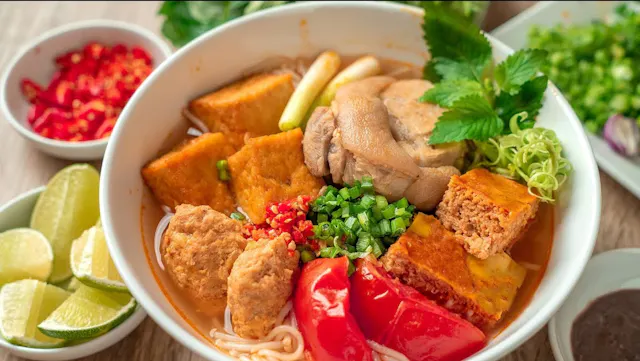
About Bun Rieu
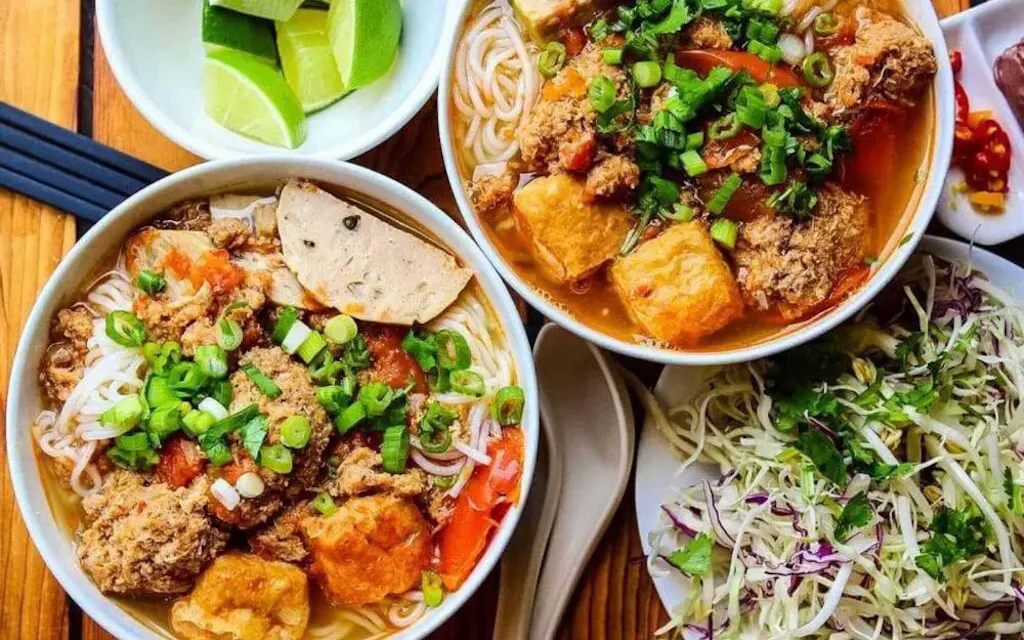
Bun Rieu is a traditional Vietnamese noodle soup known for its fragrant tomato broth, freshwater crab, rice vermicelli, tofu, fresh herbs, and a variety of savory toppings. With its balance of sweet, sour, salty, and umami flavors, Bun Rieu is one of Vietnam's most distinctive noodle dishes.
Unlike Pho, which is known for a clear and aromatic broth, Bun Rieu has a characteristic reddish color and tangy tomato flavor. The dish is enjoyed throughout Vietnam, with different regions developing their own versions. For travelers, a bowl of Bun Rieu offers an excellent introduction to the fresh seafood, herbs, and bold flavors found in Vietnamese cuisine.
What Is Bun Rieu?
Bun Rieu is a Vietnamese noodle soup traditionally made with freshwater crab, tomatoes, rice vermicelli, and a flavorful broth.
The crab is processed to extract its meat and natural flavor, which becomes an important part of the broth. Tomatoes provide acidity and a subtle sweetness, creating the soup's characteristic tangy flavor.
Depending on the region and vendor, the bowl may also include pork, tofu, shrimp paste, snails, or other seafood.
Freshwater Crab
Freshwater crab is traditionally the defining ingredient of Bun Rieu.
The small crabs are crushed or processed to extract the meat and roe. The mixture is then used to create crab-based elements that float on the surface of the broth.
The crab contributes a delicate seafood flavor and rich umami character, giving Bun Rieu its distinctive identity.
Tomato Broth
Tomatoes are another essential ingredient.
They give the broth its attractive reddish-orange color and provide acidity that balances the richness of the crab and other toppings.
The tomatoes are typically cooked with the broth and seasonings, allowing their flavor to blend with the seafood and aromatic ingredients.
The result is a broth that is lighter and tangier than many rich Vietnamese noodle soups.
Rice Vermicelli
Soft rice vermicelli provides the foundation of Bun Rieu.
The noodles are thin, smooth, and slightly chewy, allowing them to absorb the flavorful broth without overpowering the crab and tomato flavors.
They are placed in the bowl before the hot broth and toppings are added.
Tofu
Fried tofu is a common topping in many versions of Bun Rieu.
Small pieces of tofu are fried until golden on the outside while remaining soft inside. They absorb the flavorful broth and add a satisfying contrast to the soft noodles and tender crab.
The tofu also adds a mild richness without making the soup overly heavy.
Pork and Other Toppings
Depending on the recipe, Bun Rieu may include a variety of additional toppings.
Pork sausage, sliced pork, shrimp, fish cake, and other seafood can be added. Some versions also contain snails, particularly in Northern Vietnamese preparations.
These ingredients create additional textures and flavors while making the soup more substantial.
Fermented Shrimp Paste
Fermented shrimp paste, known as mam tom, may be used to intensify the flavor of Bun Rieu.
It provides a strong umami character and is especially common in Northern-style preparations. Because the flavor is concentrated, only a small amount may be used.
Some restaurants allow diners to add fermented shrimp paste according to personal preference.
Fresh Herbs and Vegetables
Fresh herbs and vegetables help balance the rich and tangy broth.
Common accompaniments include Vietnamese mint, perilla, bean sprouts, banana blossom, water spinach, lettuce, and other local greens.
These ingredients provide crunch, freshness, and herbal aromas that contrast with the warm broth and savory toppings.
What Does Bun Rieu Taste Like?
Bun Rieu has a distinctive combination of savory, tangy, slightly sweet, and umami flavors.
Tomatoes provide acidity, while freshwater crab contributes seafood sweetness and depth. Fried tofu absorbs the broth, and fresh herbs add brightness.
Depending on the recipe, fermented shrimp paste and chili can add additional intensity and heat.
The overall flavor is complex but refreshing.
Bun Rieu in Vietnamese Food Culture
Bun Rieu is enjoyed throughout Vietnam and can be found at local markets, street food stalls, family-run restaurants, and casual noodle shops.
It is particularly popular as an everyday breakfast or lunch, although it can be enjoyed at almost any time of day.
The dish reflects the Vietnamese approach of combining fresh ingredients with carefully balanced flavors and contrasting textures.
Regional Variations
Bun Rieu varies considerably across Vietnam.
Northern versions often emphasize freshwater crab, tomato broth, tofu, and fermented shrimp paste. Southern versions may contain a wider selection of seafood, pork, vegetables, and other toppings.
Some local variations include snails, shrimp, or different types of Vietnamese sausage.
These differences make Bun Rieu an interesting dish to try in different parts of the country.
Where to Try Bun Rieu
Travelers can find Bun Rieu in cities throughout Vietnam.
Hanoi is an excellent destination for experiencing Northern-style Bun Rieu, while Ho Chi Minh City offers Southern interpretations with generous toppings and fresh vegetables.
Local markets and small neighborhood restaurants are often good places to experience the dish as part of everyday Vietnamese food culture.
How to Eat Bun Rieu
Bun Rieu is served hot with noodles, broth, crab, tofu, and other toppings.
Fresh herbs and vegetables are usually served separately so diners can add them gradually. Lime, chili, or fermented shrimp paste can also be added to adjust the flavor.
Mixing the noodles, broth, toppings, and herbs together creates a balanced combination in every bite.
Discover Bun Rieu
Bun Rieu is a flavorful expression of Vietnamese culinary traditions, combining freshwater crab, tomatoes, rice vermicelli, tofu, herbs, and savory toppings in a distinctive tangy broth.
Its bright tomato flavor and delicate crab aroma make it different from other Vietnamese noodle soups such as Pho or Bun Bo Hue. For travelers exploring Vietnam, trying a fresh bowl of Bun Rieu is a delicious way to discover the country's diverse regional flavors and everyday street food culture.
Featured Ingredients of Bun Rieu – The Heart of Vietnam’s Crab Noodle Soup
Bun Rieu is created from a unique combination of fresh local ingredients that bring together rich seafood flavors, natural sweetness, and refreshing herbal notes. Each ingredient plays an essential role in building the dish’s signature taste, aroma, and comforting character.
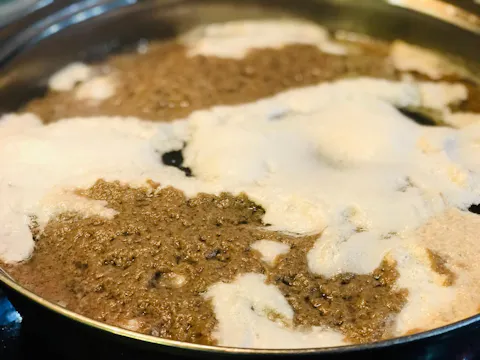
Crab Paste & Crab Cake↗
The key ingredient of Bun Rieu is freshwater crab paste, traditionally made from field crabs. It is combined with eggs and seasonings to form soft crab cakes that float in the broth, giving the dish its rich seafood flavor and signature aroma.
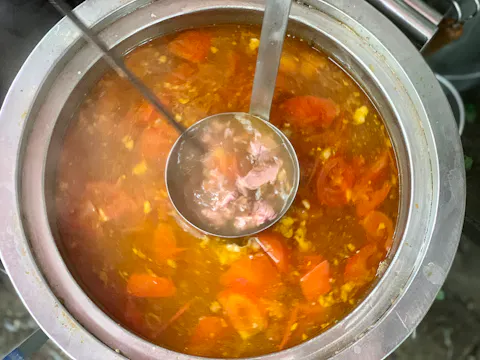
Tomato-Based Broth↗
The broth is made from slow-cooked tomatoes, crab essence, and light pork stock. This creates a vibrant red-orange soup with a perfect balance of sweetness, acidity, and umami, making Bun Rieu refreshing and flavorful.
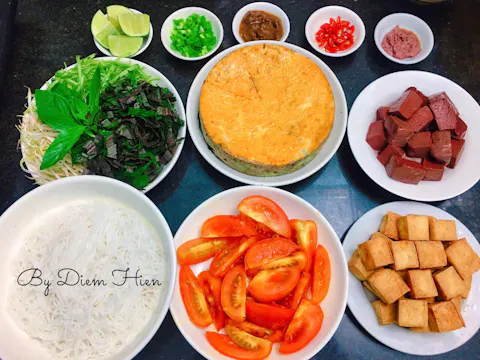
Rice Vermicelli, Tofu & Fresh Herbs↗
Soft rice vermicelli noodles are paired with fried tofu, pork, and a variety of fresh herbs and vegetables. Ingredients like bean sprouts, banana flowers, and greens add crunch, freshness, and balance to the rich broth.
More Articles About Bun Rieu & Vietnamese Cuisine
Explore related articles featuring Bun Rieu, Vietnamese street food, regional specialties, culinary traditions, restaurant recommendations, and travel tips. Learn more about the stories behind Vietnam's iconic dishes and discover delicious experiences to add to your next food adventure.
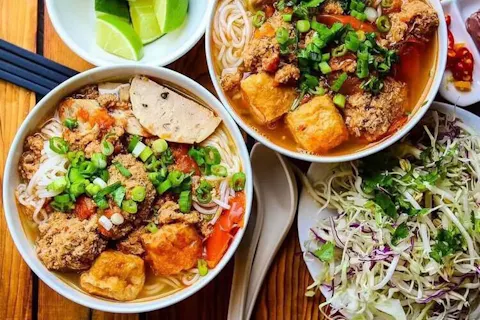
What Is Bun Rieu? Vietnam's Tomato & Crab Noodle Soup↗
Bun Rieu (Bún Riêu) is a Vietnamese rice vermicelli soup traditionally made with freshwater crab, tomatoes, fried tofu, herbs, and a savory, slightly tangy broth. Closely associated with Northern Vietnam and Hanoi, this comforting noodle dish is known for its soft crab curds, bright tomato flavor, and distinctive umami from fermented shrimp paste. Regional versions may include pork, snails, blood pudding, or other seafood. Discover the history, ingredients, flavors, regional variations, and local way to enjoy this iconic Vietnamese noodle soup.

Bun Rieu vs Bun Bo Hue: What Is the Difference?↗
Bun Rieu and Bun Bo Hue are two of Vietnam's most beloved noodle soups, but they offer completely different flavors and dining experiences. Bun Rieu features a light tomato and crab-based broth with freshwater crab paste, while Bun Bo Hue is famous for its rich, spicy beef broth infused with lemongrass and chili. This guide compares their ingredients, taste, regional origins, toppings, and cooking styles to help you understand what makes each dish unique and decide which one to try first.
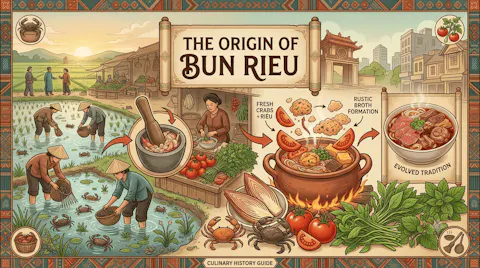
The Origin of Bun Rieu↗
Bun Rieu is one of Vietnam's oldest and most beloved noodle soups, celebrated for its delicate crab-based broth, fresh tomatoes, and fragrant herbs. Originating in northern Vietnam, the dish was created using simple local ingredients gathered from rice fields and rivers. Over generations, Bun Rieu evolved into numerous regional variations while preserving its traditional character. This guide explores the fascinating history of Bun Rieu, its cultural significance, and how this humble noodle soup became a staple of Vietnamese cuisine.
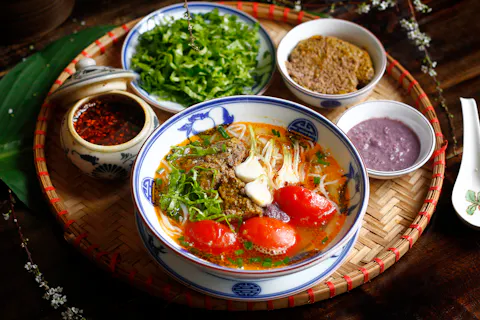
Is Bun Rieu Healthy? Calories and Nutrition Facts You Should Know↗
Bun Rieu is more than a delicious Vietnamese crab noodle soup—it can also be a nutritious meal when enjoyed in moderation. Made with freshwater crab, rice noodles, tomatoes, tofu, herbs, and fresh vegetables, it provides a balance of protein, carbohydrates, vitamins, and minerals. This guide explores Bun Rieu's calorie content, nutritional value, health benefits, and simple tips for making it an even healthier choice while enjoying one of Vietnam's most iconic comfort foods.
Frequently Asked Questions About Bun Rieu
What is Bun Rieu?
Bun Rieu is a traditional Vietnamese noodle soup made with rice vermicelli, crab paste, tomato-based broth, tofu, pork, and fresh herbs. It is known for its light, tangy, and flavorful taste.
What makes Bun Rieu special?
Bun Rieu stands out for its unique combination of crab flavor and tomato broth. The crab paste creates soft crab cakes, while tomatoes add a natural sweetness and slight tanginess, making the dish refreshing and balanced.
What ingredients are used in Bun Rieu?
Common ingredients include freshwater crab paste, tomatoes, rice vermicelli noodles, tofu, pork, eggs, shrimp or crab cakes, and fresh herbs like bean sprouts, banana flowers, and greens.
Is Bun Rieu spicy?
Bun Rieu is not naturally spicy, but it is often served with chili or chili paste on the side. Diners can adjust the spice level according to their taste preferences.
Where can I eat authentic Bun Rieu in Vietnam?
Bun Rieu is widely available across Vietnam, especially in street food stalls and local restaurants. Northern Vietnam offers the most traditional version, while southern regions may include additional toppings and variations.
Advertising box
Related Vietnamese Dishes
Explore more of Vietnam's rich culinary heritage with these delicious regional specialties. From comforting noodle soups and fresh seafood dishes to iconic street food favorites, discover authentic flavors that perfectly complement your journey beyond.
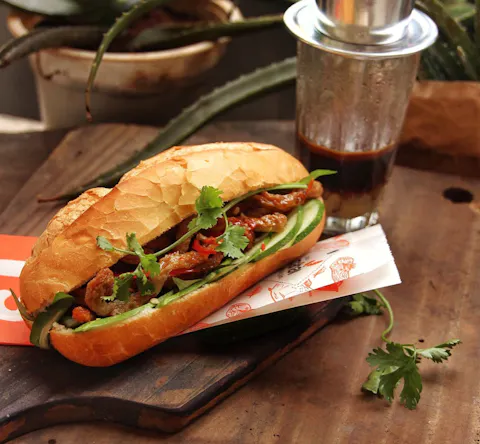
Banh Mi Vietnam
Banh Mi is one of Vietnam’s most iconic street foods, combining a crispy baguette with flavorful fillings, fresh herbs, and unique Vietnamese ingredients. Inspired by French culinary influences and transformed with local flavors, Banh Mi represents the creativity and diversity of Vietnamese cuisine. Discover the history, regional styles, popular fillings, and cultural stories behind this beloved sandwich. From busy street stalls to local bakeries, Go Visit Vietnam helps you explore the authentic taste and experience of Vietnam’s famous Banh Mi.
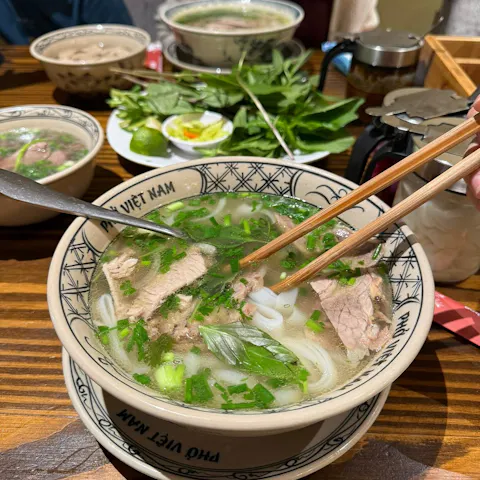
Pho Vietnam
Pho is one of Vietnam’s most famous dishes, representing the country’s rich culinary heritage and traditional flavors. This beloved noodle soup combines aromatic broth, rice noodles, fresh herbs, and carefully prepared ingredients to create a simple yet unforgettable experience. Discover the origins of Pho, explore regional variations from Northern to Southern Vietnam, and learn why this dish has become a symbol of Vietnamese cuisine around the world. Go Visit Vietnam brings you closer to the stories, flavors, and culture behind authentic Vietnamese Pho.
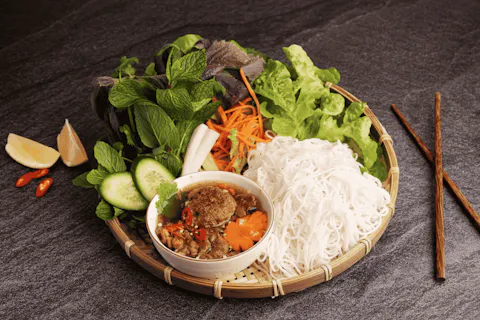
Bun Cha Vietnam
Bun Cha is one of Vietnam’s most beloved dishes, especially famous in Hanoi for its smoky grilled pork, fresh rice noodles, herbs, and sweet-savory dipping sauce. This traditional dish represents the balance and simplicity of Vietnamese cuisine, combining fresh ingredients with rich flavors. Discover the origins of Bun Cha, its preparation methods, regional variations, and the best way to enjoy this authentic Vietnamese specialty. Go Visit Vietnam brings you closer to the culture, flavors, and stories behind Hanoi’s iconic street food.
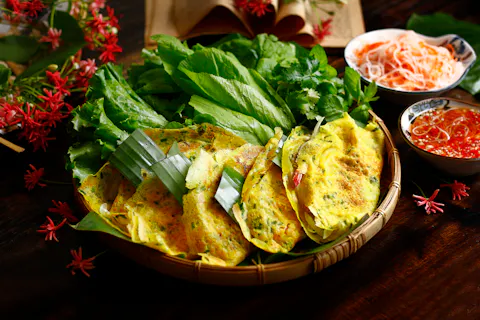
Banh Xeo
Banh Xeo is one of Vietnam’s most popular traditional dishes, known for its crispy golden shell, flavorful fillings, and fresh herbs served with dipping sauce. This Vietnamese savory pancake is made from rice flour batter and commonly filled with shrimp, pork, bean sprouts, and vegetables. Each region offers its own unique version, from the large crispy pancakes of Southern Vietnam to smaller styles in Central Vietnam. Discover the flavors, traditions, and local experiences behind this iconic Vietnamese street food.
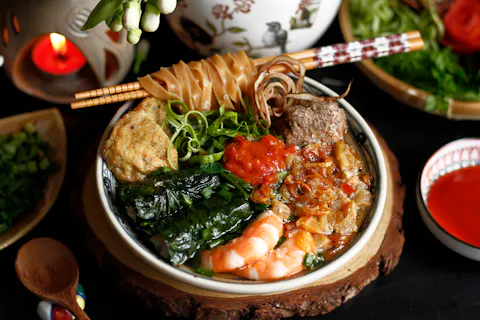
Banh Da Cua
Banh Da Cua is one of the most iconic dishes from Hai Phong, Northern Vietnam, loved for its unique red rice noodles, sweet crab broth, and fresh local ingredients. This traditional Vietnamese noodle soup combines flavors from the sea and countryside, creating a distinctive taste that represents the coastal city’s culinary identity. Visitors can enjoy Banh Da Cua with crab, shrimp, fish cakes, herbs, and vegetables while discovering one of Vietnam’s most memorable regional specialties.
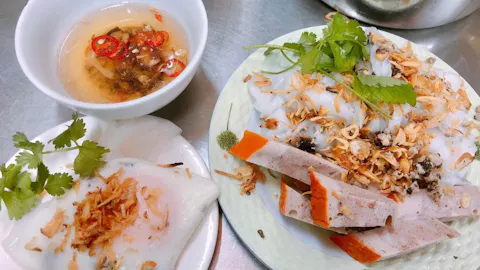
Banh Cuon
Banh Cuon is a popular Vietnamese dish known for its delicate steamed rice sheets, savory fillings, and light yet flavorful taste. Originating from Northern Vietnam, this traditional specialty is made by steaming thin rice batter and filling it with minced pork, mushrooms, and herbs. Served with Vietnamese fish sauce, fried shallots, and fresh herbs, Banh Cuon offers a perfect balance of softness, aroma, and freshness. Discover the story, ingredients, and cultural charm behind one of Vietnam’s favorite breakfast dishes.
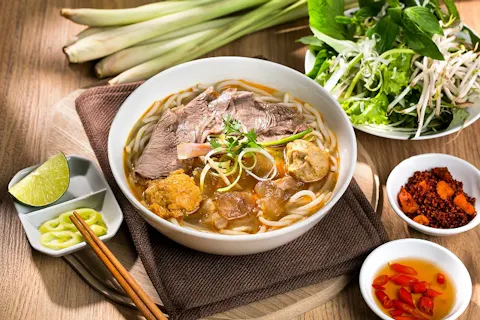
Bun Bo Hue
Bun Bo Hue is one of Vietnam’s most iconic dishes, originating from the ancient imperial city of Hue. Famous for its rich and aromatic beef broth, spicy chili flavor, lemongrass fragrance, and thick rice noodles, this dish represents the unique culinary traditions of Central Vietnam. A traditional bowl of Bun Bo Hue combines beef, pork, herbs, and fresh vegetables to create a perfect balance of savory, spicy, and refreshing flavors. Discover the history and authentic taste behind this beloved Vietnamese specialty.