
Is Bun Rieu Healthy? Calories and Nutrition Facts You Should Know
Bun Rieu is more than a delicious Vietnamese crab noodle soup—it can also be a nutritious meal when enjoyed in moderation. Made with freshwater crab, rice noodles, tomatoes, tofu, herbs, and fresh vegetables, it provides a balance of protein, carbohydrates, vitamins, and minerals. This guide explores Bun Rieu's calorie content, nutritional value, health benefits, and simple tips for making it an even healthier choice while enjoying one of Vietnam's most iconic comfort foods.

On this page
The global explosion of Vietnamese noodle soups has fundamentally transformed international dining, bringing deeply complex, regionally specific culinary traditions to the forefront of the modern gastronomic conversation. Yet, as diners increasingly scrutinize the macronutrient balance and caloric density of their restaurant meals, critical questions inevitably arise regarding the hidden physiological implications of these beloved dishes. For those rigorously monitoring their dietary intake, understanding Is Bun Rieu healthy requires moving far beyond simplistic generalizations. This vibrant, tomato-based freshwater crab soup presents a uniquely fascinating nutritional profile that demands comprehensive, science-backed analysis. Built upon a foundation of lean protein, antioxidant-rich vegetables, and highly fermented traditional seasonings, this dish embodies a delicate metabolic tightrope. It can operate as a profoundly nourishing, micronutrient-dense meal that supports metabolic efficiency, or conversely, it can inadvertently function as a vector for excessive sodium content and refined carbohydrates. By meticulously deconstructing the Vietnamese noodle soup nutrition facts inherent to this specific bowl, we can objectively evaluate how the preparation methodologies and individual portion control directly dictate its ultimate physiological impact. This definitive guide will empower the health-conscious consumer to navigate the complexities of this traditional masterpiece with absolute nutritional confidence and culinary appreciation.
Is Bun Rieu Healthy? The Nutritional Anatomy
The Power of Freshwater Crab (Cua Đồng)
At the absolute nutritional core of this iconic dish lies the freshwater paddy crab, an ingredient that provides profound micronutrient density and structural protein. From a clinical perspective, utilizing this specific crustacean elevates the overall nutritional value of Vietnamese crab soup significantly above broths reliant solely on high-fat mammalian cuts. The meticulously pounded crab paste, commonly referred to as "riêu," serves as a highly digestible, low-fat source of essential amino acids required for optimal muscle synthesis and cellular repair. More importantly, because traditional preparation involves pulverizing the entire crab carapace to extract the internal biological liquid, the resulting broth becomes exceptionally rich in bioavailable calcium and phosphorus. This specific mineral profile is critically important for maintaining skeletal integrity and supporting optimal neuromuscular function. By leaning heavily on this incredibly lean aquatic protein rather than heavily marbled beef or pork, the soup establishes a surprisingly advantageous lipid profile, drastically reducing the intake of saturated fats typically associated with restaurant-prepared noodle broths and supporting long-term cardiovascular resilience.
Tomatoes, Annatto, and Antioxidants
Beyond the aquatic protein, the vibrant crimson hue of the broth signals a massive infusion of protective, plant-based antioxidants that actively combat systemic cellular oxidative stress. The generous inclusion of slow-simmered tomatoes releases exceptional volumes of lycopene, a powerful carotenoid clinically proven to support cardiovascular health and reduce systemic inflammation. Because the lycopene is gently heated in conjunction with natural fats, its physiological absorption rate is exponentially magnified, significantly enhancing its metabolic efficacy. Furthermore, authentic preparations utilize annatto seed oil to achieve the signature fiery color, deliberately bypassing the detrimental inflammatory effects of artificial, synthetic food dyes. Annatto itself provides an additional, highly concentrated dosage of tocotrienols, which are specialized forms of vitamin E that actively promote healthy lipid profiles and defend the vascular system against free radical damage. This strategic, ancestral combination of gently cooked tomatoes and botanical oils fundamentally transforms the liquid foundation of the soup from a simple culinary base into a highly concentrated, biologically active antioxidant delivery system.
The Role of Fresh Herbals
The final, arguably most critical component that determines the holistic physiological impact of the meal is the mandatory accompaniment of the traditional raw vegetable platter. This overflowing basket of fresh, uncooked botanicals—typically featuring finely shredded banana blossoms, water spinach stems, perilla leaves, and spearmint—injects a massive, necessary dosage of raw dietary fiber and active digestive enzymes into the digestive tract. This specific phytonutrient density is absolutely crucial for mitigating the sharp glycemic impact of the refined rice noodles. The soluble and insoluble fibers actively slow the gastric emptying process, severely blunting the rapid glucose spike that would otherwise result from consuming a large volume of simple carbohydrates. Additionally, these intensely aromatic herbs possess potent antimicrobial and anti-inflammatory properties, providing organic digestive support that enhances the overall metabolic efficiency of the meal. By viewing the herbs not merely as a decorative garnish but as an essential, high-volume nutritional component, the diner successfully balances the heavy macronutrients of the broth with crucial, life-sustaining vitamins and minerals.
Is Bun Rieu Healthy When Evaluating the Calorie Count?
The Mathematics of the Bowl
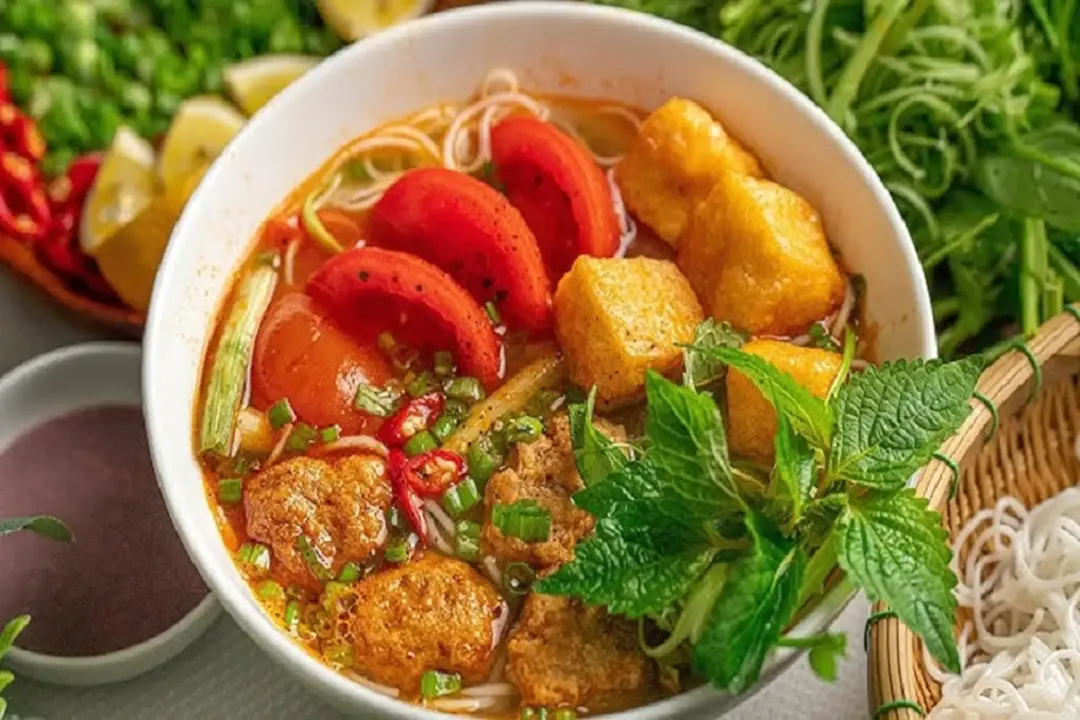
To accurately answer the fundamental question of whether this specific culinary tradition aligns with modern dietary goals, one must rigorously deconstruct the Bun Rieu calories found within a standard commercial serving. A typical restaurant-sized bowl generally ranges between four hundred and fifty to six hundred kilocalories, firmly positioning it as a moderate-impact entree. This specific caloric estimation heavily relies on the precise proportions of its constituent elements. The bulk of the energy density originates from the refined rice vermicelli, which typically contributes approximately two hundred calories of pure, simple carbohydrates. The delicate crab and pork paste, alongside the highly porous, deep-fried tofu cubes, supplies roughly one hundred and fifty calories of mixed proteins and fats. Finally, the aromatic annatto oil and the inherently rich bone broth account for the remaining caloric load. Understanding this specific mathematical breakdown is critical for individuals meticulously tracking their daily macronutrient expenditures and seeking to optimize their metabolic output.
The Sodium Challenge
Despite the relatively modest caloric footprint, the most significant clinical concern regarding this dish centers entirely upon its aggressive sodium content. The complex, deeply umami-driven flavor profile that defines the soup relies heavily on the liberal application of intensely fermented condiments, primarily fermented shrimp paste and highly concentrated fish sauce. While these traditional ingredients provide incredibly complex amino acid structures, they concurrently deliver a staggering sodium payload that can easily exceed a standard adult's entire daily recommended dietary allowance in a single sitting. For individuals struggling with hypertension, renal sensitivities, or chronic cardiovascular distress, this massive influx of sodium provokes immediate, severe extracellular fluid retention and places acute mechanical stress on the vascular endothelium. Acknowledging and actively managing this savory, high-sodium reality is the absolute cornerstone of safely integrating this celebrated dish into a heart-healthy, longevity-focused nutritional regimen without triggering dangerous systemic blood pressure spikes.
Macronutrient Balance
When evaluating the holistic macronutrient balance of the bowl, we observe a meal that is disproportionately skewed toward high-glycemic carbohydrates due to the massive volume of white rice noodles. While the freshwater crab and tofu provide an excellent baseline of lean protein, the standard restaurant ratio heavily favors the cheaper, energy-dense carbohydrates. This specific macronutrient distribution makes the soup an exceptionally efficient, rapidly digestible recovery meal for high-performance athletes requiring immediate post-workout glycogen replenishment. However, for a sedentary individual operating behind a desk, this heavy carbohydrate load can inadvertently provoke metabolic lethargy and unwanted insulin fluctuations. Therefore, achieving optimal physiological synergy with this dish requires aggressively altering the default restaurant proportions to favor the protein-dense elements and the fibrous vegetable garnishes, thereby transforming an energy-heavy bowl into a meticulously balanced, sustained-release nutritional asset perfectly suited for modern metabolic demands.
Is Bun Rieu Healthy? Strategies for Customizing Your Bowl
Customizing Your Portion
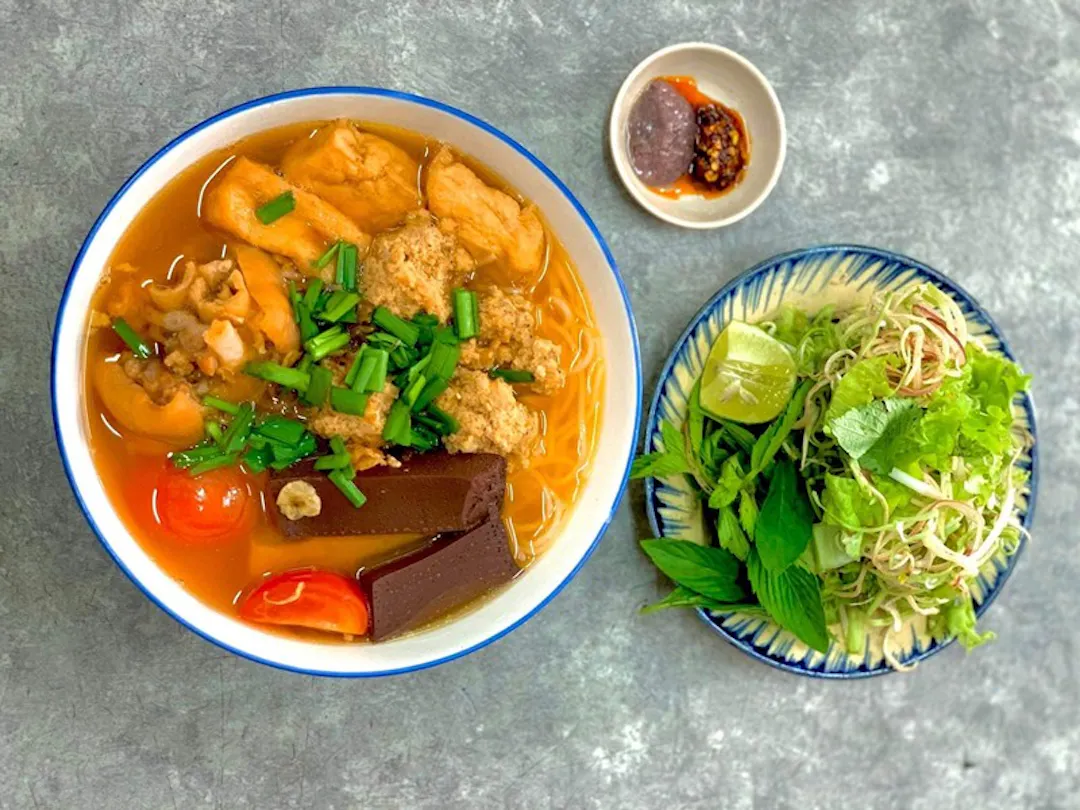
Mastering how to eat healthy Bun Rieu in a commercial dining environment requires assertive, highly calculated communication with the kitchen staff to physically alter the macronutrient ratios of the bowl. The most effective, immediate intervention is to request a substantial reduction in the noodle portion, specifically asking the vendor to cut the standard volume of refined vermicelli entirely in half. Simultaneously, the health-conscious diner must actively prioritize the fibrous elements by demanding double portions of the raw, shredded banana flowers and crisp water spinach stems. Furthermore, explicitly requesting that the kitchen withhold the final, heavy ladle of floating colored oil significantly reduces the hidden, calorically dense saturated fats without destroying the foundational, tangy flavor profile of the highly nutritious tomato broth, instantly improving the meal's metabolic efficiency.
Navigating Hidden Ingredients
A critical component of defensive dining involves learning to quickly identify and strategically eliminate heavily processed, high-calorie additions that artificially inflate the meal's caloric density without providing any tangible nutritional value. Modern, highly commercialized iterations of this dish frequently sneak in deep-fried fish cakes, processed pork sausages laced with synthetic preservatives, or excessively fatty cuts of pork knuckles to visually bulk up the bowl. These specific industrial ingredients completely undermine the delicate, lean lipid profile of the traditional crab base, replacing highly beneficial, bioavailable nutrients with inflammatory, oxidized frying oils and dangerous trans fats. By adamantly requesting the omission of these processed meats and strictly focusing entirely on the traditional, organic crab paste and the fresh, steamed tofu, the diner successfully protects the profound micronutrient integrity of the authentic culinary experience.
The "Mindful Eater" Approach
Beyond merely altering the physical ingredients, optimizing the metabolic impact of this complex meal requires completely adopting a deliberate, highly focused psychological approach to consumption. The sheer volume of liquid and the incredible diversity of textures inherently present in the bowl provide a remarkable opportunity to practice advanced, mindful eating techniques. By deliberately slowing down the chewing process, thoroughly engaging with the sharp, acidic complexity of the broth, and heavily focusing on the intense, botanical crunch of the fresh herbs, the diner actively allows their brain adequate time to register crucial leptin signals, the primary hormones responsible for signaling physiological satiety. This intentional, highly focused appreciation of the culinary craftsmanship naturally prevents the rapid, mindless over-consumption of the carb-heavy noodles, ensuring that the body metabolizes the rich, complex nutrients with maximum digestive efficiency.

A Comparative Perspective on Noodle Soups
Bun Rieu vs. Other Vietnamese Soups
When executing a rigorous, head-to-head clinical comparison against other highly celebrated heavyweights in the national culinary pantheon, this tomato-based crab soup reveals highly distinct, specific dietary advantages. When measured directly against the aggressively fatty, heavily marbled beef broths of standard Pho, or the notoriously spicy, pork-knuckle laden intensity of the central coastal soups, this dish consistently presents a significantly leaner, more metabolically favorable lipid profile. The heavy reliance on aquatic crustaceans and the massive integration of highly acidic, vitamin-rich tomatoes ensure that the baseline saturated fat content remains exceptionally low. While the profound sodium content remains a ubiquitous challenge across all traditional Southeast Asian commercial broths, the unparalleled volume of raw, enzymatic vegetables traditionally served alongside this specific crab soup provides a unique, highly effective mechanical advantage for slowing gastric absorption and improving overall gastrointestinal motility.
Making Bun Rieu at Home
Ultimately, the absolute most authoritative, uncompromising method for guaranteeing the nutritional integrity of this traditional masterpiece is to meticulously prepare the complex broth within the highly controlled environment of a home kitchen. By actively taking complete, uncompromising command over the culinary process, the health-conscious chef can aggressively slash the hazardous sodium content by utilizing low-sodium fish sauce alternatives and drastically limiting the fermented shrimp paste. Furthermore, home preparation allows for the complete elimination of synthetic, inflammatory frying oils, replacing them with heart-healthy, cold-pressed olive oils for the critical tomato sauté. This deliberate, highly educated domestic approach seamlessly transforms a potentially hazardous, sodium-laden restaurant staple into an elite, highly controlled, micronutrient-dense meal that flawlessly supports elite cardiovascular health and stringent modern metabolic protocols.
> Read more: Bun Rieu vs Bun Bo Hue: What Is the Difference?

Final Thoughts: Is Bun Rieu Healthy?
In the final, definitive analysis, determining whether Is Bun Rieu healthy depends entirely upon the specific preparation methodology, strict portion control, and the physiological context of the individual diner. When carefully stripped of processed meats and excess refined carbohydrates, the profound nutritional value of Vietnamese crab soup shines through, offering an incredible abundance of lean aquatic protein, powerful protective antioxidants, and vital, raw botanical fiber. By aggressively managing the inherent sodium payload and firmly prioritizing the fresh vegetable components over the heavy rice noodles, health-conscious individuals can safely and joyfully integrate this magnificent culinary tradition into a rigorous, longevity-focused diet. View these complex, traditional ethnic meals not as hazardous dietary cheat meals, but as profound, culturally rich opportunities for intelligent, highly deliberate, and exceptionally nutrient-dense eating.
Read more: Bun Rieu
Frequently Asked Questions About Bun Rieu Nutrition
Is Bun Rieu a healthy meal?
Yes. Bun Rieu can be a healthy meal thanks to its combination of lean protein from freshwater crab, fresh tomatoes, herbs, vegetables, and rice noodles. It offers a balanced mix of nutrients when consumed in appropriate portions.
How many calories are in a bowl of Bun Rieu?
A typical bowl of Bun Rieu contains approximately 400–600 calories, depending on the serving size and ingredients such as crab, pork, tofu, noodles, and additional toppings.
Is Bun Rieu high in protein?
Bun Rieu provides a moderate amount of protein from freshwater crab, tofu, pork, and other optional ingredients. A standard serving generally contains 20–30 grams of protein, making it a satisfying meal.
Can Bun Rieu be part of a weight-loss diet?
Yes. Bun Rieu can fit into a calorie-conscious diet if portion sizes are controlled and excessive fried toppings or fatty meats are avoided. Adding extra vegetables can further increase its nutritional value while keeping calories moderate.
What makes Bun Rieu nutritious?
Bun Rieu contains protein, complex carbohydrates, vitamins, and minerals from crab, rice noodles, tomatoes, tofu, and fresh herbs. The broth is generally lighter than many creamy soups, making it a balanced option when paired with fresh vegetables.
Advertising box
More Bun Rieu Stories & Vietnamese Food Guides
Dive deeper into the world of Bun Rieu with expert guides, regional food stories, cooking traditions, nutrition facts, and comparisons with other famous Vietnamese noodle dishes. Explore the rich flavors, cultural heritage, and local dining experiences that make Vietnam's cuisine one of the most celebrated in the world.

Bun Rieu vs Bun Bo Hue: What Is the Difference?
Bun Rieu and Bun Bo Hue are two of Vietnam's most beloved noodle soups, but they offer completely different flavors and dining experiences. Bun Rieu features a light tomato and crab-based broth with freshwater crab paste, while Bun Bo Hue is famous for its rich, spicy beef broth infused with lemongrass and chili. This guide compares their ingredients, taste, regional origins, toppings, and cooking styles to help you understand what makes each dish unique and decide which one to try first.
The Origin of Bun Rieu
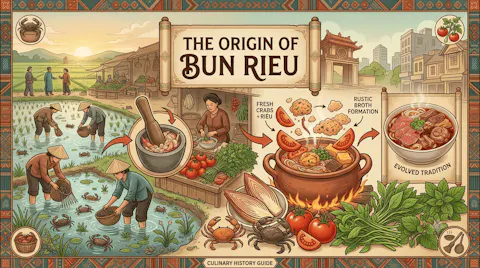
Bun Rieu is one of Vietnam's oldest and most beloved noodle soups, celebrated for its delicate crab-based broth, fresh tomatoes, and fragrant herbs. Originating in northern Vietnam, the dish was created using simple local ingredients gathered from rice fields and rivers. Over generations, Bun Rieu evolved into numerous regional variations while preserving its traditional character. This guide explores the fascinating history of Bun Rieu, its cultural significance, and how this humble noodle soup became a staple of Vietnamese cuisine.