
Dien Bien Travel Guide
Dien Bien is a historically significant and scenic province in Northwestern Vietnam, best known for the famous Dien Bien Phu battlefield that marked a turning point in world history. Surrounded by majestic mountains and valleys, the region also offers rich ethnic cultures, peaceful rural landscapes, and authentic local experiences. Visitors can explore historical monuments, museums, and natural attractions while learning about Vietnam’s past. With its powerful history and stunning scenery, Dien Bien is a must-visit destination for culture and history lovers.
About Dien Bien
Dien Bien is a mountainous destination in Northwestern Vietnam, known for its dramatic valleys, ethnic minority cultures, historic battlefields, and spectacular mountain landscapes. Located near the borders with Laos and China, the province offers travelers a fascinating combination of Vietnamese history, traditional highland communities, and outdoor adventure.
Dien Bien is particularly famous for the Battle of Dien Bien Phu, one of the most important events in modern Vietnamese history. Beyond its historical significance, the province offers opportunities to explore Muong Thanh Valley, traditional villages, mountain passes, hot springs, and remote landscapes that remain relatively untouched by mass tourism.
What Is Dien Bien Known For?
Dien Bien is best known for the Battle of Dien Bien Phu, Dien Bien Phu battlefield sites, Muong Thanh Valley, ethnic minority cultures, and Northwestern mountain scenery.
Its location in the mountainous northwest gives the province a distinctive landscape of valleys, forests, rivers, and high mountain passes.
Dien Bien Phu
Dien Bien Phu is the provincial capital and the center of the region's historical attractions.
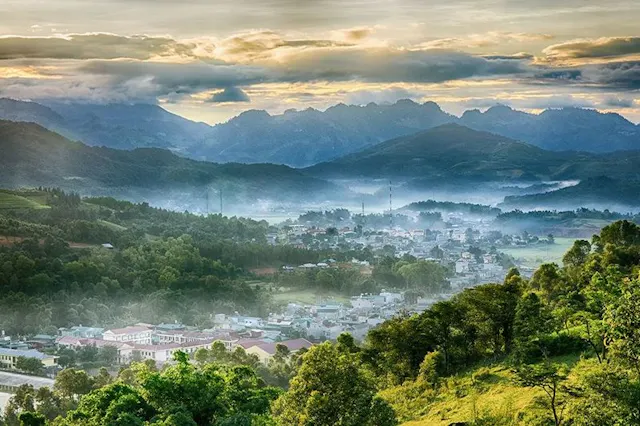
The city sits in the broad Muong Thanh Valley, surrounded by mountains. The valley was the site of the decisive 1954 battle between Vietnamese forces and the French colonial army.
Today, visitors can explore museums, monuments, former military positions, and memorial sites throughout the area.
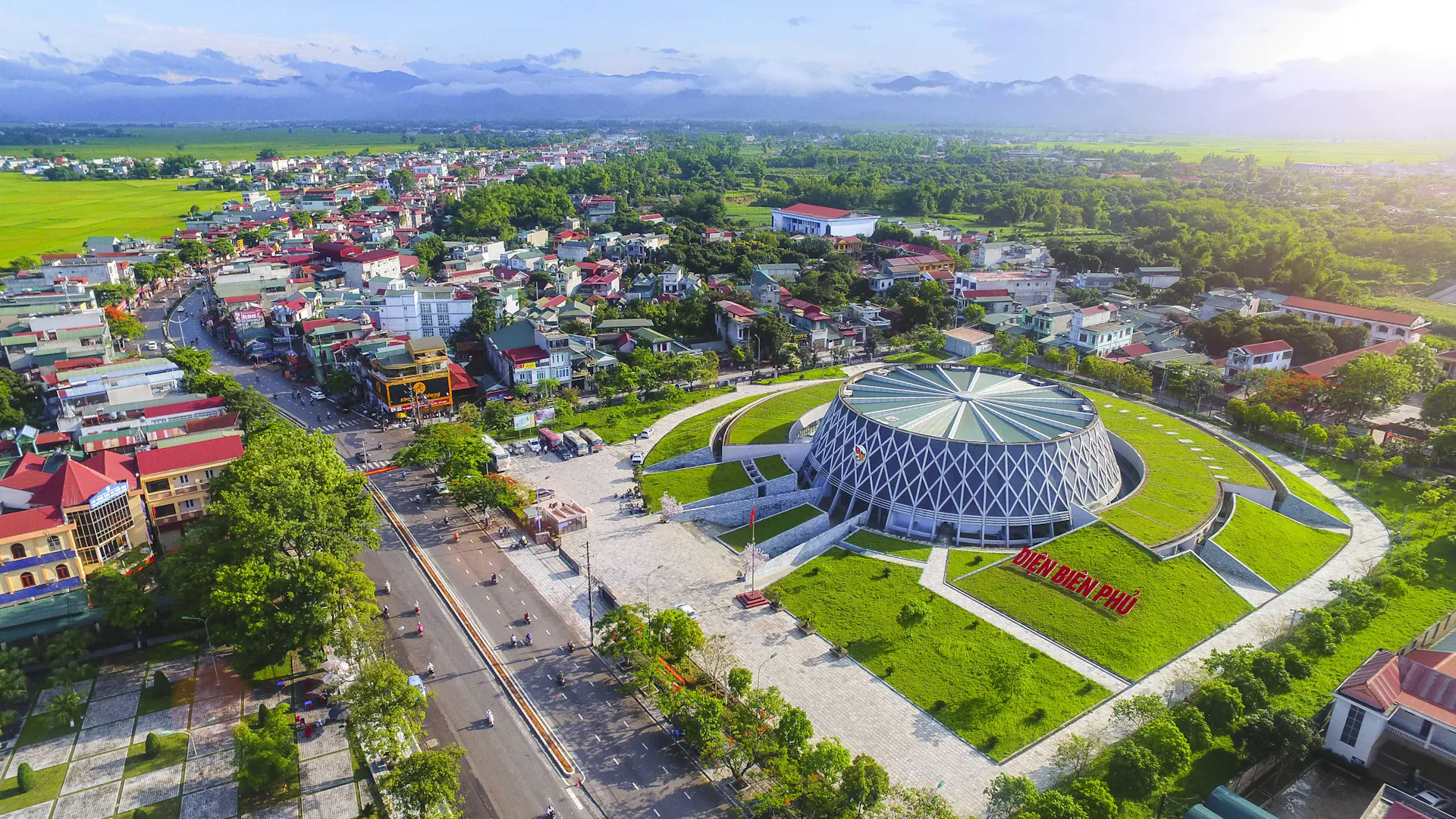
Dien Bien Phu Victory Museum
The Dien Bien Phu Victory Museum is one of the best places to understand the history of the battle.
The museum presents photographs, artifacts, maps, weapons, and other displays explaining the military campaign and its significance.
The large panoramic artwork outside the museum illustrates important scenes from the battle and provides additional historical context.
A1 Hill
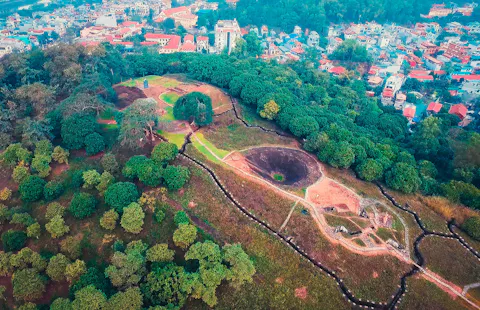
A1 Hill was one of the most strategically important positions during the Battle of Dien Bien Phu.
The site preserves trenches, bunkers, tunnels, and other remnants of the battlefield.
Walking around A1 Hill gives visitors a more direct understanding of the terrain and the difficult conditions faced by soldiers during the conflict.
Muong Thanh Valley
Muong Thanh Valley is the geographical heart of Dien Bien.
Surrounded by mountains, the valley contains extensive rice fields, villages, rivers, and agricultural land.
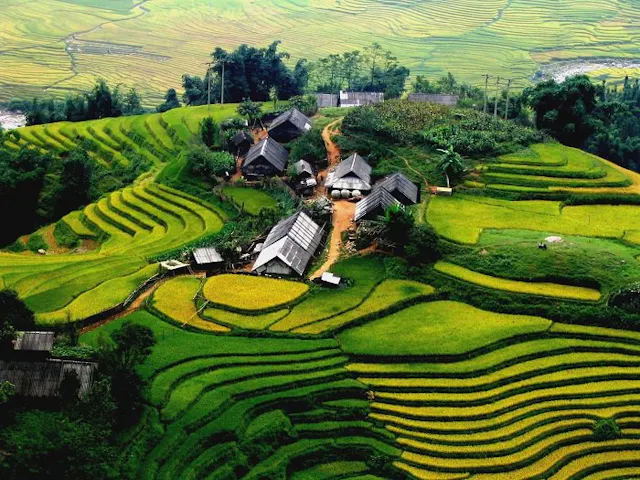
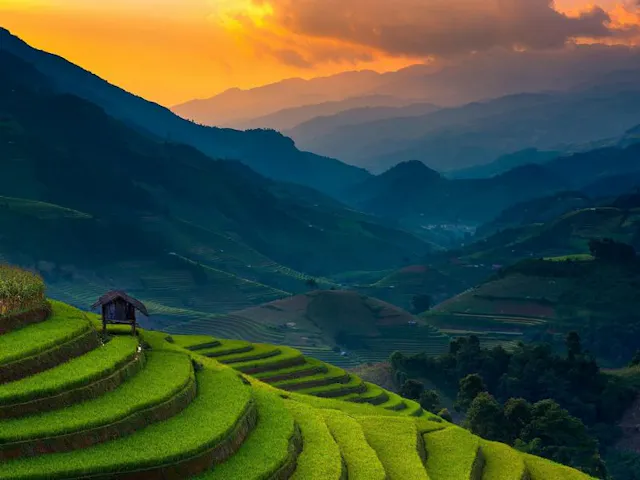
The landscape is particularly beautiful during the rice-growing season, when the valley becomes a large green or golden agricultural plain.
Visitors can explore the countryside by motorbike, bicycle, or private car.
Ethnic Minority Culture
Dien Bien is home to numerous ethnic communities, including the Thai, H'Mong, Dao, and Ha Nhi.
Traditional clothing, stilt houses, weaving, music, festivals, and agricultural practices contribute to the province's rich cultural diversity.
Travelers can visit villages with local guides to learn about traditional lifestyles while experiencing the hospitality of highland communities.
Thai Villages
Thai communities are particularly prominent around Muong Thanh Valley.
Traditional Thai houses are often built on stilts and surrounded by rice fields and gardens.
Visitors staying in a local homestay can experience traditional meals, village walks, music, and everyday rural life.
Mountain Landscapes
Beyond Dien Bien Phu, the province contains extensive mountainous terrain.
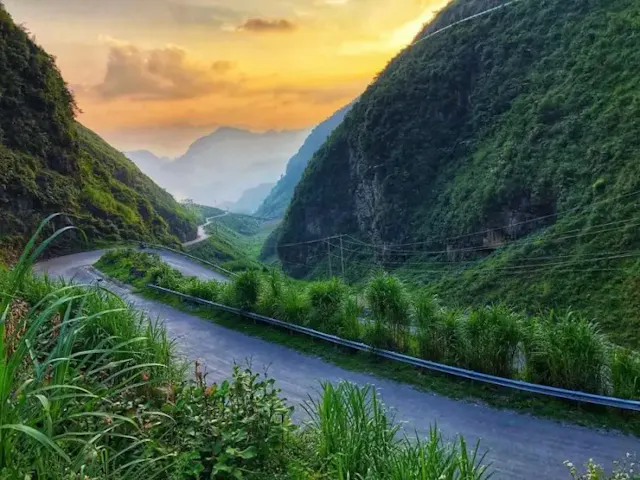
Roads wind through forests and valleys, connecting remote communities and creating scenic opportunities for travelers interested in photography and motorbike adventures.
The mountainous environment also makes Dien Bien an appealing destination for travelers who prefer outdoor experiences away from crowded tourist centers.
Pha Din Pass
Pha Din Pass is one of the most famous mountain passes in Northwestern Vietnam.
The road crosses dramatic mountain terrain and provides panoramic views over valleys and surrounding peaks.
The pass has historical significance because of its connection to the transportation and logistics network during the Dien Bien Phu campaign.
Today, it is also a popular scenic route for road trips through the northwest.
Local Food
Dien Bien's cuisine reflects the agricultural and cultural traditions of Northwestern Vietnam.
Sticky rice, grilled meats, freshwater fish, herbs, bamboo shoots, vegetables, and locally grown ingredients are common.
Travelers staying in ethnic minority villages can often enjoy home-cooked meals prepared according to local traditions.
Best Time to Visit Dien Bien
The best time to visit depends on whether you prioritize history, scenery, or outdoor activities.
March to May can be particularly interesting for comfortable sightseeing and cultural experiences. Rice fields can also create beautiful landscapes during certain agricultural seasons.
The dry season is generally more convenient for mountain road trips, while heavy rain during the wet season can affect road conditions.
How to Get to Dien Bien
Dien Bien can be reached by road or air.
Dien Bien Phu Airport provides flights connecting the province with major cities in Vietnam, making the destination considerably more accessible than many remote mountain areas.
Long-distance buses and private vehicles are also available from other Northwestern destinations.
Travelers often combine Dien Bien with destinations such as Son La, Lai Chau, or Sapa as part of a broader Northwest Vietnam road trip.
Why Visit Dien Bien?
Dien Bien offers a unique combination of Vietnamese history, mountain landscapes, ethnic cultures, and rural experiences.
Visitors can explore the historic battlefield of Dien Bien Phu, walk around A1 Hill, learn about the 1954 campaign at the Victory Museum, and discover the peaceful landscapes of Muong Thanh Valley.
Beyond its historical sites, the province rewards travelers with traditional villages, mountain passes, local food, and opportunities to experience the diverse cultures of Northwestern Vietnam.
For travelers interested in Vietnam's history and looking for an authentic mountain destination, Dien Bien offers a meaningful journey through the country's past, landscapes, and living cultural traditions.
Dien Bien in Frames – Historic Battlefield, Valleys & Mountain Heritage
Explore the powerful beauty of Dien Bien through a curated collection of images capturing its historic battlefield sites, expansive Muong Thanh Valley, and peaceful northern mountain landscapes. From A1 Hill and war memorials to rural villages and ethnic highland life, the gallery reflects both the heroic history and natural charm of this legendary province in Northwestern Vietnam.
Top Attractions in Dien Bien
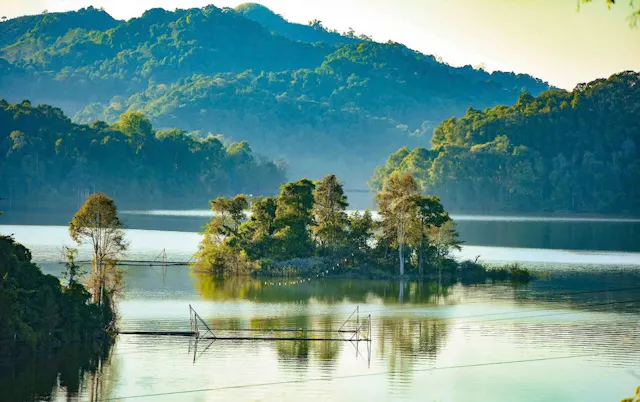
Discover the top attractions in Dien Bien, a mountainous destination in northwestern Vietnam known for its dramatic landscapes, ethnic cultures, and important wartime history. Explore the historic Dien Bien Phu battlefield, Dien Bien Phu Victory Museum, A1 Hill, and Muong Thanh Valley, alongside scenic destinations such as Pa Khoang Lake and surrounding mountain villages. From historical exploration and cultural experiences to nature and photography, Dien Bien offers a unique journey through one of Vietnam's most fascinating regions.
How To Get There Dien Bien
Bus and coach
Long-distance buses and sleeper coaches are available from major northern cities, especially Hanoi.
These buses travel through mountain routes and offer direct connections to Dien Bien Phu City.
Typical travel times:
- 10–12 hours from Hanoi
- 4–5 hours from Son La
- 7–8 hours from Lai Chau
This is a budget-friendly option, but the journey can be long due to mountainous terrain.
Train
Dien Bien does not have a railway station.
The nearest train routes are in Hanoi. Travelers must continue the journey by bus or flight from Hanoi to reach Dien Bien.
This option is suitable for those combining rail travel with air or road transport.
Driving
Driving to Dien Bien offers one of the most scenic but challenging road trips in Northern Vietnam.
Routes pass through mountain passes, valleys, and ethnic villages.
Estimated travel times:
- 10–12 hours from Hanoi
- 4–5 hours from Son La
- 7–8 hours from Lai Chau
Private cars or motorbikes are ideal for travelers who enjoy adventurous road trips and scenic stops along the way.
Flying
The fastest and most convenient way to reach Dien Bien is by air.
Dien Bien Phu Airport (DIN) is located very close to the city center.
Flights operate mainly from:
- Hanoi (direct flights available)
- Seasonal connections via major cities
Flight time:
- Around 1 hour from Hanoi
From the airport, it takes only 10–15 minutes to reach Dien Bien Phu City.
Frequently Asked Questions About Dien Bien
Where is Dien Bien located?
Dien Bien is located in Northwestern Vietnam, near the border with Laos. It is a mountainous province known for its historical battlefield, valleys, and ethnic cultural diversity.
What is Dien Bien famous for?
Dien Bien is most famous for the Dien Bien Phu battlefield, a historic site marking Vietnam’s victory in 1954. It is also known for Muong Thanh Valley, war museums, and beautiful mountain landscapes.
What is the best time to visit Dien Bien?
The best time to visit Dien Bien is from March to May and September to November when the weather is mild and dry, ideal for sightseeing and outdoor exploration.
How can I travel to Dien Bien?
Travelers can reach Dien Bien by flight from Hanoi, or by long-distance bus and private car via mountain roads. The flight takes about 1 hour, while road travel can take 10–12 hours.
How many days should I spend in Dien Bien?
A 2–3 day trip is recommended to explore Dien Bien’s main attractions, including historical sites, museums, Muong Thanh Valley, and nearby ethnic villages.
Advertising box
Nearby Destinations to Explore from Dien Bien
Experience the breathtaking beauty of Vietnam’s northwest by exploring the destinations surrounding Dien Bien. Journey through the spectacular mountain scenery of Lai Chau, discover the lush tea hills and valleys of Son La, visit the cultural heartland of Phu Tho, or venture toward the famous terraced rice fields of Lao Cai and Sa Pa. From historic battlefields and ethnic minority villages to scenic mountain passes, vibrant local markets, and authentic highland cuisine, these nearby destinations offer unforgettable adventures that perfectly complement your Dien Bien travel itinerary.

Lai Chau Travel Guide
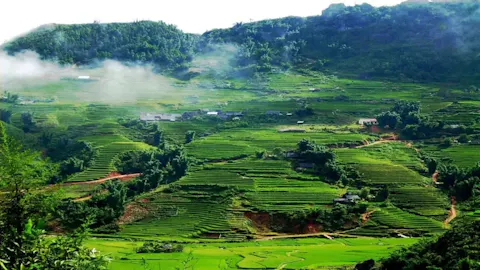
Lai Chau is a remote and stunning mountain province in Northwestern Vietnam, famous for its dramatic landscapes, high mountain passes, and rich ethnic diversity. Located near the border with China and Laos, the region offers untouched natural beauty, including Sin Ho Plateau and rugged trekking routes. Visitors can explore traditional villages, experience unique cultures, and enjoy breathtaking views of Vietnam’s highest mountains. With its raw wilderness and authentic charm, Lai Chau is a perfect destination for adventure seekers and nature lovers.
Son La Travel Guide
Son La is a scenic mountain destination in Northwestern Vietnam, famous for its breathtaking landscapes, cool climate, and diverse ethnic cultures. The province is home to the beautiful Moc Chau Plateau, known for tea hills, flower fields, waterfalls, and peaceful countryside views. Visitors can explore traditional villages, experience local festivals, discover historical sites, and enjoy unique regional cuisine. With its natural beauty and authentic cultural experiences, Son La is an ideal destination for travelers seeking adventure and tranquility in Northern Vietnam.
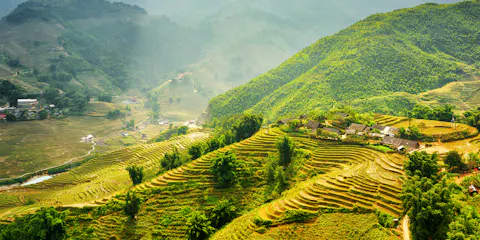
Lao Cai Travel Guide
Lao Cai is one of Northern Vietnam’s most iconic mountain destinations, famous for the charming town of Sapa, majestic Fansipan Peak, and breathtaking terraced rice fields. Located near the border with China, the province offers stunning natural landscapes, cool mountain weather, and rich cultural experiences with diverse ethnic communities. Visitors can explore villages, trek through valleys, discover local traditions, and enjoy spectacular scenery. With its unique combination of nature, adventure, and culture, Lao Cai is a must-visit destination in Vietnam.

Phu Tho Travel Guide
Phu Tho is a culturally significant destination in Northern Vietnam, known as the ancestral land of the Vietnamese people and home to the Hung Kings Temple. Located near Hanoi, the province offers a rich blend of history, traditional festivals, peaceful landscapes, and local culture. Visitors can explore historic landmarks, experience unique customs, and discover scenic rivers and countryside areas. With its deep cultural roots and authentic experiences, Phu Tho is an ideal destination for travelers seeking Vietnam’s heritage and traditions.