
Best Things to Do in Vietnam: The Ultimate Experiential Travel Guide
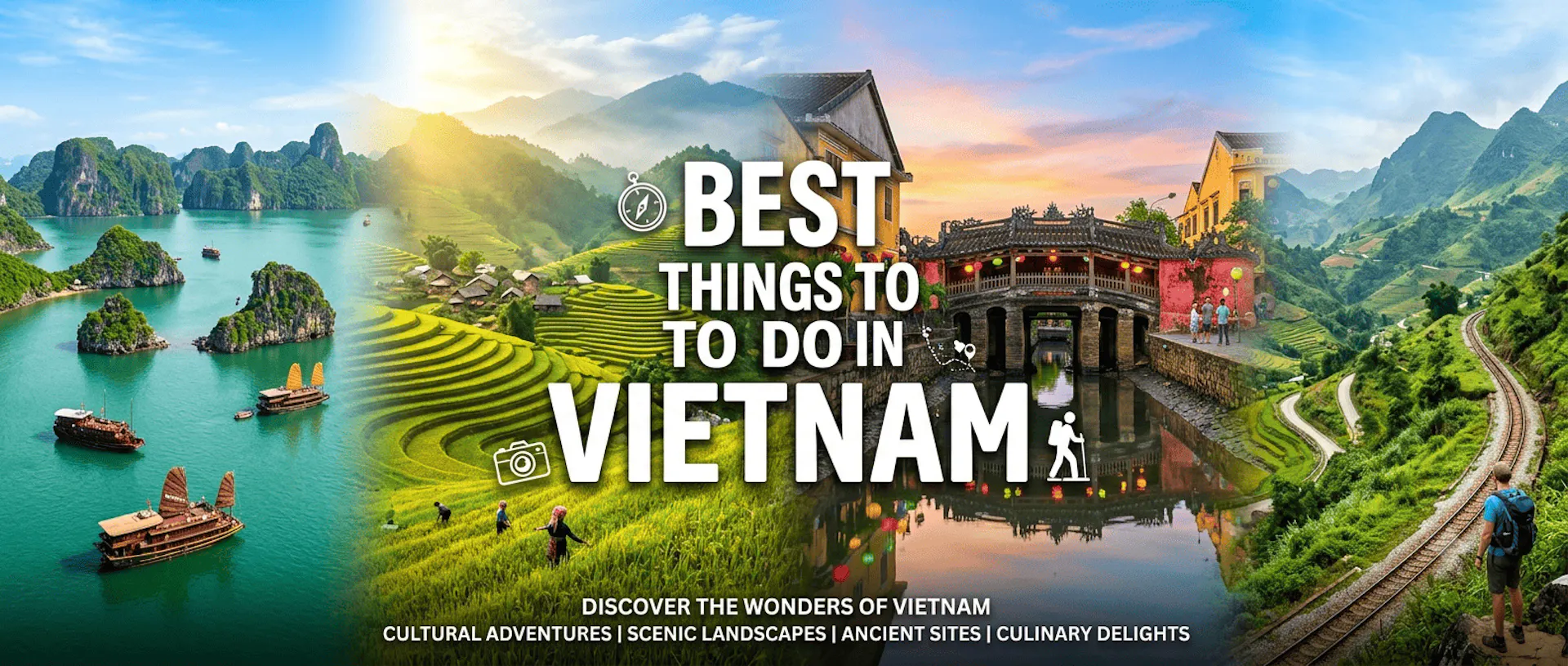
Vietnam offers an incredible variety of experiences for every traveler. Cruise through the limestone islands of Ha Long Bay, wander the lantern-lit streets of Hoi An, discover the rich history of Hue, trek the breathtaking rice terraces of Sapa, or relax on the country's beautiful beaches. From vibrant street food and bustling local markets to national parks, caves, islands, and cultural festivals, this guide highlights the very best things to do in Vietnam and helps you create unforgettable memories throughout your journey.
On this page
To cross the threshold into Vietnam is to experience an immediate, profound assault on the senses. The air is thick with the rich, unmistakable aroma of robusta beans roasting in butter, punctuated by the sharp tang of lime, fresh cilantro, and simmering fish sauce from sidewalk cauldrons. Beneath the visual theater of towering limestone karsts and emerald rice paddies lies a synchronized symphony of millions of motorbikes threading through ancient streets. For the discerning international voyager, this nation should never be approached as a static checklist of monuments to be passively photographed. It is a living, breathing cultural landscape that actively demands your participation.
To unlock the true spirit of this land, one must look beyond standard travel agency itineraries. Truly engaging with the country means understanding its regional idiosyncrasies, deep historical layers, and seasonal rhythms. Whether you are navigating the mist-shrouded mountain passes of the far north or winding through the alluvial waterways of the deep south, planning a successful journey requires a highly strategic approach. This master guide provides an authoritative, boots-on-the-ground blueprint detailing the best things to do in Vietnam, systematically organized from north to south to help you craft a deeply immersive, transformative cross-country expedition.
Northern Vietnam: Epic Landscapes and Ancient Heritage
The northern cradle of Vietnam is defined by its dramatic alpine topography, centuries-old ethno-cultural traditions, and a distinct intellectual gravity. It is a region where weather changes rapidly, shaping both the agriculture and the daily patterns of its resilient inhabitants.
1. Navigating Hanoi's Old Quarter & Coffee Culture
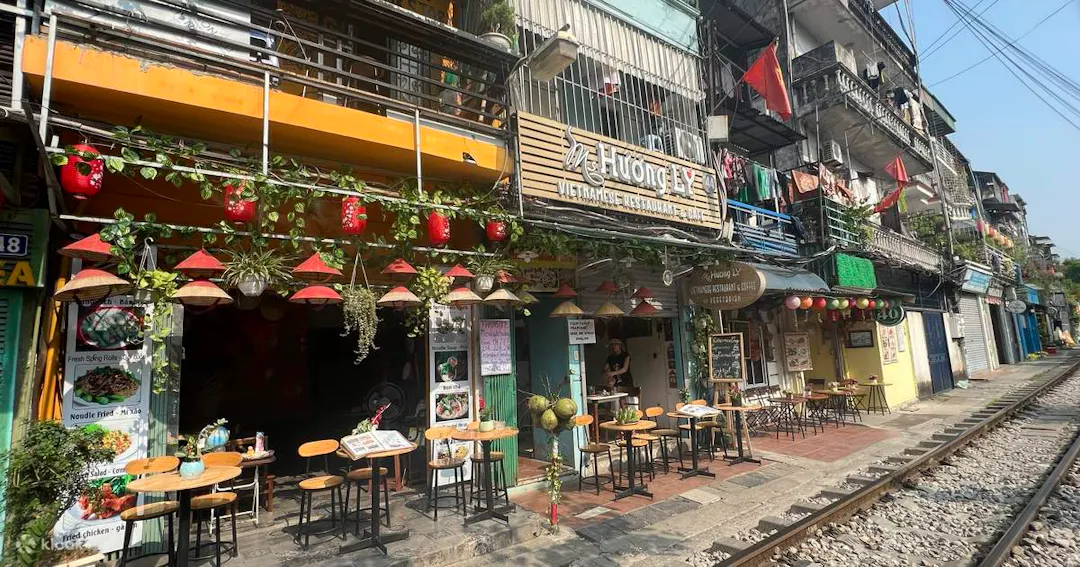
Hanoi, the country's thousand-year-old capital, demands that you slow your pace to match its hidden architectural geography. The heart of the city lies within the 36 Streets of the Old Quarter, where medieval commercial guilds still dictate the trade of each alleyways. To experience Hanoi like a seasoned resident, you must bypass the westernized cafes and dive into the labyrinthine residential blocks to uncover its legendary beverage history. Seek out Cà phê trứng (egg coffee)—a velvety masterpiece created by whipping egg yolks, condensed milk, and sugar into a dense meringue that floats atop intense, dark-roasted robusta espresso. Born during wartime milk shortages in 1946 at Café Giảng, it remains an edible piece of social history.
Equally compelling is the contemporary rise of Cà phê muối (salt coffee), where salted cream cuts the natural bitterness of the bean, bringing out an unexpected, caramel-like complexity. For a thrilling architectural encounter, head to the narrow residential corridor known colloquially as Train Street. Here, active international rail lines slice through tightly packed residential neighborhoods, passing mere inches from doorsteps. While strict safety regulations govern access, sitting at a sanctioned trackside second-floor balcony as the iron behemoth rumbles by provides an unforgettable, visceral illustration of Hanoian spatial adaptation.
2. Cruising Lan Ha Bay Over Ha Long Bay
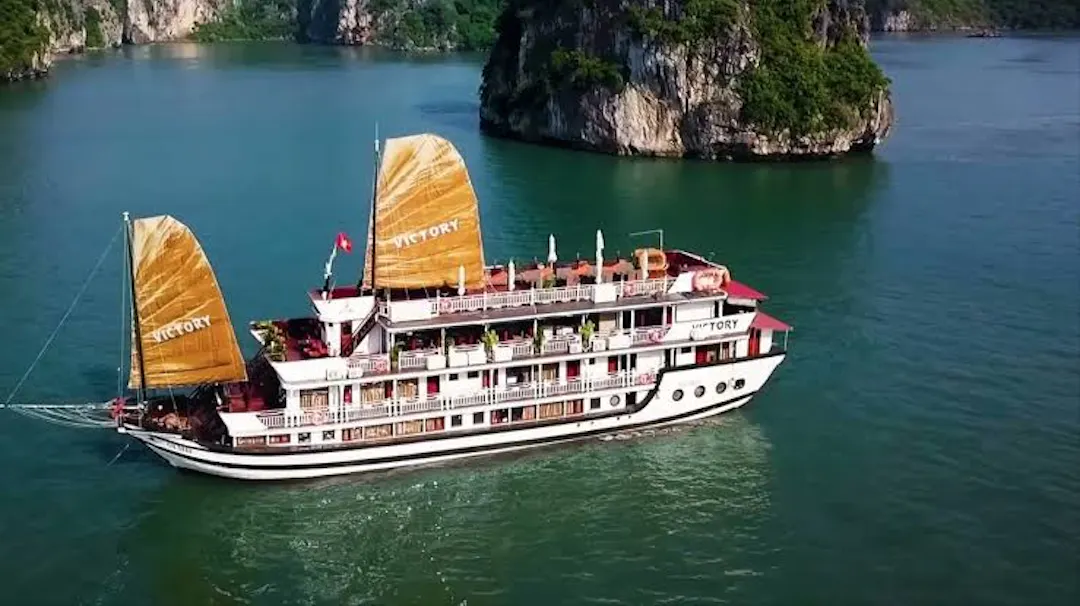
While Ha Long Bay remains one of the most famous top attractions in vietnam, its global popularity has triggered severe maritime congestion, over-tourism, and water quality challenges. Savvy travelers looking for an uncompromised aesthetic experience opt instead for Lan Ha Bay. Situated directly south of its famous neighbor and wrapping around Cat Ba Island, Lan Ha Bay possesses the exact same otherworldly topography—thousands of vertical, jungle-topped limestone pillars rising from a jade sea—but with a fraction of the commercial cruise traffic.
Booking a luxury overnight vessel through Lan Ha Bay allows you to kayak through secluded tidal caves, swim off untouched white-sand coves, and visit floating fishing villages where families have lived on wooden pontoons for generations. The water here remains considerably cleaner, the nights are profoundly silent, and the absence of hundreds of competing vessel spotlights preserves the raw, mystical majesty of the Gulf of Tonkin.
3. The Ha Giang Loop with an "Easy Rider"
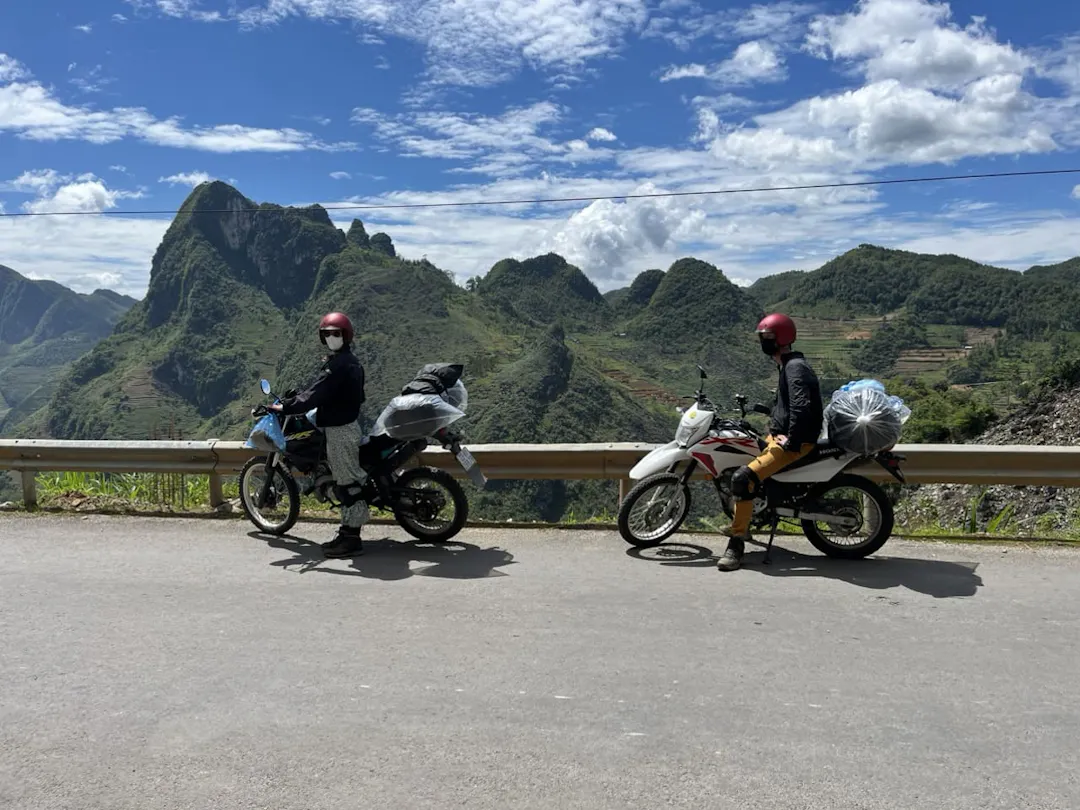
For the ultimate adventure, head to the extreme northern frontier bordering China to conquer the Ha Giang Loop. This winding mountain route cuts through the Dong Van Karst Plateau UNESCO Global Geopark, a surreal landscape of vertical limestone peaks, deep canyons, and terraced cornfields tended by the ethnic H’mong, Tay, and Dao communities. The topography is breathtaking, particularly when crossing the legendary Ma Pi Leng Pass, where the road clings tightly to sheer cliffs dropping a thousand meters down to the turquoise Nho Que River.
However, the geographic realities of Ha Giang are unforgiving. The roads feature sharp hairpin turns, steep gradients, and unpredictable gravel patches. If you do not possess a valid international motorcycle endorsement and extensive experience riding manual bikes on mountainous terrain, attempting to drive yourself is highly dangerous. The most authoritative way to experience the loop safely and deeply is to hire a certified local professional driver, known across the country as an "Easy Rider." Riding securely on the back of an Easy Rider's motorcycle frees you from navigational stress, allowing you to absorb the cinematic scale of the mountains while gaining direct access to remote, non-commercialized ethnic minority homestays.
4. Rowing Through Ninh Binh's Transverse Valleys
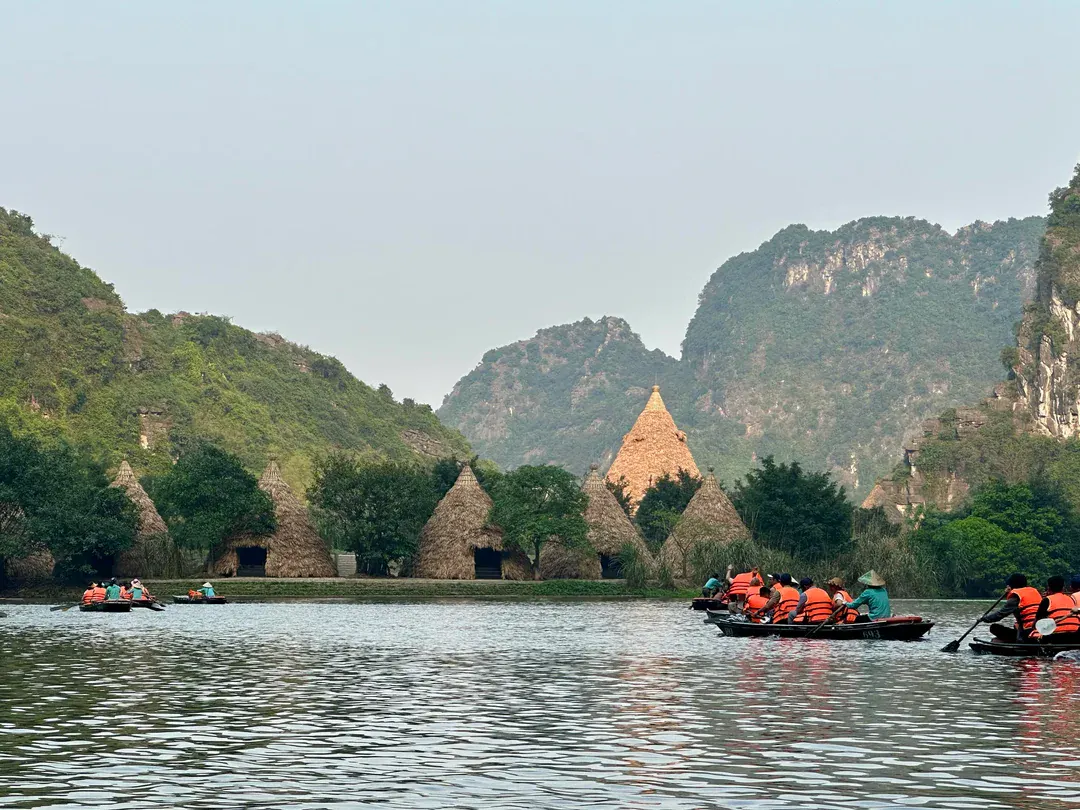
Often labeled the "Ha Long Bay on Land," Ninh Binh province offers an intimate look at the country's ancient geography. Within the UNESCO World Heritage-listed Trang An Landscape Complex, monumental limestone massifs erupt directly from flat, mirror-like emerald rice paddies. The absolute pinnacle experience here involves boarding a small wooden sampan to navigate the quiet, intertwined river systems.
As you glide along the water, local rowers—primarily women from nearby farming villages—demonstrate a unique, mesmerizing technique: they row the heavy wooden oars seamlessly with their feet. This ingenious kinetic adaptation distributes their physical weight, preventing back strain during grueling multi-hour shifts while keeping their hands free to clear debris or guide the boat through low-hanging caverns. Floating through ancient, dark limestone caves that open into hidden, primeval valleys feels like stepping back into an untouched, prehistoric world.
Central Vietnam: Imperial Majesty and Lantern-Lit Towns
Central Vietnam forms the narrow, historical spine of the nation. It is a region shaped by royal legacies, tragic wartime memory, and an incredibly sophisticated, spice-forward culinary tradition that sets it apart from the rest of the country.
1. Getting Bespoke Clothing in Hoi An Ancient Town
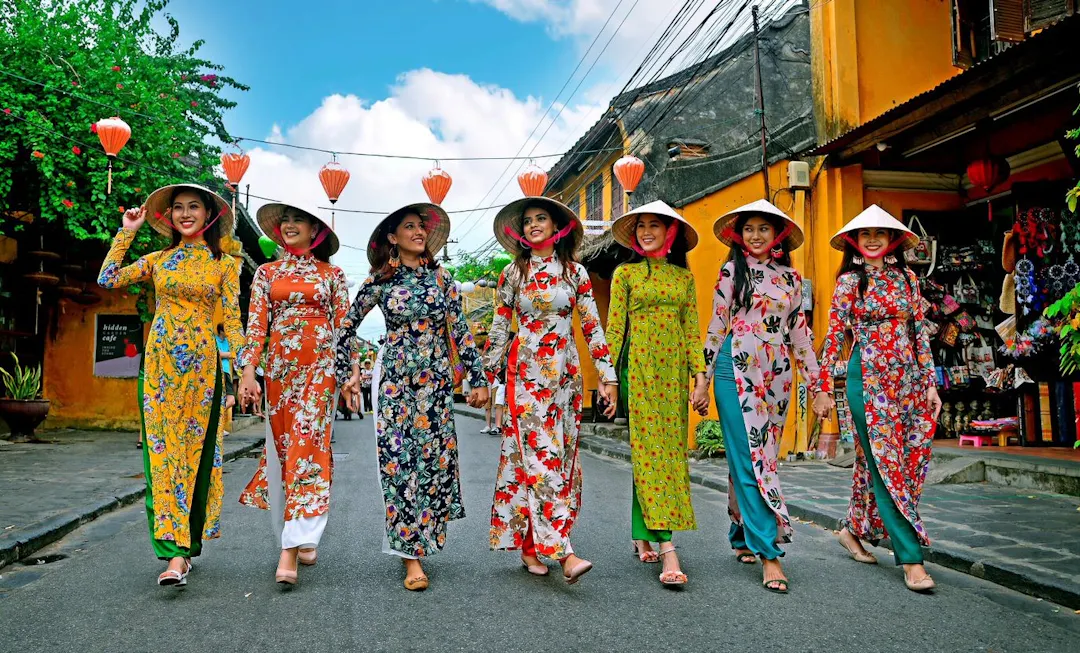
Hoi An is an architectural jewel box, functioning as a remarkably preserved example of a Southeast Asian trading port from the 15th to the 19th centuries. Its iconic yellow-washed merchant houses, Japanese covered bridges, and assembly halls reflect a rich blend of local, Chinese, and European influences. Beyond passive sightseeing, the most satisfying creative engagement in Hoi An is participating in its historic garment trade. The town is home to hundreds of highly skilled, generational tailors capable of executing complex, bespoke clothing within an astonishing 24-hour express window.
To maximize this experience, avoid the low-cost tourist shops along the main thoroughfares and seek out established ateliers. Bring clear, high-resolution reference photographs or sketches of garments you admire. Spend time feeling the fabric bolts, checking the weight of the linens, wools, or locally sourced silks, and negotiate politely—treating the process as a collaborative artistic consultation rather than a rigid business transaction. Go in for at least two fitting sessions to refine the drape, darts, and hemline, ensuring you leave with a perfectly tailored, heirloom-quality piece of functional art.
2. Exploring the Ghostly Imperial Citadel of Hue
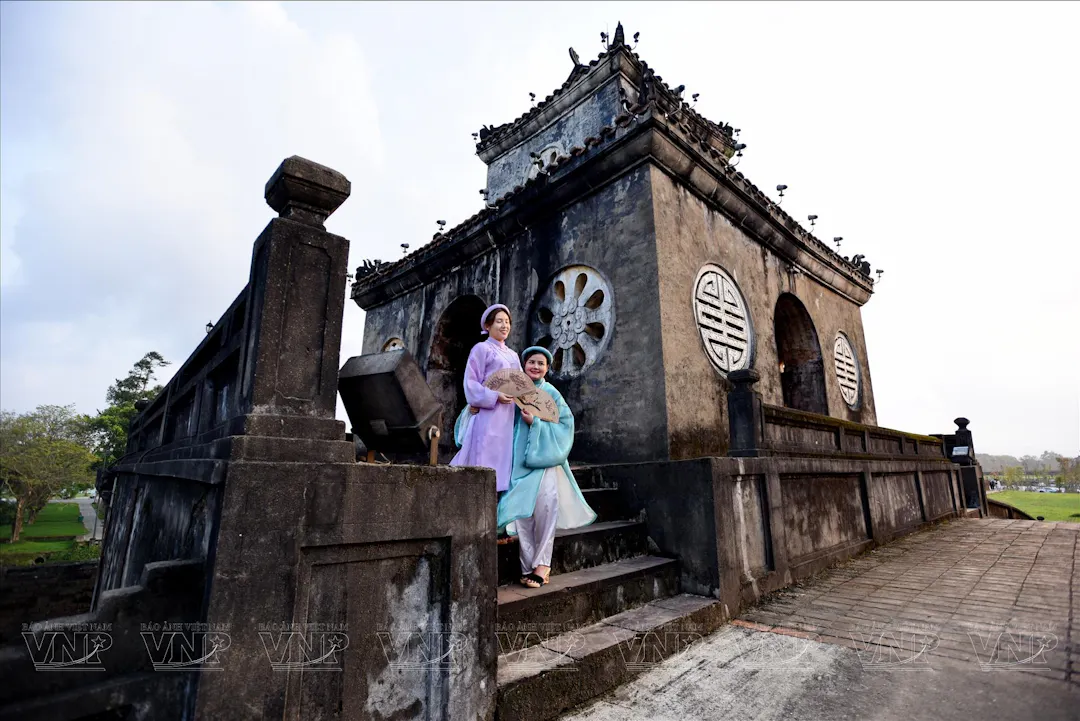
For those researching what to do in vietnam to capture its royal essence, the old capital of Hue is non-negotiable. Serving as the political and cultural epicenter of the Nguyen Dynasty from 1802 to 1945, Hue sits quietly along the banks of the poetic Perfume River. The centerpiece is the vast Imperial Citadel, modeled loosely after Beijing’s Forbidden City. Walking through the imposing noon gate reveals the Forbidden Purple City, an exclusive royal sanctuary that was heavily damaged during the intense conflicts of the 20th century.
To look past the moss-covered brick ruins and truly understand the palace intrigue, court poetry, and architectural symbolism embedded in these structures, you should hire a licensed local historian guide. They will expertly bring the ghostly stone foundations back to life. Combine your citadel exploration with a wooden dragon boat journey downstream to visit the majestic, highly personalized royal tombs of emperors like Tu Duc and Khai Dinh, which showcase a fascinating evolution from traditional geomancy to French-colonial architectural fusion.
3. Conquering the Hai Van Pass on Two Wheels
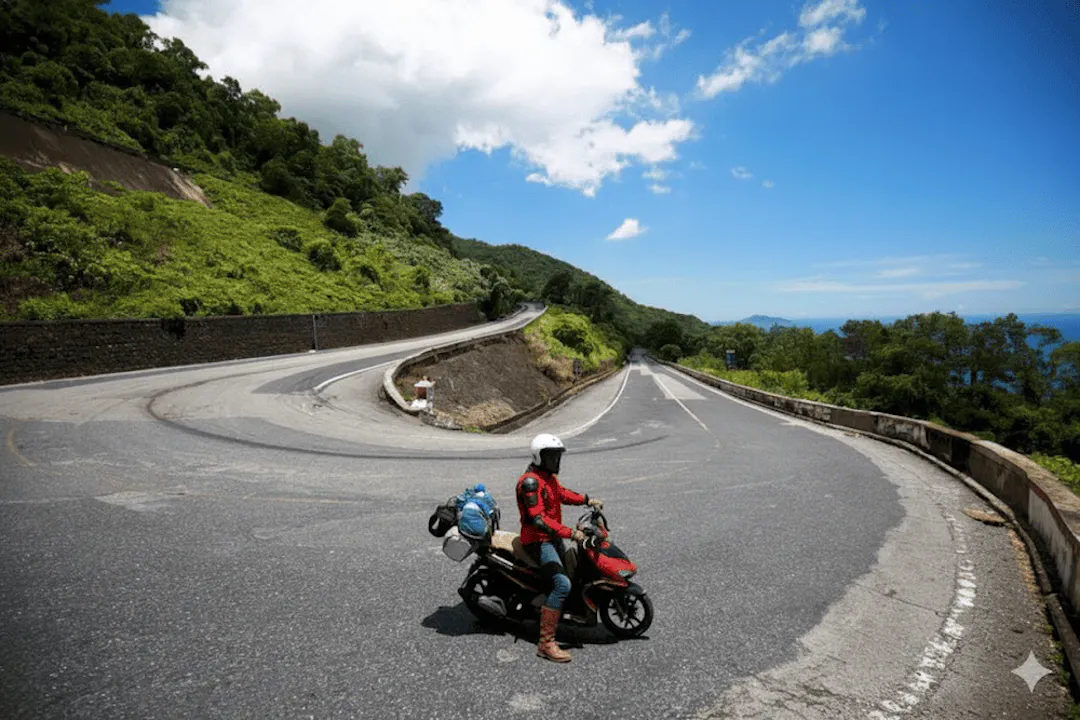
Made globally famous by the BBC motoring show Top Gear, the Hai Van Pass (the "Ocean Cloud Pass") is one of the most physically beautiful coastal mountain roads on earth. Crossing the physical barrier of the Truong Son mountain range between Hue and Da Nang, this ribbon of asphalt twists through dramatic green peaks before dropping sharply toward the blue waters of the East Sea.
Riding a motorcycle or open-top vintage jeep over this pass offers an exhilarating sensory experience: the air noticeably shifts from the humid heat of the lowlands to a crisp, salty mountain breeze as you ascend. At the peak, stop to inspect the bullet-scarred ruins of historical French and American military fortifications, which offer a somber reminder of the strategic martial importance this pass held throughout Vietnam’s turbulent 20th-century history.
Southern Vietnam: Pulsing Metropolises and River Life
The south of Vietnam is an energetic engine of commerce, innovation, and intense tropical abundance. It is characterized by high-octane cityscapes, extensive river networks, and a sweet, herb-packed culinary philosophy.
1. A Street Food Motorbike Safari in Ho Chi Minh City
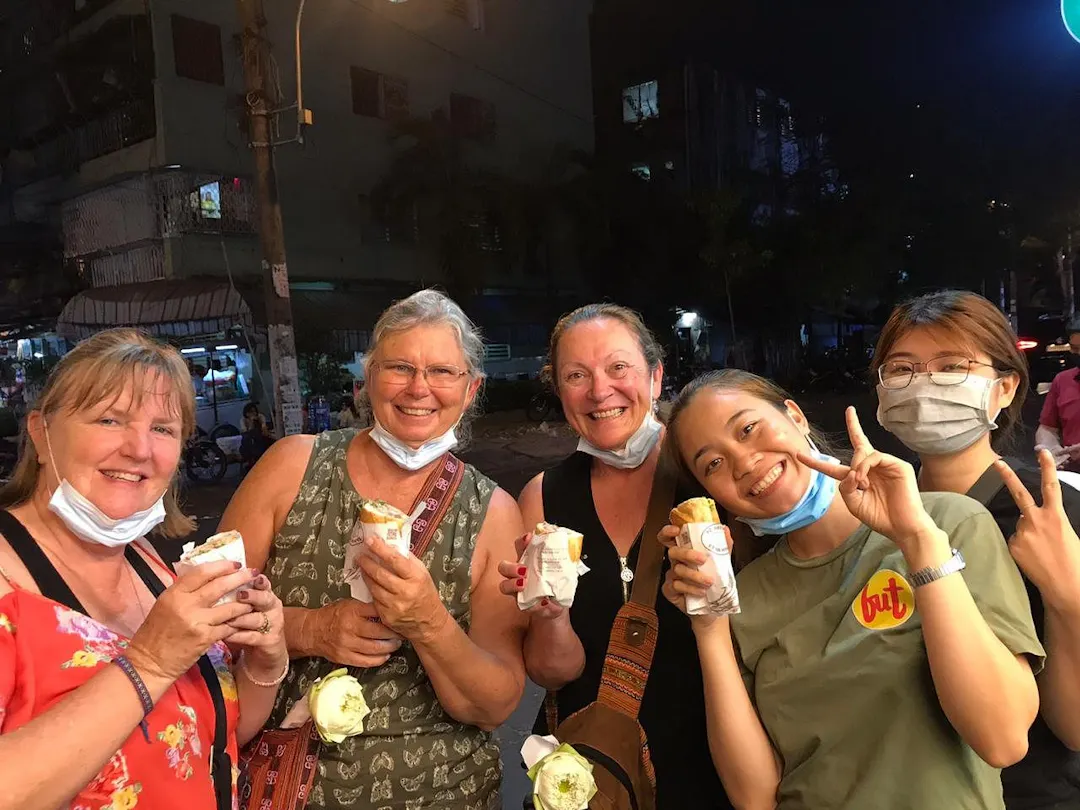
Ho Chi Minh City, still affectionately called Saigon by its multi-generational residents, is a hyper-dynamic metropolis that refuses to sleep. To truly understand its social fabric, you must throw yourself directly into its legendary traffic. The single best way to experience the city is by booking a nighttime street food safari on the back of a scooter driven by a knowledgeable local guide. As dusk falls, you will zip away from the classic colonial architecture of District 1 and plunge into the dense, maze-like residential grid of District 4 and District 10.
This journey provides the ultimate vietnam street food guide in real-time. Stop at low plastic tables on crowded sidewalks to feast on Ốc—fresh sea snails tossed in bubbling sweet fish sauce, lemongrass, and scorched garlic. Move onward to sample authentic Cơm Tấm (broken rice topped with charcoal-grilled marinated pork chops), and crispy Bánh Xèo (savory sizzling crepes packed with shrimp, pork, and bean sprouts, wrapped tightly in wild mustard leaves). Eating on the street, surrounded by the roar of passing scooters, offers a visceral, unvarnished insight into Saigon's intoxicating urban energy.
2. Demystifying the War History at the Cu Chi Tunnels
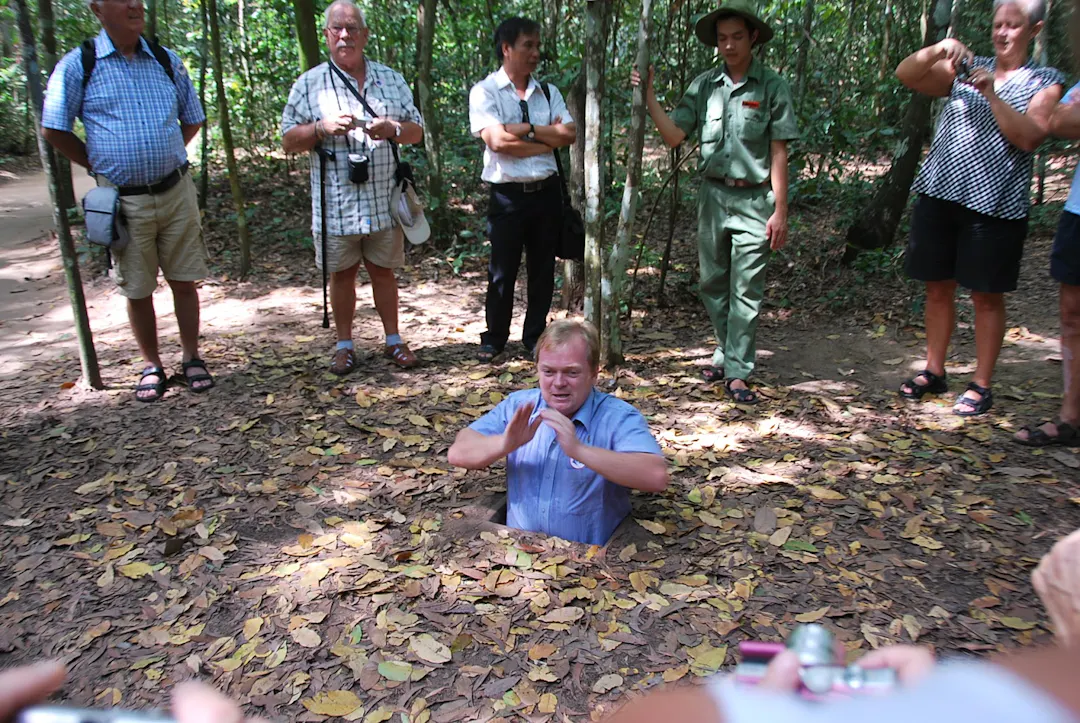
Located roughly 60 kilometers northwest of the city center, the Cu Chi Tunnels offer a sobering look at the immense tactical ingenuity and psychological endurance displayed during the Vietnam War. This staggering underground network spans over 250 kilometers, incorporating subterranean living quarters, complex command centers, field hospitals, weapons factories, and sophisticated ventilation systems hidden disguised as termite mounds.
Visitors have the unique opportunity to descend into sections of the tunnels that have been specifically widened and stabilized for international bodies. However, a practical claustrophobia warning is absolutely necessary: even with these modern modifications, the tunnels are incredibly tight, dark, hot, and require you to crouch or crawl on your hands and knees. It is a profound, physically intense history lesson that underscores the sheer human willpower required to survive decades of heavy aerial bombardment.
3. Waking Up Early for the Mekong Delta Floating Markets
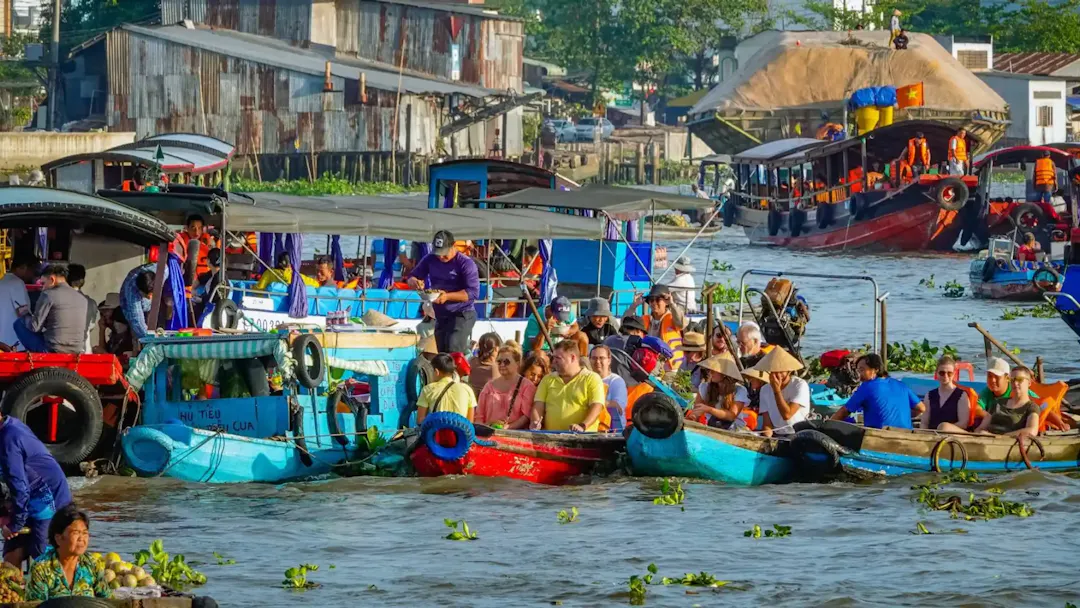
To witness the foundational agrarian lifestyle that fuels southern Vietnam, you must journey into the Mekong Delta, the nation's agricultural bowl. In the river city of Can Tho, the morning rhythm is entirely dictated by the Cai Rang Floating Market. This is not a performative tourist show; it is a massive, centuries-old floating wholesale market where hundreds of wooden vessels from various regional provinces gather to trade tropical fruits, vegetables, and local agricultural goods.
To witness this commerce at its peak, you must board a motorized wooden longboat from the pier no later than 5:30 AM, aiming to arrive at the market center by 6:00 AM. This timing allows you to glide among the ships before the mid-day heat takes over and before the major overland tour buses arrive from Saigon. Look up at the wooden poles (cây bẹo) erected at the bow of each vessel; the merchants hang sample produce—such as pineapples, pumpkins, or sweet potatoes—high in the air so buyers can navigate the crowded waterways directly to the wholesale goods they need. Grab breakfast from a passing noodle boat, sipping hot broth while floating in the middle of a bustling, multi-generational river market.
The Ultimate Vietnam Travel Matrix
To maximize your cross-country planning, use this highly structured overview of the country's premium experiential highlights. This breakdown cross-references each destination with its optimal weather window and recommended duration to ensure your travel itinerary highlights match regional climates perfectly.
Northern Region
- Hanoi Old Quarter & Coffee Exploration
- Ideal Season: September to November (Autumn) or March to April (Spring) for cool, dry days.
- Recommended Duration: 2 to 3 Days.
- Core Focus: Deep historical immersion, architectural analysis, and street food hunting.
- Lan Ha Bay Luxury Cruise
- Ideal Season: October to April for clear skies; avoid July and August due to unpredictable summer typhoons.
- Recommended Duration: 2 Days, 1 Night.
- Core Focus: Relaxed exploration of pristine karst topography, kayaking, and maritime luxury.
- The Ha Giang Mountain Loop
- Ideal Season: September to October (rice harvest season) or February to March (spring blossoms).
- Recommended Duration: 4 to 5 Days.
- Core Focus: High-octane mountain adventure, ethnic minority culture, and spectacular alpine photography.
- Trang An (Ninh Binh) Sampan Journey
- Ideal Season: late May to early June when the vast rice fields turn a brilliant gold before harvest.
- Recommended Duration: 1 to 2 Days.
- Core Focus: Ancient geological history, river ecology, and peaceful rowing excursions.
Central Region
- Bespoke Tailoring in Hoi An
- Ideal Season: February to May when the weather is consistently dry and sunny; avoid October to November due to severe flooding.
- Recommended Duration: 3 Days (allowing adequate time for multiple garment fittings).
- Core Focus: Craft heritage, historic preservation, and personal style curation.
- Imperial Hue Citadel & Royal Tombs
- Ideal Season: January to April for mild temperatures; avoid September to December due to relentless winter rains.
- Recommended Duration: 2 Days.
- Core Focus: Dynastic history, royal architecture, and complex, royal court cuisine.
Southern Region
- Saigon Evening Motorbike Food Safari
- Ideal Season: December to April (Dry Season) to avoid heavy afternoon monsoonal downpours.
- Recommended Duration: 1 Night (as part of a broader 3-day city stay).
- Core Focus: High-energy urban exploration, local subcultures, and street-level culinary arts.
- Mekong Delta Floating Markets (Can Tho)
- Ideal Season: December to May during the peak tropical fruit harvest season.
- Recommended Duration: 2 Days, 1 Night (requiring an overnight stay in Can Tho to secure an early morning departure).
- Core Focus: Waterway commerce, rural agricultural traditions, and local river life.
Street-Smart Survival Tips for First-Timers
Navigating Vietnam smoothly requires mastering a few critical operational strategies. When crossing the seemingly chaotic streets of Hanoi or Saigon, the golden rule is absolute predictability: step off the curb, establish a slow, steady walking pace, and never stop, step backward, or run. The oncoming wall of motorbike riders will calculatedly read your trajectory and fluidly part around you like water around a stone.
To eliminate transportation friction and neutralize taxi overcharging, download the Grab ridesharing app immediately upon arrival; it provides transparent upfront pricing and tracks your route via GPS. Finally, avoid purchasing overpriced connectivity packages at overseas retail stores. Instead, buy a local high-data eSIM directly at the international arrival airport terminals (Viettel or Vinaphone offer the most reliable coverage across remote mountain regions like Ha Giang).
Conclusion
From the misty, terraced mountain peaks of the far north to the sun-drenched, humming river lanes of the southern delta, the best things to do in vietnam reveal a country of incredible geographic diversity and profound cultural resilience. It is a destination that rewards the bold, the curious, and the well-prepared traveler who is willing to look past the tour bus window. By aligning your regional explorations with the natural rhythms of the local climate, you transform a standard holiday into a deeply resonant, unforgettable journey.
Planning a highly strategic cross-country itinerary can quickly feel overwhelming given the sheer density of choice. Drop your total available travel time (e.g., 10 days vs. 3 weeks) and your primary travel interests in the comments section below. I will personally reply with the definitive geographic formula to maximize your experience in this extraordinary country.
Frequently Asked Questions About Things to Do in Vietnam
What are the must-do experiences in Vietnam?
Some of Vietnam's most iconic experiences include cruising through Ha Long Bay, exploring the ancient town of Hoi An, visiting the Imperial City of Hue, trekking in Sapa, riding the Ha Giang Loop, discovering the caves of Phong Nha-Ke Bang National Park, and enjoying authentic Vietnamese street food in cities like Hanoi and Ho Chi Minh City.
How many days do I need to experience the best of Vietnam?
A 10 to 14-day itinerary allows you to explore Vietnam's highlights, including northern mountains, central heritage cities, and southern river landscapes. If you have three weeks or more, you'll have enough time to discover off-the-beaten-path destinations and enjoy a slower travel pace.
Is Vietnam suitable for adventure travelers?
Absolutely. Vietnam offers a wide range of outdoor adventures, including trekking, mountain biking, kayaking, scuba diving, canyoning, cave exploration, motorbike road trips, and national park excursions. Adventure opportunities can be found throughout the country.
What is the best time to enjoy outdoor activities in Vietnam?
Vietnam's climate varies by region. Spring (March to April) and autumn (September to November) generally offer pleasant weather across much of the country. However, the ideal travel season depends on your destination, with beaches, mountains, and the Mekong Delta each having their own best times to visit.
Can I experience Vietnam on a budget?
Yes. Vietnam is one of Southeast Asia's most affordable travel destinations. Budget travelers can enjoy delicious street food, comfortable guesthouses, affordable transportation, and many free or low-cost attractions, making it easy to experience the country's culture, nature, and history without spending a fortune.
Advertising box