
Gia Lai Travel Guide
Gia Lai is a captivating destination in Vietnam’s Central Highlands, offering a unique blend of natural beauty, volcanic landscapes, and rich cultural heritage. Known for the scenic Bien Ho Lake, Chu Dang Ya Volcano, and peaceful mountain scenery, Gia Lai is perfect for travelers seeking authentic experiences. Visitors can explore traditional villages, enjoy local cuisine, discover coffee plantations, and experience the unique traditions of highland communities. With its untouched landscapes and welcoming atmosphere, Gia Lai is an ideal destination for nature and culture lovers.
About Gia Lai
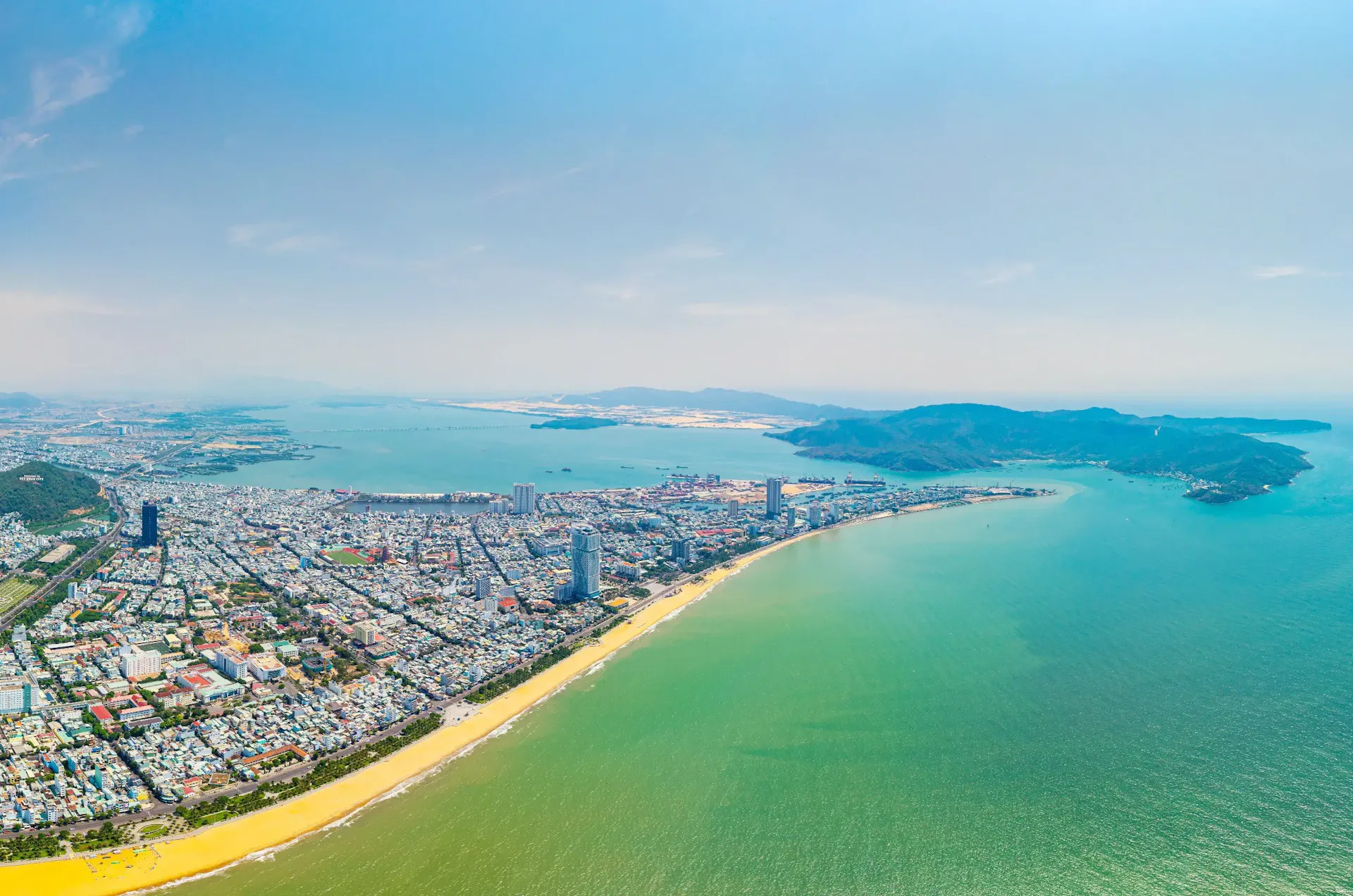
Gia Lai is a remarkably diverse destination in Central Vietnam, combining the dramatic landscapes of the Central Highlands with the beaches, islands, and cultural heritage of the former Binh Dinh region. Following Vietnam's 2025 provincial reorganization, Gia Lai now brings together the highlands and coastal areas under one province, creating a destination that stretches from volcanic landscapes and coffee plantations to the beaches of Quy Nhon.
This unique geography gives Gia Lai an unusual combination of experiences. Travelers can explore forests, waterfalls, volcanic lakes, ethnic villages, coffee farms, historical sites, traditional cultural performances, and coastal landscapes within the same province. In 2026, Gia Lai is also hosting Vietnam's National Tourism Year under the theme “Gia Lai - Đại ngàn chạm biển xanh”, highlighting the connection between the highlands and the sea.
What Is Gia Lai Known For?
Gia Lai is known for its Central Highlands landscapes, volcanic terrain, coffee culture, ethnic traditions, and coastal attractions around Quy Nhon.
The highland area is characterized by red basalt soil, forests, plantations, rolling hills, waterfalls, and volcanic lakes. The coastal area adds sandy beaches, fishing villages, seafood, and historic Cham and Vietnamese cultural sites.
This combination makes the new Gia Lai one of Vietnam's most geographically diverse travel destinations.
Pleiku
Pleiku is the main urban center of the Central Highlands portion of Gia Lai.
The city provides access to surrounding coffee plantations, volcanic landscapes, lakes, waterfalls, and ethnic communities. It is also a convenient base for exploring the highland countryside.
Pleiku's relatively cool climate and relaxed atmosphere make it appealing to travelers looking for an alternative to Vietnam's larger cities.
Bien Ho Lake
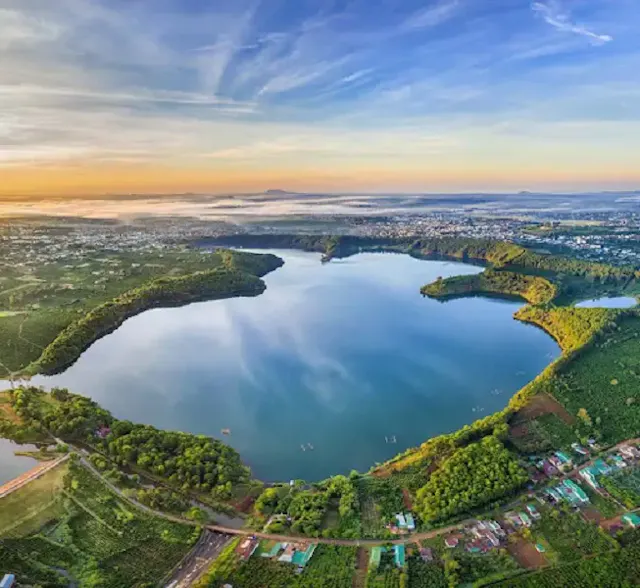
Bien Ho, also known as T'Nung Lake, is one of Gia Lai's most iconic natural attractions.
The freshwater lake sits inside an ancient volcanic landscape and is surrounded by green hills and forests. Its calm surface and scenic setting make it a popular destination for photography, sightseeing, and peaceful countryside excursions.
The road around the lake also offers attractive views of the surrounding highlands.
Chu Dang Ya Volcano
Chu Dang Ya is an extinct volcano surrounded by agricultural fields and rolling highland landscapes.
The area is particularly scenic when seasonal crops and wildflowers create contrasting colors across the volcanic slopes. The landscape provides an excellent example of how volcanic geology has influenced agriculture and settlement in the Central Highlands.
The nearby villages also provide opportunities to learn about local ethnic traditions.
Coffee Culture
Coffee is an important part of Gia Lai's agricultural identity.
The Central Highlands are among Vietnam's most important coffee-growing regions, and Gia Lai's fertile basalt soil provides favorable conditions for coffee cultivation.
Travelers can visit plantations, learn about coffee production, and experience local coffee culture. A farm visit can include seeing coffee trees, learning about harvesting and processing, and tasting locally grown coffee.
Ethnic Minority Culture
Gia Lai is home to communities including the Jrai and Bahnar, whose traditions are an important part of the region's cultural identity.
Traditional longhouses, communal houses, gong performances, weaving, festivals, and agricultural practices offer travelers opportunities to discover the cultural heritage of the Central Highlands.
The Space of Gong Culture in the Central Highlands is recognized by UNESCO as an Intangible Cultural Heritage of Humanity, making traditional gong performances an especially meaningful cultural experience.
Waterfalls and Forests
The highland portion of Gia Lai contains forests, rivers, streams, and waterfalls.
Waterfalls and natural areas provide opportunities for hiking, photography, camping, and nature exploration. During the wetter months, many waterfalls become more impressive as streams carry greater volumes of water.
Travelers seeking outdoor experiences can combine waterfall visits with village and plantation excursions.
Quy Nhon and the Coast
The expanded Gia Lai now includes the former Binh Dinh region, bringing Quy Nhon and its coastline into the province.
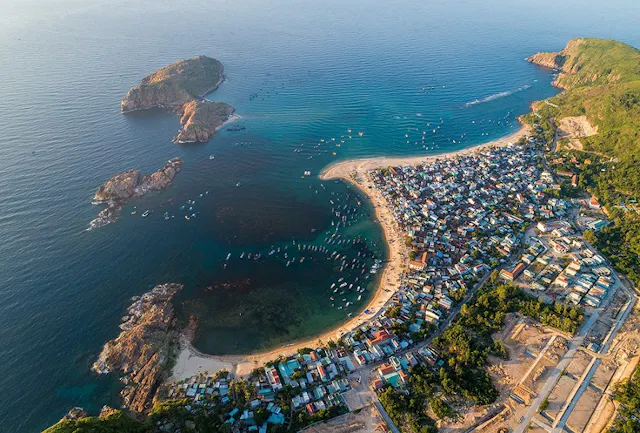
Quy Nhon is known for sandy beaches, clear coastal waters, seafood, islands, and scenic bays. Popular destinations include Ky Co, Eo Gio, and surrounding coastal areas.
This connection between highlands and coast is one of the defining features of modern Gia Lai tourism. The National Tourism Year 2026 specifically promotes this relationship between the “great highlands” and the “blue sea.”
Cham and Vietnamese Heritage
The coastal part of Gia Lai also contains important cultural and historical heritage.
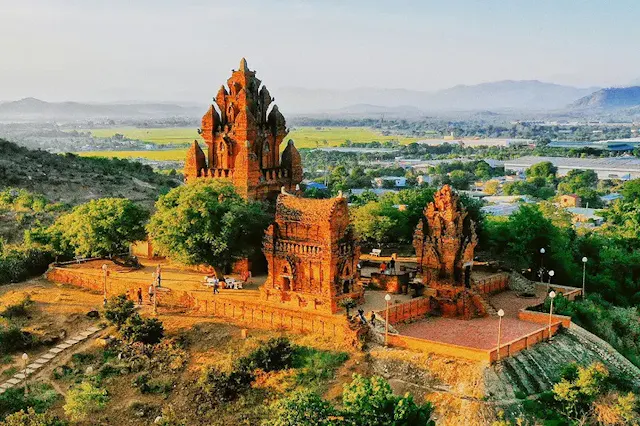
Visitors can discover Cham Pa architectural remains, traditional festivals, martial arts traditions, and cultural sites associated with the former Binh Dinh region.
Binh Dinh is particularly famous for traditional martial arts, while its coastal communities have a strong fishing and seafood culture.
Local Food
Gia Lai's cuisine reflects both Central Highlands and coastal traditions.
In the highlands, travelers can discover dishes featuring grilled meats, wild herbs, vegetables, coffee, and locally grown agricultural products. The coastal region around Quy Nhon is particularly well known for fresh seafood and Central Vietnamese specialties.
This creates an unusually broad food experience within one province.
Best Time to Visit Gia Lai
Because Gia Lai now stretches from the highlands to the coast, weather varies significantly by location.
The Central Highlands are generally attractive during the drier months, when conditions are suitable for exploring plantations, lakes, waterfalls, and villages. The coastal areas around Quy Nhon are particularly appealing for beach activities during the sunnier months.
Travelers planning to visit both highlands and coast should consider regional weather differences when creating an itinerary.
How to Get to Gia Lai
Pleiku is an important gateway to the highland region and has an airport serving domestic routes.
Quy Nhon provides access to the coastal portion of the province, while roads connect the highlands and coast across the Central Vietnamese landscape.
Travelers can therefore build an itinerary that starts in Pleiku, explores the Central Highlands, and continues toward Quy Nhon for beaches and coastal experiences.
Why Visit Gia Lai?
Gia Lai offers something few Vietnamese destinations can match: a journey from the Central Highlands to the sea within one province.
Travelers can explore volcanic landscapes around Pleiku, visit coffee plantations, discover Jrai and Bahnar culture, hike through forests, photograph waterfalls, and then continue toward Quy Nhon for beaches, seafood, and coastal heritage.
With Gia Lai hosting the 2026 National Tourism Year and promoting the connection between highlands and coastline, the province is becoming an increasingly important destination for travelers looking to experience the geographical and cultural diversity of Central Vietnam.
Gallery of Gia Lai – Discover the Highlands Through Every Scene
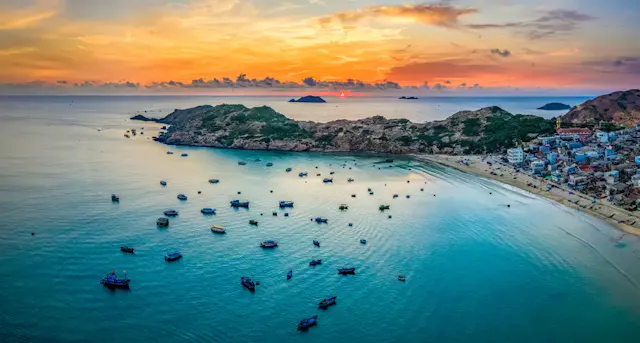
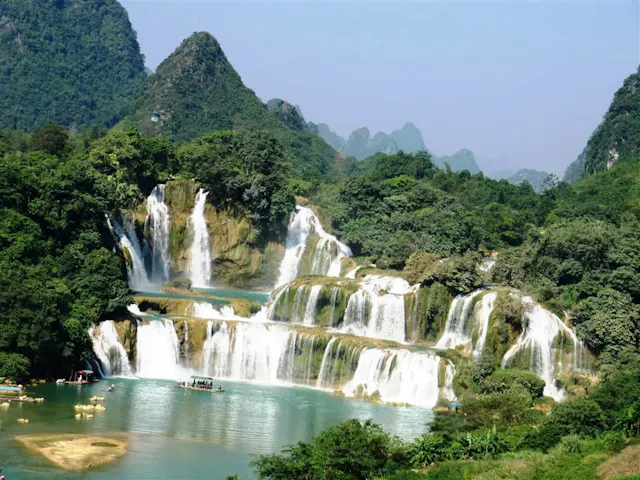
Explore the breathtaking landscapes and rich cultural heritage of Gia Lai through this curated gallery. From the crystal-clear waters of Biển Hồ (T’Nưng Lake) and the dramatic volcanic scenery of Chư Đăng Ya to lush coffee plantations, cascading waterfalls, and traditional Bahnar and Jrai villages, each image reveals a different side of this Central Highlands destination. Experience vibrant ethnic festivals, majestic forests, golden grasslands, and unforgettable sunsets that make Gia Lai one of Vietnam’s most captivating places for nature lovers, photographers, and cultural explorers.
Read More About Gia Lai
Explore more of Gia Lai with our complete travel guides. Discover Pleiku, Bien Ho Lake, Chu Dang Ya Volcano, spectacular waterfalls, coffee plantations, ethnic minority villages, Highland cuisine, suggested itineraries, seasonal travel tips, and practical advice to help you experience the natural beauty and rich culture of Vietnam's Central Highlands.
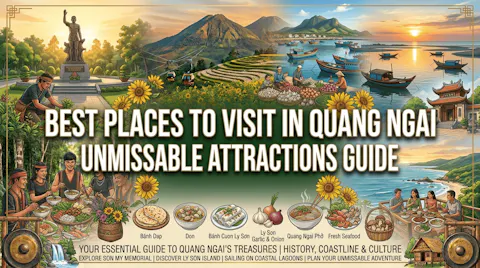
Best Places to Visit in Gia Lai↗
Gia Lai is a breathtaking destination in Vietnam's Central Highlands, known for its volcanic landscapes, pine forests, waterfalls, coffee plantations, and rich ethnic heritage. Visitors can explore Pleiku, admire the tranquil beauty of Bien Ho Lake, discover traditional villages, hike through stunning natural scenery, and experience authentic Highland culture. Whether you're seeking peaceful landscapes, outdoor adventures, or cultural discoveries, this guide highlights the best places to visit in Gia Lai for an unforgettable journey through one of Vietnam's most scenic highland provinces.
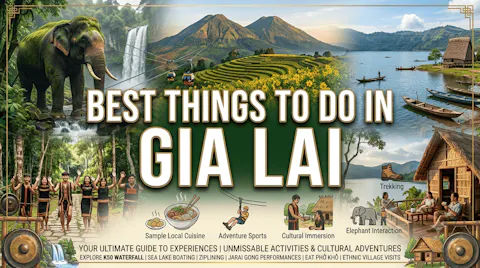
Best Things to Do in Gia Lai↗
Gia Lai offers unforgettable experiences for travelers seeking nature, culture, and adventure in Vietnam's Central Highlands. Explore the breathtaking Chu Dang Ya Volcano, admire the peaceful beauty of Bien Ho Lake, visit spectacular waterfalls, discover traditional ethnic villages, and tour scenic coffee plantations. Visitors can also enjoy hiking, camping, photography, local markets, and authentic Highland cuisine. This guide highlights the best things to do in Gia Lai for an inspiring journey through one of Vietnam's most beautiful and culturally rich Highland destinations.

Gia Lai Food Guide↗
Gia Lai offers a distinctive culinary experience shaped by the traditions of Vietnam's Central Highlands and its diverse ethnic communities. Visitors can enjoy aromatic Highland coffee, grilled specialties, bamboo tube rice, forest vegetables, traditional noodle dishes, and authentic local flavors prepared with fresh regional ingredients. From bustling local markets in Pleiku to family-run restaurants and countryside eateries, every meal reflects the province's rich cultural heritage. This Gia Lai Food Guide introduces the must-try dishes and unforgettable flavors that define one of Vietnam's most fascinating Highland destinations.
Best Time to Visit Gia Lai↗
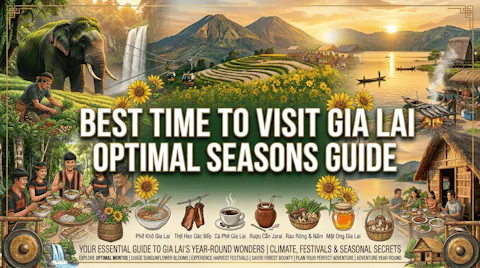
Gia Lai is a year-round destination celebrated for its cool Highland climate, volcanic landscapes, coffee plantations, waterfalls, and rich ethnic culture. The dry season provides ideal conditions for sightseeing, hiking, and exploring natural attractions, while the rainy season transforms forests and mountains into lush green landscapes. Visitors can also experience coffee harvests, seasonal wildflowers, and traditional festivals throughout the year. This guide helps you choose the best time to visit Gia Lai based on weather, seasonal highlights, and unforgettable Central Highlands experiences.
How To Get There Gia Lai
Bus and coach
Bus and coach services are the most popular transportation options for reaching Gia Lai, especially from Ho Chi Minh City, Da Nang, and nearby Central Highlands provinces.
Daily sleeper buses and limousine coaches connect travelers to Pleiku City, providing an affordable and comfortable way to travel long distances.
Typical travel times:
- 8–10 hours from Ho Chi Minh City
- 6–8 hours from Da Nang
This option is suitable for travelers looking for budget-friendly transportation.
Train
Gia Lai does not have a direct railway station. Travelers who prefer train journeys can take a train to nearby railway stations such as Quy Nhon Station or other coastal railway hubs, then continue to Gia Lai by bus, taxi, or private transfer.
The route through the highlands offers scenic views of mountains, forests, and rural landscapes.
Driving
Driving to Gia Lai is a great choice for travelers who want flexibility and enjoy exploring Vietnam’s countryside.
From major cities, visitors can travel through scenic highland roads to reach Pleiku. The journey usually takes:
- Around 8–10 hours from Ho Chi Minh City
- Around 6–8 hours from Da Nang
A private car or motorbike allows travelers to easily stop at viewpoints, coffee farms, villages, and natural attractions along the way.
Flying
The fastest way to reach Gia Lai is by flying to Pleiku Airport.
The airport connects Gia Lai with major Vietnamese cities, including:
- Ho Chi Minh City
- Hanoi
From Pleiku Airport, travelers can reach the city center by taxi, private transfer, or local transportation. The journey usually takes around 15–30 minutes.
Frequently Asked Questions About Gia Lai
Where is Gia Lai located?
Gia Lai is located in Vietnam’s Central Highlands (Tay Nguyen), known for its volcanic landscapes, forests, coffee plantations, and diverse ethnic cultures. The province’s main city, Pleiku, is the gateway for exploring the region.
What are the best things to do in Gia Lai?
Visitors can explore famous attractions such as Bien Ho Lake (T’Nung Lake), Chu Dang Ya Volcano, Phu Cuong Waterfall, coffee farms, and traditional villages. Travelers can also experience local cuisine, cultural festivals, and the unique lifestyle of highland communities.
What is the best time to visit Gia Lai?
The best time to visit Gia Lai is from November to April during the dry season, when the weather is ideal for sightseeing and outdoor activities. November and December are especially beautiful with blooming wildflowers and green landscapes.
How can I travel to Gia Lai from Ho Chi Minh City?
Travelers can reach Gia Lai from Ho Chi Minh City by flight, sleeper bus, limousine coach, private car, or motorbike. Flying to Pleiku Airport is the fastest option, while buses are a more affordable choice for long-distance travel.
How many days should I spend in Gia Lai?
A 2–3 day trip is recommended to explore Gia Lai’s main highlights, including Pleiku City, Bien Ho Lake, Chu Dang Ya Volcano, waterfalls, and local cultural experiences. Travelers who enjoy nature and adventure may prefer a longer stay to discover more remote areas.
Advertising box
Nearby Destinations to Explore from Gia Lai
Continue your journey through Vietnam’s Central Highlands by exploring the destinations surrounding Gia Lai. Discover the coffee-growing landscapes and waterfalls of Dak Lak, experience the cool mountain climate of Lam Dong and Da Lat, visit the cultural heritage and wooden churches of Kon Tum, or head east to the pristine beaches of Binh Dinh and Quy Nhon. From volcanic lakes and national parks to coastal escapes and indigenous cultures, these nearby destinations offer unforgettable experiences that perfectly complement your Gia Lai travel itinerary.
Dak Lak Travel Guide
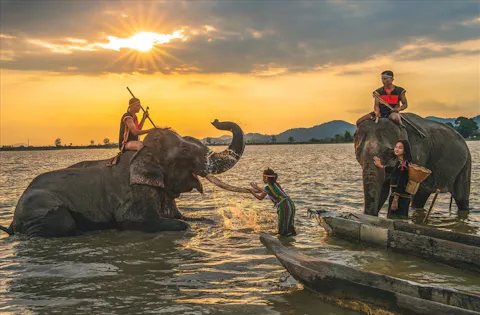
Dak Lak is a fascinating destination in Vietnam’s Central Highlands, famous for its coffee culture, wild landscapes, and rich ethnic heritage. Explore Buon Ma Thuot, the coffee capital of Vietnam, discover the forests of Yok Don National Park, and experience traditional highland communities. With stunning waterfalls, peaceful villages, and unique cultural traditions, Dak Lak offers an authentic journey beyond typical tourist routes. Perfect for nature lovers and cultural explorers, this destination reveals the beauty and spirit of Vietnam’s highlands.
Khanh Hoa Travel Guide
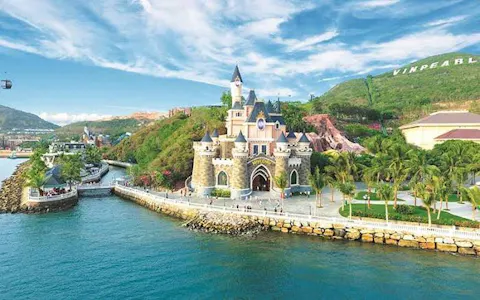
Khanh Hoa is one of Vietnam’s most popular coastal destinations, famous for the vibrant city of Nha Trang, beautiful beaches, clear waters, and stunning islands. With its tropical climate, rich marine ecosystem, and diverse attractions, Khanh Hoa offers unforgettable experiences for beach lovers, adventure travelers, and culture explorers. Visitors can enjoy island hopping, snorkeling, seafood, historical sites, and relaxing seaside escapes. Combining natural beauty with modern tourism facilities, Khanh Hoa is an ideal destination for discovering Vietnam’s coastal charm.
Quang Ngai Travel Guide
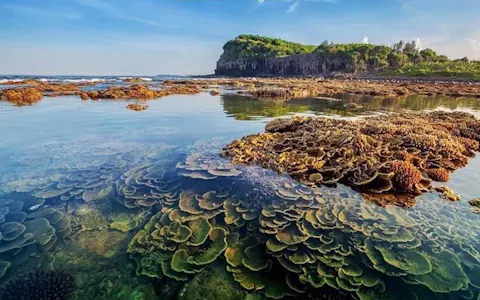
Quang Ngai is a charming coastal destination in Central Vietnam, offering a mix of beautiful islands, volcanic landscapes, historical sites, and authentic local culture. Famous for Ly Son Island, pristine beaches, and unique geological formations, Quang Ngai is perfect for travelers seeking peaceful escapes and unforgettable experiences. Visitors can explore island scenery, enjoy fresh seafood, discover traditional villages, and learn about the region’s rich history. With its natural beauty and relaxed atmosphere, Quang Ngai is a hidden gem worth exploring in Vietnam.
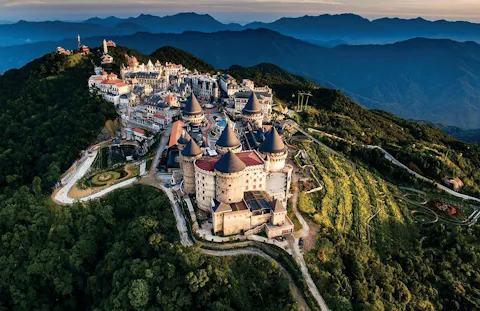
Da Nang Travel Guide
Da Nang is one of Vietnam’s most popular coastal destinations, offering a perfect combination of beautiful beaches, modern city life, natural wonders, and cultural attractions. Located in Central Vietnam, the city is famous for My Khe Beach, Marble Mountains, Ba Na Hills, and its iconic bridges. Visitors can enjoy fresh seafood, explore nearby heritage sites like Hoi An and Hue, and experience a vibrant yet relaxed atmosphere. With its stunning landscapes and convenient location, Da Nang is an ideal destination for every traveler.
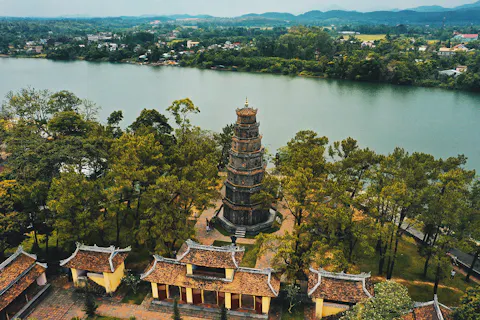
Hue Travel Guide
Hue is a historic destination in Central Vietnam, famous for its ancient imperial heritage, royal architecture, and peaceful landscapes. Once the capital of the Nguyen Dynasty, Hue offers travelers a unique journey through Vietnam’s history with the Imperial City, royal tombs, temples, and traditional culture. Visitors can explore the Perfume River, enjoy local cuisine, discover ancient villages, and experience the city’s elegant atmosphere. With its rich heritage and timeless beauty, Hue is a must-visit destination for culture and history lovers.