
Gia Lai Food Guide
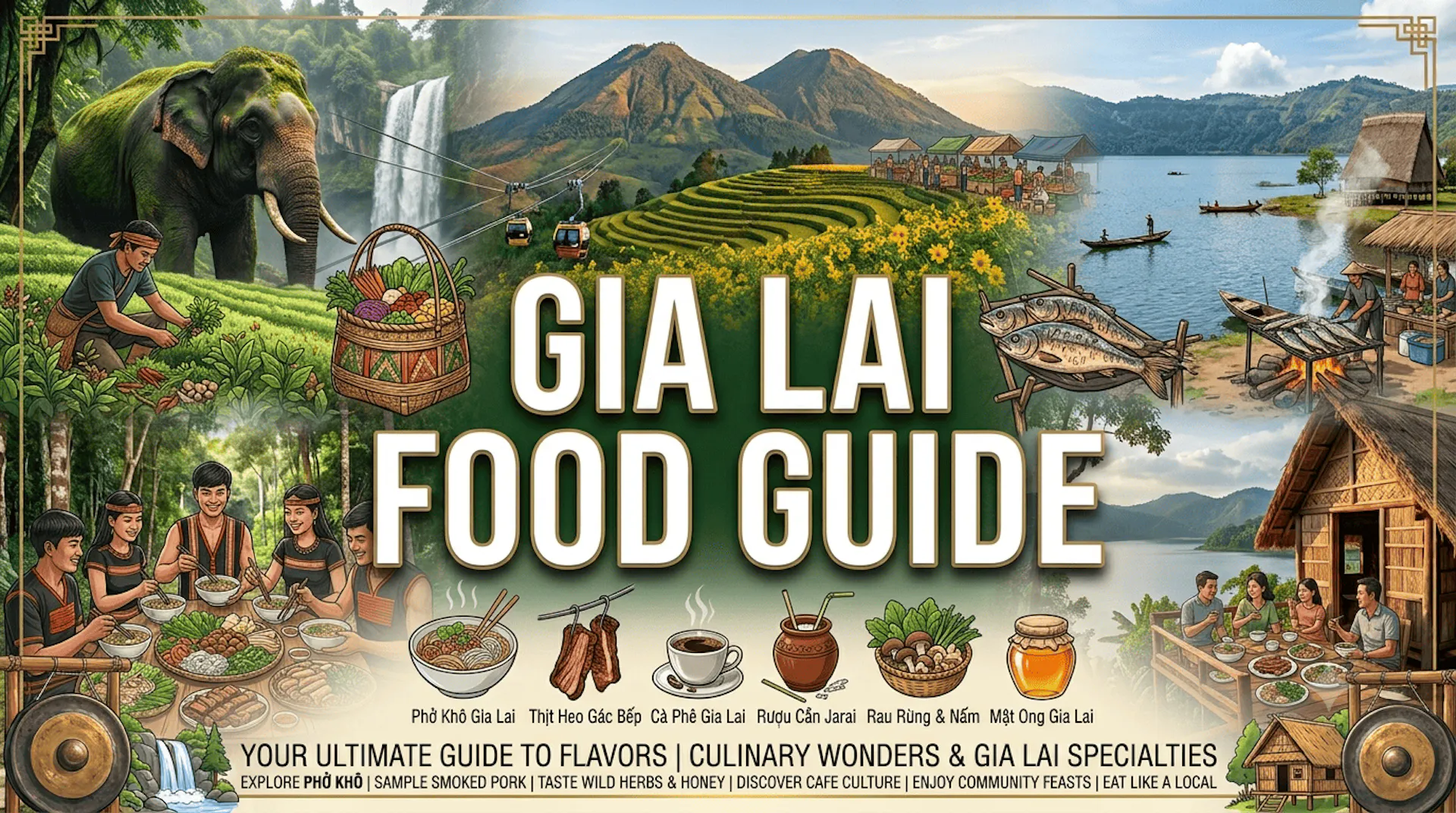
Gia Lai offers a distinctive culinary experience shaped by the traditions of Vietnam's Central Highlands and its diverse ethnic communities. Visitors can enjoy aromatic Highland coffee, grilled specialties, bamboo tube rice, forest vegetables, traditional noodle dishes, and authentic local flavors prepared with fresh regional ingredients. From bustling local markets in Pleiku to family-run restaurants and countryside eateries, every meal reflects the province's rich cultural heritage. This Gia Lai Food Guide introduces the must-try dishes and unforgettable flavors that define one of Vietnam's most fascinating Highland destinations.
On this page
To ascend into the province of Gia Lai is to enter a culinary landscape shaped by elevation, volcanic geology, and a centuries-old commitment to the preservation of indigenous flavor architectures. For the professional culinary anthropologist, the seasoned food critic, and the intrepid traveler, this province represents far more than the standard, tourist-facing image of the Central Highlands’ tea and coffee plantations. It is a gastronomic frontier where the high-altitude freshness of the basaltic plateaus meets the profound, forest-centered foodways of the Jrai and Bahnar peoples. This exhaustive gia lai food guide serves as an ethnographic map to a cuisine built upon the gifts of the highland ecosystem, where every ingredient is an extension of the volcanic soil, and every meal is a testament to the ancestral knowledge of the forest. This is a region where culinary identity is not mass-produced; it is carefully nurtured through farm-to-table and jungle-to-plate traditions that honor the raw, high-altitude bounty of the earth. By navigating the smoky, wood-fired rituals of the Pleiku street-side stalls and the quiet, communal hearths tucked into the mist-covered mountain valleys, you will uncover a culinary heritage that is as resilient, complex, and invigorating as the plateaus themselves. This guide is your instrument for navigating a province where the act of dining is an act of communion with the land, the spirits, and the history of the plateau.
The Highland Icons: Foundations of the Gia Lai Food Guide
The gastronomic identity of the province is defined by a rigorous set of dishes that have adapted perfectly to the cool, temperate climate of the highlands. These staples are more than just meals; they are cultural artifacts that demand specific environmental conditions and an uncompromising commitment to the use of hyper-local ingredients that are sourced directly from the basalt-rich earth and the surrounding jungle canopy.
Phở Khô (Dry Pho): The Pleiku Signature
The undisputed sovereign of the local breakfast palate is Phở khô, or "dry pho," a dish that serves as the quintessential marker of Pleiku’s urban culinary identity. Unlike the broth-heavy bowls of the southern delta, this preparation presents a radical, textural departure: the rice noodles are served in a dry bowl, tossed with a savory, dark mixture of soy-based sauce, fried shallots, and bits of minced pork, while the broth is served separately in a small, steaming vessel. The rice noodles themselves are distinctively chewy and thin, crafted from high-quality, local highland rice that holds its structural integrity even when coated in the savory dressing. The accompanying broth is a masterclass in clarity, simmered for hours with beef bones, ginger, and star anise until it achieves a concentrated, savory depth that perfectly complements the dry, seasoned noodles. This two-part presentation allows the diner to control the balance of flavor and texture, alternating between the bold, concentrated bite of the noodles and the clear, restorative warmth of the soup. The ritual of eating Phở khô is the foundational morning experience for the local population, reflecting a sophisticated understanding of balance that is entirely unique to the highland breakfast tradition.
Gà Nướng & Cơm Lam: The Art of Highland BBQ
The absolute pinnacle of the provincial culinary repertoire is the combination of Gà nướng (grilled chicken) and Cơm lam (bamboo-tube rice), a pairing that represents the raw, untamed spirit of the forest-to-plate tradition. The chickens are free-range, raised on a natural diet of corn and forest insects, which results in a lean, firm muscle structure and a clean, natural sweetness. The grilling process is a study in charcoal-infused aromatics: the chicken is butterfly-cut, marinated in a complex, potent paste of forest-foraged herbs—including lemongrass, wild ginger, and local chili—and seared slowly over an open, wood-fired hearth. The Cơm lam serves as the essential companion, prepared by packing sticky, local rice into young, green bamboo tubes and roasting them until the rice is steamed from within by the bamboo’s own moisture. The result is a cylinder of rice that is exceptionally aromatic, carrying the faint, grassy sweetness of the bamboo casing. Consuming this meal at a communal, open-air eatery in the highlands is a visceral experience; the combination of the smoky, herbal chicken and the fragrant, bamboo-steamed rice creates a flavor profile that is deeply satisfying and inextricably linked to the nomadic history of the Jrai and Bahnar communities.
Muối Kiến Vàng (Golden Ant Salt)
Perhaps the most unique and anthropologically significant seasoning in the highlands is Muối kiến vàng, or "golden ant salt." This is not a condiment found in standard Vietnamese kitchens, but a hyper-localized specialty that reflects the highland people’s intimate, generational knowledge of the forest ecosystem. The "golden ants" are harvested from the dense foliage of the jungle canopy, then toasted with salt, chili, and various secret forest herbs until the ants and the aromatics form a coarse, highly savory powder. This seasoning is extraordinarily potent, delivering a sharp, sour, and acidic punch that cuts through the richness of grilled meats or creates a complex base for fresh vegetable dipping. To consume this salt is to taste the jungle itself; it is an ingredient that requires an expertise in identifying safe, harvestable insect colonies, and it stands as a testament to the highland people's ability to extract flavor and nutrition from even the most inaccessible parts of their environment. The salt is a primary culinary marker of the province, providing a level of acidic, umami-rich fermentation that is entirely unavailable elsewhere in the country.
The Forest-to-Plate Tradition: Community and Heritage
The culinary depth of the province is best explored through its intense, labor-intensive agrarian traditions and the ritualized heritage of its indigenous populations. These experiences require the visitor to move away from the urban centers of Pleiku and participate in the rhythmic cycles of the village life that define the highland economy and social fabric.
Ethnic Feast Etiquette
The communal dining culture of the Jrai and Bahnar people is centered around the hearth, which serves as both a literal and figurative source of social harmony. When you are invited to participate in a traditional highland feast, you are entering a space where the act of sharing food is a fundamental social contract. The etiquette here is grounded in patience and reciprocity. It is common for guests to be offered a seat on the woven mats surrounding the communal platters, where the food is laid out to be shared by all participants. There is no individual, self-centered service; the meal is a collaborative act. The most significant social lubricant during these feasts is the communal jar wine, Rượu cần, which is drunk through long, thin bamboo reeds. Participating in this ritual is not just about the consumption of alcohol; it is about acknowledging the host's hospitality and the binding of the social group. To decline the reed is to reject the community. The atmosphere is typically vibrant, filled with stories and the rhythmic sounds of the forest, creating a social environment that prioritizes collective well-being and the shared consumption of the plateau’s bounty.
Foraged Flavors
Beyond the grilled specialties and the signature pho, the highland diet is a sophisticated archive of foraged flavors. The Jrai and Bahnar kitchens operate on an inventory of ingredients that most lowland populations have long forgotten: wild, bitter forest greens, shoots of bamboo that are harvested at the peak of their tenderness, and a variety of jungle tubers that are prepared using ancestral fermentation techniques. These ingredients are not merely secondary; they are the primary architects of the healthy, sustainable highland diet. The expertise required to identify, process, and neutralize the bitterness of certain forest vegetables is passed down through the generations, ensuring that every meal is nutritionally balanced and reflective of the seasonal availability of the forest canopy. To eat these foraged delicacies is to participate in an ancient, sustainable culinary cycle, where the forest is managed not as a resource to be depleted, but as a living larder that provides the foundation for the community’s vitality.
The Highland Beverage Culture: The Soul of the Plateau
The identity of Gia Lai is sealed by its high-altitude aromatics—the bold, intense flavor of its robusta coffee and the ritualized connection of its communal wine. These beverages do not merely serve as stimulants; they are the primary social catalysts of the region.
The Highland Coffee Ritual
The global significance of the coffee grown in the rich, basaltic soil of the Gia Lai highlands is immense, but the experience of consuming it here is entirely local. The robusta beans cultivated in this region possess a profound, high-altitude intensity—a deep, chocolatey, and slightly bitter profile that can withstand the bold preparation methods of the highland coffee houses. Brewing this coffee in the traditional metal phin filter is a meditative, slow-drip process that extracts the maximum possible concentration from the bean. The result is a brew that is dark, dense, and physically stimulating, often consumed over hours of discussion in Pleiku’s bustling cafes. The social life of the plateau is built around these morning and afternoon coffee breaks; they are spaces for business deals, village news exchange, and the ongoing storytelling that defines the region’s intellectual life. To drink coffee in Gia Lai is to consume the very essence of the plateau’s economy—a liquid manifestation of the volcanic soil’s fertility and the highland population’s dedicated, artisanal labor.
Rượu Cần: The Social Catalyst
The communal jar wine, Rượu cần, is more than an alcoholic drink; it is the ultimate social catalyst of the highland community. Prepared by fermenting a mix of forest herbs, rice, and specific barks in large, ceramic jars, this wine is the medium through which the village’s collective history is celebrated. The consumption of Rượu cần is tied to the most significant rites of passage, the celebration of a successful harvest, and the welcoming of guests into the village longhouse. The etiquette of the reed—the rhythmic, coordinated sipping alongside your hosts—creates a structured, social environment that forces a pause in the pace of life. It is an experience that demands a sense of timing and a commitment to the communal rhythm. To share in this wine is to accept the host’s narrative of the land and to participate in the ancient, cyclical celebration of the plateau’s life. It is the social fabric of the highlands in liquid form, providing a level of intimacy and trust that defines the highland experience.
Practical Culinary Logistics and Etiquette
Executing a successful, authoritative culinary expedition through Gia Lai requires a pragmatic shift in expectation from the rapid-service culture of the urban centers to the family-oriented, traditional pace of the highland districts. When seeking out the best eateries, rely on the "local traffic" principle; any stall that is consistently crowded with highland workers—particularly in the early morning hours in Pleiku—is an immediate, high-authority indicator of quality. These are the vendors who have built their reputations on the consistent delivery of traditional, hearth-cooked flavors. These stalls, whether in the central markets or tucked away in a quiet village side street, are the custodians of the province’s culinary history. They do not cater to the aesthetic preferences of the international tourism market; they cater to the palate of the locals, ensuring that the preparation is uncompromising, authentic, and rooted in the ancestral spice profiles of the region.
In terms of etiquette, dining in these communal, often modest highland settings is an act of participation. Whether you are in a small street stall or a more formal village communal hall, the protocol remains consistent: show patience, respect the "slow food" preparation of the traditional recipes, and always express genuine, visible gratitude. The artisans who maintain these recipes are the keepers of the plateau’s heritage, and they take immense pride in the labor they invest in their traditional, hearth-cooked dishes. By approaching every meal with an appreciation for this investment of time and skill, you ensure that your culinary journey is not just a collection of meals, but a respectful engagement with the living, enduring traditions of the highlands.
Conclusion: Finalizing Your Journey Through the Flavors of Gia Lai
Gia Lai offers one of the most raw, authentic, and intellectually satisfying culinary landscapes in Vietnam. By refusing to conform to the commercial pressures of the broader tourist circuit, the province has successfully guarded the integrity of its highland-specific foodways, from the intricate, bamboo-infused ritual of the Cơm lam to the bold, intense aroma of the highland robusta coffee. Every meal in this province serves as a profound education in environmental endurance and regional ingenuity. As you conclude your reading of this definitive gia lai food guide, consider the depth of the gastronomic history you are about to encounter. Are you most eager to experience the smoky, charcoal-infused intensity of the highland grills, or does the prospect of participating in the meditative, ritualized consumption of communal jar wine provide the primary motivation for your journey into the pristine heart of the Central Highlands? Which regional delicacy—the signature, savory dry pho or the forest-infused, grilled specialties—are you most excited to document first in your own highland culinary experience?
> Read more: Gia Lai Travel Guide

By Roy Trinh
Editor
Roy Trinh is a travel writer and destination expert at Go Visit Vietnam, dedicated to helping travelers discover the beauty, culture, and diversity of Vietnam. Through well-researched travel guides, practical itineraries, local insights, and authentic recommendations, Roy shares valuable information to inspire memorable journeys across the country. From vibrant cities and breathtaking landscapes to regional cuisine and cultural heritage, every guide is created to help visitors experience Vietnam with confidence and curiosity.
Frequently Asked Questions About Gia Lai Food Guide
What food is Gia Lai famous for?
Gia Lai is famous for bamboo tube rice (com lam), grilled chicken, pho kho (dry pho), Highland coffee, forest vegetables, traditional ethnic minority dishes, and fresh local ingredients from the Central Highlands.
Where can I try authentic local food in Gia Lai?
Visitors can enjoy authentic cuisine in Pleiku's local restaurants, traditional markets, family-run eateries, and ethnic minority villages, where many dishes are prepared using recipes passed down through generations.
Is Gia Lai coffee worth trying?
Absolutely. Gia Lai is one of Vietnam's leading coffee-producing provinces. Visitors can enjoy locally grown coffee, visit coffee plantations, and experience the rich coffee culture that defines the Central Highlands.
Is Gia Lai a good destination for food lovers?
Yes. Gia Lai offers a unique culinary experience that combines traditional Vietnamese cuisine with the authentic flavors of the Central Highlands and the rich food traditions of local ethnic communities.
What food souvenirs should I buy in Gia Lai?
Popular food souvenirs include Highland coffee, pepper, dried fruits, macadamia nuts, local honey, herbal tea, and traditional snacks that can be found in local markets, specialty shops, and coffee farms throughout Gia Lai.
Advertising box