Tet in Vietnam: Vietnamese Lunar New Year Traditions, Food & Travel Guide
Tet, or Tết Nguyên Đán, is Vietnam’s most important annual celebration and marks the beginning of the Vietnamese Lunar New Year. From colorful flower markets and family reunions to ancestral rituals, lucky money, traditional foods, and lively temple visits, Tet offers travelers a unique look at Vietnamese culture. This guide explains when Tet takes place, its most important traditions and foods, what happens across Vietnam, and what travelers should know about transportation, business closures, etiquette, and visiting Vietnam during the holiday.
On this page
- What Is Tet in Vietnam?
- When Is Tet in Vietnam?
- Why Is Tet Important in Vietnam?
- Tet Traditions and Customs
- Traditional Tet Foods in Vietnam
- Tet Celebrations in Vietnam
- What Is Vietnam Like During Tet?
- Traveling to Vietnam During Tet
- Is Tet a Good Time to Visit Vietnam?
- Tet in Hanoi
- Tet in Ho Chi Minh City
- Tet Etiquette for Travelers
- Final Thoughts
Tet, or Tết Nguyên Đán, is Vietnam’s most important annual celebration and marks the beginning of the Vietnamese Lunar New Year. It is a time for family reunions, ancestral remembrance, traditional food, spring flowers, temple visits, and wishes for good fortune in the year ahead.
For travelers, Tet in Vietnam offers a unique opportunity to experience Vietnamese culture at its most meaningful. Cities become decorated with peach and apricot blossoms, families prepare traditional dishes, and streets fill with festive markets and celebrations. However, Tet also changes the normal rhythm of travel: transportation becomes busy before the holiday, many businesses close during the first days of the new year, and some services operate on reduced schedules.
This guide explains when Tet takes place, the most important Tet traditions and foods, what Vietnam is like during the holiday, and what travelers should know before visiting.
What Is Tet in Vietnam?
Tet is the Vietnamese Lunar New Year and the country's most important traditional holiday. Its Vietnamese name, Tết Nguyên Đán, refers to the beginning of a new year according to the traditional lunisolar calendar.
Although Tet is closely associated with the arrival of spring, it is much more than a seasonal celebration. For Vietnamese families, it is a time to return home, honor ancestors, reconnect with relatives, prepare the household for a new beginning, and wish for health, happiness, and prosperity.
The celebration typically begins with preparations in the weeks before the new year and continues through the first days of the lunar year. The exact dates change every year on the Gregorian calendar.
For visitors, Tet can feel very different from an ordinary week in Vietnam. Major cities may become quieter during the first days of the holiday, while the period immediately before Tet can be exceptionally busy as millions of people travel home.
When Is Tet in Vietnam?
Tet follows the Vietnamese lunisolar calendar, so its date changes every year on the Gregorian calendar. It usually falls between late January and mid-February.
The most important celebrations center around Lunar New Year's Eve and the first days of the new lunar year. However, preparations begin much earlier.
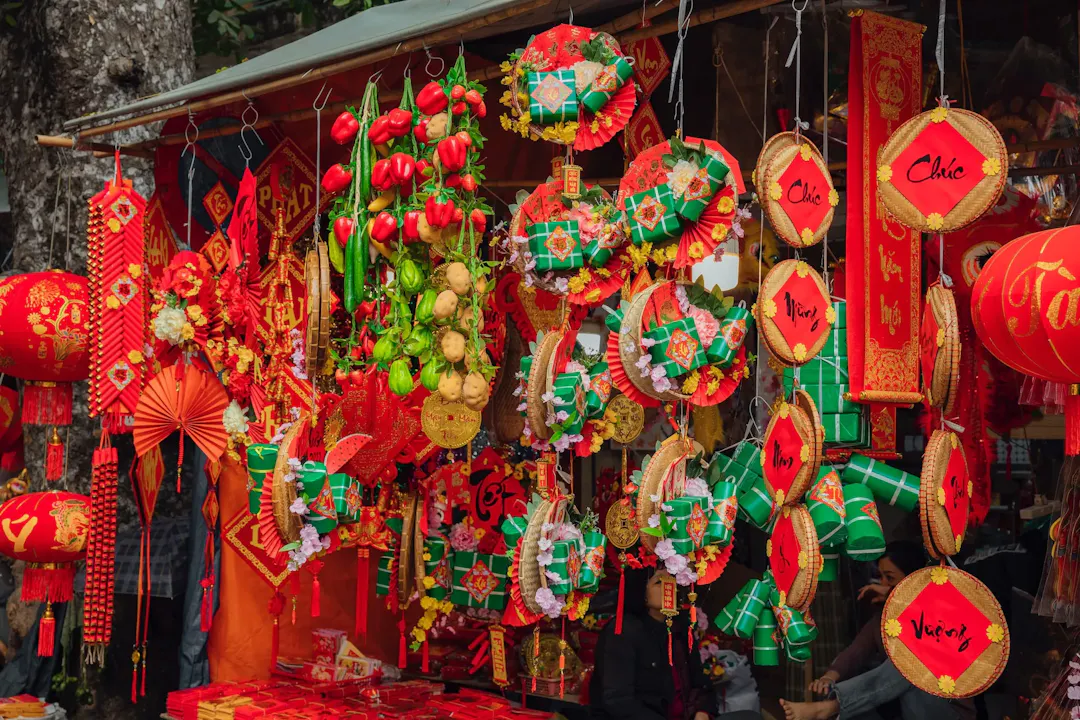
In the weeks before Tet, Vietnamese cities and towns become increasingly busy. Families clean and decorate their homes, buy flowers, prepare traditional foods, shop for gifts, and return to their hometowns.
For travelers, it is useful to think of Tet as a longer seasonal period rather than a single day.
Before Tet
This is one of the busiest periods for domestic travel. Airports, railway stations, highways, and bus terminals can become crowded as people return to their hometowns.
Lunar New Year's Eve
Known as Giao Thừa, New Year's Eve is an important family and spiritual occasion. Families prepare special offerings, gather together, and welcome the arrival of the new year.
The First Days of Tet
The first days of the lunar year are traditionally reserved for family visits, New Year greetings, religious activities, and relaxation.
Why Is Tet Important in Vietnam?
Tet represents a new beginning. It is a time when Vietnamese families leave behind the previous year and welcome the year ahead with optimism.
One of the most important aspects of Tet is family reunion. Vietnamese people living and working far from their hometowns often make a special effort to return home for the holiday.
Tet is also closely connected with ancestral remembrance. Many families prepare their ancestral altars with flowers, fruit, incense, tea, and food offerings. These traditions reflect the importance of family history and respect for previous generations.
The holiday is also associated with hopes for prosperity, health, peace, and good fortune.
For travelers, understanding this family-centered character is essential. Tet is not simply a public festival designed for tourists. It is a deeply personal celebration that takes place inside Vietnamese homes and communities.
Tet Traditions and Customs
Vietnamese families celebrate Tet in different ways depending on their region, religion, family traditions, and circumstances. Nevertheless, several customs are widely associated with the holiday.
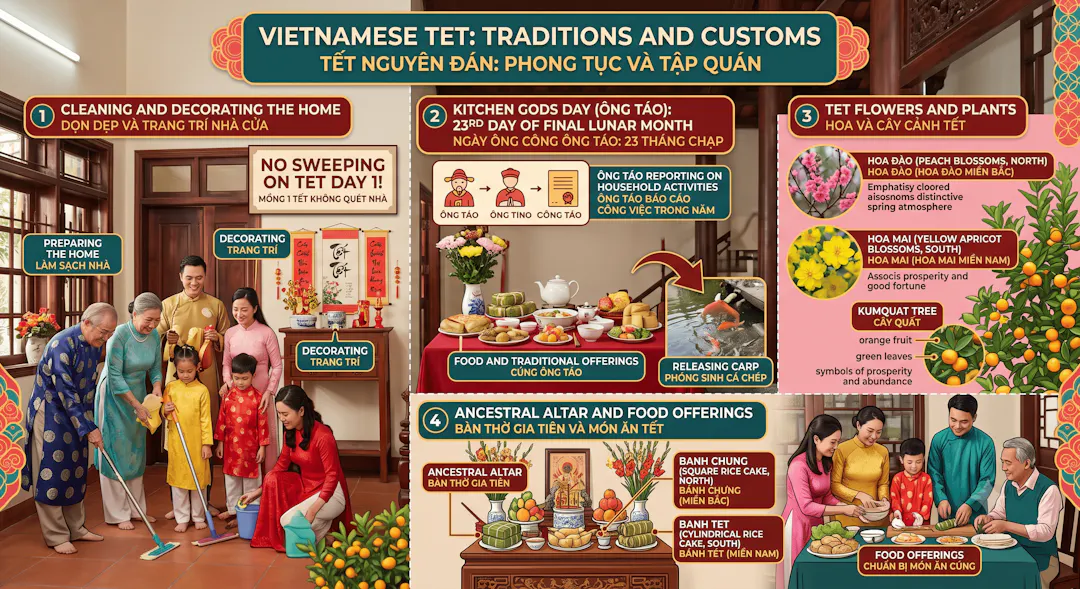
Cleaning and Decorating the Home
One of the most recognizable Tet traditions is preparing the home for the new year.
Before Tet, families clean their houses, organize belongings, decorate rooms, and prepare their ancestral altars. The process symbolizes leaving behind the old year and welcoming a fresh start.
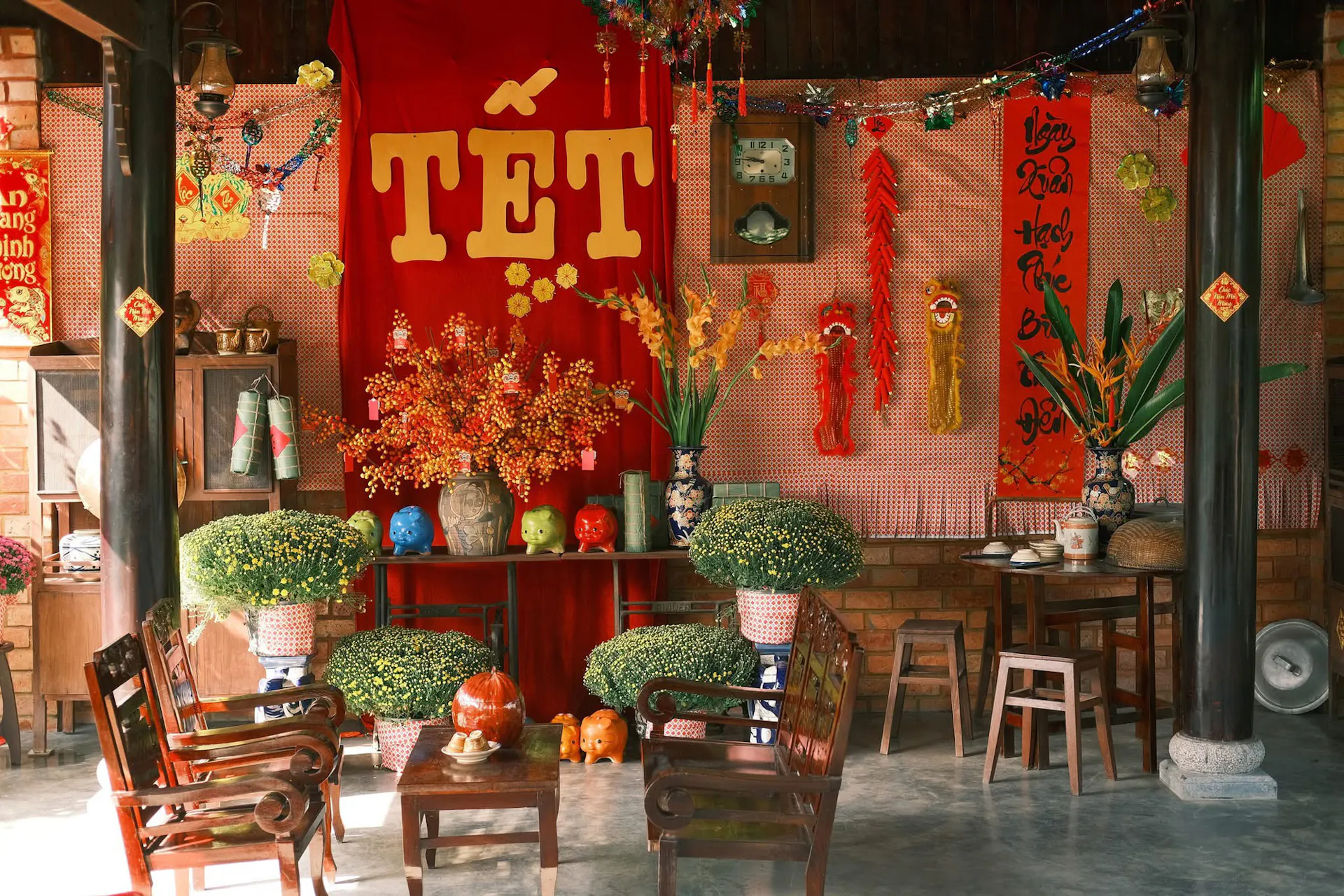
Homes may be decorated with flowers, fruit, calligraphy, ornamental plants, and red or gold decorations.
During the first day of Tet, some families traditionally avoid sweeping the floor because sweeping can symbolically represent sweeping away good fortune.
Kitchen Gods Day
One important pre-Tet tradition takes place on the 23rd day of the final lunar month and is commonly associated with the Kitchen Gods, or Ông Táo.
According to Vietnamese tradition, the Kitchen Gods report on the household's activities during the previous year before returning for the new year.
Families may prepare food and other traditional offerings as part of the ceremony. In many parts of Vietnam, releasing carp into rivers or lakes is also associated with this occasion.
For visitors, Kitchen Gods Day is an interesting example of how Vietnamese religious traditions, family customs, and everyday life overlap.
Tet Flowers
Flowers are one of the most visible symbols of Tet.
In northern Vietnam, hoa đào, or peach blossoms, are strongly associated with the Lunar New Year. Their pink flowers bring a distinctive spring atmosphere to homes, markets, streets, and public spaces.
In southern Vietnam, hoa mai, or yellow apricot blossoms, are especially popular during Tet. Their bright yellow flowers are commonly associated with prosperity and good fortune.
Another popular decoration is the kumquat tree. Trees covered with orange fruit and green leaves are displayed in homes and businesses as symbols of prosperity and abundance.
During the days before Tet, flower markets become some of the most colorful places to visit in Vietnamese cities.
Traditional Tet Foods in Vietnam
Food is at the heart of Tet. Families prepare special dishes that are associated with tradition, reunion, hospitality, and good fortune.
Many Tet dishes can also be prepared in large quantities and kept for several days, making them practical during a holiday when markets and restaurants may operate limited hours.
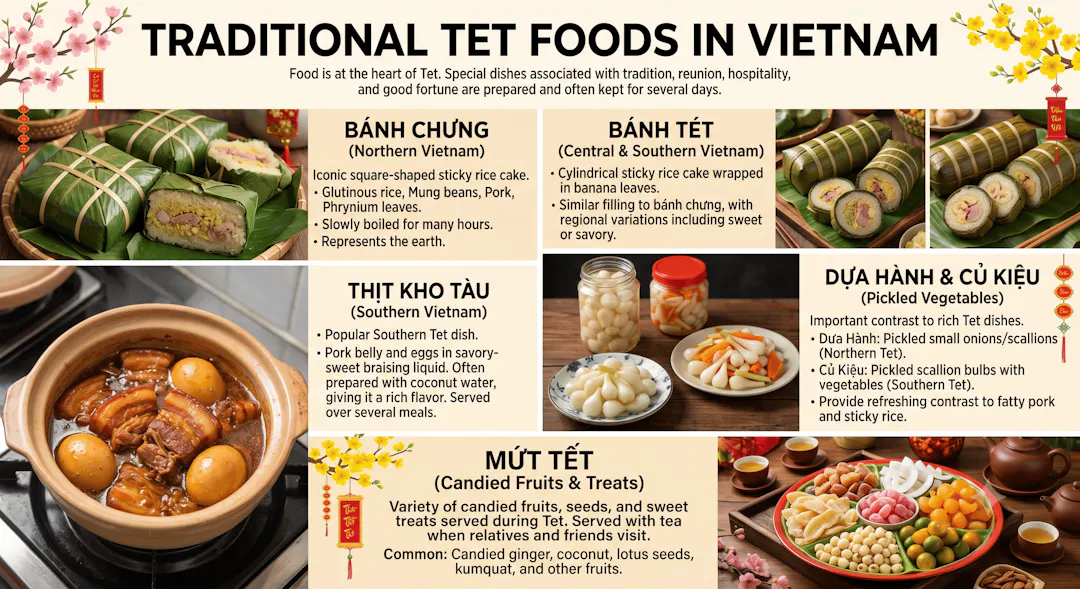
Bánh Chưng
Bánh Chưng is one of the most iconic Tet foods in northern Vietnam.
It is a square-shaped sticky rice cake traditionally made with:
- Glutinous rice
- Mung beans
- Pork
- Phrynium leaves
The ingredients are wrapped tightly before the cake is slowly boiled for many hours.
Families often prepare bánh chưng together, making the cooking process an important part of the holiday itself.
The square shape has traditionally been associated with the earth, giving the dish both culinary and cultural significance.
Bánh Tét
Bánh Tét is especially popular in central and southern Vietnam.
Like bánh chưng, it is made primarily from glutinous rice, mung beans, and a savory filling such as pork. However, bánh tét is typically cylindrical and wrapped in banana leaves.
Regional versions can vary considerably. Some include sweet fillings, bananas, coconut, or other local ingredients.
Bánh chưng and bánh tét are among the best foods to try if you want to understand the connection between Vietnamese cuisine and Tet traditions.
Thịt Kho Tàu
In southern Vietnam, thịt kho tàu is a popular Tet dish.
It combines pork and eggs in a savory-sweet braising liquid. Southern versions are often prepared with coconut water, giving the dish a rich flavor and dark caramel-colored sauce.
Large pots may be prepared before the holiday and served over several meals.
Dưa Hành and Củ Kiệu
Pickled vegetables provide an important contrast to the richness of many Tet dishes.
In northern Vietnam, dưa hành, traditionally made with small onions or scallions, is a common Tet accompaniment.
In southern Vietnam, củ kiệu, pickled scallion bulbs often served with vegetables such as papaya, is popular during the holiday.
Their sour and slightly sharp flavors provide a refreshing contrast to fatty pork and sticky rice.
Mứt Tết
Mứt Tết refers to a variety of candied fruits, seeds, and other sweet treats served during Tet.
Common varieties include candied ginger, coconut, lotus seeds, kumquat, and other fruits.
Families often serve mứt Tết with tea when relatives and friends visit during the holiday.
Tet Celebrations in Vietnam
Tet celebrations combine family traditions with public festivities.
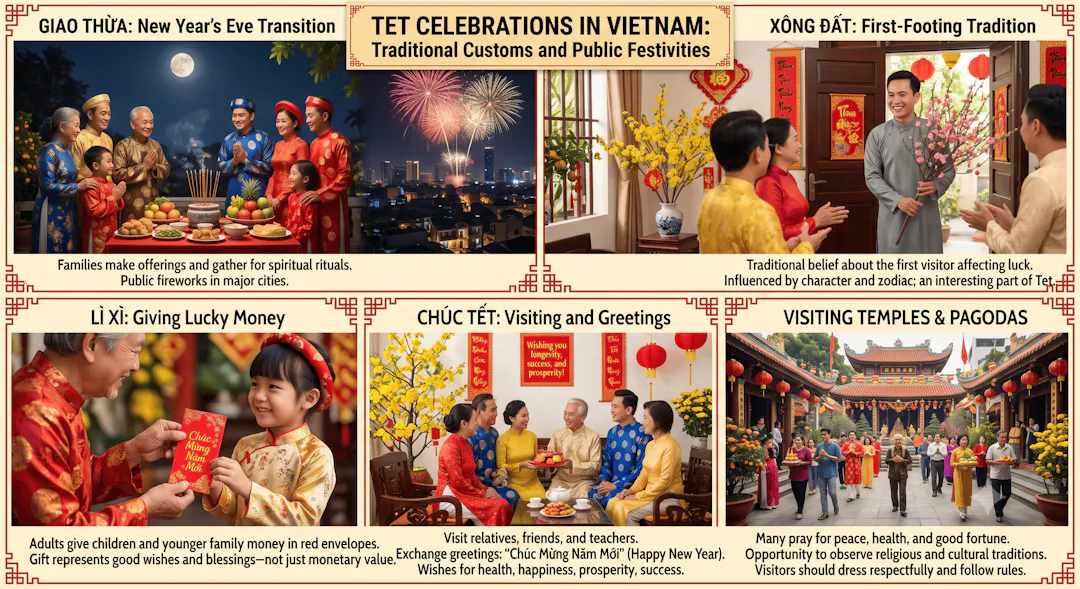
Giao Thừa: Vietnamese New Year's Eve
Giao Thừa marks the transition from the old lunar year to the new one.
Families may prepare offerings, light incense, gather together, and participate in religious or spiritual rituals.
In some cities, public celebrations and fireworks take place around midnight, although the exact program varies by location and year.
Xông Đất: First-Footing
Xông đất, or first-footing, is a traditional belief concerning the first person to enter a home during the new year.
Some families believe that the character, fortune, or zodiac characteristics of the first visitor can influence the household's luck in the coming year.
Not every Vietnamese family follows this tradition in exactly the same way, but it remains an interesting part of traditional Tet culture.
Lì Xì: Lucky Money
Lì xì is one of the most recognizable Tet customs.
Adults traditionally give children and younger family members money in small red envelopes. The gift represents good wishes and blessings for the new year rather than simply the monetary value.
Red envelopes decorated with gold characters and festive designs are common during Tet.
Chúc Tết
During Tet, Vietnamese people visit relatives, friends, teachers, and other important people in their lives to exchange New Year greetings.
A common greeting is:
“Chúc Mừng Năm Mới”
which means “Happy New Year.”
Other wishes may express hopes for health, happiness, prosperity, success, and longevity.
Visiting Temples and Pagodas
Many Vietnamese people visit temples and pagodas during Tet to pray for peace, health, and good fortune.
For travelers, these places can provide an opportunity to observe Vietnamese religious and cultural traditions. Visitors should dress respectfully and follow the rules of each religious site.
What Is Vietnam Like During Tet?
Vietnam changes significantly during the Tet period.
The experience depends heavily on when you visit.
Before Tet
The weeks before Tet can be extremely busy.
Markets become crowded, flower vendors fill streets and public spaces, and people travel across the country to return to their hometowns.
This can be an exciting time for travelers who want to experience the preparations for Tet.
However, transportation can be much more difficult during the peak travel period.
During the First Days of Tet
The atmosphere changes dramatically.
Many businesses close temporarily so employees can spend time with their families. Some streets become noticeably quieter, particularly in major cities where large numbers of residents have returned to their hometowns.
Tourist hotels, international restaurants, airports, and major transportation services generally continue operating, but individual businesses may have different holiday schedules.
This is why travelers should check opening hours before visiting specific attractions, restaurants, or services.
After Tet
After the first days of the lunar year, businesses gradually reopen and normal life returns.
Festivals, temple visits, cultural events, and spring activities can continue beyond the main holiday period.
Traveling to Vietnam During Tet
Traveling to Vietnam during Tet can be rewarding, but it requires more planning than a normal trip.
The biggest challenge is usually domestic transportation before Tet, when millions of Vietnamese people travel home.
Flights, trains, buses, and highways can become extremely busy.
Book Transportation Early
If your trip overlaps with the peak period before Tet, book domestic flights and long-distance transportation as early as possible.
Popular routes between major cities and hometown regions can become particularly busy.
Avoid leaving important transportation arrangements until the last minute.
Expect Some Business Closures
Restaurants, shops, markets, museums, and other businesses may close for part of the Tet holiday.
The situation varies by city and business.
International hotels and businesses serving tourists are more likely to remain open, but they may operate special holiday schedules.
Always check before relying on a specific restaurant or attraction.
Carry Some Cash
Because individual businesses may have different holiday schedules, carrying enough cash can be useful.
It is also worth keeping essential supplies with you if you plan to travel outside major tourist areas during the first days of Tet.
Be Flexible
Tet is a family holiday rather than a normal tourism season.
Transportation delays, changed opening hours, temporary closures, and altered schedules are possible.
A flexible itinerary will make your trip much easier.
Is Tet a Good Time to Visit Vietnam?
Yes, Tet can be an excellent time to visit Vietnam if experiencing local culture is one of your main travel goals.
The advantages include colorful flower markets, traditional food, family celebrations, temple visits, cultural rituals, and a unique atmosphere that you will not experience at other times of the year.
However, there are disadvantages.
Transportation can be extremely busy before Tet, many businesses close temporarily, and some tourist services operate on reduced schedules.
For travelers who prioritize culture and authentic local experiences, Tet can be fascinating.
For travelers who want a completely predictable itinerary with restaurants, shops, and attractions open every day, another period may be easier.
Tet in Hanoi
Hanoi offers one of the most distinctive Tet experiences in northern Vietnam.
The city's streets and markets become filled with hoa đào, kumquat trees, traditional decorations, and Tet foods.
The Old Quarter can be particularly atmospheric before the holiday, while areas of the city may become much quieter during the first days of Tet as residents return to their hometowns.
Travelers can explore flower markets, traditional neighborhoods, temples, and local food areas while observing how Hanoi prepares for the new year.
Tet in Ho Chi Minh City
Tet in Ho Chi Minh City has a distinctly southern character.
Hoa mai and kumquat trees become prominent decorations, while markets and shopping streets become increasingly busy before the holiday.
The city can become surprisingly quiet during the first days of Tet as many residents leave for their hometowns.
For visitors who stay in Ho Chi Minh City during Tet, the quieter streets can provide a very different perspective on Vietnam's largest city.
Tet Etiquette for Travelers
Visitors do not need to participate in every Tet ritual, but showing respect for local customs is important.
A few simple practices can make your experience more enjoyable:
- Say “Chúc Mừng Năm Mới” when greeting Vietnamese people during Tet.
- Dress respectfully when visiting temples and pagodas.
- Ask permission before photographing private family ceremonies.
- Do not touch ancestral altars or religious offerings.
- Be patient when businesses operate reduced hours.
- Avoid negative or insensitive comments about Tet traditions.
- Follow local instructions when visiting religious or cultural sites.
- Remember that Tet is primarily a family celebration, not simply a tourist event.
Most importantly, approach the holiday with curiosity and respect.
Final Thoughts
Tet in Vietnam is much more than the country's Lunar New Year. It is a celebration of family, heritage, food, spirituality, and new beginnings.
From the pink hoa đào of northern Vietnam and golden hoa mai of the south to steaming pots of bánh chưng and bánh tét, Tet transforms everyday life across the country.
For travelers, the holiday offers a rare opportunity to see Vietnam through its family traditions rather than only through its tourist attractions. The experience does require planning, particularly around transportation and business closures, but those who travel with patience and an open mind can experience one of the most meaningful periods of the Vietnamese calendar.
If you want to understand Vietnam beyond its beaches, cities, and famous attractions, experiencing Tet can offer one of the clearest windows into the country's culture and traditions.

By Roy Trinh
Editor
Roy Trinh is a travel writer and destination expert at Go Visit Vietnam, dedicated to helping travelers discover the beauty, culture, and diversity of Vietnam. Through well-researched travel guides, practical itineraries, local insights, and authentic recommendations, Roy shares valuable information to inspire memorable journeys across the country. From vibrant cities and breathtaking landscapes to regional cuisine and cultural heritage, every guide is created to help visitors experience Vietnam with confidence and curiosity.
Frequently Asked Questions About Tet in Vietnam
What is Tet in Vietnam?
Tet is Vietnam's Lunar New Year and the country's most important traditional holiday. It is a time for family reunions, ancestral remembrance, traditional food, New Year greetings, and wishes for good fortune.
When is Tet in Vietnam?
Tet follows the Vietnamese lunisolar calendar, so the date changes every year. It generally falls between late January and mid-February on the Gregorian calendar.
How long does Tet last?
The main Tet celebrations center around Lunar New Year's Eve and the first several days of the new lunar year. However, preparations and related celebrations can begin weeks before Tet and continue afterward.
Is everything closed during Tet in Vietnam?
No. Many local businesses may close temporarily, especially during the first days of Tet, but hotels, airports, transportation services, convenience stores, and some restaurants continue operating. Opening hours vary, so travelers should check individual businesses in advance.
Is Tet a good time to visit Vietnam?
Tet can be an excellent time to experience Vietnamese culture, traditional food, flower markets, and local customs. However, transportation can be crowded before Tet and some businesses close during the holiday.
What food do Vietnamese people eat during Tet?
Popular Tet foods include bánh chưng, bánh tét, thịt kho tàu, dưa hành, củ kiệu, giò lụa, and mứt Tết. Regional dishes vary considerably across Vietnam.
What do you say during Tet?
The most common general greeting is “Chúc Mừng Năm Mới,” meaning “Happy New Year.” You can also wish people health, happiness, prosperity, and success.
What should tourists avoid during Tet?
Travelers should avoid disrespecting religious customs, entering private family spaces without permission, touching ancestral offerings, and assuming every business will operate normally.
Advertising box
Related Events in Vietnam
Discover more of Vietnam's traditional festivals, cultural celebrations, religious events, and seasonal experiences. Explore major events across the country to learn about local traditions, history, food, music, and the unique cultural heritage of each destination.
Huong Pagoda Festival Vietnam: Dates, Traditions & Travel Guide
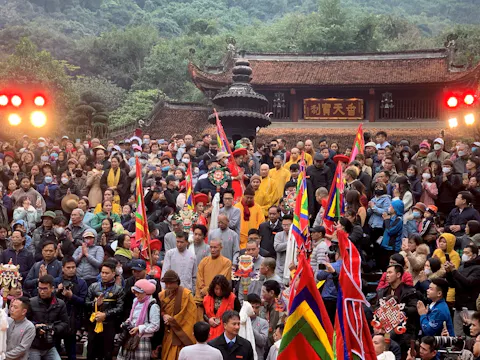
The Huong Pagoda Festival is one of Vietnam’s most important Buddhist pilgrimages, attracting visitors to the scenic Huong Son mountains southwest of Hanoi each spring. Also known as the Perfume Pagoda Festival, it combines Buddhist ceremonies, traditional worship, boat rides along the Yen Stream, mountain temples, and the sacred Huong Tich Cave. This guide covers the festival’s history, traditions, 2026 dates, main attractions, cultural etiquette, transportation, and practical travel tips to help international visitors experience this unique Vietnamese cultural celebration.
Lim Festival Vietnam: Experience Quan Ho Folk Singing in Bac Ninh
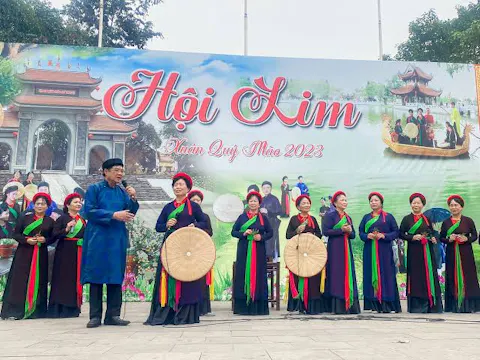
Discover Lim Festival Vietnam, one of northern Vietnam’s most distinctive cultural celebrations. Held in Bac Ninh during the first lunar month, the festival brings Quan Ho folk singing, traditional costumes, temple ceremonies, dragon boat performances, folk games, and local traditions together. Learn about the history of Lim Festival, the meaning of Quan Ho, where to experience the celebrations, what to expect as a traveler, and practical tips for visiting Bac Ninh during this colorful Vietnamese cultural festival.
Hung Kings Festival in Vietnam: History, Traditions & Travel Guide
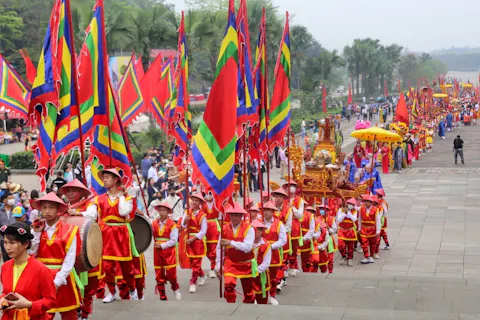
The Hung Kings Festival, or Giỗ Tổ Hùng Vương, is one of Vietnam’s most important cultural celebrations, honoring the legendary Hung Kings and the country’s ancestral heritage. Held annually on the 10th day of the third lunar month, the main ceremonies take place at Hung Kings Temple in Phu Tho. Discover the festival’s history, traditional rituals, bánh chưng and bánh giầy offerings, Hát Xoan performances, and practical travel tips for visiting this sacred cultural site from Hanoi and beyond.
Mid-Autumn Festival in Vietnam: Tet Trung Thu Traditions & Travel Guide
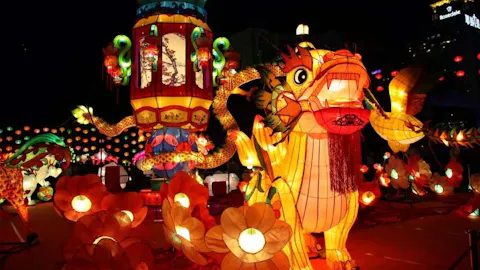
The Mid-Autumn Festival in Vietnam, known as Tet Trung Thu, is a colorful celebration of family, children, lanterns, mooncakes, and lion dances. Held on the 15th day of the eighth lunar month, the festival brings streets and neighborhoods to life with traditional performances and festive activities. Discover the history and customs of Trung Thu, learn about Vietnamese mooncakes and lanterns, and find the best places to experience the festival in Hanoi, Hoi An, and Ho Chi Minh City as a traveler.