
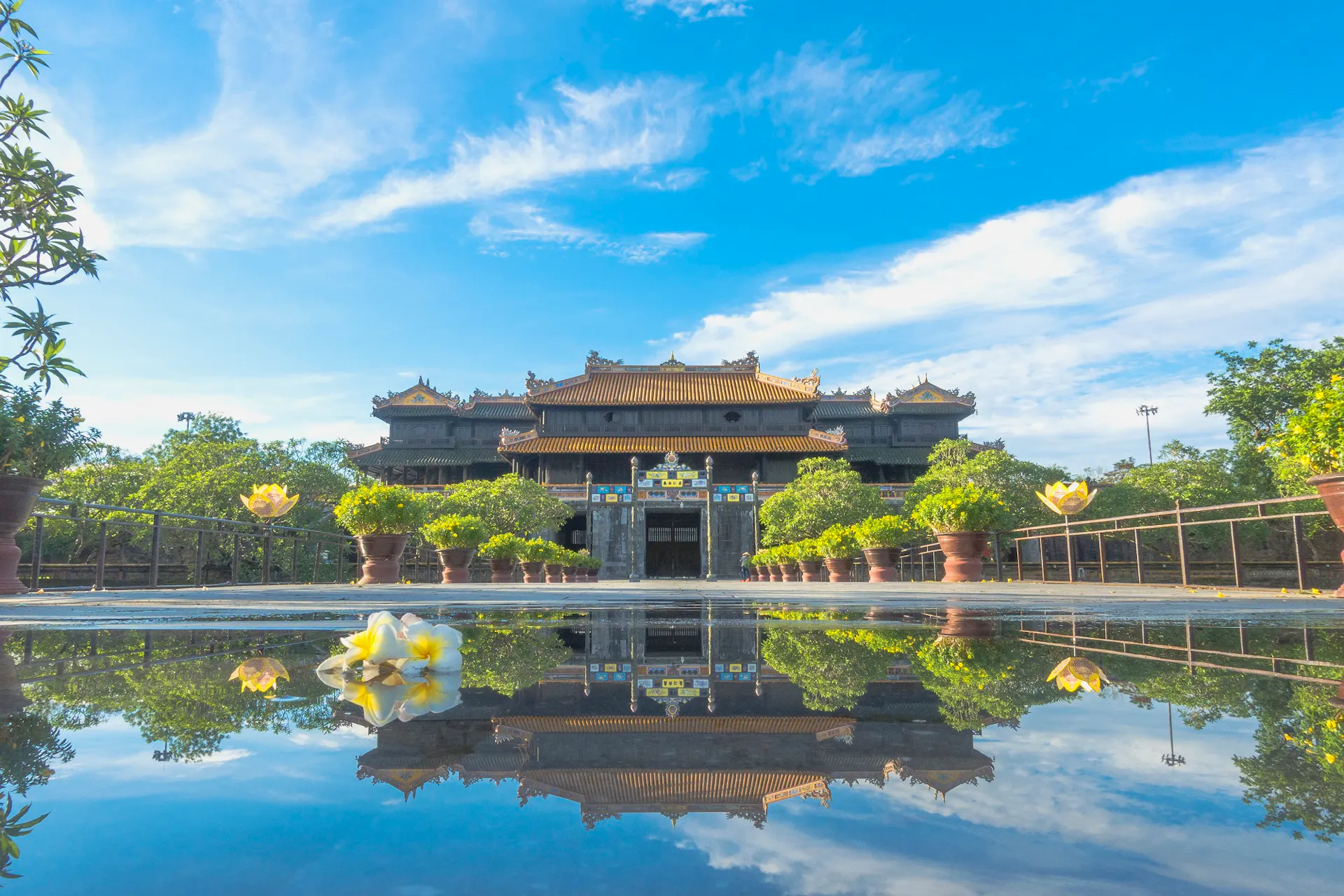
Complex of Hue Monuments
The Complex of Hue Monuments is one of Vietnam's most important historical and cultural treasures. Recognized as a UNESCO World Heritage Site in 1993, it preserves the magnificent legacy of the Nguyen Dynasty through imperial palaces, ancient temples, royal tombs, and the iconic Hue Citadel. Located along the scenic Perfume River, the complex offers visitors a fascinating journey into Vietnam's imperial past, blending remarkable architecture, royal traditions, and centuries of cultural heritage in the heart of central Vietnam.
About the Complex of Hue Monuments
The Complex of Hue Monuments is one of the most important historical and cultural attractions in Vietnam, offering visitors a remarkable look at the country's imperial past. Located in Hue, the former imperial capital of Vietnam, the complex includes citadels, royal palaces, temples, tombs, pagodas, and gardens built primarily during the Nguyen Dynasty.
Set along the peaceful Perfume River, Hue combines royal architecture with lush landscapes and traditional Vietnamese culture. The complex was recognized as a UNESCO World Heritage Site in 1993, making it one of Vietnam's most significant heritage destinations.
What Is the Complex of Hue Monuments?
The Complex of Hue Monuments is a collection of historic structures associated with the Nguyen Dynasty, Vietnam's last imperial dynasty, which ruled from 1802 to 1945.
The complex includes the Imperial City, Forbidden Purple City, royal tombs, temples, fortifications, and other important buildings throughout Hue and its surrounding countryside.
Together, these monuments demonstrate the political, religious, architectural, and cultural importance of Hue during Vietnam's imperial period.
Hue Imperial City
The Hue Imperial City is the centerpiece of the complex.
Located inside the larger Hue Citadel, the Imperial City contains monumental gates, courtyards, temples, halls, gardens, and former royal buildings.
The complex was designed according to principles influenced by traditional Vietnamese architecture and East Asian imperial planning.
Visitors can spend several hours walking through the gates and courtyards while learning about the Nguyen emperors and royal life.
Ngo Mon Gate
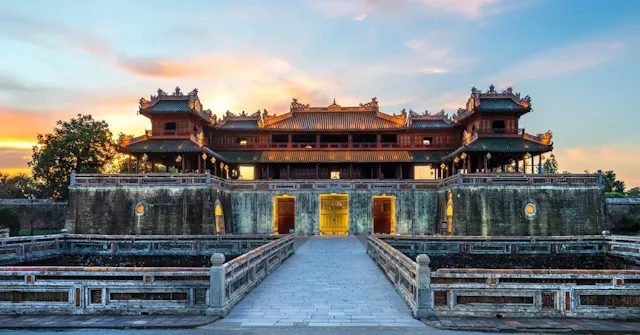
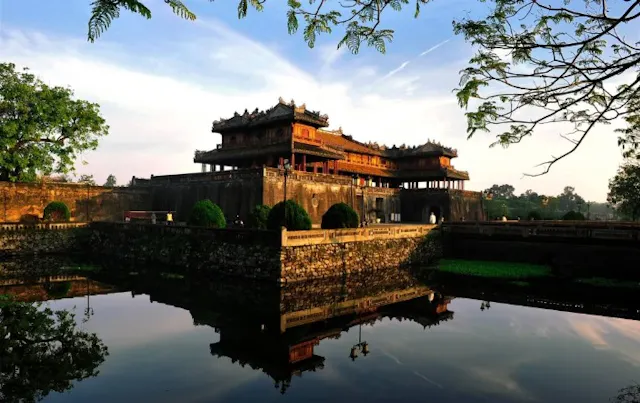
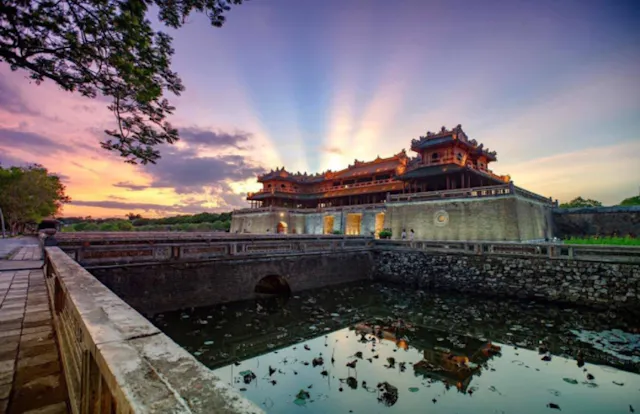
Ngo Mon Gate is one of the most recognizable landmarks in Hue.
The imposing structure served as the principal entrance to the Imperial City and was used for important royal ceremonies.
Its large central entrance and distinctive upper pavilion create one of the most iconic views within the complex.
Thai Hoa Palace
Thai Hoa Palace was one of the most important ceremonial buildings in the Imperial City.
The palace was used for major royal events, including coronations, diplomatic ceremonies, and official celebrations.
Its wooden architecture, decorative details, and imperial throne provide insight into the ceremonial traditions of the Nguyen court.
Royal Tombs
Several royal tombs are located along the Perfume River and in the countryside surrounding Hue.
Among the most famous are the tombs of Emperor Tu Duc, Emperor Khai Dinh, and Emperor Minh Mang.
Each tomb has its own architectural style and reflects the personality and preferences of the emperor who commissioned it.
Tu Duc Tomb
Tu Duc Tomb is surrounded by gardens, lakes, pavilions, and wooded landscapes.
The complex reflects Emperor Tu Duc's appreciation for poetry, nature, and peaceful surroundings.
Its combination of architecture and landscape makes it one of the most atmospheric royal tombs in Hue.
Khai Dinh Tomb
Khai Dinh Tomb is very different from the other imperial tombs.
Built on a hillside, it combines traditional Vietnamese design with European and other international influences.
The interior is particularly impressive, featuring intricate ceramic and glass mosaics, elaborate decorations, and a richly decorated ceiling.
Minh Mang Tomb
Minh Mang Tomb is known for its carefully planned architecture and harmonious relationship with the surrounding natural landscape.
The complex includes courtyards, lakes, temples, gates, and pavilions arranged along a central axis.
Its balanced design reflects traditional imperial principles and makes it one of the most visually impressive tomb complexes in Hue.
Thien Mu Pagoda
Thien Mu Pagoda stands beside the Perfume River and is one of Hue's most famous religious landmarks.
The pagoda is particularly recognizable for its seven-story Phuoc Duyen Tower.
Although it is not located inside the Imperial City itself, Thien Mu Pagoda is closely associated with Hue's cultural landscape and is commonly included when exploring the city's heritage attractions.
Perfume River
The Perfume River is an important part of Hue's identity.
The river flows through the city and connects many of its historic landmarks and royal landscapes.
Visitors can take boat trips along the river, particularly around sunset, providing a peaceful way to see Hue's temples, gardens, and surrounding countryside.
Architecture and Culture
The architecture of the Hue monuments reflects a combination of Vietnamese traditions, Confucian principles, feng shui, imperial planning, and influences from other East Asian architectural traditions.
Decorative elements often include dragons, phoenixes, clouds, flowers, and traditional Vietnamese motifs.
The relationship between buildings, water, gardens, and mountains is also an important characteristic of Hue's imperial landscape.
Best Time to Visit Hue
February to April and May to July can be good periods for exploring Hue, depending on weather conditions.
The cooler months are generally comfortable for walking through the Imperial City and visiting the royal tombs.
Hue experiences a rainy season, particularly toward the end of the year, so travelers should check the forecast before planning extensive outdoor sightseeing.
How to Explore the Complex
The main Imperial City is easily explored on foot.
Royal tombs and attractions outside the city center are spread across a wider area, so visitors can use taxis, private cars, motorcycles, bicycles, or organized tours.
A boat trip along the Perfume River can also be combined with visits to Thien Mu Pagoda and nearby historical sites.
Why Visit the Complex of Hue Monuments?
The Complex of Hue Monuments provides one of the best opportunities to explore Vietnam's imperial history, royal architecture, religious traditions, and cultural heritage.
From the grand gates of the Imperial City to the peaceful gardens of Tu Duc's Tomb and the ornate mosaics of Khai Dinh's Tomb, each site offers a different perspective on the Nguyen Dynasty.
For travelers interested in history and culture, visiting Hue's monuments is an essential experience in Central Vietnam and an opportunity to discover the legacy of Vietnam's last imperial capital.
Complex of Hue Monuments Photo Gallery
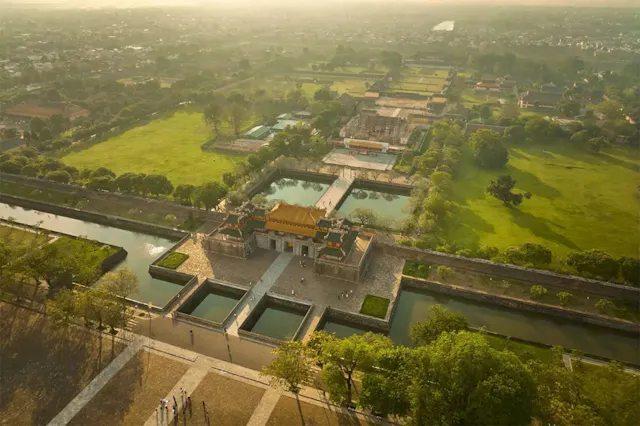
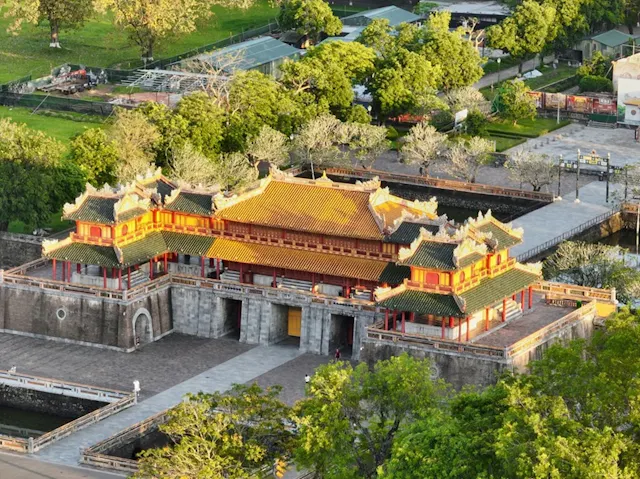
Explore a stunning collection of images showcasing the Complex of Hue Monuments, Vietnam's former imperial capital and a UNESCO World Heritage Site. Discover the majestic Hue Imperial City, ancient citadel walls, royal palaces, the Forbidden Purple City, ornate gates, traditional temples, and the iconic royal tombs along the Perfume River that reflect the grandeur of the Nguyen Dynasty.
How to Get to and Around the Complex of Hue Monuments
Bus and coach
Long-distance buses and tourist coaches connect Hue with major cities such as Da Nang, Hoi An, and Hanoi. Many services stop at Hue’s central bus stations, from where visitors can easily reach the Imperial City and surrounding monuments by taxi or local transport.
Train
Hue Railway Station is one of the most scenic stops on Vietnam’s North–South railway line. From the station, the Complex of Hue Monuments is only about 10–15 minutes away by taxi, motorbike taxi, or bus, making rail travel a convenient and popular option.
Driving
Driving to Hue is a popular choice, especially via the Hai Van Pass from Da Nang, which offers spectacular coastal and mountain views. Well-maintained highways also connect Hue with other provinces, and parking is available near major heritage sites.
Flying
Phu Bai International Airport (Hue Airport) is the nearest airport, located about 15–20 minutes from the city center. From the airport, visitors can easily reach the Complex of Hue Monuments by taxi, shuttle service, or private transfer.
Frequently Asked Questions About the Complex of Hue Monuments
Why is the Complex of Hue Monuments famous?
The Complex of Hue Monuments is famous as Vietnam's former imperial capital and a UNESCO World Heritage Site. It represents the cultural, historical, and architectural legacy of the Nguyen Dynasty, which ruled Vietnam from 1802 to 1945.
What are the main attractions in the Complex of Hue Monuments?
Key attractions include the Hue Imperial City, the Forbidden Purple City, the Royal Citadel, and famous royal tombs such as those of Emperor Minh Mang, Tu Duc, and Khai Dinh, along with temples and pagodas along the Perfume River.
Why is Hue Imperial City important?
Hue Imperial City was the political, cultural, and administrative center of the Nguyen Dynasty. It reflects Vietnam's imperial history, Confucian governance system, and traditional royal architecture influenced by feng shui principles.
How much time should I spend visiting Hue Monuments?
Most visitors spend one to two days exploring the Complex of Hue Monuments. This allows enough time to visit the Imperial City, several royal tombs, pagodas, and other historical sites along the Perfume River.
Is the Complex of Hue Monuments worth visiting?
Yes, it is one of Vietnam's most important cultural destinations. Visitors can experience imperial history, unique architecture, peaceful landscapes, and a deep understanding of the Nguyen Dynasty's legacy.
Advertising box
Explore More UNESCO World Heritage Sites
Continue your journey through Vietnam's remarkable UNESCO World Heritage Sites. Discover ancient cities, breathtaking natural wonders, archaeological treasures, and cultural landmarks that showcase the country's rich history, diverse traditions, and extraordinary landscapes. Each destination offers a unique perspective on Vietnam's heritage and is well worth adding to your travel itinerary.
Ha Long Bay
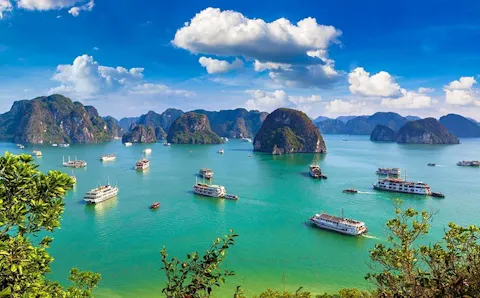
Ha Long Bay is one of Vietnam's most iconic destinations and a UNESCO World Heritage Site celebrated for its thousands of limestone islands rising dramatically from emerald waters. Visitors can enjoy unforgettable cruises, kayaking adventures, hidden caves, floating fishing villages, beautiful beaches, and spectacular sunsets. Beyond its natural beauty, the bay also offers fresh seafood, luxury cruises, and authentic cultural experiences. This Ha Long Bay Travel Guide provides everything you need to plan an unforgettable journey through one of the world's most remarkable seascapes.
My Son Sanctuary
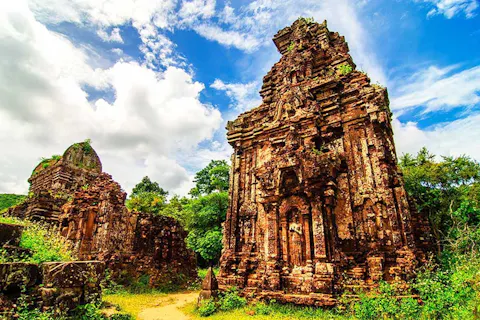
Discover My Son Sanctuary, one of Southeast Asia's most important archaeological sites and a UNESCO World Heritage Site. Explore ancient Cham temples, Hindu influences, centuries of history, and the remarkable cultural legacy of the Champa Kingdom in central Vietnam.
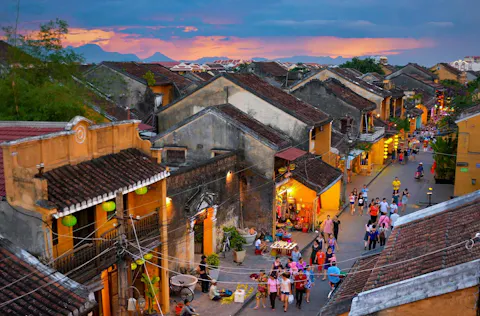
Hoi An Ancient Town
Discover Hoi An Ancient Town, one of Vietnam's most charming UNESCO World Heritage Sites. Wander through lantern-lined streets, explore centuries-old architecture, experience rich cultural traditions, and uncover the history of one of Southeast Asia's most important trading ports.
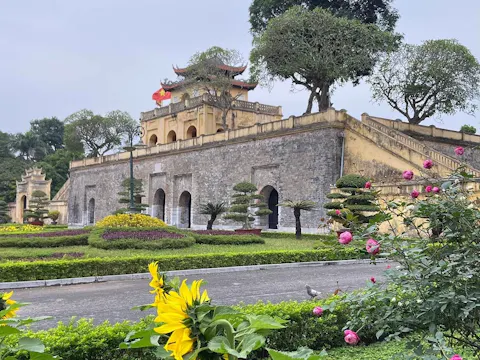
Imperial Citadel of Thang Long
The Imperial Citadel of Thang Long is one of Vietnam's most significant historical landmarks and a UNESCO World Heritage Site located in the heart of Ha Noi. Once the political center of successive Vietnamese dynasties for over thirteen centuries, the citadel preserves ancient palaces, archaeological remains, ceremonial gates, and royal architecture. Visitors can explore centuries of Vietnamese history while discovering remarkable cultural treasures that reflect the country's royal heritage. This guide covers everything you need to know before visiting the Imperial Citadel of Thang Long.
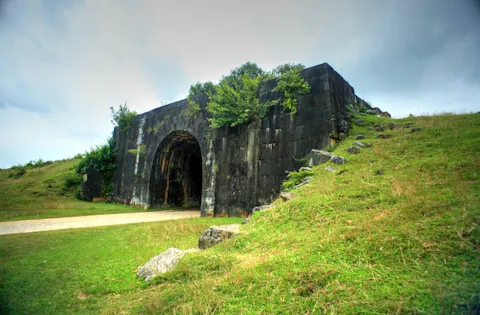
The Citadel of the Hồ Dynasty
Discover the Citadel of the Hồ Dynasty, one of Vietnam’s most remarkable UNESCO World Heritage Sites. Built in the late 14th century, this extraordinary stone fortress showcases innovative engineering, unique architecture, and the historical legacy of the short-lived but influential Hồ Dynasty.
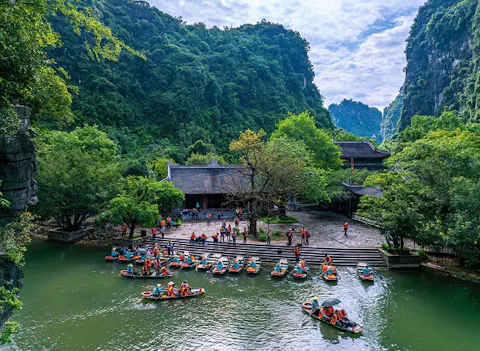
Trang An Scenic Landscape Complex
Trang An Scenic Landscape Complex is one of Vietnam’s most spectacular destinations, featuring dramatic limestone mountains, peaceful rivers, mysterious caves, and cultural landmarks surrounded by the natural beauty of Ninh Binh.
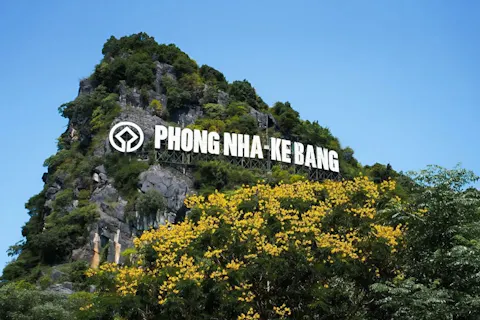
Phong Nha - Ke Bang National Park
Phong Nha - Ke Bang National Park is one of Vietnam’s most spectacular natural destinations, featuring ancient limestone mountains, world-famous caves, underground rivers, and unforgettable adventure experiences in a UNESCO World Heritage landscape.