
Lao Cai Travel Guide
Lao Cai is one of Northern Vietnam’s most iconic mountain destinations, famous for the charming town of Sapa, majestic Fansipan Peak, and breathtaking terraced rice fields. Located near the border with China, the province offers stunning natural landscapes, cool mountain weather, and rich cultural experiences with diverse ethnic communities. Visitors can explore villages, trek through valleys, discover local traditions, and enjoy spectacular scenery. With its unique combination of nature, adventure, and culture, Lao Cai is a must-visit destination in Vietnam.
About Lao Cai
Lao Cai is a spectacular destination in Northwestern Vietnam, known for towering mountains, terraced rice fields, ethnic minority cultures, traditional villages, and the famous mountain town of Sapa. Located along Vietnam's northern border with China, the province offers some of the country's most dramatic landscapes and provides travelers with opportunities for trekking, cultural experiences, mountain adventures, and scenic road trips.
Following Vietnam's 2025 administrative reorganization, Lao Cai expanded to include the former Yen Bai province. This created a larger destination combining the high mountains and international border areas of Lao Cai with the rice terraces, valleys, forests, and cultural communities of Yen Bai.
What Is Lao Cai Known For?
Lao Cai is best known for Sapa, Fansipan, Muong Hoa Valley, terraced rice fields, ethnic minority villages, and mountain landscapes.
The province is home to some of Vietnam's highest peaks and most famous trekking routes. Its combination of dramatic scenery and diverse ethnic cultures makes it one of the country's most popular destinations for travelers seeking mountain experiences.
Sapa
Sapa is the most famous destination in Lao Cai.
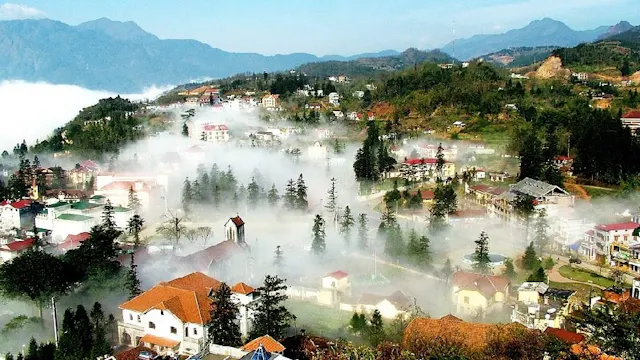
Located at high elevation beneath the Hoang Lien Son mountains, the town is surrounded by valleys, rice terraces, waterfalls, and traditional villages.
Sapa provides a convenient base for trekking and cultural exploration. Visitors can explore local markets, cafés, viewpoints, and nearby villages while enjoying the cooler mountain climate.
Fansipan
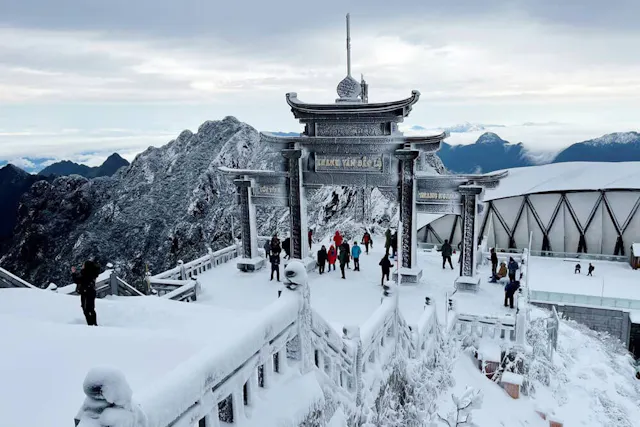
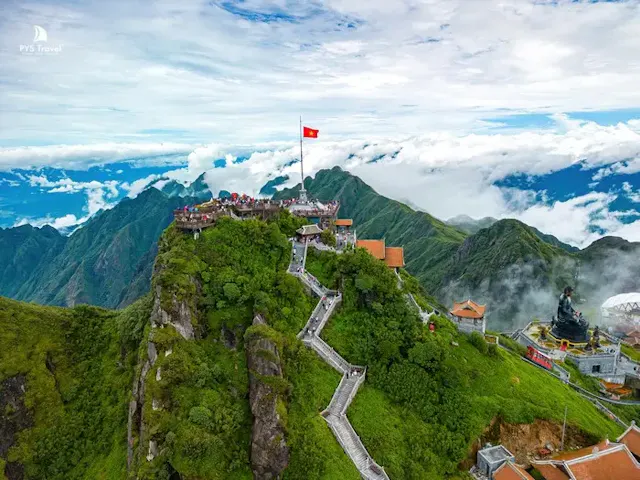
Fansipan is the highest mountain in Vietnam and is often called the "Roof of Indochina."
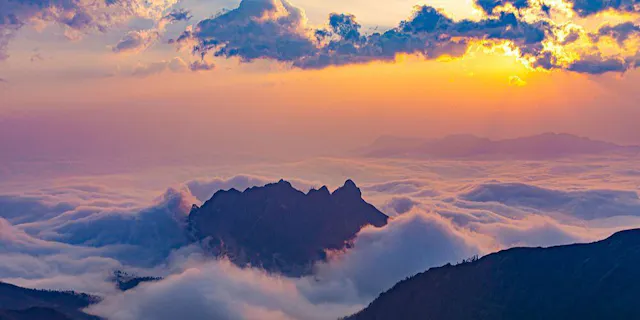
The summit rises to more than 3,000 meters above sea level and offers spectacular views over the surrounding Hoang Lien Son range.
Travelers can reach the summit by cable car or undertake a multi-day trek with experienced guides. Weather at the summit can change quickly, so visitors should prepare for cold, wind, and clouds.
Muong Hoa Valley
Muong Hoa Valley is one of the most scenic areas around Sapa.
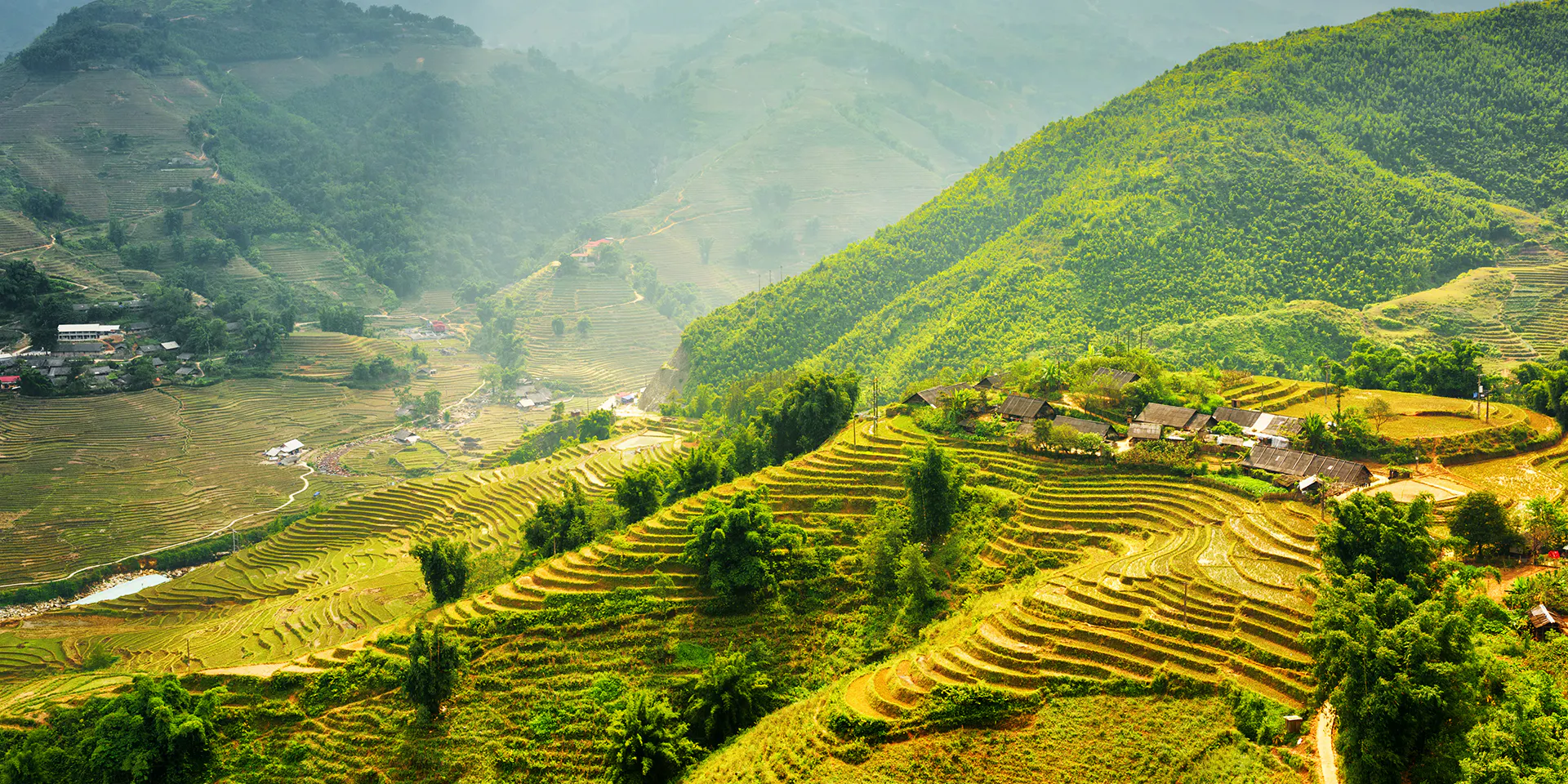
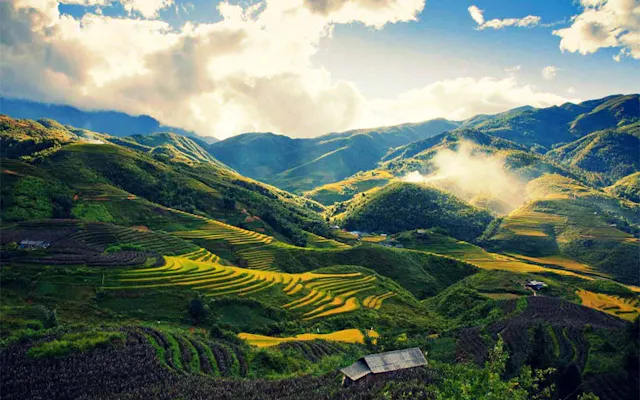
The valley is covered with rice terraces, streams, villages, and mountain slopes. During the growing season, the terraces become vibrant green, while harvest season transforms them into shades of golden yellow.
Trekking through Muong Hoa provides opportunities to experience both spectacular landscapes and everyday life in local communities.
Rice Terraces
Lao Cai is famous for its terraced rice fields.
Mountain communities have shaped steep slopes into terraces over generations, creating landscapes that are both agricultural systems and cultural landmarks.
The terraces are particularly impressive around Sapa and nearby villages, although the best appearance varies according to the agricultural calendar.
Ethnic Minority Culture
Lao Cai is home to diverse ethnic communities, including the H'Mong, Dao, Tay, Giay, and Ha Nhi.
Traditional clothing, languages, architecture, festivals, farming practices, and handicrafts differ between communities.
Travelers can visit villages, stay in homestays, meet local artisans, and learn about traditional lifestyles. Responsible tourism helps ensure that these experiences benefit local communities while respecting their customs.
Bac Ha
Bac Ha is another important cultural destination in Lao Cai.
The area is famous for its colorful weekend market, where ethnic minority communities gather to trade livestock, agricultural products, handicrafts, clothing, and food.
The market is particularly interesting for travelers who want to experience the diversity of northern Vietnam's mountain cultures.
Ha Khau Border Gate
Lao Cai City is located near the border with China and is home to the Lao Cai International Border Gate.
The border area has historically played an important role in trade and transportation between Vietnam and China.
Travelers can explore the city, visit local markets, and experience the atmosphere of a major border trading center.
Expanded Yen Bai Region
The inclusion of former Yen Bai adds several important natural and cultural attractions to Lao Cai.
The region is famous for Mu Cang Chai, where dramatic rice terraces cover the mountain slopes.
Mu Cang Chai is particularly popular with photographers and travelers during the rice-growing and harvest seasons.
The expanded province also includes additional mountain communities, forests, hot springs, and scenic valleys.
Local Food
Lao Cai's cuisine reflects the ingredients and traditions of the northern mountains.
Sticky rice, grilled meats, freshwater fish, bamboo shoots, herbs, mushrooms, vegetables, and locally produced spices are common.
Visitors can enjoy regional dishes at mountain markets, homestays, local restaurants, and traditional food stalls.
Best Time to Visit Lao Cai
The best time to visit depends on the experience you want.
September and October are particularly popular for viewing golden rice terraces during harvest season.
Spring can be attractive for flowers and cultural festivals, while autumn generally offers comfortable conditions for trekking.
Winter can be cold and misty in Sapa and the high mountains, but this atmosphere can also create a distinctive experience.
How to Get to Lao Cai
Lao Cai is connected to Hanoi by road and railway.
Travelers can take an overnight or daytime train to Lao Cai City and continue by road to Sapa or other mountain destinations.
Buses and private cars are also convenient, while motorcycles are popular among experienced travelers exploring the mountain roads.
Why Visit Lao Cai?
Lao Cai offers an extraordinary combination of mountains, rice terraces, trekking, ethnic cultures, and rural landscapes.
Visitors can explore Sapa, reach the summit of Fansipan, trek through Muong Hoa Valley, discover Bac Ha Market, and admire the spectacular terraces of Mu Cang Chai.
With the addition of former Yen Bai, the province now offers an even broader range of highland landscapes and cultural experiences. For travelers seeking dramatic scenery and meaningful encounters with Vietnam's mountain communities, Lao Cai is one of the country's most rewarding destinations.
Lao Cai in Frames – Majestic Mountains, Culture & Highland Beauty
Explore the breathtaking beauty of Lao Cai through a collection of images showcasing its dramatic mountain landscapes, terraced rice fields, misty valleys, and vibrant ethnic cultures. From the iconic peaks of Fansipan and the charming scenery of Sapa to traditional villages and local markets, the gallery captures the authentic spirit, natural wonders, and timeless charm of this mountain destination in Northern Vietnam.
How To Get There Lao Cai
Bus and coach
Bus and limousine coach services are the most popular ways to reach Lao Cai, especially from Hanoi.
Daily sleeper buses and luxury limousine vans operate routes to Lao Cai City and Sapa, offering a convenient option for travelers.
Typical travel times:
- 5–6 hours from Hanoi
- 5–6 hours from Ha Giang
- 7–8 hours from Dien Bien
This option is comfortable, affordable, and suitable for travelers heading directly to Sapa.
Train
Train travel is one of the classic ways to reach Lao Cai. The Hanoi–Lao Cai railway route offers overnight trains with comfortable sleeping cabins.
The train arrives at Lao Cai Railway Station, from where travelers can continue to Sapa by bus, taxi, or private transfer.
Travel time:
- Around 8 hours from Hanoi
This route offers a scenic journey through Northern Vietnam’s countryside.
Driving
Driving to Lao Cai provides flexibility for travelers who want to explore mountain roads and remote areas.
Private cars and motorbikes can reach Lao Cai via modern highways from Hanoi.
Estimated travel times:
- 5–6 hours from Hanoi
- 5–6 hours from Ha Giang
- 7–8 hours from Dien Bien
A private vehicle is ideal for visiting destinations beyond Sapa, including Y Ty, Bac Ha, and ethnic villages.
Flying
Lao Cai does not have its own airport.
The nearest major airport is:
Noi Bai International Airport (Hanoi) – about 280–300 km from Lao Cai
From the airport, travelers can continue by:
- Limousine bus
- Private car
- Train via Hanoi
The total journey usually takes around 5–7 hours depending on transportation.
Frequently Asked Questions About Lao Cai
Where is Lao Cai located?
Lao Cai is located in the northwestern mountainous region of Vietnam, bordering China. The province is famous for its dramatic mountain landscapes, ethnic cultures, and iconic destinations such as Sapa and Fansipan Peak.
What are the best things to do in Lao Cai?
Visitors can explore Sapa, climb Fansipan Mountain, trek through Muong Hoa Valley, discover terraced rice fields, visit ethnic villages, experience local markets, and enjoy the unique culture of mountain communities.
What is the best time to visit Lao Cai?
The best time to visit Lao Cai is from September to November and March to May when the weather is cool and comfortable. September and October are especially beautiful for viewing golden rice terraces in Sapa.
How can I travel to Lao Cai?
Travelers can reach Lao Cai by overnight train, limousine bus, coach, or private car from Hanoi. The journey usually takes around 5–8 hours depending on the transport option. Visitors can also fly to Hanoi and continue by road.
How many days should I spend in Lao Cai?
A 3–4 day trip is recommended to explore Lao Cai’s main highlights, including Sapa, Fansipan, valleys, and ethnic villages. Longer stays are ideal for trekking, photography, and discovering more remote mountain areas.
Advertising box
Nearby Destinations to Explore from Lao Cai
Explore the spectacular mountains of Northwest Vietnam by discovering the destinations surrounding Lao Cai. Visit the breathtaking valleys and ethnic minority villages of Sa Pa, journey through the scenic mountain passes of Lai Chau, explore the lush tea hills and plateaus of Son La, or experience the historic charm of Dien Bien. Travelers can also head south to Phu Tho or Ha Noi for cultural landmarks and vibrant city life. From terraced rice fields and cloud-covered peaks to colorful local markets, trekking adventures, and authentic highland cuisine, these nearby destinations offer unforgettable experiences that perfectly complement your Lao Cai travel itinerary.
Lai Chau Travel Guide
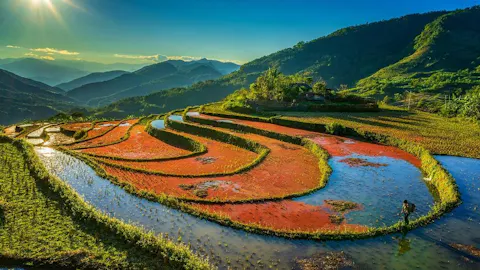
Lai Chau is a remote and stunning mountain province in Northwestern Vietnam, famous for its dramatic landscapes, high mountain passes, and rich ethnic diversity. Located near the border with China and Laos, the region offers untouched natural beauty, including Sin Ho Plateau and rugged trekking routes. Visitors can explore traditional villages, experience unique cultures, and enjoy breathtaking views of Vietnam’s highest mountains. With its raw wilderness and authentic charm, Lai Chau is a perfect destination for adventure seekers and nature lovers.
Dien Bien Travel Guide
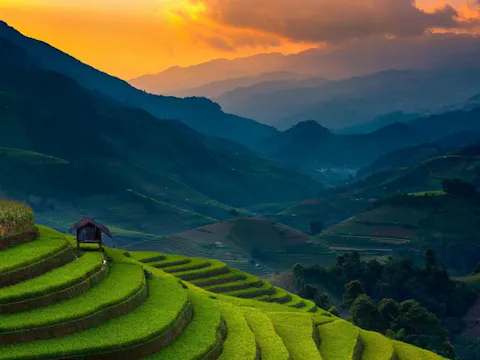
Dien Bien is a historically significant and scenic province in Northwestern Vietnam, best known for the famous Dien Bien Phu battlefield that marked a turning point in world history. Surrounded by majestic mountains and valleys, the region also offers rich ethnic cultures, peaceful rural landscapes, and authentic local experiences. Visitors can explore historical monuments, museums, and natural attractions while learning about Vietnam’s past. With its powerful history and stunning scenery, Dien Bien is a must-visit destination for culture and history lovers.
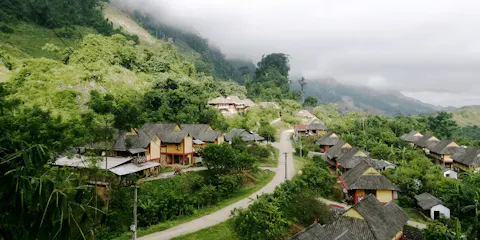
Son La Travel Guide
Son La is a scenic mountain destination in Northwestern Vietnam, famous for its breathtaking landscapes, cool climate, and diverse ethnic cultures. The province is home to the beautiful Moc Chau Plateau, known for tea hills, flower fields, waterfalls, and peaceful countryside views. Visitors can explore traditional villages, experience local festivals, discover historical sites, and enjoy unique regional cuisine. With its natural beauty and authentic cultural experiences, Son La is an ideal destination for travelers seeking adventure and tranquility in Northern Vietnam.
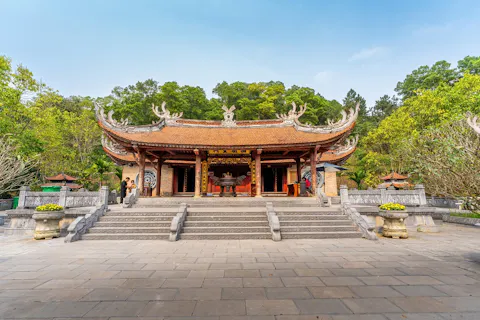
Phu Tho Travel Guide
Phu Tho is a culturally significant destination in Northern Vietnam, known as the ancestral land of the Vietnamese people and home to the Hung Kings Temple. Located near Hanoi, the province offers a rich blend of history, traditional festivals, peaceful landscapes, and local culture. Visitors can explore historic landmarks, experience unique customs, and discover scenic rivers and countryside areas. With its deep cultural roots and authentic experiences, Phu Tho is an ideal destination for travelers seeking Vietnam’s heritage and traditions.