
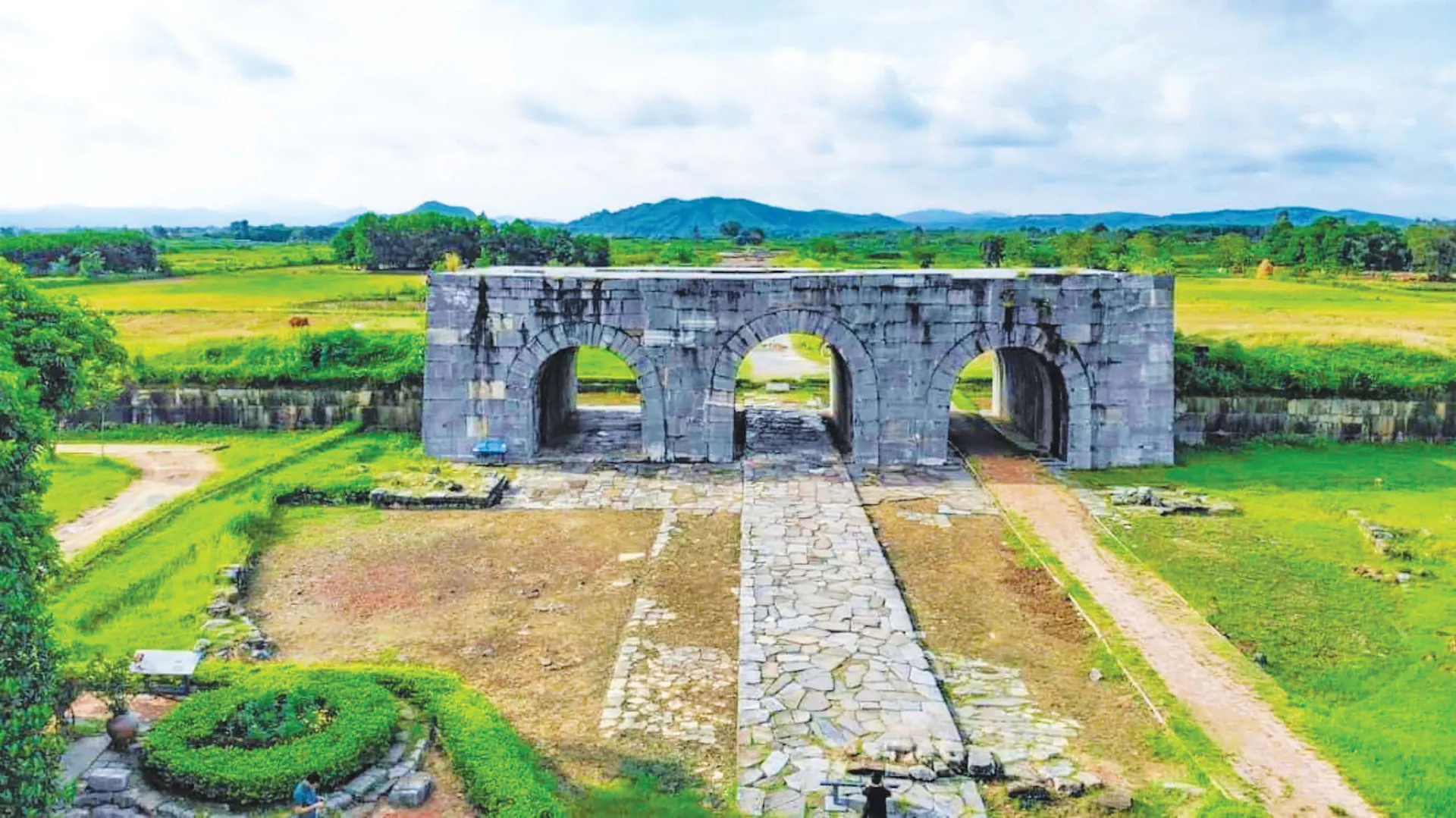
The Citadel of the Hồ Dynasty
The Citadel of the Hồ Dynasty is one of Vietnam's most extraordinary historical landmarks and a UNESCO World Heritage Site recognized in 2011. Built in 1397 using massive limestone blocks, this remarkable fortress reflects exceptional engineering, strategic planning, and the political vision of the short-lived Hồ Dynasty. Located in Thanh Hoa Province, the citadel offers visitors a fascinating glimpse into Vietnam's medieval history while showcasing one of Southeast Asia's finest examples of monumental stone architecture.
About the Citadel of the Hồ Dynasty
The Citadel of the Ho Dynasty is one of Vietnam's most remarkable medieval historical sites, known for its enormous stone walls, sophisticated construction, and connection to the short-lived Ho Dynasty. Located in Thanh Hoa Province in northern Central Vietnam, the citadel offers travelers a fascinating glimpse into Vietnam's political and architectural history at the beginning of the 15th century.
Built in 1397, the citadel was constructed primarily from massive limestone blocks fitted together without conventional mortar. Its scale, engineering techniques, and historical importance have earned it recognition as a UNESCO World Heritage Site, making it one of the country's most significant medieval monuments.
What Is the Citadel of the Ho Dynasty?
The Citadel of the Ho Dynasty, known in Vietnamese as Thanh Nha Ho, was built under the rule of Ho Quy Ly, who established the Ho Dynasty in 1400.
The complex served as the political center of the dynasty and was originally known as Tay Do, meaning "Western Capital."
Its location was carefully selected according to principles of traditional Vietnamese geomancy, with surrounding mountains and waterways contributing to the defensive and symbolic character of the capital.
UNESCO World Heritage Site
The Citadel of the Ho Dynasty was inscribed on the UNESCO World Heritage List in 2011.
UNESCO recognizes the site for its outstanding examples of large-scale stone architecture and the evidence it provides about the political and cultural development of Vietnam during the late 14th and early 15th centuries.
The citadel also demonstrates the influence of East Asian architectural traditions and Vietnamese construction techniques.
Massive Stone Walls
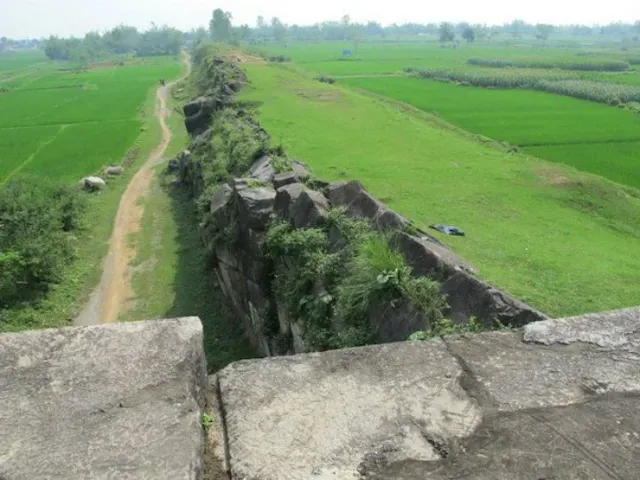
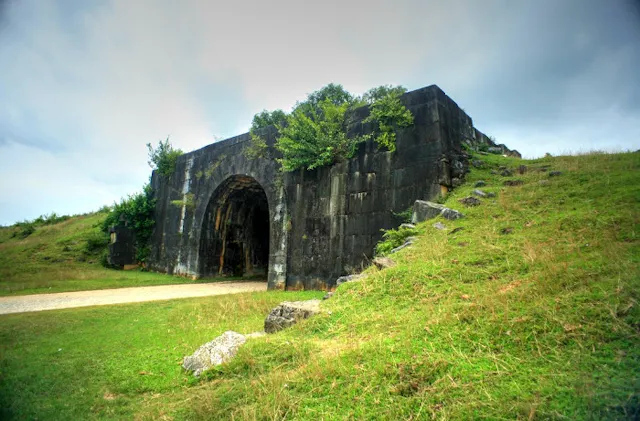
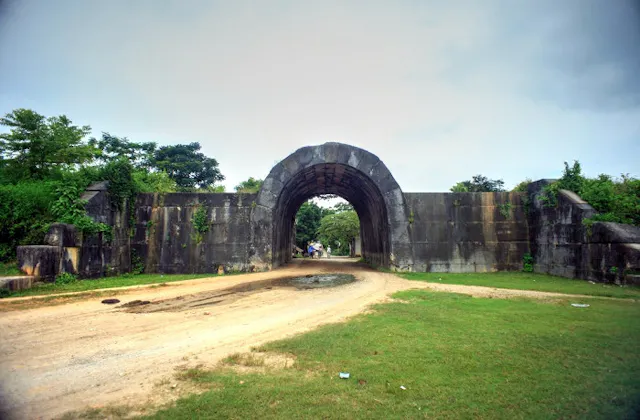
The most impressive feature of the citadel is its enormous limestone walls.
Some stone blocks are several meters long and weigh many tons, yet they were transported and positioned with remarkable precision.
The walls were constructed using carefully cut stones that fit together tightly, demonstrating the advanced engineering capabilities of the period.
Even after centuries of weathering, significant sections of the walls remain visible today.
Four Main Gates
The citadel originally had four principal gates corresponding to the cardinal directions.
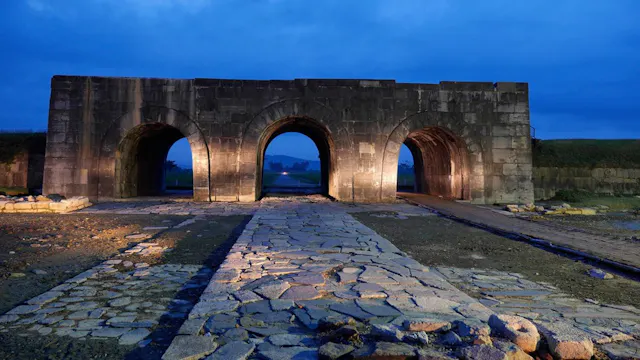
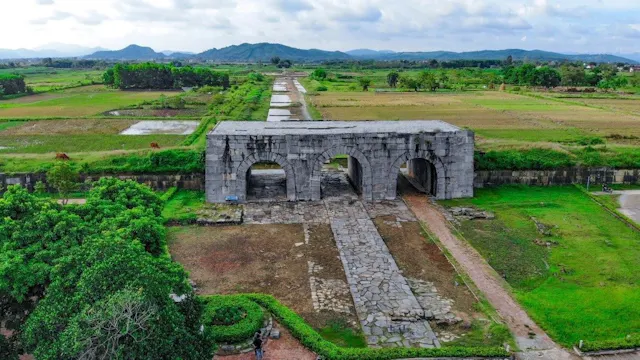
The South Gate is the best-preserved and most impressive of the four.
It features multiple monumental stone entrances and demonstrates the scale of the former imperial complex.
Walking through the surviving gate provides a strong sense of how imposing the capital would have appeared to visitors and residents more than six centuries ago.
Ho Quy Ly and the Ho Dynasty
Ho Quy Ly was one of the most controversial political figures in Vietnamese history.
Before becoming emperor, he was a powerful official during the declining Tran Dynasty. In 1400, he established the Ho Dynasty and introduced a series of political, economic, and military reforms.
He also moved the capital from Thang Long, modern Hanoi, to Tay Do, where the stone citadel had been constructed.
The Ho Dynasty lasted only a few years before Vietnam was invaded by Ming forces in 1407.
Architectural Innovation
The construction of the citadel represents an important period of architectural development in Vietnam.
Using enormous stone blocks instead of relying primarily on brick demonstrates an ambitious approach to monumental construction.
The walls, gates, foundations, and surrounding landscape were carefully integrated into a planned capital.
The engineering achievement is particularly impressive considering the limited technology available during the medieval period.
The Surrounding Landscape
The citadel stands in a rural landscape surrounded by mountains, rice fields, villages, and agricultural land.
The setting contributes to the experience of visiting the site because the ruins are not surrounded by dense modern development.
Travelers can combine a visit to the citadel with a drive through the countryside of Thanh Hoa, providing an opportunity to see traditional villages and agricultural landscapes.
Archaeological Discoveries
Archaeological research around the citadel has uncovered foundations, architectural fragments, ceramics, bricks, coins, and other artifacts.
These discoveries have helped researchers understand the layout and daily life of the former capital.
Many artifacts also provide evidence of trade, craftsmanship, and cultural connections during the period.
What Can Visitors See?
Visitors can explore the surviving stone walls, monumental South Gate, archaeological areas, and surrounding countryside.
Interpretive displays and local museums provide additional information about the Ho Dynasty and the construction of the citadel.
The site is relatively open and spacious, allowing visitors to appreciate the scale of the original capital.
Best Time to Visit
The cooler and drier months from November to April can be comfortable for exploring the site.
Spring can also provide pleasant conditions for walking through the surrounding countryside.
During the hotter summer months, visitors should plan outdoor sightseeing for the morning or late afternoon and bring water, sun protection, and comfortable footwear.
How to Get to the Citadel
The Citadel of the Ho Dynasty is located in Vinh Loc District, Thanh Hoa Province, approximately several hours by road from Hanoi.
Visitors can reach the site by private car, taxi, motorcycle, or organized tour.
The citadel can be included in a broader Thanh Hoa itinerary alongside destinations such as Sam Son Beach and other historical or natural attractions in the province.
Why Visit the Citadel of the Ho Dynasty?
The Citadel of the Ho Dynasty offers travelers a rare opportunity to explore medieval Vietnamese history and monumental stone architecture.
Its enormous limestone walls, carefully engineered gates, archaeological remains, and peaceful rural setting make it very different from Vietnam's better-known imperial sites.
For travelers interested in history, archaeology, architecture, and lesser-known destinations, the citadel provides a fascinating glimpse into a brief but transformative period in Vietnam's past.
The Citadel of the Hồ Dynasty Photo Gallery
Explore a remarkable collection of images showcasing the Citadel of the Hồ Dynasty, one of Vietnam's UNESCO World Heritage Sites. Discover the monumental stone walls, ancient gateways, historic fortifications, surrounding countryside, and architectural achievements that have made this 14th-century citadel one of Southeast Asia's most extraordinary engineering landmarks.
How to Get to and Around the Citadel of the Hồ Dynasty
Bus and coach
Regular buses and coaches operate between Hanoi, Thanh Hoa City, and nearby districts. From Thanh Hoa City, visitors can continue to the citadel by local bus, taxi, or private transfer. Many tour operators also offer day trips that include transportation.
Train
The nearest major railway station is Thanh Hoa Railway Station, located approximately 45 kilometers from the citadel. Visitors arriving by train can take a taxi, private car, or local transportation to reach the UNESCO site.
Driving
Driving is one of the most convenient ways to visit the Citadel of the Hồ Dynasty. The site is connected to Thanh Hoa City and Hanoi by well-maintained highways and provincial roads. The journey from Hanoi typically takes around 3 to 4 hours by car.
Flying
The nearest airport is Tho Xuan Airport in Thanh Hoa Province. From the airport, visitors can reach the citadel in approximately 45 to 60 minutes by taxi or private vehicle. Noi Bai International Airport in Hanoi is another option for international travelers.
Frequently Asked Questions About the Citadel of the Hồ Dynasty
What is the Citadel of the Hồ Dynasty famous for?
The Citadel of the Hồ Dynasty is famous for its massive stone architecture, remarkable engineering techniques, and historical importance as the capital of Vietnam during the Hồ Dynasty in the late 14th century. It is considered one of Southeast Asia's most impressive medieval fortresses.
Why is the Citadel of the Hồ Dynasty a UNESCO World Heritage Site?
UNESCO recognized the Citadel of the Hồ Dynasty in 2011 for its outstanding architectural value, innovative use of large stone blocks, and its significance as an exceptional example of East Asian urban planning and imperial architecture.
Who built the Citadel of the Hồ Dynasty?
The citadel was built in 1397 under the rule of Hồ Quý Ly, a reformist leader who later became the founder of the Hồ Dynasty. He relocated the capital to Tây Đô, now known as the Citadel of the Hồ Dynasty.
What can visitors see at the Citadel of the Hồ Dynasty?
Visitors can explore the monumental stone gates, defensive walls, archaeological remains, historical landscapes, and museum exhibits that help tell the story of the citadel and the Hồ Dynasty's brief but influential reign.
Is the Citadel of the Hồ Dynasty worth visiting?
Yes, the citadel is a fascinating destination for history enthusiasts, architecture lovers, and cultural travelers. Its unique stone construction, UNESCO status, and historical significance make it one of Vietnam's most remarkable heritage sites.
Advertising box
Explore More UNESCO World Heritage Sites
Continue your journey through Vietnam's remarkable UNESCO World Heritage Sites. Discover ancient cities, breathtaking natural wonders, archaeological treasures, and cultural landmarks that showcase the country's rich history, diverse traditions, and extraordinary landscapes. Each destination offers a unique perspective on Vietnam's heritage and is well worth adding to your travel itinerary.

Ha Long Bay
Ha Long Bay is one of Vietnam's most iconic destinations and a UNESCO World Heritage Site celebrated for its thousands of limestone islands rising dramatically from emerald waters. Visitors can enjoy unforgettable cruises, kayaking adventures, hidden caves, floating fishing villages, beautiful beaches, and spectacular sunsets. Beyond its natural beauty, the bay also offers fresh seafood, luxury cruises, and authentic cultural experiences. This Ha Long Bay Travel Guide provides everything you need to plan an unforgettable journey through one of the world's most remarkable seascapes.
Imperial Citadel of Thang Long
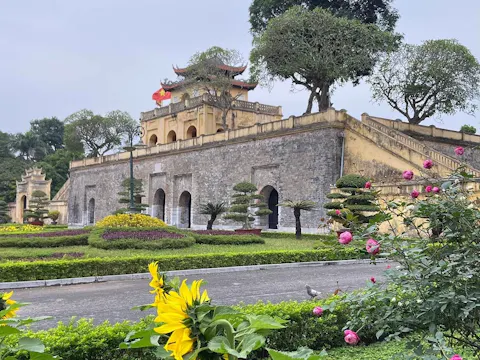
The Imperial Citadel of Thang Long is one of Vietnam's most significant historical landmarks and a UNESCO World Heritage Site located in the heart of Ha Noi. Once the political center of successive Vietnamese dynasties for over thirteen centuries, the citadel preserves ancient palaces, archaeological remains, ceremonial gates, and royal architecture. Visitors can explore centuries of Vietnamese history while discovering remarkable cultural treasures that reflect the country's royal heritage. This guide covers everything you need to know before visiting the Imperial Citadel of Thang Long.
Complex of Hue Monuments
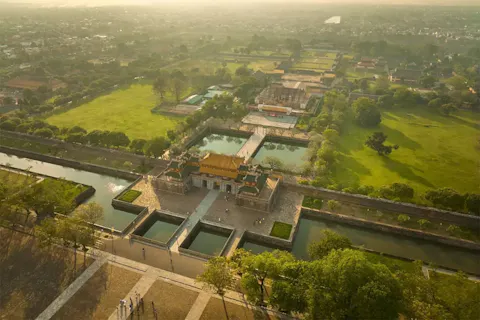
The Complex of Hue Monuments is one of Vietnam's most important historical and cultural treasures. Recognized as a UNESCO World Heritage Site in 1993, it preserves the magnificent legacy of the Nguyen Dynasty through imperial palaces, ancient temples, royal tombs, and the iconic Hue Citadel. Located along the scenic Perfume River, the complex offers visitors a fascinating journey into Vietnam's imperial past, blending remarkable architecture, royal traditions, and centuries of cultural heritage in the heart of central Vietnam.
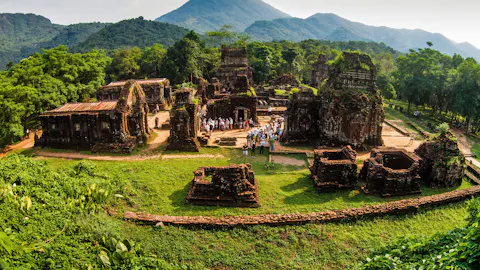
My Son Sanctuary
Nestled in a lush valley surrounded by mountains, My Son Sanctuary is one of Vietnam's most remarkable archaeological sites. Once the spiritual and political center of the Champa Kingdom, the sanctuary features centuries-old Hindu temple towers dedicated to the god Shiva. Recognized as a UNESCO World Heritage Site in 1999, My Son offers visitors an extraordinary opportunity to explore ancient architecture, fascinating history, and the enduring cultural legacy of one of Southeast Asia's greatest civilizations.
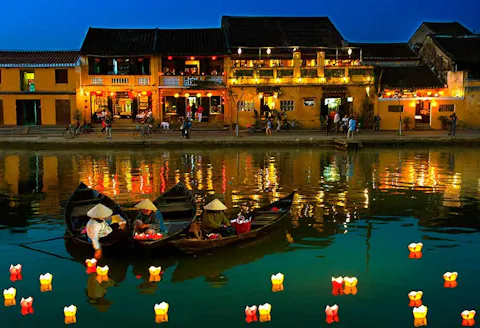
Hoi An Ancient Town
Hoi An Ancient Town is one of Vietnam's most enchanting destinations, where centuries of history blend seamlessly with vibrant local life. Once a thriving international trading port, the town is renowned for its beautifully preserved wooden houses, colorful lanterns, historic temples, riverside cafés, and lively markets. Recognized as a UNESCO World Heritage Site in 1999, Hoi An captivates visitors with its timeless atmosphere, rich multicultural heritage, outstanding cuisine, and unforgettable cultural experiences in central Vietnam.
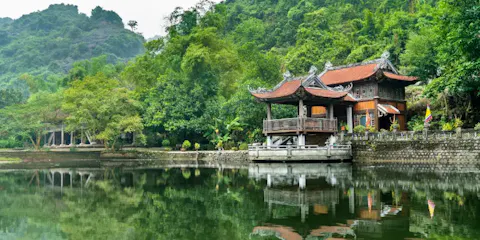
Trang An Scenic Landscape Complex
Trang An Scenic Landscape Complex is one of Vietnam’s most spectacular destinations, featuring dramatic limestone mountains, peaceful rivers, mysterious caves, and cultural landmarks surrounded by the natural beauty of Ninh Binh.

Phong Nha - Ke Bang National Park
Phong Nha - Ke Bang National Park is one of Vietnam’s most spectacular natural destinations, featuring ancient limestone mountains, world-famous caves, underground rivers, and unforgettable adventure experiences in a UNESCO World Heritage landscape.