
Vietnam Travel Itineraries
Plan your perfect Vietnam journey with curated travel itineraries designed for every type of traveler. From short city breaks and cultural discoveries to multi-day adventures across Northern, Central, and Southern Vietnam, our itineraries help you explore the country’s best destinations with ease. Discover recommended routes, must-visit attractions, local food experiences, and practical travel tips. Whether you are seeking heritage, nature, beaches, or authentic local experiences, Go Visit Vietnam helps you create an unforgettable trip through Vietnam.
Vietnam Travel Itineraries – Curated Routes for Every Journey
Discover carefully planned Vietnam travel itineraries designed for different travel styles, interests, and trip durations. Explore routes covering iconic destinations, cultural experiences, nature adventures, beach escapes, food journeys, and hidden gems across the country. Whether you are planning a short city break, a multi-day adventure, or a complete Vietnam exploration, Go Visit Vietnam provides inspiring itinerary ideas to help travelers plan their perfect journey and experience the best of Vietnam.




About Vietnam Travel Itineraries
Planning a Vietnam travel itinerary is an exciting way to organize a journey through one of Southeast Asia's most diverse countries. Vietnam stretches from the mountains and rice terraces of the north to the tropical islands and waterways of the south, with historic cities, beaches, national parks, and cultural attractions along the way.
A well-planned itinerary helps travelers make the most of their time while avoiding unnecessary travel between destinations. Whether you have a few days or several weeks, Vietnam offers routes that can be adapted to different interests, budgets, and travel styles.
Short Vietnam Itineraries
Travelers with limited time can focus on one region rather than attempting to see the entire country.
A 3 to 5-day itinerary could focus on Hanoi and nearby destinations such as Ninh Binh or Ha Long Bay.
Another option is a central Vietnam trip combining Da Nang, Hoi An, and Hue, while southern travelers can explore Ho Chi Minh City and the Mekong Delta.
Short itineraries allow travelers to spend more time experiencing each destination instead of spending most of the trip on transportation.
One-Week Vietnam Itinerary
A one-week trip can cover several destinations while still maintaining a comfortable pace.
A popular northern route could combine Hanoi, Ninh Binh, and Ha Long Bay or Cat Ba.
For central Vietnam, travelers can explore Da Nang, Hoi An, and Hue, combining beaches, historic sites, local food, and cultural attractions.
In southern Vietnam, a week could include Ho Chi Minh City, the Mekong Delta, and Phu Quoc, depending on flight connections and travel preferences.
Two-Week Vietnam Itinerary
Two weeks provide enough time to experience multiple regions.
A classic route might begin in Hanoi, continue to Ninh Binh and Ha Long Bay, then travel south to Hue, Da Nang, and Hoi An.
From central Vietnam, travelers can fly to Ho Chi Minh City and explore the city before visiting the Mekong Delta.
With careful planning, travelers can experience mountains, heritage sites, beaches, cities, and rural landscapes within two weeks.
Northern Vietnam Itinerary
Northern Vietnam is ideal for travelers interested in history, mountains, culture, and dramatic landscapes.
A route could begin in Hanoi, followed by Ninh Binh, Ha Long Bay, and Sapa.
More adventurous travelers can replace or extend Sapa with Ha Giang, where the famous mountain loop offers spectacular roads, valleys, and ethnic minority communities.
Northern itineraries are particularly rewarding for travelers who enjoy trekking, photography, local markets, and outdoor experiences.
Central Vietnam Itinerary
Central Vietnam offers an excellent combination of culture, beaches, food, and natural attractions.
Travelers can begin in Hue, explore the former imperial capital, and continue to Da Nang.
From Da Nang, Hoi An is easily accessible and provides opportunities to explore the Ancient Town, countryside, beaches, and local cuisine.
Travelers with additional time can continue north to Phong Nha to explore Vietnam's spectacular cave systems.
Southern Vietnam Itinerary
Southern Vietnam offers a different atmosphere, with tropical weather, modern cities, rivers, and islands.
A southern itinerary can begin in Ho Chi Minh City, where travelers can explore historic landmarks, museums, markets, and local food.
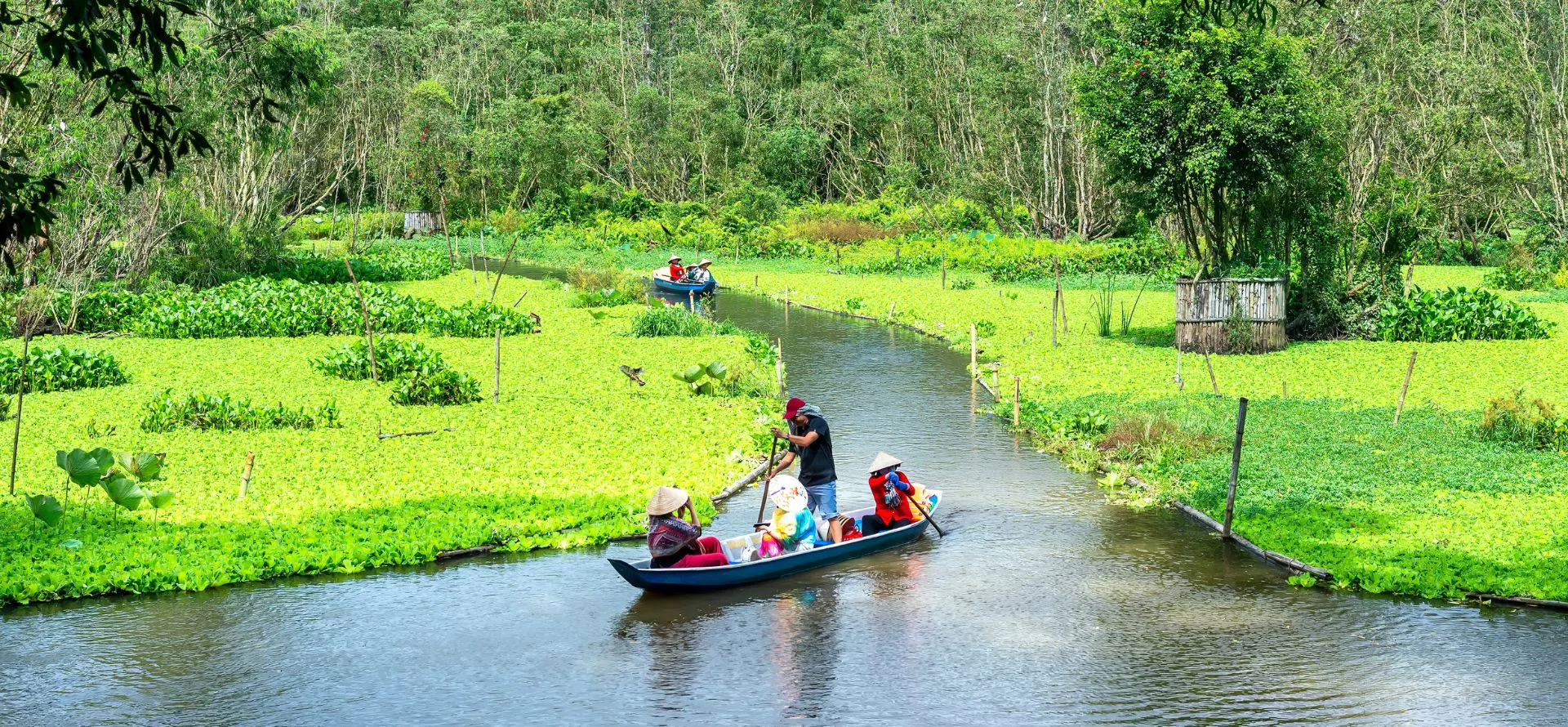
The journey can continue to the Mekong Delta for boat trips, cycling, fruit orchards, and rural experiences.
Travelers seeking a beach escape can finish the journey on Phu Quoc Island or Con Dao.
Vietnam Beach Itinerary
Travelers focused on beaches can create an itinerary around Vietnam's coastline.
Popular destinations include Da Nang, Nha Trang, Mui Ne, Phu Quoc, Con Dao, Ho Tram, and Vung Tau.
A beach-focused journey can combine swimming and relaxation with seafood, snorkeling, diving, water sports, and coastal sightseeing.
The best destination depends on the season, since weather conditions vary significantly along Vietnam's coastline.
Vietnam Adventure Itinerary
Adventure travelers can build an itinerary around trekking, cycling, kayaking, caves, and mountain landscapes.
Northern Vietnam is ideal for trekking in Sapa and Ha Giang, while central Vietnam offers caving and outdoor activities around Phong Nha.
Ha Long Bay and Cat Ba provide opportunities for kayaking and hiking, while Da Lat offers mountain cycling and outdoor excursions.
Travelers should consider fitness levels, weather, transportation, and safety requirements when planning adventure-focused routes.
Vietnam Food Itinerary
Food lovers can create an itinerary specifically around regional Vietnamese cuisine.
Hanoi is known for dishes such as pho, bun cha, and egg coffee.
Hue offers specialties including bun bo Hue and traditional central Vietnamese dishes.
Hoi An is associated with Cao Lau, White Rose dumplings, and local banh mi.
In the south, travelers can explore com tam, southern noodle dishes, tropical fruits, seafood, and Mekong Delta specialties.
Moving between regions allows travelers to experience how Vietnamese cuisine changes from north to south.
Planning Transportation
Transportation is an important part of any Vietnam itinerary.
Domestic flights are useful for long-distance journeys between Hanoi, central Vietnam, and Ho Chi Minh City.
Trains offer scenic coastal routes, while sleeper buses can be practical for budget travelers.
Private transfers and guided tours can provide greater convenience for destinations with more complicated transportation connections.
When creating an itinerary, allow enough time for travel rather than scheduling activities immediately after long journeys.
Creating a Balanced Itinerary
The best Vietnam itineraries balance sightseeing with free time.
Trying to visit too many destinations can make a trip tiring and leave little opportunity to experience local life.
Allowing extra time in major destinations gives travelers opportunities to explore markets, cafés, neighborhoods, and local restaurants without rushing between attractions.
Combining major highlights with less touristy experiences can also create a more memorable journey.
Why Plan a Vietnam Travel Itinerary?
A well-designed Vietnam travel itinerary makes it easier to combine culture, food, nature, beaches, history, and adventure while making efficient use of travel time.
Whether you are planning a short city break, a one-week regional journey, a two-week north-to-south adventure, or a longer exploration of Vietnam, the key is to choose destinations that match your interests and connect them logically.
With thoughtful planning and enough flexibility, a Vietnam itinerary can turn a collection of destinations into a rewarding journey through the country's landscapes, traditions, cuisine, and local life.