
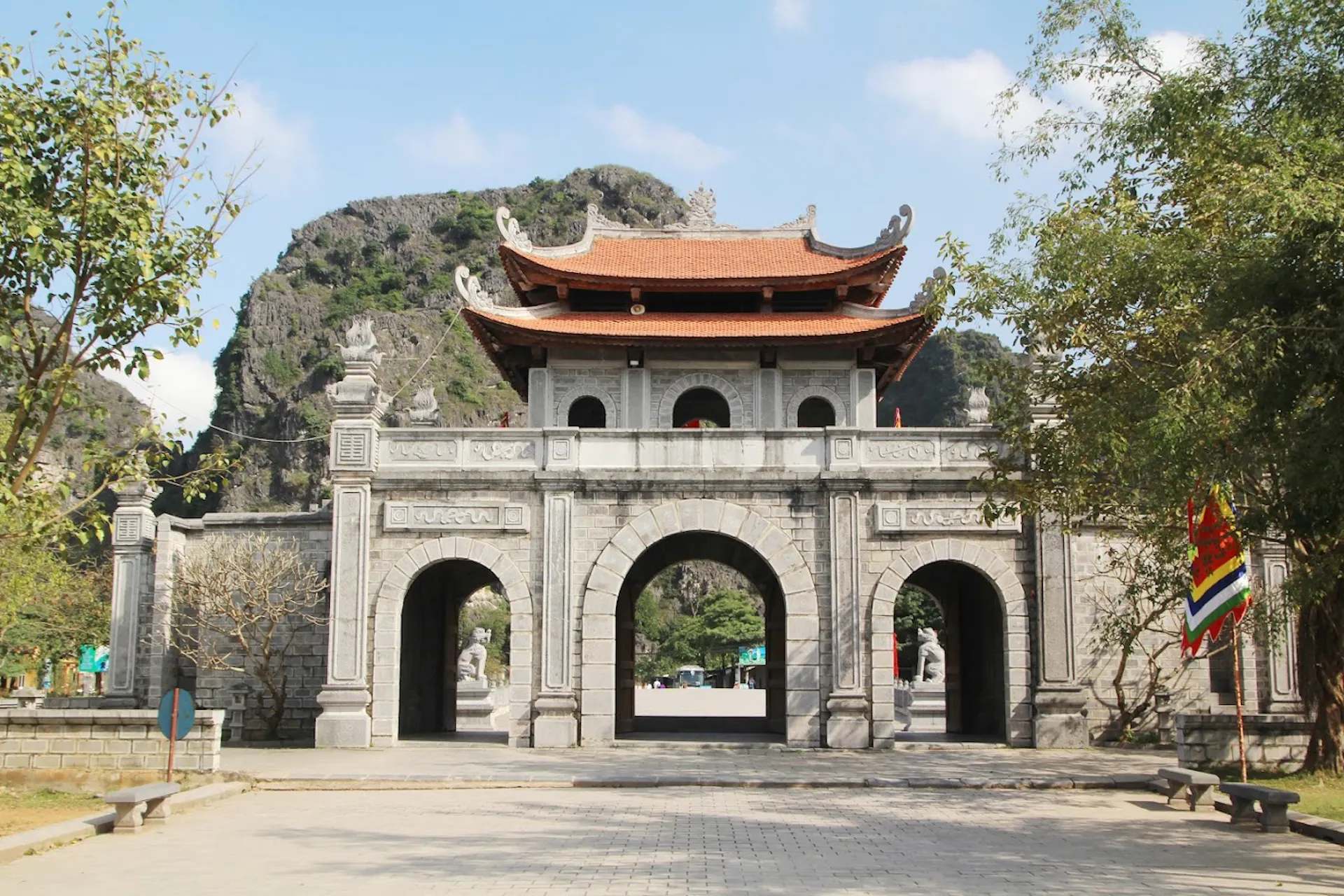
Hoa Lu Ancient Capital
Hoa Lu Ancient Capital in Ninh Binh was the political center of Vietnam during the Dinh and Early Le dynasties in the 10th and early 11th centuries. Surrounded by dramatic limestone mountains, the former capital is now a peaceful historical site featuring traditional temples, ancient foundations, gates, and cultural monuments. Visitors can explore the temples dedicated to King Dinh Tien Hoang and King Le Dai Hanh while discovering an important period in Vietnam's early history. Combine Hoa Lu with Trang An and other Ninh Binh attractions.
About Hoa Lu Ancient Capital
Hoa Lu Ancient Capital is one of the most important historical destinations in northern Vietnam, located in Ninh Binh Province amid a dramatic landscape of limestone mountains, green valleys, rivers, and rice fields. Once the political center of Vietnam during the 10th and early 11th centuries, Hoa Lu offers visitors an opportunity to explore the origins of Vietnam's early centralized kingdoms and learn about two important Vietnamese dynasties.
Today, the former capital is a peaceful heritage site featuring traditional temples, ancient foundations, stone gateways, and monuments dedicated to the rulers who shaped an important period in Vietnamese history.
What Is Hoa Lu Ancient Capital?
Hoa Lu served as the capital of Vietnam from 968 to 1010, during the Dinh Dynasty and the Early Le Dynasty.
The capital was established by Dinh Tien Hoang, who unified several competing territories and founded the Dinh Dynasty in 968.
The location was strategically important because the surrounding limestone mountains and natural landscape provided strong defensive advantages.
In 1010, Emperor Ly Thai To moved the capital to Thang Long, modern-day Hanoi, marking the end of Hoa Lu's role as Vietnam's political center.
King Dinh Tien Hoang
Dinh Tien Hoang, also known as Dinh Bo Linh, was one of the most important figures in early Vietnamese history.
He successfully unified the country after a period of political instability and established the Dinh Dynasty.
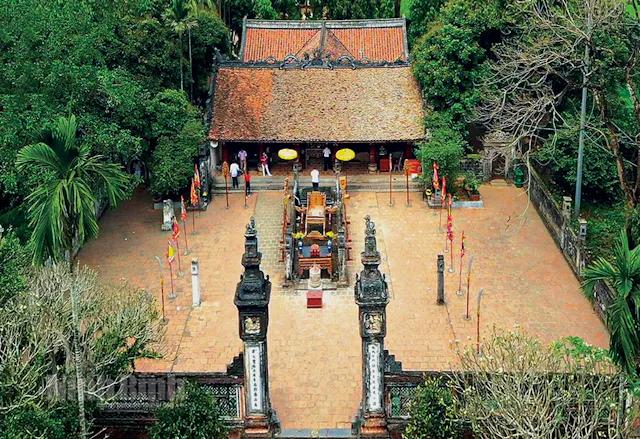
The temple dedicated to him is one of the main attractions at Hoa Lu and contains traditional Vietnamese architectural features, statues, altars, and decorative details.
King Le Dai Hanh
The second major historical figure associated with Hoa Lu is Le Dai Hanh, founder of the Early Le Dynasty.
After the death of Dinh Tien Hoang, Le Dai Hanh became ruler and continued to strengthen the kingdom.
His temple stands near the temple dedicated to Dinh Tien Hoang, allowing visitors to explore the legacies of two successive dynasties in one historic area.
Hoa Lu Temples
The temples at Hoa Lu are the best-preserved visible reminders of the former capital.
Although the original royal buildings have largely disappeared, later temple structures were constructed to commemorate the early rulers.
Visitors can explore courtyards, gates, shrines, wooden architecture, stone carvings, and ceremonial spaces.
The traditional design provides insight into Vietnamese religious and architectural traditions.
The Natural Landscape
One of Hoa Lu's most distinctive characteristics is its relationship with the surrounding landscape.
Towering limestone karsts surround the former capital, creating natural walls around the valleys.
These mountains helped protect the ancient capital and remain an important part of its visual identity today.
The combination of historical monuments and dramatic geological scenery makes Hoa Lu particularly photogenic.
Hoa Lu and the Dinh Dynasty
The Dinh Dynasty was relatively short, but its historical importance is considerable.
Dinh Tien Hoang's unification of the country helped establish a stronger centralized state.
Hoa Lu became the center of political and military activity during this period, and the capital's fortified location reflected the challenges faced by the new kingdom.
Hoa Lu and the Early Le Dynasty
The Early Le Dynasty continued the development of the kingdom from Hoa Lu.
Le Dai Hanh strengthened the country's military position and defended the kingdom against external threats.
The dynasty also maintained Hoa Lu as the political center before the capital was eventually moved to Thang Long in 1010.
Hoa Lu Festival
The Hoa Lu Festival is an annual cultural event held to commemorate the historical rulers associated with the ancient capital.
Festivities can include traditional ceremonies, processions, performances, martial arts demonstrations, folk activities, and cultural programs.
The festival provides an opportunity to experience how local communities continue to preserve the historical memory of Hoa Lu.
Hoa Lu and Trang An
Hoa Lu is located close to the famous Trang An Scenic Landscape Complex, making it easy to visit both attractions on the same trip.
A typical Ninh Binh itinerary can combine a morning visit to Hoa Lu with a boat journey through Trang An's limestone mountains, caves, and waterways.
This combination allows travelers to experience both the historical and natural heritage of the region.
Hoa Lu and Tam Coc
Tam Coc is another popular destination near Hoa Lu.
Known for its river surrounded by limestone mountains and rice fields, Tam Coc offers a scenic boat experience similar to Trang An.
Travelers staying in Ninh Binh can combine Hoa Lu with Tam Coc, Mua Cave, Trang An, and other nearby attractions.
Best Time to Visit Hoa Lu
February to April and September to November can be comfortable periods for exploring Hoa Lu.
The weather is generally suitable for walking around the temples and surrounding countryside.
Spring is particularly interesting for travelers who want to experience local festivals and traditional celebrations, although popular sites may be busier during major events.
Morning visits are recommended for cooler temperatures and a more peaceful atmosphere.
How to Get to Hoa Lu
Hoa Lu is located around 90 kilometers south of Hanoi and is easily accessible by road.
Travelers can reach Ninh Binh by train, bus, private car, taxi, or organized tour.
From Ninh Binh City, Hoa Lu can be reached by taxi, motorcycle, bicycle, or private transfer.
Because several major attractions are located nearby, renting a bicycle or joining a local tour can be a convenient way to explore the area.
Why Visit Hoa Lu Ancient Capital?
Hoa Lu Ancient Capital offers travelers a fascinating look at the early development of Vietnam as a unified kingdom.
The historic temples, traditional architecture, legendary rulers, and dramatic limestone landscape create a destination that combines history, culture, and nature.
For travelers exploring Ninh Binh, Hoa Lu is an essential stop and an excellent complement to Trang An, Tam Coc, and other attractions in the region. A visit provides a deeper understanding of Vietnam's early dynasties while allowing travelers to experience one of northern Vietnam's most beautiful landscapes.
Hoa Lu Ancient Capital Photo Gallery
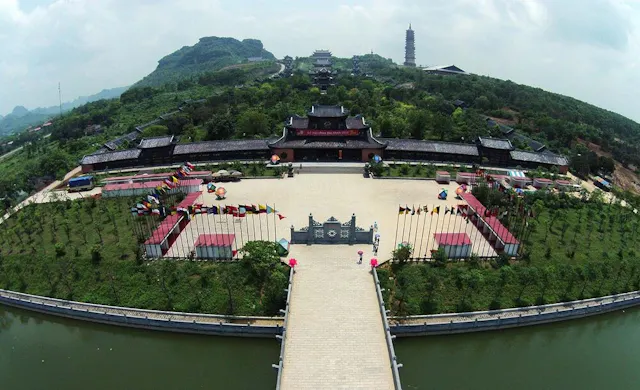
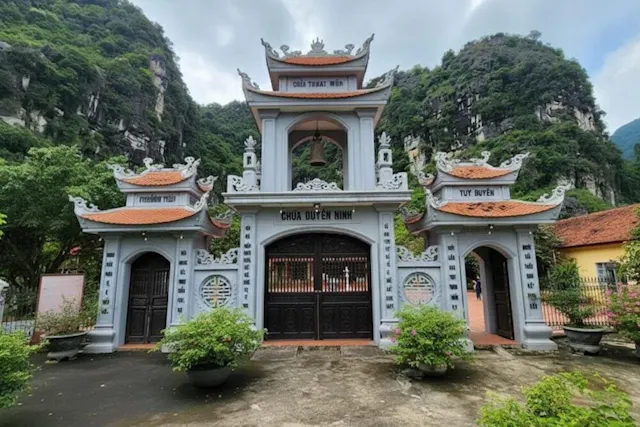
Explore a captivating collection of images showcasing Hoa Lu Ancient Capital in Ninh Binh, Vietnam. Discover ancient temples, historic citadel remnants, traditional Vietnamese architecture, and the breathtaking limestone mountain scenery that surrounds this UNESCO-recognized heritage site. These photos capture the timeless beauty and cultural significance of Vietnam’s first imperial capital.


How to Get to and Around Hoa Lu Ancient Capital
Bus and coach
Regular buses and limousine vans operate daily between Hanoi and Ninh Binh, with a travel time of around 1.5–2 hours. From Ninh Binh bus stations or Tam Coc area, visitors can take a taxi or motorbike taxi to reach Hoa Lu Ancient Capital in about 15–30 minutes.
Train
Ninh Binh Railway Station is well connected to Hanoi and other northern cities such as Hue and Da Nang. From the station, Hoa Lu Ancient Capital is approximately 10–12 km away and can be reached easily by taxi or ride-hailing service.
Driving
Driving from Hanoi to Hoa Lu Ancient Capital is convenient via National Highway 1A or the expressway. The journey takes around 1.5–2 hours, offering a comfortable route through the northern countryside with parking available near the heritage site.
Flying
The nearest major airport is Noi Bai International Airport in Hanoi. From the airport, travelers can continue to Ninh Binh by bus, private transfer, or rental car, followed by a short drive to Hoa Lu Ancient Capital.
Frequently Asked Questions About Hoa Lu Ancient Capital
What is Hoa Lu Ancient Capital famous for?
Hoa Lu Ancient Capital is famous as Vietnam’s first imperial capital during the 10th and 11th centuries. It is known for its rich historical significance, ancient temples, and its stunning setting surrounded by limestone mountains in Ninh Binh.
What are the main attractions in Hoa Lu Ancient Capital?
The main attractions include the Dinh King Temple and Le King Temple, which are dedicated to two of Vietnam’s early emperors. Visitors can also explore ancient citadel relics, stone gates, and scenic courtyards.
How much is the entrance fee to Hoa Lu Ancient Capital?
The entrance fee is generally around 20,000–30,000 VND per site. Prices may vary slightly depending on ticket combinations and local regulations.
How much time should I spend at Hoa Lu Ancient Capital?
Most visitors spend about 1 to 2 hours exploring the temples and historical areas. If combined with nearby attractions like Trang An or Tam Coc, a full day trip is recommended.
Is Hoa Lu Ancient Capital worth visiting?
Yes, Hoa Lu Ancient Capital is one of the most important historical sites in Vietnam. It offers a unique combination of cultural heritage, ancient architecture, and beautiful natural scenery, making it a must-visit destination in Ninh Binh.
Advertising box
Explore More Historical & Cultural Sites
Continue exploring Vietnam's rich history through remarkable historical and cultural sites across the country. From ancient citadels and royal palaces to centuries-old temples, archaeological treasures, and traditional heritage villages, these destinations reveal the stories, traditions, and architectural wonders that have shaped Vietnam's unique cultural identity.
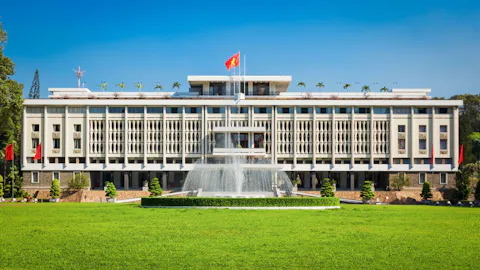
Independence Palace
Discover the Independence Palace, one of Vietnam's most significant historical landmarks. Explore its striking architecture, preserved state rooms, underground command bunker, and the events that shaped modern Vietnamese history.
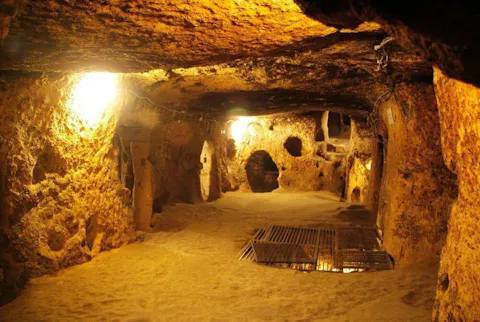
Cu Chi Tunnels
Located northwest of Ho Chi Minh City, the Cu Chi Tunnels are one of Vietnam’s most significant historical sites. This vast underground network offers visitors a fascinating insight into wartime life, military strategy, and the resilience of the Vietnamese people during one of the country’s most important periods of history.
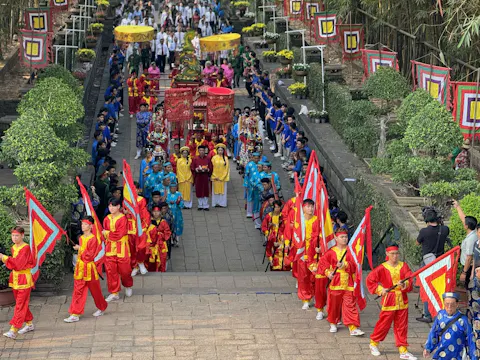
Hung Kings' Temple Relic Complex
The Hung Kings' Temple Relic Complex is one of Vietnam’s most sacred cultural and historical sites. Located in Phu Tho Province, the complex honors the legendary Hung Kings, the founders of the Vietnamese nation, and remains an important destination for pilgrimage, cultural celebrations, and heritage tourism.
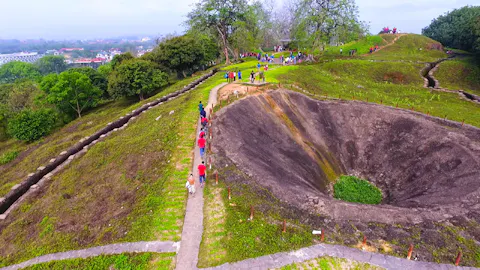
Dien Bien Phu Victory Relic Area
Dien Bien Phu Victory Relic Area in northern Vietnam is the historic site of the 1954 battle that marked a turning point in Vietnam’s struggle for independence. Today, it preserves bunkers, command posts, and museums that tell the story of this decisive victory.
Tan Trao Historical Relic Area
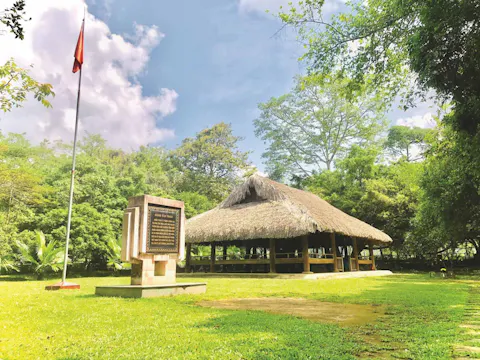
Tan Trao Historical Relic Area in Tuyen Quang is one of Vietnam’s most important revolutionary heritage sites, known as the cradle of the August Revolution of 1945. It preserves iconic landmarks such as the Tan Trao Banyan Tree and Communal House, offering deep insight into Vietnam’s struggle for independence and national unity.

Pac Bo Historical Site
Pac Bo Historical Site in Cao Bang is one of Vietnam’s most important revolutionary landmarks. This historic area marks where President Ho Chi Minh returned to Vietnam in 1941 and lived in a small cave near Lenin Stream, surrounded by the stunning natural beauty of northern mountains and rivers.
Temple of Literature (Van Mieu Quoc Tu Giam)
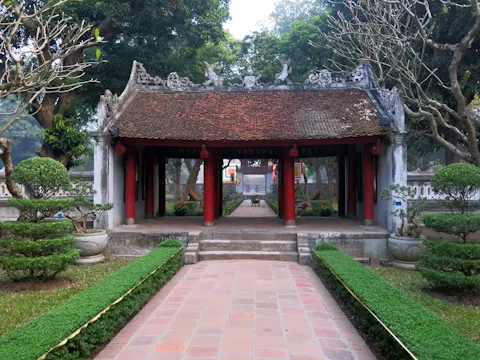
Discover the Temple of Literature, one of Hanoi's most treasured historical landmarks and Vietnam's first national university. Explore centuries of educational heritage, traditional Vietnamese architecture, peaceful courtyards, and the enduring legacy of Confucian scholarship.