
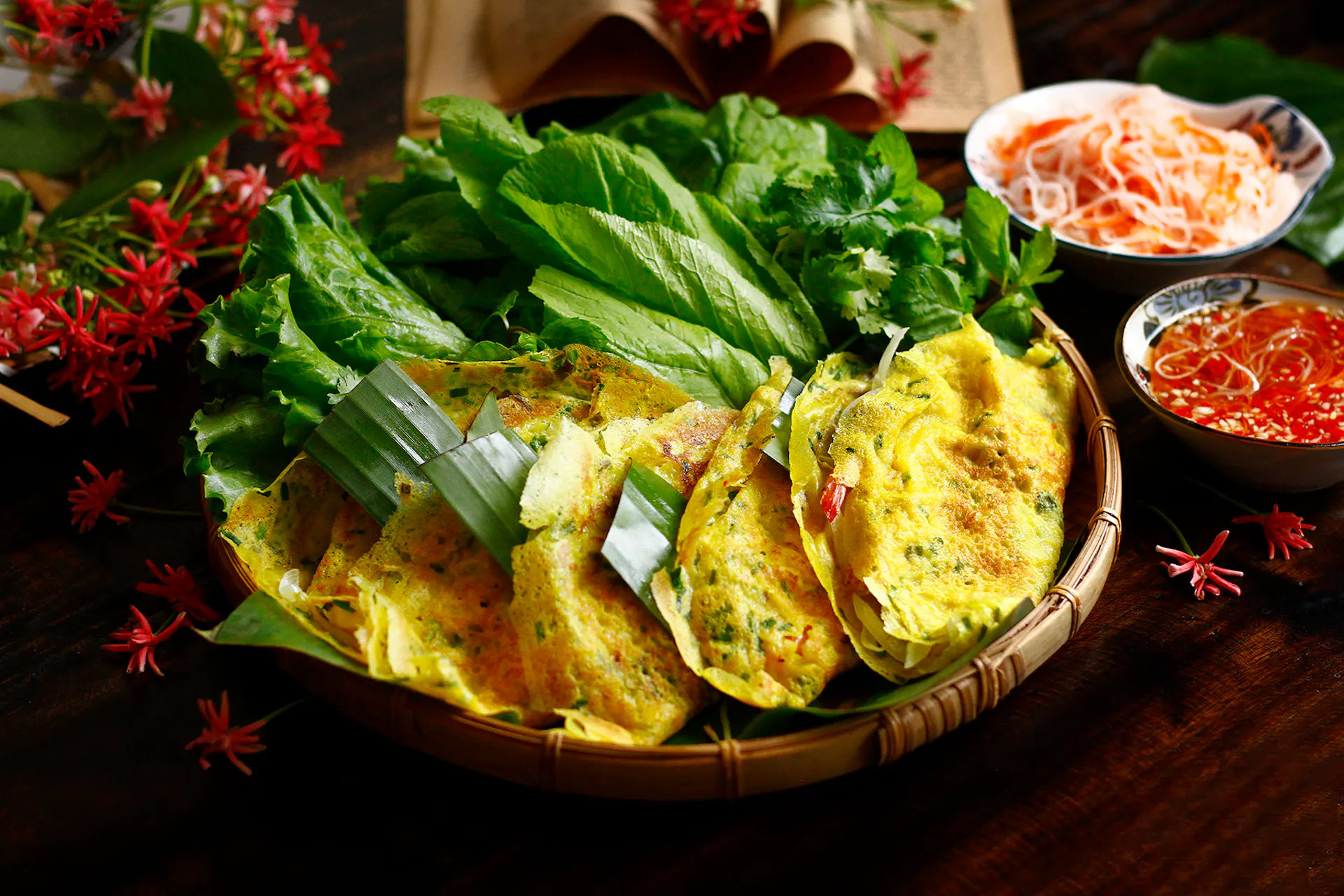
Bánh Xèo: Vietnam's Crispy Savory Pancake
Banh Xeo is one of Vietnam’s most popular traditional dishes, known for its crispy golden shell, flavorful fillings, and fresh herbs served with dipping sauce. This Vietnamese savory pancake is made from rice flour batter and commonly filled with shrimp, pork, bean sprouts, and vegetables. Each region offers its own unique version, from the large crispy pancakes of Southern Vietnam to smaller styles in Central Vietnam. Discover the flavors, traditions, and local experiences behind this iconic Vietnamese street food.
About Banh Xeo
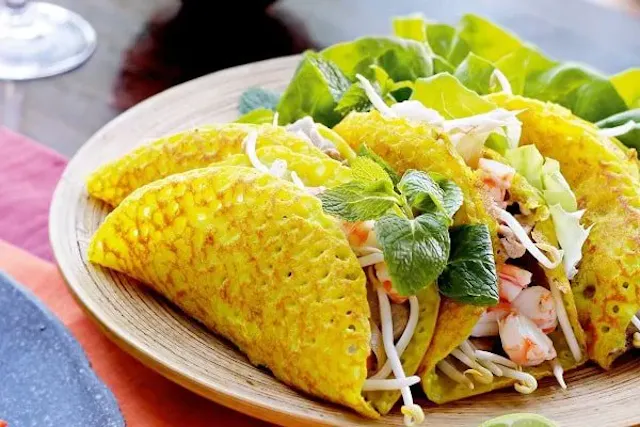
Banh Xeo is a popular Vietnamese savory pancake made from a thin, crispy batter filled with ingredients such as shrimp, pork, bean sprouts, and green onions. Known for its golden color, crunchy edges, and flavorful fillings, Banh Xeo is a beloved dish throughout Vietnam.
The name Banh Xeo comes from the Vietnamese word xeo, which describes the sizzling sound the batter makes when it hits a hot pan. Different regions have developed their own styles, with Southern and Central Vietnamese versions varying in size, texture, batter, and fillings. For travelers, trying Banh Xeo is a delicious way to experience the diversity of Vietnamese cuisine.
What Is Banh Xeo?
Banh Xeo is a crispy Vietnamese pancake traditionally made from rice flour, water, turmeric, and sometimes coconut milk.
The batter is poured into a very hot pan and cooked until the edges become thin and crispy. Shrimp, pork, bean sprouts, and other ingredients are added before the pancake is folded in half.
Unlike Western pancakes, Banh Xeo is savory rather than sweet.
Rice Flour Batter
Rice flour forms the foundation of Banh Xeo.
The batter is usually mixed with water and turmeric, which gives the pancake its characteristic yellow color. Some regional recipes also include coconut milk, beer, or other ingredients to create a lighter and crispier texture.
The batter should be thin enough to spread across the pan, allowing the edges to become particularly crisp during cooking.
Shrimp and Pork
Shrimp and pork are among the most traditional Banh Xeo fillings.
Small shrimp are quickly cooked in the pan before or after the batter is added. Thinly sliced pork is also commonly included, providing savory flavor and richness.
Together, these ingredients create a satisfying filling that contrasts with the crispy rice-flour shell.
Bean Sprouts
Bean sprouts are an important ingredient in many versions of Banh Xeo.
They are added toward the end of cooking so that they remain lightly crunchy. Their fresh texture helps balance the richness of the fried pancake and meat.
Some vendors may also add mushrooms, onions, or other vegetables depending on the regional style.
Fresh Herbs and Vegetables
Banh Xeo is usually served with a generous selection of fresh herbs and vegetables.
Lettuce, Vietnamese mint, basil, cucumber, perilla, and other local greens can be used to wrap pieces of the pancake.
These fresh ingredients provide coolness, fragrance, and crunch, helping balance the crispy and savory pancake.
Dipping Sauce
The dipping sauce is an essential part of the Banh Xeo experience.
A common Vietnamese dipping sauce is based on fish sauce, sugar, lime juice or vinegar, water, garlic, and chili. The exact balance varies between regions and individual vendors.
The sweet, sour, salty, and spicy sauce adds brightness to the rich fried pancake.
What Does Banh Xeo Taste Like?
Banh Xeo is crispy, savory, aromatic, and slightly sweet.
The rice-flour shell has a light crunch, while shrimp and pork provide richness. Bean sprouts contribute freshness and texture, while herbs add fragrance.
When wrapped in lettuce and dipped into fish sauce, the combination becomes lighter and more refreshing.
Southern and Central Styles
Vietnam has several regional versions of Banh Xeo.
Southern Banh Xeo is often large and thin, with a crispy shell and generous fillings. Coconut milk may be used in the batter, giving it a subtle richness.
Central Vietnamese Banh Xeo is often smaller and thicker. The batter and fillings can vary, and some versions are particularly crisp.
Each style reflects local ingredients and cooking traditions.
Banh Xeo in Vietnamese Food Culture
Banh Xeo is commonly enjoyed as a casual meal or shared dish.
Restaurants often prepare the pancakes one at a time because they are best served immediately after cooking. The sizzling sound and aroma from the pan are an important part of the dining experience.
The dish is particularly enjoyable when shared with friends or family.
Where to Try Banh Xeo
Travelers can find Banh Xeo throughout Vietnam.
Ho Chi Minh City and the Mekong Delta are known for large Southern-style pancakes, while Central Vietnam offers smaller regional versions.
Da Nang, Hoi An, Hue, and other cities also have their own interpretations. Local markets, street food stalls, and family-run restaurants are excellent places to try the dish.
How to Eat Banh Xeo
Banh Xeo is traditionally eaten by hand.
A piece of crispy pancake is placed inside a lettuce leaf and wrapped with fresh herbs and vegetables. The wrap is then dipped into the savory fish sauce.
This method combines the crispy pancake, fresh greens, herbs, and dipping sauce in a single bite.
Discover Banh Xeo
Banh Xeo is a vibrant example of Vietnam's diverse street food culture.
Crispy rice-flour batter, shrimp, pork, bean sprouts, fresh herbs, and flavorful dipping sauce create a dish that combines richness with freshness and crunch.
For travelers exploring Vietnam, tasting freshly cooked Banh Xeo is an essential culinary experience. Whether enjoying a large Southern-style pancake or a smaller Central Vietnamese version, visitors can discover how one simple dish takes on different personalities across the country.
Featured Ingredients of Banh Xeo – The Perfect Balance of Crispy, Fresh & Savory Flavors
Banh Xeo is made from simple but carefully selected ingredients that create its signature taste and texture. From crispy rice flour batter to fresh fillings and herbs, every element contributes to the unique experience of this iconic Vietnamese dish.
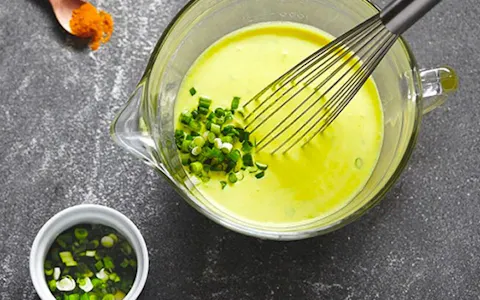
Rice Flour Batter & Turmeric↗
The foundation of Banh Xeo is a thin batter made from rice flour, water, and turmeric. This creates the pancake’s signature golden color and crispy texture while keeping the inside light and fragrant.
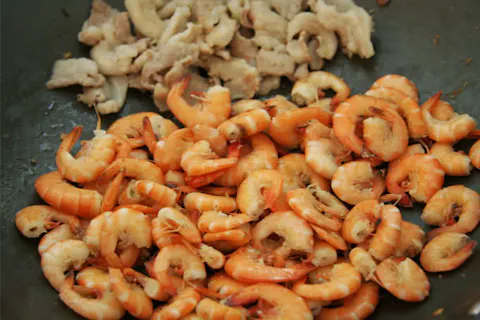
Shrimp, Pork & Seafood Fillings↗
Traditional Banh Xeo is filled with fresh shrimp, sliced pork, bean sprouts, and sometimes seafood depending on the region. These ingredients add savory flavors and represent the connection between Vietnamese cuisine and local resources.
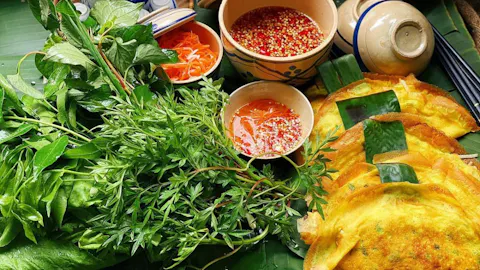
Fresh Herbs & Dipping Sauce↗
Fresh vegetables and herbs such as lettuce, mint, and local greens bring balance to the crispy pancake. The dish is completed with a flavorful fish sauce dip that combines sweet, salty, and tangy notes for a perfect Vietnamese taste experience.
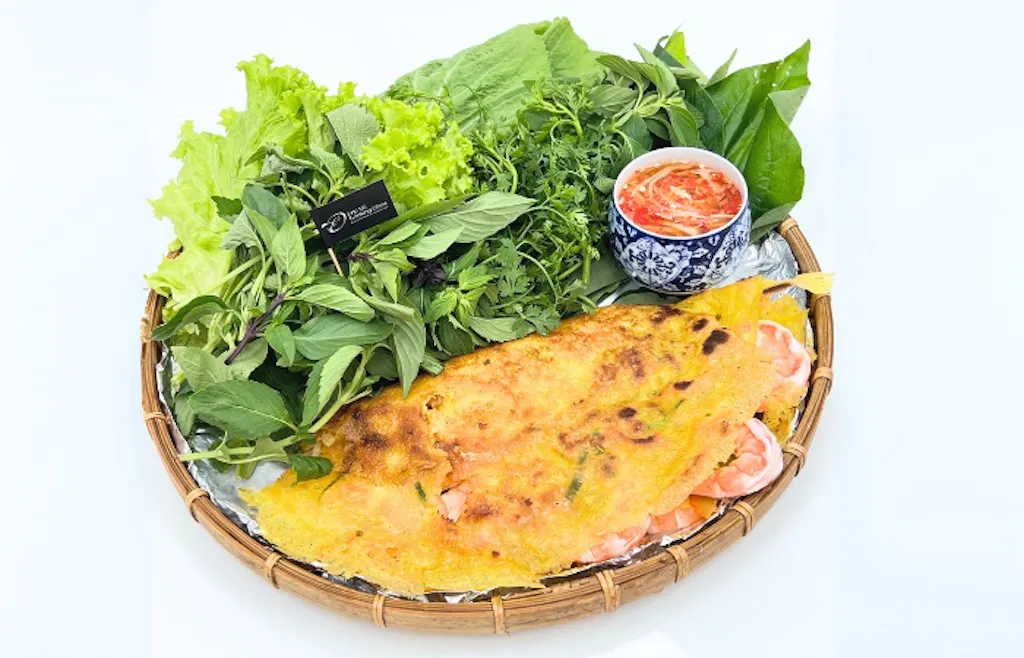
Related Banh Xeo Articles
Explore more Banh Xeo guides, from its traditional ingredients and crispy cooking technique to regional variations, dipping sauces, nutrition, and the best places to experience this iconic Vietnamese savory pancake.
Frequently Asked Questions About Banh Xeo
What is Banh Xeo?
Banh Xeo is a traditional Vietnamese crispy pancake made from rice flour batter, turmeric, and filled with ingredients such as shrimp, pork, bean sprouts, and vegetables. It is one of Vietnam’s most popular street foods.
Why is Banh Xeo called a Vietnamese pancake?
Banh Xeo is often called a Vietnamese pancake because of its round shape and crispy texture. However, unlike Western pancakes, it is savory, made from rice flour, and usually eaten wrapped with fresh herbs and dipped in fish sauce.
What ingredients are used in Banh Xeo?
The main ingredients include rice flour, turmeric, coconut milk (in some regional styles), shrimp, pork, bean sprouts, onions, fresh herbs, vegetables, and a sweet-savory fish sauce dipping sauce.
Are there different types of Banh Xeo in Vietnam?
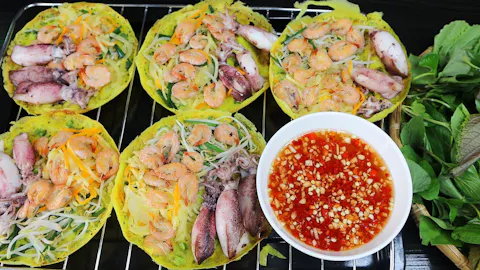
Yes. Southern Vietnam is known for large, thin, crispy Banh Xeo filled with plenty of seafood and vegetables, while Central Vietnam often features smaller pancakes with stronger flavors and unique local preparation styles.
How should Banh Xeo be eaten?
Banh Xeo is traditionally broken into smaller pieces, wrapped with fresh herbs and vegetables, and dipped into fish sauce. This combination creates a balance of crispy texture, freshness, and rich Vietnamese flavors.
Advertising box
Related Vietnamese Dishes
Explore more of Vietnam's rich culinary heritage with these delicious regional specialties. From comforting noodle soups and fresh seafood dishes to iconic street food favorites, discover authentic flavors that perfectly complement your journey beyond Banh Xeo.
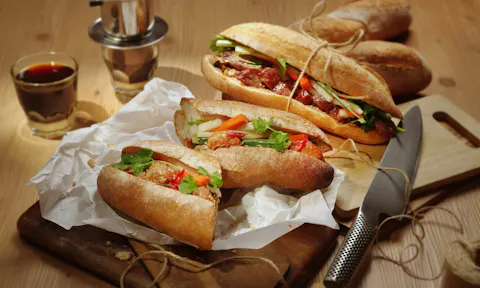
Banh Mi Vietnam
Banh Mi is one of Vietnam’s most iconic street foods, combining a crispy baguette with flavorful fillings, fresh herbs, and unique Vietnamese ingredients. Inspired by French culinary influences and transformed with local flavors, Banh Mi represents the creativity and diversity of Vietnamese cuisine. Discover the history, regional styles, popular fillings, and cultural stories behind this beloved sandwich. From busy street stalls to local bakeries, Go Visit Vietnam helps you explore the authentic taste and experience of Vietnam’s famous Banh Mi.
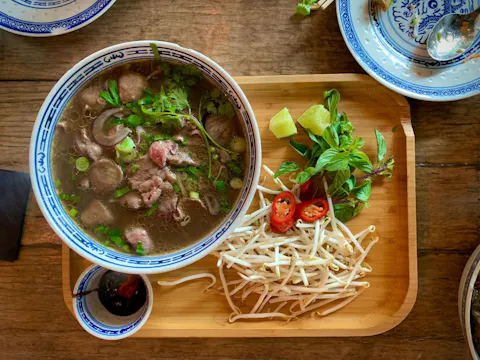
Pho Vietnam
Pho is one of Vietnam’s most famous dishes, representing the country’s rich culinary heritage and traditional flavors. This beloved noodle soup combines aromatic broth, rice noodles, fresh herbs, and carefully prepared ingredients to create a simple yet unforgettable experience. Discover the origins of Pho, explore regional variations from Northern to Southern Vietnam, and learn why this dish has become a symbol of Vietnamese cuisine around the world. Go Visit Vietnam brings you closer to the stories, flavors, and culture behind authentic Vietnamese Pho.
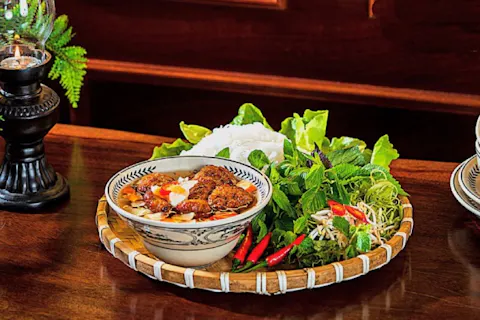
Bun Cha Vietnam
Bun Cha is one of Vietnam’s most beloved dishes, especially famous in Hanoi for its smoky grilled pork, fresh rice noodles, herbs, and sweet-savory dipping sauce. This traditional dish represents the balance and simplicity of Vietnamese cuisine, combining fresh ingredients with rich flavors. Discover the origins of Bun Cha, its preparation methods, regional variations, and the best way to enjoy this authentic Vietnamese specialty. Go Visit Vietnam brings you closer to the culture, flavors, and stories behind Hanoi’s iconic street food.
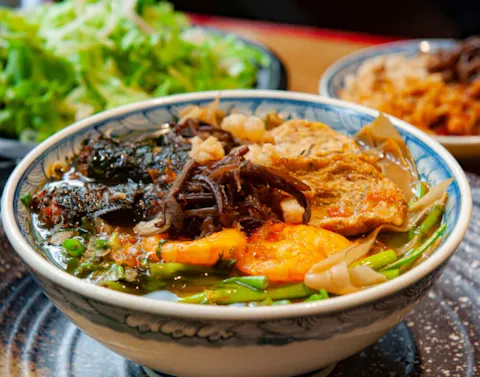
Banh Da Cua
Banh Da Cua is one of the most iconic dishes from Hai Phong, Northern Vietnam, loved for its unique red rice noodles, sweet crab broth, and fresh local ingredients. This traditional Vietnamese noodle soup combines flavors from the sea and countryside, creating a distinctive taste that represents the coastal city’s culinary identity. Visitors can enjoy Banh Da Cua with crab, shrimp, fish cakes, herbs, and vegetables while discovering one of Vietnam’s most memorable regional specialties.
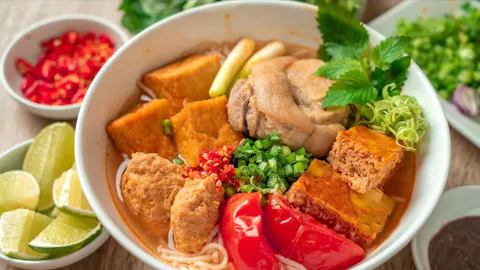
Bun Rieu
Bun Rieu is a beloved Vietnamese noodle soup famous for its flavorful crab-based broth, tomato richness, and refreshing combination of herbs and toppings. Originating from Northern Vietnam, this traditional dish features soft rice vermicelli, crab paste, tofu, pork, and fresh vegetables. With its unique balance of sweet, savory, and slightly tangy flavors, Bun Rieu represents the diversity and creativity of Vietnamese cuisine. Discover the ingredients, traditions, and local experiences behind one of Vietnam’s most iconic comfort foods.
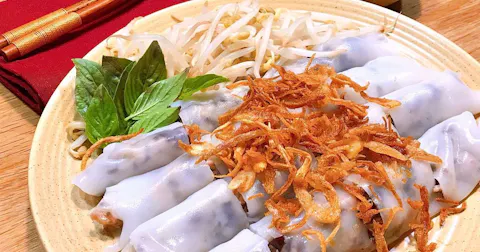
Banh Cuon
Banh Cuon is a popular Vietnamese dish known for its delicate steamed rice sheets, savory fillings, and light yet flavorful taste. Originating from Northern Vietnam, this traditional specialty is made by steaming thin rice batter and filling it with minced pork, mushrooms, and herbs. Served with Vietnamese fish sauce, fried shallots, and fresh herbs, Banh Cuon offers a perfect balance of softness, aroma, and freshness. Discover the story, ingredients, and cultural charm behind one of Vietnam’s favorite breakfast dishes.
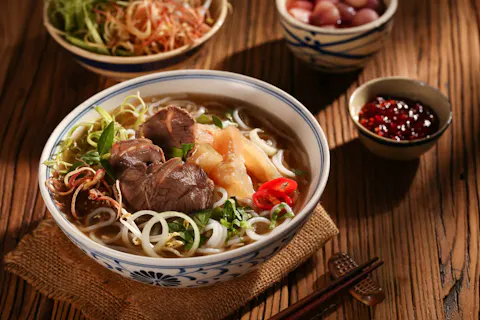
Bun Bo Hue
Bun Bo Hue is one of Vietnam’s most iconic dishes, originating from the ancient imperial city of Hue. Famous for its rich and aromatic beef broth, spicy chili flavor, lemongrass fragrance, and thick rice noodles, this dish represents the unique culinary traditions of Central Vietnam. A traditional bowl of Bun Bo Hue combines beef, pork, herbs, and fresh vegetables to create a perfect balance of savory, spicy, and refreshing flavors. Discover the history and authentic taste behind this beloved Vietnamese specialty.