
Hoi An Ancient Town
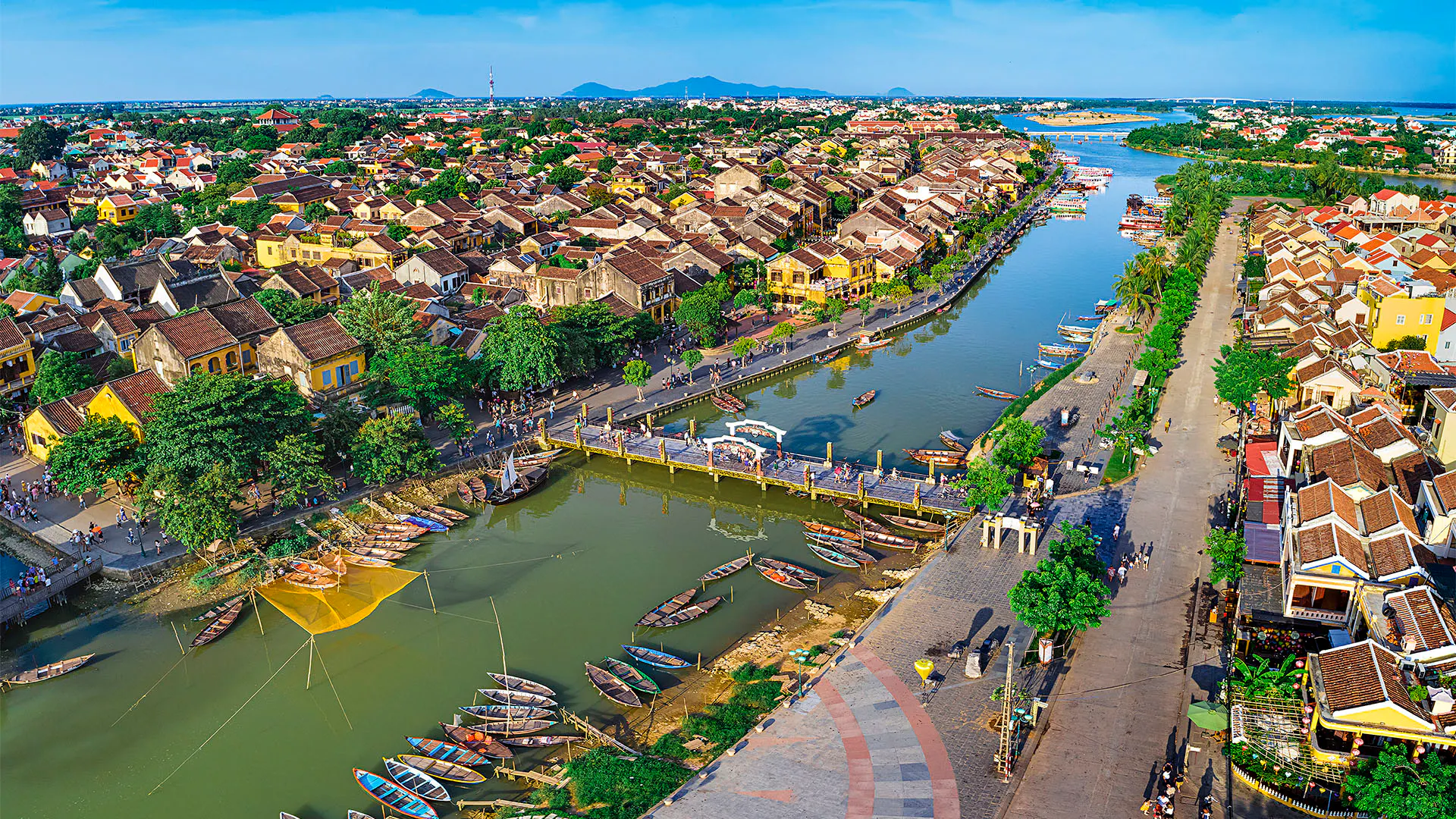
Hoi An Ancient Town is one of Vietnam's most enchanting destinations, where centuries of history blend seamlessly with vibrant local life. Once a thriving international trading port, the town is renowned for its beautifully preserved wooden houses, colorful lanterns, historic temples, riverside cafés, and lively markets. Recognized as a UNESCO World Heritage Site in 1999, Hoi An captivates visitors with its timeless atmosphere, rich multicultural heritage, outstanding cuisine, and unforgettable cultural experiences in central Vietnam.
About Hoi An Ancient Town
Hoi An Ancient Town is one of the most charming and well-preserved historic destinations in Central Vietnam, famous for its colorful lanterns, yellow-painted buildings, narrow streets, historic merchant houses, temples, and riverside atmosphere. Located in Quang Nam Province along the Thu Bon River, Hoi An was once an important international trading port and today is one of Vietnam's most popular cultural destinations.
The town combines Vietnamese traditions with architectural influences from Chinese, Japanese, and European traders who settled or conducted business here over several centuries. Its compact historic center makes Hoi An particularly enjoyable to explore on foot.
What Is Hoi An Ancient Town Known For?
Hoi An is best known for its historic architecture, lanterns, Japanese Covered Bridge, traditional merchant houses, riverside streets, tailoring, local cuisine, and historic trading heritage.
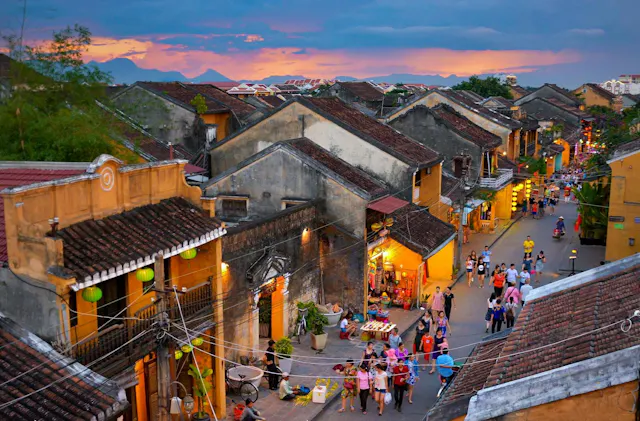
The town's distinctive yellow buildings and colorful lanterns create a unique atmosphere, particularly in the evening when the streets become illuminated.
UNESCO World Heritage Site
Hoi An Ancient Town was recognized as a UNESCO World Heritage Site in 1999.
Its importance comes from the exceptional preservation of its historic urban layout and architecture, which reflect the town's development as a major Southeast Asian trading port.
The buildings and street plan demonstrate how local Vietnamese traditions blended with influences from merchants and communities from across Asia and beyond.
Japanese Covered Bridge
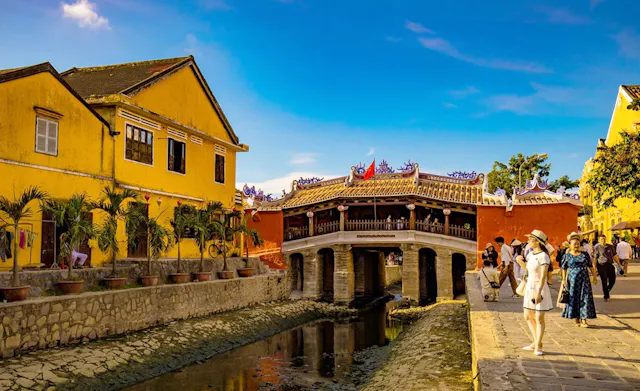
The Japanese Covered Bridge is one of Hoi An's most recognizable landmarks.
The historic bridge connects two parts of the old town and reflects the presence of Japanese merchants in Hoi An during its trading-port period.
Its distinctive roof and wooden structure make it one of the most photographed attractions in the ancient town.
Historic Merchant Houses
Hoi An contains numerous traditional merchant houses that illustrate the town's commercial history.
Many houses combine Vietnamese, Chinese, Japanese, and other architectural influences.
Visitors can explore preserved interiors featuring wooden beams, courtyards, ancestral altars, furniture, and decorative details.
These houses provide a glimpse into how merchant families lived and conducted business in the historic port.
Lanterns and Hoi An at Night
Lanterns are one of the defining visual features of Hoi An.
Colorful silk lanterns hang from buildings, shops, bridges, and streets throughout the old town.
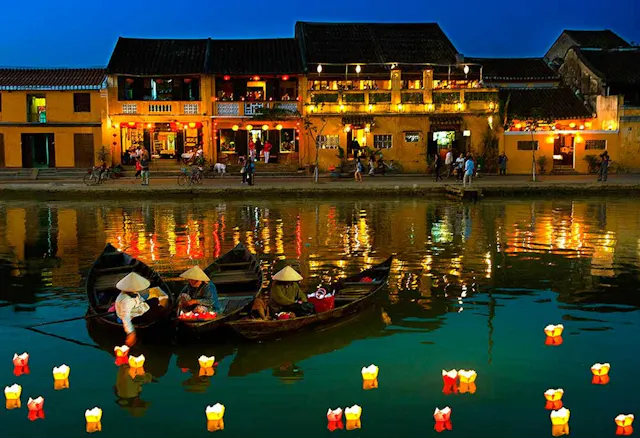
At night, the lanterns create a warm atmosphere that is particularly beautiful around the Thu Bon River.
During special lunar-calendar celebrations, the town's lantern displays become even more prominent.
Thu Bon River
The Thu Bon River has played an important role in Hoi An's history and development.
The river connected the town with the coast and helped facilitate trade between Hoi An and other parts of Asia.
Today, visitors can enjoy riverside walks, boat rides, and sunset views.
Short boat trips provide a different perspective of the historic buildings and lantern-lit waterfront.
Hoi An Lantern Festival
The Hoi An Lantern Festival is one of the town's most popular cultural experiences.
During the monthly event, parts of the old town reduce artificial lighting and colorful lanterns become the main source of illumination.
Visitors can walk through the historic streets, enjoy traditional performances, explore local food stalls, and watch lanterns floating on the river.
Vietnamese Food in Hoi An
Hoi An is also famous for its distinctive local cuisine.
Popular specialties include Cao Lau, White Rose dumplings, Com Ga Hoi An, and Banh Mi.
The town's culinary traditions reflect its history as a trading port, with local ingredients and cooking techniques influenced by centuries of cultural exchange.
Small restaurants, market stalls, and family-run eateries provide opportunities to sample these dishes.
Hoi An Tailoring
Hoi An has a long-standing reputation for tailoring.
Numerous local shops offer custom-made clothing, including suits, dresses, shirts, and traditional Vietnamese garments.
For travelers interested in having clothing made during their trip, the town provides many choices. Because production times vary, visitors should allow enough time for fittings and adjustments.
Cycling Around Hoi An
Cycling is one of the best ways to explore the areas surrounding the ancient town.
Beyond the historic center, travelers can discover rice fields, vegetable farms, waterways, villages, and quiet rural roads.
Nearby Tra Que Vegetable Village is particularly popular with visitors interested in agriculture and traditional farming.
An Bang Beach
Travelers can combine a cultural visit to Hoi An with time at An Bang Beach, located a short distance from the ancient town.
The beach offers sandy shores, cafés, restaurants, and opportunities to relax after exploring the historic center.
This combination of cultural sightseeing and beach time makes Hoi An particularly appealing for longer stays.
Best Time to Visit Hoi An
February to July can provide generally favorable conditions for exploring Hoi An, although weather varies throughout the year.
The dry and warmer months are convenient for walking, cycling, and visiting nearby beaches.
Hoi An can experience heavy rain and occasional flooding during parts of the rainy season, so travelers should check local weather conditions when planning their visit.
How to Get to Hoi An
Hoi An does not have its own commercial airport.
Most travelers arrive through Da Nang International Airport, which is roughly a one-hour drive from the ancient town depending on traffic.
Taxis, private transfers, buses, and ride-hailing services are available. Hoi An can also be easily combined with Da Nang, My Son Sanctuary, and other Central Vietnamese destinations.
Why Visit Hoi An Ancient Town?
Hoi An Ancient Town offers an unforgettable combination of historic architecture, cultural traditions, local cuisine, lantern-lit streets, riverside scenery, and relaxed atmosphere.
Visitors can walk through centuries-old streets, explore merchant houses, cross the Japanese Covered Bridge, enjoy Cao Lau and other local specialties, take a boat along the Thu Bon River, and cycle through the surrounding countryside.
For travelers exploring Central Vietnam, Hoi An provides a unique opportunity to experience a beautifully preserved historic trading town where Vietnamese heritage and international influences continue to shape everyday life.
Hoi An Ancient Town Photo Gallery
Explore a stunning collection of images showcasing Hoi An Ancient Town, one of Vietnam's most enchanting UNESCO World Heritage Sites. Discover lantern-lit streets, ancient merchant houses, the iconic Japanese Covered Bridge, riverside scenery, traditional architecture, bustling markets, and the timeless charm that makes Hoi An a must-visit destination in central Vietnam.
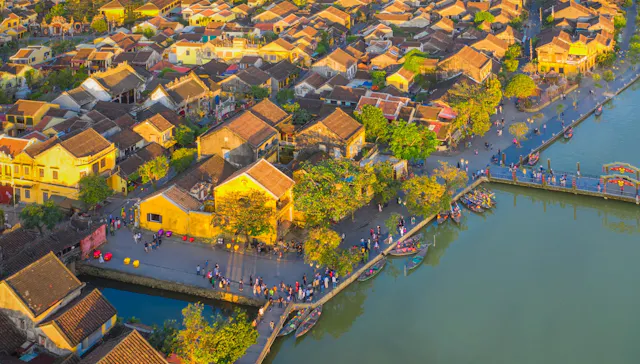

How to Get to and Around Hoi An Ancient Town
Bus and coach
Regular bus services and tourist shuttle coaches operate between Da Nang, Hue, and Hoi An. Many hotels and travel agencies also offer direct shuttle transfers, making this one of the most affordable and convenient options for visitors.
Train
Hoi An does not have a railway station. The nearest station is Da Nang Railway Station, which is about 30–45 minutes away by taxi or shuttle bus. From there, visitors can easily continue their journey to Hoi An Ancient Town.
Driving
Driving from Da Nang or nearby areas is a popular option. Well-maintained coastal and inland roads connect Hoi An with major cities, and the journey offers scenic views of beaches, countryside, and rural villages. Parking is available on the outskirts of the ancient town.
Flying
The nearest airport is Da Nang International Airport. From the airport, travelers can reach Hoi An in approximately 45–60 minutes by taxi, private transfer, or shuttle service depending on traffic conditions.
Frequently Asked Questions About Hoi An Ancient Town
Why is Hoi An Ancient Town famous?
Hoi An Ancient Town is famous for its exceptionally well-preserved architecture, rich trading history, and cultural fusion of Vietnamese, Chinese, Japanese, and European influences. It is also known for its lantern-lit streets and vibrant heritage atmosphere.
Is Hoi An Ancient Town a UNESCO World Heritage Site?
Yes, Hoi An Ancient Town was inscribed as a UNESCO World Heritage Site in 1999 due to its outstanding preservation of a Southeast Asian trading port and its unique cultural and architectural value.
What are the must-see attractions in Hoi An Ancient Town?
Key attractions include the Japanese Covered Bridge, ancient merchant houses, assembly halls, museums, traditional temples, riverside areas, and the lantern-lit streets of the Old Town.
How much time should I spend in Hoi An Ancient Town?
Most visitors spend one to two days in Hoi An to fully experience the Old Town, nearby beaches, and cultural activities. Even a few hours in the evening can be memorable due to the lantern atmosphere.
Is Hoi An Ancient Town worth visiting?
Absolutely. Hoi An offers a unique combination of history, culture, architecture, food, and atmosphere, making it one of the most charming and unforgettable destinations in Vietnam.
Advertising box
Explore More UNESCO World Heritage Sites
Continue your journey through Vietnam's remarkable UNESCO World Heritage Sites. Discover ancient cities, breathtaking natural wonders, archaeological treasures, and cultural landmarks that showcase the country's rich history, diverse traditions, and extraordinary landscapes. Each destination offers a unique perspective on Vietnam's heritage and is well worth adding to your travel itinerary.

Ha Long Bay
Ha Long Bay is one of Vietnam's most iconic destinations and a UNESCO World Heritage Site celebrated for its thousands of limestone islands rising dramatically from emerald waters. Visitors can enjoy unforgettable cruises, kayaking adventures, hidden caves, floating fishing villages, beautiful beaches, and spectacular sunsets. Beyond its natural beauty, the bay also offers fresh seafood, luxury cruises, and authentic cultural experiences. This Ha Long Bay Travel Guide provides everything you need to plan an unforgettable journey through one of the world's most remarkable seascapes.
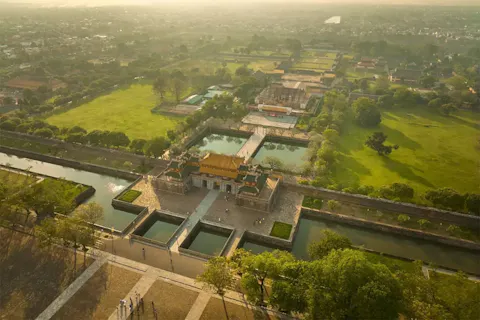
Complex of Hue Monuments
The Complex of Hue Monuments is one of Vietnam's most important historical and cultural treasures. Recognized as a UNESCO World Heritage Site in 1993, it preserves the magnificent legacy of the Nguyen Dynasty through imperial palaces, ancient temples, royal tombs, and the iconic Hue Citadel. Located along the scenic Perfume River, the complex offers visitors a fascinating journey into Vietnam's imperial past, blending remarkable architecture, royal traditions, and centuries of cultural heritage in the heart of central Vietnam.
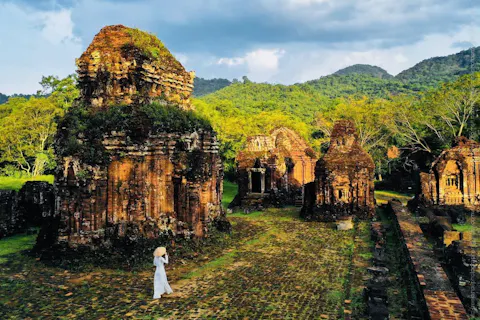
My Son Sanctuary
Nestled in a lush valley surrounded by mountains, My Son Sanctuary is one of Vietnam's most remarkable archaeological sites. Once the spiritual and political center of the Champa Kingdom, the sanctuary features centuries-old Hindu temple towers dedicated to the god Shiva. Recognized as a UNESCO World Heritage Site in 1999, My Son offers visitors an extraordinary opportunity to explore ancient architecture, fascinating history, and the enduring cultural legacy of one of Southeast Asia's greatest civilizations.
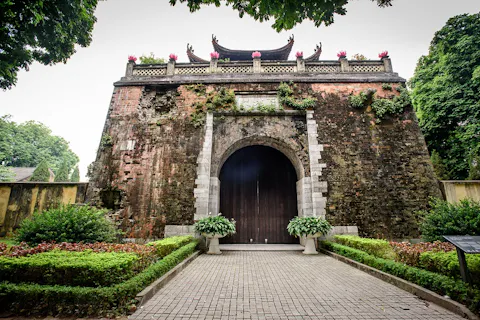
Imperial Citadel of Thang Long
The Imperial Citadel of Thang Long is one of Vietnam's most significant historical landmarks and a UNESCO World Heritage Site located in the heart of Ha Noi. Once the political center of successive Vietnamese dynasties for over thirteen centuries, the citadel preserves ancient palaces, archaeological remains, ceremonial gates, and royal architecture. Visitors can explore centuries of Vietnamese history while discovering remarkable cultural treasures that reflect the country's royal heritage. This guide covers everything you need to know before visiting the Imperial Citadel of Thang Long.
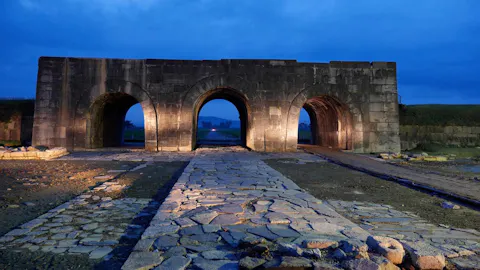
The Citadel of the Hồ Dynasty
Discover the Citadel of the Hồ Dynasty, one of Vietnam’s most remarkable UNESCO World Heritage Sites. Built in the late 14th century, this extraordinary stone fortress showcases innovative engineering, unique architecture, and the historical legacy of the short-lived but influential Hồ Dynasty.
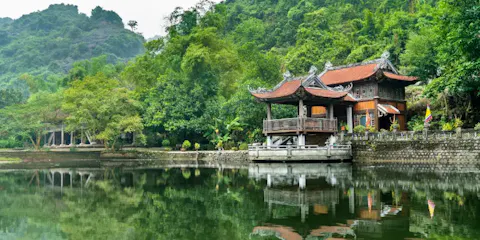
Trang An Scenic Landscape Complex
Trang An Scenic Landscape Complex is one of Vietnam’s most spectacular destinations, featuring dramatic limestone mountains, peaceful rivers, mysterious caves, and cultural landmarks surrounded by the natural beauty of Ninh Binh.

Phong Nha - Ke Bang National Park
Phong Nha - Ke Bang National Park is one of Vietnam’s most spectacular natural destinations, featuring ancient limestone mountains, world-famous caves, underground rivers, and unforgettable adventure experiences in a UNESCO World Heritage landscape.