
- Destinations
Northern Vietnam
Central Vietnam
- Attractions
Categories
World Heritage
Historical & Cultural
- Things To Do
Categories
Outdoor Adventures
- Food & Drink
Categories
Vietnamese Dishes
- Travel & Planning
Categories
- Inspiration
Categories
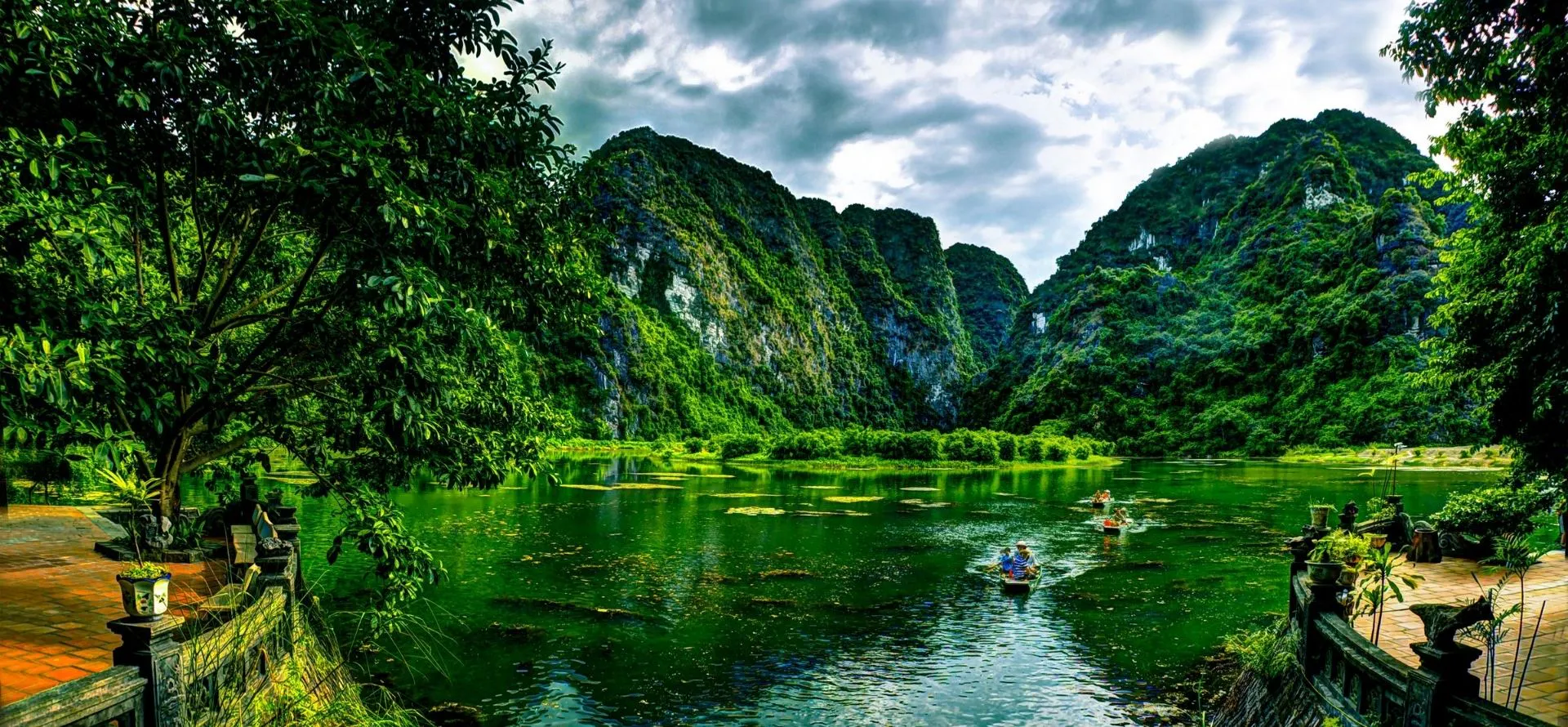
Discover the best nature experiences in Vietnam, from exploring national parks and limestone caves to walking through forests, watching wildlife, visiting waterfalls, and experiencing rivers, wetlands, mountains, and coastal ecosystems. Vietnam’s diverse landscapes offer opportunities for families, photographers, nature lovers, and adventure travelers to connect with the natural environment. Explore nature across northern, central, and southern Vietnam, learn when to visit different regions, and discover practical ways to enjoy Vietnam’s landscapes while supporting responsible and sustainable tourism.
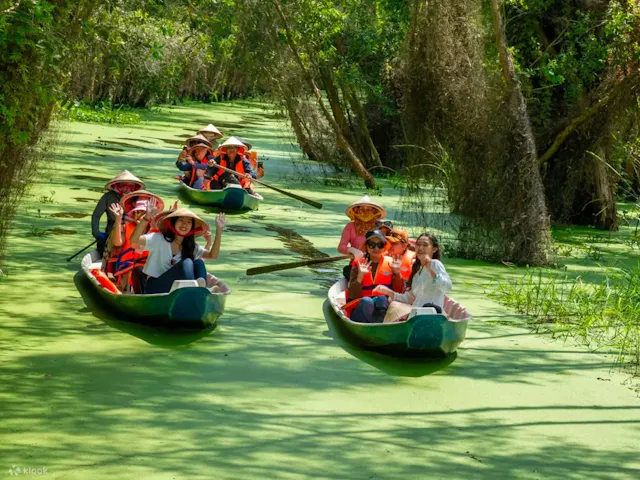
Vietnam is a remarkably diverse destination for travelers who want to experience nature. Stretching from the mountains of the north to the tropical landscapes of the south, the country offers an impressive variety of natural environments, including limestone karsts, forests, rivers, waterfalls, wetlands, caves, coastal ecosystems, and tropical islands. These landscapes provide opportunities to slow down, explore different ecosystems, observe wildlife, and experience the natural side of Vietnam beyond its busy cities and cultural attractions.
Nature experiences in Vietnam can take many forms. Travelers can walk through ancient forests, explore national parks, admire dramatic mountain scenery, visit spectacular waterfalls, discover limestone caves, or take a peaceful boat journey through rivers and wetlands. Wildlife enthusiasts can look for birds, primates, reptiles, and other native species, while photographers can capture rice terraces, misty mountains, tropical forests, and coastal landscapes.
The country's natural experiences also vary considerably by region. Northern Vietnam is known for dramatic mountains, valleys, rice terraces, forests, and limestone landscapes around destinations such as Ha Giang, Sapa, Cao Bang, and Ninh Binh. Central Vietnam combines tropical forests, caves, rivers, waterfalls, and protected natural areas, with Phong Nha being one of the country's best-known destinations for exploring unique karst environments. Southern Vietnam offers a different perspective, with the waterways and wetlands of the Mekong Delta, mangrove ecosystems, tropical islands, and diverse coastal environments.
Nature experiences can suit many types of travelers. Families may prefer easy nature walks and scenic boat trips, while photographers can seek out landscapes at sunrise and sunset. Wildlife enthusiasts may choose guided observation experiences, and more active travelers can combine nature exploration with hiking, cycling, kayaking, or other outdoor activities.
Responsible travel is an important part of enjoying Vietnam's natural environments. Visitors should follow local regulations, remain on designated trails, avoid disturbing wildlife, reduce plastic waste, and respect local communities. Choosing responsible operators and supporting conservation initiatives can also contribute to protecting the landscapes that make Vietnam such a rewarding destination.
Whether you are looking for peaceful scenery, wildlife encounters, outdoor exploration, or simply a break from urban life, Vietnam offers countless ways to connect with nature throughout the country.
Discover Vietnam's breathtaking natural landscapes through unforgettable outdoor experiences. Explore majestic mountains, national parks, waterfalls, caves, rivers, tropical islands, pristine beaches, and scenic hiking trails while experiencing the incredible beauty and biodiversity that make Vietnam a paradise for nature lovers.
Some of the best nature experiences in Vietnam include exploring national parks, walking through forests, visiting waterfalls, discovering limestone caves, observing wildlife, enjoying mountain landscapes, exploring wetlands, and experiencing coastal and island ecosystems.
Nature experiences are available throughout Vietnam. Northern destinations such as Ha Giang, Sapa, Cao Bang, and Ninh Binh offer mountains, forests, valleys, and limestone landscapes. Central Vietnam is known for caves, forests, rivers, and national parks, while southern Vietnam offers wetlands, mangroves, the Mekong Delta, and tropical islands.
Vietnam is home to a variety of wildlife, including birds, primates, reptiles, amphibians, and marine species. National parks and protected areas provide some of the best opportunities for responsible wildlife observation, particularly with experienced local guides.
Yes. Vietnam's national parks protect some of the country's most diverse natural environments. Visitors can experience forests, mountains, caves, rivers, wetlands, and wildlife while learning about local ecosystems and conservation.
Yes. Families can choose relatively easy experiences such as scenic boat trips, nature walks, waterfalls, botanical gardens, wildlife observation, and countryside excursions. The most suitable activity depends on the children's ages, weather, travel distance, and physical ability.
Northern Vietnam is especially attractive for mountain and landscape experiences. Travelers can explore rice terraces, valleys, limestone mountains, forests, waterfalls, and rural landscapes around destinations such as Ha Giang, Sapa, Cao Bang, and Ninh Binh.
Central Vietnam offers diverse natural environments, including limestone caves, tropical forests, rivers, mountains, and waterfalls. Phong Nha-Ke Bang and other protected areas are particularly interesting for travelers who want to explore Vietnam's geology and forest ecosystems.
Southern Vietnam offers a different type of nature experience, including Mekong Delta waterways, wetlands, mangrove forests, tropical islands, and coastal ecosystems. Travelers can explore these environments through boat trips, nature walks, wildlife observation, and guided excursions.
There is no single best month for every nature experience because Vietnam has different climates across its regions. The ideal time depends on the destination and activity. Check local weather conditions, rainfall, temperatures, and seasonal conditions before planning outdoor activities.
A guide is not always necessary for simple visits to established parks or scenic areas, but a local guide can be valuable for wildlife observation, remote forests, caves, mountain regions, and less-developed natural areas. Guides can improve safety and provide information about local ecosystems and communities.
Advertising box