
Vietnam's Attractions
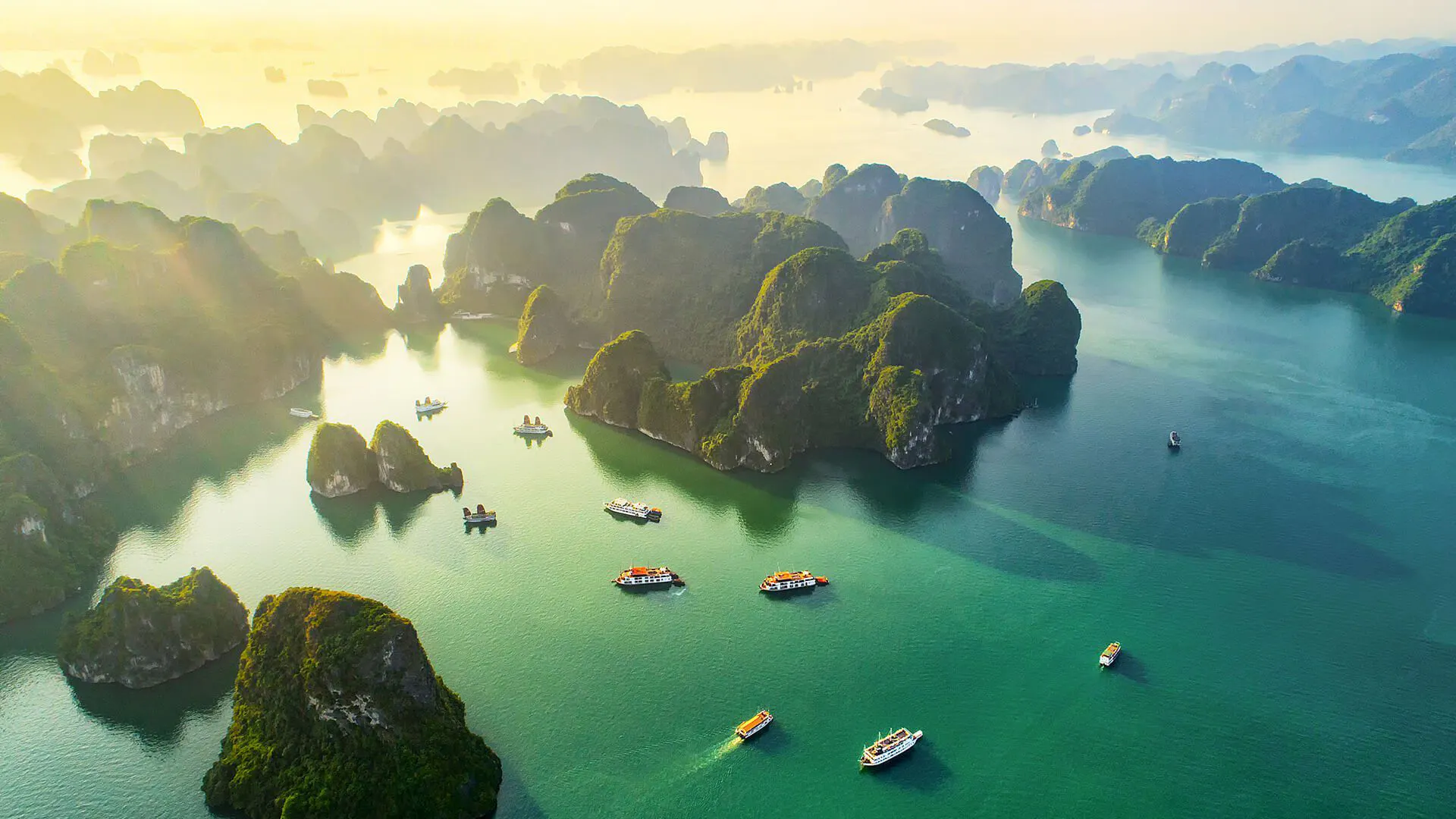
Vietnam's attractions offer an incredible mix of natural beauty, cultural heritage, historic landmarks, and unforgettable travel experiences. From the limestone islands of Ha Long Bay and the ancient streets of Hoi An to the mountains of Ha Giang and the waterways of the Mekong Delta, every destination has its own unique charm. Explore iconic attractions, UNESCO World Heritage Sites, pristine beaches, national parks, and hidden gems to plan an unforgettable journey through one of Southeast Asia's most diverse and captivating countries.
Explore Attractions by Type
Vietnam offers a diverse range of attractions for every traveler. From ancient temples and historic landmarks to breathtaking natural wonders and vibrant cultural sites, explore attractions by category and discover experiences that match your interests.

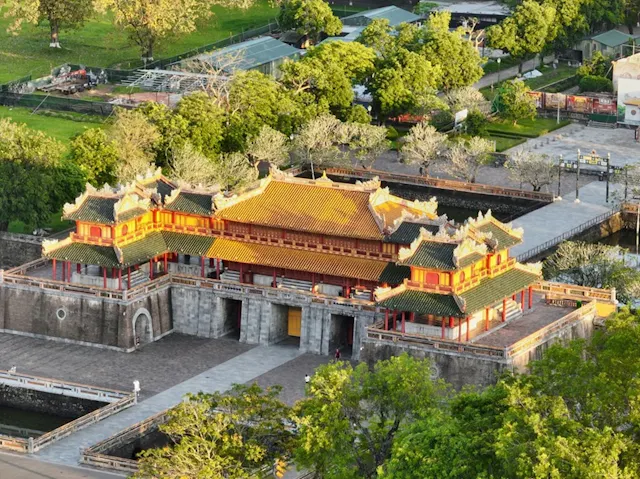
About Vietnam's Attractions
Vietnam is home to an extraordinary variety of attractions, ranging from ancient temples and historic cities to dramatic mountains, tropical beaches, national parks, caves, museums, and lively markets. With a long coastline and diverse geography, the country offers experiences for travelers interested in history, culture, nature, food, architecture, and outdoor adventure.
From the historic streets of Hanoi and Hoi An to the limestone landscapes of Ha Long Bay and the tropical islands of the south, Vietnam's attractions provide countless ways to explore the country's natural and cultural heritage.
Historic and Cultural Attractions
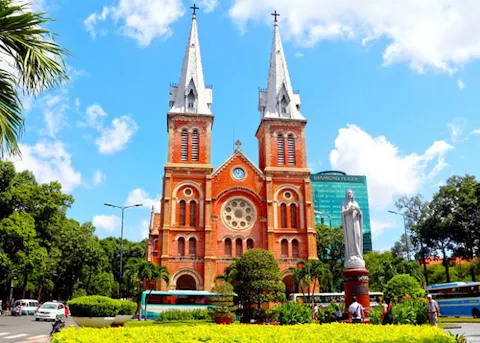
Vietnam's history spans thousands of years, and its attractions reflect influences from ancient Vietnamese kingdoms, Chinese cultural traditions, Southeast Asian societies, Buddhism, and the French colonial period.
Historic landmarks can be found throughout the country.
Hanoi is home to attractions such as the Temple of Literature, Ho Chi Minh Mausoleum, Hoan Kiem Lake, and the Old Quarter.
In central Vietnam, Hue preserves important monuments from the Nguyen Dynasty, including the Imperial City and royal tombs.
Hoi An Ancient Town provides another remarkable example of Vietnam's historic heritage through its preserved merchant houses, temples, assembly halls, and traditional streets.
Temples and Pagodas
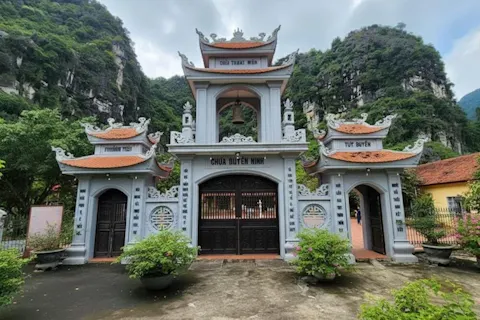
Religious sites are among Vietnam's most distinctive attractions.
Travelers can visit famous pagodas such as Tran Quoc Pagoda in Hanoi, Thien Mu Pagoda in Hue, Bai Dinh Pagoda in Ninh Binh, and One Pillar Pagoda in Hanoi.
These sites often combine religious significance with impressive architecture and scenic surroundings.
Visitors should dress respectfully and follow local customs when entering temples and pagodas.
UNESCO World Heritage Sites
Vietnam has several internationally recognized heritage destinations.
Ha Long Bay–Cat Ba Archipelago, Hoi An Ancient Town, Complex of Hue Monuments, Trang An Landscape Complex, and Phong Nha-Ke Bang National Park are among the country's most important UNESCO-recognized attractions.
These sites demonstrate the diversity of Vietnam's natural and cultural heritage.
Exploring them provides travelers with opportunities to understand both the country's history and its distinctive landscapes.
Natural Attractions
Vietnam's natural attractions range from mountains and forests to caves, rivers, beaches, and islands.
Fansipan in northern Vietnam is the country's highest mountain, while Ha Giang is famous for dramatic limestone valleys and mountain passes.
In central Vietnam, Phong Nha-Ke Bang contains extensive cave systems and underground rivers.
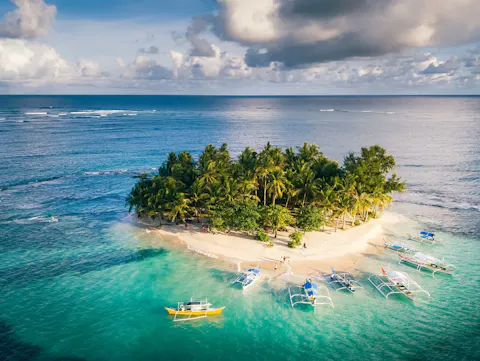
Southern destinations such as Phu Quoc and Con Dao offer tropical beaches and marine environments.
Beaches and Coastal Attractions
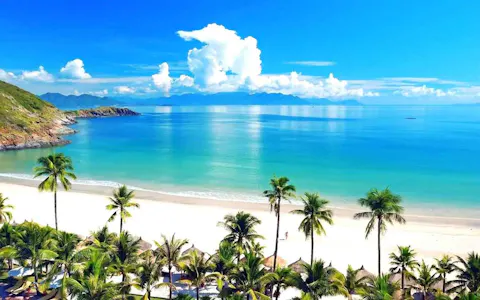
With a coastline stretching for more than 3,000 kilometers, Vietnam has numerous beach destinations.
My Khe Beach in Da Nang, Nha Trang Beach, Mui Ne, Phu Quoc, Vung Tau, and Ho Tram are popular choices for travelers seeking sunshine and coastal activities.
Depending on the destination, visitors can swim, snorkel, dive, kayak, surf, or simply relax by the sea.
Each coastal area has its own character, from busy resort cities to quieter island communities.
Caves and Karst Landscapes
Vietnam's limestone geology has created some spectacular cave attractions.
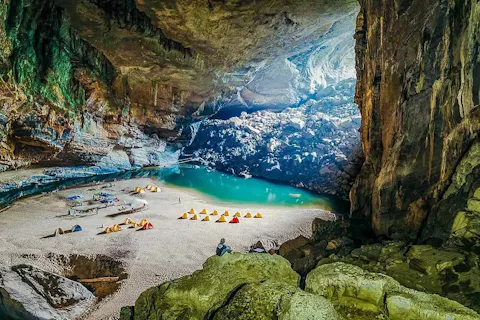
Son Doong Cave is internationally famous for its enormous scale, while Paradise Cave, Hang En Cave, and Dau Go Cave offer other opportunities to explore underground landscapes.
The caves around Phong Nha are particularly important for adventure travelers and nature enthusiasts.
Access conditions vary, and some caves can only be visited through authorized tours.
National Parks
Vietnam's national parks protect forests, wetlands, mountains, coastal ecosystems, and wildlife.
Cuc Phuong National Park is known for biodiversity and conservation programs, while Cat Tien National Park protects important lowland forest ecosystems.
Bach Ma, Yok Don, Tram Chim, U Minh Ha, and Ba Vi offer additional opportunities for hiking, birdwatching, wildlife observation, and nature exploration.
Visitors should follow park regulations and avoid disturbing animals or damaging vegetation.
Museums and Historical Attractions
Vietnam's museums provide valuable context for understanding the country's history and culture.
In Hanoi, travelers can visit the Vietnam Museum of Ethnology, Vietnam National Museum of History, and Vietnamese Women's Museum.
In Ho Chi Minh City, the War Remnants Museum explores the Vietnam War and its consequences from a Vietnamese perspective.
The Vietnam National Museum of Fine Arts provides an introduction to Vietnamese artistic traditions and modern works.
Markets and Local Life
Markets offer a more everyday perspective on Vietnamese culture.
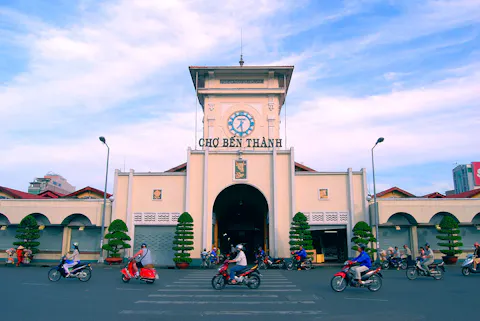
Dong Xuan Market in Hanoi, Ben Thanh Market in Ho Chi Minh City, Dong Ba Market in Hue, and Da Lat Market showcase local products, food, clothing, handicrafts, and regional specialties.
The Cai Rang Floating Market in the Mekong Delta provides a particularly distinctive experience, with traders selling goods directly from boats on the river.
Food and Culinary Attractions
Food is itself one of Vietnam's most rewarding attractions.
Travelers can explore local specialties in street markets, food stalls, restaurants, and traditional villages.
Popular dishes include pho, banh mi, bun cha, com tam, cao lau, banh xeo, bun rieu, and many regional specialties.
Different destinations have their own culinary identities, making food exploration an important part of traveling through Vietnam.
Outdoor Attractions
Vietnam's diverse geography creates opportunities for outdoor activities.
Travelers can trek through the rice terraces of Sapa, explore the mountains of Ha Giang, kayak around Ha Long Bay, cycle through the countryside near Hoi An, explore caves in Phong Nha, or snorkel around Vietnam's islands.
These experiences allow visitors to discover landscapes beyond traditional sightseeing.
Choosing Vietnam's Attractions
The best attractions depend on your interests and available travel time.
History lovers may prefer Hanoi, Hue, Hoi An, and Ho Chi Minh City.
Nature enthusiasts can explore Ha Long Bay, Phong Nha, Sapa, Ha Giang, and Vietnam's national parks.
Beach travelers can consider Da Nang, Nha Trang, Mui Ne, Phu Quoc, Con Dao, and other coastal destinations.
Food travelers can build itineraries around Hanoi, Hue, Hoi An, Ho Chi Minh City, and the Mekong Delta.
Why Explore Vietnam's Attractions?
Vietnam's attractions offer a remarkable combination of history, culture, architecture, nature, food, beaches, and outdoor adventure.
From ancient temples and historic towns to dramatic mountains, caves, islands, and national parks, there is something for almost every type of traveler.
Exploring these attractions provides more than sightseeing—it offers an opportunity to understand Vietnam's landscapes, traditions, history, and everyday culture while discovering the distinctive character of each region.
Traveler-Favorite Attractions in Vietnam
Discover some of Vietnam's most loved attractions, chosen for their cultural significance, natural beauty, unique experiences, and popularity among travelers. From UNESCO World Heritage Sites to breathtaking landscapes and historic landmarks, these destinations showcase the very best of Vietnam.
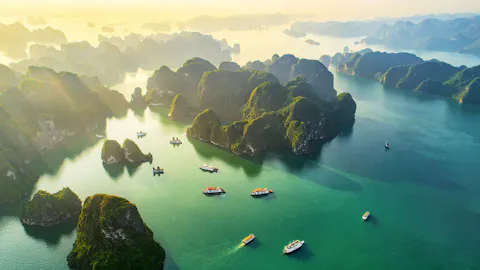
Ha Long Bay
A world-famous UNESCO World Heritage Site featuring thousands of limestone islands rising from emerald waters, offering unforgettable cruises and spectacular scenery.
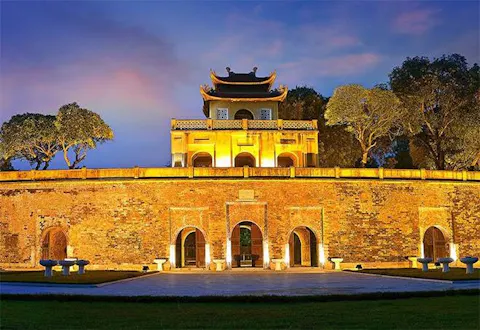
Imperial Citadel of Thang Long
Explore the Imperial Citadel of Thang Long, a UNESCO World Heritage Site and one of Vietnam's most important historical landmarks. Discover centuries of royal history, archaeological treasures, and the cultural legacy of Hanoi's ancient imperial capital.
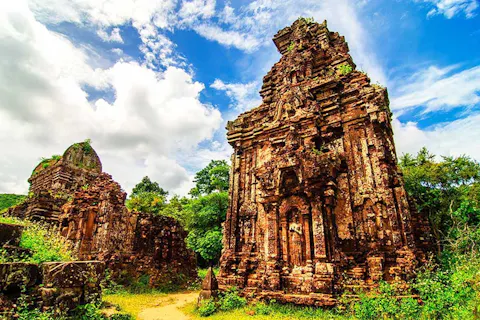
My Son Sanctuary
Discover My Son Sanctuary, one of Southeast Asia's most important archaeological sites and a UNESCO World Heritage Site. Explore ancient Cham temples, Hindu influences, centuries of history, and the remarkable cultural legacy of the Champa Kingdom in central Vietnam.
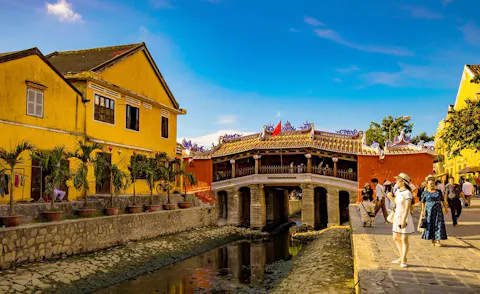
Hoi An Ancient Town
Discover Hoi An Ancient Town, one of Vietnam's most charming UNESCO World Heritage Sites. Wander through lantern-lined streets, explore centuries-old architecture, experience rich cultural traditions, and uncover the history of one of Southeast Asia's most important trading ports.
Frequently Asked Questions About Attractions in Vietnam
What are the most famous attractions in Vietnam?
Vietnam is home to many world-famous attractions, including Ha Long Bay, Hoi An Ancient Town, Hue Imperial City, the Imperial Citadel of Thang Long, Phong Nha-Ke Bang National Park, and the Mekong Delta. These destinations showcase the country's rich cultural heritage and natural beauty.
How many UNESCO World Heritage Sites are there in Vietnam?
Vietnam has several UNESCO World Heritage Sites, including Ha Long Bay, Hoi An Ancient Town, My Son Sanctuary, the Complex of Hue Monuments, Phong Nha-Ke Bang National Park, and the Imperial Citadel of Thang Long, among others.
When is the best time to visit attractions in Vietnam?
Vietnam can be visited year-round, but the best time depends on the region. Spring (March to April) and autumn (September to November) generally offer pleasant weather for exploring cultural landmarks, natural attractions, and outdoor destinations.
Are attractions in Vietnam suitable for families?
Yes. Vietnam offers a wide variety of family-friendly attractions, including historical sites, museums, beaches, national parks, cultural villages, and entertainment destinations suitable for visitors of all ages.
Do I need to buy tickets in advance for popular attractions?
While many attractions allow visitors to purchase tickets on arrival, booking in advance is recommended for popular destinations, guided tours, cruises, and attractions that experience high visitor numbers during peak travel seasons.
Advertising box