
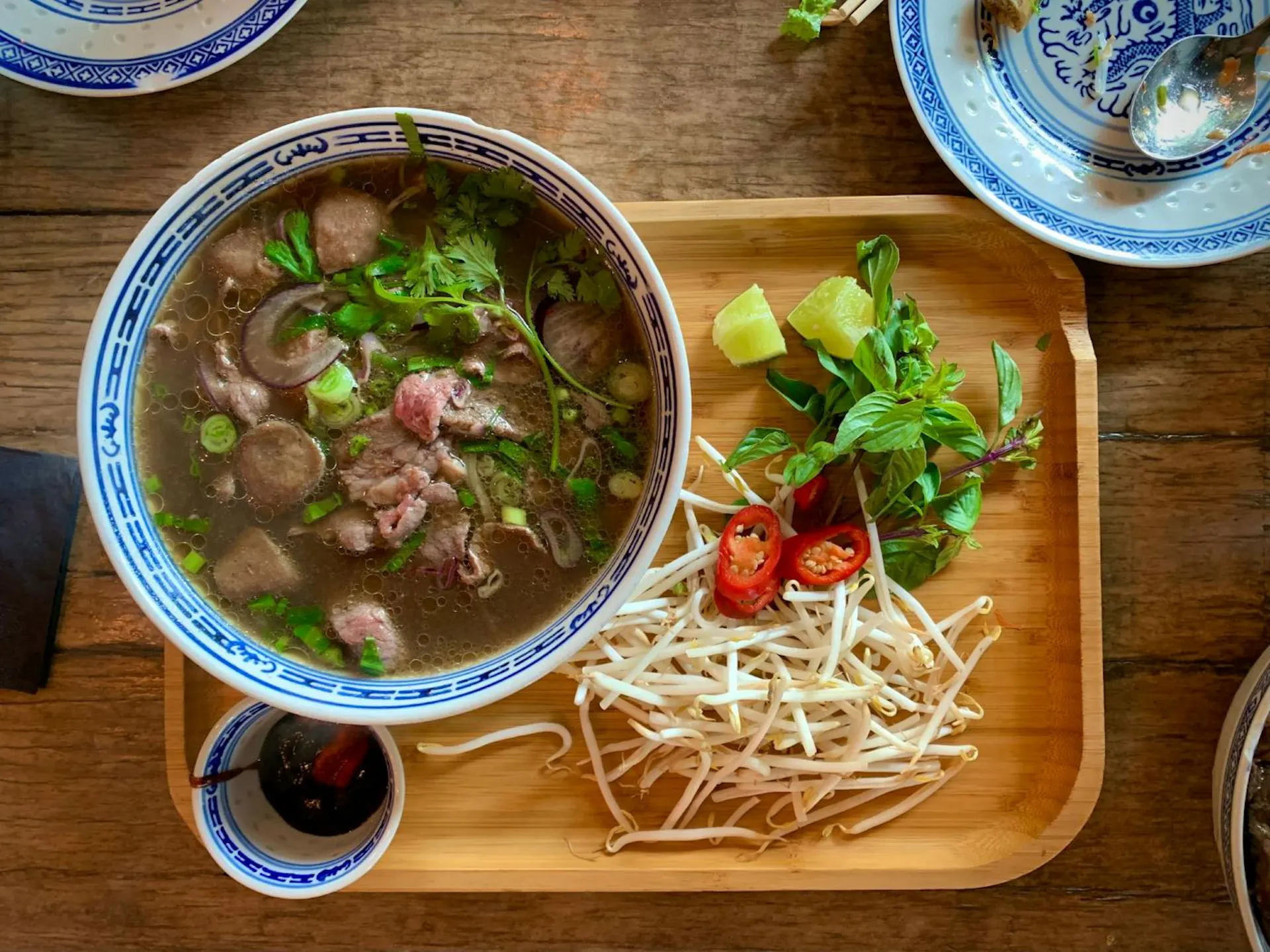
Phở: Vietnam's Famous Noodle Soup
Pho is one of Vietnam’s most famous dishes, representing the country’s rich culinary heritage and traditional flavors. This beloved noodle soup combines aromatic broth, rice noodles, fresh herbs, and carefully prepared ingredients to create a simple yet unforgettable experience. Discover the origins of Pho, explore regional variations from Northern to Southern Vietnam, and learn why this dish has become a symbol of Vietnamese cuisine around the world. Go Visit Vietnam brings you closer to the stories, flavors, and culture behind authentic Vietnamese Pho.
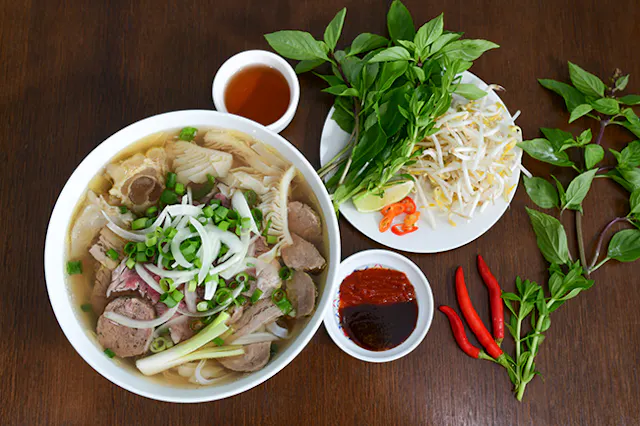
Discover Pho in Vietnam: The Story Behind Vietnam’s Most Iconic Noodle Soup
Pho is more than just a bowl of noodle soup; it is one of the most recognizable symbols of Vietnamese cuisine and an essential food experience for visitors exploring Vietnam. Made with flat rice noodles, a fragrant broth, fresh herbs, and meat or other toppings, pho in Vietnam reflects the country's culinary traditions while allowing each region and cook to create its own distinctive interpretation.
Traditional Vietnamese pho is commonly prepared with a slowly simmered broth. Beef bones, chicken, onions, ginger, and aromatic spices such as star anise and cinnamon can be used to develop the broth's depth and fragrance. The noodles are added just before serving, followed by thinly sliced beef or chicken and a selection of fresh herbs. The result is a dish that combines warmth, texture, fragrance, and balanced flavors in a simple but carefully prepared bowl.
Travelers will notice regional differences when tasting pho Vietnam in different parts of the country. Hanoi is particularly associated with a more restrained and clear style of pho, allowing the natural flavor of the broth and meat to remain prominent. In Southern Vietnam, pho is often served with a wider selection of fresh herbs, bean sprouts, lime, chili, and additional condiments, allowing diners to adjust the flavor at the table.
Pho can be enjoyed throughout the day, from casual breakfast stalls to dedicated noodle restaurants. Eating pho locally is also an opportunity to experience everyday Vietnamese life, where steaming bowls of noodles are served alongside busy streets, traditional markets, and neighborhood eateries.
For first-time visitors, trying pho in its home country provides more than a memorable meal. It offers an introduction to Vietnam's ingredients, cooking techniques, regional diversity, and food culture—one bowl at a time.
Featured Ingredients of Pho Vietnam
Discover the essential ingredients that create the unique flavor of Pho Vietnam, one of the world’s most famous noodle soups. Each component contributes to the perfect balance of aroma, texture, and taste that defines this iconic Vietnamese dish.
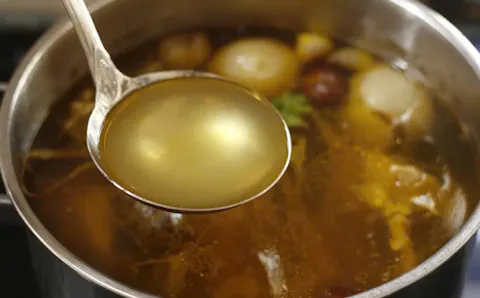
Aromatic Pho Broth↗
The heart of Pho is its rich and fragrant broth, traditionally simmered for many hours with beef or chicken bones, ginger, onions, and spices such as star anise, cinnamon, and cloves to create a deep and comforting flavor.
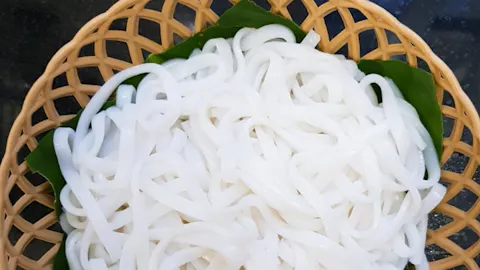
Rice Noodles & Tender Meat↗
Soft rice noodles combined with carefully prepared beef or chicken create the main foundation of Pho. Popular variations include Pho Bo with beef cuts and Pho Ga with tender chicken slices.
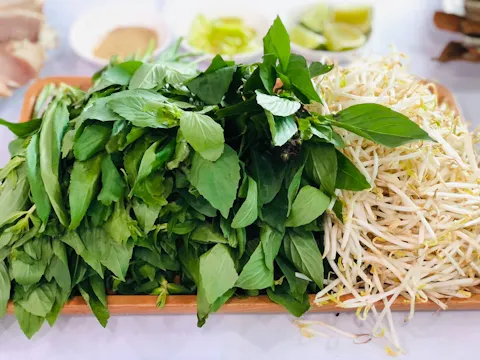
Fresh Herbs & Vietnamese Garnishes↗
Fresh herbs such as cilantro, Thai basil, green onions, along with lime, chili, and bean sprouts add freshness, aroma, and balance, allowing each bowl of Pho to be customized to personal taste.
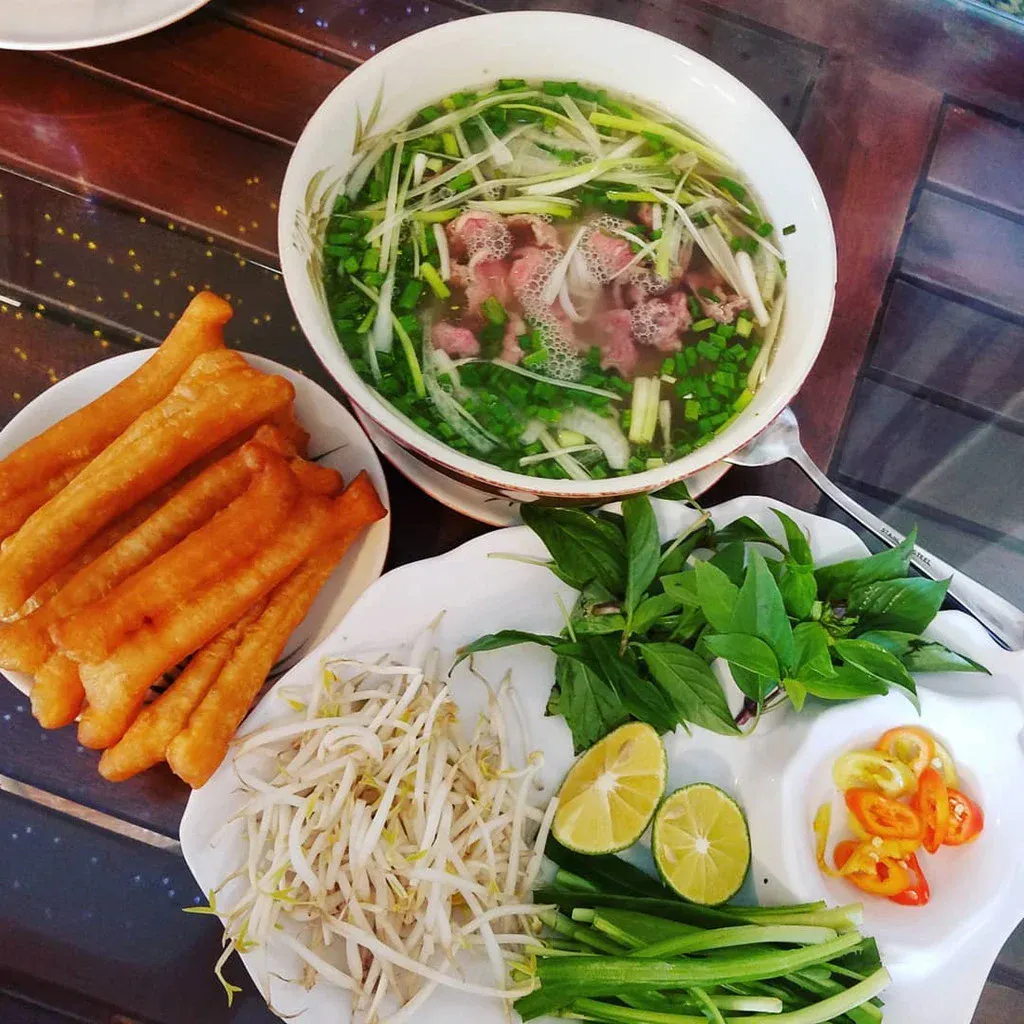
More Stories About Pho & Vietnamese Cuisine
Continue your culinary journey with our latest articles about Pho, Vietnam's rich food culture, regional specialties, cooking traditions, and local dining experiences. Discover the history behind iconic dishes, compare authentic flavors from different regions, and find inspiration for your next Vietnamese food adventure.
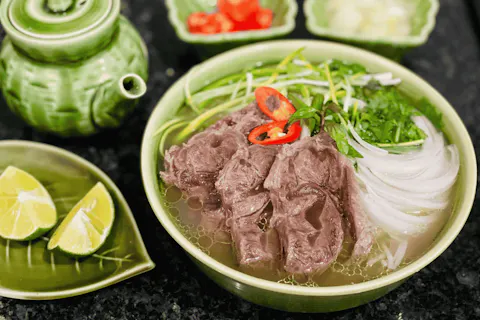
What Is Pho? Vietnam's Iconic Noodle Soup Explained↗
Pho, or Phở, is Vietnam's iconic noodle soup made with flat rice noodles, a fragrant broth, beef or chicken, and fresh herbs and seasonings. From Hanoi's traditional northern style to Ho Chi Minh City's more herb-rich southern version, pho reflects the diversity of Vietnamese cuisine. Discover what pho is, what ingredients go into a bowl, how beef pho differs from chicken pho, what pho tastes like, where the dish originated, and how to enjoy this beloved Vietnamese noodle soup like a local.
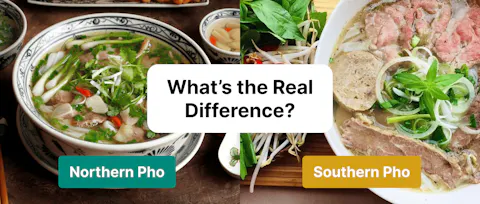
Northern Pho vs Southern Pho: What’s the Real Difference?↗
Pho is Vietnam's most famous dish, but not all bowls are the same. Northern Pho from Hanoi emphasizes a clear, delicate broth and minimal garnishes, while Southern Pho from Ho Chi Minh City is richer, sweeter, and served with an abundance of fresh herbs and condiments. From cooking techniques and ingredients to serving traditions and regional flavors, this guide explores the real differences between Northern and Southern Pho, helping you appreciate the unique character of each iconic Vietnamese noodle soup.
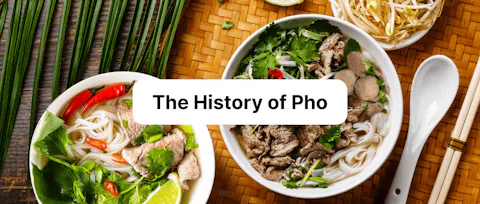
The History of Pho: How It Became Vietnam’s National Dish↗
Pho is more than Vietnam's most famous noodle soup—it is a symbol of the nation's culture, history, and identity. Originating in northern Vietnam in the early 20th century, Pho evolved through local traditions, French influence, and regional adaptations before becoming an internationally recognized culinary icon. This guide explores the fascinating history of Pho, its humble beginnings, how it spread across Vietnam, and why it remains one of the country's most beloved dishes today.
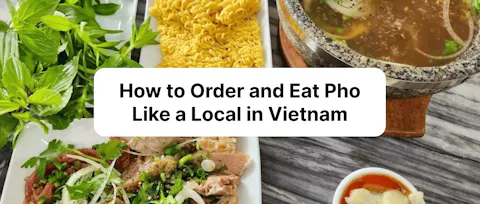
How to Order and Eat Pho Like a Local in Vietnam↗
Ordering Pho in Vietnam is about more than choosing a bowl of noodles—it's part of experiencing the country's food culture. From understanding menu terms and selecting your preferred cuts of meat to knowing when to add herbs, lime, or chili, local customs can make your meal even more enjoyable. This guide explains how Vietnamese people order and eat Pho, common restaurant etiquette, regional differences, and practical tips to help you enjoy Vietnam's most iconic dish like a local.
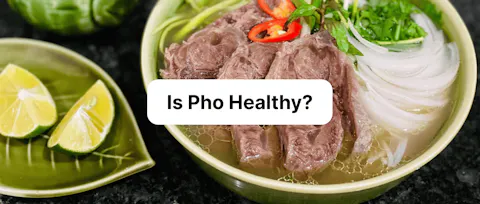
Is Pho Healthy? Calories, Nutrition, and Gluten-Free Facts↗
Pho is widely regarded as one of Vietnam's healthiest traditional dishes thanks to its nourishing broth, lean protein, fresh herbs, and rice noodles. However, its nutritional value can vary depending on the ingredients and portion size. This guide explores Pho's calories, protein, carbohydrates, vitamins, sodium content, and whether it is gluten-free. You'll also discover practical tips for enjoying this iconic Vietnamese noodle soup as part of a healthy, balanced lifestyle.
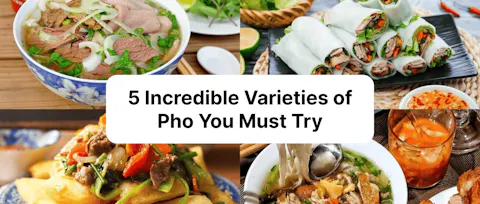
Beyond Soup: 5 Incredible Varieties of Pho You Must Try↗
Most travelers know Pho as Vietnam's iconic noodle soup, but the story doesn't end there. Across the country, talented cooks have transformed Pho into an impressive variety of dishes, including stir-fried Pho, rolled Pho, dry Pho, and regional specialties with unique flavors and textures. This guide introduces five incredible Pho varieties that showcase the versatility of Vietnam's most famous noodles and prove there's much more to Pho than a comforting bowl of soup.
Frequently Asked Questions About Pho Vietnam
What is Pho?
Pho is believed to have originated in northern Vietnam, particularly around Hanoi, in the early 20th century. Over time, it spread throughout the country and evolved into various regional styles.
What is the difference between Pho Bo and Pho Ga?
Pho Bo is made with beef broth and beef cuts such as brisket, flank, or rare slices of beef, while Pho Ga uses chicken broth and tender chicken meat. Both versions share similar noodles and fresh herbs but offer distinct flavors.
What makes Pho unique?
Pho is known for its aromatic broth, which is traditionally simmered for many hours with bones and spices such as star anise, cinnamon, ginger, and cloves. The balance of flavors, fresh ingredients, and cultural heritage make it unique among noodle soups.
Is Pho usually eaten for breakfast?
Traditionally, Pho is a popular breakfast dish in Vietnam, especially in northern regions. However, it is enjoyed throughout the day and can be found at restaurants and street food stalls from morning until late evening.
How does northern Pho differ from southern Pho?
Northern-style Pho generally has a cleaner and more subtle flavor, focusing on the broth itself. Southern-style Pho is often served with additional herbs, bean sprouts, lime, hoisin sauce, and chili sauce, creating a richer and more customizable experience.
Advertising box
Related Vietnamese Dishes
Explore more of Vietnam's rich culinary heritage with these delicious regional specialties. From comforting noodle soups and fresh seafood dishes to iconic street food favorites, discover authentic flavors that perfectly complement your journey beyond Pho.
Vỉew more Vietnamese Dishes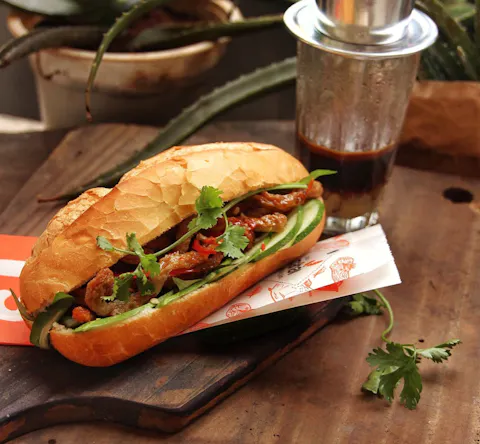
Banh Mi
Banh Mi is one of Vietnam’s most iconic street foods, combining a crispy baguette with flavorful fillings, fresh herbs, and unique Vietnamese ingredients. Inspired by French culinary influences and transformed with local flavors, Banh Mi represents the creativity and diversity of Vietnamese cuisine. Discover the history, regional styles, popular fillings, and cultural stories behind this beloved sandwich. From busy street stalls to local bakeries, Go Visit Vietnam helps you explore the authentic taste and experience of Vietnam’s famous Banh Mi.
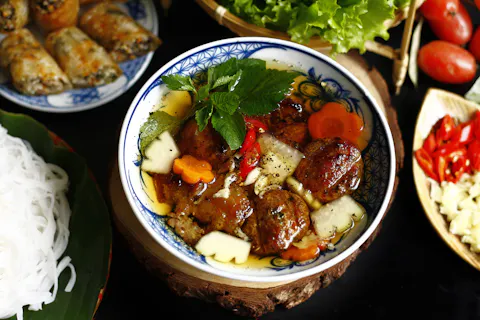
Bun Cha
Bun Cha is one of Vietnam’s most beloved dishes, especially famous in Hanoi for its smoky grilled pork, fresh rice noodles, herbs, and sweet-savory dipping sauce. This traditional dish represents the balance and simplicity of Vietnamese cuisine, combining fresh ingredients with rich flavors. Discover the origins of Bun Cha, its preparation methods, regional variations, and the best way to enjoy this authentic Vietnamese specialty. Go Visit Vietnam brings you closer to the culture, flavors, and stories behind Hanoi’s iconic street food.
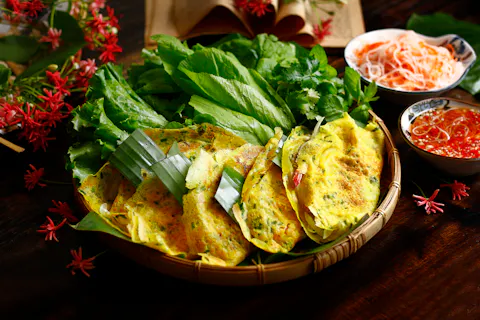
Banh Xeo
Banh Xeo is one of Vietnam’s most popular traditional dishes, known for its crispy golden shell, flavorful fillings, and fresh herbs served with dipping sauce. This Vietnamese savory pancake is made from rice flour batter and commonly filled with shrimp, pork, bean sprouts, and vegetables. Each region offers its own unique version, from the large crispy pancakes of Southern Vietnam to smaller styles in Central Vietnam. Discover the flavors, traditions, and local experiences behind this iconic Vietnamese street food.
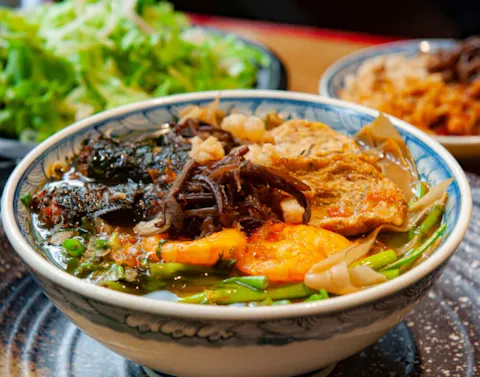
Banh Da Cua
Banh Da Cua is one of the most iconic dishes from Hai Phong, Northern Vietnam, loved for its unique red rice noodles, sweet crab broth, and fresh local ingredients. This traditional Vietnamese noodle soup combines flavors from the sea and countryside, creating a distinctive taste that represents the coastal city’s culinary identity. Visitors can enjoy Banh Da Cua with crab, shrimp, fish cakes, herbs, and vegetables while discovering one of Vietnam’s most memorable regional specialties.
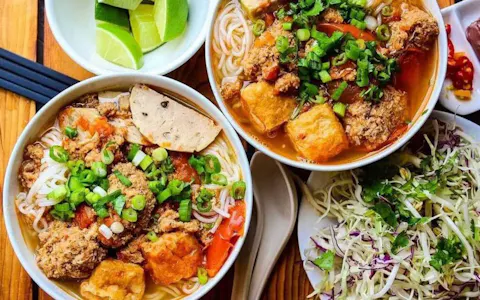
Bun Rieu
Bun Rieu is a beloved Vietnamese noodle soup famous for its flavorful crab-based broth, tomato richness, and refreshing combination of herbs and toppings. Originating from Northern Vietnam, this traditional dish features soft rice vermicelli, crab paste, tofu, pork, and fresh vegetables. With its unique balance of sweet, savory, and slightly tangy flavors, Bun Rieu represents the diversity and creativity of Vietnamese cuisine. Discover the ingredients, traditions, and local experiences behind one of Vietnam’s most iconic comfort foods.
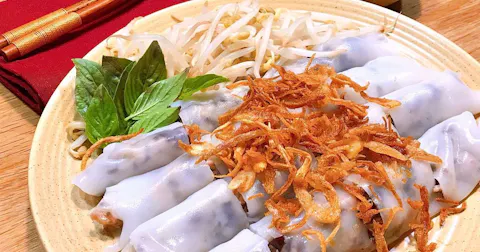
Banh Cuon
Banh Cuon is a popular Vietnamese dish known for its delicate steamed rice sheets, savory fillings, and light yet flavorful taste. Originating from Northern Vietnam, this traditional specialty is made by steaming thin rice batter and filling it with minced pork, mushrooms, and herbs. Served with Vietnamese fish sauce, fried shallots, and fresh herbs, Banh Cuon offers a perfect balance of softness, aroma, and freshness. Discover the story, ingredients, and cultural charm behind one of Vietnam’s favorite breakfast dishes.
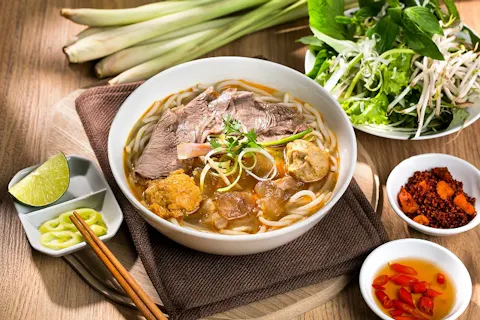
Bun Bo Hue
Bun Bo Hue is one of Vietnam’s most iconic dishes, originating from the ancient imperial city of Hue. Famous for its rich and aromatic beef broth, spicy chili flavor, lemongrass fragrance, and thick rice noodles, this dish represents the unique culinary traditions of Central Vietnam. A traditional bowl of Bun Bo Hue combines beef, pork, herbs, and fresh vegetables to create a perfect balance of savory, spicy, and refreshing flavors. Discover the history and authentic taste behind this beloved Vietnamese specialty.