
Beyond Soup: 5 Incredible Varieties of Pho You Must Try
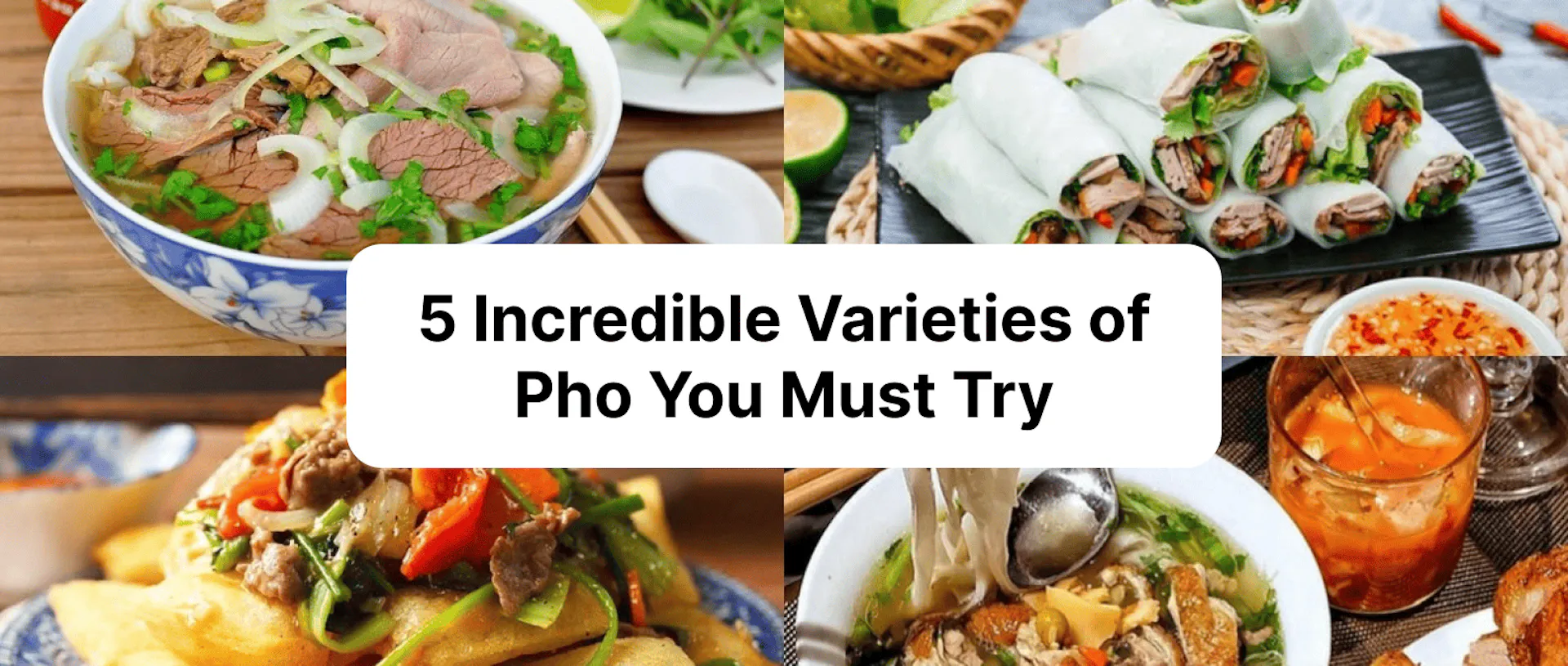
Most travelers know Pho as Vietnam's iconic noodle soup, but the story doesn't end there. Across the country, talented cooks have transformed Pho into an impressive variety of dishes, including stir-fried Pho, rolled Pho, dry Pho, and regional specialties with unique flavors and textures. This guide introduces five incredible Pho varieties that showcase the versatility of Vietnam's most famous noodles and prove there's much more to Pho than a comforting bowl of soup.
On this page
To speak of Vietnamese gastronomy is often to summon the image of a steaming, aromatic bowl of broth, but to stop at the soup is to misunderstand the fundamental versatility of the country’s most iconic ingredient. The rice noodle sheet, or bánh phở, serves as a culinary foundation so robust and pliable that it has birthed an entire spectrum of textures, moving far beyond the boundaries of liquid immersion. In the hands of Vietnam’s street-side artisans, these noodles are steamed, rolled, seared in high-heat woks, deep-fried until puffed, and even fermented in tangy, flavor-dense sauces. Beyond Soup: 5 Incredible Varieties of Pho explores this dynamic versatility, unveiling how a single, humble grain can define a national palate across such a staggering range of sensory experiences. For the culinary anthropologist and the dedicated traveler, these variations are not merely "alternative dishes"; they are historical documents that record how regional geography, seasonal necessity, and socioeconomic shifts have forced a singular ingredient to adapt to an ever-evolving urban environment. From the bustling, narrow alleyways of Hanoi to the cool, highland frontiers of Lang Son, the evolution of these dishes reveals a sophistication that standard restaurant menus often fail to capture, offering a comprehensive look at the depth of Vietnamese culinary resilience.
The Steamed and Rolled Heritage: The Art of the Northern Wrap
Pho Cuon (Pho Rolls)
The Phở cuốn stands as the definitive, quintessentially Hanoian answer to the question of how to enjoy a rice noodle without a drop of broth in sight. Unlike the traditional bowl where the noodle is submerged, the Phở cuốn utilizes fresh, uncut sheets of bánh phở, spread out in wide, translucent squares that are draped over a wooden board like silk. The craftsmanship here is immediate: the vendor takes a mound of tender, stir-fried beef—perfectly seared with garlic and ginger—and bundles it with a vibrant bouquet of fresh coriander, basil, and lettuce. The result is a cold, refreshing appetizer that highlights the clean, delicate sweetness of the high-quality rice flour. To experience a proper roll is to appreciate the balance of the fresh noodle sheet, which must be supple enough to provide a gentle, pleasant chew yet resilient enough to hold the weight of the savory filling without disintegrating. It is an exercise in structural integrity and temperature contrast, acting as a light, sophisticated introduction to a meal that prioritizes the texture of the noodle above all else.

The Textural Mastery
The mastery behind a perfect Phở cuốn sheet lies in the precision of the rice flour density. In the hands of an unskilled vendor, the sheet becomes overly gummy or prone to shattering, but a master of the craft achieves a consistency that is almost ethereal. The sheet must provide a subtle, neutral backdrop that allows the aggressive, umami-rich flavors of the sautéed meat and the sharp, bright notes of the fresh herbs to take center stage. This dish is not simply a wrap; it is a demonstration of how Vietnamese culinary culture manages the sensory experience of a meal, moving from the hot, savory aromatics of the meat to the cool, crisp garden-freshness of the herbs, all tied together by the neutral, cooling embrace of the steamed rice sheet. This dish is widely recognized as a Hanoi appetizer classic, revealing how the local street-food culture values the interaction between raw ingredients and processed rice products in a setting that encourages communal, slow-paced dining.
The Stir-Fried and Crispy Revolution: Mastering High-Heat Techniques
Pho Xao (Stir-Fried Pho)
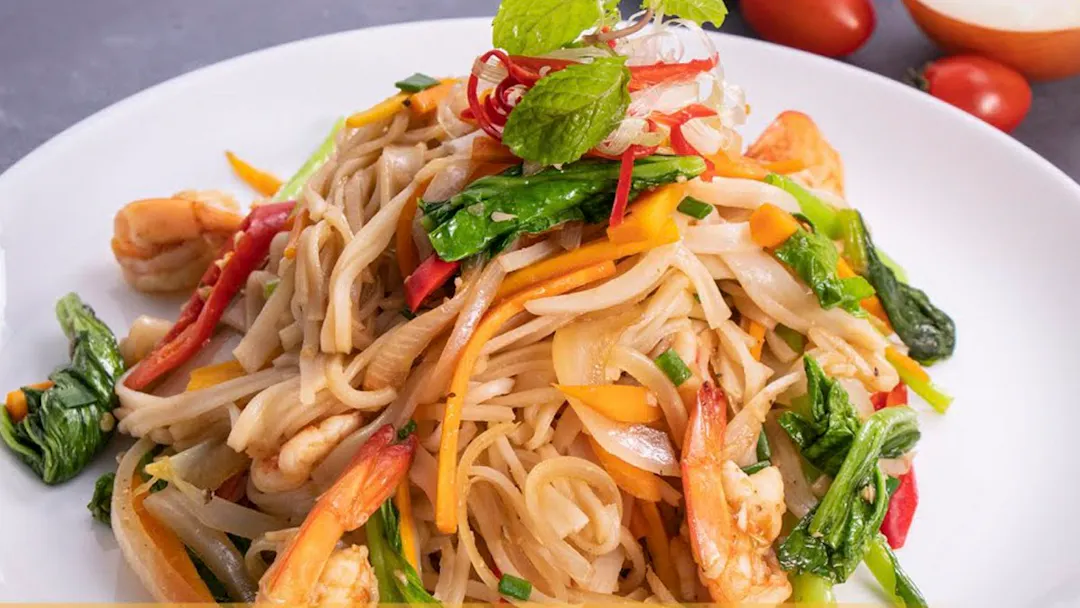
When the sun sets and the street markets of the Old Quarter begin to glow with the flickering fires of high-heat woks, the Phở xào (stir-fried Pho) emerges as a dominant force of culinary stratification. This dish requires a technical mastery of the wok that is fundamentally different from the delicate assembly of the soup. The vendor must sear the bánh phở at an intense, blistering heat, tossing them repeatedly to ensure that every strand is coated in oil and kissed by the smokiness of the flame, a technique widely known as wok hei. The objective is to achieve a texture that is simultaneously soft on the inside and slightly charred on the edges, a feat that requires years of repetition to master. The noodles are tossed with tender beef, crisp choy sum, and a savory, garlicky soy-based reduction that glazes every ingredient in a dark, umami-rich coating. This is a dish defined by its boldness and its immediate, satisfying presence, proving that the Pho noodle can be just as comfortable in a blistering, iron-wrought wok as it is in a long-simmered, delicate broth.
Pho Chien Phong (Crispy Puffed Pho)
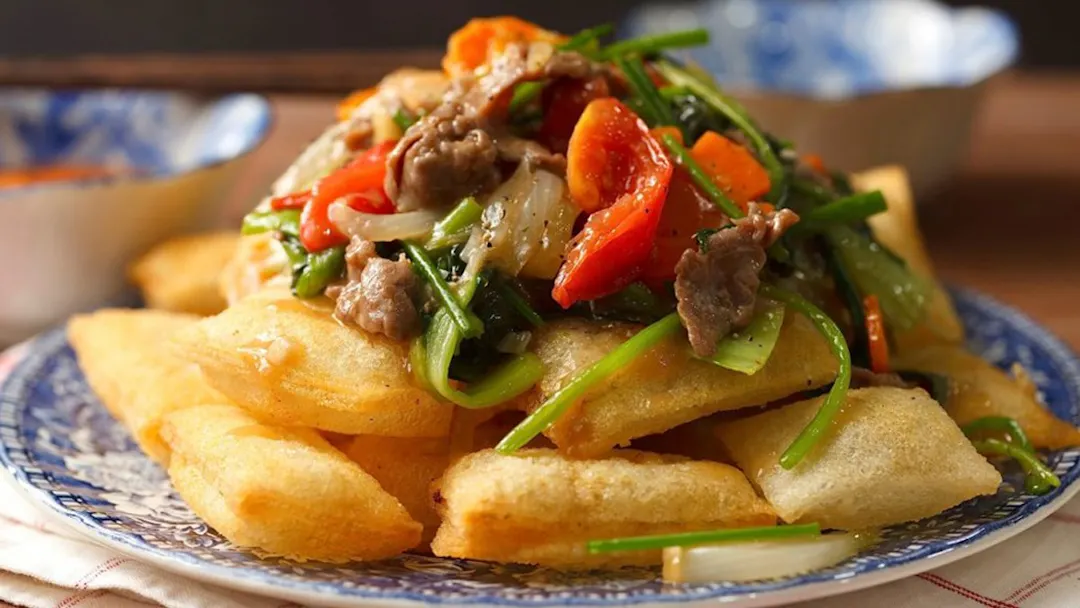
Perhaps the most audacious departure from the tradition is the Phở chiên phồng, or crispy puffed Pho. This variation takes the fresh rice noodle squares and plunges them into a vat of roaring hot oil until they dramatically inflate into hollow, golden pillows. The result is a texturally complex marvel: a exterior that shatters like glass upon the first bite, revealing a chewy, airy interior that provides a secondary, satisfying resistance. These golden squares are served with a savory stir-fry of beef and vegetables, allowing the crispy noodles to act as both a vessel for the meat and a textural contrast to the sauce. Exploring the Phở chiên phồng is an essential experience for anyone moving beyond soup, as it challenges the perception of what a rice noodle can become. It is a dish that highlights the local willingness to experiment with the physical properties of the noodle, pushing the boundaries of traditional cooking methods to create something that is intensely satisfying, texturally diverse, and deeply memorable.
The Tangy and Mixed Variations: Exploring Regional Terroir
Pho Tron (Mixed Pho)
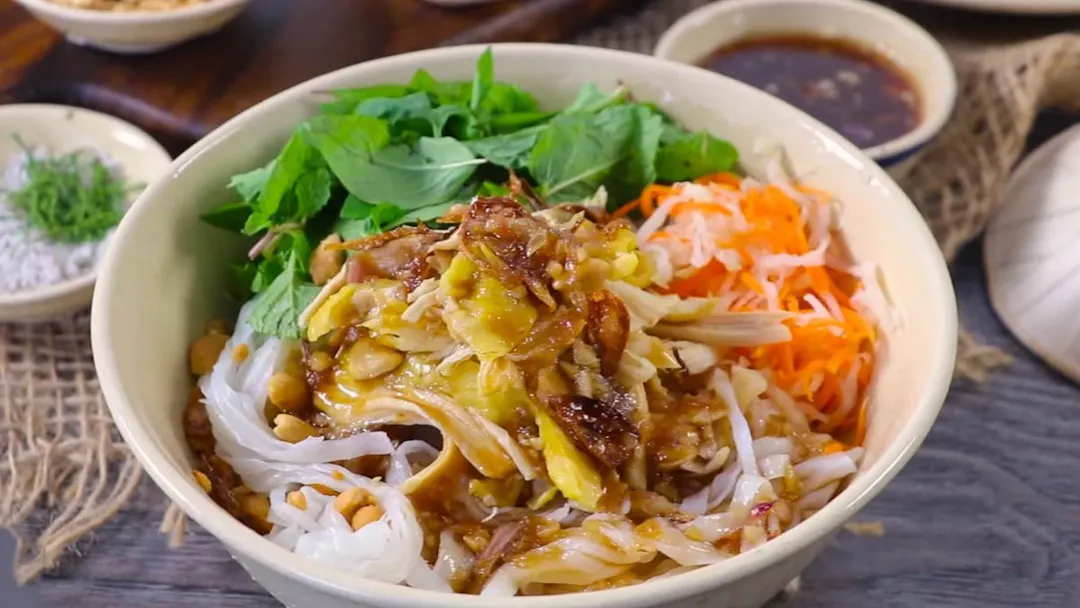
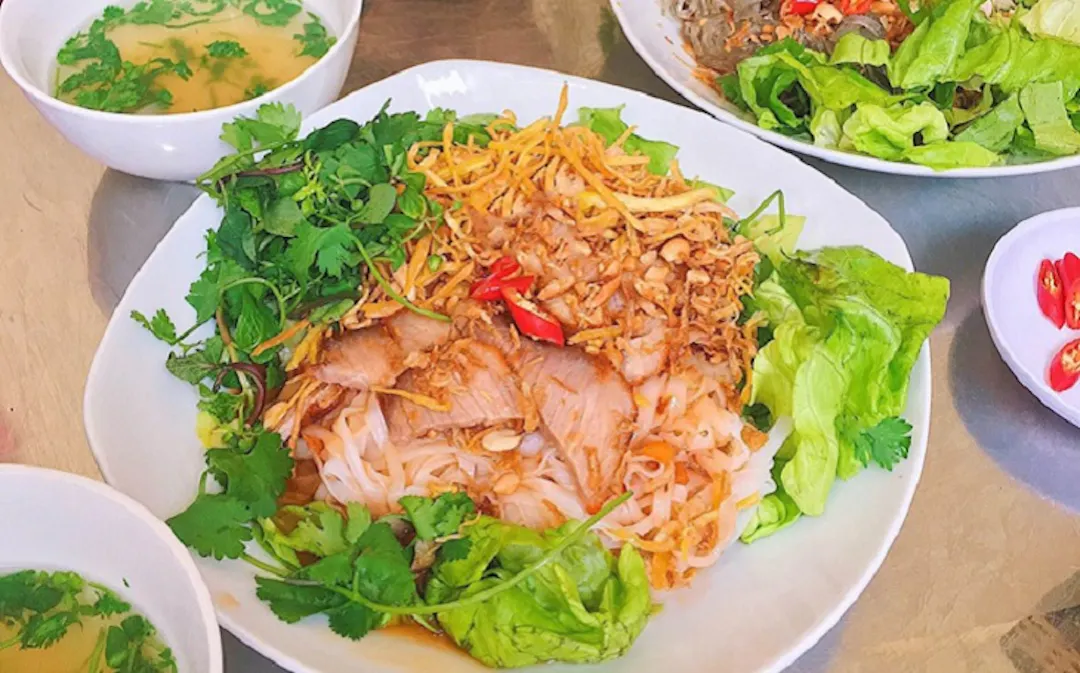
For those who find the intensity of a stir-fry or the richness of a deep-fry to be too much, the Phở trộn (mixed Pho) offers a sophisticated, salad-like experience that focuses entirely on the quality of the raw ingredients. This is a dry format, where the fresh noodles are tossed in a complex, bowl-specific sauce that might include a mixture of soy, vinegar, and aromatics, served with shredded chicken, beef, or tofu. The dish is finished with a generous sprinkle of toasted peanuts, fresh shallots, and a selection of fresh herbs that enhance the natural, subtle fragrance of the rice. By removing the broth, the Phở trộn places the quality of the noodle itself under a magnifying glass, revealing whether the vendor sources their bánh phở fresh from a local workshop or relies on mass-produced, industrial dry substitutes. This variation is the perfect, light lunch option, highlighting the inherent brightness of Vietnamese street food and proving that Pho can be refined, portable, and remarkably clean.
Pho Chua Lang Son (Sour Pho)
Moving into the misty, high-altitude landscapes of the northern highlands, one encounters the Phở chua Lạng Sơn (Sour Pho of Lang Son), a regional specialty that reflects the specific culinary terroir of the borderlands. Unlike the sweet, savory, or stir-fried variations of the lowlands, this northern version utilizes a fermented sauce base that imparts a sharp, deeply complex sourness. The dish incorporates unique, indigenous ingredients—often including pickled garlic, thinly sliced pork, and herbs that grow only in the rugged mountain climate—to create a flavor profile that is punchy, earthy, and exhilarating. This variation is a testament to the regional history of the province, where preservation methodologies and specific mountainous seasonings define the dietary foundation. The sourness here is not the artificial tartness of commercial vinegar, but a biological, fermented flavor profile that speaks to the patience of the local culture and their expert use of indigenous mountain flora.
Navigating the Evolution of Rice Noodles: Why These Variations Matter
Why These Variations Matter
The endurance and evolution of Pho as a symbol of Vietnamese culinary resilience can be seen clearly through these five distinct iterations. These variations are not mere novelties; they are essential adaptations that allow the dish to move through different seasons, social settings, and economic realities. When the weather is humid and oppressive, a fresh, herbaceous Phở cuốn provides a cooling, light relief; when the economy or the street culture demands a fast, high-heat energy boost, the Phở xào or Phở chiên phồng fills the gap with calories and crunch. These forms show us that a dish is only as strong as its ability to change with the needs of its people, and the Vietnamese have treated the rice noodle not as a static ingredient, but as a dynamic medium for artistic and logistical expression. This culinary stratification reflects the diversity of the Vietnamese landscape itself, from the wet deltas to the jagged peaks, proving that the ingenuity of the local people knows no geographical bound.
How to Identify Authenticity
When you are venturing beyond the bowl, the importance of identifying authenticity cannot be overstated. A hallmark of a master vendor is their commitment to freshness, particularly regarding the rice noodle sheets. You should prioritize establishments that clearly value the texture and integrity of their bánh phở; if a vendor is slicing fresh, steaming sheets right in front of you rather than pulling them from a dry package, you are likely in the presence of an artisan. Authenticity is often a matter of observing the workflow; a high-traffic stall where the vendor handles each ingredient with the practiced, rapid rhythm of someone who has mastered a singular variation over decades is the definitive mark of trustworthiness. Look for the way the noodles are handled, the specific fragrance of the wok-searing, and the deliberate balance of the herbs and sauces. By seeking out vendors who prioritize the quality of the rice over the convenience of industrial processing, you support the longevity of this incredible culinary heritage, ensuring that these regional nuances continue to thrive against the tide of standardization.
Honoring the Culinary Evolution
To understand the full scope of Vietnam’s relationship with the rice noodle is to recognize that the broth is merely one chapter in a much larger, more diverse story. The five variations we have explored—from the elegant, hand-rolled wraps of the north to the smoky stir-frys and the fermented, tangy specialties of the highland frontier—demonstrate that Vietnamese culinary ingenuity is truly boundless. Understanding these incredible variations is essential for anyone who seeks to grasp the true depth of Vietnamese cuisine and the history of its culinary stratification. Having traveled this path beyond the soup, which of these five variations—the crispy, deep-fried indulgence of the Phở chiên phồng or the refreshing, herb-forward sophistication of the Phở cuốn—are you most excited to document and taste first?
Frequently Asked Questions About Pho Varieties
Are there different types of Pho in Vietnam?
Yes. While Pho Bo (beef pho) and Pho Ga (chicken pho) are the most well-known, Vietnam also offers many creative variations such as Pho Cuon (rolled pho), Pho Xao (stir-fried pho), Dry Pho (Pho Kho), and regional specialties unique to different provinces.
What is Pho Cuon?
Pho Cuon is a Hanoi specialty where fresh pho noodles are wrapped around stir-fried beef, herbs, and vegetables. Instead of broth, it is served with a light, savory dipping sauce, making it a refreshing alternative to traditional Pho.
What is Dry Pho (Pho Kho)?
Dry Pho, especially popular in Gia Lai Province, consists of noodles served separately from a rich broth. Diners mix the noodles with seasoned meat and sauce while sipping the broth on the side for a unique dining experience.
Which Pho variety is best for first-time visitors?
Start with the classic Pho Bo or Pho Ga to experience the traditional flavors. Once you've tried the original, explore specialties like Pho Cuon, Pho Xao, or Pho Kho to discover the versatility of Vietnam's iconic noodles.
Where can I try different Pho varieties?
Hanoi is famous for Pho Cuon and traditional Northern Pho, Ho Chi Minh City offers rich Southern-style Pho, while Gia Lai is renowned for Dry Pho. Many major Vietnamese cities also feature modern and regional interpretations of this beloved dish.
Advertising box
More Pho Stories & Vietnamese Food Guides
Discover more about Vietnam's iconic Pho through in-depth articles covering its history, regional styles, authentic recipes, nutrition, dining etiquette, and the best places to enjoy it. Explore the culture, traditions, and flavors that have made Pho one of the world's most beloved noodle dishes.
Northern Pho vs Southern Pho: What’s the Real Difference?
Pho is Vietnam's most famous dish, but not all bowls are the same. Northern Pho from Hanoi emphasizes a clear, delicate broth and minimal garnishes, while Southern Pho from Ho Chi Minh City is richer, sweeter, and served with an abundance of fresh herbs and condiments. From cooking techniques and ingredients to serving traditions and regional flavors, this guide explores the real differences between Northern and Southern Pho, helping you appreciate the unique character of each iconic Vietnamese noodle soup.
The History of Pho: How It Became Vietnam’s National Dish
Pho is more than Vietnam's most famous noodle soup—it is a symbol of the nation's culture, history, and identity. Originating in northern Vietnam in the early 20th century, Pho evolved through local traditions, French influence, and regional adaptations before becoming an internationally recognized culinary icon. This guide explores the fascinating history of Pho, its humble beginnings, how it spread across Vietnam, and why it remains one of the country's most beloved dishes today.
How to Order and Eat Pho Like a Local in Vietnam
Ordering Pho in Vietnam is about more than choosing a bowl of noodles—it's part of experiencing the country's food culture. From understanding menu terms and selecting your preferred cuts of meat to knowing when to add herbs, lime, or chili, local customs can make your meal even more enjoyable. This guide explains how Vietnamese people order and eat Pho, common restaurant etiquette, regional differences, and practical tips to help you enjoy Vietnam's most iconic dish like a local.
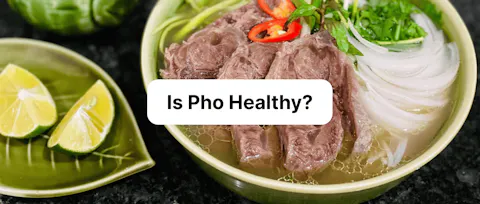
Is Pho Healthy? Calories, Nutrition, and Gluten-Free Facts
Pho is widely regarded as one of Vietnam's healthiest traditional dishes thanks to its nourishing broth, lean protein, fresh herbs, and rice noodles. However, its nutritional value can vary depending on the ingredients and portion size. This guide explores Pho's calories, protein, carbohydrates, vitamins, sodium content, and whether it is gluten-free. You'll also discover practical tips for enjoying this iconic Vietnamese noodle soup as part of a healthy, balanced lifestyle.