
How to Order and Eat Pho Like a Local in Vietnam
Ordering Pho in Vietnam is about more than choosing a bowl of noodles—it's part of experiencing the country's food culture. From understanding menu terms and selecting your preferred cuts of meat to knowing when to add herbs, lime, or chili, local customs can make your meal even more enjoyable. This guide explains how Vietnamese people order and eat Pho, common restaurant etiquette, regional differences, and practical tips to help you enjoy Vietnam's most iconic dish like a local.
On this page
- Decoding the Menu – Understanding the Beef Cuts: How to Order and Eat Pho in Vietnam
- The Art of Seasoning – Respecting the Broth: How to Order and Eat Pho in Vietnam
- The Cultural Rhythm – Dining Like a Local: How to Order and Eat Pho in Vietnam
- Pro-Tips for the First-Time Traveler: A Vietnamese Street Food Guide
- Perfecting How to Order and Eat Pho in Vietnam
Stepping into the vibrant, humid morning air of a Vietnamese street-side stall is a full-body sensory immersion. You are instantly enveloped by the rhythmic symphony of porcelain bowls clinking, the aggressive chopping of cleavers on wooden blocks, and the intoxicating, heavy aroma of toasted star anise and simmering bone marrow. For the uninitiated traveler, this chaotic culinary theater can feel overwhelming, but mastering how to order and eat pho in Vietnam transforms you from a bewildered bystander into an active participant in the country’s most revered daily ritual. Consuming this iconic noodle soup is never merely a transactional meal; it is a profound cultural interaction rooted in generational craftsmanship. Understanding the unwritten rules of ordering Pho like a local is the absolute key to unlocking the true culinary experience. It requires a deep appreciation for the intense labor behind the amber broth and a nuanced understanding of the balance between meat, noodles, and aromatics. This comprehensive guide will equip you with knowledge.
Decoding the Menu – Understanding the Beef Cuts: How to Order and Eat Pho in Vietnam
Navigating the complex lexicon of beef cuts is critical. Having Pho meat types explained properly will fundamentally alter your dining experience.
The Rare Steak (Phở Tái)
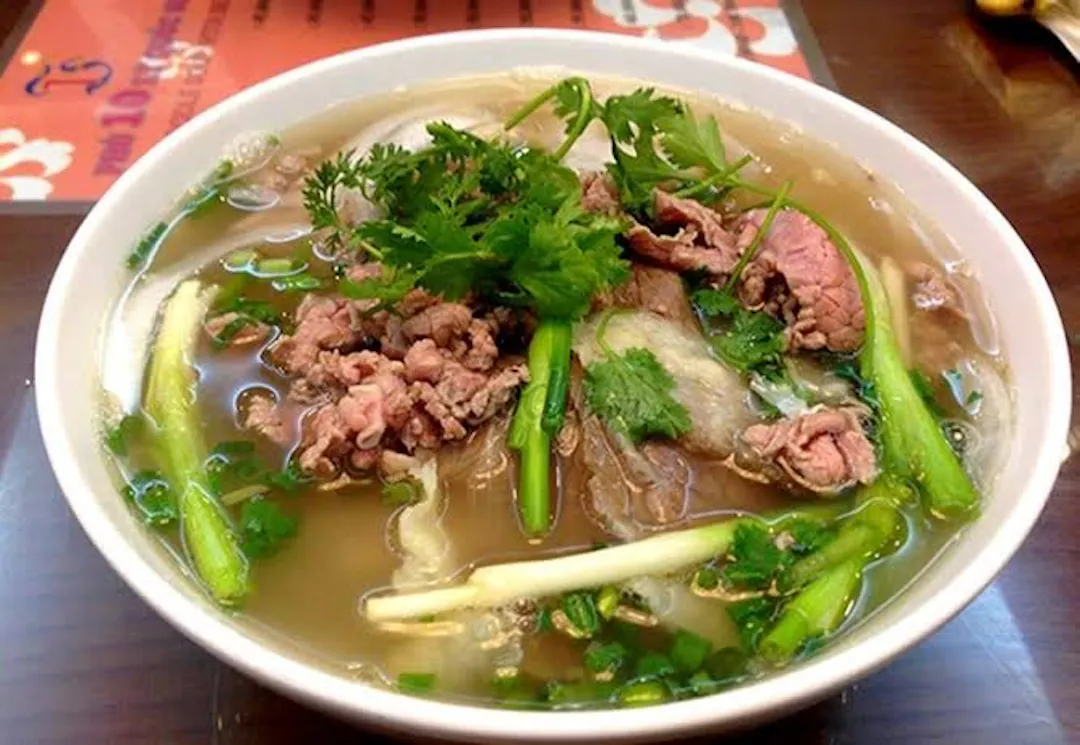
The undisputed benchmark for evaluating a chef's technical expertise is Phở Tái, the classic rare steak preparation. In this masterful execution, the vendor places incredibly thin, translucent slices of raw eye of round steak directly over the bed of freshly blanched rice noodles. The magic occurs when the chef aggressively ladles the rolling, boiling broth over the raw beef, flash-cooking the meat in mere seconds directly inside your bowl. This technique requires supreme confidence in the quality and freshness of the protein, resulting in a remarkably silky, tender texture that practically melts on the palate. The beef remains slightly pink, retaining its natural juices, which subtly bleed into and enrich the surrounding liquid.
The Well-Done Cuts (Phở Chín)
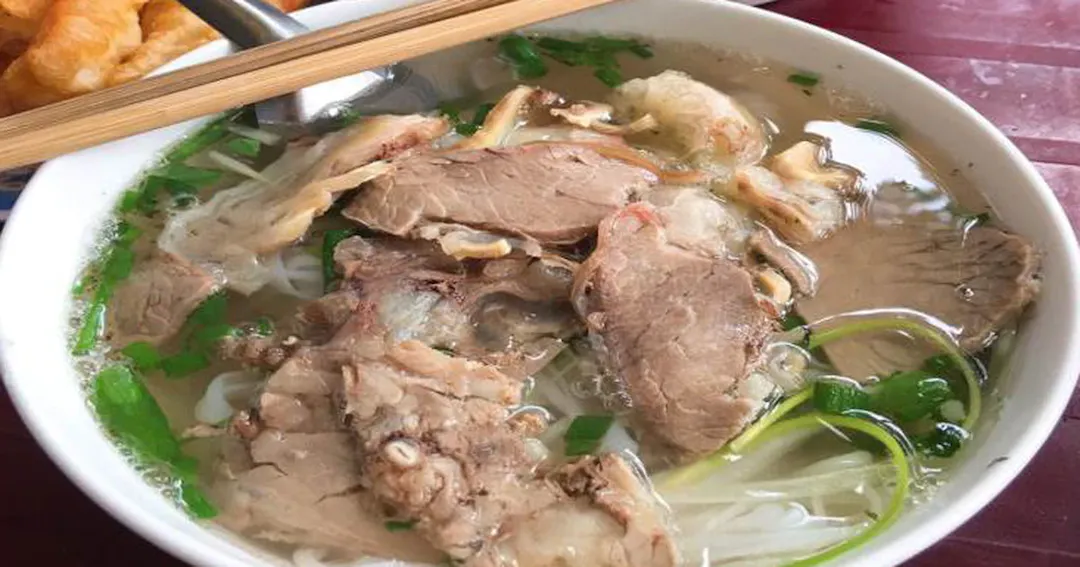
For diners who prefer a more structured, traditional meat texture, Phở Chín represents the deeply comforting, well-done alternative. This preparation utilizes lean cuts of brisket that have been meticulously slow-simmered in the master stock pot for several hours alongside massive beef femurs. The prolonged exposure to low, steady heat breaks down the tough muscle fibers, yielding a tender, deeply flavorful profile that has fully absorbed the complex spice architecture of the broth. The meat is subsequently cooled, sliced thin, and layered into the bowl, providing a firm, satisfying chew that contrasts beautifully with the slippery softness of the rice noodles. This is the historical, foundational meat choice for many traditionalists, offering a robust, hearty bite that anchors the dish with undeniable substance.
The Flank & Brisket (Phở Nạm & Phở Gầu)
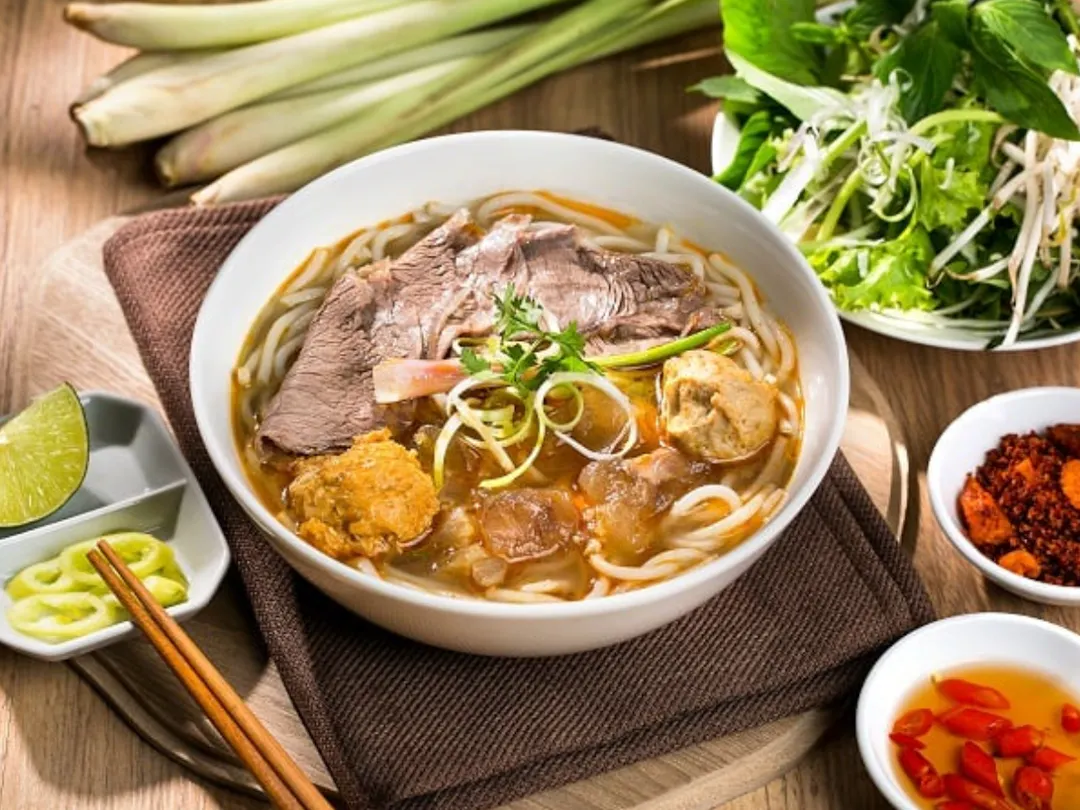
To truly elevate your understanding of the provincial beef anatomy, one must deliberately seek out the richer, texturally challenging cuts, specifically Phở Nạm (flank) and Phở Gầu (fatty brisket). The flank provides a highly pronounced, intensely beefy flavor, laced with ribbons of connective tissue that have softened into a delightful gelatinous state through hours of braising. However, the Gầu stands as the ultimate prize for local gastronomes. This specific cut of brisket is characterized by its distinct, thick layer of yellow fat running along the edge. When properly rendered in the simmering cauldron, this fat becomes incredibly crisp yet buttery, delivering an explosive, rich mouthfeel that heavily coats the tongue and amplifies the deeply savory notes of star anise and cinnamon.
Navigating the Choices
Navigating these myriad choices in a hyper-kinetic street environment can initially induce panic, but strategic ordering is remarkably straightforward once you grasp the local culinary shorthand. You are never restricted to a single cut; the true connoisseur’s approach is to confidently request a mixed bowl, most commonly articulated as a bowl of Tái Chín. This brilliant combination allows you to experience the elegant, silky fragility of the flash-cooked steak alongside the robust depth of the slow-braised brisket within the exact same serving. When you are approaching the vendor, make absolute eye contact, clearly state your desired combination, and boldly point to the specific cuts resting on the butcher block if the linguistic barrier proves difficult. The vendors respect decisiveness, establishing your credibility as a serious and informed street food diner.
The Art of Seasoning – Respecting the Broth: How to Order and Eat Pho in Vietnam
A fundamental pillar revolves around the delicate, highly scrutinized art of table-side seasoning.
The "Taste First" Rule
The absolute, non-negotiable golden rule of Pho eating etiquette is the "Taste First" rule. When the steaming porcelain bowl is aggressively set down before you, you must vigorously resist the urge to immediately reach for the colorful array of condiments littering the steel table. Instead, you must pick up your soup spoon, submerge it into the clear, amber liquid, and take a slow, deliberate sip of the completely unadulterated broth. This is an authoritative, highly visible gesture of profound respect directed entirely at the chef. That liquid represents anywhere from twelve to twenty-four hours of grueling, continuous labor, requiring the meticulous skimming of impurities and the precise calibration of roasted ginger, charred onions, and heavy marrow bones. By tasting the bare foundation first, you acknowledge their intense craftsmanship and mentally map the existing flavor profile, determining exactly what subtle adjustments are required to achieve your personal sensory balance without carelessly insulting the creator’s baseline culinary vision.
The Balancing Act – Lime, Chili, and Herbs
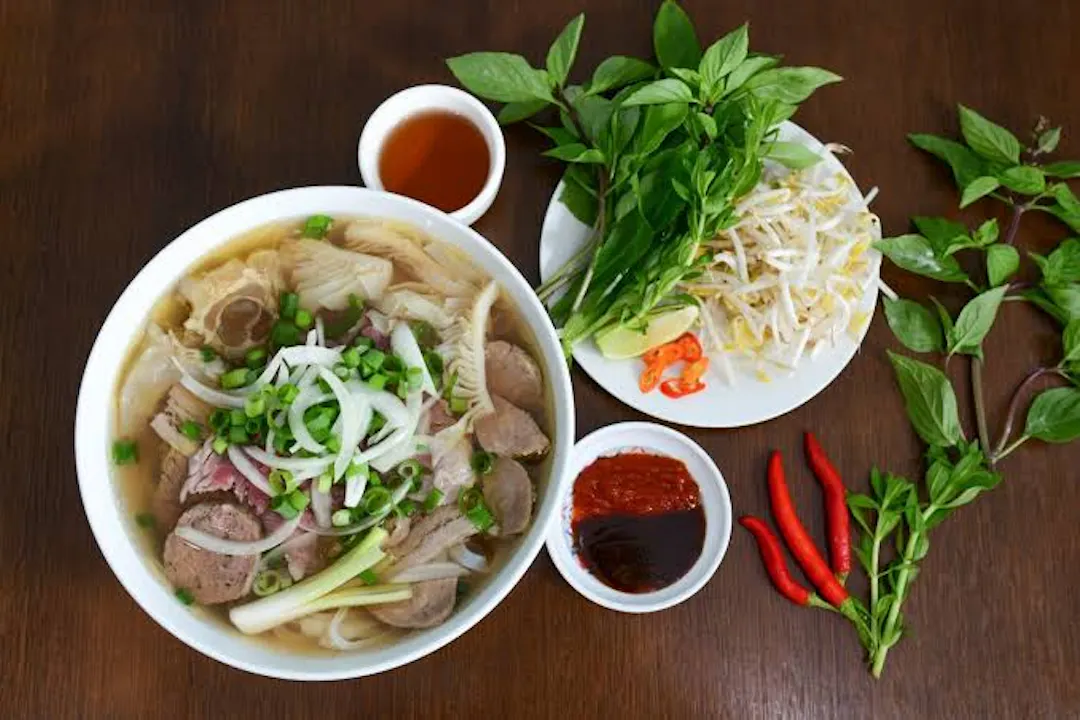
Once the initial tasting is complete, you may begin the careful, incremental balancing act of introducing acidity and heat. The objective is to enhance, never to mask, the existing culinary architecture. Squeeze exactly one small wedge of fresh lime into the broth to provide a sharp, bright citrus note that effectively cuts through the heavy lipid profile of the beef fat. Follow this by dropping in two or three slices of fresh bird's eye chili, pressing them gently against the side of the bowl with your spoon to release their volatile, fiery oils into the liquid. It is crucial to understand that heavily flooding the bowl with dark, sweet hoisin sauce or pungent Sriracha is widely viewed as a culinary tragedy. These thick, overpowering industrial sauces will instantly obliterate the delicate, hard-won spice architecture of the stock. If you require dipping sauces for the meat, you must dispense them into a separate, small side saucer to lightly dip the beef slices.
Herbs and Greens
The final dimension of seasoning involves the strategic integration of the raw botanical accompaniments. To effectively integrate how to season Pho elements without overpowering the soup, you must expertly tear the herbaceous leaves into smaller, manageable fragments, releasing their aromatic essential oils directly into the thermal heat of the broth. Submerge a small handful of crisp bean sprouts to lightly blanch them, providing a refreshing textural crunch that perfectly balances the soft rice noodles, creating a flawlessly synchronized, multi-layered, and deeply satisfying eating experience.
The Cultural Rhythm – Dining Like a Local: How to Order and Eat Pho in Vietnam
To truly master the cuisine, you must actively synchronize your internal clock with the deeply ingrained, traditional communal dining rhythm.
The Morning Ritual
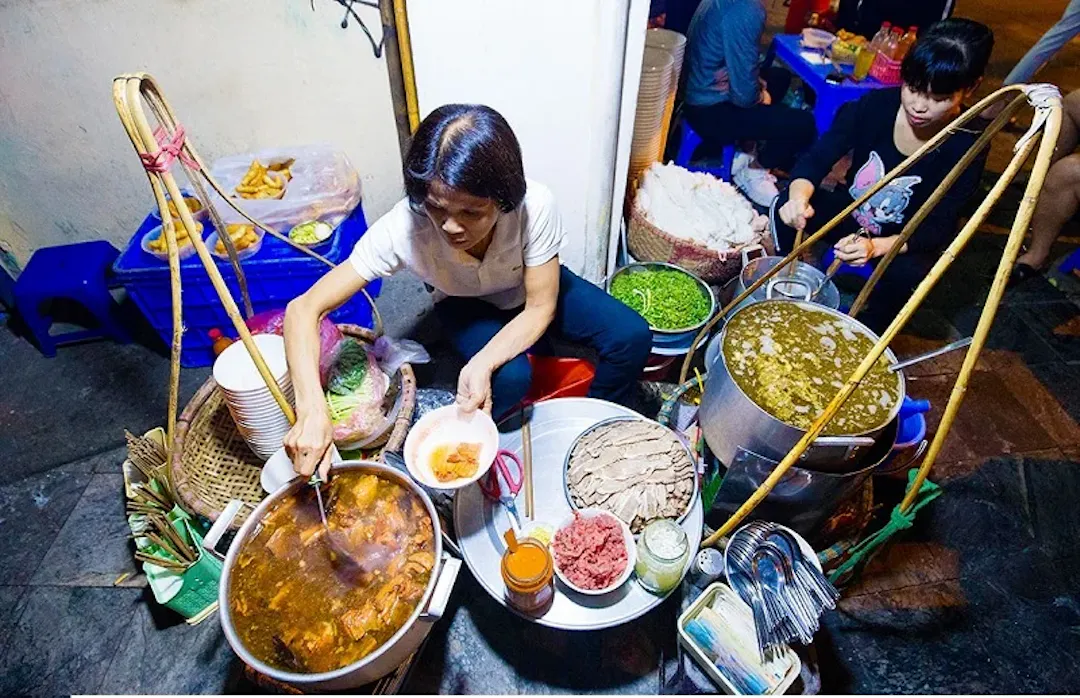
In sprawling urban centers and quiet provincial towns alike, consuming this iconic noodle soup is overwhelmingly regarded as a sacred sunrise breakfast ritual. The vendor's massive cauldrons reach their absolute peak of flavor profile perfection during the very early hours of the morning, usually between six and eight o'clock. Waking up at dawn is not merely a suggestion; it is a strict, undeniable requirement if you intend to catch the freshest broth cycle before the delicate aromatic high notes evaporate and the marrow begins to degrade from over-boiling. Participating in this early morning routine actively fosters a profound sense of communal belonging. You will find yourself sitting shoulder-to-shoulder with uniformed school children, bustling market merchants, and elderly retirees, all united in the quiet, focused consumption of the national dish before the punishing tropical heat of the day officially takes hold.
Street Etiquette
Executing proper street etiquette within these cramped, hyper-energetic spaces requires a specific, unpretentious physical grace. You must comfortably embrace the reality of sitting on incredibly low, brightly colored plastic stools that force your knees toward your chest, positioning you remarkably close to the steaming bowl on the low metal tables. The correct mechanical approach to consumption involves a highly coordinated, dual-handed technique: you must wield the wooden chopsticks in your dominant hand to continuously gather the slick noodles and tender meat, while simultaneously utilizing the wide, flat soup spoon in your non-dominant hand to constantly capture the flavorful broth. Every single bite of the solid ingredients should be immediately chased by a hot spoonful of the liquid, ensuring absolute flavor harmony in the mouth. Furthermore, interacting with the street vendors requires polite deference. A simple, respectful nod, a clear statement of your order, and having your cash readily available upon finishing demonstrates high-level social grace and deep respect for their grueling, fast-paced work environment.
Avoiding Common Pitfalls
Navigating your first few meals inevitably involves dodging several common beginner pitfalls that instantly mark you as an outsider. The most frequent error is treating the flat, porous rice noodles as an afterthought. You must heavily appreciate the nuances of the fresh noodles; they are engineered to rapidly absorb the broth, meaning you must eat with deliberate speed before the strands over-hydrate, swell, and completely disintegrate into an unappealing, starchy mush. By adhering to the established menu and aggressively slurping the noodles with unabashed, highly encouraged enthusiasm, you effortlessly project the supreme, authentic confidence of an experienced diner.
Pro-Tips for the First-Time Traveler: A Vietnamese Street Food Guide
As you embark on your culinary journey, the overwhelming sheer volume of vendors lining the congested streets requires the application of a highly discerning, authoritative selection methodology.
Identifying the Best Spots
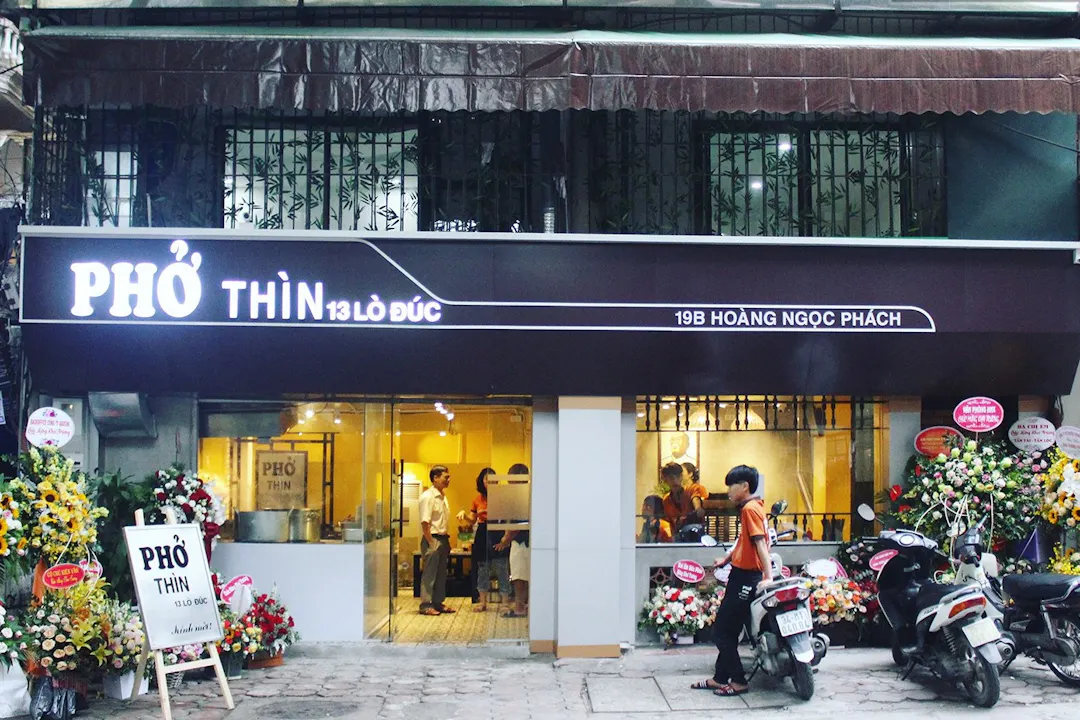
The absolute most reliable metric for identifying the best spots is employing the rigorous crowd-check method. You must aggressively bypass the empty, brightly lit tourist restaurants boasting extensive, multi-language menus and instead seek out the visually chaotic, hyper-congested alleyway stalls overflowing with local motorbikes. A massive, impatient crowd of neighborhood regulars is the ultimate, indisputable indicator of supreme broth integrity. Furthermore, you must actively look for establishments that exhibit a fiercely specialized, minimalist approach. A vendor who serves absolutely nothing else but this specific noodle soup demonstrates a profound, generational dedication to culinary excellence that guarantees a transcendent meal.
Dietary Preferences
Addressing specific dietary preferences within this highly traditional framework requires a delicate, highly respectful approach to communication. It is a well-documented reality that many iconic street stalls utilize varying amounts of MSG to amplify the savory umami profile of the broth. If you possess a genuine sensitivity, you can attempt to respectfully request absolutely no MSG, but you must understand that the foundational master stock may have already been heavily seasoned hours before your arrival. Maintaining a polite, flexible, and culturally sensitive attitude guarantees that your specific needs are met while firmly remaining respectful to the fierce, unyielding traditional cooking processes defining this nation's gastronomy.
Perfecting How to Order and Eat Pho in Vietnam
Learning exactly how to order and eat pho in Vietnam transforms a hesitant tourist into a respectful, culturally integrated diner. By decoding the complex beef cuts, adhering to the sacred seasoning rules, and embracing the chaotic communal rhythm of the morning street stall, you elevate a simple meal into an immersive cultural education. You are actively participating in a rich, generational legacy of masterful culinary architecture. Step onto the bustling sidewalk at dawn, pull up a low stool, and confidently embrace the local rhythm of your first morning bowl.
Read more: Pho Vietnam
Frequently Asked Questions About Ordering and Eating Pho in Vietnam
How do I order Pho in Vietnam?
Most restaurants offer several options, such as Pho Bo (beef pho) or Pho Ga (chicken pho). You can also choose specific cuts of meat, including rare beef (tái), brisket (chín), flank (nạm), tendon (gân), or meatballs (bò viên).
Should I add hoisin sauce and chili sauce to my Pho?
It depends on the region. In southern Vietnam, many diners add hoisin sauce, chili sauce, lime, and herbs. In northern Vietnam, people usually enjoy the broth as served, using only small amounts of chili or vinegar if desired.
What herbs are served with Pho?
Southern Pho is commonly served with Thai basil, bean sprouts, sawtooth herb (ngò gai), lime wedges, and fresh chili. Northern Pho typically comes with fewer garnishes, focusing on the natural flavor of the broth.
Is it acceptable to drink the Pho broth?
Yes. The broth is considered the heart of the dish, and many Vietnamese people enjoy drinking it directly with a spoon after finishing the noodles and meat.
When is Pho usually eaten in Vietnam?
Pho is traditionally a breakfast dish, but today it is enjoyed throughout the day. Many restaurants serve Pho from early morning until late evening, making it a popular meal for breakfast, lunch, dinner, or even a late-night snack.
Advertising box
More Pho Stories & Vietnamese Food Guides
Discover more about Vietnam's iconic Pho through in-depth articles covering its history, regional styles, authentic recipes, nutrition, dining etiquette, and the best places to enjoy it. Explore the culture, traditions, and flavors that have made Pho one of the world's most beloved noodle dishes.
Northern Pho vs Southern Pho: What’s the Real Difference?
Pho is Vietnam's most famous dish, but not all bowls are the same. Northern Pho from Hanoi emphasizes a clear, delicate broth and minimal garnishes, while Southern Pho from Ho Chi Minh City is richer, sweeter, and served with an abundance of fresh herbs and condiments. From cooking techniques and ingredients to serving traditions and regional flavors, this guide explores the real differences between Northern and Southern Pho, helping you appreciate the unique character of each iconic Vietnamese noodle soup.
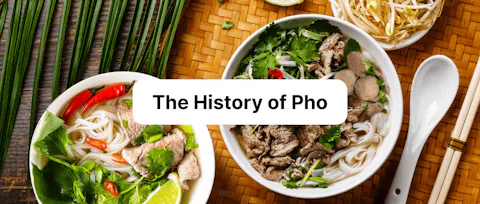
The History of Pho: How It Became Vietnam’s National Dish
Pho is more than Vietnam's most famous noodle soup—it is a symbol of the nation's culture, history, and identity. Originating in northern Vietnam in the early 20th century, Pho evolved through local traditions, French influence, and regional adaptations before becoming an internationally recognized culinary icon. This guide explores the fascinating history of Pho, its humble beginnings, how it spread across Vietnam, and why it remains one of the country's most beloved dishes today.
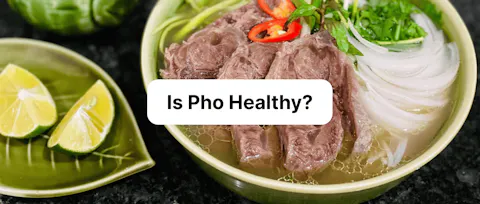
Is Pho Healthy? Calories, Nutrition, and Gluten-Free Facts
Pho is widely regarded as one of Vietnam's healthiest traditional dishes thanks to its nourishing broth, lean protein, fresh herbs, and rice noodles. However, its nutritional value can vary depending on the ingredients and portion size. This guide explores Pho's calories, protein, carbohydrates, vitamins, sodium content, and whether it is gluten-free. You'll also discover practical tips for enjoying this iconic Vietnamese noodle soup as part of a healthy, balanced lifestyle.
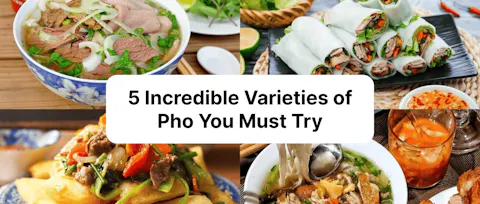
Beyond Soup: 5 Incredible Varieties of Pho You Must Try
Most travelers know Pho as Vietnam's iconic noodle soup, but the story doesn't end there. Across the country, talented cooks have transformed Pho into an impressive variety of dishes, including stir-fried Pho, rolled Pho, dry Pho, and regional specialties with unique flavors and textures. This guide introduces five incredible Pho varieties that showcase the versatility of Vietnam's most famous noodles and prove there's much more to Pho than a comforting bowl of soup.