
Northern Pho vs Southern Pho: What’s the Real Difference?
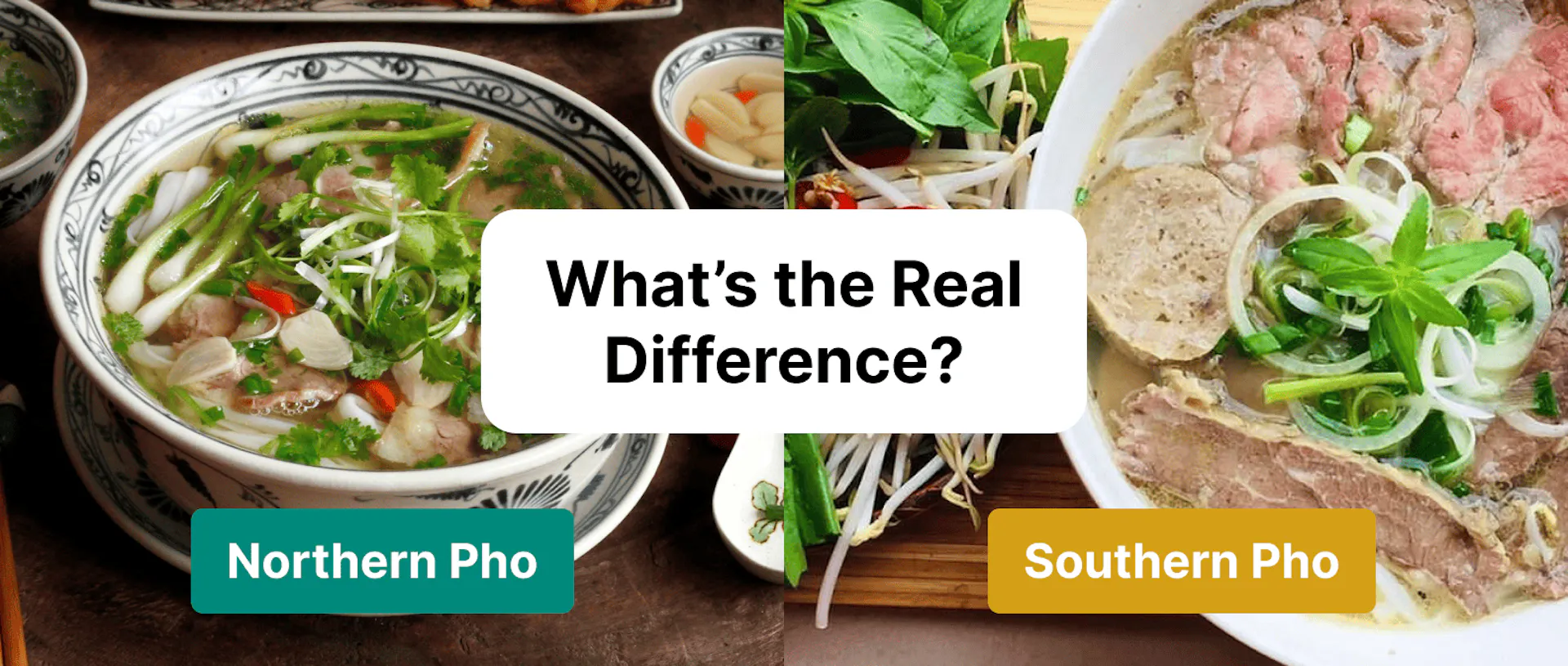
Pho is Vietnam's most famous dish, but not all bowls are the same. Northern Pho from Hanoi emphasizes a clear, delicate broth and minimal garnishes, while Southern Pho from Ho Chi Minh City is richer, sweeter, and served with an abundance of fresh herbs and condiments. From cooking techniques and ingredients to serving traditions and regional flavors, this guide explores the real differences between Northern and Southern Pho, helping you appreciate the unique character of each iconic Vietnamese noodle soup.
On this page
- The Soul of the Broth: Transparency vs. Abundance in Northern Pho vs Southern Pho
- The Anatomy of the Bowl: Noodles and Toppings in Northern Pho vs Southern Pho
- The Cultural Geography: Why the Divide in Northern Pho vs Southern Pho Matters
- Dining Etiquette and How to Master Northern Pho vs Southern Pho
- The Final Verdict on Northern Pho vs Southern Pho
To sit on a low plastic stool in Vietnam as the sun rises, enveloped in the aromatic steam of a simmering cauldron, is to experience the very heartbeat of the nation’s culinary identity. The complexity of spices radiating from that fragrant vapor—star anise, toasted cinnamon, and charred ginger—carries the immense cultural weight of centuries of gastronomic evolution. Yet, for the uninitiated traveler, the assumption that this iconic noodle soup represents a singular, uniform dish is a fundamental misconception. Understanding the primary nuances of Northern Pho vs Southern Pho is the ultimate key to deciphering the nation’s complex culinary regionalism. This iconic dish is not a monolith; rather, it is a fascinating, ongoing regional dialogue between the minimalist, refined tradition of the capital and the expressive, abundant culture of the tropical south. To uncover the difference between Hanoi Pho and Saigon Pho is to trace a map of migration, agricultural adaptation, and profound philosophical shifts in how food is meant to be consumed. We will embark on a comprehensive journey to decode the intricate flavor profile stratification that separates these two distinct Vietnamese Pho styles, exploring how the subtle elegance of the north contrasts perfectly with the dynamic, interactive herbaceousness of the south.
The Soul of the Broth: Transparency vs. Abundance in Northern Pho vs Southern Pho
Northern Pho: The Art of Restraint
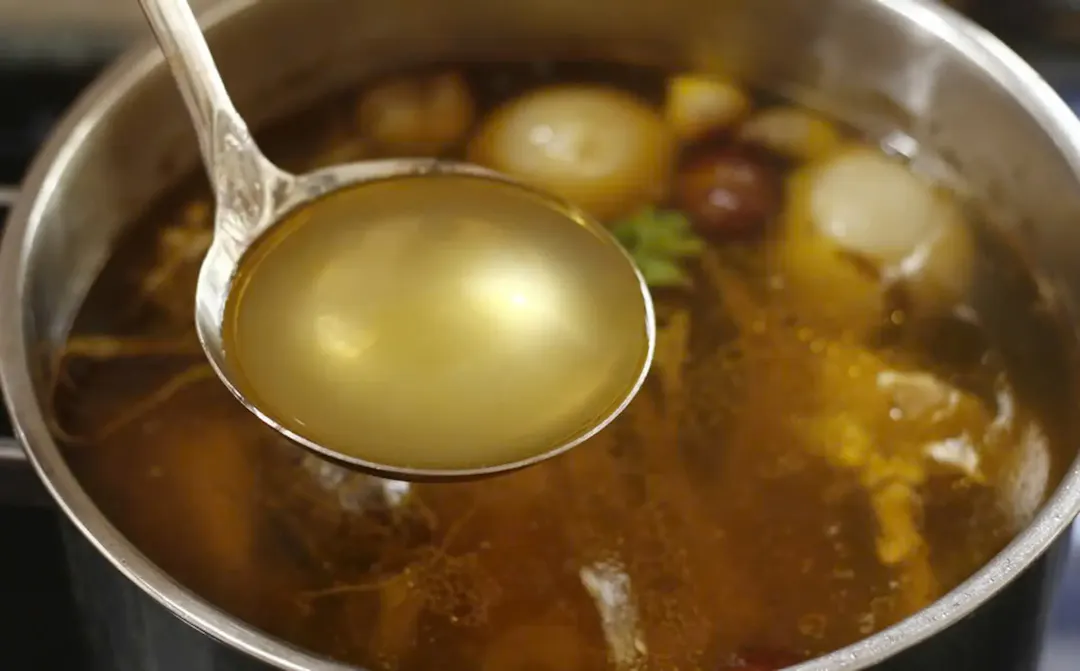
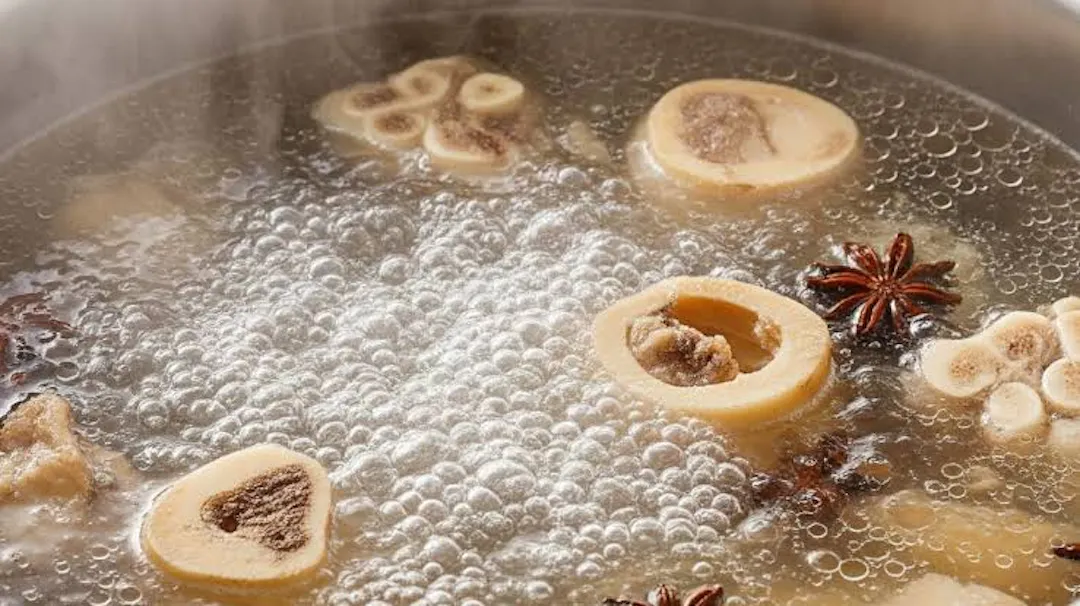
To truly grasp the essence of the northern style, one must first understand that Hanoi treats its nước dùng (broth) with a reverence bordering on the sacred. Here, the broth is not merely a vessel for other ingredients; it is the absolute focal point of the culinary experience. The art of the northern broth is fundamentally defined by restraint, prioritizing the pristine, unadulterated purity of long-simmered beef or chicken bones. Master chefs in the north employ a highly disciplined aromatic spice architecture, utilizing only a precise, minimalist selection of charred aromatics—specifically roasted ginger and shallots—to gently coax out the natural sweetness of the marrow without clouding the liquid. The visual aesthetic of a proper northern bowl is unmistakable: the liquid must be brilliantly clear, maintaining a translucent, amber hue that sparkles under the morning light. The expertise required to achieve this delicate balance is monumental. A chef must constantly monitor the boiling temperature, meticulously skimming impurities to ensure the broth never becomes murky or overly fatty. In the north, heavily spicing the broth is viewed as an amateurish attempt to mask inferior bones. Instead, the northern bowl relies on the subtle, savory depth of high-quality fish sauce to provide its umami backbone. It is a quiet, contemplative masterpiece that demands the diner’s complete attention, forcing them to appreciate the immense skill required to achieve such profound depth without relying on excessive seasoning or heavy sweeteners.
Southern Pho: The Expressionist Broth
In stark contrast, the southern interpretation of the dish serves as a vibrant, expressionist canvas that perfectly mirrors the agricultural abundance and culinary openness of Saigon. As we continue to explore Northern Pho vs Southern Pho, the southern broth instantly distinguishes itself through a decidedly more robust, slightly sweeter flavor profile stratification. The southern palate heavily favors a richer, more aggressively seasoned liquid, achieved through the generous inclusion of rock sugar and a significantly wider, more prominent bouquet of toasted spices, including star anise, cloves, fennel seeds, and coriander. This bold, multi-layered broth is specifically engineered to act as a sturdy foundation capable of supporting an avalanche of contrasting textures and heavy condiments. While a northern chef might view this approach as chaotic, the southern culinary philosophy embraces this dynamic complexity. The broth in Saigon is often slightly darker and fattier, carrying a luxurious, deeply savory weight that coats the palate. This richness is not accidental; it is a calculated design choice. The southern broth is intentionally crafted to be resilient, maintaining its core identity even after the diner inevitably introduces handfuls of fresh herbs, squirts of citrus, and dollops of fermented sauces. It is a broth that invites participation, proudly reflecting a region defined by its history of absorbing diverse cultural influences and its proximity to the lush, fertile expanse of the Mekong Delta, where ingredients are inherently bolder, sweeter, and infinitely more plentiful.
The Anatomy of the Bowl: Noodles and Toppings in Northern Pho vs Southern Pho
The Noodle Science
Beyond the simmering vats of broth, the literal foundation of any bowl lies in the bánh phở (rice noodles), and the science behind their selection reveals yet another fascinating layer of culinary regionalism. In the north, tradition dictates the use of wider, flatter, and noticeably silkier rice noodles. These delicate, velvet-like ribbons are prized for their exceptional ability to glide effortlessly across the palate, offering a tender chew that harmonizes perfectly with the subtle, pristine nature of the northern broth. Because the Hanoi-style liquid is lighter and less viscous, the wider surface area of the northern noodle ensures that a sufficient amount of the delicate, savory broth is captured with every single bite. Conversely, moving southward, the textural requirements shift dramatically. Southern vendors typically favor a significantly thinner, slightly more resilient and chewy rice noodle. This specific structural choice is a brilliant, practical adaptation to the heavier, sweeter, and more assertive southern broth. The thinner strands provide a vital textural contrast, cutting through the rich, fatty liquid while maintaining their structural integrity amidst the inevitable deluge of crunchy bean sprouts and fibrous fresh herbs. Understanding this precise noodle science is crucial for appreciating what makes authentic Pho, as it demonstrates how every physical component was historically selected and refined over generations to achieve flawless regional harmony.

Toppings and Accompaniments
The most visually striking divergence in this gastronomic evolution is undoubtedly found in the garnishes and table-side accompaniments. To eat northern style is to embrace an almost monastic simplicity. The bowl is typically adorned with nothing more than a flurry of finely chopped scallions, a few sprigs of cilantro, and a dash of freshly cracked black pepper. The only permitted textural addition is the beloved quẩy, a golden, deep-fried dough stick that is expertly torn and submerged to soak up the savory amber liquid. A northern purist might occasionally add a few drops of garlic-infused rice vinegar or a single slice of fiery chili, but the overarching rule is to never obscure the chef's hard-won broth. In magnificent contrast, a bowl in the south arrives accompanied by a sprawling, chaotic jungle of fresh vegetation. The fresh-herb explosion is mandatory, featuring massive plates piled high with sharp húng quế (Thai basil), saw-tooth coriander (ngò gai), crisp bean sprouts, and lime wedges. Furthermore, the southern table is heavily armed with bottles of sweet, fermented tương đen (hoisin sauce) and vibrant, garlicky chili paste. The southern diner expertly navigates this sweet-savory interplay, frequently dipping their meats into a side saucer of mixed sauces while utilizing the sharp, peppery herbs to continuously refresh their palate.

The Cultural Geography: Why the Divide in Northern Pho vs Southern Pho Matters
Hanoi: A Tradition of Refinement
To fully understand the history of Pho, one must examine the specific cultural geography and socio-political environment of its birthplace. Hanoi is a city steeped in a thousand years of traditional refinement, ancient scholasticism, and an enduring respect for subtle artistry. In the narrow, misty alleyways of the Old Quarter, eating a bowl of noodles has always been a quiet, deeply personal morning ritual. The northern climate, characterized by four distinct seasons and a notoriously damp, bone-chilling winter, historically necessitated a warm, restorative meal that provided comfort without heavy, overwhelming indulgence. Consequently, the northern style developed as a dish that explicitly demands quiet contemplation and a deep appreciation for its subtle, balanced flavors. It is a reflection of a society that values restraint, classicism, and the preservation of ancient culinary rules. The northern vendor is viewed as an absolute authority, an artisan who has spent a lifetime perfecting a singular, unchangeable recipe. To heavily alter their creation with external sauces is often considered a polite affront to their generational expertise. Therefore, the refined, austere nature of the northern bowl is a direct, edible manifestation of the capital city's proud, traditional soul and its historical resistance to unnecessary extravagance.

Saigon: A Culture of Interaction
The southern iteration of the dish, however, tells an entirely different story of migration, rapid adaptation, and tropical abundance. Following the partition of the country in 1954, an immense wave of northern migrants fled southward, bringing their cherished, ancestral noodle recipes with them. Upon arriving in the vibrant, sun-drenched metropolis of Saigon, these traditional recipes immediately collided with a completely different cultural geography. The south has always been a bustling hub of international commerce, defined by its warm, tropical climate and an incredibly fertile agricultural landscape that produces an overwhelming abundance of fresh herbs, sugarcane, and spices. Here, the social evolution of the dish transformed it into a dynamic, community-driven meal. The southern culture is inherently more laid-back, highly interactive, and wonderfully expressive. Consequently, the diner in the south is elevated from a passive consumer to an active co-creator of the soup. The sprawling plates of garnishes and the array of vibrant sauces empower the individual to customize their bowl to match their exact, momentary cravings. This interactive dining style perfectly encapsulates the welcoming, open-minded, and exuberant spirit of the southern people.

Dining Etiquette and How to Master Northern Pho vs Southern Pho
The Trustworthiness of the Experience
For the passionate culinary traveler eager to learn how to eat Pho like a local, mastering the dining etiquette is just as important as understanding the ingredients. Regardless of which regional style you are consuming, the absolute most critical rule of engagement is to establish the trustworthiness of the experience by tasting the broth entirely on its own before introducing any external elements. When the steaming bowl is placed before you, immediately pick up your spoon and take a slow, deliberate sip of the unadorned liquid. This is the authoritative, respectful way to honor the chef’s meticulous overnight labor. By evaluating the pure, baseline flavor, you demonstrate a deep appreciation for the complex aromatic spice architecture they have constructed. Only after you have mentally mapped the nuances of the broth should you begin the process of seasoning. In the north, this might mean a tiny splash of garlic vinegar to cut the richness. In the south, it involves expertly tearing your húng quế and ngò gai into manageable pieces, ensuring the essential oils are released directly into the hot liquid without disrespecting the foundational efforts of the kitchen.
Navigating Authentic Pho Spots
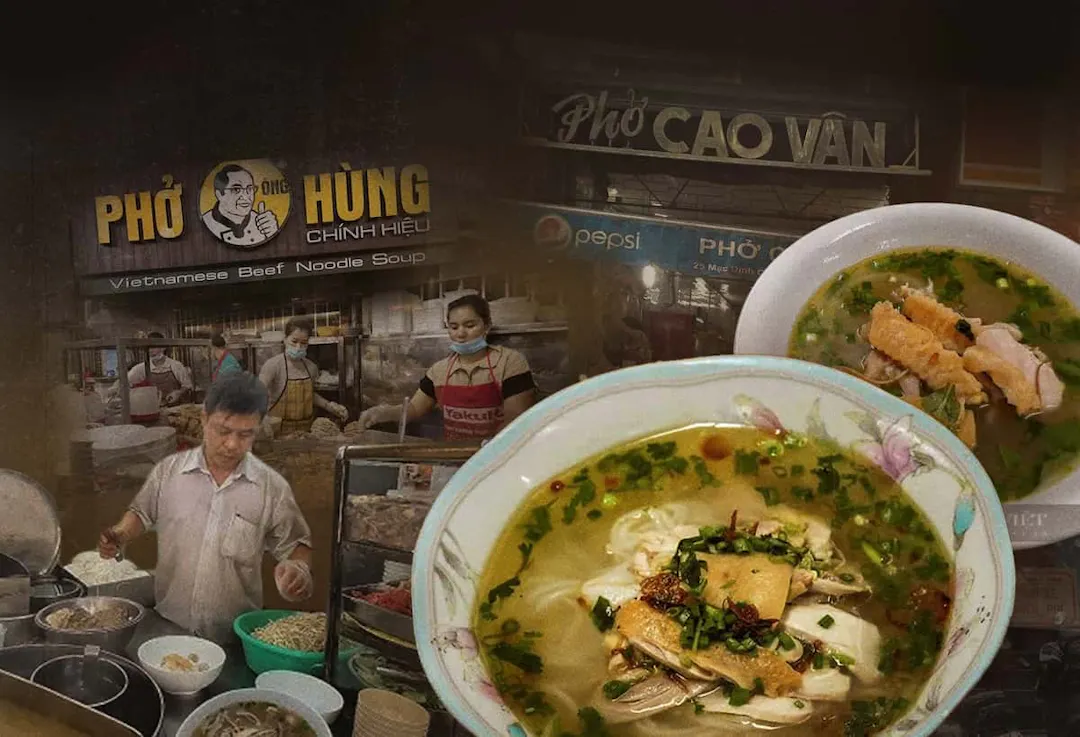
When attempting to navigate the overwhelming maze of street vendors and identify true culinary expertise, discerning travelers must look far beyond flashy signage or extensive, multi-page menus. A menu boasting dozens of unrelated dishes is often a clear warning sign. The most spectacular, deeply authentic bowls are invariably found at highly specialized, multi-generational establishments that serve absolutely nothing else. You must rely heavily on your senses. Approach the establishment and analyze the scent radiating from the massive, bubbling cauldrons; it should carry a warm, deeply savory, and slightly sweet aroma of toasted spices and clean beef marrow, never a heavy, greasy, or artificially chemical smell. Observe the texture of the meat being prepared; the brisket should be tender but hold its shape, and the rare flank should be vibrant and thinly sliced. Pay close attention to the local clientele; a crowded room of older, neighborhood residents quietly focused on their bowls at six in the morning is the ultimate, undeniable indicator of supreme quality, guiding you toward the true, hidden masters of this spectacular national dish.
The Final Verdict on Northern Pho vs Southern Pho
Ultimately, engaging in the great debate of Northern Pho vs Southern Pho is not about declaring a definitive victor; it is about profoundly understanding the emotional, geographical, and historical journey of Vietnam itself. Each distinct bowl serves as a delicious, steaming mirror reflecting the unique soul of its respective region. The north offers a brilliant masterclass in elegant restraint, historical tradition, and pure, unadulterated flavor, while the south delivers a joyful, herbaceous celebration of agricultural abundance and interactive dining. As you continue your exploration of this incredible gastronomic heritage, a singular, pressing question remains. Are you a purist of the Northern broth, or do you crave the Southern herb-rich experience?
Read more: Pho Vietnam
Frequently Asked Questions About Northern Pho vs Southern Pho
What is the biggest difference between Northern Pho and Southern Pho?
The main difference lies in the broth and presentation. Northern Pho features a clear, delicate broth with simple garnishes, while Southern Pho has a slightly sweeter broth and is served with a generous plate of fresh herbs, bean sprouts, lime, and sauces.
Which style of Pho is more authentic?
Both are authentic. Northern Pho originated in Hanoi and represents the original style, while Southern Pho evolved after spreading to southern Vietnam, adapting to local ingredients and culinary preferences.
Why does Southern Pho come with more herbs and condiments?
Southern cuisine emphasizes freshness and customization. Diners are encouraged to adjust the flavor with herbs, bean sprouts, chili, lime, hoisin sauce, and chili sauce according to their personal taste.
Is Northern Pho healthier than Southern Pho?
Both can be healthy choices. Northern Pho is generally lighter because it uses fewer sauces and garnishes, while Southern Pho offers additional vegetables and herbs that increase fiber and vitamins.
Which Pho should first-time visitors to Vietnam try?
If possible, try both. Northern Pho offers a classic, refined taste that highlights the broth, while Southern Pho provides a richer, more customizable dining experience. Experiencing both styles gives a deeper appreciation of Vietnam's culinary diversity.
Advertising box
More Pho Stories & Vietnamese Food Guides
Discover more about Vietnam's iconic Pho through in-depth articles covering its history, regional styles, authentic recipes, nutrition, dining etiquette, and the best places to enjoy it. Explore the culture, traditions, and flavors that have made Pho one of the world's most beloved noodle dishes.
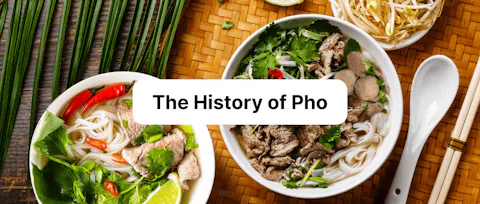
The History of Pho: How It Became Vietnam’s National Dish
Pho is more than Vietnam's most famous noodle soup—it is a symbol of the nation's culture, history, and identity. Originating in northern Vietnam in the early 20th century, Pho evolved through local traditions, French influence, and regional adaptations before becoming an internationally recognized culinary icon. This guide explores the fascinating history of Pho, its humble beginnings, how it spread across Vietnam, and why it remains one of the country's most beloved dishes today.
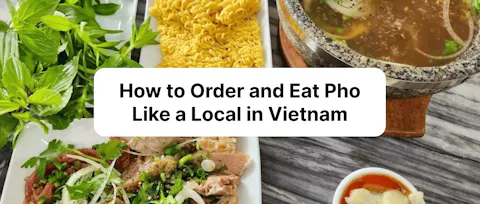
How to Order and Eat Pho Like a Local in Vietnam
Ordering Pho in Vietnam is about more than choosing a bowl of noodles—it's part of experiencing the country's food culture. From understanding menu terms and selecting your preferred cuts of meat to knowing when to add herbs, lime, or chili, local customs can make your meal even more enjoyable. This guide explains how Vietnamese people order and eat Pho, common restaurant etiquette, regional differences, and practical tips to help you enjoy Vietnam's most iconic dish like a local.
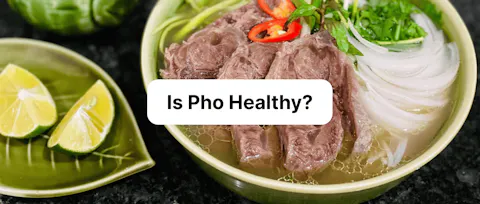
Is Pho Healthy? Calories, Nutrition, and Gluten-Free Facts
Pho is widely regarded as one of Vietnam's healthiest traditional dishes thanks to its nourishing broth, lean protein, fresh herbs, and rice noodles. However, its nutritional value can vary depending on the ingredients and portion size. This guide explores Pho's calories, protein, carbohydrates, vitamins, sodium content, and whether it is gluten-free. You'll also discover practical tips for enjoying this iconic Vietnamese noodle soup as part of a healthy, balanced lifestyle.
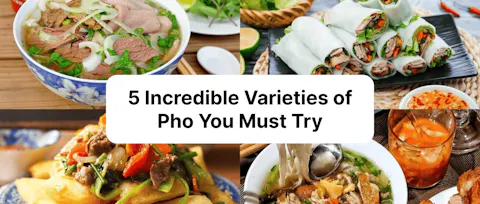
Beyond Soup: 5 Incredible Varieties of Pho You Must Try
Most travelers know Pho as Vietnam's iconic noodle soup, but the story doesn't end there. Across the country, talented cooks have transformed Pho into an impressive variety of dishes, including stir-fried Pho, rolled Pho, dry Pho, and regional specialties with unique flavors and textures. This guide introduces five incredible Pho varieties that showcase the versatility of Vietnam's most famous noodles and prove there's much more to Pho than a comforting bowl of soup.